
Geothermal Energy Explained: How It Works, Benefits, and Future Potential
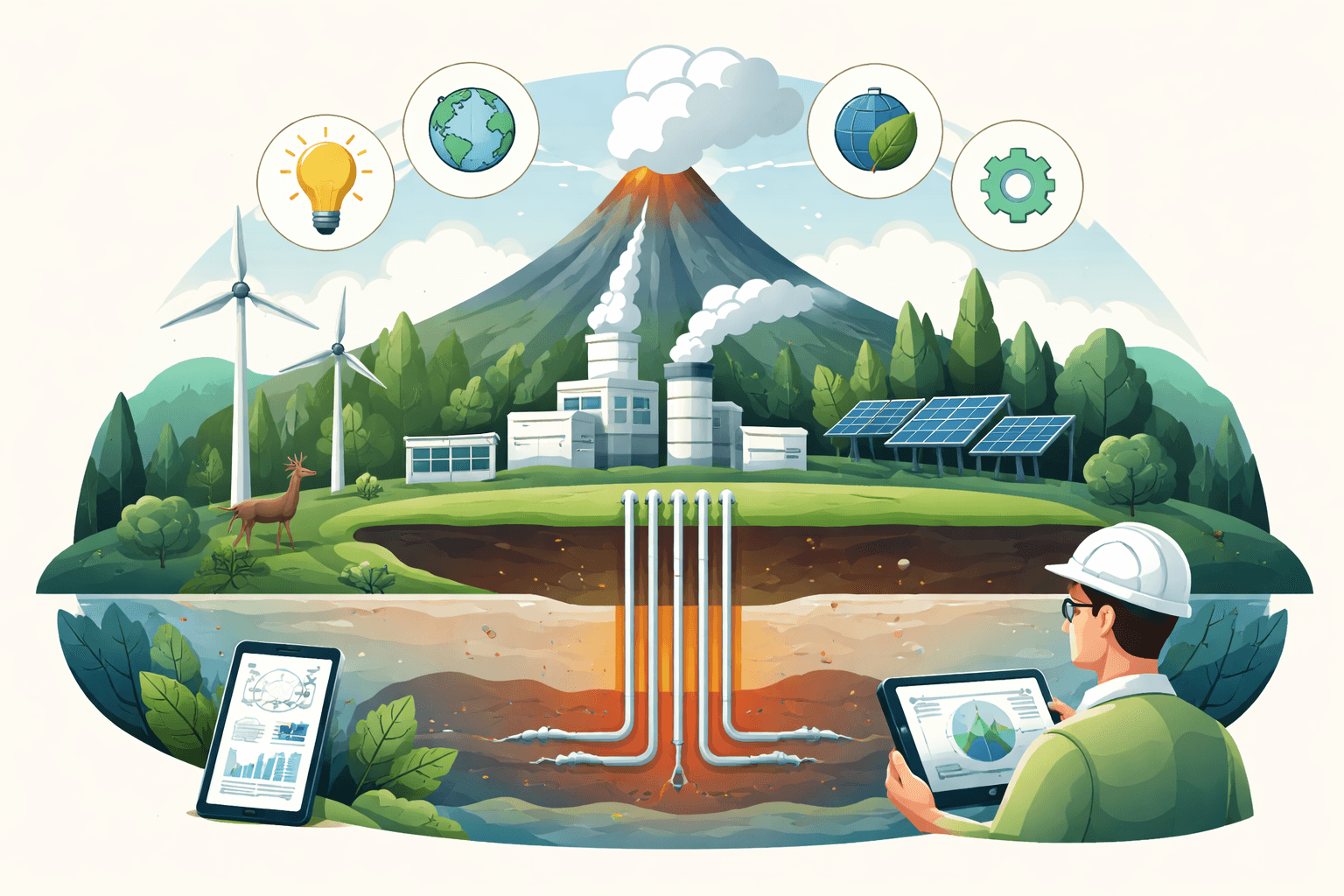
Geothermal energy is gaining new momentum as grids hunt for round-the-clock clean power and cities decarbonize heat. Global geothermal power capacity reached roughly 16–17 GW by the end of 2023, according to IRENA’s Renewable Capacity Statistics 2024, and geothermal heat (direct use plus ground-source heat pumps) exceeded 170 GWth in 2022 per REN21. With capacity factors that often exceed 70% and lifecycle emissions among the lowest of any power source, geothermal energy is poised to play a bigger role—especially as enhanced geothermal systems (EGS) move from pilots to commercial projects.
What is geothermal energy? Definitions and resource types
Geothermal energy is heat from the Earth’s interior. Radioactive decay and residual formation heat maintain temperatures that rise with depth (the geothermal gradient). Engineers tap that heat to produce electricity and to provide space heating, cooling, and industrial process heat.
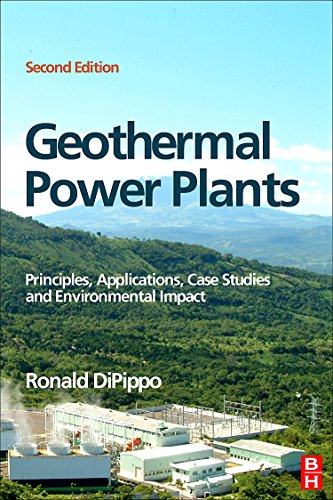
Geothermal Power Plants: Principles, Applications, Case Studies and Environmental Impact: DiPippo, Ronald
* <strong>Engineering principles are at the heart of the book, with complete coverage of the thermodynamic basis for the design of geothermal power systems</strong>* Practical applications are backed
Check Price on AmazonKey terms:
- Hydrothermal resources: Naturally occurring hot water or steam at accessible depths in porous rock. These are the classic resources used by most existing power plants.
- Enhanced geothermal systems (EGS): Engineered reservoirs created by stimulating low-permeability hot rock to allow fluid circulation where natural hydrothermal resources are absent.
- Ground-source heat pumps (GSHPs): Shallow geothermal systems using the near-constant temperature of the ground (typically 10–20°C) to heat and cool buildings efficiently.
- Binary, flash, and dry steam: Three main power plant technologies. Dry steam uses steam directly from the ground; flash expands high-pressure hot water to steam; binary transfers heat from moderate-temperature water to a secondary working fluid with a low boiling point, driving a turbine in a closed loop.
Resource temperature bands and typical uses:
- Low temperature (<90°C): Direct use (district heating, greenhouses, aquaculture) and GSHPs.
- Medium temperature (90–180°C): Binary power generation (Organic Rankine Cycle) and industrial heat.
- High temperature (>180°C): Flash or dry-steam power generation and high-grade industrial heat.
How geothermal systems work: hydrothermal, EGS, and ground-source heat pumps
Hydrothermal power plants
Hydrothermal plants drill into reservoirs where hot fluids already flow through permeable rock. Production wells bring hot water or steam to the surface. Depending on temperature and pressure:
- Dry-steam plants route steam directly to a turbine.
- Flash plants depressurize (or “flash”) hot water to steam, drive a turbine, then condense and reinject the water.
- Binary plants transfer heat from hot water to a closed-loop working fluid (like isobutane) that vaporizes at low temperatures, spins a turbine, and is re-condensed.
Reinjection maintains reservoir pressure and sustainability. Wellfields are continuously monitored for temperature, pressure, and chemistry to manage scaling (e.g., silica) and corrosion.
Enhanced geothermal systems (EGS)
EGS targets hot but impermeable rock. Developers drill two or more wells, then create or stimulate a fracture network to connect them. Cold water is injected, heated by the rock, and produced from the other well(s) to drive a surface power plant—commonly a binary cycle.
Modern EGS leverages oil-and-gas innovations: high-temperature bits, rotary steerable systems for precise well placement, fiber-optic sensing, and microseismic monitoring for safe, controlled stimulation. Recent pilots have demonstrated sustained flow rates and power output, signaling a potential shift from niche to scalable resource, particularly in regions without conventional hydrothermal reservoirs.
Ground-source heat pumps (GSHPs)
GSHPs use the ground’s stable temperature as a heat source in winter and a heat sink in summer. A heat pump moves heat between a building and the ground loop.
- Closed-loop systems circulate a fluid through buried horizontal loops (shallow trenches) or vertical boreholes (typically 50–200 meters deep).
- Open-loop systems pump groundwater directly, then discharge it back to the aquifer.

ecobee Smart Thermostat Premium with Smart Sensor and Air Quality Monitor - Programmable Wifi Thermostat - Works with Siri, Alexa, Google Assistant - Amazon.com
View on Amazon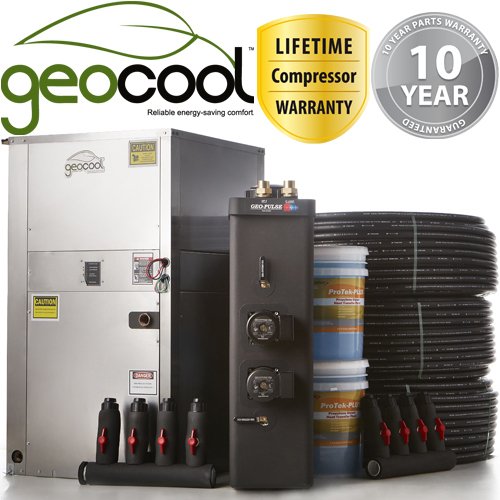
GeoCool 3 Ton Geothermal Heat Pump with Install Package : Cell Phones & Accessories
View on AmazonBecause the ground is milder than outdoor air, GSHPs achieve high coefficients of performance (COP 3–5), delivering 3–5 units of heat per unit of electricity consumed. U.S. DOE and EPA analyses find GSHPs can reduce HVAC energy use by 25–50% versus conventional systems, lowering operating costs and peak demand when paired with modern controls.
Global capacity, costs, and key market statistics (2024 data)
- Global geothermal power: Approximately 16–17 GW installed by end-2023 (IRENA, Renewable Capacity Statistics 2024). The United States (~3.7–3.8 GW), Indonesia (~2.7 GW), the Philippines (~1.9 GW), Turkey (~1.7 GW), Kenya (~0.95 GW), and Italy (~0.8 GW) are top markets.
- Heat markets: REN21’s Global Status Report (2023) estimates more than 170 GWth of installed geothermal heating capacity (direct use and GSHPs) in 2022, with rapid growth driven by heat pumps in Europe, China, and North America.
- Capacity factor: Geothermal power plants typically operate at 70–90% capacity factor (U.S. EIA reports U.S. averages around 74–76% in recent years), providing firm, dispatchable power.
- Costs: IRENA’s Renewable Power Generation Costs (2024) indicates global weighted-average LCOE for new geothermal in 2023 around $0.07–0.09/kWh ($70–90/MWh), with wide variation due to resource quality and drilling outcomes. Lazard’s Levelized Cost of Energy v17 (2024) shows a similar broad range for geothermal, overlapping with new-build gas and below coal in many contexts. NREL’s Annual Technology Baseline (2023) reports overnight capital costs typically $3,000–$6,000/kW for hydrothermal power, with drilling and field development comprising 40–60% of capex.
- GSHP economics: While installed costs vary widely by geology and building type, GSHPs often cut heating energy consumption 30–60% and cooling 20–50% compared with conventional HVAC (U.S. DOE/EPA). Policy incentives and utility programs can significantly improve payback.
By the numbers
- 16–17 GW: Global geothermal power capacity (end-2023, IRENA 2024)
- 170+ GWth: Global geothermal heat (direct + GSHPs) in 2022 (REN21 2023)
- 70–90%: Typical capacity factor for geothermal power (EIA, industry data)
- $70–90/MWh: Global weighted-average LCOE for new geothermal power (IRENA 2024)
- 25–50%: Typical GSHP electricity savings for space conditioning (DOE/EPA)
Environmental impacts and lifecycle emissions compared with other renewables
Lifecycle greenhouse gas emissions for geothermal power are among the lowest of any technology. The IPCC’s AR6 (2022) places median lifecycle emissions for geothermal power around 27 gCO2e/kWh—comparable to concentrated solar power and hydropower, lower than utility-scale solar PV (median ~48 gCO2e/kWh), and higher than onshore wind (median ~12 gCO2e/kWh). By contrast, natural gas averages ~450 gCO2e/kWh and coal ~900 gCO2e/kWh.
Key environmental considerations:
- Non-condensable gases: Some reservoirs contain CO2 and hydrogen sulfide (H2S). Modern abatement systems capture and re-inject or treat these gases, cutting H2S emissions by >99% where deployed (e.g., Iceland’s abatement programs).
- Water and brine management: Geothermal is typically a closed loop: produced fluids are re-injected to maintain pressure and minimize depletion or contamination. Proper casing and cementing protect freshwater aquifers.
- Land footprint: Small relative to other renewables for the same annual energy; well pads and pipelines are compact, though visual impacts and access roads matter in sensitive habitats.
- Induced seismicity: Most common with EGS. Events at Basel (2006) and Pohang (2017) underscored the need for careful site selection, traffic-light protocols, and real-time seismic monitoring. Today’s EGS projects are designed with conservative stimulation and regulatory oversight.
- Thermal subsidence: Long-term extraction can compact reservoirs; managed reinjection and pressure maintenance mitigate this risk.
- Materials and waste: Scaling (silica, carbonates) and corrosion require chemical management and equipment replacement over time; proper handling and reinjection limit environmental impact.
For heating, GSHP environmental performance depends on the electricity mix. As grids decarbonize, GSHP emissions fall accordingly; in many regions they already deliver substantial CO2 reductions versus gas boilers or electric resistance heat.
Applications and case studies: Iceland, Philippines, California, and district heating
Iceland: Heat for homes, firm power for the grid
Iceland is the archetype: around 90% of homes are connected to geothermal district heating, and roughly 25–30% of national electricity generation is geothermal, with hydropower supplying most of the rest (Icelandic National Energy Authority, Orkustofnun). Beyond power and heat, Iceland uses geothermal for greenhouse agriculture, fish farming, and industrial processes. Projects like CarbFix mineralize captured CO2 in basalt formations, showcasing how geothermal sites can pair with carbon management.
The Philippines: A long-standing geothermal leader
With approximately 1.9 GW installed, the Philippines remains among the world’s top geothermal power producers. The Department of Energy reports geothermal provides around 10% of national electricity—down from higher shares in earlier decades as overall demand grew, but still a critical source of baseload, volcano-powered energy distributed across Luzon, Leyte, and Mindanao fields.
California and the U.S. West: From legacy fields to next-gen projects
- The Geysers north of San Francisco remains the world’s largest geothermal complex at roughly 1.5 GW, supplying steady, dispatchable power for decades.
- The Salton Sea in Southern California hosts high-enthalpy resources and ongoing work on co-producing lithium from geothermal brines. If successful at scale, this could bolster domestic battery supply chains while expanding geothermal output.
- New EGS milestones in the broader western U.S. are demonstrating engineered reservoirs with sustained flow rates, building confidence that firm geothermal could be deployable well beyond traditional hotspots.
District heating in cities: Paris, Munich, Boise, and beyond
Geothermal district heating taps medium-temperature resources for entire neighborhoods:
- Paris Basin: Dozens of doublets (production + reinjection wells) supply hot water to housing estates, hospitals, and public buildings, cutting gas use in the metro area.
- Munich: The municipal utility is building one of Europe’s most ambitious geothermal heating expansions under its coal phase-out plan, targeting substantial shares of district heat from deep geothermal.
- Boise, Idaho: The oldest continuously operating geothermal district heating system in the U.S. warms municipal buildings and businesses downtown, illustrating the technology’s longevity.
Technical and financial barriers: drilling, resource risk, permitting, and finance
Despite strong attributes, geothermal energy faces well-known hurdles:
- Exploration and drilling risk: Subsurface uncertainty is high. Even with geophysics and gradient wells, outcomes vary. Dry or underperforming wells can upend project economics. Drilling and field development typically account for 40–60% of capex (NREL ATB 2023).
- Upfront capital intensity: Geothermal often requires $3,000–$6,000/kW for power projects (NREL ATB 2023), front-loaded before long-term revenues materialize. This challenges developers without risk-sharing mechanisms.
- Permitting and timelines: Environmental reviews, water rights, and induced-seismicity assessments can extend schedules—especially for EGS. Coordination among land, water, and mineral regulators adds complexity.
- Reservoir management: Scaling, gas content, and thermal drawdown need ongoing control. Over-aggressive production can accelerate temperature decline; conservative reinjection and make-up drilling are essential.
- Transmission and offtake: Remote resources may need new lines and firm offtake contracts. Merchant exposure is difficult given exploration risk; long-term PPAs or capacity payments reduce financing costs.
- Supply chain and workforce: High-temperature drilling equipment, specialized casing/cement, and experienced crews are in finite supply. Competition from oil and gas booms can tighten drilling markets.
Financial tools that help include risk insurance, contingent grants for exploration, concessional loans for early stages, and tax credits or feed-in tariffs to stabilize revenues once plants operate.
Policy, incentives, and how governments boost geothermal deployment
- United States: The Inflation Reduction Act (IRA) extended investment (ITC) and production (PTC) tax credits to geothermal power with technology neutrality through at least 2032, plus transferability that improves financing. Bonus credits for domestic content and energy communities can further reduce costs. For buildings, a 30% residential clean energy credit and Section 25D/25C provisions support GSHP adoption when systems meet performance criteria. DOE’s Loan Programs Office and Geothermal Technologies Office fund demonstration, EGS pilots, and drilling innovation.
- Indonesia: A combination of feed-in tariffs, tendering, and risk mitigation facilities has supported one of the world’s fastest-growing geothermal markets. Government-owned entities and multilateral support (World Bank, ADB) help finance exploration where private lenders hesitate.
- Kenya and East Africa: Kenya’s Geothermal Development Company (GDC) assumes upstream exploration risk and sells steam to power producers, a public–private model that grew capacity at Olkaria and Menengai. The African Union’s Geothermal Risk Mitigation Facility (GRMF), supported by KfW and others, provides grants for surface studies and drilling.
- Turkey: The YEKDEM feed-in tariff (originally U.S. dollar-indexed) accelerated more than 1.5 GW of geothermal power in the 2010s. Successor policies continue to support repowering and hybridization.
- European Union: REPowerEU emphasizes heat pumps and renewable heat. Several member states (France, Germany, the Netherlands) offer exploration insurance, capital grants, and district heating support for geothermal. The EU Innovation Fund has awarded grants to novel geothermal concepts, including closed-loop pilots and deep district heating systems.
- Iceland and France: Long-standing regulatory frameworks and district heat incentives show that stable, tailored policies can mainstream geothermal heat in suitable basins.
Policy best practices:
- De-risk early stages with exploration insurance, contingent grants, and public exploration companies.
- Provide long-term offtake certainty via PPAs, capacity payments, or regulated tariffs.
- Streamline permitting with clear induced-seismicity protocols and single-window approvals.
- Invest in transmission to connect remote resources.
- Support workforce and supply chains for high-temperature drilling and power-plant components.
Future innovations: EGS, co-production, hybrid plants, and integration with grids
Scaling EGS
EGS is the unlock for geothermal energy to become geographically widespread. Recent pilots have achieved commercial-relevant flow rates using multi-stage stimulation, advanced tracers, and real-time seismic monitoring. Next steps include:
- Longer laterals and multi-well patterns to increase heat-swept volume and reduce thermal drawdown.
- High-temperature downhole tools and high-rate pumps to sustain circulation.
- Modular binary plants optimized for variable brine conditions.
If learning curves resemble those in shale drilling—shorter cycle times, better geosteering, higher drilling success—EGS costs could fall rapidly. Several developers are targeting tens to hundreds of megawatts of capacity in the late 2020s, with corporate clean-energy buyers signing 24/7 carbon-free energy contracts to anchor financing.
Co-production and critical minerals
Hot oil and gas fields, as well as geopressured brines, hold co-production potential. Power can be generated from produced water via binary cycles, improving field emissions and economics. At the Salton Sea, projects are advancing direct lithium extraction (DLE) from geothermal brines. If commercial DLE is realized at scale, geothermal could serve dual markets: clean power and battery-grade lithium chemicals.
Closed-loop and advanced well architectures
Closed-loop concepts circulate a working fluid through sealed wellbores and lateral networks without contacting the formation, eliminating scaling and gas emissions. While heat transfer is lower than in convective reservoirs, multi-lateral designs, conductive-enhancement techniques, and thermosiphon operation aim to raise output and lower maintenance.
Hybrid plants and flexible operation
- Solar–geothermal hybrids: Solar thermal can preheat brine or working fluid, boosting output during peak hours without extra drilling.
- Geothermal + storage: Pairing with thermal storage (e.g., hot water tanks in district systems) or batteries improves dispatchability. Some advanced concepts use wellbore pressure cycling as a short-duration storage medium.
- Flexible binary operation: Modern binary plants can ramp more quickly, offering ancillary services and helping balance wind and solar variability.
Integration with grids and markets
Geothermal’s value rises in systems with high variable renewables. Because geothermal provides firm capacity and inertia, it supports reliability and lowers total system costs. Planners increasingly value capacity credit—often 80–95% in resource-adequate markets—for geothermal in capacity auctions. Time-of-day pricing and clean-firm procurement (e.g., 24/7 carbon-free energy contracts) can reward geothermal’s attributes versus pure energy-only markets.
Practical implications: what this means for consumers, businesses, and policymakers
- Consumers and buildings: Where space allows, GSHPs can slash heating bills and stabilize comfort. Community-scale borehole fields shared by multiple buildings spread upfront costs and enable thermal sharing.
- Businesses and campuses: Industrial parks, universities, and hospitals can decarbonize heat with medium-temperature resources and large GSHP networks, especially when coupled with thermal storage and low-temperature hydronic distribution.
- Utilities and grid operators: Geothermal adds firm, low-emission capacity that reduces curtailment of wind and solar, supports frequency response, and can anchor resource adequacy portfolios.
- Project developers: Pair exploration risk tools with long-term offtake. Consider hybridization and revenue stacking (heat, power, lithium, ancillary services). Engage communities early around induced-seismicity protocols and air-quality controls.
- Policymakers: Combine risk-sharing (exploration insurance, grants) with durable revenue certainty (PPAs/capacity markets) and streamlined permitting. Fund drilling R&D and workforce training to bend the cost curve.
Where geothermal energy is heading
The next decade will test whether EGS can follow the learning path of shale drilling and offshore wind: standardization, scale, and cost deflation. If it does, geothermal energy could expand from today’s volcanic belts to large swaths of North America, Europe, and Asia with adequate heat at depth. On the heat side, district systems and GSHPs are set to grow as cities electrify buildings and pursue thermal networks that share heat between uses.
Three signposts to watch:
- EGS bankability: First 10–100 MW projects achieving multi-year performance will unlock cheaper capital.
- Heat market maturation: Policies that value decarbonized heat—carbon pricing, clean-heat standards, and district network funding—will drive GSHP and deep-geothermal adoption.
- Mineral co-production: Commercial lithium extraction from geothermal brines would catalyze new projects and co-locate clean power with battery supply chains.
With credible pathways to lower costs, ultra-low lifecycle emissions, and the ability to deliver energy 24/7, geothermal energy is shifting from niche to necessary in a high-renewables grid.
Recommended Products
Geothermal Power Plants: Principles, Applications, Case Studies and Environmental Impact: DiPippo, Ronald
* <strong>Engineering principles are at the heart of the book, with complete coverage of the thermodynamic basis for the design of geothermal power systems</strong>* Practical applications are backed
GeoCool 3 Ton Geothermal Heat Pump with Install Package : Cell Phones & Accessories
Just got my 3 ton up and running yesterday. Just in time for a cold spell coming to northwest NY. Capacity is excellent. Standard fan speed is a little too high for my installation so I need to addres
ecobee Smart Thermostat Premium with Smart Sensor and Air Quality Monitor - Programmable Wifi Thermostat - Works with Siri, Alexa, Google Assistant - Amazon.com
ecobee Smart Thermostat Premium with Smart Sensor and Air Quality Monitor - Programmable Wifi Thermostat - <strong>Works with Siri, Alexa, Google Assistant</strong> - Amazon.com