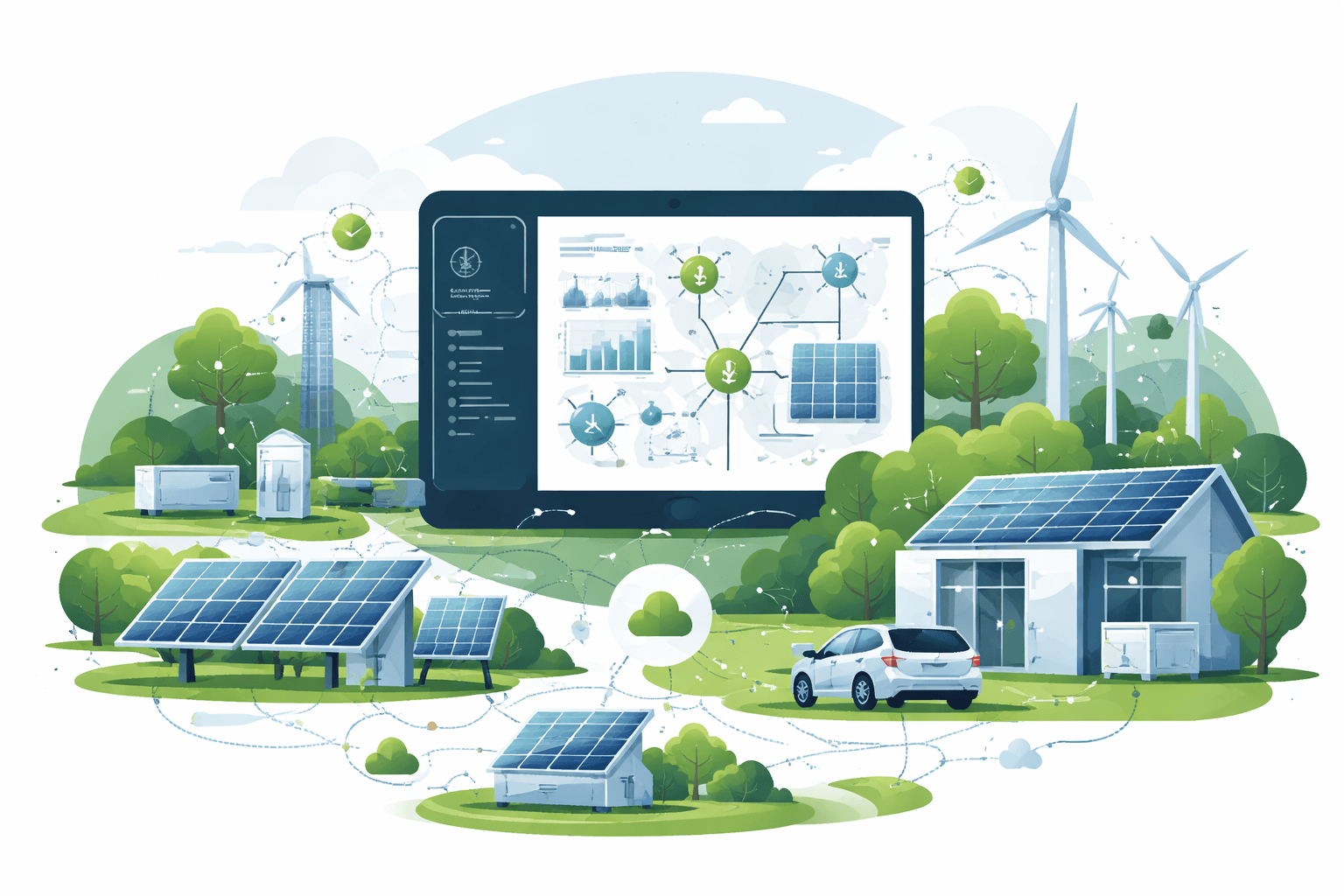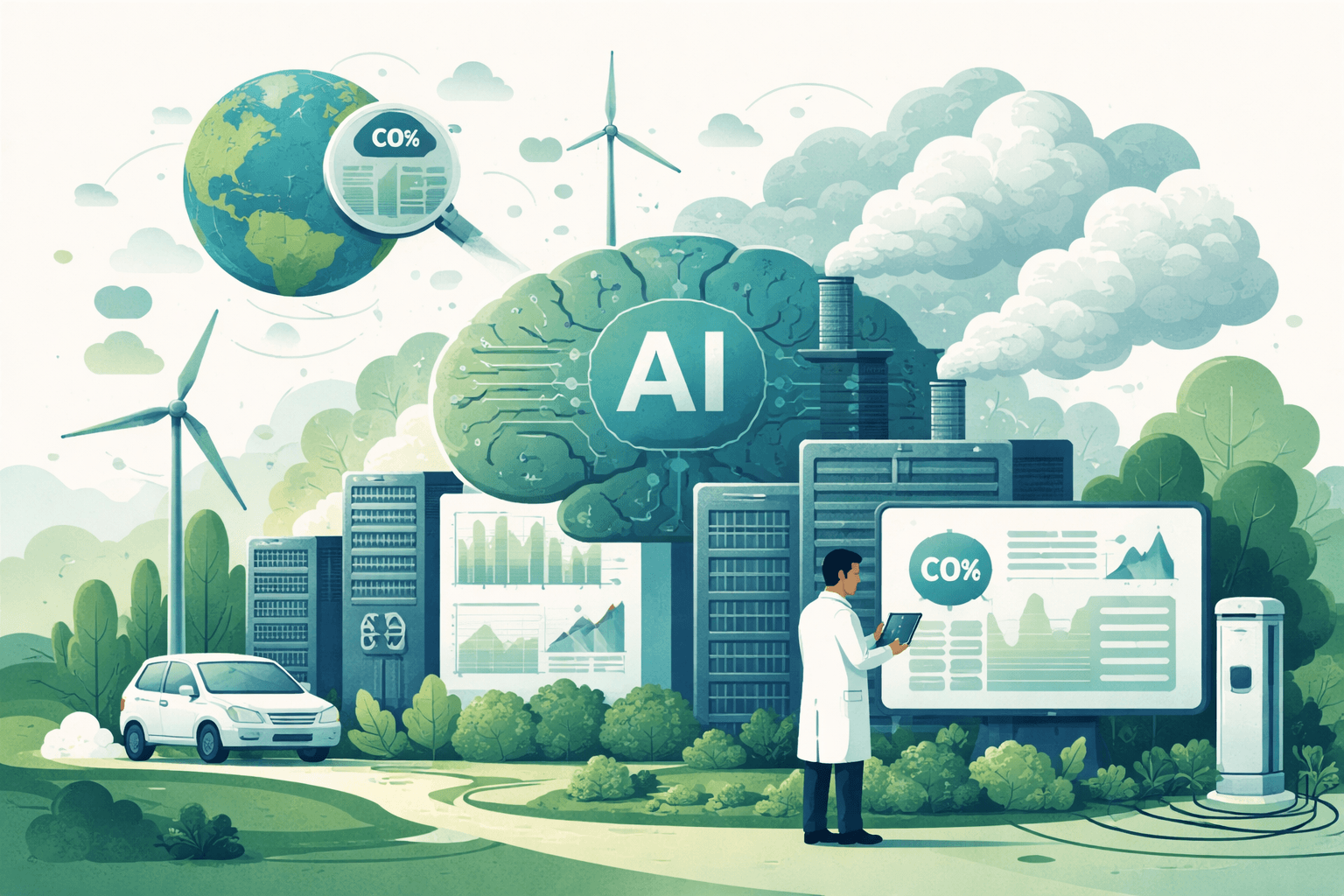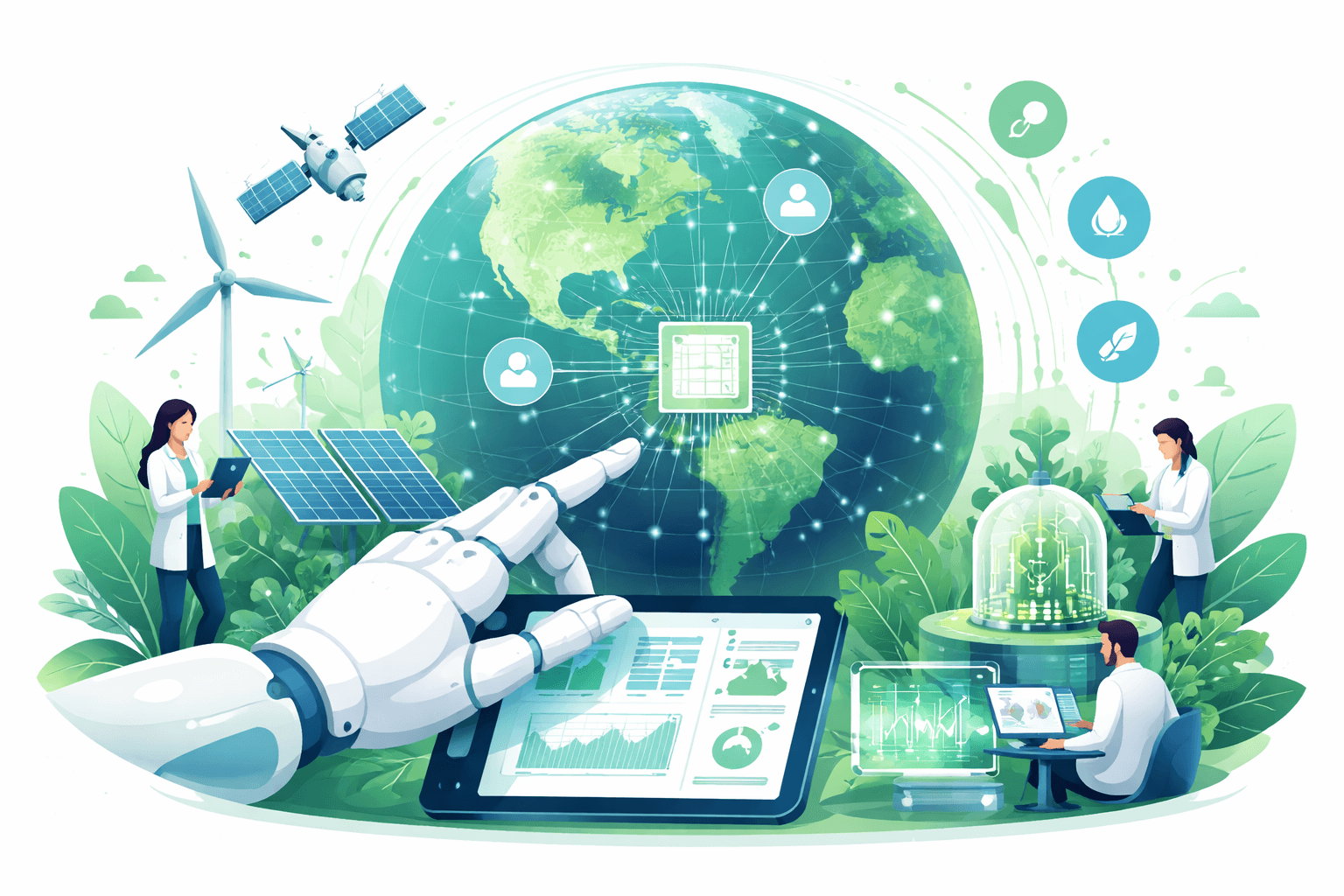
Digital Twin for Energy Systems: What It Is and Why It Matters
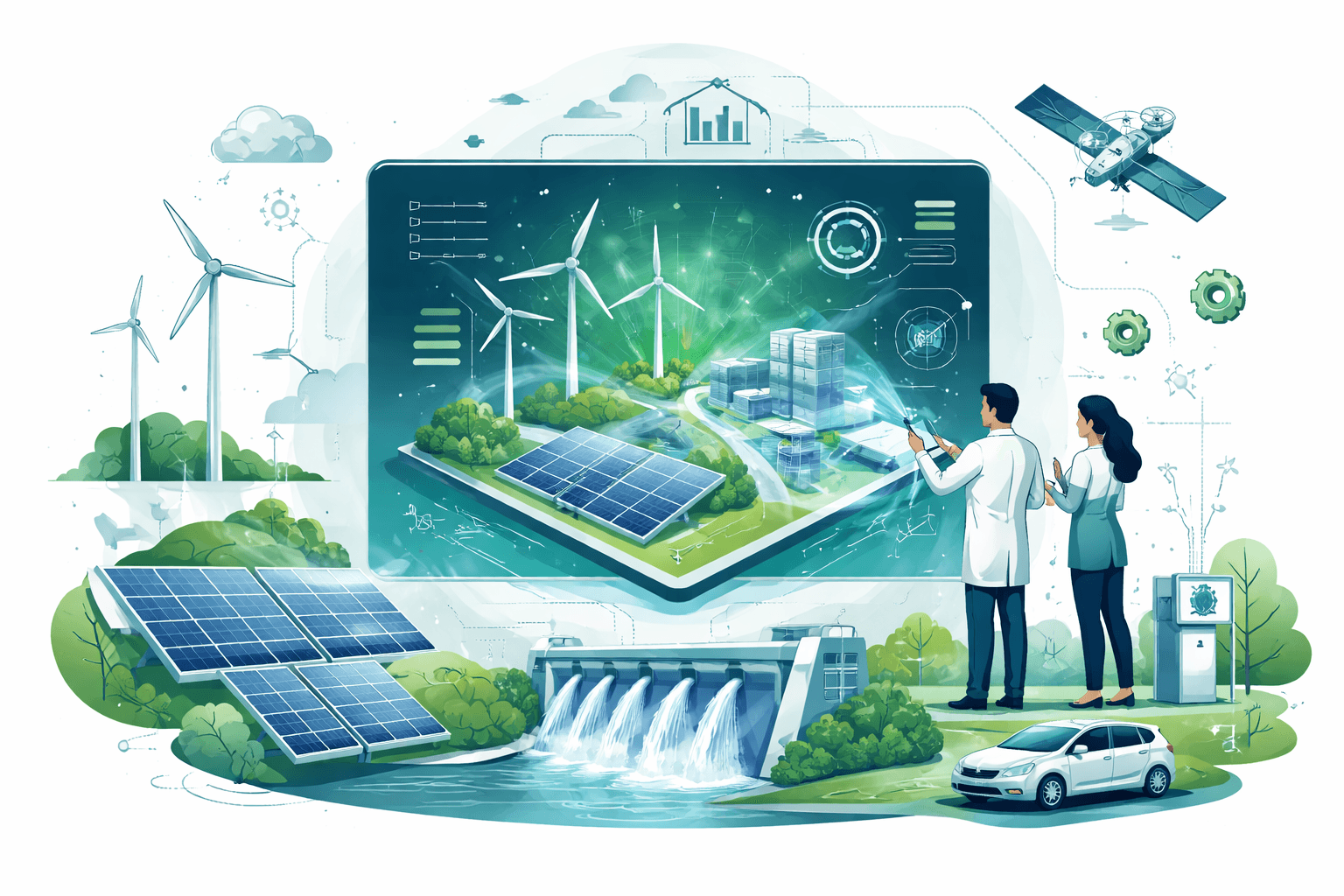
A clear, data‑rich explainer on digital twins in energy: how they work, key components, use cases, implementation must‑haves, and real‑world value.
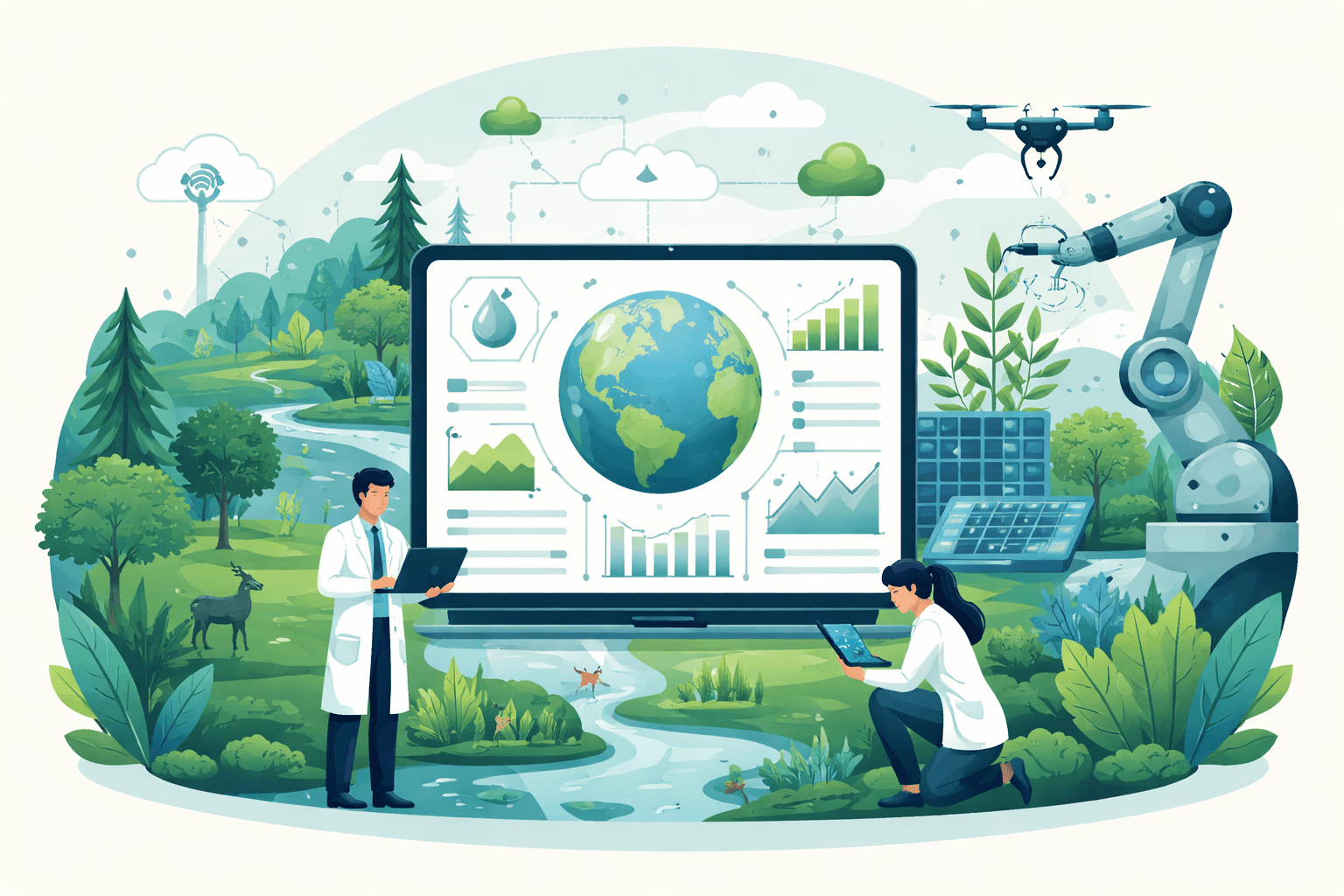
Artificial intelligence, machine learning, and technology driving environmental and industrial innovation.
18 articles
A clear, data‑rich explainer on digital twins in energy: how they work, key components, use cases, implementation must‑haves, and real‑world value.
Drones now deliver faster, safer, and more accurate conservation data—like 43% better wildlife counts—while raising new questions about ethics, disturbance, and policy.
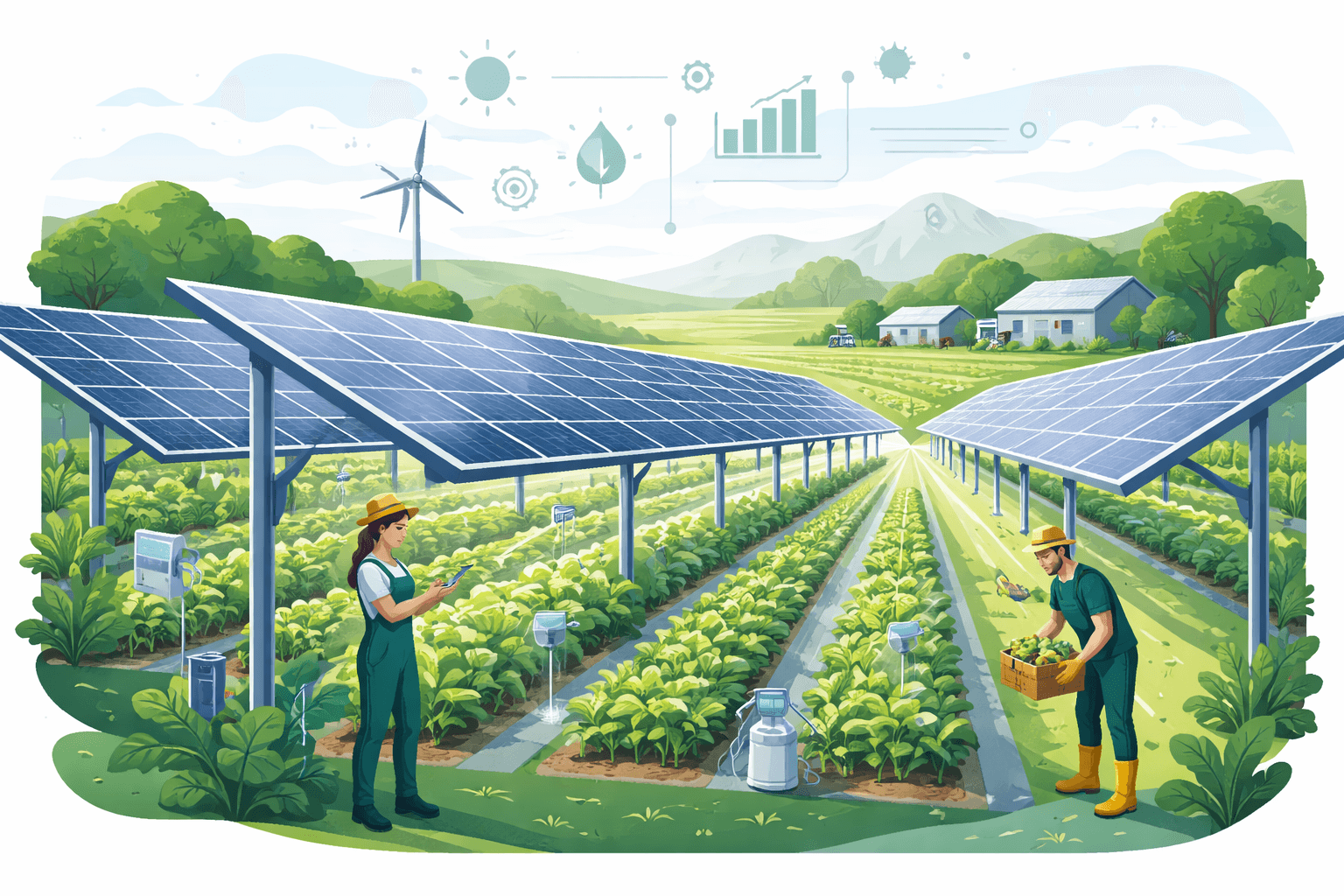
Data-driven precision agriculture can cut water 20–30%, fertilizer 10–20%, and fuel ~10% while protecting yields. Here’s how the tech works—and what’s next.
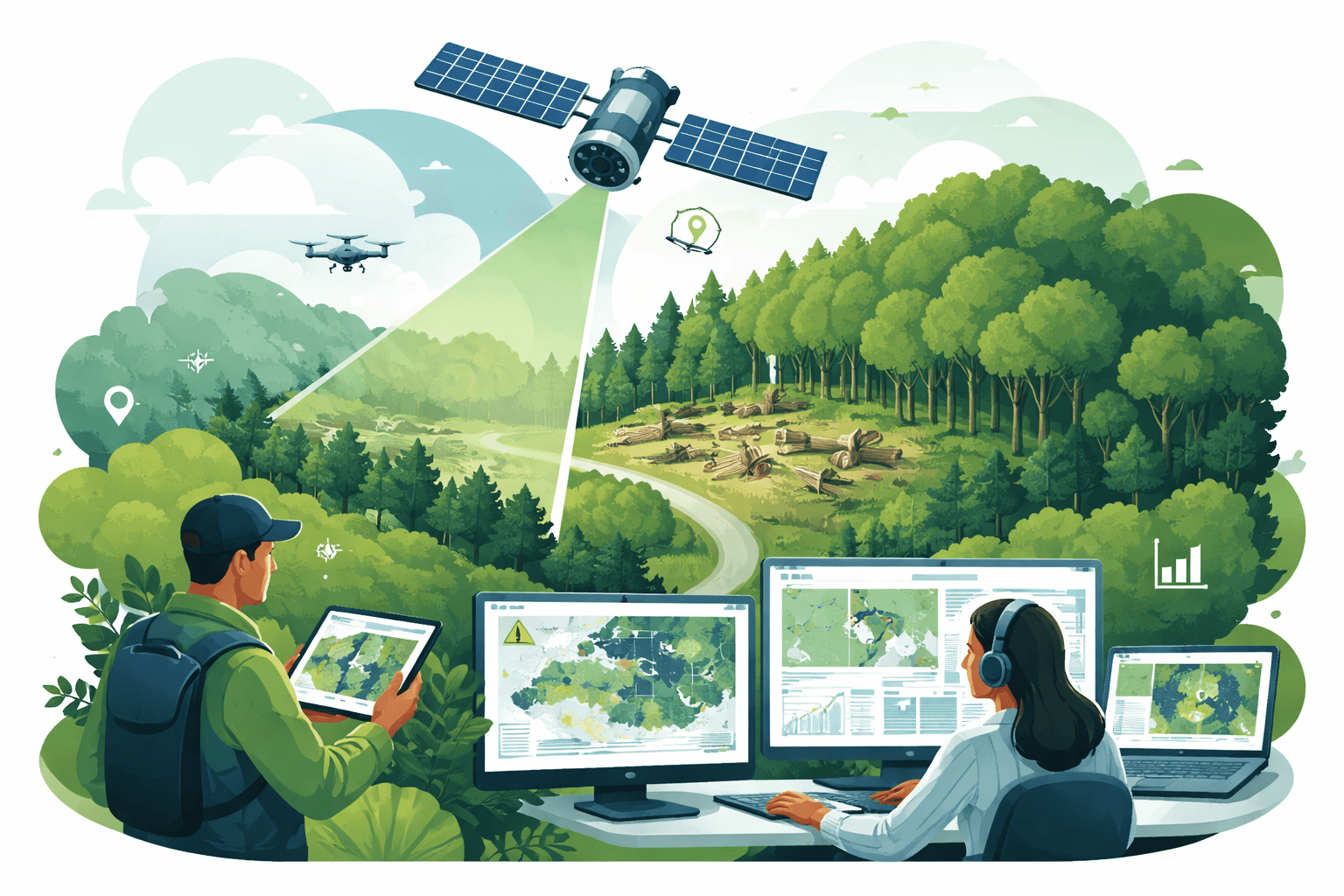
Near-real-time satellite alerts now flag deforestation within days, boosting enforcement, informing policy, and improving carbon accounting at global scale.
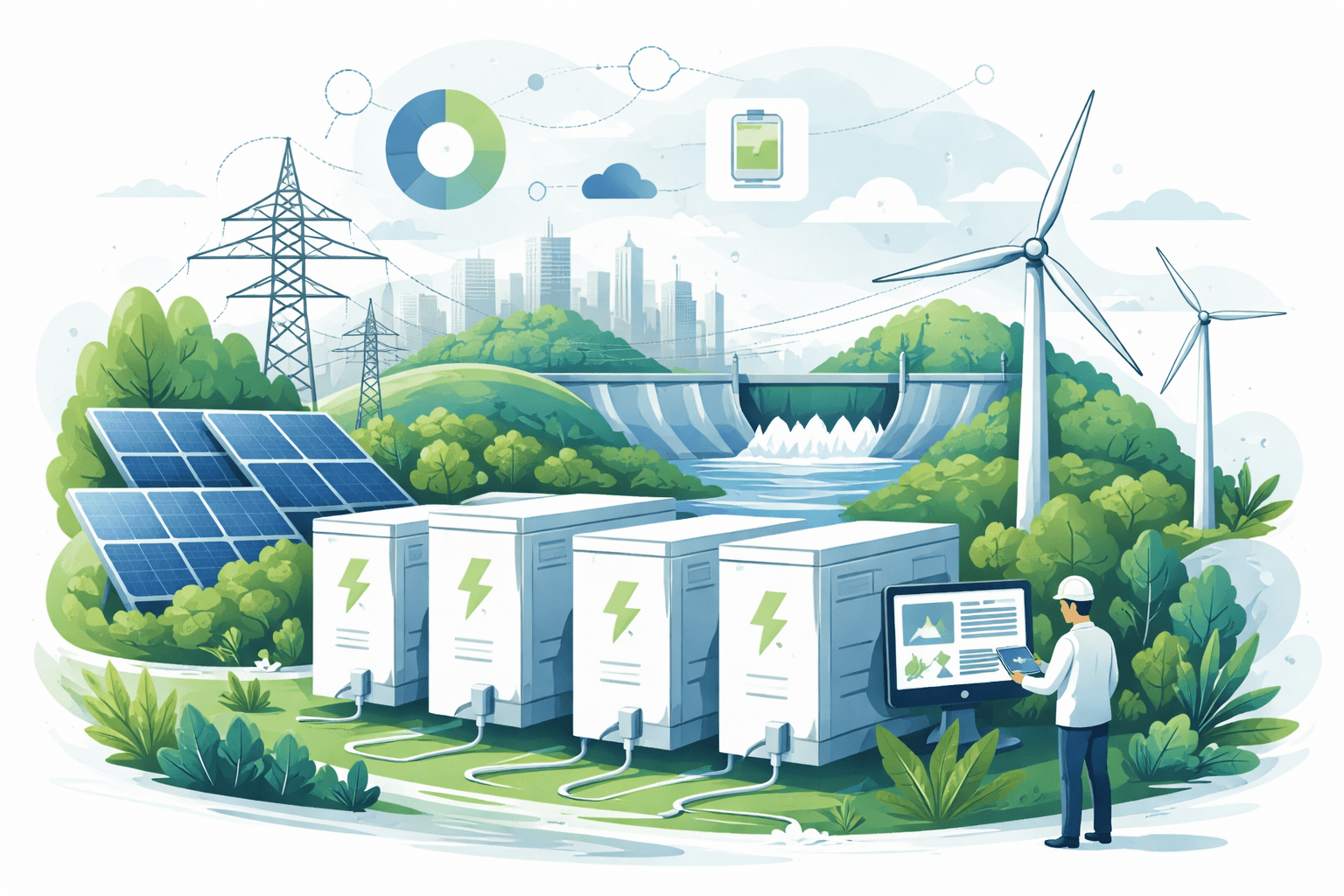
Virtual power plant technology turns thousands of small devices—batteries, EVs, thermostats—into a dispatchable grid asset for peak shaving, reliability, and renewables.
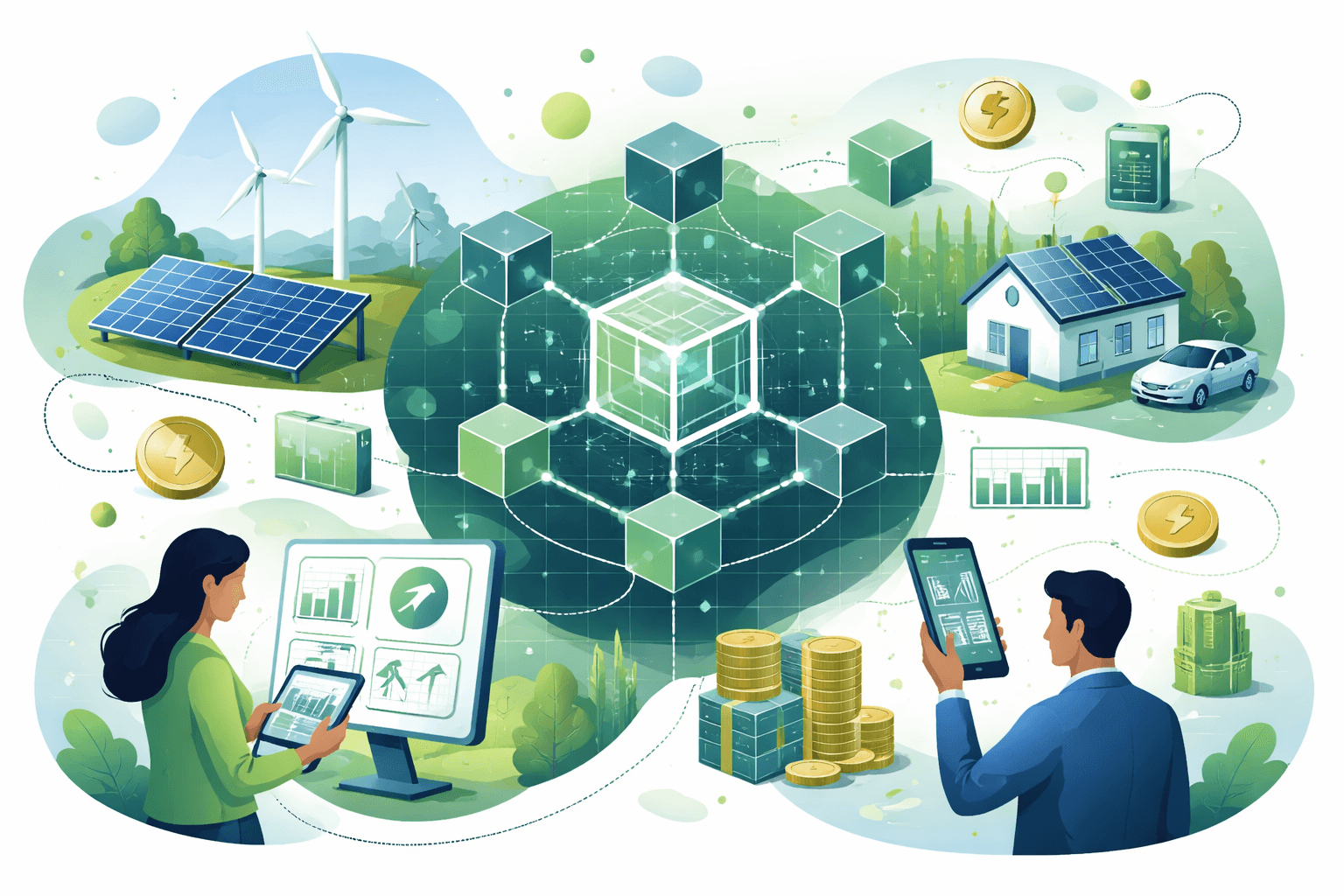
Blockchain can automate P2P energy trades and 24/7 clean energy tracking with tamper-evident records—promising faster settlement but facing scalability and regulatory hurdles.
Agrivoltaics solar farming can boost land productivity 20–70%, save water, and cut O&M with grazing. Designs, data, crops, and real-world results explained.
Direct air capture technology can deliver durable carbon removal—but only if costs, clean energy supply, and storage scale fast. Here’s how DAC works today.
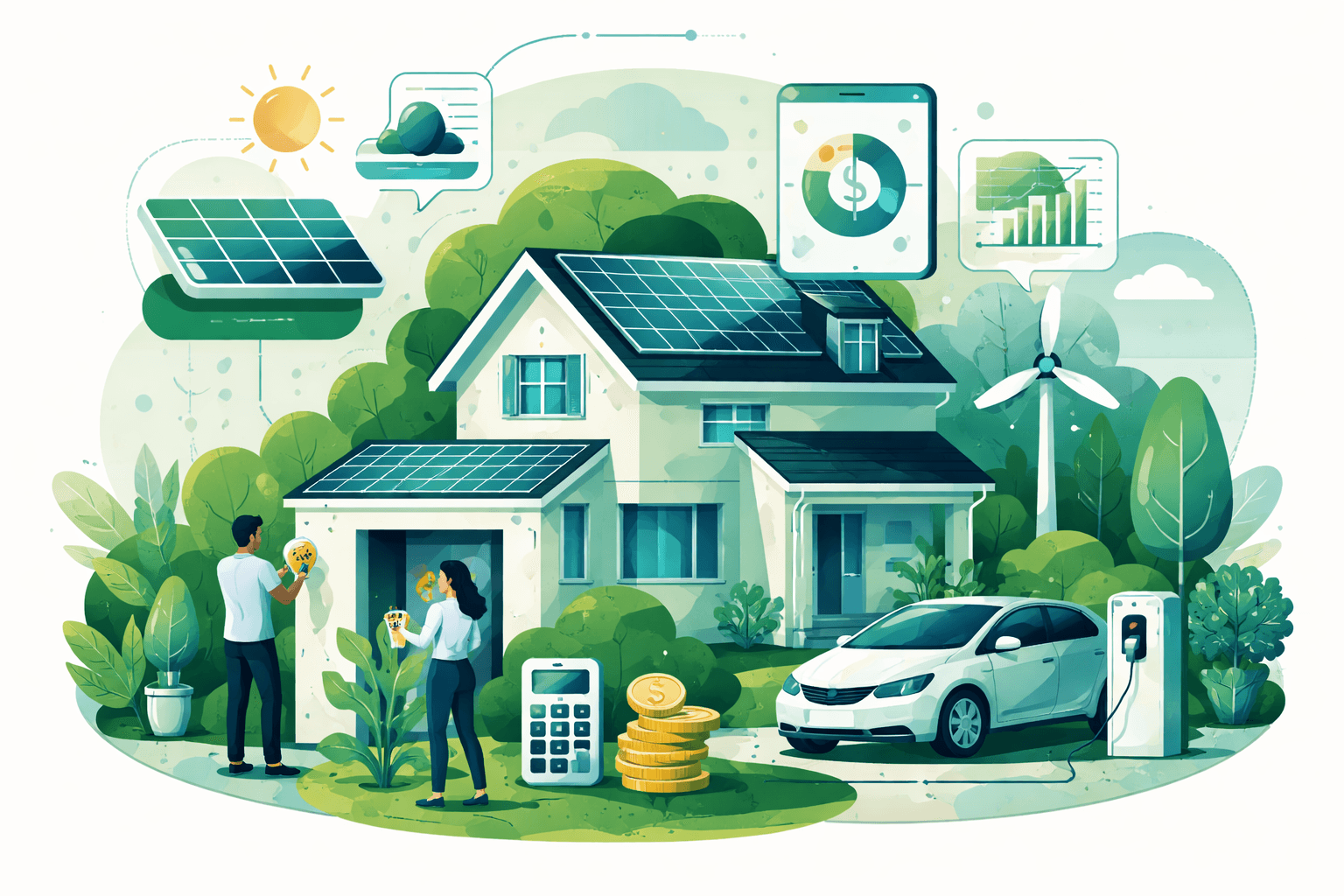
Cut household emissions 40–60% with data-backed tech: solar, heat pumps, EVs, smart controls. A step-by-step plan, incentives, and tools to make it real.
A data-rich guide to carbon capture technology costs: what’s included, sector-by-sector ranges, key drivers, and how incentives and innovation will bend the curve.
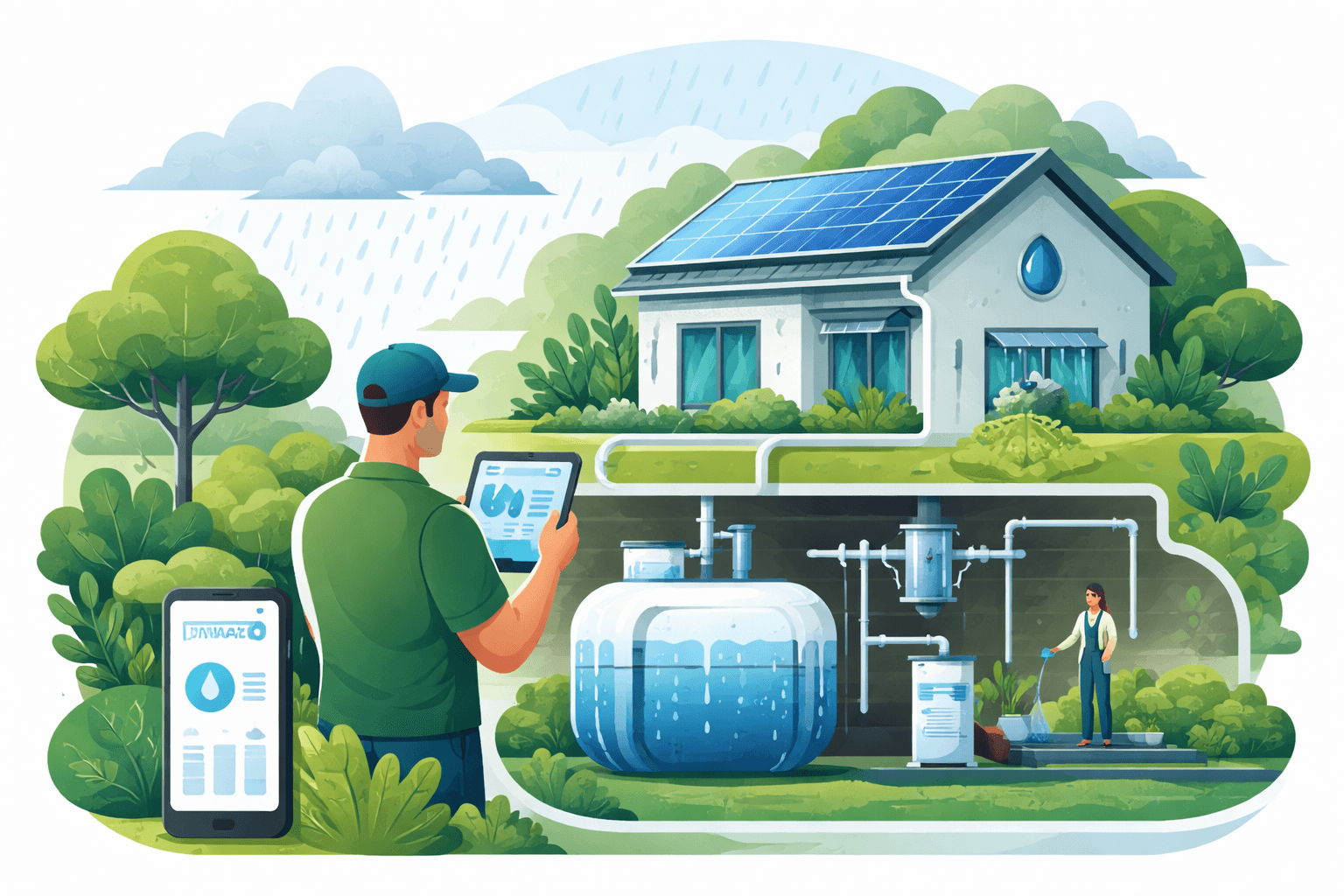
Design, size, and operate a rainwater harvesting system: components, costs, ROI, safety, and smart controls—backed by EPA, CDC, WHO, and utility data.
Fashion drives 2–4% of global emissions. See the data, technologies, and shopping strategies that make sustainable fashion real — not just marketing.