
Solar in West Virginia: Costs, Incentives & Top Installers (2026)

West Virginia’s energy story is changing. While coal still generates the majority of in‑state electricity, rooftop and community-scale solar are quietly growing as hardware costs fall and residents look for bill stability. If you’re evaluating solar in West Virginia in 2026, here’s what the data says about sun hours, costs, incentives, installers, and payback.
By the numbers: West Virginia solar at a glance
- Peak sun hours (average): ~4.2–4.6 kWh/m²/day of global horizontal irradiance (NREL)
- Annual output per 1 kW DC (fixed‑tilt): ~1,200–1,350 kWh (NREL PVWatts)
- Typical residential system size: 6–10 kW
- Installed cost (before incentives): $2.40–$3.10 per watt in 2026 (NREL cost benchmarks, regional quotes)
- Federal tax credit: 30% through 2032 (Inflation Reduction Act; IRS Form 5695)
- Net metering: Available statewide under PSC rules; month‑to‑month rollover at retail rate (see utility tariffs)
- Average residential electricity price: ~13–15¢/kWh (EIA, 2024 state average ~14¢/kWh)
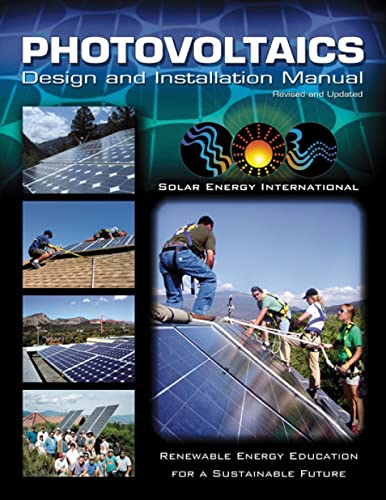
Photovoltaics: Design and Installation Manual: Solar Energy International
It also includes chapters on sizing photovoltaic systems, analyzing sites and installing PV systems, as well as detailed appendices on PV system maintenance, troubleshooting and solar insolation data
Check Price on AmazonSolar in West Virginia: sun hours, irradiance, and climate factors
- Irradiance: NREL maps show most of West Virginia receives roughly 4.2–4.6 kWh/m²/day of solar irradiance. That’s comparable to Pennsylvania and Ohio, a bit lower than Virginia’s coastal plain, and well below the desert Southwest—but still strong enough for solid residential performance.
- Expected production: A 7 kW DC roof‑mounted array in Charleston or Morgantown typically produces ~8,500–9,500 kWh per year with a south‑facing tilt near roof pitch (PVWatts v8.0). That implies a capacity factor around 14–16% (the percentage of time a system would run at full output if averaged across a year).
- Weather: Snow events are episodic and usually melt quickly on dark modules; annual losses from snow cover in most of the state are typically 1–3%. Humidity and cloud cover are higher in summer, but long days still drive strong seasonal output.
- Siting matters: Because of Appalachian topography, shading from nearby ridgelines or trees can significantly cut yield. A shade analysis during site survey (e.g., with a Solmetric SunEye or drone LiDAR) is worth the 1–2% project cost to avoid 10–20% energy losses over 25 years.
Practical tip: If your roof faces east‑west, you can still achieve ~80–90% of south‑facing output with a slightly larger array. Ground mounts help when roof geometry or shading is poor, and they make snow clearing easier in the highlands.
Average cost of solar panels in West Virginia and price‑per‑watt breakdown
Residential installed prices in West Virginia typically range from $2.40–$3.10/W DC in 2026 for standard rooftop systems. For a 7 kW system, that’s roughly $16,800–$21,700 before incentives, and $11,760–$15,190 after the 30% federal tax credit (if you have sufficient tax liability).

Enphase ENPHASE IQ8PLUS-72-2-US IQ8+ ...
View on AmazonHow that price breaks down (benchmarked against NREL’s U.S. Solar Photovoltaic System and Energy Storage Cost Benchmarks and Appalachian installer quotes):
- Modules: 25–35¢/W for high‑efficiency mono‑PERC; 35–50¢/W for premium n‑type (TOPCon/heterojunction)
- Inverters: 20–35¢/W (string with DC optimizers or microinverters)
- Racking and balance‑of‑system (BOS): 20–30¢/W
- Labor: 30–45¢/W (roof complexity and electrical upgrades push higher)
- Permitting, interconnection, design, overhead, and sales (“soft costs”): 70–120¢/W
Soft costs typically make up 45–55% of residential project totals in the U.S. (NREL). West Virginia’s smaller installer base can keep margins tighter but travel distances in rural counties sometimes increase labor time. Complex roofs, service panel upgrades (e.g., 100A to 200A), and long trenching runs for ground mounts add $1,000–$4,000.
Equipment picks that balance price and performance in WV’s climate:
- High‑efficiency, 25‑year panel with strong low‑light performance and snow load rating (e.g., a 410–440W n‑type module). Based on these efficiency and warranty profiles, the REC Alpha Pure‑R represents strong value for residential installations.
- Module‑level power electronics mitigate partial shading from trees and dormers. The Enphase IQ8 Microinverter line has excellent uptime data and rapid‑shutdown compliance.
West Virginia solar incentives: state tax credits, rebates, net metering, and SRECs
- State tax credits and rebates: As of 2026, West Virginia does not offer a statewide residential solar income tax credit or recurring state rebate (DSIRE; WV Code). Some limited, time‑bound utility or county programs may appear, but they’re not consistent statewide—ask your installer about any current local offers.
- Sales or property tax exemptions: West Virginia does not have a universal state sales‑tax or property‑tax exemption specifically for residential solar as of the latest DSIRE listings. Check with your county assessor on how improvements are treated; policies can vary for appraisals.
- Net metering: The West Virginia Public Service Commission’s net metering rule (Title 150, Series 33) requires investor‑owned utilities to offer net metering. Residential systems up to 25 kW are eligible. Credits for excess generation typically accrue at the retail energy rate and roll over month to month. Annual cash‑out terms can vary by utility; many do not provide a payment for surplus at year‑end, so right‑sizing your array to your annual load is prudent. Confirm specifics with your utility’s NEM tariff (Appalachian Power, Mon Power, and Potomac Edison are common).
- SRECs: West Virginia repealed its Alternative and Renewable Energy Portfolio Standard in 2015, and there is no in‑state compliance SREC market. Homeowners in PJM territory may be able to sell into voluntary or out‑of‑state markets, but prices are typically low and administrative costs can offset benefits.
Bottom line: The federal credit does the heavy lifting; net metering helps optimize savings if you match system size to usage.
Federal ITC: how the 30% credit applies in West Virginia
- Rate and timeline: The Inflation Reduction Act restored and extends the Residential Clean Energy Credit at 30% for solar through 2032, stepping down afterward unless Congress acts (IRS; U.S. Treasury). Batteries paired with new or existing solar also qualify at 30% starting 2023.
- Who benefits: You must have U.S. federal income tax liability to claim the full credit. Unused amounts can roll forward to future years (consult a tax professional). There is no cap.
- What’s covered: Panels, inverters, racking, wiring, permitting fees, sales tax, and labor. Standalone or paired batteries ≥3 kWh qualify.
- Filing: Claim via IRS Form 5695 for the tax year your system is placed in service (passes inspection and receives permission to operate from the utility).

EF ECOFLOW Smart Home Panel 2, the Center of the Whole
Alternatively connect <strong>3 x EcoFlow DELTA Pro 3 units with 6 x Extra Batteries for energy storage up to 36kWh</strong>. It's not just for longer backup but lets you to control and run every
Check Price on AmazonPractical gear note: If resilience is a priority due to occasional Appalachian ice and wind events, consider a battery that can back up critical loads. Based on cycle life, power rating, and 10‑year warranties, the Tesla Powerwall 3 provides a competitive $/kWh for WV homes with moderate backup needs.
Best solar installers and companies serving West Virginia
West Virginia’s installer market combines homegrown teams with regional Mid‑Atlantic firms. Always get 2–3 quotes and verify NABCEP certification, electrical licensing, and local references. Examples of companies known to operate in or near West Virginia include:
- Solar Holler (WV‑based): Focus on residential and small commercial; experience with Appalachian roofs and shading analysis.
- Mountain View Solar (mtvSolar; Berkeley Springs, WV): One of the state’s longer‑tenured installers; offers residential, commercial, and battery storage.
- Paradise Energy Solutions (Mid‑Atlantic): Active in PA/MD/WV region; agricultural and commercial experience with ground mounts.
- Regional SunPower and Tesla‑certified dealers serving the Eastern Panhandle and north‑central WV.
- Select Ohio and Virginia installers (e.g., around the Wheeling and Eastern Panhandle markets) that extend service into adjacent WV counties—verify service areas and travel fees.
What to look for in proposals:
- Detailed production modeling with NREL PVWatts or HelioScope inputs (panel count, azimuth, tilt, shading losses)
- All‑in installed price in $/W, with line‑item equipment and soft costs
- Warranty terms: 25‑year panel performance, 10–25‑year product warranties, 10‑year workmanship minimum
- Interconnection handling and expected timeline to PTO
- Monitoring platform (module‑level vs string‑level) and rapid‑shutdown compliance (NEC 690.12)
If you live along the Eastern Panhandle and often compare Virginia‑side quotes, see our neighboring state guide for incentives and pricing differences: Solar in Virginia: Costs, Incentives & Top Installers (2026).
ROI and payback period for solar in West Virginia
Because West Virginia’s utility rates are below the national average, payback is typically longer than in high‑cost states—but still attractive for many homes.
Example scenario (7 kW rooftop, good site):
- Upfront cost: $18,900 (at $2.70/W)
- Federal tax credit (30%): −$5,670
- Net cost after ITC: $13,230
- Modeled production: 9,000 kWh/year (NREL PVWatts; south‑facing, minimal shade)
- Value of energy at 14¢/kWh: ~$1,260/year in year 1
- Degradation: −0.5%/year panel output
- Utility price escalation: +2%/year (EIA long‑term average for the region)
Simple payback is roughly 9–12 years depending on site quality and rates. Over 25 years, cumulative bill savings can exceed $35,000 nominal, yielding an internal rate of return (IRR) near 6–9%. If your utility rate is closer to 13¢/kWh and your roof has partial shade, expect payback nearer the 12–15 year range. Batteries improve resilience but typically extend payback by 3–6 years unless paired with specific rate structures or backup needs.
Ways to improve ROI in WV:
- Right‑size to your annual kWh usage to maximize net‑metering value and avoid year‑end surplus
- Reduce loads first (heat pump water heaters, LEDs, weatherization) to install fewer panels
- Favor high‑reliability equipment with long warranties to limit lifetime O&M costs
- Consider east‑west array splits to stretch generation into morning/evening when you’re home and self‑consumption is higher
West Virginia‑specific permitting, HOA rules, and interconnection process
Permitting
- Building and electrical permits: Most cities and counties require both. West Virginia has adopted the National Electrical Code (NEC—2020 edition statewide, with local updates possible). Expect structural documentation for roof loads, particularly in higher‑snow counties.
- Fire setbacks and roof access: Local fire code may require perimeter setbacks on roofs for firefighter access (often 18–36 inches along ridge/edges). Your designer will reflect local rules on the site plan.
- Timeline and fees: Residential permits typically take 1–3 weeks in smaller jurisdictions and up to 4–6 weeks in larger ones or historic districts. Permit fees for residential PV are commonly a few hundred dollars; some localities cap PV fees.
HOAs and historic districts
- HOA covenants: West Virginia does not have a statewide solar access/rights statute that universally limits HOA restrictions. Many HOAs allow solar with design review; some impose placement or visibility rules. Obtain architectural approval in writing before installation.
- Historic review: If your home sits in a designated historic district, additional reviews may apply. Low‑profile flush mounts on rear‑facing roofs are often required.
Utility interconnection and net metering
- Application: Your installer submits an interconnection application with a one‑line diagram and specs. Residential systems ≤25 kW generally follow an expedited Level 1 review based on IEEE 1547 standards under PSC rules (Title 150‑33).
- Metering: Utilities commonly replace your meter with a bidirectional model. Expect meter swap scheduling 1–3 weeks after municipal inspection.
- Permission to operate (PTO): After inspection and meter installation, the utility issues PTO—usually 2–8 weeks from application approval depending on workload.
- Fees: Application and meter fees are low or sometimes waived for Level 1; confirm with your utility’s tariff.
FAQ: common questions about going solar in West Virginia
Q: Are solar panels worth it in West Virginia? A: For homes with good sun exposure and average rates (~14¢/kWh), payback of ~9–12 years is common; arrays last 25+ years. Homes with very low usage or heavy shading may see longer payback. The 30% federal tax credit is the key driver.
Q: How well do panels perform in WV winters and with snow? A: Cold temperatures improve panel efficiency. Snow losses are typically 1–3% annually in most counties; dark glass sheds snow faster than shingles once sun hits. Steeper roofs (>30°) clear faster.
Q: What size system do I need? A: Divide your annual kWh by ~1,300 to estimate DC kW size for a good site. Example: 10,000 kWh/year ÷ 1,300 ≈ 7.7 kW. Then adjust for roof orientation and shading (+5–20%).
Q: Does West Virginia have SRECs? A: No in‑state compliance SREC market. You may be able to sell into voluntary markets with low prices, but most homeowners in WV don’t rely on SRECs for ROI.
Q: What about batteries? A: Batteries qualify for the 30% federal credit and provide backup during outages. Financial payback is longer without time‑of‑use rates, but many homeowners value resilience. Right‑size by first mapping critical loads (fridge, well pump, lighting, Wi‑Fi). Systems like the Enphase IQ Battery 10T are modular for phased expansion.
Q: Will my insurer or appraiser recognize solar’s value? A: Most insurers simply note the upgrade and may adjust replacement cost slightly; premiums usually change little. Appraisers increasingly use the PV Value tool and comparable sales to recognize solar—well‑documented systems with monitoring and transferable warranties fare best.
Q: Can HOAs block solar? A: HOAs in WV can set aesthetic and placement rules and, in some cases, restrict arrays that face the street. Engage early, present low‑profile flush‑mount plans, and propose panel color/trim that matches the roof.
Q: What maintenance is required? A: Little. Rain cleans most dust and pollen. Inspect once or twice a year for debris and check monitoring for drops in output. Inverters typically last 12–20 years; plan for one replacement over a 25‑year life unless you choose microinverters with distributed redundancy.
Q: How do I finance a system? A: Options include cash, secured loans (home equity), unsecured solar loans (7–20 years), and PACE where available locally. Compare APRs, dealer fees, and prepayment penalties. Ensure loan terms don’t outlast core equipment warranties.
What this means for WV homeowners, businesses, and policymakers
- Homeowners: With stable net metering and the 30% federal credit, well‑sited systems can deliver strong 25‑year savings and resilience. Prioritize shading studies and reputable installers.
- Businesses and farms: Commercial projects can leverage the 30% ITC, 5‑year MACRS depreciation (bonus depreciation rules apply), and USDA REAP grants in rural areas. Ground mounts on marginal land can pencil well where three‑phase service is nearby.
- Policymakers and utilities: Clear, consistent net‑metering rules and streamlined permitting (online applications, fee caps) reduce soft costs, the largest component of residential system price. Hosting‑capacity maps and pre‑approved equipment lists accelerate safe interconnection per IEEE 1547‑2018.
Where this is heading: Module efficiencies keep inching up (n‑type TOPCon and HJT), while U.S. manufacturing expansions may stabilize supply chains. For West Virginia, modest but steady rooftop and community‑scale growth is likely—especially as electrification (heat pumps, EVs) raises household kWh demand and strengthens the case for solar-plus‑storage.
Recommended Products
Photovoltaics: Design and Installation Manual: Solar Energy International
It also includes chapters on sizing photovoltaic systems, analyzing sites and installing PV systems, as well as detailed appendices on PV system maintenance, troubleshooting and solar insolation data
Enphase ENPHASE IQ8PLUS-72-2-US IQ8+ ...
Enphase · 240v · Solar · Hoymiles · Iq8 See more · Eligible for Free Shipping · Free Shipping by Amazon · Get FREE Shipping on eligible orders shipped by Amazon · Delivery Day · Get It by Tomorrow · D
EF ECOFLOW Smart Home Panel 2, the Center of the Whole
Alternatively connect <strong>3 x EcoFlow DELTA Pro 3 units with 6 x Extra Batteries for energy storage up to 36kWh</strong>. It's not just for longer backup but lets you to control and run every