
Tesla Solar in Massachusetts: Panels, Roof & Pricing Guide (2026)

Massachusetts ranks among the top U.S. states for rooftop solar adoption, with more than 4 GW of installed solar capacity as of 2024 and roughly the equivalent of mid-teens to near-20% of in-state electricity generation in some recent years (SEIA state data). That, combined with high residential electricity prices that averaged around 30 cents/kWh in 2024 (U.S. EIA), makes Tesla Solar in Massachusetts a particularly compelling option for homeowners in 2026.
This guide breaks down Tesla’s products, pricing, incentives, installation process, and how Tesla stacks up against local installers—so you can estimate costs and decide whether Tesla panels, Solar Roof, or a Powerwall bundle fits your home.
By the numbers: Massachusetts and Tesla Solar
- Retail electricity price: ~$0.30/kWh average in 2024 (U.S. EIA)
- Typical household use: ~550–650 kWh/month (U.S. EIA)
- A 7 kW rooftop PV system in Boston: ~8,000–9,500 kWh/year (NREL PVWatts; assumes good roof orientation, limited shading)
- Net metering: Class I systems under 10 kW generally receive near-retail credits; rules vary by utility territory (Massachusetts DOER/utility tariffs)
- Federal ITC: 30% through at least 2032 (Inflation Reduction Act)
- Massachusetts state tax credit: 15% up to $1,000 (MA Department of Revenue)
- Battery demand response: ConnectedSolutions can pay several hundred dollars per Powerwall per year based on performance (Eversource/National Grid program documents)
Solar Electricity Handbook - 2023 Edition: A simple, practical guide to solar energy – designing and installing solar photovoltaic systems: Boxwell, Michael
Solar Electricity Handbook - 2023 Edition: <strong>A simple, practical guide to solar energy – designing and installing solar photovoltaic systems</strong> [Boxwell, Michael] on Amazon.com. *FREE* shi
Check Price on AmazonTesla Solar products available in Massachusetts
Tesla sells three core offerings in the Commonwealth: all-black rooftop solar panels, the Tesla Solar Roof (building-integrated photovoltaic shingles), and Powerwall home batteries. All are widely used in New England, though exact availability can vary by county and installer capacity.
Tesla solar panels
- Aesthetics and output: Tesla’s current panel packages typically feature all-black modules in the 400–430 W range with module efficiencies near 20%. Black frames and black backsheets deliver a low-profile look favored in historic neighborhoods and HOA-restricted streetscapes.
- Inverter: Most new systems pair with the Tesla Inverter or, if you opt for Powerwall 3, with its integrated hybrid inverter. The inverter converts DC from panels to AC for home use and tracks performance in the Tesla app.
- Monitoring and controls: The Tesla app displays real-time solar production, home consumption, and grid exchange, and enables time-based control strategies when a Powerwall is installed.
Tesla Solar Roof
- What it is: A roof replacement where glass PV tiles generate electricity and non-PV tiles complete the weatherproof assembly. It’s primarily chosen for aesthetics or when the roof already needs replacement.
- Performance: Energy density is lower than a traditional panel array of the same roof area, so larger roofs are better candidates if you want high offset. Snow load/wind ratings meet stringent New England codes when engineered for local conditions.
- Considerations: Structural review for snow load, skylights, dormers, and complex rooflines add design time and cost compared with standard panels.
Tesla Powerwall (battery)
- Energy and power: Powerwall 3 provides 13.5 kWh of usable storage with high on-grid power output and an integrated solar inverter (Tesla product specs). Powerwall 2 remains common in the field with 13.5 kWh usable and a standalone battery inverter.
- Use cases: Whole-home or critical-load backup during outages, rate arbitrage on time-of-use tariffs, and participation in ConnectedSolutions demand response events in Massachusetts. The app automates storm watch pre-charging.
- Configurations: Single-battery installs support many essentials; two or more batteries are typical for whole-home backup or larger heat pump/EV loads.

EF ECOFLOW Smart Home Panel 2, the Center of the Whole
Alternatively connect <strong>3 x EcoFlow DELTA Pro 3 units with 6 x Extra Batteries for energy storage up to 36kWh</strong>. It's not just for longer backup but lets you to control and run every
Check Price on AmazonTesla Solar pricing in Massachusetts: panels vs. Solar Roof
Pricing varies by roof size/complexity, electrical scope, and equipment generation. The ranges below reflect 2025–2026 quotes reported by homeowners and marketplace data, along with Tesla’s online configurator. Always verify current numbers with Tesla’s estimator and a site visit.
Tesla panels: typical installed costs
- Massachusetts residential averages across all installers often land around $2.90–$3.60 per watt (W) before incentives, according to marketplace and installer data aligned with recent NREL cost benchmarks for residential PV.
- Tesla’s standardized designs and vertical integration can price lower than many local quotes. In Massachusetts, Tesla panel systems commonly price in the $2.40–$3.10/W before incentives range, depending on roof complexity and inverter/battery choices.
Example: A 7 kW Tesla array at $2.75/W is ~$19,250 before incentives. After the 30% federal ITC (−$5,775) and the MA state credit (15% up to $1,000 cap), net upfront could land around $12,475 if you can use the credits. At ~8,500 kWh/year of production, the bill offset at $0.27–$0.32/kWh equates to ~$2,300–$2,700/year, implying a simple payback of roughly 5–7 years under typical assumptions. Actual outcomes depend on shading, roof tilt/azimuth, tariff structure, and net metering crediting rules.
Tesla Solar Roof: cost comparison
- Because this is a roof replacement plus PV, apples-to-apples comparisons require adding “roof cost avoided” if you needed a new roof anyway.
- Recent homeowner quotes and configurator snapshots in New England commonly range from ~$60,000 to over $120,000 before incentives for 8–12 kW systems on 1,800–3,000 sq ft roofs. Complex roofs can exceed this range.
- After the 30% ITC (and the $1,000 MA credit), net costs remain materially higher than a conventional panel system of the same capacity. Many buyers choose Solar Roof primarily for aesthetics or to combine roof replacement and solar into one financed project.
Powerwall pricing and ConnectedSolutions value
- Hardware and installation: A single Powerwall (2 or 3) typically falls in the $9,000–$13,000 installed range before incentives in Massachusetts, depending on electrical scope and whether it’s paired with solar at the same time. The 30% ITC applies to batteries—standalone or paired—under the Inflation Reduction Act.
- Demand response payments: The ConnectedSolutions program (Eversource, National Grid) pays residential customers per average kW delivered during summer and winter dispatch events. Published rate cards in recent program years have offered on the order of ~$225/kW for summer and ~$50/kW for winter performance per season, typically for five years. Real-world payouts vary with your battery’s sustained power, event participation, and aggregator settings, but several hundred dollars per Powerwall per year is common, and $1,000+ per year is achievable for high-performing multi-battery systems.
Note: Incentive values, block caps, and event windows change; check your utility’s current tariff and Tesla’s program enrollment page.
How to order Tesla Solar in Massachusetts: timeline, site assessment, and installation
- Online design and price lock
- Use Tesla’s online tool to size your system by bill amount or kW. You’ll see panel layout estimates, Powerwall options, and a preliminary price that typically holds through site survey barring scope changes.
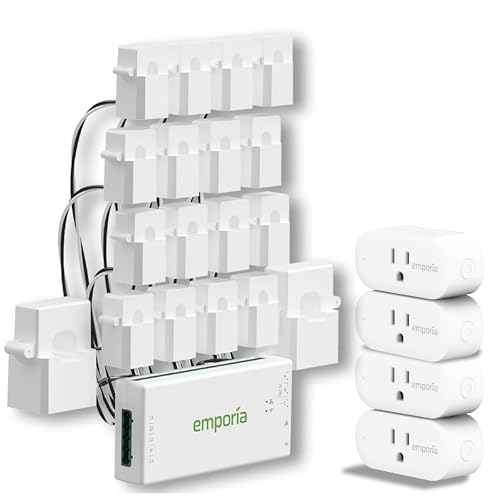
Emporia Energy Monitor with 16 Sensors + 4 Smart Plugs Super Bundle - Whole Home Electricity Usage Tracking & Real-Time Control - Supports Solar Net Metering - Works with iOS, Android, Alexa - Amazon.com
View on Amazon- Virtual and on-site assessment
- Tesla reviews satellite imagery, roof pitch, and shading. An on-site surveyor confirms rafter spacing, roof condition, main panel capacity, grounding, and meter location. In Massachusetts, structural letters for snow load are common for older homes.
- Permitting and utility interconnection
- Tesla submits plans to your local Authority Having Jurisdiction (AHJ) for building/electrical permits. In Massachusetts, permitting turnaround is typically 2–6 weeks, though smaller towns can be faster and large cities slower.
- Interconnection applications go to your utility (Eversource, National Grid, or Unitil). Net metering eligibility and meter swap scheduling add 2–6 weeks on average.
- Installation
- Most panel installs finish in 1–3 days. Solar Roof projects run longer due to tear-off and carpentry.
- Inspections and Permission to Operate (PTO) follow. Total timeline from order to PTO for panels is often 8–14 weeks, subject to AHJ/utility queues and seasonality. Solar Roof timelines can exceed that.
- App activation and (if applicable) incentive enrollment
- The Tesla app will show production and consumption once PTO is granted. If you installed Powerwall, Tesla or its aggregator finalizes your ConnectedSolutions enrollment prior to the next event season.
Tip: If your roof is 15+ years old or shows curling shingles, plan for reroofing with panels, or consider Solar Roof if aesthetics are paramount.
Massachusetts solar incentives that apply to Tesla installations
- Federal Investment Tax Credit (ITC): 30% of total installed system cost for both PV and battery storage. Unused credits can roll forward (consult a tax professional).
- Massachusetts Residential Renewable Energy Income Tax Credit: 15% of system cost up to a $1,000 cap for primary residences (Mass. Dept. of Revenue guidance).
- Sales and property tax treatment: Solar equipment in Massachusetts is generally exempt from state sales/use tax, and many homeowners qualify for a 20-year local property tax exemption on the added home value from solar (M.G.L. c. 59, §5, cl. Forty-fifth; verify with your assessor).
- Net metering: Class I residential systems (≤10 kW AC, single-phase) usually receive near-retail energy credits for exported power. Credit rules and caps vary by utility territory and whether you’re on basic service or a competitive supplier. Check your utility’s tariff details.
- SMART program: The Solar Massachusetts Renewable Target provides per-kWh incentives but many residential blocks are fully subscribed in investor-owned utility territories. New enrollments, if available, depend on block status and project size/location. Review DOER block status or ask Tesla about eligibility.
- ConnectedSolutions (batteries): Eversource and National Grid run the Bring Your Own Device program that pays for summer and winter dispatch performance over a multi-year term. Powerwall qualifies. Incentive rates and aggregator options vary; confirm before enrolling.
For a deeper overview of state incentives and typical system pricing beyond Tesla, see our state guide: Solar in Massachusetts: Costs, Incentives & Top Installers (2026).
Tesla Solar reviews from Massachusetts customers: what owners actually report
Owner feedback in Massachusetts—collected from public forums, installer marketplaces, and utility program participants—tends to highlight:
What owners like
- Clean aesthetics: All-black panels and low-profile mounting blend into dark asphalt roofs common in New England neighborhoods.
- Straightforward pricing: The online configurator and standardized designs reduce back-and-forth and often undercut bespoke quotes.
- App experience: Real-time monitoring and simple backup controls. Powerwall’s Storm Watch is a favorite during nor’easter season.
What to watch
- Timelines and communication: Permit/utility queues plus Tesla’s scale can lead to longer-than-expected waits. Proactively tracking your project portal helps.
- Roof readiness: Change orders arise if decking is soft, rafters undersized for snow loads, or service panels are congested—common in older Massachusetts housing stock.
- Service dispatch: Warranty service can be slower than with a small local installer with crews nearby. Weigh this if you prioritize on-call responsiveness.
Tesla vs. local Massachusetts installers: pros, cons, and price comparison
Price
- Tesla often prices at the low end of the Massachusetts market, especially for simple roofs. Local installers may quote higher $/W but can sometimes match after negotiation—particularly for larger systems.
Equipment flexibility
- Tesla offers its own inverter and panels and strongly favors Powerwall for storage. Many local installers offer premium modules (e.g., REC, Qcells) and Enphase microinverters or SolarEdge optimizers for complex roofs with multiple planes and partial shading.
- Based on microinverter performance on roofs with varied orientations, Enphase IQ8 Microinverters can be a strong value for Massachusetts triple-deckers and Victorians with dormers Enphase IQ8 Microinverters.
Design and customization
- Tesla’s standardized approach speeds design and lowers cost but can be less customizable for unusual architecture, special snow-guard layouts, or advanced load-shedding.
- Local firms may add ice/snow retention hardware tailored to your eaves and specify higher-wattage modules like REC Alpha Pure-R 420 W for space-constrained roofs REC Alpha Pure-R 420W.
Service and add-ons
- Local installers often bundle EV charger circuits, main panel upgrades, and smart load management. If you expect to electrify heat and hot water, a smart electrical panel such as the Span Smart Panel can defer a costly service upgrade by managing loads dynamically Span Smart Panel.
Bottom line
- If your roof is simple and you value price transparency and a unified app experience, Tesla is hard to beat on cost. If your home has shading, complex roof planes, or you want microinverters and brand-specific panels, solicit quotes from at least two respected Massachusetts installers to compare lifetime value.
Tesla Solar warranty and what it covers in Massachusetts
Tesla’s warranty terms are uniform across states but always verify your contract:
- Solar panels: 25-year performance warranty (typical minimum output at year 25 around 80–85% of nameplate) and a product/parts warranty commonly 10–12 years, depending on module generation. Workmanship coverage is typically 10 years.
- Tesla Inverter: Limited warranty commonly around 12.5 years on parts.
- Powerwall: 10-year warranty with an energy throughput guarantee and minimum end-of-warranty capacity (Tesla specifies details by model; typical target is 70% remaining capacity at 10 years for residential cycling under standard terms).
- Solar Roof: 25-year weatherization and module performance coverage; workmanship and glass tile coverage outlined in Tesla’s Solar Roof Limited Warranty.
As with any installer, labor coverage for service calls, roof penetrations, and balance-of-system components is defined in the contract. Ask for written terms before you place your order.
FAQ: common questions about Tesla Solar in Massachusetts
How well does Tesla Solar perform in winter?
Snow reduces production temporarily, but most losses in eastern Massachusetts average in the single digits percentage-wise annually per NREL field studies. Panels at higher tilt shed snow faster than low-slope roofs. Powerwall ensures critical loads stay on during winter outages.
Can I get net metering with Tesla Solar?
Yes, most residential systems under 10 kW AC qualify for Class I net metering with near-retail credits in Eversource, National Grid, and Unitil territories. Caps and tariff nuances apply—your interconnection approval will specify crediting rules.
What if my roof is older?
If shingles are 15–20 years old, budget for reroofing during a panel install or consider Solar Roof if you need a replacement anyway. Reroof-plus-panels usually costs less than Solar Roof for the same kW, but Solar Roof wins on aesthetics.
How long is the payback in Massachusetts?
For many households, 5–9 years is common with Tesla’s pricing, the 30% ITC, the $1,000 MA credit, and ~$0.27–$0.32/kWh retail rates. Homes with heavy shading, complex roofs, or lower rates may fall outside this range.
Does Tesla Solar work during outages?
Only if you add a Powerwall. Grid-tied inverters must shut down during outages for safety (anti-islanding). Powerwall forms a protected home microgrid and can be configured for whole-home or critical loads.
Can Powerwall participate in Massachusetts battery incentives?
Yes. Powerwall is eligible for ConnectedSolutions in Eversource and National Grid territories. Payout depends on event participation and average kW delivered. The 30% ITC also applies to batteries, even when installed without solar.
What size system do I need?
Divide your annual kWh use by 1,200–1,350 to estimate DC kW for a good Massachusetts roof (NREL PVWatts ballpark). Example: 9,000 kWh/year ≈ 6.7–7.5 kW. Tesla’s estimator will refine this with your bill and roof geometry.
What about EV charging and future electrification?
Tell Tesla if you plan to add an EV, heat pump, or induction cooking. Oversizing a bit and adding a Powerwall can increase self-consumption and resilience. Smart load management can defer panel/service upgrades in older homes.
Where this is heading: Massachusetts’ combination of high retail rates, stable policy support, and growing demand response markets keeps residential solar-plus-storage economics strong. Expect more homes to pair Tesla panels with Powerwall 3 for backup and ConnectedSolutions income, and for local installers to compete with premium module/microinverter options on complex roofs. Either path cuts bills, hardens homes against storms, and accelerates the Commonwealth’s decarbonization goals.
Recommended Products
Solar Electricity Handbook - 2023 Edition: A simple, practical guide to solar energy – designing and installing solar photovoltaic systems: Boxwell, Michael
Solar Electricity Handbook - 2023 Edition: <strong>A simple, practical guide to solar energy – designing and installing solar photovoltaic systems</strong> [Boxwell, Michael] on Amazon.com. *FREE* shi
EF ECOFLOW Smart Home Panel 2, the Center of the Whole
Alternatively connect <strong>3 x EcoFlow DELTA Pro 3 units with 6 x Extra Batteries for energy storage up to 36kWh</strong>. It's not just for longer backup but lets you to control and run every
Emporia Energy Monitor with 16 Sensors + 4 Smart Plugs Super Bundle - Whole Home Electricity Usage Tracking & Real-Time Control - Supports Solar Net Metering - Works with iOS, Android, Alexa - Amazon.com
Comprehensive Whole-Home Monitoring: Includes the Emporia Vue Energy Monitor with 16 sensors to <strong>track usage from your main panel and up to 16 individual circuits</strong>.