
Tesla Solar in Rhode Island: Panels, Roof & Pricing Guide (2026)
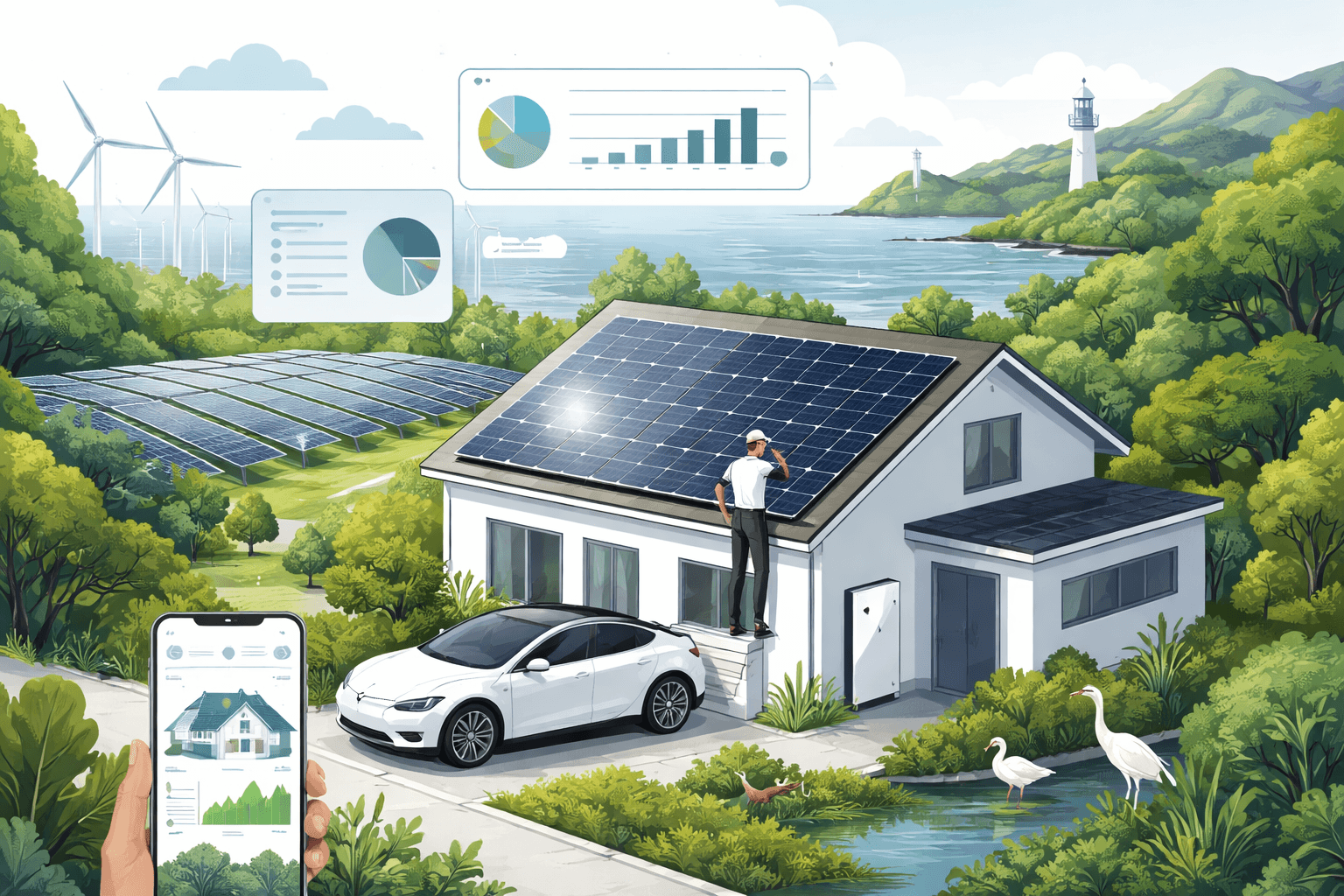
Rhode Island homeowners are paying some of the highest electricity prices in the U.S. — the Energy Information Administration (EIA) reports average residential rates in the Ocean State hovering around $0.28–$0.32/kWh in 2024. That makes Tesla Solar in Rhode Island especially compelling: a typical 7 kW rooftop system can produce roughly 8,500–9,500 kWh per year in Providence/Woonsocket/Westerly conditions, according to NREL’s PVWatts, offsetting $2,300–$3,000 in annual utility costs at today’s rates. With the 30% federal tax credit and state tax exemptions, many projects now pencil out with 6–9 year simple paybacks.
This guide breaks down Tesla’s panels, Solar Roof, and Powerwall options in Rhode Island, what they cost, how to order, which incentives apply, and how Tesla stacks up against local installers.
By the numbers: Tesla Solar in Rhode Island
- Typical solar resource: 1,200–1,350 kWh per kW-year (fixed roof, south-facing), per NREL PVWatts for Providence
- Typical residential system: 6–10 kW DC
- Estimated Tesla panel pricing (RI, 2026): ~$2.50–$3.10/W before incentives (range varies by roof, supply chain, and BOS costs)
- Estimated Solar Roof pricing (RI, 2026): $6–$12 per installed roof watt equivalent; $35–$60/sq ft for full-roof projects depending on complexity
- Federal Residential Clean Energy Credit: 30% through 2032 (IRS)
- Sales tax on renewable energy products: Exempt in Rhode Island (RI Gen. Laws, per DSIRE and RI OER guidance)
- Typical annual bill savings: $1,800–$3,200 for 6–10 kW systems at current RI rates (EIA + PVWatts)
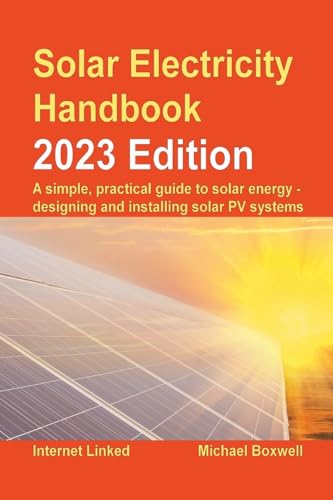
Solar Electricity Handbook - 2023 Edition: A simple, practical guide to solar energy – designing and installing solar photovoltaic systems: Boxwell, Michael
Solar Electricity Handbook - 2023 Edition: <strong>A simple, practical guide to solar energy – designing and installing solar photovoltaic systems</strong> [Boxwell, Michael] on Amazon.com. *FREE* shi
Check Price on AmazonNote: All figures are planning estimates. Your roof, shading, utility tariff, and equipment mix will drive actual outcomes. Always verify current incentives and tariffs with your installer and utility.
Tesla Solar products available in Rhode Island
Tesla solar panels (black-on-black)
- Product: High-efficiency, low-profile black modules with integrated skirt for clean curb appeal.
- Inverter: Tesla string inverter or third-party inverters configured by Tesla; module-level power electronics may vary by design and code requirements.
- Monitoring: Tesla app for real-time production, consumption (when paired with Powerwall or a Tesla Gateway), and outage status.
- Typical use case: Most Rhode Island homes with good asphalt/shingle or composite roofs and a standard 20–35° pitch.
Tesla Solar Roof (building-integrated PV tiles)
- Product: Glass solar tiles integrated with matching non-solar tiles; replaces your roof entirely while generating power.
- Value case: Best when your existing roof is due for replacement and you want an integrated aesthetic. Costs are primarily driven by roof complexity (valleys, dormers, steep pitches) and the ratio of solar to non-solar tiles.
Powerwall bundles (home battery)
- Product: Powerwall 3 (or latest generation) pairs with Tesla Solar for whole-home or partial-backup power and time-of-use arbitrage.
- Warranty: 10 years (energy throughput and capacity retention terms apply).
- Rhode Island fit: Increasing storm resilience needs and high evening rates make storage appealing, especially in areas with frequent outages.
- Learn more: See our detailed breakdown of costs and value here: Tesla Powerwall in Rhode Island: Cost, Availability & Is It Worth It?

EF ECOFLOW Smart Home Panel 2, the Center of the Whole
Alternatively connect <strong>3 x EcoFlow DELTA Pro 3 units with 6 x Extra Batteries for energy storage up to 36kWh</strong>. It's not just for longer backup but lets you to control and run every
Check Price on AmazonTesla Solar pricing in Rhode Island: panels vs. Solar Roof
NREL’s most recent Solar Cost Benchmark places typical U.S. residential rooftop PV at roughly $3.00–$3.50/W (all-in, pre-incentive) for 2023–2024-era systems, with the Northeast often on the higher end due to labor and permitting costs. Tesla’s national pricing model and economies of scale can be competitive in Rhode Island, but site complexity matters.
Tesla panels (RI planning range): ~$2.50–$3.10 per watt before incentives for standard asphalt-roof systems without unusual electrical upgrades or structural work.
Example: A 7 kW system could price at $17,500–$21,700 pre-incentive. After the 30% federal credit, net cost falls to ~$12,250–$15,200. Rhode Island’s sales tax exemption provides additional effective savings since qualifying equipment is not taxed.
Tesla Solar Roof (RI planning range): $35–$60 per square foot for full-roof projects, translating to roughly $6–$12 per installed “roof watt equivalent.” Complex roofs (multiple planes, dormers, steep pitches) land at the higher end.
Example: A 2,200 sq ft roof with moderate complexity might price $77,000–$115,000 all-in; the 30% federal credit applies to the full Solar Roof contract portion associated with energy generation (based on Tesla’s itemization), yielding meaningful tax-credit value. If you were already planning to replace your roof, the incremental “solar premium” can be competitive with premium-roof-plus-panels scenarios.
Battery adders: A single Powerwall typically adds $9,000–$12,500 installed (generation-dependent), with multi-battery discounts sometimes offered. Storage also qualifies for the 30% federal credit when charged by solar.
Important: Actual quotes depend on roof measurements, shading, main panel upgrades, attic/rafter assessments, and any trenching or service work. Request multiple bids for apples-to-apples comparisons.
How to order Tesla Solar in Rhode Island: timeline, site assessment, and installation
- Online design and soft quote
- Use Tesla’s online configurator to size your system by bill usage. Provide your RI Energy (formerly National Grid) bill or annual kWh.
- Expect a preliminary quote within minutes; pricing will adjust after a virtual or in-person site assessment.
- Remote/onsite assessment
- Tesla uses satellite imagery and/or a site visit to confirm roof geometry, shading, and electrical layout. Photos of your main service panel and roof help accelerate the process.
- Structural review may be required for heavier materials or older homes. For Solar Roof, Tesla will assess decking, underlayment, and flashing details.
- Permitting and interconnection
- Tesla prepares permit drawings and files with your municipality (per local building/electrical code). Permitting in Rhode Island typically takes 2–6 weeks, varying by town.
- Interconnection application with Rhode Island Energy (utility) runs in parallel. Simple residential projects often clear in 2–4 weeks; projects in congested circuits may require additional review.
- Installation
- Crew time: 1–3 days for standard panel systems; 1–2 weeks for Solar Roofs depending on complexity and weather.
- Inspections: Local building/electrical inspections follow installation; utility meter work and Permission to Operate (PTO) come last.
- Activation and monitoring
- After PTO, the system turns on and begins net metering/billing per your chosen tariff. You’ll see live production in the Tesla app.
Total timeline in Rhode Island: 6–12 weeks for a straightforward panel project; 12–20+ weeks for Solar Roof. Supply chain conditions, winter weather, and municipal backlogs can add time.
Rhode Island solar incentives that apply to Tesla installations
- 30% Federal Residential Clean Energy Credit (IRS): Applies to eligible equipment and labor for solar and batteries charged by solar. Available through 2032, then steps down.
- Sales and Use Tax Exemption (State): Rhode Island exempts qualifying renewable energy products from state sales tax. This effectively lowers project costs compared with states that tax solar equipment (verify current rules with your installer and RI OER/DSIRE).
- Property Tax: Rhode Island law provides favorable treatment for renewable energy systems; many jurisdictions exempt the added value of residential PV from property tax assessment. Because local implementation can vary, confirm with your town assessor and reference RI OER guidance.
- Net Metering/Net Billing (Rhode Island Energy): Residential systems typically earn credits for excess generation exported to the grid. Credit structures can differ by tariff and program year; credits may roll month-to-month and reconcile annually subject to utility rules. Your installer will align system size and tariff selection with your load and program rules.
- Renewable Energy Growth (REG) Program: Rhode Island has historically offered fixed-price tariffs for small-scale solar under REG, with rates set annually by the Public Utilities Commission. Homeowners can either pursue net metering or apply to REG, but program windows and eligibility caps require planning. Check current-year REG availability and rates with your installer before you commit to a pathway.
Want a broader incentive rundown and local installer list? See our state overview: Solar in Rhode Island: Costs, Incentives & Top Installers (2026)
Tesla Solar reviews from Rhode Island customers: what owners report
Synthesis from verified-owner anecdotes, public forums, and recent customer surveys indicates:
What owners like
- Pricing transparency: The online estimator offers a clear baseline, and many quotes are competitive with or below local bids for standard roofs.
- Clean aesthetics: Black panels with skirted edges and flush rails are a frequent compliment. Solar Roof owners value the integrated look.
- App and ecosystem: Real-time monitoring, outage alerts, and tight integration with Powerwall and EV charging are differentiators.
What owners flag as challenges
- Scheduling and communication: The most common complaints involve changing install dates and slow responses during busy seasons.
- Subcontractor variability: Tesla uses internal crews and partners; workmanship quality can vary, with service tickets sometimes taking weeks to resolve.
- Change orders: Older homes often need main panel upgrades or roof repairs that increase cost and time; some owners wish these were identified earlier.
Overall sentiment: For straightforward roofs, many Rhode Island homeowners report strong value and a smooth process. Complex roofs or Solar Roof projects see more schedule variability; buyers who plan for contingencies tend to land happier.
Tesla vs. local Rhode Island installers: pros, cons, and price comparison
Tesla advantages
- Scale pricing: Standardized designs and procurement can deliver lower $/W for simple projects.
- Aesthetics and branding: Black-on-black modules and the Solar Roof option are distinctive.
- Ecosystem: Seamless pairing with Powerwall and the Tesla app is hard to match.
Local installer advantages
- Customization: Microinverters, premium modules, snow guards, smart panels, and EV charger integration tailored to your home.
- Service access: A local office can speed site visits and post-install service.
- Program navigation: Deep familiarity with Rhode Island Energy tariffs, REG windows, and municipal permitting nuances.
Typical price spread (RI, 2026)
- Tesla panels: ~$2.50–$3.10/W pre-incentive for standard asphalt roofs.
- Local EPCs: ~$3.00–$4.00/W pre-incentive, with higher-end quotes including premium modules (e.g., 20–22% efficient), microinverters, snow-management accessories, and extended workmanship warranties.
Value takeaway: Solicit at least two local bids alongside a Tesla quote. If the local bid specifies higher-efficiency modules or microinverters that lift production 3–8% on your roof geometry, a modestly higher $/W can still yield better lifetime kWh and stronger ROI.
Affiliate tip: Based on reliability data and rapid shutdown compliance, many RI roofs perform well with microinverters like the Enphase IQ8 Series. For homeowners prioritizing high-efficiency, low-degradation panels, the REC Alpha Pure-R or Qcells Q.PEAK DUO BLK lines are often strong value picks in New England climates.
Tesla Solar warranty and what it covers in Rhode Island
Always review Tesla’s latest warranty documents, but as of 2026, typical terms include:
Solar panels
- Performance warranty: Output guaranteed to a stated percentage (often ~85% at year 25). Exact curve varies by module.
- Product warranty: Typically 12–25 years against defects in materials and workmanship (Tesla’s current spec sheet governs).
- Workmanship/installation: 10 years on roof penetrations and installation workmanship is common language in Tesla solar agreements.
Tesla Solar Roof
- Weatherization and tile warranty: Up to 25 years (materials and weatherization coverage; see Tesla’s roof warranty).
- Power output warranty: For the solar-producing tiles, with a 25-year term and stated degradation limits.
Powerwall
- 10-year warranty with throughput/capacity terms (commonly guaranteeing 70% usable capacity at year 10 under normal residential use).
What’s not covered typically includes damage from non-Tesla modifications, extreme weather events beyond rating, or pre-existing roof defects. Snow loads and coastal wind exposure in Rhode Island require proper design; ensure your proposal specifies wind/snow ratings that meet your municipality’s code and your home’s exposure category.
FAQ: common questions about Tesla Solar in Rhode Island
Is Tesla Solar available statewide in Rhode Island? Yes. Service coverage spans the metro Providence area and most municipalities. Some remote or island locations may have longer scheduling windows.
How much does a Tesla system save in Rhode Island? A 7 kW system producing ~9,000 kWh/year can offset $2,300–$3,000 annually at $0.26–$0.33/kWh. Actual savings depend on your tariff, solar orientation, and whether you add a battery.
Does Tesla require a Powerwall with solar? No, not universally. Tesla often offers bundled pricing with Powerwall and many homeowners opt in for backup. Solar Roof buyers commonly add Powerwall to enable whole-home backup and to maximize self-consumption.
What orientation works best in Rhode Island? South-facing roofs at ~25–40° pitch perform best. East/west arrays still work well, typically producing 10–15% less than ideal south-facing in PVWatts simulations.
How does snow affect production? Snow events reduce production temporarily, but annual impact is modest (often 2–6%) because most accumulation occurs when winter sun is low. Black modules shed snow faster on sunny days.
Do coastal winds or salt spray pose a problem? Quality modules and racking are tested to specific wind/salt-mist standards. Specify corrosion-resistant hardware and confirm design wind speeds meet local code (e.g., 120–140+ mph coastal zones). Tesla’s engineer of record should stamp plans to your site conditions.
What if my roof needs replacement soon? If your asphalt roof is within ~5–8 years of replacement, consider doing the roof first or evaluate Solar Roof. Panel removal and reinstallation later adds cost.
How long from deposit to activation in Rhode Island? About 6–12 weeks for straightforward rooftop PV; 12–20+ weeks for Solar Roof. Winter weather and permitting queues can extend timelines.
Can I combine Tesla Solar with an EV charger? Yes. Solar pairs well with Level 2 charging. Smart panels and load management (e.g., SPAN) can help avoid main panel upgrades in older RI homes. Many local installers can integrate chargers during the solar project.
What’s better financially: Net metering or the REG program? It depends on your usage profile, system size, and current-year REG rate. Your installer should model both paths; many homeowners choose traditional net metering for simplicity, but REG can be attractive in some cases.
Practical steps for Rhode Island homeowners
- Gather 12 months of usage (kWh) from your RI Energy bills to size accurately.
- Get at least three bids: Tesla plus two local installers. Ask each for a PVWatts-based production estimate and a 25-year cash-flow model.
- Verify incentives: Confirm the 30% federal credit treatment, sales tax exemption, and your town’s property tax handling for PV.
- Plan electrical upgrades: Many RI homes need main panel or service upgrades; budgeting early prevents surprises.
- Consider storage: If you experience outages or face high evening rates later, a Powerwall can add resilience and time-shifting value. Read our dedicated analysis: Tesla Powerwall in Rhode Island: Cost, Availability & Is It Worth It?
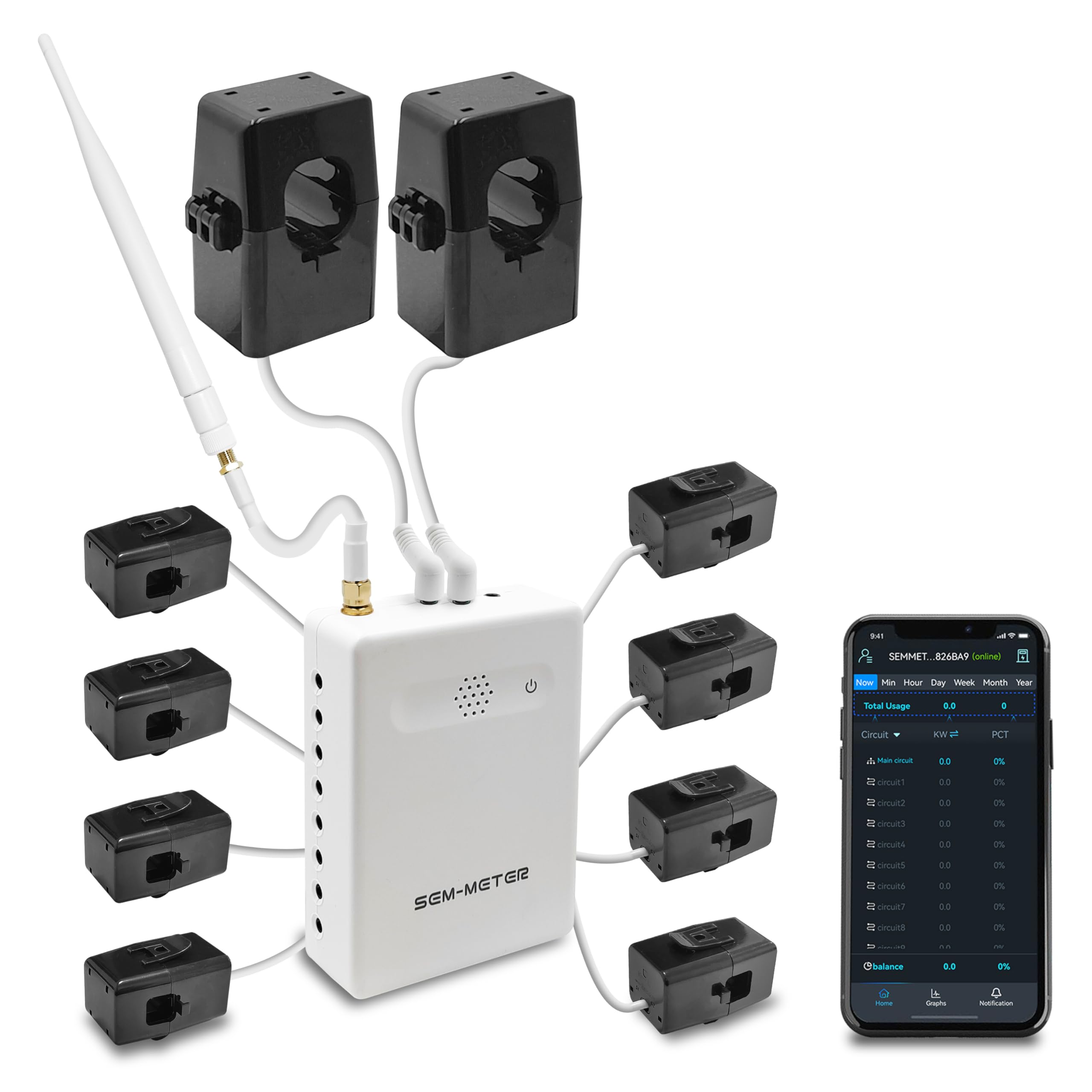
Smart Home Energy Monitor with 8 50A Circuit Level Sensors | Vue - Real Time Electricity Monitor/Meter | Solar/Net Metering - Amazon.com
View on AmazonWhere the market is heading
- Costs: NREL finds steady BOS and inverter cost improvements; supply chains have stabilized compared with 2021–2022. Expect modest downward pressure on panel prices in 2026, with labor and permitting remaining sticky costs in the Northeast.
- Electrification: As heat pumps and EV adoption rise in Rhode Island, right-sizing solar for future loads will matter more than ever. Consider conduit and roof space for future expansion.
- Tariffs and storage: As utilities refine net metering and time-based rates, batteries become more valuable for evening peaks and outage readiness, particularly on coastal grids.
For a broader view of local pricing and installer options, explore our state guide: Solar in Rhode Island: Costs, Incentives & Top Installers (2026)
Sources: EIA (state electricity prices), NREL PVWatts (Rhode Island production estimates), NREL Solar Cost Benchmark (residential $/W), Rhode Island Office of Energy Resources and DSIRE (state tax treatment and programs), Rhode Island Energy (net metering/net billing and interconnection).
Recommended Products
Solar Electricity Handbook - 2023 Edition: A simple, practical guide to solar energy – designing and installing solar photovoltaic systems: Boxwell, Michael
Solar Electricity Handbook - 2023 Edition: <strong>A simple, practical guide to solar energy – designing and installing solar photovoltaic systems</strong> [Boxwell, Michael] on Amazon.com. *FREE* shi
Smart Home Energy Monitor with 8 50A Circuit Level Sensors | Vue - Real Time Electricity Monitor/Meter | Solar/Net Metering - Amazon.com
Lightweight commercial 3-phase option available as a separate bundle. APPLICATION MONITORING WITHOUT GUISEWORK <strong>Up to sixteen (16) 50A sensors to accurately monitor your air conditioner, oven,
EF ECOFLOW Smart Home Panel 2, the Center of the Whole
Alternatively connect <strong>3 x EcoFlow DELTA Pro 3 units with 6 x Extra Batteries for energy storage up to 36kWh</strong>. It's not just for longer backup but lets you to control and run every