
Tesla Solar in Connecticut: Panels, Roof & Pricing Guide (2026)
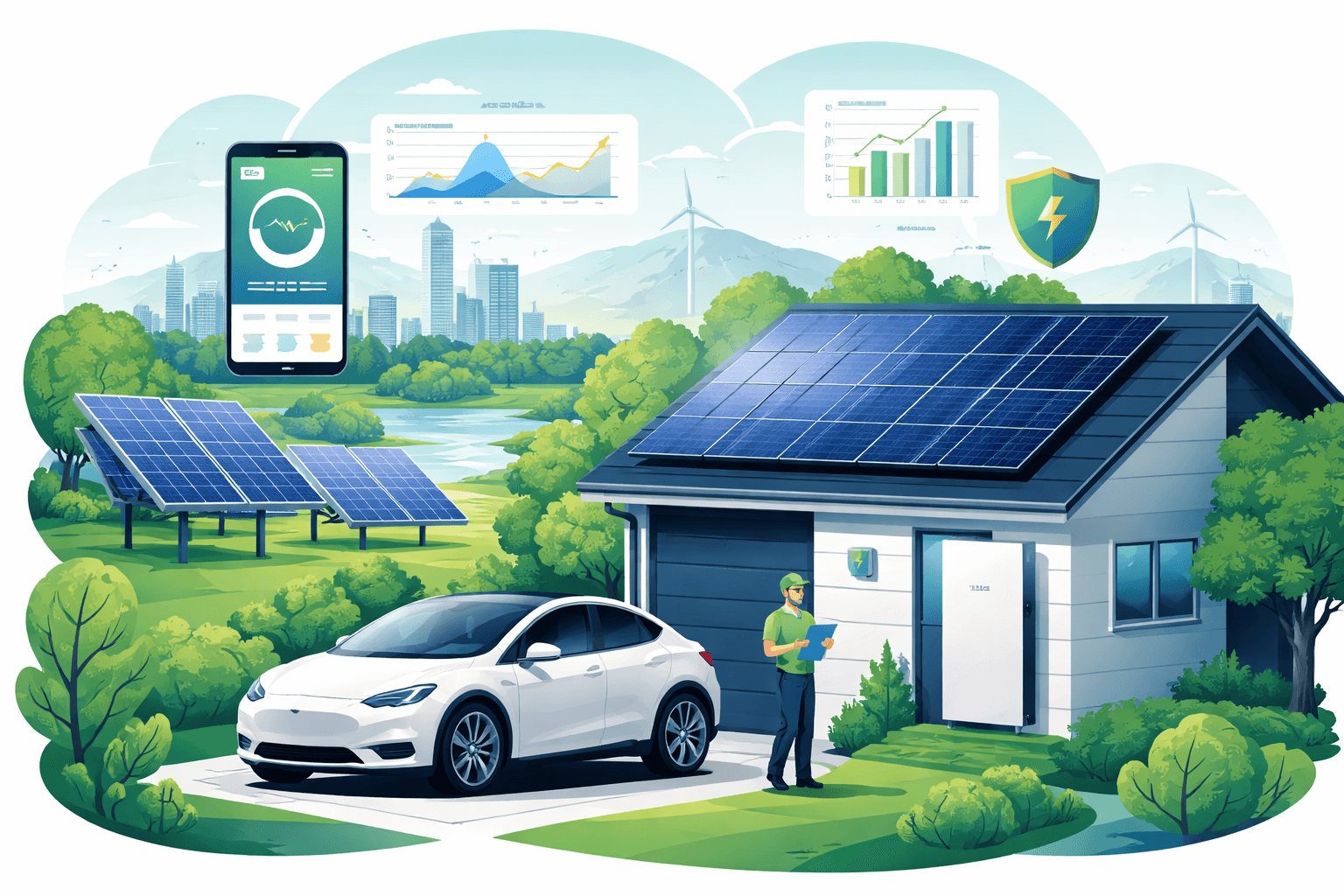
Connecticut homeowners are paying some of the highest electricity prices in the U.S., averaging roughly 24–30¢/kWh in 2023–2024 according to the U.S. Energy Information Administration (EIA). Against that backdrop, interest in Tesla solar in Connecticut has surged because the 30% federal tax credit remains in place through 2032, state performance-based incentives are available, and battery rebates can materially improve resilience. This 2026 guide breaks down Tesla’s panels, Solar Roof, pricing in Connecticut, how installation works, the incentives you can stack, and what owners here actually report.
By the end, you’ll know whether Tesla’s standardized approach beats a top local installer for your roof and budget.
Tesla Solar products available in Connecticut: panels, Solar Roof, and Powerwall bundles
Tesla sells three core residential products in Connecticut:

Solar Electricity Handbook - 2023 Edition: A simple, practical guide to solar energy – designing and installing solar photovoltaic systems: Boxwell, Michael
Solar Electricity Handbook - 2023 Edition: <strong>A simple, practical guide to solar energy – designing and installing solar photovoltaic systems</strong> [Boxwell, Michael] on Amazon.com. *FREE* shi
Check Price on Amazon- Tesla solar panels: All-black monocrystalline modules typically in the 420–440 W range, paired with Tesla’s string inverter and the Tesla app. Expect module efficiencies around 19–21%. Systems are designed in 4 kW increments but can be customized after site review.
- Tesla Solar Roof: Glass solar tiles integrated with non-solar tiles to replace the entire roof. It’s a roofing and generation product in one, best suited if you already need a roof replacement.
- Tesla Powerwall (usually Powerwall 3): A 13.5 kWh lithium-ion battery with integrated inverter and 11.5 kW continuous power output. Supports whole-home or partial backup and time-of-use optimization. Eligible for the 30% federal tax credit and Connecticut’s Energy Storage Solutions incentives.
How they work together
- Panels + Powerwall: The most common bundle. Panels produce daytime power; Powerwall stores excess for evening use or outages. In Connecticut’s winter storms, a single Powerwall can back up lighting, outlets, refrigerator, and a gas furnace fan; whole-home backup typically needs 2–3 units, depending on heat pump loads.
- Solar Roof + Powerwall: A premium option whose economics improve if your existing roof is at end-of-life. You’ll still get standard interconnection and incentives.
Performance in New England winters
- Cold temperatures increase module efficiency, offsetting some winter daylight loss. NREL studies find annual snow-related energy losses of roughly 1–5% in snowy climates depending on tilt and maintenance. South-facing arrays at 30–40° tilt generally shed snow faster; low-tilt roofs (≤15°) may experience higher snow persistence.
Tesla Solar pricing in Connecticut: panels vs. Solar Roof cost comparison
Price ranges reflect 2025–2026 quotes reported in the Northeast, NREL cost benchmarks, and EnergySage marketplace data; your quote will vary by roof complexity, service upgrades, and equipment mix.
- Tesla panels in CT: Around $2.40–$2.85 per watt (before incentives). A typical 8 kW system would price at ~$19,000–$23,000 before the 30% federal tax credit, bringing net cost to ~$13,300–$16,100 after the credit. EnergySage’s regional data in 2024 placed Northeast median customer prices generally between $2.80–$3.40/W; Tesla often undercuts local averages via standardized designs.
- Tesla Solar Roof in CT: Highly variable, commonly $60,000–$100,000+ before incentives for a typical home (8–12 kW capacity), driven by roof size, pitch, and obstructions. After the 30% tax credit, net cost often falls to $42,000–$70,000+. If you already plan to replace an aging roof (asphalt roof replacements in CT often run $12,000–$25,000 depending on size), compare: Solar Roof net cost vs. panels plus a new conventional roof.
- Powerwall in CT: Installed pricing typically $10,000–$15,000 per unit before incentives, varying with electrical work and backup configuration. The 30% federal credit applies to standalone storage starting in 2023. Connecticut’s Energy Storage Solutions program may add upfront incentives and annual performance payments (details below), which can reduce net cost by several thousand dollars.
Key drivers of quote variance in Connecticut
- Electrical service upgrades: Many homes with 100 A service need a panel or service upgrade to support solar + storage; that can add $1,500–$4,000.
- Roofing condition and layout: Complex roofs (multiple planes, dormers), slate or cedar, and steep pitches increase labor. Some roof types are incompatible with standard racking.
- Utility interconnection requirements: Eversource and UI may require external disconnects or metering changes in certain cases.
How to order Tesla Solar in Connecticut: timeline, site assessment, and installation
Ordering flow
- Online design and estimate: Enter your address and recent bill data to see a preliminary system size and price. This uses satellite imagery and utility rate estimates.
- Virtual/onsite assessment: Tesla (or a partner) verifies roof condition, shading, rafters, and electrical system. Expect a refined design and final price. If the roof needs work, you’ll decide whether to re-roof first (Tesla can coordinate or work with your roofer).
- Contract and financing: Choose cash or loan. Many CT homeowners compare Tesla’s financing to local credit union or Green Bank–affiliated loans.
- Permitting and interconnection: Tesla handles permit submissions to your town and the interconnection application to Eversource or UI.
- Installation: Crew completes racking, modules, inverter, and any Powerwalls, then inspections and permission to operate (PTO) follow.
Typical timeline in Connecticut
- Design and approvals: 3–8 weeks, depending on municipal permitting speed and utility queue.
- Installation: 1–3 days for panels only; 1–2 additional days with Powerwall and service upgrades. Solar Roof installs typically take longer (1–2+ weeks) due to the full reroof.
- Inspections and PTO: 2–6 weeks. Winter weather can push schedules.
From order to activation, expect 8–16 weeks for panels + Powerwall in much of Connecticut; Solar Roof projects often run longer. Backlogs can fluctuate; owners frequently report longer waits during peak spring–summer seasons.
Connecticut solar incentives that apply to Tesla installations
Federal Investment Tax Credit (ITC)
- 30% tax credit for residential solar and storage through 2032 under the Inflation Reduction Act (IRS). Applies to both Tesla solar and Powerwall, even if the battery is installed standalone.
Residential Renewable Energy Solutions (RRES)
- Connecticut replaced traditional net metering with the RRES tariff program administered by Eversource and UI in coordination with the Connecticut Green Bank. Homeowners choose one of two 20-year options:
- Netting tariff: Your solar production offsets your consumption within each monthly billing period; excess generation earns a credit. In addition, you receive a fixed, performance-based REC payment per kWh of energy produced, locked for 20 years. This structure is closest to “modern net metering.”
- Buy-All tariff: The utility purchases 100% of your solar output at a fixed rate for 20 years; you buy all your household usage at the retail rate. This can benefit homes with low daytime load or shaded sites where pairing with storage may not be optimal.
- Rates vary by utility and program block and are adjusted periodically. Check the current RRES block rates with Eversource/UI or the Green Bank. Many homeowners find Netting + Powerwall provides strong bill savings given CT’s high retail rates.
Energy Storage Solutions (ESS) program
- Connecticut’s ESS program (Connecticut Green Bank + Eversource/UI) offers upfront incentives for residential batteries and optional annual performance payments for demand response events. Incentives are capacity-based ($/kWh installed) with higher amounts for income-eligible customers and those in vulnerable communities.
- For a 13.5 kWh Powerwall, upfront incentives have commonly offset several thousand dollars of cost, and annual performance payments can add ongoing value for participating customers. Program terms and tiers change, so confirm current levels before you sign.
Sales and property tax exemptions
- Connecticut exempts qualifying residential solar equipment from state sales tax and provides a property tax exemption for the increased home value attributable to solar (see DSIRE/CT DEEP references). Municipal application may be required; check with your assessor.
Interconnection
- Level 1 residential systems usually follow a streamlined process with Eversource/UI, but timelines can vary with grid constraints, transformer loading, or protection studies—especially for larger systems and storage.
For a broader snapshot of statewide incentives and installer comparisons, see our state guide: Solar in Connecticut: Costs, Incentives & Top Installers (2026).
Visit: Solar in Connecticut: Costs, Incentives & Top Installers (2026)
Tesla Solar reviews from Connecticut customers: what owners actually report
What owners like
- Competitive, transparent pricing: Many CT buyers report Tesla undercut local quotes by 5–15% for comparable system sizes, consistent with national patterns reported by EnergySage and NREL’s price benchmarking.
- Clean aesthetics and app: The low-profile panels and unified Tesla app for solar + Powerwall earn strong marks. The app’s real-time monitoring and outage switchover visibility are frequently praised.
- Standardized equipment: Fewer part substitutions and a consistent design approach can reduce change orders.
Common complaints
- Communication and scheduling: Owners often cite long gaps between milestones, rescheduling, and limited proactive updates—especially during busy seasons or for Solar Roof projects.
- Subcontractor variability: Some installs are performed by partner crews; workmanship quality can vary. Punch-list resolution sometimes takes multiple visits.
- Change orders for electrical work: Service panel or mast upgrades are a frequent surprise for older CT homes; ask for a thorough pre-install assessment.
Performance notes specific to Connecticut
- Winter production drops are normal, but cold, clear days can yield high instantaneous output. Many owners manually clear accessible snow or let it shed naturally within 24–72 hours during sunny spells.
- With Powerwall, outage coverage is seamless; however, heat pumps and well pumps may require two or more Powerwalls for comfortable whole-home backup.
Tesla vs. local Connecticut installers: pros, cons, and price comparison
Tesla advantages
- Price leadership: Standardized designs and purchasing scale often produce quotes at the low end of CT’s price range.
- Integrated ecosystem: Native pairing with Powerwall and the Tesla app.
- Strong brand support: Clear warranty pathways and widely available service parts.

Sense Energy Monitor - Track Electricity Usage in Real Time and Save Money
View on AmazonLocal installer advantages
- Custom engineering: Microinverters or DC optimizers for complex roofs, shaded sites, or partial reroofs. For example, Enphase IQ8 microinverters can isolate module-level shading and allow limited daytime backup with sunlight.
- Faster service and communication: Many CT firms emphasize dedicated project managers, quicker site visits, and same-week service calls.
- Equipment choice: Premium modules (REC, Qcells, Maxeon/SunPower) and tailored racking for slate or metal standing seam roofs.
Typical price comparison (before incentives)
- Tesla panels in CT: ~$2.40–$2.85/W
- Local installer panels in CT: commonly ~$2.80–$3.50/W depending on equipment and scope
Value call
- If your roof is simple and you prioritize lowest price with solid app integration, Tesla is tough to beat.
- If you have heavy shade, a complex roof, or want premium modules/inverters or a nuanced storage configuration, top local installers may deliver better lifetime performance even at a higher upfront price.
Affiliate note: For homeowners comparing component options via local installers, high-efficiency black modules like the Qcells Q.TRON BLK 425W and microinverter systems such as Enphase IQ8 represent strong value in shaded or architecturally complex CT roofs. To better understand real-time loads before right-sizing storage, the Sense Home Energy Monitor can provide actionable usage insights.
Tesla Solar warranty and what it covers in Connecticut
Always confirm your contract’s exact terms, but Tesla’s typical protections include:
- Panels and inverters: 25-year performance warranty on panels (commonly warranting ~80–85% of nameplate output at year 25), plus a product warranty (often 12–25 years depending on the module manufacturer). Tesla’s inverters generally carry a 12-year warranty.
- Workmanship: Around 10 years covering roof penetrations and labor for covered defects.
- Solar Roof: Roofing and weatherization warranty up to 25 years, plus power output coverage for active tiles.
- Powerwall: 10-year warranty with energy throughput terms and typical end-of-warranty capacity around 70%. Powerwall 3 integrates an inverter, which simplifies whole-home backup designs.
Because some warranty durations are tied to the underlying manufacturer of panels and components, ask Tesla to list make/model and warranty certificates in your project documentation.
By the numbers: Tesla Solar in Connecticut (2026)
- CT residential electricity price: ~24–30¢/kWh in 2023–2024 (EIA), among the top tier nationally
- Typical Tesla panel price in CT: ~$2.40–$2.85/W before incentives
- Typical 8 kW system net cost after 30% ITC: ~$13,300–$16,100
- Tesla Solar Roof total project: ~$60,000–$100,000+ before incentives (size/roof dependent)
- Powerwall installed: ~$10,000–$15,000 before incentives; eligible for 30% ITC plus CT Energy Storage Solutions rebates and performance payments
- Incentives: 30% federal ITC; CT’s RRES 20-year tariff (Netting or Buy-All) with performance-based REC payments; sales and property tax exemptions for qualifying equipment
Practical implications for CT homeowners
- High retail rates increase savings potential: Each kWh you offset or store to avoid peak pricing is valuable. Pairing solar with at least one battery often improves economics and resilience in Connecticut.
- RRES option selection matters: Homes with steady daytime use and/or a battery often favor Netting; lower daytime use may make Buy-All attractive. Model both with your installer.
- Storage incentives are meaningful: ESS upfront incentives plus the 30% ITC can bring a Powerwall’s net cost down substantially. That can tilt you toward including storage in the initial project instead of “adding later.”
- Roof decision drives Solar Roof economics: If your roof is 15–20 years old, running the Solar Roof vs. panels + reroof math is essential; otherwise, conventional panels tend to win on pure cost per watt.
For deeper battery economics and program details, see our Connecticut-specific Powerwall guide:
Read: Tesla Powerwall in Connecticut: Cost, Availability & Is It Worth It?
How to maximize incentives and minimize surprises
- Lock program block rates: RRES rates step over time; signing your interconnection during a favorable block can lock higher 20-year compensation.
- Get a roof and electrical pre-check: Request a detailed roof condition review and electrical load calculation to avoid late-stage change orders.
- Right-size storage: Use interval data from your utility or a home energy monitor to size Powerwall(s) for outages and rate arbitrage.
- Confirm tax treatment: The ITC is a credit, not a rebate; verify eligibility with a tax professional. Local property tax exemption may require filing with your assessor.
FAQ: common questions about Tesla Solar in Connecticut
Is Tesla available statewide?
- Yes. Tesla sells and installs across Connecticut, sometimes using partner crews in certain regions.
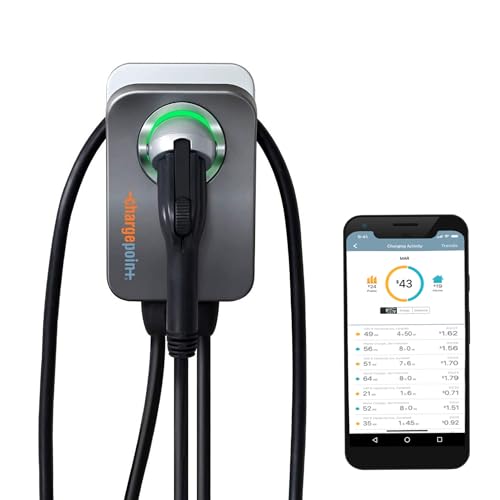
ChargePoint HomeFlex Level 2 EV Charger J1772
View on AmazonHow does winter impact production and batteries?
- Expect lower winter generation due to shorter days and occasional snow cover; however, cold improves panel efficiency. Powerwall operates within a wide temperature range; outdoor installs may use enclosures and rely on self-heating when needed.
Which RRES option should I pick—Netting or Buy-All?
- It depends on your load profile and whether you add storage. Many homeowners with batteries prefer Netting for bill-offset value. If your daytime load is low and you do not plan to add storage, model the Buy-All tariff’s fixed 20-year compensation.
Can I install a Powerwall without solar and still get incentives?
- Yes. Since 2023, the federal 30% credit applies to standalone residential storage. Connecticut’s ESS program also supports standalone batteries; incentive tiers vary by customer segment and utility.
How many Powerwalls do I need in Connecticut?
- For essential loads (lights, outlets, fridge, gas furnace fan), 1 Powerwall is common. For heat pumps, well pumps, or whole-home backup, plan for 2–3 depending on load and desired outage duration. Discuss continuous power (kW) and energy (kWh) needs with your designer.
How long does the process take?
- Plan on 8–16 weeks for panels + Powerwall and longer for Solar Roof, influenced by town permitting, utility queue, and seasonal backlogs.
Can I integrate EV charging with Tesla solar?
- Yes. Tesla’s app supports load coordination, and many homeowners add a 240 V EV charger. If you use a third-party charger, look for ENERGY STAR certification and adjustable amperage. The ChargePoint Home Flex is a widely compatible option for 240 V home charging.
What maintenance is required?
- Minimal. Occasional visual checks, keeping inverters ventilated, and allowing snow to shed naturally. Avoid climbing on icy roofs; consider professional cleaning if debris persists.
Will solar increase my property taxes?
- Connecticut provides a property tax exemption for the added value of qualifying residential solar systems. File any required forms with your municipality.
Where can I compare state installers and incentives?
- Start with our statewide guide for current pricing ranges and vetted installer lists.
Explore: Solar in Connecticut: Costs, Incentives & Top Installers (2026)
Where Tesla—and CT policy—are heading next
- Storage-first design: With the ESS program and frequent winter outages, expect storage attachment rates above the U.S. average in Connecticut.
- Smarter tariffs: As PURA and utilities refine RRES blocks and time-varying rates, solar + storage optimization will matter more. Batteries can shift solar to evening peaks and participate in demand response for extra value.
- Supply chain stability: Module and inverter lead times have improved since 2022–2023 disruptions. Pricing pressure from global manufacturing could keep CT customer prices near the lower end of historical ranges, even with elevated Northeast labor costs.
If your roof is straightforward and you prioritize a unified app experience, Tesla’s Connecticut offering is a compelling baseline quote. For complex roofs or demanding backup needs, a top local installer may unlock higher lifetime yield with different equipment. In either case, the 30% ITC, RRES 20-year tariff, and ESS storage incentives make 2026 one of the most attractive windows yet for residential solar in Connecticut.
Recommended Products
Solar Electricity Handbook - 2023 Edition: A simple, practical guide to solar energy – designing and installing solar photovoltaic systems: Boxwell, Michael
Solar Electricity Handbook - 2023 Edition: <strong>A simple, practical guide to solar energy – designing and installing solar photovoltaic systems</strong> [Boxwell, Michael] on Amazon.com. *FREE* shi
Sense Energy Monitor - Track Electricity Usage in Real Time and Save Money
Sense <strong>identifies patterns in your energy use to help your family be more efficient, informed, and secure</strong>. MONITOR YOUR HOME'S ENERGY USE FROM ANYWHERE: Real-time data through our
ChargePoint HomeFlex Level 2 EV Charger J1772
Discover the latest in EV charging technology. Explore a diverse selection of smart, efficient, and compatible charging solutions for your electric vehicle.