
How to Create a Green Building: Practical Strategies for Sustainable Design, Construction, and Operation
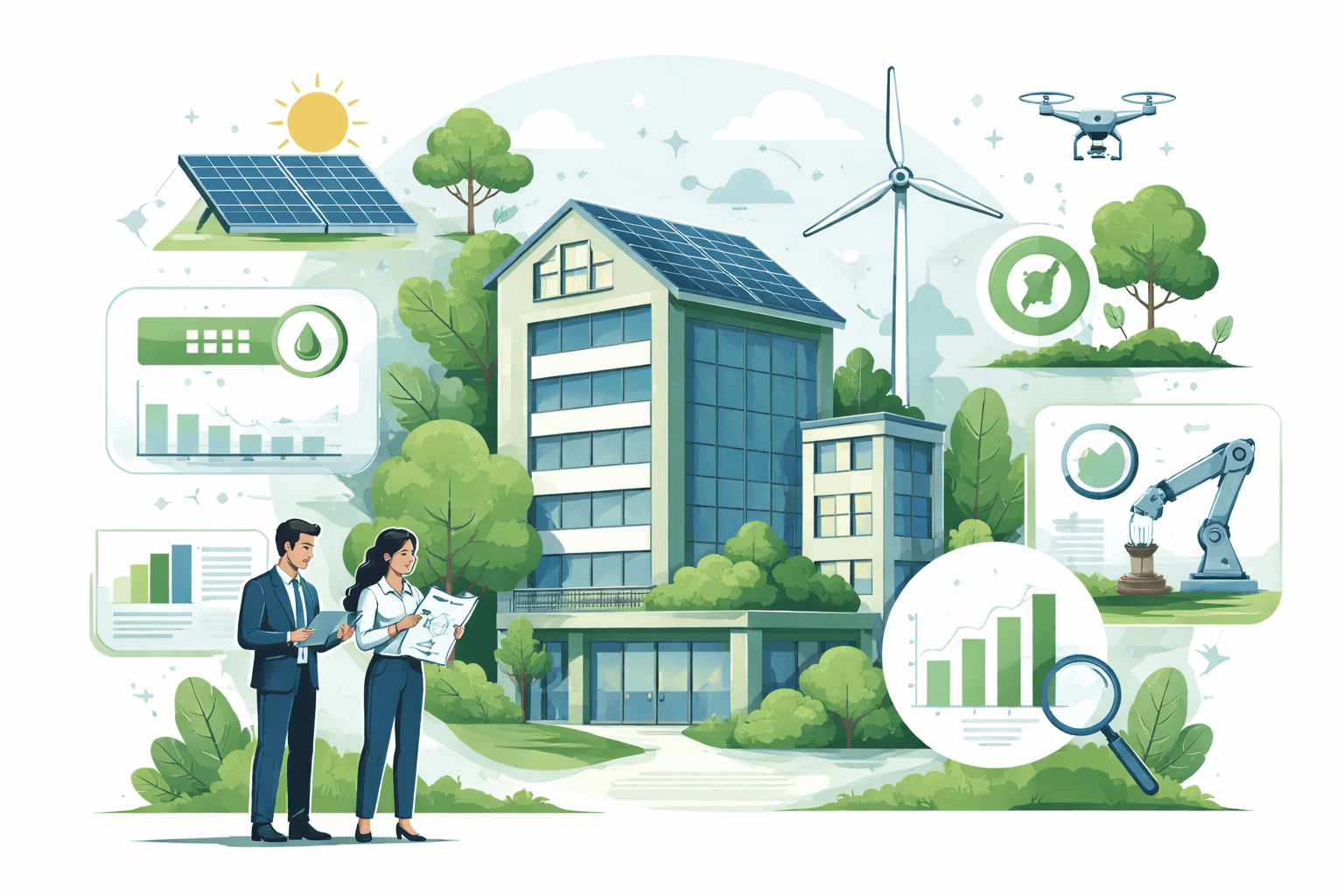
Buildings account for 37% of global energy- and process-related CO2 emissions and 34% of final energy demand (UNEP GlobalABC, 2023). If you’re asking how to create a green building, the good news is that today’s best practices can cut operational energy use 30–70%, slash potable water consumption by 30–50%, and reduce embodied carbon of materials 20–50%, while delivering healthier spaces and lower lifecycle costs. This data-backed guide walks step-by-step through goals and metrics, passive design, materials and systems, and the project delivery practices that lock in performance.
How to create a green building: goals, metrics, and certifications
A successful green project starts with clear, measurable outcomes—set early, owned by the client, and shared across the team.
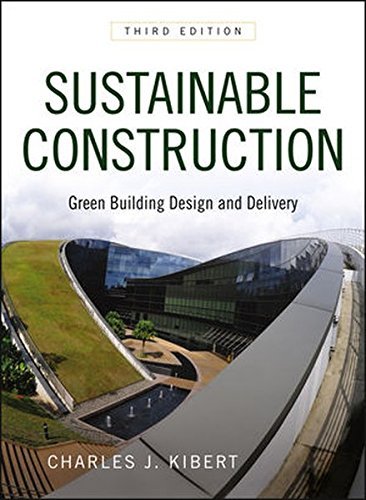
Sustainable Construction: Green Building Design and Delivery, Kibert, Charles J., eBook - Amazon.com
In the newly revised Fifth Edition of Sustainable Construction: Green Building Design and Delivery, the late Dr. Charles J. Kibert <strong>delivers a rigorous overview of the design, construction, and
Check Price on Amazon- Energy performance: Define an Energy Use Intensity (EUI) target (kBtu/sf·yr or kWh/m²·yr) using local code as a floor and regional top-quartile buildings as a benchmark. Whole-building energy models (ASHRAE 90.1 Appendix G or ISO 52000) should test design options from concept through construction.
- Carbon: Commit to whole-life carbon targets that include operational and embodied emissions. Track operational carbon with grid emission factors and modeled energy. Track embodied carbon as kgCO2e/m² using Environmental Product Declarations (EPDs) and a carbon budget for structure, envelope, and interiors. The World Green Building Council notes embodied carbon can account for ~50% of whole-life emissions of new buildings by 2050 if not addressed.
- Water: Set a Water Use Intensity (WUI) target (liters/m²·yr) and end-use budgets (fixtures, cooling towers, irrigation). EPA WaterSense-labeled fixtures typically deliver 20%+ savings versus standard products.
- Indoor environmental quality (IEQ): Establish minimums for ventilation (ASHRAE 62.1/62.2), thermal comfort (ASHRAE 55), acoustic criteria (NC/RC levels), daylight metrics (sDA/ASE), and low-emitting materials (VOC limits per CDPH Standard Method).
Standards and certifications that operationalize these goals:
- LEED (U.S. Green Building Council): Holistic rating covering energy, water, materials, site, and IEQ; pathways for new construction and interiors.
- BREEAM: Performance-based assessment widely used in Europe with strong emphasis on management and lifecycle.
- Passive House (PHI/PHIUS): Rigorous envelope-first standard; typical space-heating demand ≤15 kWh/m²·yr and airtightness ≤0.6 ACH50, with many projects reporting 60–90% heating energy reductions versus conventional stock.
- WELL and Fitwel: Focused on health outcomes—air quality, light, movement, nourishment—complementing energy-focused systems.
Codes and policies are tightening worldwide. The EU’s Energy Performance of Buildings Directive aims for nearly zero-energy buildings; U.S. cities are adopting Building Performance Standards (BPS) with mandatory EUI or emissions targets. Map incentives early—utility rebates, renewable energy credits, and tax deductions can materially shift ROI. For a deeper look at available U.S. and local benefits, see Green Building Tax Incentives: How to Maximize Savings for Homes and Commercial Projects (/sustainability-policy/green-building-tax-incentives-maximize-savings).
Site selection and passive design strategies
Great performance starts before a line is drawn. The site and form determine most of the energy, water, and ecological outcomes.
Analyze context and microclimate
- Climate file and weather data: Use Typical Meteorological Year (TMY) data to understand heating/cooling degree days, solar availability, wind roses, and humidity.
- Urban heat island and shading: Model surrounding massing to identify heat traps and daylight access; trees can reduce peak summer air temperatures by 1–5°C (various urban forestry studies) and lower cooling loads.
Orient for sun, daylight, and wind
- Massing: Elongate the building east–west where feasible; prioritize north/south glazing to simplify shading.
- Daylighting: Target 55–75% spatial Daylight Autonomy (sDA300/50%) for regularly occupied spaces while controlling Annual Sunlight Exposure (ASE1000/250) to avoid glare. Use light shelves, clerestories, and reflective ceilings.
- Natural ventilation: Use cross-ventilation paths and stack effects with operable windows, atria, and shafts; consider mixed-mode strategies that switch between natural and mechanical ventilation based on temperature and PM2.5 thresholds.
Reduce site impacts and manage water
- Low-impact development (LID): Bioswales, rain gardens, and permeable pavements reduce runoff volumes and improve water quality; EPA case studies show 20–60% peak flow reductions depending on soil and design.
- Landscaping: Favor native and climate-resilient species; drip irrigation and moisture sensors can cut irrigation water 30–50%.
- Stormwater: Right-size detention and reuse. Green roofs can retain 50–80% of annual rainfall, dampen peak flows, and extend roof membrane life while improving insulation performance.
Materials, systems, and technologies that deliver performance
Specify low-carbon, durable materials
Embodied carbon is largely locked in at design. Get it right early.
- Structure: Use high-SCM (supplementary cementitious material) concretes; clinker substitution with fly ash, slag, or calcined clays can reduce cement-related CO2 by 20–40% today (IEA, 2018). Optimize mixes via performance specs, not prescriptive cement content. Where appropriate, consider mass timber for mid-rise applications; life-cycle studies show significant storage and substitution benefits when sourced from certified, sustainably managed forests.
- Metals: Favor high recycled-content steel and aluminum; EPDs can reveal 30–60% variation in product footprints across suppliers.
- Envelope and interiors: Choose insulation with low Global Warming Potential (GWP) blowing agents; specify low-VOC paints, adhesives, and flooring; design to disassemble with mechanical fasteners for future circularity.
- Proof with data: Use whole-building LCA tools (EN 15978 framework) and product-level EPDs; EC3 and similar databases help compare suppliers by kgCO2e.
For detailed choices by application, see Sustainable Materials for Construction: Practical Guide to Low‑Carbon, Durable, and Cost‑Effective Building Materials (/sustainability-policy/sustainable-materials-for-construction-guide).
Build a high-performance envelope
The envelope is the engine of efficiency.
- Airtightness: Set targets (≤0.6 ACH50 for Passive House-level performance; ≤1.0–2.0 ACH50 for high-performance commercial). Blower-door and infrared testing during construction are essential for QA/QC.
- Thermal control: Optimize U-values and thermal breaks; triple glazing in cold climates, selective double or triple in temperate ones; continuous insulation to eliminate thermal bridging; thermally broken storefronts and balconies.
- Solar control: Exterior shading (fins, louvers) outperforms interior. Use spectrally selective glazing to admit visible light while limiting heat gain.
Electrify and right-size HVAC with heat recovery
- Heat pumps: Air-source and water-source heat pumps deliver 2–4x the efficiency of electric resistance and typically 20–50% energy savings versus efficient gas systems, depending on climate and loads (IEA, 2022). Cold-climate units operate efficiently below −15°C.
- Ventilation: Dedicated Outdoor Air Systems (DOAS) with energy recovery ventilators (ERV/HRV) recapture 60–90% of sensible heat and humidity, enabling smaller heating/cooling plants and better IAQ control.
- Controls: Demand-controlled ventilation (CO2/VOC sensors), smart thermostats, and fault detection and diagnostics (FDD) can trim 10–20% of HVAC energy use in commercial buildings (various field studies and U.S. DOE program evaluations).
Efficient lighting and plug loads
- LEDs: 60–80% less energy than legacy lighting with 50,000–100,000 hour lifetimes (U.S. DOE SSL Program). Pair with daylight dimming, occupancy sensors, and high-efficacy luminaires (lm/W).
- Plug loads: Advanced power strips, device scheduling, and submetering typically reduce miscellaneous electric loads 10–30%.
For controls and integration ideas (including small commercial and multifamily), see Smart Home Technology for Sustainability: High‑Impact Upgrades, Integration, and Real‑World Guidance (/sustainability-policy/smart-home-technology-for-sustainability-upgrades-integration-guide).
Onsite renewables and storage
- Rooftop solar PV: Pair right-sized arrays with the building’s EUI and roof geometry; typical commercial rooftops can supply 10–30% of annual electricity, more in low-rise buildings with high roof-to-floor area ratios. In sunny regions, PV paybacks are often 5–10 years with incentives (NREL and utility program data).
- Solar hot water: Cost-effective for facilities with high domestic hot water loads (multifamily, hospitality, recreation).
- Battery storage: Supports demand-charge reduction, resilience, and time-of-use optimization; combine with PV for peak shaving and backup.
- Grid-interactive efficient buildings (GEBs): Integrate flexible loads (HVAC pre-cooling/heating, thermal storage, EV chargers) to support the grid and monetize demand response.
Water efficiency and reuse
- Fixtures: EPA WaterSense toilets, faucets, and showerheads reduce use by 20–40% versus federal baseline.
- Process and cooling: Optimize cooling towers (cycles of concentration, drift control), consider air-cooled chillers where water is scarce, and recover condensate from AHUs for irrigation.
- Reuse: Rainwater harvesting for irrigation and toilet flushing; graywater systems for non-potable uses can cut building potable demand 25–40% where codes allow (EPA Water Reuse guidance). Include smart leak detection to mitigate losses.
Project delivery, lifecycle performance, and operations
Use integrated delivery and set the rules of the road
- Integrated design: Bring the owner, architect, engineers, contractor, key trades, and commissioning authority together from concept. Define the Owner’s Project Requirements (OPR) and Basis of Design (BOD) early; keep a living risk-and-opportunity register.
- Energy modeling as a design tool: Model first, then draw. Iterate on massing, glazing ratios, shading, and systems before schematic design hardens decisions.
- Procurement: Prequalify suppliers on carbon and environmental performance (EPDs, take-back programs). Use mock-ups to de-risk airtightness and thermal performance.
Count the costs and value over the lifecycle
- Capital vs. operating costs: Studies compiled by the World Green Building Council show that green buildings can be delivered at cost premiums of 0–4% when performance is embedded early, with operating cost savings in the range of 8–14% over five years in many cases (Dodge Data & Analytics).
- Financing: Layer incentives, tax deductions, utility rebates, green bonds, C-PACE (where available), and performance contracts. Capture non-energy benefits—productivity gains, health outcomes, resilience—which often dominate ROI in commercial buildings.
Build for performance: quality control and commissioning
- Construction-phase best practices: Erosion and sediment control, construction indoor air quality plans, waste diversion, moisture management, and airtightness detailing protect long-term performance.
- Commissioning (Cx): A Lawrence Berkeley National Laboratory meta-analysis found median whole-building energy savings of 13% for new construction and 16% for existing buildings from commissioning, with paybacks often under four years. Include envelope commissioning (blower-door testing, thermography) and controls tuning.
- Measurement and Verification (M&V): Plan for permanent submetering of major end uses (HVAC, lighting, plug, process, domestic hot water) and follow IPMVP options for savings verification.

FLIR C5 Compact Thermal Imaging Camera with Wifi: ...
View on AmazonOperate, maintain, and continuously improve
- Post-occupancy evaluation (POE): Survey occupants, measure IAQ (CO2, PM2.5, VOCs), and analyze comfort and acoustics alongside energy data.
- Ongoing commissioning and FDD: Monitor-based commissioning with analytics can capture 5–15% additional savings by correcting drift and faults (U.S. DOE program results).
- Operations playbook: Document sequences of operation, maintenance schedules, and seasonal setpoint strategies; train facilities teams and embed performance KPIs (EUI, WUI, carbon intensity, IAQ scores) in dashboards.
- Behavior and engagement: Occupant education on thermostat settings, blinds, and plug loads routinely produces 3–10% savings; gamification and feedback displays help sustain gains.
For everyday operational steps that add up, see Energy Conservation Techniques: Practical Steps to Save Energy, Money & Cut Emissions (/conservation/energy-conservation-techniques-practical-steps-save-energy-money-cut-emissions).
By the numbers: green building impact
- 37%: Share of global energy- and process-related CO2 emissions from buildings in 2022 (UNEP GlobalABC, 2023).
- 60–90%: Typical reduction in space heating demand in certified Passive House projects compared with conventional stock (Passive House Institute case data).
- 13%: Median whole-building energy savings from commissioning in new construction; 16% in existing buildings (LBNL meta-analysis).
- 20–40%: Potable water savings from WaterSense fixtures; 25–40% from graywater reuse in suitable applications (U.S. EPA).
- 20–40%: Embodied CO2 reduction potential from clinker substitution and optimized concrete mixes (IEA, 2018). 30–60% variance in product footprints often seen across suppliers via EPDs.
Practical checklist: how project teams execute
- Owner: Set EUI/WUI/carbon/IEQ targets; commit to commissioning and M&V; align lease structures (green leases) so savings accrue to those who invest.
- Architect: Optimize massing, orientation, glazing; detail continuous insulation and airtightness; select low-carbon assemblies with documented EPDs.
- Engineers: Electrify with heat pumps; design DOAS with energy recovery; integrate controls for demand response; submeter strategically.
- Contractor: Implement airtightness QA/QC; protect materials from moisture; track waste and recycled content; coordinate commissioning.
- Facilities: Monitor KPIs; maintain filters and heat exchangers; keep controls tuned; engage occupants.
Where green building is heading
Policy and markets are aligning around performance. Building Performance Standards in dozens of U.S. jurisdictions will require measured EUI or emissions reductions this decade. The EU is moving to renovate rates of 2–3% of building stock per year and phase out fossil heating. Expect:
- Electrification everywhere: Heat pumps for space and water heating across climates, including central plants and packaged systems.
- Embodied carbon transparency: EPDs will become table stakes; jurisdictions from California to Denmark are adopting whole-life carbon limits.
- Grid-interactive buildings: Demand flexibility and storage will be rewarded; controls interoperability (open protocols) will matter more than hardware brand.
- Health and resilience: IAQ, thermal safety during outages, and passive survivability (ability to maintain safe conditions without power) will move from nice-to-have to code minimums.
If your goal is how to create a green building that performs for decades, the throughline is simple: commit early to measurable outcomes, use passive design to shrink loads, specify low-carbon assemblies, electrify efficiently, commission rigorously, and manage by the meter once occupied. The technologies are mature, the standards are clear, and the data show that high performance is now the lowest-risk path over a building’s life.

IQAir AirVisual Air Quality Monitor Bundle, Swiss-Designed Indoor & Outdoor Sensors, Professional Grade Real-Time Air Quality Tracking
View on AmazonRecommended Products
Sustainable Construction: Green Building Design and Delivery, Kibert, Charles J., eBook - Amazon.com
In the newly revised Fifth Edition of Sustainable Construction: Green Building Design and Delivery, the late Dr. Charles J. Kibert <strong>delivers a rigorous overview of the design, construction, and
FLIR C5 Compact Thermal Imaging Camera with Wifi: ...
<strong>One - Thermal Imaging Camera for iOS Smartphones (iPhone 15 and Newer w/USB-C), 240x180 Super Resolution (80x60 Native IR)</strong> · One - Thermal Imaging Camera for Android Smartphones (USB-
IQAir AirVisual Air Quality Monitor Bundle, Swiss-Designed Indoor & Outdoor Sensors, Professional Grade Real-Time Air Quality Tracking
The AirVisual Outdoor air quality monitor <strong>can measure up to 8 environmental parameters including PM1, PM2.5, PM10, CO2 (optional sensor module required), AQI, temperature, humidity, and atmosp
More in Sustainability Policy
- Buildings That Incorporate Sustainability: Key Features, Technologies, and Impact
- Green Building Certification Guide: What It Means, How It Works, and Which Standard Fits Your Project
- Green Building Materials: Guide to Sustainable Choices & Suppliers
- Sustainable Materials for Construction: Practical Guide to Low‑Carbon, Durable, and Cost‑Effective Building Materials