
Top‑Rated Electric Cars 2023: Best Picks by Range, Price, and Sustainability
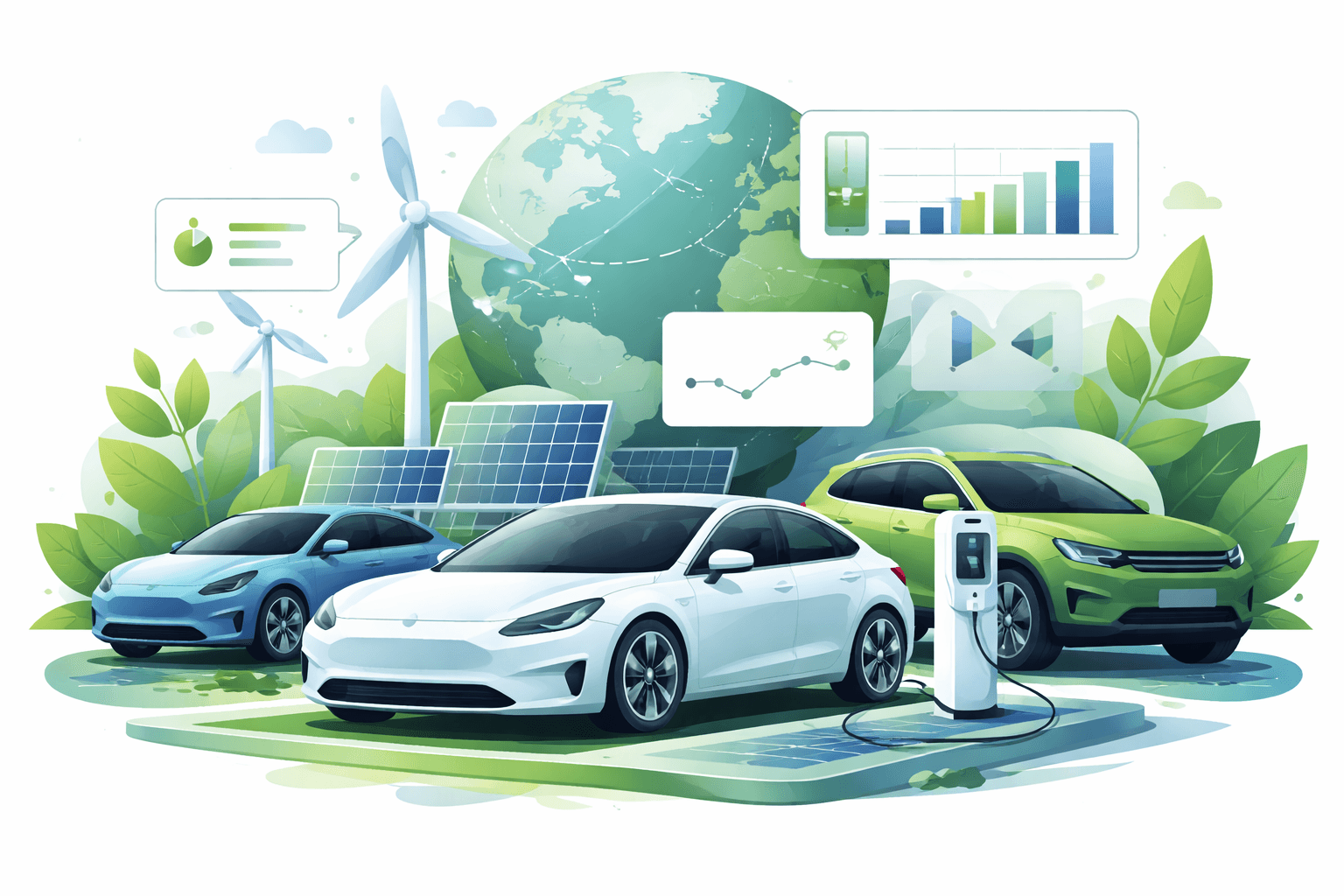
If you’re shopping for the top rated electric cars 2023 delivered, the field was crowded—and fast moving on price, range, and software. This guide ranks 2023 EVs with a transparent, data‑first method so you can match a model to your budget, commute, charging situation, and long‑term priorities.
We draw on EPA ratings (FuelEconomy.gov), NHTSA and IIHS safety results, charging benchmarks from automakers and independent testing, ownership data from Consumer Reports and Recurrent, and policy guidance from the U.S. Department of Energy and IRS.
How we ranked 2023’s EVs: criteria and methodology
Our scoring blends objective metrics with owner‑relevant factors. Each model is evaluated by trim as tested, and scores are normalized so compact cars aren’t unfairly compared to luxury flagships. Key inputs and definitions:

Electric Vehicle Technology Explained: Larminie, James, Lowry, John
Mr James Larminie, Oxford Brookes ... Brookes University. He <strong>co-authored the first edition of Electric Vehicle Technology Explained with Jon Lowry, which was published by John Wiley & Sons
Check Price on Amazon- Range (40% weight)
- EPA combined range (FuelEconomy.gov). This is the standardized lab metric.
- Real‑world range variation: we adjust expectations based on known cold‑weather and high‑speed losses from independent datasets (Recurrent, AAA), noting models with heat pumps/efficient thermal management.
- Efficiency (15%)
- Energy use in kWh/100 miles (lower is better) and MPGe. We also note mi/kWh for clarity. Efficiency affects electricity bills and battery wear.
- Charging speed and network access (15%)
- Peak DC fast‑charge power (kW), 10–80% time under optimal conditions, and curve consistency at 150–350 kW chargers. Network access considers the availability and reliability of high‑power stations (DOE Alternative Fuels Data Center; Tesla Supercharger access where applicable).
- Safety (10%)
- NHTSA 5‑Star Safety Ratings and IIHS Top Safety Pick/TSP+ where available for 2023.
- Price and total cost of ownership (15%)
- MSRP as sold in 2023, likely eligibility for the federal Clean Vehicle Credit and key state rebates, five‑year fuel and maintenance costs (Consumer Reports, DOE assumptions), expected insurance differentials, and typical depreciation.
- Reliability and warranty (5%)
- Consumer Reports owner surveys (2023/2024), recall history, battery and powertrain warranty terms.
Notes and caveats:
- EPA range is a useful baseline, but real‑world range can drop 10–30% in sub‑freezing highway driving or at sustained 75–80 mph. Heat pumps and preconditioning mitigate losses (Recurrent, 2023).
- Charging times depend on charger condition, battery temperature, starting state of charge, and SoC window. We report best‑case manufacturer or third‑party validated figures and typical real‑world windows when available.
- Incentives in 2023 were dynamic as IRA battery‑sourcing rules phased in April 18, 2023. Always verify VIN‑specific eligibility with the IRS.
For foundational EV concepts (battery chemistries, charging levels, MPGe), see Electric Vehicles Explained: Types, Costs, Benefits & Impact (/green-business/electric-vehicles-explained-types-costs-benefits-impact).
By the numbers: the 2023 EV landscape
- 14 million EVs sold globally in 2023, up ~35% year‑over‑year; EVs reached ~18% of new car sales worldwide (IEA Global EV Outlook 2024).
- U.S. EV market share hit ~7.6% in 2023, doubling since 2021 (Cox Automotive).
- Public U.S. charging ports surpassed 140,000 by late 2023, including ~32,000 DC fast‑charge ports (DOE AFDC). Tesla ran the largest fast‑charge network and began opening access to non‑Tesla brands via NACS announcements in 2023.
- Median EPA range among 2023 EVs was ~250–300 miles; median efficiency clustered around 27–30 kWh/100 miles (FuelEconomy.gov aggregates).
Top‑rated electric cars 2023: our category winners
Below are standout 2023 models by buyer need. Specs refer to representative trims widely available in 2023; always confirm exact trim and wheel/tire effects on range and charging.
Long‑range champion: Lucid Air Grand Touring (2023)
- Why it stands out: The Lucid Air Grand Touring delivered an EPA‑rated 516 miles—still the benchmark for a production EV sedan in 2023 (EPA). It couples extreme range with ultra‑fast charging via a 900‑V architecture.
- Key specs (typical 21‑inch wheels reduce range from EPA max):
- EPA range: up to 516 miles (19‑in wheels)
- Efficiency: up to ~131 MPGe combined (≈25.9 kWh/100 mi)
- DC fast charging: peak ~300+ kW; ~200 miles in ~12 minutes under ideal conditions
- Drivetrain: Dual‑motor AWD; high‑performance variant available
- Price (2023 MSRP): typically six‑figures depending on trim; GT commonly >$130,000
- Ideal buyer: Long‑distance drivers who want minimal charging stops and flagship luxury. You’ll pay for it, but it set the 2023 bar for range and charging.
- Consider if: A Tesla Model S Long Range (EPA ~405 miles) provides adequate range for less money and access to the Supercharger network.
Budget/compact pick: Chevrolet Bolt EV and Bolt EUV (2023)
- Why it stands out: After price cuts, the 2023 Bolt EV started around $26,500 and the EUV around $27,800 MSRP, making them the most affordable new EVs in America. Many buyers qualified for the $7,500 federal credit in 2023, pushing effective prices near or below $20,000 in some states (IRS; GM statements).
- Key specs:
- EPA range: Bolt EV 259 miles; Bolt EUV 247 miles
- Efficiency: ~28–29 kWh/100 miles (120 MPGe combined)
- DC fast charging: peak ~55 kW; ~70–75 minutes typical for 10–80%
- Driver assistance: Super Cruise optional on EUV
- Price (2023 MSRP): $26.5k–$34k depending on trim/options
- Ideal buyer: Urban/suburban drivers who mostly charge at home or work and value low purchase price and solid efficiency over road‑trip charging speed.
- Ownership notes: DC charging is modest, but Level 2 at home (32–40 A) fully recharges overnight. Post‑recall vehicles have new battery packs and an 8‑year/100,000‑mile battery warranty. Consumer Reports rated Bolt reliability above average in recent years.
Family SUV: Tesla Model Y Long Range AWD (2023) — with strong runners‑up
- Why it stands out: In 2023 the Model Y became the world’s best‑selling vehicle across all powertrains. It combines competitive range, space, safety, and the most extensive fast‑charging network.
- Key specs (Long Range AWD):
- EPA range: ~330 miles (wheel/tire dependent)
- Efficiency: ~28 kWh/100 miles (≈123 MPGe combined)
- DC fast charging: up to 250 kW on Tesla Superchargers; roughly 25–30 minutes 10–80% in good conditions
- Cargo volume: ~76 cu ft (max) including under‑floor storage; optional third row on some trims
- Safety: NHTSA 5‑Star overall; IIHS Top Safety Pick+ (2023)
- Price (2023): mid‑$40k to low‑$50k after multiple price adjustments; many builds qualified for the $7,500 credit in 2023 under IRA guidance
- Ideal buyer: Families who prioritize space, a robust app/charging ecosystem, and high active‑safety performance.
- Runners‑up worth cross‑shopping:
- Hyundai Ioniq 5 (EPA up to 303 miles; 800‑V, ~18–20 minutes 10–80%; roomy, lounge‑like cabin; strong crash performance). Often exceptional value when stacked with state incentives.
- Kia EV6 (EPA up to ~310 miles; 800‑V, ~18 minutes 10–80%; sportier tuning). Both Hyundai/Kia benefit from very fast charging but in 2023 often lacked federal credit due to final assembly outside North America.
- Planning a family EV? See our dedicated buyer’s guide: Best Electric Vehicles for Families: Top EVs for Safety, Space, Range, and Value (/sustainability-policy/best-electric-vehicles-for-families).
Luxury and performance: Mercedes‑Benz EQS 450+ and Porsche Taycan 4S (2023)
Mercedes‑Benz EQS 450+ (luxury range leader)
- EPA range: ~350 miles (single‑motor RWD 450+)
- Efficiency: ~28 kWh/100 miles
- DC fast charging: up to ~200 kW; ~30 minutes 10–80%
- Cabin tech and ride isolation are standouts; rear‑axle steering aids maneuverability.
- Ideal buyer: Prioritizes quiet comfort, technology, and range in a flagship sedan.
Porsche Taycan 4S (dynamic performance, repeatable fast charging)
- EPA range: typically 206–235 miles depending on wheels/trim; real‑world often higher than EPA indicates in independent tests
- 800‑V system; DC fast charging up to 270 kW with excellent thermal management
- Chassis dynamics are class‑leading; feels like a Porsche first, EV second
- Ideal buyer: Driving enthusiasts who road‑trip on 350‑kW corridors and value handling and consistency over absolute EPA range.
Also notable: Tesla Model S Plaid (0–60 mph in the low‑2s; EPA range dependent on wheels/tires), BMW i7 (ultra‑lux back seat, EPA ~318 miles depending on trim), and Lucid Air Pure/Touring (strong efficiencies across trims).
Best value long‑range sedan: Hyundai Ioniq 6 SE RWD (2023)
- Why it stands out: The 2023 Ioniq 6 SE RWD posted an EPA‑rated 361 miles with outstanding efficiency—up to 140 MPGe combined (~24 kWh/100 miles). It leverages the same 800‑V platform as the Ioniq 5/EV6 for very fast charging.
- Key specs:
- EPA range: up to 361 miles (SE RWD, 18‑in wheels)
- DC fast charging: peak ~235 kW; ~18 minutes 10–80% under ideal conditions
- Price (2023 MSRP): low‑$40k for SE RWD; higher for AWD trims
- Safety: Strong crash‑test performance; comprehensive ADAS suite
- Ideal buyer: Efficiency‑minded commuters who want long range without luxury‑car pricing, plus road‑trip‑friendly charging speeds.
Other 2023 standouts to consider
- Ford Mustang Mach‑E (EPA ~224–312 miles; BlueCruise hands‑free driver assist on approved highways; broad dealer network; variable charging speeds by battery/trim).
- Volkswagen ID.4 (EPA ~209–275 miles; roomy interior; made in Tennessee for many 2023 trims, improving incentive eligibility; DC fast charging up to 170–175 kW on larger‑battery versions).
- Rivian R1T/R1S (adventure‑ready trucks/SUVs; strong off‑road capabilities; DC fast charging ~200+ kW; EPA ranges vary widely by pack and wheel size).
Ownership realities and costs that matter
Buying one of the top rated electric cars 2023 offered is only half the story. Charging, climate, incentives, insurance, and depreciation shape real costs.
Charging where you live and drive
- Home charging is the game‑changer: Level 2 (240‑V) charging at 32–48 A adds roughly 25–45 miles of range per hour for most 2023 EVs. Typical installed costs run ~$800–$2,000 before incentives (DOE; utility programs may lower this).
- Public fast charging: By late 2023, the U.S. had ~32,000 DC fast‑charge ports (DOE AFDC). Coverage is densest on interstates and in metro areas; rural corridors still have gaps.
- Connector standards are evolving: In 2023, Ford, GM, Rivian and others announced adoption of Tesla’s NACS, enabling future native access to much of the Supercharger network. Most 2023 cars outside Tesla still use CCS, with adapter pathways emerging in 2024–2025. This strengthens future road‑trip reliability and resale prospects.

ChargePoint HomeFlex Level 2 EV Charger J1772 - Fast Smart Battery Power Charging at Home for Electric Automobile Vehicles - NEMA 14-50 Plug for Electric Car : Automotive
View on AmazonReal‑world range: plan for conditions and speed
- Temperature: Independent data show winter highway range can drop 20–30% at sub‑freezing temps, mainly from cabin heating and colder batteries (Recurrent; AAA). Heat pumps, preheating while plugged in, and eco HVAC modes help.
- Speed and terrain: Aerodynamic drag rises with the square of speed; driving 75–80 mph can trim range 10–15% vs. EPA cycles. Hills and headwinds also matter.
- Tires and wheels: Larger wheels and stickier tires can cut EPA range by 5–10%.
Maintenance, repairs, and insurance
- Maintenance: EVs lack oil changes and have fewer moving parts. Consumer Reports has found EV maintenance/repair costs roughly 40–50% lower than comparable gas cars over the life of the vehicle. Brake wear is minimal thanks to regenerative braking; tires may wear faster on heavier, torquier EVs.
- Insurance: On average, EV premiums ran higher in 2023—often 10–20%—due to pricier repairs and limited parts/technician availability. Differences by model are large; mainstream models with broad parts supply can be competitive.
- Warranties: Most 2023 EVs carry 8‑year/100,000‑mile (or longer) battery warranties. LFP batteries (e.g., many Tesla Standard Range) tend to exhibit strong cycle life and simpler charging habits (regular 100% charges are acceptable), while NMC/NCA chemistries offer higher energy density.
Incentives, tax credits, and home charging rebates
- Federal Clean Vehicle Credit (2023): Up to $7,500 for new EVs assembled in North America with qualifying battery content and buyer income/MSRP caps; $4,000 for qualifying used EVs (IRS). Eligibility changed mid‑April 2023 with battery‑sourcing rules, so VIN‑specific checks were essential.
- State and utility incentives: Rebates and tax credits for EV purchases and home chargers vary widely—e.g., Colorado, New Jersey, and California offered substantial 2023 benefits.
- Where to look: Electric Vehicle Incentives by State: What’s Available, Who Qualifies, and How to Claim It (/sustainability-policy/electric-vehicle-incentives-by-state).
Resale and depreciation dynamics
- 2023 saw unusually rapid used‑EV price declines—many models fell 25–30% year‑over‑year by late 2023 (Recurrent Auto market data). Tesla’s mid‑year price cuts rippled across the market, compressing residual values.
- What holds value better: Strong charging network access, fast‑charging performance, over‑the‑air (OTA) software support, and mainstream brand serviceability tend to buoy resale. Unique trims with limited demand (e.g., performance or large‑wheel packages that dent efficiency) may depreciate faster.
Environmental and future‑proofing factors
Lifecycle emissions and grid intensity
- Multiple analyses (ICCT 2022; MIT Trancik Lab) show that mid‑size EVs in the U.S. emit ~60–70% less greenhouse gas over their lifetime than comparable gasoline cars, even accounting for battery manufacturing. Emissions “breakeven” versus a new ICE vehicle often occurs within 1–2 years of typical driving.
- Your electricity mix matters: Charging on a cleaner grid (or at home with solar) further lowers lifetime emissions. U.S. grid CO2 intensity has steadily fallen over the past decade (EPA eGRID). Many utilities now offer time‑of‑use rates that encourage off‑peak, lower‑emission charging.
Battery sourcing, chemistry, and recycling
- 2023 IRA rules encouraged domestic/FTA‑aligned sourcing of critical minerals (lithium, nickel, cobalt) and North American battery component manufacturing. This influenced which trims qualified for credits.
- Chemistry trade‑offs: LFP (lithium iron phosphate) batteries avoid cobalt and nickel, improving ethical and supply risk profiles, with excellent cycle life but lower energy density. NMC/NCA batteries deliver higher energy density and performance at higher material cost.
- Recycling is scaling: U.S. recyclers such as Redwood Materials and Li‑Cycle expanded capacity in 2023, recovering lithium, nickel, cobalt, and copper for reuse. As recycling penetration rises, lifecycle emissions and raw material pressure will decline.
Software, OTA updates, and driver‑assist systems
- OTA updates: Tesla, Ford (Power‑Up), GM (Ultifi ecosystem models), Hyundai/Kia (E‑GMP OTA), VW (ID. software) and others pushed regular OTA updates in 2023—improving infotainment, efficiency, charging behavior, and occasionally adding features post‑sale. This is a key future‑proofing and resale factor.
- Driver assistance: Systems like Tesla Autopilot/Enhanced Autopilot, Ford BlueCruise, and GM Super Cruise are advanced driver‑assistance (Level 2) features that can reduce fatigue on highways when used as directed. Availability, map coverage, and subscription costs vary and should factor into total ownership cost.
Charging standard shifts and long‑term convenience
- With many automakers committing to NACS in 2023, 2023–2024 buyers of CCS‑equipped EVs will likely gain broader Supercharger access via adapters and future native ports. For long‑term ownership and resale, this widens the fast‑charge ecosystem and reduces range anxiety.

Lectron - Tesla to J1772 Adapter, Max 40A & 250V - Compatible with Tesla High Powered Connector, Destination Charger, and Mobile Connector (White) : Automotive
View on AmazonPractical takeaways for different buyers
- Apartment dwellers: Prioritize fast‑charge capability (150–250+ kW) and strong public‑charging coverage; consider the Hyundai Ioniq 5/6, Kia EV6, Tesla Model 3/Y.
- Budget‑first commuters: The 2023 Chevrolet Bolt EV/EUV remains the value king if you mainly Level‑2 charge. Keep DCFC limitations in mind for frequent long trips.
- Road‑trip families: Tesla Model Y’s network reliability is hard to beat; Hyundai Ioniq 5/Kia EV6 close the gap with 800‑V charging where 350‑kW stations are common.
- Luxury and tech: Mercedes EQS and BMW i7 for comfort; Lucid Air for range and efficiency; Porsche Taycan for dynamics and charging consistency.
Where the market is heading
- Faster charging, more efficient miles: 800–900 V architectures are filtering downmarket, bringing 10–80% times under 20 minutes to more trims.
- Cheaper batteries: LFP adoption is expanding in entry and mid‑trims, improving affordability and durability.
- Software as a differentiator: OTA updates and driver‑assist breadth will increasingly sway resale values—an area where Tesla led in 2023 but others are catching up quickly.
- Incentives tied to supply chains: Expect continued reshuffling of which trims earn federal credits as sourcing rules tighten. Domestic cell production ramping in 2024–2026 should stabilize eligibility and lower prices.
If your goal is to shortlist the top rated electric cars 2023 lined up, start by mapping your charging reality and trip patterns, then weigh range, charging curve, and safety. The models above represent the strongest combinations of efficiency, real‑world usability, and long‑term resilience to a rapidly improving charging and software ecosystem.
Recommended Products
Electric Vehicle Technology Explained: Larminie, James, Lowry, John
Mr James Larminie, Oxford Brookes ... Brookes University. He <strong>co-authored the first edition of Electric Vehicle Technology Explained with Jon Lowry, which was published by John Wiley & Sons
ChargePoint HomeFlex Level 2 EV Charger J1772 - Fast Smart Battery Power Charging at Home for Electric Automobile Vehicles - NEMA 14-50 Plug for Electric Car : Automotive
Home Flex Hardwired offers the fastest charge at up to 50A. NEMA 6-50 and 14-50 versions <strong>provide up to 40A and work with existing 240V wall outlets</strong>. Yes! Choose from our list of prefe
Lectron - Tesla to J1772 Adapter, Max 40A & 250V - Compatible with Tesla High Powered Connector, Destination Charger, and Mobile Connector (White) : Automotive
RELIABLE AND FUNCTIONAL - The Lectron Tesla Wall Charger to J1772 Adapter is <strong>uniquely designed to connect J1772-supporting plugs to Tesla chargers</strong>. With our adapter, customers with re