
Best Electric Vehicles of 2023 — Top Picks, Real‑World Range & Buying Guide
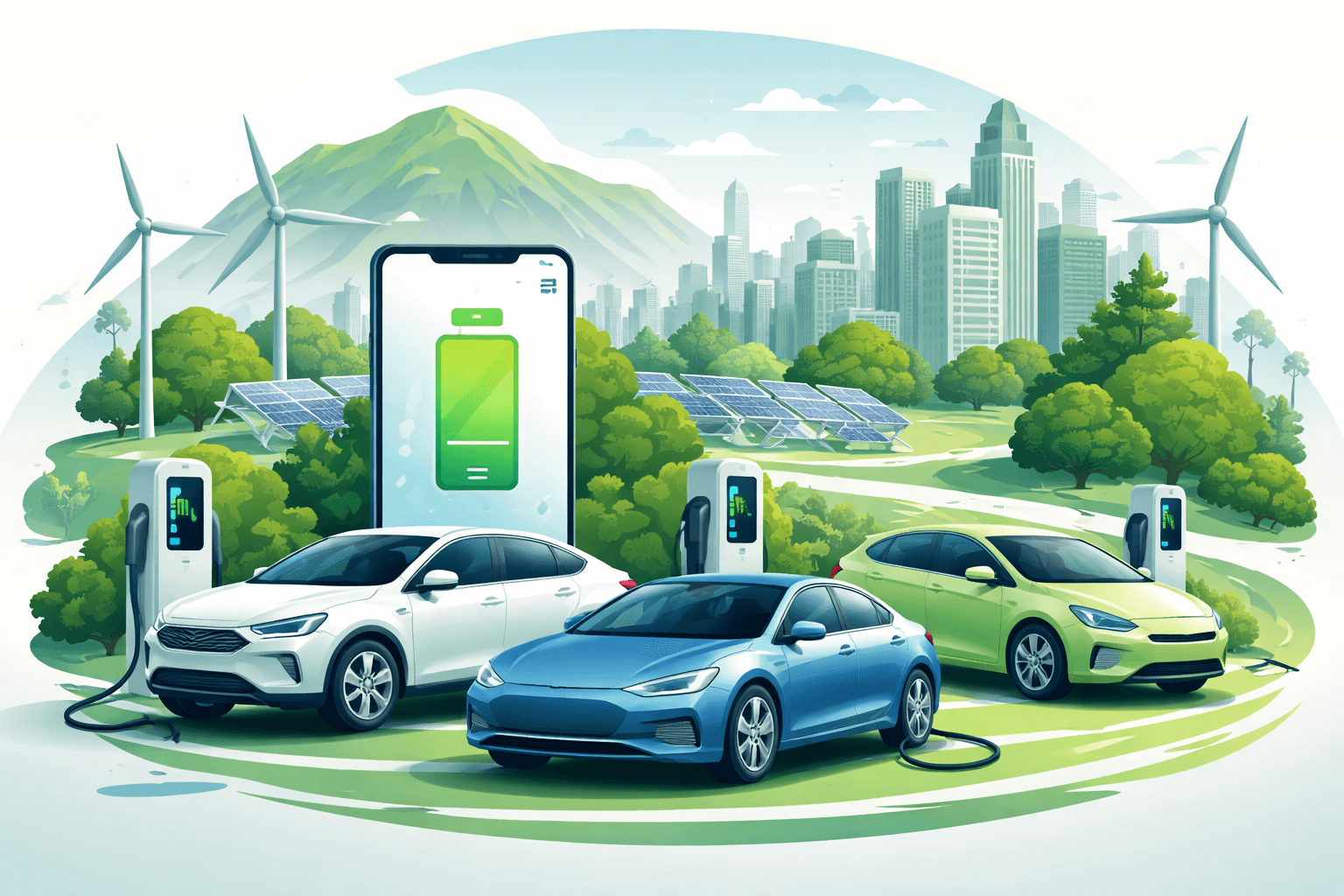
Global EV sales hit roughly 14 million in 2023—18% of all new cars—according to the IEA’s Global EV Outlook 2024. In the U.S., sales topped 1.2 million (about 7.6% share), per Cox Automotive. With so many choices, the best electric vehicles 2023 buyers could choose from spanned every segment—from sub‑$30,000 compacts to 500‑mile luxury sedans. This guide compares standout models, explains the metrics that actually matter, and helps you match an EV to your driving, charging, and budget realities. For EV fundamentals, see our primer: Electric Vehicles Explained: Types, Costs, Benefits & Impact.
Segment standouts: best electric vehicles 2023
Below are the segment leaders for 2023 in the U.S. market, with real‑world strengths and tradeoffs. EPA ratings come from fueleconomy.gov; charging times are manufacturer claims corroborated by independent tests where noted.
Compact/value: Chevrolet Bolt EV/EUV — unbeatable affordability, modest DC fast‑charge
- Why it stands out: Starting at about $26,500–$28,800 for 2023, the Bolt EV/EUV undercut every other new EV on the market and qualified for the $7,500 federal credit (final assembly in the U.S.), pushing entry prices effectively under $20k for many buyers. Efficiency is strong at ~28 kWh/100 miles (120 MPGe) and range is 259 miles (EV) or 247 (EUV).
- Real‑world: Excellent city commuter; highway range shrinks faster due to aero and 55 kW DC fast‑charging peak (20–80% often ~45–60 minutes). Great for home‑charging households, less ideal for frequent 500‑mile road trips.
- Watch‑outs: Production ended after 2023 (a redesigned Bolt is slated to return), so new‑car inventory tightened late‑year. Battery recall addressed via pack replacements; verify service history.
Compact alt: Nissan Leaf — lowest up‑front price, dead‑end fast‑charging
- Why it stands out: Often the lowest transaction prices in 2023 used/new markets; 149–212 miles EPA.
- Real‑world: Fine for short commutes with home charging.
- Watch‑outs: CHAdeMO DC connector shrank rapidly in the U.S.; long‑distance charging options are increasingly scarce. Consider only if you rarely road‑trip.
Sedan (efficiency leader): Hyundai Ioniq 6 — record EPA range for price, ultra‑fast 800‑V charging
- Why it stands out: SE Long Range RWD rated at 361 miles EPA, the best of any non‑luxury sedan in 2023; superb efficiency at ~24.1 kWh/100 mi (140 MPGe). 800‑V architecture enables 10–80% in about 18 minutes on a 350 kW charger.
- Real‑world: Consistently excellent highway efficiency; spacious interior; refined ride. Software/UX improved over 2022‑era Hyundai EVs.
- Watch‑outs: Most 2023 trims did not qualify for the new‑EV federal credit due to final assembly outside North America, though many buyers used leasing to capture the commercial‑credit pass‑through.
Sedan (ecosystem pick): Tesla Model 3 — strong efficiency plus the best road‑trip network
- Why it stands out: 2023 trims ranged from ~272 miles (RWD) to ~333 miles (Long Range). Efficiency ~25–27 kWh/100 mi. Access to Tesla’s Supercharger network (reliability consistently >95% uptime) made long trips easy.
- Real‑world: Frequent over‑the‑air (OTA) software updates; robust driver‑assist suite; strong resale relative to many peers. Post‑price‑cut affordability improved in 2023.
- Watch‑outs: Ride quality firmer than some rivals; service access varies by region; some trims’ federal‑credit eligibility fluctuated in 2023 with battery‑content rules (IRS guidance).
Two‑row SUV: Tesla Model Y — road‑trip ease and efficiency; Hyundai Ioniq 5 — fastest charging and comfort
- Tesla Model Y Long Range: ~330 miles EPA; ~27–28 kWh/100 mi; 10–80% in ~27 minutes at 250 kW peak; excellent cargo and the best fast‑charging network. Downsides: sparse interior for the price; variable panel alignment on some builds; stiff ride.
- Hyundai Ioniq 5: 220–303 miles EPA depending on trim; ~31–34 kWh/100 mi; 10–80% in ~18 minutes on 800‑V DC. Downsides: No federal credit for most 2023 purchases (leasing workaround common); fewer highway fast chargers than Tesla in some regions.
- Also strong: Kia EV6 (sportier tuning, similar charging), Ford Mustang Mach‑E (wide dealer network, solid tech after 2023 software updates), VW ID.4 (Tennessee‑built trims qualified for federal credits; roomy, improving software).
Pickup: Ford F‑150 Lightning — best for work/home power; Rivian R1T — best for adventure
- F‑150 Lightning: 240–320 miles EPA depending on pack/trim; ~47–52 kWh/100 mi (68–76 MPGe). Unique Pro Power Onboard (up to 9.6 kW) and bidirectional capability for home backup (with approved hardware). Peak DC ~155 kW; 15–80% in ~40–45 minutes. Towing heavy loads can cut range by ~40–50% in independent tests.
- Rivian R1T: 328 miles EPA with Large Pack in 2023; adventure‑ready chassis and off‑road capability; DC peaks around 220+ kW; excellent software and OTA cadence. Downsides: Efficiency ~41–48 kWh/100 mi depending on wheels/tires; charging network growing but smaller than Tesla’s in 2023.
Luxury: Lucid Air — range king; Cadillac Lyriq — luxury value
- Lucid Air: 410–516 miles EPA depending on trim, the highest in 2023; strong efficiency for its size. Rapid DC charging (peaks ~300+ kW on 900‑V architecture). Downsides: Startup build‑quality variance early on; limited retail network.
- Cadillac Lyriq: ~312 miles EPA; comfortable and quiet; competitive pricing in the luxury set; U.S. assembly supported federal‑credit eligibility for many builds. Downsides: First‑year software quirks improved via OTA.
Performance: Kia EV6 GT — accessible supercar speed; Tesla Model S Plaid/Porsche Taycan — icons with tradeoffs
- EV6 GT: 0–60 mph in ~3.4 s; DC fast charging 10–80% ~18 minutes. Range ~206 miles EPA; efficiency penalty from sticky tires and big motors.
- Model S Plaid: 0–60 mph ~2 seconds with rollout; 348–396 miles EPA depending on wheels; brutal straight‑line performance; mature OTA stack. Downsides: Pricey; firm ride; yoke steering (option) polarized buyers.
- Porsche Taycan: Benchmark handling, repeatable fast‑charge performance (peaks to 270 kW); EPA range 200–246 miles, but many real‑world tests found better than EPA at highway speeds after software updates.
By the numbers: 2023 EV market snapshot
- Global EV sales 2023: ~14 million (IEA, 2024), 18% share; U.S. EV sales: ~1.2 million (Cox Automotive), 7.6% share
- Average U.S. EV transaction price Dec 2023: ~$50,700, down sharply from early 2023 (Cox Automotive)
- Typical battery warranty: 8 years/100,000–150,000 miles with ≥70% capacity retention (manufacturer warranties; Mercedes EQS 10y/155k)
- Efficiency spread: ~24 kWh/100 mi (Hyundai Ioniq 6 SE LR) to >60 kWh/100 mi (GMC Hummer EV) — energy use varies >2.5× across models (EPA)
- Fast‑charge reality: 800‑V platforms (Hyundai/Kia/Genesis, Lucid, Porsche) often hit 10–80% in ~18–25 min; many 400‑V models take 30–45 min depending on pack size and charge curve
How to evaluate an EV: the metrics that matter

Electric Vehicle Technology Explained: Larminie, James, Lowry, John
Electric Vehicle Technology Explained [Larminie, James, Lowry, John] on Amazon.com. *FREE* shipping on qualifying offers. Electric Vehicle Technology Explained
Check Price on AmazonEPA vs real‑world range
- EPA range is a standardized lab test; many EVs deliver 5–15% less at 70–75 mph due to aero drag, cold weather, and elevation. Some, like Lucid Air and Tesla sedans, often meet or beat EPA at highway speeds in independent tests; others (performance trims, boxy SUVs, or big‑tire setups) underperform relative to EPA.
- Cold weather can temporarily reduce range 20–40% due to battery chemistry and cabin heating (DOE/NREL winter testing). Heat pumps and preconditioning help.
Efficiency (kWh/100 miles) and why it matters
- Think of kWh/100 miles as “fuel economy.” Lower is better. At $0.15/kWh residential rates, a 25 kWh/100 mi sedan costs ~$0.038/mi; a 50 kWh/100 mi truck is ~$0.075/mi. Gas at $3.50/gal in a 30‑mpg car is ~$0.117/mi. Over 12,000 miles/year, that’s ~$948 vs ~$1,404 vs ~$1,404 for gasoline — efficiency and electricity price drive savings.
Charging speed and connector compatibility
- Peak kW doesn’t tell the whole story—the “charge curve” (how long the car holds high power) determines 10–80% time. 800‑V cars (Ioniq 5/6, EV6, Taycan, Lucid) sustain higher power longer.
- Connectors in 2023: Most non‑Tesla EVs used CCS, Tesla used NACS (Supercharger). Mid‑2023, major automakers announced moves to NACS in 2025+, with adapters arriving sooner. For 2023 buyers, CCS remained dominant outside Tesla, but NACS compatibility improved resale prospects.
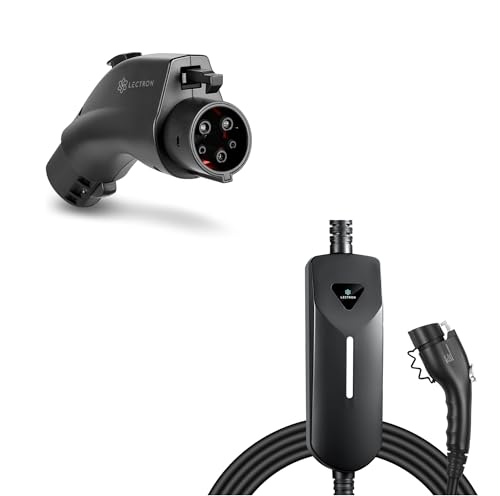
Lectron Tesla to J1772 EV Charging Adapter – NACS ...
View on AmazonBattery capacity and warranty
- Bigger packs give longer range but add cost and weight. Example 2023 sizes: Bolt ~65 kWh; Ioniq 6 LR ~77.4 kWh; Model 3 LR ~80+ kWh; F‑150 Lightning ER ~131 kWh.
- Warranties commonly guarantee ≥70% capacity for 8 years/100k miles (Hyundai/Kia powertrain 10y/100k). Look for higher‑mileage caps and clear state‑of‑health definitions.
Reliability and software support
- Consumer Reports’ 2023 surveys found EVs had more problems on average than ICE/hybrids, largely due to first‑year electronics. Mature platforms (Tesla Model 3/Y, Chevy Bolt) fared better than newer models. OTA updates can resolve many issues; prioritize brands with proven OTA track records.
Price, trims, and total value
- Price cuts in 2023 reshuffled value: Tesla reduced MSRPs multiple times; VW ID.4 and Model Y qualified for full/partial credits on many VINs; Hyundai/Kia gained competitiveness via lease credits. Evaluate the out‑the‑door price after incentives and dealer markups, not just MSRP.
Environmental and economic impact
Lifecycle emissions
- Manufacturing a BEV (especially the battery) emits more CO2 upfront than an ICE, but lifecycle emissions are lower almost everywhere. The IEA estimates BEVs produce ~50–70% lower lifecycle CO2e versus comparable ICEs on average grids; the break‑even on manufacturing emissions is typically within 1–2 years of driving.
- Battery manufacturing intensity varies (~60–100 kg CO2e per kWh of capacity in recent literature, falling as factories decarbonize). Choosing a more efficient EV and charging on cleaner electricity tightens the footprint further.
Electricity sourcing and home charging
- Charging with a cleaner grid (or rooftop solar) has the largest impact on lifetime emissions. Nighttime charging often coincides with higher wind output in many U.S. regions; time‑of‑use (TOU) rates can lower both emissions and costs (NREL, EPA AVERT modeling).
- Homes with solar plus a two‑way capable EV (e.g., Ford F‑150 Lightning with approved hardware) can add resilience and shave peak demand.
Total cost of ownership (TCO)
- Fuel: At $0.15/kWh, a 28 kWh/100 mi EV (Bolt/Model 3 territory) costs ~$420/year for 10,000 miles; a 50 kWh/100 mi truck costs ~$750. Public DC fast charging is pricier ($0.30–$0.60/kWh), narrowing the gap—home charging is the savings engine.
- Maintenance: EVs typically reduce maintenance 20–40% due to fewer moving parts (no oil changes; regenerative braking extends pad life). Tire wear can be higher on heavier, torquier EVs.
- Depreciation: 2023 saw faster EV depreciation in some models as price cuts rippled through used markets. Vehicles with strong demand and reliable charging ecosystems (Tesla, some Hyundai/Kia, Rivian) tended to retain value better than niche models.
Which models align best with renewable‑energy households?
- High‑efficiency sedans (Hyundai Ioniq 6, Tesla Model 3) translate every kWh of rooftop solar into more miles.
- Vehicles with bidirectional capability (F‑150 Lightning, some Nissan Leaf trims with CHAdeMO, and growing CCS/NACS options) can support home backup and load‑shifting.
2023‑specific buying guidance
Availability and wait times
- Easier to get: Tesla Model 3/Y (inventory normalized after price cuts); VW ID.4 (Tennessee build ramped); Polestar 2 (steady imports).
- Limited/variable: Hyundai Ioniq 5/6 and Kia EV6 (high demand, constrained supply); Cadillac Lyriq (staged ramp); Rivian R1T/R1S (improving but backlog early‑year).
- Dealer markups faded on many models by late 2023, but verify local pricing.
Incentives and eligibility
- Federal new‑EV credit (up to $7,500) in 2023 depended on final assembly in North America and evolving battery‑content rules (IRS). Models like Chevy Bolt, Ford F‑150 Lightning, and many VW ID.4s commonly qualified; Hyundai/Kia generally didn’t for purchases but did via leases (commercial credit pass‑through).
- Used‑EV credit: Up to $4,000 for qualifying used EVs under $25,000 with income and other limits (IRS).
- State and utility rebates: Many stacked thousands more. Check your state and utility programs here: Electric Vehicle Incentives by State: What’s Available, Who Qualifies, and How to Claim It.
New vs used in 2023
- New: Warranty peace of mind; access to latest efficiency and charging hardware; potential federal credit if eligible.
- Used: Significant savings, especially on models affected by 2023 price cuts (e.g., pre‑cut Teslas). Verify battery state of health, fast‑charge behavior, and connector relevance (avoid CHAdeMO unless you’re sure about your charging needs).
Home and public charging needs
- Home Level 2 (240 V) is the cornerstone of low‑cost EV ownership. A 40‑amp circuit delivers ~9.6 kW (about 30–35 miles of range per hour for many cars), while 48 amps yields ~11.5 kW.
- If you live in an apartment or rely on public charging, prioritize cars with: faster DC charging (short dwell times), reliable network access (Tesla Supercharger or strong CCS coverage in your region), and good efficiency to cut cost per mile.
- Learn charger types, costs, and networks here: Charging Stations for Electric Cars: Types, Costs, Networks, and How to Choose. For hardware, see our Level 2 picks: Best EV Home Charger 2026: Top Level 2 Picks & Buying Guide.

ChargePoint HomeFlex Level 2 EV Charger J1772 - Fast Smart Battery Power Charging at Home for Electric Automobile Vehicles - NEMA 14-50 Plug for Electric Car : Automotive
View on AmazonRecommended buyer profiles for 2023 standouts
- Budget commuter: Chevrolet Bolt EV/EUV. You mostly charge at home, want the lowest total cost, and rarely take multistate highway trips.
- Apartment dweller/urban: Tesla Model 3 or Y for superior public charging reliability; VW ID.4 where Electrify America is dense; Hyundai/Kia if you have dependable access to 350 kW sites.
- Family hauler: Tesla Model Y (space, network), Hyundai Ioniq 5 (comfort, super‑fast charging), Kia EV6 (sportier option). Cross‑shop cargo volume, rear‑seat room, and charge curve.
- Frequent road‑tripper: Tesla Model 3/Y, Lucid Air (if budget allows), Hyundai Ioniq 6. Prioritize efficiency and reliable DC networks.
- Outdoor/adventure: Rivian R1T (off‑road chops, gear tunnel), with the caveat of higher energy use; consider wheel/tire choice.
- Work truck/home backup: Ford F‑150 Lightning—bidirectional capability plus onboard power.
- Luxury cruiser: Cadillac Lyriq (value), Mercedes EQS (comfort), Lucid Air (range leader).
- Performance enthusiast: Kia EV6 GT (value), Porsche Taycan (dynamics), Tesla Model S Plaid (straight‑line speed).
What this means for buyers, fleets, and policymakers
- Buyers: The best electric vehicles 2023 offered cover virtually every use case. Start with your charging reality and typical trip length, then optimize for efficiency, charge speed, and real out‑the‑door pricing after incentives.
- Fleets: Duty‑cycle modeling is critical—highway‑heavy or towing‑intensive use favors larger packs and robust charge curves; urban routes reap maximum TCO from efficient compacts.
- Policymakers: Stable, transparent incentive rules and continued investment in high‑uptime DC networks accelerate adoption; support for home charging in multiunit dwellings unlocks urban EV potential.
Where the market is heading
- Charging convergence: Most automakers announced NACS adoption by 2025, granting broader access to Superchargers. Expect adapters and native ports to simplify road trips for non‑Tesla owners.
- Faster, more efficient: Next‑gen silicon carbide inverters and improved aerodynamics continue to trim kWh/100 mi and charge times, expanding real‑world winter range.
- Cheaper batteries, more options: LFP chemistries are spreading in entry models for cost and long‑cycle durability; high‑nickel packs remain for long‑range and performance.
- Software‑defined cars: OTA updates will increasingly deliver features, efficiency tweaks, and charging improvements post‑purchase—making support history as important as hardware.
The best electric vehicles 2023 shoppers considered were not just about the biggest battery or the longest EPA number. The winners combined strong real‑world efficiency, credible charging performance, and a total ownership picture—price, incentives, maintenance, and residuals—that fits your life. Cross‑shop the segment leaders above, verify incentive eligibility, and build your charging plan first to make any of these EVs a low‑carbon, low‑stress daily driver.
Recommended Products
Electric Vehicle Technology Explained: Larminie, James, Lowry, John
Electric Vehicle Technology Explained [Larminie, James, Lowry, John] on Amazon.com. *FREE* shipping on qualifying offers. Electric Vehicle Technology Explained
ChargePoint HomeFlex Level 2 EV Charger J1772 - Fast Smart Battery Power Charging at Home for Electric Automobile Vehicles - NEMA 14-50 Plug for Electric Car : Automotive
Home Flex Hardwired offers the fastest charge at up to 50A. NEMA 6-50 and 14-50 versions <strong>provide up to 40A and work with existing 240V wall outlets</strong>. Yes! Choose from our list of prefe
Lectron Tesla to J1772 EV Charging Adapter – NACS ...
Get Tesla to J1772 adapters with premium connectors and safety features. Compatible with various EV brands including Ford, Hyundai, and Chevrolet.