
Wolf Reintroduction: Ecological Impact, Benefits, and Tradeoffs
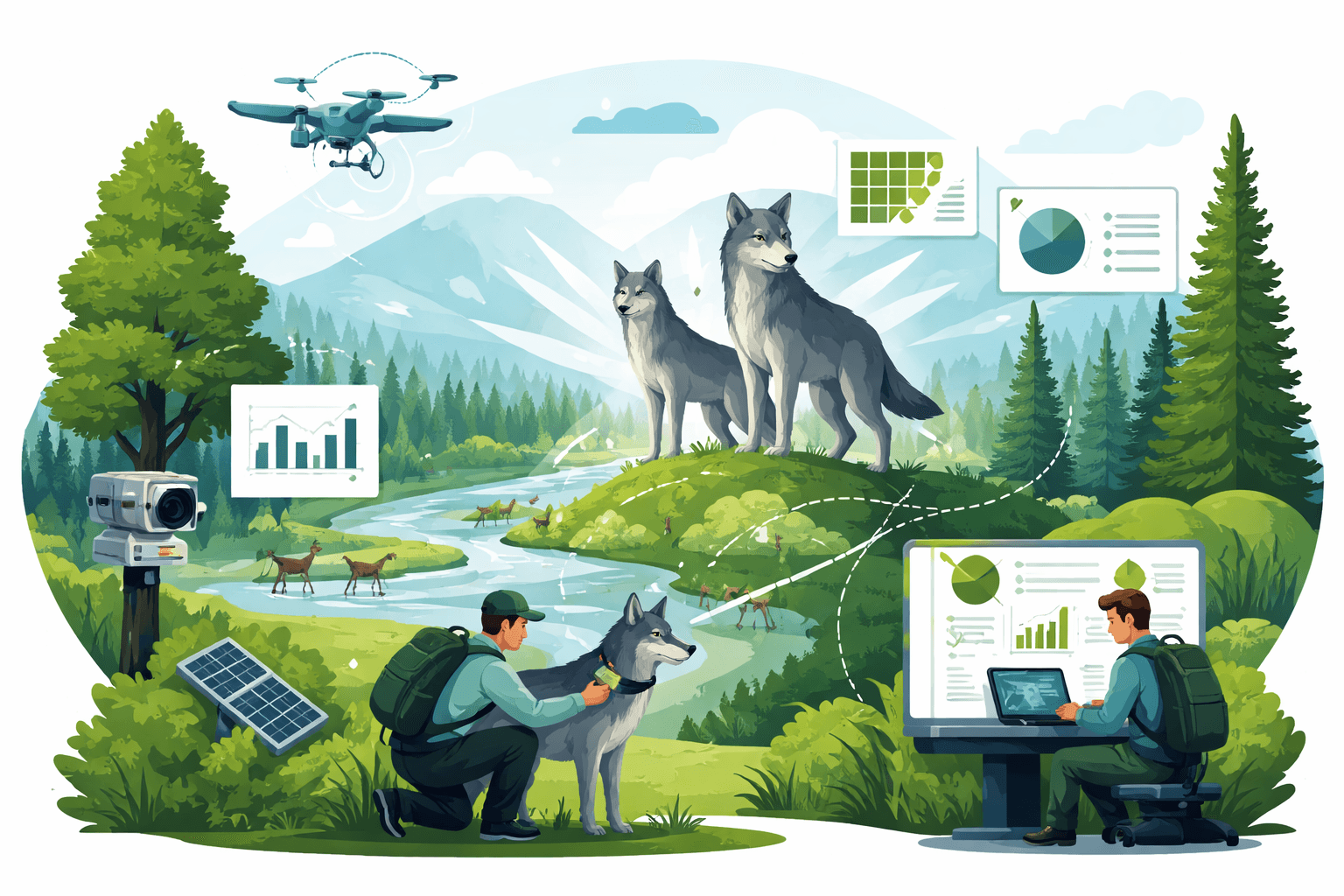
Wolves were missing from most of the contiguous United States for much of the 20th century. Since landmark reintroductions in the 1990s and natural recolonization in parts of Europe and North America, researchers have amassed three decades of data on wolf reintroduction ecological impact. The evidence shows real—though variable—effects on prey behavior, vegetation, scavengers, and broader food webs, alongside tangible tradeoffs for ranchers and land managers. Understanding where and why reintroductions succeed helps set realistic expectations for conservation and coexistence.
Why bring wolves back? The ecological rationale
Large carnivores are classic “keystone species”—organisms that exert outsized influence on ecosystems relative to their abundance. Wolves can trigger trophic cascades: chain reactions in which predation alters prey populations and behavior, which then affects plants, streams, and other animals. The logic for reintroduction rests on four mechanisms supported by field data:
Wolves: Behavior, Ecology, and Conservation: Mech, L. David, Boitani, Luigi
He is <strong>author of The Wolf: The Ecology and Behavior of an Endangered Species, The Way of the Wolf, and The Arctic Wolf, among other books, and is coauthor of The Wolves of Denali. Luigi Boitani
Check Price on Amazon- Top‑down control of abundant prey. In systems where deer or elk lack natural predators and hunting pressure is limited, herbivore numbers and browsing can escalate. Wolves add mortality and risk, especially for vulnerable age classes, potentially reducing overabundance and redistributing herds (U.S. National Park Service; NPS Yellowstone Wolf Project).
- Behaviorally mediated effects (the “landscape of fear”). Prey often avoid risky places or times, altering habitat use. In Yellowstone, elk increasingly used steeper slopes and open areas during wolf-active periods, reducing browsing pressure in riparian zones where willows and cottonwoods had been heavily suppressed (NPS; studies led by Smith, Ripple, Beschta, and others).
- Mesopredator regulation. Wolves can suppress mid-sized carnivores (e.g., coyotes), which in turn can release smaller prey or ground-nesting birds from high predation pressure (Smith et al., NPS; Berger et al.).
- Nutrient and energy subsidies. Wolves leave carrion that feeds scavengers—ravens, eagles, foxes, bears, beetles—redistributing energy across the food web (Wilmers & Getz, Yellowstone studies).
These ecological goals align with broader rewilding strategies that restore missing ecological processes, not just species presence. For background on this approach, see What Is Rewilding? How Ecosystem Restoration Is Changing Conservation (/conservation/what-is-rewilding-ecosystem-restoration-conservation).
By the numbers
- 31 wolves were reintroduced to Yellowstone National Park in 1995–1996 from Alberta and British Columbia (NPS). The park’s winter count typically ranges around 80–110 wolves in recent years across roughly 8–10 packs (NPS 2022–2023).
- The Northern Rocky Mountains region holds roughly 2,800 wolves, while the Western Great Lakes populations number about 4,000–4,500 across Minnesota, Wisconsin, and Michigan (U.S. Fish & Wildlife Service [USFWS] and state agencies, 2023).
- In Europe, the gray wolf population has surpassed 17,000–20,000 following decades of legal protection and prey recovery (European Commission; Large Carnivore Initiative for Europe, 2023 estimates).
- In winter, a Yellowstone wolf pack typically kills a large ungulate every 2–3 days; kill rates vary by pack size, prey, and weather (NPS Yellowstone Wolf Project).
- After wolves returned to Yellowstone, coyote densities on parts of the Northern Range declined by roughly 30–50%, altering predation pressure on pronghorn fawns and small mammals (NPS; Smith et al.; Berger et al.).
Wolf reintroduction ecological impact: what the science shows
Prey numbers and behavior
- Elk and deer. Wolves add mortality to herds but are one of several drivers—including bears, cougars, winter severity, drought, habitat, and human harvest. In Yellowstone’s Northern Range, elk abundance dropped substantially from 1990s highs, with research and managers attributing the decline to multiple causes rather than wolves alone (NPS; USGS; state wildlife agencies). Where elk or deer were overabundant, added predation and behavioral shifts helped reduce chronic overbrowsing in specific hotspots.
- Behavioral shifts. GPS-collared elk in wolf country spend less time in risky riparian bottoms at certain times of day and seasons, shifting to safer terrain. This “fear effect” can reduce browse intensity in willows and aspen during key growing periods—one pathway to vegetation recovery documented in several studies (Ripple & Beschta; NPS).
Vegetation and riparian recovery
- Mixed evidence, site-specific outcomes. Early studies highlighted rapid willow and aspen regeneration following wolf return. Later work showed that recovery is patchy and often contingent on hydrology, beaver activity, and climate, not just predator-prey dynamics (Kauffman et al., 2010; Marshall et al.). Where soils are moist, streamflows stable, and herbivory reduced, young trees are more likely to grow beyond browsing height and recruit into the canopy.
- Beavers as ecosystem engineers. As willow stands rebound in some valleys, beaver colonies have expanded in parts of the Greater Yellowstone Ecosystem, amplifying riparian restoration by impounding water, raising groundwater tables, and dampening peak flows (NPS beaver monitoring). Wolves contribute indirectly—by moderating elk browsing—while water availability and beaver dispersal remain decisive.
- Rivers don’t change overnight. Popular videos claiming wolves “changed rivers” oversimplify a slow, multi-driver process. Geomorphology responds over decades to flow regimes, sediment, vegetation, beaver dams, and land use. Wolves can set conditions for vegetation to recover, but hydrology and climate ultimately shape channels (peer-reviewed critiques following Kauffman et al., 2010; NPS summaries).
Biodiversity and food webs
- Scavengers. Studies in Yellowstone documented increased carrion resources after wolf reintroduction, boosting winter food for ravens, eagles, and bears and altering the timing and spatial distribution of nutrient inputs (Wilmers et al., 2003; Wilmers & Getz, 2005).
- Mesopredators and small prey. With wolves present, coyotes may decline, sometimes improving survival for pronghorn fawns and ground-nesting birds in specific locales (Berger et al.; NPS observations). Effects vary with habitat complexity and alternative prey.
- Disease dynamics. Predators often remove weakened or diseased ungulates, which could slow disease transmission in theory. Emerging studies suggest selective predation on sick deer in some systems, but population-level suppression of diseases like chronic wasting disease (CWD) remains unproven and context-dependent (wildlife disease literature; state agencies).
Case studies beyond Yellowstone
- Isle Royale National Park (Lake Superior). After wolf numbers crashed and moose surged, a reintroduction beginning in 2018–2020 placed new wolves on the island. Early monitoring shows a growing wolf population and reduced browsing intensity in some stands, with moose numbers trending down from peak levels; long-term vegetation and predator-prey dynamics are still unfolding (NPS Isle Royale).
- Europe’s recolonization. Wolves recolonized much of Western and Central Europe under strict protections and with abundant wild boar and deer. Ecological effects mirror North America’s in principle but are filtered through denser human land use, intensive livestock systems, and fragmented habitats. Management often combines prevention funding, compensation, and targeted removals where conflicts persist (European Commission; LCIE guidance).
Benefits, conflicts, and tradeoffs
Ecological and societal benefits
- Restored ecological processes. Where herbivory was chronically high, wolves can help vegetation recover, improving riparian shading, bank stability, and habitat for birds, amphibians, and fish. Scavenger guilds gain reliable winter food supplies.
- Management cost savings in some contexts. Natural predation can complement human hunting to balance herds, potentially reducing the need for costly culls in protected areas.
- Cultural and economic values. Wolves draw wildlife watchers and contribute to local nature-based tourism—an important benefit around national parks (NPS visitor economy studies).

Vortex Optics Viper HD Roof Prism Binoculars 10x42 : Electronics
View on AmazonLivestock concerns and coexistence
- Depredation is real but concentrated. Nationally in the U.S., wolves account for a small share—roughly 1–2%—of predator-caused cattle losses and an even smaller fraction of all cattle mortality (USDA NASS “Cattle and Calves Death Loss,” 2020–2022). Losses can be locally significant for individual ranches, especially with sheep, calves, or on extensive rangelands.
- Effective prevention blends tools and timing. Evidence-based approaches include range riders (human presence), carcass removal, electric fencing around attractants, fladry/turbo‑fladry for short-term deterrence, livestock guardian dogs, and adapting calving/lambing locations or seasons. Reviews find nonlethal tools work best when combined, maintained, and tailored to local terrain and wolf behavior (Carter & Linnell, 2016; Eklund et al., 2017).
- Compensation and incentives. State programs (e.g., in Montana, Oregon, Washington, Wyoming) and some NGO or EU schemes compensate verified losses and fund prevention. When paired with rapid response and technical support, participation and tolerance tend to improve (state wildlife agency reports; European Commission).
- Human safety. Wolf attacks on people are exceedingly rare in North America and Europe; basic precautions—securing food/garbage, leashing pets—keep risks low (NPS, USFWS safety guidance).
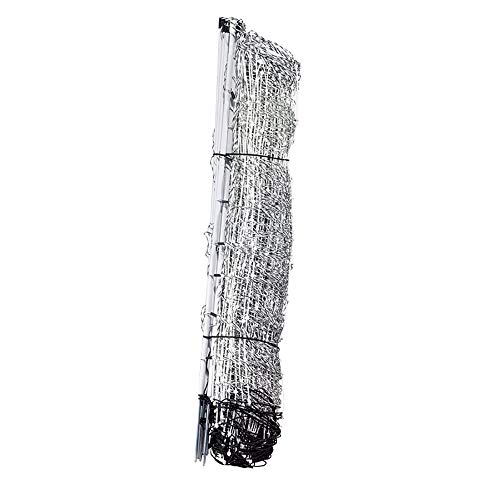
Premier 1 ElectroNet® 35"H x 164'L Portable Electric Fence with Built-in Single Spike Posts | White/Black Fence for Sheep & Goats : Patio, Lawn & Garden
View on AmazonRegional outcomes vary with prey density, livestock distribution, hunting, habitat, and social acceptance. Ecological benefits can be substantial where elk/deer recovery is a conservation goal; costs rise where small ruminant operations overlap with wolf territories without prevention support.
How scientists evaluate ecological impact
Robust evaluation relies on designs that separate wolf effects from other forces (climate, hunting, land use). Common methods include:
- Baseline and reference comparisons. Before‑After‑Control‑Impact (BACI) designs compare trends pre‑ and post‑reintroduction against similar areas without wolves, helping isolate causal signals.
- Long-term monitoring. Decadal time horizons capture slow vegetation responses and climate variability. Annual elk/deer counts, age/sex ratios, and harvest data align with predator monitoring to attribute changes credibly.
- Predator and prey tracking. GPS collars and VHF radio telemetry reveal pack territories, kill sites, and movement ecology. Cluster analysis of GPS points helps locate kills and estimate kill rates by season and prey class.
- Vegetation metrics. Permanent plots and transects measure browse intensity, stem density, and height class distributions; remote sensing (NDVI, high-resolution imagery) extends these measures across landscapes and time.
- Biodiversity indicators. Camera traps and acoustic sensors track mesopredators and scavengers; carcass surveys quantify carrion flux and scavenger visitation. Fish, amphibian, bird community indices in riparian zones provide multi-trophic readouts of habitat recovery.
- Health and disease surveillance. Necropsies, scat DNA, stable isotopes, and pathogen screening assess prey condition and potential predator selection on diseased individuals.
For a broader framework on linking mechanisms to measurable outcomes and policy tradeoffs, see How Conservation Changes Ecosystems: Mechanisms, Evidence, Measurement, and Policy Trade‑offs (/conservation/how-conservation-changes-ecosystems-mechanisms-evidence-measurement-policy-trade-offs).
Fitting wolf reintroduction into land management and conservation
Wolves are not a silver bullet. They are one lever among many in adaptive management of large landscapes. Success improves when the following conditions are in place:
- Adequate habitat and prey. Reintroductions work best where large, relatively intact habitats exist, with robust deer/elk populations and seasonal refugia. This includes protected cores buffered by multi-use lands.
- Connectivity. Dispersal routes let wolves find mates and new territories, reducing inbreeding and helping populations stabilize. Strategic wildlife corridors and permeable fencing/road designs are essential. See Understanding Wildlife Corridors: Why Connectivity Matters and How It Works (/sustainability-policy/understanding-wildlife-corridors-why-connectivity-matters-how-it-works).
- Social license and governance. Durable programs build trust with ranchers and rural communities: transparent monitoring, rapid conflict response, fair compensation, and stakeholder committees to adjust rules as situations evolve. Legal clarity on protections and targeted removals where chronic depredation persists reduces polarization (USFWS, state plans; EU guidance).
- Nonlethal prevention as standard practice. Funding and technical support for prevention lowers losses and retaliation risk, especially during calving/lambing seasons.
- Complementary herbivore management. Outside protected cores, regulated hunting can maintain elk/deer at densities compatible with vegetation goals, complementing predation.
- Clear objectives and triggers. Define what success looks like (e.g., riparian stem height distributions, nest success of indicator birds, acceptable depredation thresholds) and set adaptive triggers for intensifying prevention, adjusting hunting quotas, or relocating/removing problem wolves.
Wolf reintroduction often aligns with endangered species recovery roadmaps—source populations, genetic management, and dispersal support. For program design perspectives, see Endangered Species Recovery Programs: How Conservation Brings Species Back (/conservation/endangered-species-recovery-programs-how-conservation-brings-species-back).
Where results have been strongest—and where they haven’t
- Strongest signals: Landscapes with high pre‑existing browse pressure, intact riparian potential (good soils/water), and coordinated herbivore management tend to show clearer vegetation and beaver responses after wolf return. Protected cores embedded within multi-use matrices allow both ecological recovery and human use.
- Weaker or mixed signals: Dry systems with limited willow/aspen potential, heavily fragmented habitats, or areas where elk/deer remain very abundant and mobile across hunting refuges may show muted plant recovery. Severe drought or altered hydrology can mask trophic cascades.
- Conflict hotspots: Open-range sheep and cow-calf operations in rugged terrain without consistent prevention, or regions where feral carcasses attract predators, often see repeated depredations. Targeted prevention and, where necessary, targeted removals reduce chronic losses.
Practical implications for decision-makers
- Set multi-decadal horizons and invest in monitoring upfront; quick “wins” may appear in scavenger data, while plant communities respond more slowly.
- Budget for coexistence. Prevention programs and partner capacity (range riders, fencing, carcass pickup) are recurring line items, not one-time grants.
- Pair wolves with water. Riparian recovery is water-limited in many basins. Beavers, floodplain reconnection, and flow management are powerful complements.
- Communicate uncertainties. Be explicit about what wolves can and cannot change—and how climate, hunting, fire, and land use interact.
- Measure what matters to communities: ranch-level loss rates, verification timelines, and prevention support alongside ecological indicators.
Looking ahead
Colorado released the first 10 wolves in December 2023 under a voter-mandated program; neighboring states are updating management plans as populations disperse. In Europe, debates over protection status and flexible management continue as wolf ranges intersect densely settled landscapes. Three themes will shape the next decade of wolf reintroduction ecological impact research and policy:
- Better attribution with multi-scale data. Integrating GPS-collar data, remote sensing of vegetation, hydrologic models, and standardized biodiversity indices will tighten causal inferences.
- Coexistence at scale. Scaling prevention and rapid response—supported by stable funding—will determine the social durability of wolf recovery in working landscapes.
- Climate interactions. Drought and heat stress will shape forage, prey demography, and riparian potential, modulating the strength and direction of trophic cascades.
Wolves can help restore living processes that many ecosystems have missed for a century. Where landscapes, governance, and community partnerships align, the benefits—to biodiversity, riparian function, and resilient food webs—are real. Getting there requires humility about complexity, honest accounting of costs, and long-term commitment to science-based, adaptive management—hallmarks of modern conservation. For more on how restoration actions ripple through ecosystems and how to measure those changes, explore How Conservation Changes Ecosystems: Mechanisms, Evidence, Measurement, and Policy Trade‑offs (/conservation/how-conservation-changes-ecosystems-mechanisms-evidence-measurement-policy-trade-offs).
Recommended Products
Wolves: Behavior, Ecology, and Conservation: Mech, L. David, Boitani, Luigi
He is <strong>author of The Wolf: The Ecology and Behavior of an Endangered Species, The Way of the Wolf, and The Arctic Wolf, among other books, and is coauthor of The Wolves of Denali. Luigi Boitani
Vortex Optics Viper HD Roof Prism Binoculars 10x42 : Electronics
<strong>10x magnification and 42mm objective lenses</strong>, the Viper HD binoculars have an advanced high density optical system with enhanced anti-reflective lens coating for stunning image quality
Premier 1 ElectroNet® 35"H x 164'L Portable Electric Fence with Built-in Single Spike Posts | White/Black Fence for Sheep & Goats : Patio, Lawn & Garden
Starkline 35" x 164' Premium Electric Sheep & Goat Netting w/Double Spike Fiberglass Posts (9/35/8) Pre-Assembled Electric Fence for Backyards, Homesteaders, Farms and Ranches · Electric
More in Conservation
- What Is Rewilding? How Ecosystem Restoration Is Changing Conservation
- Wildlife Habitat Restoration Projects: Goals, Techniques, and Measuring Long-Term Success
- Wildlife Conservation: Key Strategies, Threats, and How You Can Help
- Why Wildlife Conservation Matters: Ecosystems, People, and Practical Solutions