
Tesla Powerwall in Missouri: Cost, Availability & Is It Worth It?
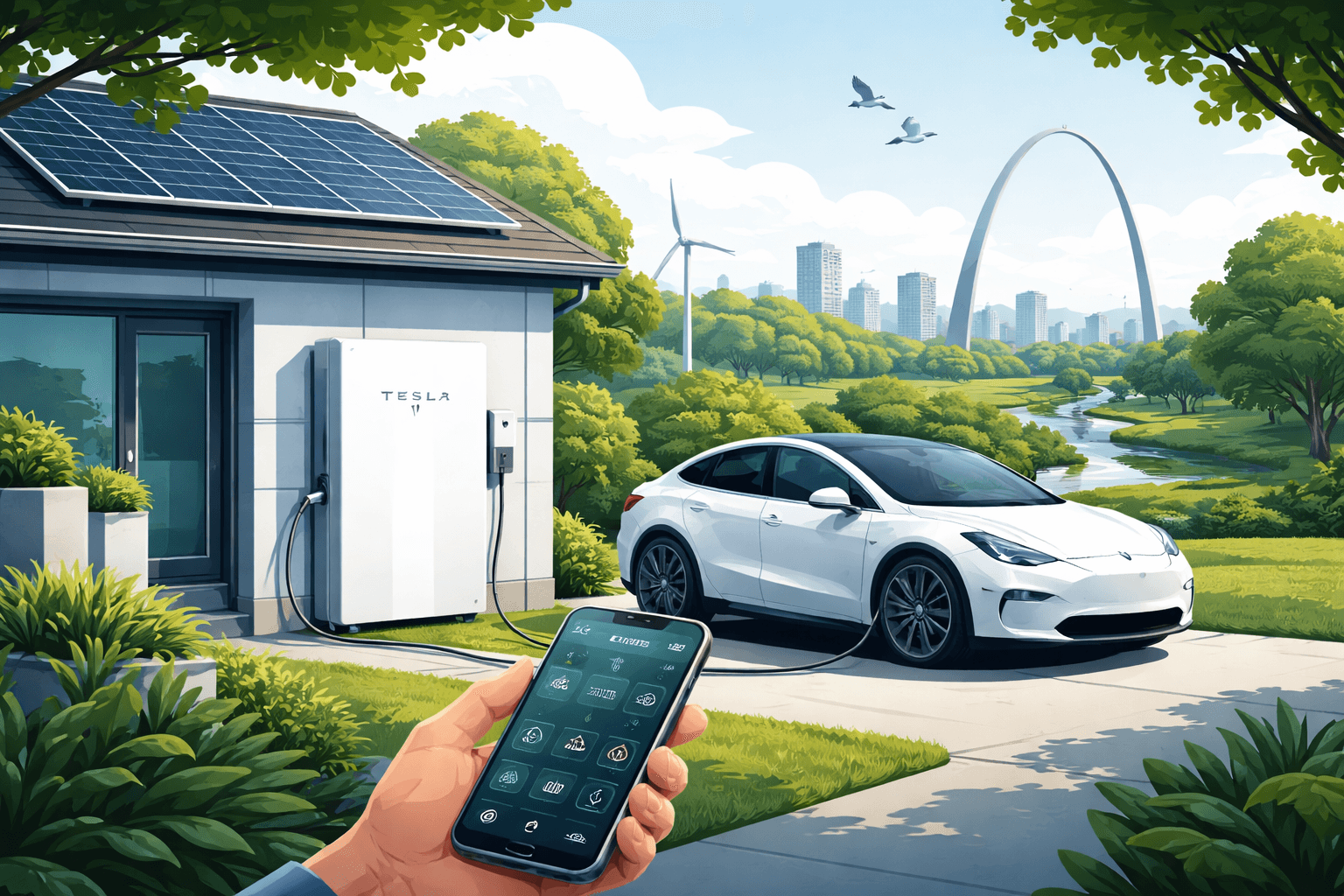
Missouri homeowners are asking whether a Tesla Powerwall in Missouri pencils out now that time-of-use (TOU) rates are expanding and storms are getting costlier. The 30% federal Clean Energy Credit still applies to home batteries, and utilities like Ameren Missouri and Evergy have time-based plans where peak prices can be 2–3x off-peak. That combination is making batteries far more compelling for backup and bill management than just a few years ago (IRS; Missouri Public Service Commission; Ameren and Evergy tariffs).
Tesla Powerwall overview: specs, capacity, and how it works
A home battery stores electricity—usually from your rooftop solar—to use later when the grid is expensive or down. The Tesla Powerwall family (Powerwall 2 and Powerwall 3) is an integrated lithium-ion battery with smart controls that can back up critical loads or an entire home, depending on system size.

The Homeowner's Guide to Renewable Energy - Revised & Updated Edition: Achieving Energy Independence through Solar, Wind, Biomass and Hydropower: Chiras, Dan
After beginning with the all important discussion about energy efficiency and conservation, <strong>Dan guides you through everything you need to choose which renewable options to integrate into your
Check Price on AmazonCore technical specs (Tesla Powerwall datasheets):
- Usable energy: 13.5 kWh per unit (both Powerwall 2 and Powerwall 3)
- Power output:
- Powerwall 2: up to 5 kW continuous (short bursts higher)
- Powerwall 3: up to ~11.5 kW continuous with an integrated solar inverter, enabling higher whole-home loads
- Round-trip efficiency: ~90%
- Operating modes: Backup Reserve, Self-Consumption, Time-Based Control, and Storm Watch (auto-charges before forecasted severe weather)
- Warranty: 10 years, with capacity retention and energy throughput terms; designed for daily cycling when charged primarily from solar
How it works in daily life:
- With solar: Your panels first power the home, then charge the battery, then export excess. After sunset or during peak pricing windows, the Powerwall discharges to avoid buying from the grid.
- Without solar: The battery can still charge from the grid off-peak and discharge during peak periods to reduce bills on eligible TOU plans (confirm your utility’s rules), and it provides backup power.
What 13.5 kWh means: A refrigerator (150 W), Wi‑Fi and lighting (200–300 W), a gas furnace blower (500 W), and a few outlets might consume ~1.5–2.0 kW. One Powerwall could run that critical-load panel for 6–9 hours. Central air or well pumps accelerate draw; whole‑home backup often uses 2–3 units.
By the numbers
- 13.5 kWh: Usable energy per Tesla Powerwall
- 5–11.5 kW: Continuous power (PW2 vs. PW3)
- 10 years: Warranty period
- 30%: Federal tax credit for standalone or solar‑paired storage placed in service through 2032 (IRS)
- 12–13¢/kWh: Average Missouri residential electricity price in 2024 (EIA)
- 2–3x: Typical ratio of on‑peak to off‑peak rates on time‑varying plans offered by Missouri IOUs (Ameren, Evergy tariffs)
How much does a Tesla Powerwall in Missouri cost?
Installed pricing varies with model (PW2 vs. PW3), main panel work, and whether you add it to new solar or retrofit it. Based on installer quotes we track in the Midwest and public bid data, typical turnkey prices in Missouri are:
- Single Powerwall (retrofit): $11,000–$14,000 before incentives
- Single Powerwall (bundled with new solar): $10,000–$12,500 before incentives
- Additional units (same site): $8,000–$10,500 each before incentives, due to shared balance-of-system and labor
- Electrical upgrades (if needed): $500–$2,500 for subpanel or service work; rare service upsizes can cost more
After the 30% federal Clean Energy Credit, a $12,000 installed battery nets to about $8,400. Households that stack multiple batteries for whole‑home backup often see per‑unit net costs in the $7,000–$8,500 range post‑credit. Sales tax and permit fees vary by city/county.
Cost drivers:
- Powerwall 3 vs. Powerwall 2: PW3 integrates a solar inverter, which can reduce hardware complexity on new solar builds but offers less benefit for pure retrofits.
- Main panel and code compliance: Load calculations, rapid-shutdown equipment, and NEC 120% busbar rules can trigger a new subpanel or service upgrade.
- Labor rates and travel: Rural installs can cost more than metro St. Louis or Kansas City.
Missouri battery storage incentives: state rebates, SGIP, utility programs
- Federal tax credit (applies in Missouri): The 30% Clean Energy Credit under the Inflation Reduction Act covers residential batteries 3 kWh and larger, with or without solar. This is the single largest incentive (IRS guidance).
- State-level rebates: Missouri does not currently offer a statewide, battery-specific rebate comparable to California’s Self-Generation Incentive Program (SGIP). SGIP does not apply in Missouri.
- Utility programs: Incentives and pilots change periodically. As of 2025, investor-owned utilities in Missouri have focused on time-varying rates and demand-response programs more than direct battery rebates. Check current offerings from:
- Ameren Missouri (St. Louis and eastern MO): Time-based rates and peak savings programs; pilots for distributed energy resources come and go subject to Missouri PSC approval.
- Evergy Missouri Metro/West (Kansas City region and western MO): TOU plans and seasonal demand pricing options that a battery can help manage; occasional demand-response enrollments.
- Net metering: Missouri requires net metering for systems up to 100 kW on investor-owned utilities. Credits for monthly excess typically roll forward; any annual net excess may be valued at avoided-cost rates rather than full retail (Missouri net metering statute; DSIRE). Batteries do not earn net metering by themselves but can shape when solar exports occur.
Because program availability can change rapidly, get any incentive details in writing from your installer and confirm with your utility. Keep in mind that participation in some demand-response or virtual power plant (VPP) pilots may require the utility to occasionally draw on your battery in exchange for bill credits or upfront incentives.
How the Powerwall pairs with solar in Missouri: backup vs. self-consumption
Pairing a Tesla Powerwall with rooftop solar is the most common Missouri configuration because it unlocks:
- Backup power: Keep critical loads running during storms and ice events. Storm Watch mode auto-charges the battery before forecasted severe weather.
- Bill management: Store midday solar for evening peaks when TOU prices are highest.
- Grid friendliness: Smoother exports can reduce strain at the neighborhood level, a growing factor as solar adoption rises.
Backup sizing examples in Missouri homes:
- Critical loads only (refrigeration, lighting, outlets, gas furnace blower, Wi‑Fi): 1 Powerwall often suffices.
- Whole‑home with one central AC or heat pump: 2 Powerwalls commonly recommended, especially if you want to run HVAC during outages.
- Larger homes with multiple HVAC systems, well pumps, and electric cooking: 3+ Powerwalls or a strategic critical-loads panel.
Self-consumption under Missouri net metering: Because annual true-ups can value leftover credits at avoided cost rather than retail, a battery helps you use more of your solar production on-site. Many homeowners set Tesla’s Time-Based Control to discharge through the utility’s on-peak windows, and to conserve charge for storms. Your installer will configure export rules to comply with utility interconnection (for example, disallowing grid-charged energy from being exported, where required).
Missouri utility rate structures and how Powerwall saves with time-of-use
Missouri’s two large investor-owned utilities—Ameren Missouri and Evergy—now emphasize time-based pricing. Details vary by plan, but the pattern is similar: off-peak prices overnight, shoulder rates most of the day, and on-peak pricing in the late afternoon/early evening on weekdays. In some plans, on-peak energy may cost 2–3x off-peak energy. Some tariffs also include a demand charge, which is a monthly fee based on your highest 15–60 minute usage peak in the billing period.
How a Powerwall creates value on TOU/demand tariffs:
- Energy arbitrage: Charge from solar (or off-peak grid, if permitted) and discharge during on-peak periods. If off-peak is 9¢/kWh and on-peak is 24¢/kWh, each shifted kWh is worth ~15¢ before round-trip losses. With ~90% efficiency, the net value is still material.
- Peak shaving: On demand-charge plans, shaving a single 6–8 kW peak that would otherwise set your monthly demand fee can be worth $40–$80/month if the demand rate is $6–$10/kW.
- Outage mitigation: Avoid food spoilage and productivity losses. The U.S. average outage duration in 2022 was about 5.5 hours including major events (EIA). Severe weather in Missouri can push some events longer.
Illustrative savings scenario (for planning only):
- Home uses 900 kWh/month, with 35% of usage in on-peak windows.
- TOU spread averages 14¢/kWh between on-peak and off-peak; battery shifts 8 kWh/day from peak to off-peak.
- Gross TOU savings: 8 kWh × 30 days × $0.14 = $33.60/month; after 10% efficiency losses, ~$30/month.
- Add occasional peak-demand shaving worth $15–$30/month on applicable tariffs. Combined with outage resilience value, many Missouri homes see effective paybacks in 8–12 years when paired with solar, though outcomes vary with rate plans, load shapes, and HVAC electrification. Always model your bill using actual interval data if possible.
Powerwall availability and certified installers in Missouri
- Availability: Lead times in Missouri are generally 4–10 weeks once permits are approved. Supply has normalized compared to 2021–2022 constraints.
- Installers: You can buy a Powerwall via Tesla or through certified local installers. In Missouri’s major metros (St. Louis, Kansas City, Springfield, Columbia), multiple NABCEP-certified contractors offer turnkey design, permitting, and interconnection. Ask potential installers for:
- A load analysis indicating how many Powerwalls you need for backup goals
- A TOU savings model using your historical usage
- A one-line diagram and a clear scope for any service/panel upgrades
- Commissioning support for the Tesla app and any TOU automation
- Permitting and inspections: Expect 2–6 weeks for permits and utility approval, depending on jurisdiction and queue length.
Alternatives to Powerwall available in Missouri: Enphase, LG, Generac
Powerwall is popular, but it’s not your only option. Missouri homeowners also consider:
Enphase IQ Battery 5P/10/3T (AC-coupled): Modular 5–10 kWh blocks with 3–6 kW continuous output, tight integration with Enphase IQ8 microinverters. Strong whole-system monitoring and rapid service support. Based on these efficiency ratings and modular expansion, the Enphase IQ Battery 5P represents strong value for residential installations tied to Enphase microinverters.
LG Energy Solution RESU Prime 10H/16H (DC-coupled via compatible inverters): 9.6–16 kWh usable, good energy density, and a 10-year warranty. Check inverter compatibility and throughput limits.
Generac PWRcell (DC-coupled): Cabinet-based system can scale to 18–36 kWh with 3–9 kW continuous output (depending on module count). Works well for larger storage needs where whole-home backup is a priority. For homes with high peak loads, a Generac PWRcell M6 bundle provides competitive whole-home backup capacity per dollar.
FranklinWH aPower + aGate (AC-coupled): 13.6 kWh per unit with high surge capability and smart load control, an option when managing large HVAC inrush currents.
Sonnen eco (AC-coupled): Premium, long-life systems with robust energy management; often used in VPPs and community projects.
Selection considerations:
- AC vs. DC coupling: AC-coupled batteries like Powerwall and Enphase are simpler for retrofits; DC-coupled options can be more efficient in new builds.
- Continuous power: If you want to run 3–5 ton HVAC during outages, prioritize systems with higher kW output or plan for multiple units.
- Warranty throughput: Review warranted energy throughput and round-trip efficiency for your use case (daily cycling vs. standby backup).
- Ecosystem fit: If your solar uses Enphase microinverters, staying in-ecosystem can streamline monitoring and service.
If you’re also electrifying transportation, pairing storage with a smart Level 2 charger can further reduce bills by shifting EV charging to off-peak windows. For a budget-friendly, Wi‑Fi enabled unit with load management, the Emporia Level 2 Smart Charger is a frequent pick among energy geeks.
FAQ: common questions about Tesla Powerwall in Missouri
How many Powerwalls do I need?
- One Powerwall (13.5 kWh) can back up essentials for many homes. Whole‑home backup with central air often benefits from two. Large electric homes may want three. Have your installer run a load calculation and consider soft-starts for HVAC.
Does a Powerwall work without solar?
- Yes. It can charge from the grid and discharge during expensive TOU periods (subject to utility rules) and provides backup power. The 30% federal credit still applies to standalone storage.
Can a Powerwall run my air conditioner or heat pump?
- Often, yes—especially Powerwall 3, given its higher continuous power. Starting current is the challenge; adding a soft-starter to the HVAC can help. For big homes with multiple systems, plan on multiple batteries or prioritize a critical-loads panel.
What’s the lifespan and warranty?
- Tesla warrants 10 years with capacity retention terms suitable for daily solar cycling. Many lithium-ion home batteries retain 70–80% of original capacity after the warranty period under typical use. Actual lifespan depends on cycles, temperature, and depth of discharge.
How does Missouri’s net metering interact with batteries?
- Net metering applies to the solar system. Batteries help you use more solar on-site during peak periods and reduce the chance of leaving credits that are only compensated at avoided cost at annual true-up. Utilities may require that grid-charged energy not be exported; your installer will set this in software.
What about virtual power plants (VPPs) in Missouri?
- Utilities occasionally run pilots that aggregate home batteries to support the grid during peaks, offering bill credits or upfront rebates. Availability varies; ask your installer and check your utility’s demand-response programs.
Are there safety or code issues?
- Yes—follow NEC, manufacturer clearances, and local fire codes. Garages are common install sites. Missouri AHJs may require exterior disconnects and rapid-shutdown compliance. Certified installers handle this.
How long is the install process?
- Site survey to PTO (permission to operate) typically runs 4–10 weeks: 1–2 weeks for design/permit, 1 day for installation, and 1–4 weeks for inspection and utility approval.
Is a Tesla Powerwall in Missouri “worth it”?
- If you value outage protection and have TOU or demand-based pricing, a Powerwall paired with solar can provide resilience plus measurable bill savings. Homes on flat, low rates and with few outages may see longer simple paybacks, but still gain backup value during severe weather. Model it with your utility plan and interval data for the clearest answer.
Practical steps for Missouri homeowners
- Pull your last 12 months of bills and see if a TOU or demand plan fits your usage.
- Decide on backup goals (critical loads vs. whole‑home) to size batteries correctly.
- Get two or three quotes, asking for both backup runtime estimates and TOU savings modeling.
- Confirm incentives, interconnection limits, and any VPP enrollment options with your utility.
- Consider complementary upgrades—HVAC soft-starters, smart panels, and a right-sized Level 2 EV charger—to maximize the value of storage.

EMPORIA Level 2 EV Charger w/ J1772 Charger, 48 amp ...
View on Amazon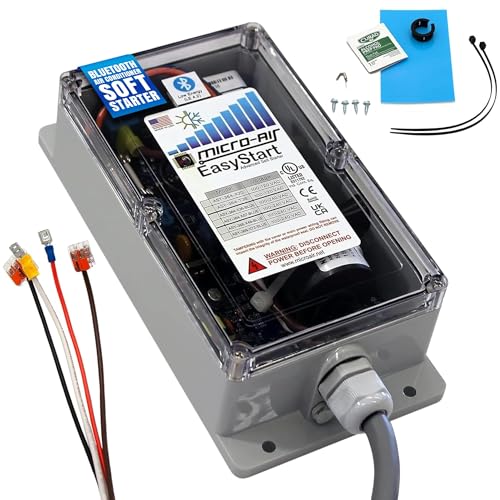
MICRO-AIR EasyStart 368 Advanced Soft Start Kit for Home Air Conditioner, RV & Commercial Use, Works with Generators, Reduces Power Surge, Efficient Start-Up - Up to 6 Tons : Automotive
View on AmazonWhere the market is heading
Battery costs have trended down from pandemic-era peaks, and Missouri’s shift toward time-based pricing increases the value of flexible load and storage. Expect more utility programs that pay you to share battery capacity on the hottest and coldest days, tighter solar-plus-storage integration (especially with Powerwall 3’s built-in solar inverter), and smarter home load control that stretches each kWh further. For many Missouri homes, that means a Powerwall is no longer just an insurance policy—it’s becoming a core part of a resilient, lower-cost, lower-carbon home energy system.
Sources: Tesla Powerwall datasheets; U.S. Internal Revenue Service (Clean Energy Credit); U.S. Energy Information Administration (EIA) retail rates and outage durations; Missouri net metering statute (DSIRE summaries); Ameren Missouri and Evergy residential tariffs and program filings.
Recommended Products
The Homeowner's Guide to Renewable Energy - Revised & Updated Edition: Achieving Energy Independence through Solar, Wind, Biomass and Hydropower: Chiras, Dan
After beginning with the all important discussion about energy efficiency and conservation, <strong>Dan guides you through everything you need to choose which renewable options to integrate into your
MICRO-AIR EasyStart 368 Advanced Soft Start Kit for Home Air Conditioner, RV & Commercial Use, Works with Generators, Reduces Power Surge, Efficient Start-Up - Up to 6 Tons : Automotive
QUIET AND SMART PROTECTION: This soft starter for air conditioner <strong>reduces startup noise and prevents light flickering</strong>, creating a quieter, more comfortable environment. The intelligen
EMPORIA Level 2 EV Charger w/ J1772 Charger, 48 amp ...
Explore a wide selection of hardwired Level 2 EV charging stations. Features include 25-foot cables, app control, and weather-resistant construction.