
Tesla Solar in Minnesota: Panels, Roof & Pricing Guide (2026)

Minnesota homeowners are running the numbers on Tesla Solar in Minnesota because prices have fallen, incentives are strong, and winter-ready equipment has improved. According to Lawrence Berkeley National Laboratory’s Tracking the Sun dataset (2024), median residential solar prices fell roughly 12% nationally from 2020–2023, and Minnesota sits close to the national median. With the 30% federal Investment Tax Credit (ITC) and Xcel Energy’s Solar*Rewards performance-based incentive, Tesla’s bundles of panels or Solar Roof with Powerwall can now pencil out faster than they did even three years ago.
Below, we walk through products, pricing, the order-to-install timeline, incentives, customer reviews, and how Tesla stacks up against local installers—using data from NREL, LBNL, DSIRE, the Minnesota PUC, and utility filings to keep the numbers real.
By the Numbers: Tesla Solar in Minnesota
- Typical residential system size: 6–10 kW (NREL PV adoption data)
- Production in Minneapolis–St. Paul: ~1,150–1,300 kWh per kW/year with south-facing arrays at 30–40° tilt (NREL PVWatts)
- Snow losses: often 3–8% annually in snowy climates; site-specific (NREL snow loss studies)
- Average MN residential electricity price: ~14–16¢/kWh in 2024 (U.S. EIA)
- Net metering: retail-rate credit for systems up to 40 kW with investor-owned utilities, monthly netting (Minnesota PUC)
- Federal tax credit: 30% of total installed cost (Inflation Reduction Act)
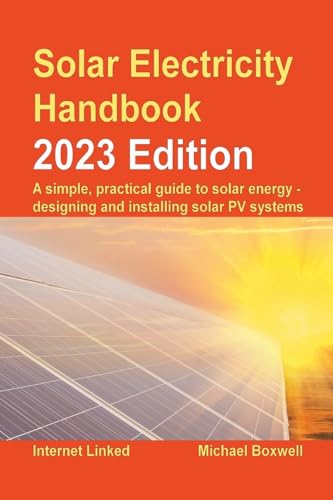
Solar Electricity Handbook - 2023 Edition: A simple, practical guide to solar energy – designing and installing solar photovoltaic systems: Boxwell, Michael
Solar Electricity Handbook - 2023 Edition: <strong>A simple, practical guide to solar energy – designing and installing solar photovoltaic systems</strong> [Boxwell, Michael] on Amazon.com. *FREE* shi
Check Price on AmazonTesla Solar products available in Minnesota: panels, Solar Roof, and Powerwall bundles
Tesla sells two primary solar generation options in Minnesota:
Tesla Solar Panels: Black, low-profile module arrays paired with the Tesla Solar Inverter. The design prioritizes flush mounting with minimal conduit visibility. Panels include a 25-year performance warranty; the Tesla Solar Inverter carries a limited-term equipment warranty. The integrated Tesla app provides real-time monitoring of solar, home load, and Powerwall if installed.
Tesla Solar Roof: Glass solar tiles that replace your shingles entirely. A subset of tiles are PV-active; the rest are visually matched glass tiles. Solar Roof is generally best if you already need a roof replacement or prioritize aesthetics. Warranties include product and weatherization coverage for the roof components and performance coverage for PV tiles.
Powerwall bundles: Most Minnesota buyers pair solar with a Powerwall to ride through winter storms and summer outages. Powerwall provides 10-year battery warranty coverage with a guaranteed energy retention level and integrates seamlessly with the Tesla app for time-based control and backup. For detailed Minnesota-specific battery pricing and availability, see our guide: Tesla Powerwall in Minnesota: Cost, Availability & Is It Worth It?.
Cold-weather performance: PV modules typically have a negative temperature coefficient around −0.35% per °C, meaning they operate more efficiently in cold air than on hot summer roofs. Despite shorter winter days and snow cover, clear, cold days can produce high instantaneous power.
Tesla Solar pricing in Minnesota: panels vs. Solar Roof cost comparison
Installed cost varies by roof complexity, array size, electrical upgrades, and labor. Based on LBNL’s Tracking the Sun (2024) and regional installer quotes we’ve reviewed, these are typical 2024–2026 ranges we see in Minnesota:
- Tesla Solar Panels: roughly $2.30–$2.90 per watt (before incentives)
- Minnesota market average (all installers): roughly $2.80–$3.50 per watt
- Tesla Solar Roof: highly variable; commonly $45,000–$80,000+ for a mid-size (e.g., 2,000–2,500 sq. ft.) home with moderate complexity, before incentives. When converted to a solar-only equivalent, Solar Roof tends to land far above panel-only $/W, but it replaces the roof.
Example math for a 7 kW Tesla panel system in the Twin Cities:
- Gross cost (at $2.60/W): ~$18,200
- Federal ITC (30%): −$5,460
- Potential Xcel Solar*Rewards (if eligible; paid over 10 years): approximately $0.02/kWh on actual production. If the system produces ~8,750 kWh/year (1,250 kWh/kW), that’s about $175/year, or ~$1,750 over 10 years (pre-tax). Utility program budgets and rates vary by year—check current terms.
- Net effective cost after ITC and estimated PBI value: around $10,990–$12,740 equivalent over time (excluding any sales/property tax benefits and financing costs)
If your roof needs replacement within 5–10 years, compare Solar Roof vs. new shingles plus panels. Solar Roof can make sense when you already have a $15,000–$30,000 roof job on the near horizon and you value the all-in-one aesthetic.
For broader Minnesota cost context beyond Tesla, see our statewide overview: Solar in Minnesota: Costs, Incentives & Top Installers (2026).
How to order Tesla Solar in Minnesota: timeline, site assessment, and installation
Here’s the typical order-to-power-on journey in Minnesota:

Sense Energy Monitor with Solar – Track Electricity Usage and Solar Production in Real Time
View on Amazon- Online design and estimate
- Use Tesla’s configurator for an initial layout and capacity. You’ll enter your address, utility, bill size, and whether you want Powerwall.
- Tip: Pull a full year of kWh usage from your utility bill to right-size your system. A home energy monitor like the Sense Energy Monitor can also help you identify large loads before you size solar.
- Virtual or on-site assessment
- Tesla or its Minnesota installation partner reviews roof age, pitch, shading, main panel capacity, and any needed upgrades (e.g., service panel to 200A if adding EV charging and battery storage).
- Final design, contract, and permitting
- Expect design tweaks after site assessment. Contracts reflect system size, price, and change orders if your roof is more complex than the algorithm assumed.
- Permits and utility interconnection applications are filed. In Minnesota, permitting can take 2–6 weeks depending on the AHJ (Authority Having Jurisdiction). Interconnection timelines vary by utility; Xcel commonly completes permission-to-operate (PTO) within a few weeks after inspection, but seasonal backlogs happen.
- Installation
- One to three days for standard panel installs; Solar Roofs can take longer (often a full week or more). Winter installs are common in Minnesota, but snow and temperature can push some roofing work to shoulder seasons.
- Inspection and utility PTO
- After city inspection, your utility swaps/install meters and issues PTO. From deposit to PTO, 6–12 weeks is common; 12–16 weeks is not unusual if you span winter, need panel upgrades, or encounter utility queues.
Monitoring and optimization
- Use the Tesla app for real-time generation and consumption views. If you have Powerwall, enable time-based control to charge from solar and discharge during peak pricing or outages. Pairing with a smart thermostat such as Ecobee Smart Thermostat can further shift loads to sunny hours.
Minnesota solar incentives that apply to Tesla installations
Federal Investment Tax Credit (ITC) — 30%: Applies to Tesla panels, Solar Roof’s PV portion, inverters, racking, and Powerwall when installed with solar. Consult a tax professional.
Minnesota Sales Tax Exemption: Solar equipment is exempt from state sales tax, which otherwise sits at 6.875% statewide. This exemption applies to modules, inverters, racking, and balance-of-system components (MN Department of Revenue guidance).
Minnesota Renewable Energy Equipment Property Tax Exclusion: The added market value from your PV system is excluded from property tax assessments (Minnesota Department of Commerce/PUC).
Net Metering: For investor-owned utilities like Xcel Energy, systems up to 40 kW are eligible for retail-rate net metering with monthly netting and specified annual settlement rules (Minnesota PUC). Co-ops and municipal utilities may use different crediting; check your provider.
Xcel Energy Solar*Rewards: A performance-based incentive (PBI) paid over 10 years for eligible residential systems; recent program years have offered roughly $0.02/kWh, subject to budget caps and annual changes. Applications often fill quickly. Confirm current rate and availability directly with Xcel.
REAP Grants (farms and rural small businesses): The USDA’s Rural Energy for America Program can fund up to 50% of eligible project costs for qualifying applicants post-IRA, with competitive scoring. Pairing REAP with the ITC can dramatically cut payback for agricultural operations.
Energy storage adders and low-income programs: Some federal, state, and utility programs include adders for income-qualified customers or certain geographies. Minnesota offerings are evolving—check DSIRE and your utility’s current tariff filings.
Tesla Solar reviews from Minnesota customers: what owners actually report
Across review platforms and Minnesota homeowner forums, feedback trends are consistent with national patterns:
What owners like
- Price and aesthetics: Many Minnesota buyers cite lower quotes from Tesla than local bids for similar wattage, along with a cleaner, low-profile look.
- App and ecosystem: The single-app view for solar, Powerwall, and EV charging is frequently praised.
- Quiet operation and reliability: Once commissioned, systems generally run without intervention; owners appreciate low maintenance beyond occasional snow shedding by sun and gravity.
Common pain points
- Communication and scheduling: Customers report variable communication during permitting and utility interconnection. Winter weather can compound schedule slips.
- Change orders after site visit: Algorithmic designs don’t always capture roof complexity; final pricing can rise if rafters, roof facets, or electrical upgrades add labor.
- Solar Roof availability windows: Not all Minnesota ZIP codes are continuously open for Solar Roof scheduling; some installs proceed via certified partners with longer lead times.
We encourage buyers to verify installer-of-record, expected timeline, and who to call for service before signing. These themes show up in aggregated consumer reviews (e.g., SolarReviews) and utility docket comments even when overall performance is solid.
Tesla vs. local Minnesota installers: pros, cons, and price comparison
Pros of going with Tesla
- Competitive pricing: Tesla’s panel systems often undercut Minnesota’s market average by ~$0.20–$0.60/W based on quotes we’ve reviewed, especially for straightforward roofs.
- Aesthetic integration: Black panels, hidden conduit, and app integration with Powerwall and EVs are differentiators.
- Supply chain scale: Access to standardized hardware, which can ease service part availability.
Cons and trade-offs
- Less customization: Fewer module/inverter brand choices; layout and equipment options are more standardized.
- Communication consistency: National-scale operations can make it harder to reach a consistent project manager.
- Subcontracting: Some Minnesota jobs are completed by partner installers; quality is generally good but varies by crew.
Local installer advantages
- Custom engineering: Advanced snow-load racking choices, dormer work, or metal/cedar roofs may be handled more flexibly.
- Hands-on service: Some homeowners value face-to-face design consults and a single local contact.
- Niche equipment: If you want microinverters, DC optimizers, bifacial modules, or specialty racking, local shops can spec those.
Price comparison snapshot (panels only, before incentives)
- Tesla: ~$2.30–$2.90/W
- Minnesota local installers: ~$2.80–$3.50/W
If you’re primarily price-driven and want Powerwall integration, Tesla is compelling. If your roof is complex or you want equipment flexibility, request 2–3 local bids as a cross-check. Our statewide guide lists leading firms: Solar in Minnesota: Costs, Incentives & Top Installers (2026).
Tesla Solar warranty and what it covers in Minnesota
- Panels: 25-year performance warranty (typical year-25 output in the ~80–85% of nameplate range; check the specific Tesla module’s datasheet) and equipment warranty on workmanship/materials.
- Inverter: Tesla Solar Inverter carries a limited equipment warranty term (commonly ~12.5 years for many residential inverters; verify current Tesla terms in your contract).
- Powerwall: 10-year warranty with specified end-of-warranty capacity retention and operating conditions; solar-charged use generally has favorable cycle terms.
- Solar Roof: Product and weatherization warranties for the roofing system and 25-year performance coverage for active tiles; workmanship coverage applies to installation.
As with any project, read the exact warranty language in your Minnesota contract—coverage can evolve by model year and program.
Practical considerations for Minnesota homes
- Snow and winter production: Don’t climb on icy roofs. Panels typically clear after sunny periods; NREL studies show annual snow losses are often modest (3–8%) but vary by tilt and shading. A telescoping snow rake designed for PV can help on lower arrays if used gently.
- Roof tilt and orientation: 30–40° south-facing is near-ideal for annual yield in Minnesota; east/west works well with only modest losses.
- Main panel capacity: Many homes adding EVs and batteries upgrade to 200A service. Factor this into quotes.
- Backup power: If outages are a concern, a single Powerwall can keep essential loads (furnace fan, fridge, Wi‑Fi, lights) running; two or more support larger loads. For Minnesota-specific sizing tips, check: Tesla Powerwall in Minnesota: Cost, Availability & Is It Worth It?.
- Load shifting: Time appliances (dishwasher, laundry, EV charging) to daylight hours. A Level 2 charger like the ChargePoint Home Flex pairs well with daytime solar production.

ChargePoint HomeFlex Level 2 EV Charger J1772 - Fast Smart Battery Power Charging at Home for Electric Automobile Vehicles - NEMA 14-50 Plug for Electric Car : Automotive
View on AmazonFAQ: common questions about Tesla Solar in Minnesota
Does Tesla install everywhere in Minnesota?
- Tesla directly services major metros and partners with certified installers in other areas. Availability can change; enter your ZIP in the Tesla configurator to confirm.
How much does Tesla Solar cost in Minnesota right now?
- Recent quotes we’ve seen are commonly $2.30–$2.90/W for panels before incentives. Solar Roof is far more variable and is best evaluated alongside your roof replacement needs.
Is net metering still available?
- Yes. For investor-owned utilities (e.g., Xcel), systems up to 40 kW qualify for retail-rate net metering with monthly netting; details vary by utility and may evolve with regulatory changes.
What’s the payback period?
- With the 30% ITC, sales/property tax benefits, and Xcel Solar*Rewards, simple paybacks of ~8–12 years are common for well-sited homes, assuming ~14–16¢/kWh avoided cost and standard production. Actual results vary with usage, shading, and rate structures.
Do panels work in the cold Minnesota winter?
- Yes. Cold air improves module efficiency; the challenge is shorter daylight and snow cover. Annual production modeling (NREL PVWatts) already bakes in seasonal effects for your location.
Should I remove snow from my panels?
- Often unnecessary and risky. Most arrays clear naturally. If you do intervene, only use a PV-safe snow rake from the ground on reachable lower roofs.
Do I need a Powerwall?
- Not for solar to work, but many Minnesota owners add one for outage protection and to shift energy into evening peaks. Batteries can also unlock more value under evolving time-of-use rates.
How long is the installation timeline?
- Around 6–12 weeks from signed contract to PTO for typical panel systems, allowing for permitting and utility scheduling. Solar Roofs and winter weather can extend this.
Can I finance Tesla Solar?
- Tesla offers cash purchase and financing options; Minnesota credit unions and green lenders also finance solar. Compare APR, term, dealer fees, and prepayment penalties.
What if my roof is older?
- If your roof has <10 years of life left, consider reroofing before or doing a Solar Roof. Removing and reinstalling panels later adds cost.
How big should my system be?
- Size to your annual kWh usage and future loads (EV, heat pump). A monitoring device like Sense Energy Monitor can highlight the biggest loads so you right-size.
Where the market is heading in Minnesota
- More batteries and smarter tariffs: As utilities pilot time-of-use and grid services, Powerwall adoption is rising. Minnesota’s grid will reward flexible loads.
- Continued price pressure: LBNL and NREL show persistent cost declines from module efficiency gains and BOS (balance-of-system) improvements, although local labor and interconnection costs can offset these.
- Policy stability: The 30% ITC is in place for years under the IRA. Minnesota’s net metering framework remains supportive for residential systems under 40 kW, though program specifics may be refined.
For most homeowners, Tesla Solar in Minnesota is a strong fit if you prioritize sleek aesthetics, an integrated app experience, competitive pricing, and battery-ready hardware. Get at least two comparable quotes (including one local installer) and run site-specific PVWatts modeling to validate production, winter performance, and payback under your utility’s latest rate.
Recommended Products
Solar Electricity Handbook - 2023 Edition: A simple, practical guide to solar energy – designing and installing solar photovoltaic systems: Boxwell, Michael
Solar Electricity Handbook - 2023 Edition: <strong>A simple, practical guide to solar energy – designing and installing solar photovoltaic systems</strong> [Boxwell, Michael] on Amazon.com. *FREE* shi
Sense Energy Monitor with Solar – Track Electricity Usage and Solar Production in Real Time
KNOW WHAT’S ON: Track how much electricity you’re using, what time your kids got home, or when someone leaves the basement light on. Sense <strong>identifies patterns in your energy use to help your f
ChargePoint HomeFlex Level 2 EV Charger J1772 - Fast Smart Battery Power Charging at Home for Electric Automobile Vehicles - NEMA 14-50 Plug for Electric Car : Automotive
Home Flex Hardwired offers the fastest charge at up to 50A. NEMA 6-50 and 14-50 versions <strong>provide up to 40A and work with existing 240V wall outlets</strong>. Yes! Choose from our list of prefe