
Tesla Solar in Tennessee: Panels, Roof & Pricing Guide (2026)

Tennessee homeowners are kicking the tires on Tesla Solar in Tennessee for a simple reason: installed prices have fallen while battery performance has improved. NREL’s 2025 PV cost benchmark shows residential solar costs down roughly 17% since 2020, and EnergySage’s 2024 marketplace report found national quoted prices dipping to the high-$2-per-watt range. Pair that with a 30% federal tax credit still in place through 2032 and improving battery economics, and the payback math in the Valley looks better than it did just a few years ago—even with TVA’s limited export compensation.
Below, we break down Tesla’s panels, Solar Roof, and Powerwall options in Tennessee; how much they cost; how to order; incentives; real-world owner feedback; and how Tesla compares with local installers.
What Tesla Solar offers in Tennessee: panels, Solar Roof, and Powerwall
Tesla sells two flavors of PV in Tennessee:
Solar Electricity Handbook - 2023 Edition: A simple, practical guide to solar energy – designing and installing solar photovoltaic systems: Boxwell, Michael
Solar Electricity Handbook - 2023 Edition: <strong>A simple, practical guide to solar energy – designing and installing solar photovoltaic systems</strong> [Boxwell, Michael] on Amazon.com. *FREE* shi
Check Price on Amazon- Tesla Solar Panels: Conventional black-on-black modules mounted on your existing roof. Tesla pairs panels with a system inverter (or, with Powerwall 3, an integrated hybrid inverter). Systems are typically 4–15 kW for most TN homes.
- Tesla Solar Roof: Building-integrated photovoltaic (BIPV) tiles that replace your roof and generate power. Ideal when you already need a roof replacement and want a uniform look.
- Powerwall (optional but common): A lithium-ion home battery that stores excess solar for nighttime use and outages. Powerwall 3 supports DC-coupled solar directly, improving round-trip efficiency.
Key specs to know (as advertised by Tesla and typical of modern systems):
- Panel efficiency: ~19–21%
- Inverter efficiency: ~97–98%
- Degradation: ~0.5%/year typical panel performance warranty
- Powerwall usable capacity: ~13.5 kWh per unit; whole-home backup usually needs 1–3 units depending on loads
Why this matters in Tennessee: The state lacks a mandated net metering policy. Many customers in TVA territory get only an avoided-cost rate for exports, which can be far below the retail rate. That makes self-consumption and right-sizing crucial—and a battery can materially increase the share of solar you actually use at home.
For battery-specific pricing and sizing tradeoffs, see our deeper dive: Tesla Powerwall in Tennessee: Cost, Availability & Is It Worth It?
Tesla Solar pricing in Tennessee: panels vs. Solar Roof
Installed prices vary by roof complexity, service panel upgrades, and local permitting, but recent quotes we’ve reviewed for Tennessee homeowners show:
- Tesla Solar Panels: roughly $2.20–$2.70 per watt (before incentives) for typical 6–10 kW systems
- Tesla Solar Roof: effectively $6.50–$9.00 per watt when normalized to PV capacity, with total project costs often $45,000–$90,000+ depending on roof size/complexity
- Powerwall adders: roughly $9,000–$10,500 per unit for equipment, plus $2,000–$4,000 in typical installation labor/balance-of-system—eligible for the 30% federal credit
Context for those numbers:
- NREL’s 2025 U.S. residential PV benchmark places median turnkey costs near $3.00/W nationally. Tesla’s standardized supply chain and online ordering often beat local averages by $0.30–$0.70/W.
- Lawrence Berkeley National Laboratory’s Tracking the Sun dataset shows sustained price declines since 2010 and tightening spreads between quotes as hardware commoditizes, though soft costs (permitting, labor, overhead) remain significant drivers of local variation.
Example panel system (8 kW):
- Gross cost (Tesla panels): 8,000 W × $2.45/W ≈ $19,600
- Federal Clean Energy Credit (30%): −$5,880
- Net post-credit: ≈ $13,720 (excluding any utility fees or main panel upgrade)
Example Solar Roof (8 kW PV + 2,000 ft² roof replacement):
- Bundled roof + PV tiles: commonly $60,000–$80,000 before incentives in TN
- Federal credit applies to the solar-generating portion; consult a tax professional for allocation. Many homeowners see effective post-credit savings of $10,000–$18,000 depending on the solar share.
Battery bundle (1 Powerwall):
- Equipment + install: $11,000–$14,000 typical
- Federal 30% credit: −$3,300 to −$4,200
- Net post-credit: $7,700–$9,800
By the Numbers (Tennessee performance):
- Solar resource: NREL PVWatts indicates 4.5–5.0 kWh/m²/day average in much of TN
- Expected annual generation: A well-sited 8 kW array in Nashville/Knoxville typically produces about 10,000–11,500 kWh/year
- Capacity factor: ~16–18% for residential fixed-tilt rooftop PV in the region
- Electric rate context: EIA reports Tennessee residential rates averaging roughly 12–13¢/kWh in 2025—lower than the U.S. average, which lengthens payback vs. coastal states
How to order Tesla Solar in Tennessee: timeline, site assessment, and installation
Tesla’s process is highly standardized:
- Online design and order
- Enter your address and recent utility bill in Tesla’s design studio. You’ll see a proposed system size based on usage and roof geometry. You place a refundable order deposit.
- Remote and on-site assessment
- Tesla reviews your roof with aerial imagery/LIDAR. An on-site visit verifies roof structure, shading, and electrical panel capacity. If you choose Solar Roof, a more detailed structural survey is typical.
- Final design and interconnection paperwork
- You approve final system size and equipment. Tesla files permits and interconnection with your local power company (LPC) in TVA territory (or non-TVA municipal/co-op or investor-owned utility where applicable). Export policies vary by LPC; some pay avoided cost for exports; few offer retail netting.
- Installation (1–3 days for panels; longer for Solar Roof)
- Crews install mounting hardware, wiring, inverter, and panels (or roof tiles). Expect longer durations for steep/complex roofs and any main panel upgrades.
- Inspection, PTO, and app activation
- Local inspections clear first; then utility permission to operate (PTO) enables grid-tied operation. Tesla activates monitoring in the Tesla app. Total timeline is typically 6–12 weeks for panels and 10–16+ weeks for Solar Roof, often driven by utility PTO queues.
Tip: In export-unfriendly territories, ask Tesla to model a smaller array that maximizes self-consumption or add a battery to soak up midday overproduction. Right-sizing is often more valuable than chasing the largest kW number.
Tennessee solar incentives that apply to Tesla installations
Federal Clean Energy Credit (ITC): 30% of eligible project costs for solar and standalone storage through 2032 (phasing down afterward). Applies to equipment and installation; no cap. The credit can offset federal income tax liability and carry forward if unused in year one (consult a tax advisor).
Property tax treatment: Tennessee offers a preferential property tax assessment for solar energy systems that can reduce the taxable value attributable to the PV equipment. The specifics can vary by system type and county assessor practice; check local application procedures. DSIRE (Database of State Incentives for Renewables & Efficiency) tracks current rules.
Sales tax: Tennessee does not have a universal statewide sales tax exemption for residential PV. Expect state and local sales taxes unless a specific exemption applies.
Utility/LPC programs: TVA previously ran production-incentive programs that are closed to new applicants. Today, many LPCs allow grid interconnection with export compensated at an avoided-cost rate rather than retail net metering. Policies and any interconnection fees vary by LPC—contact your utility early in the design phase.
Looking for broader context on rates, paybacks, and installer options statewide? See our state guide: Solar in Tennessee: Costs, Incentives & Top Installers (2026)
Tesla Solar reviews from Tennessee customers: reported pros and cons
While experiences vary, Tennessee owners commonly report:
What they like
- Lower upfront price vs. many local quotes, with transparent online pricing
- Clean aesthetics (all-black panels) and a slick app for energy monitoring/backup control
- Strong integration when bundling Powerwall—seamless backup and time-based control modes
Where frustrations pop up
- Scheduling: permit/utility timelines can stretch; Solar Roofs particularly take longer
- Customer support responsiveness: centralized support can feel slow during peak seasons
- Export value: Without retail net metering, bill credits are modest; some owners right-size arrays smaller than initial Tesla proposals
Performance notes
- Systems in Middle and East Tennessee with good south/southwest exposure often deliver 1,200–1,450 kWh per kW in year one (NREL PVWatts range), with ~0.5%/yr degradation thereafter
- Battery owners report higher self-consumption (>70% of solar used on-site), improving savings where exports are undervalued and delivering outage resilience during storms
Tesla vs. local Tennessee installers: pros, cons, and price comparison
Tesla
- Pros: Aggressive pricing, standardized designs, strong app and Powerwall integration, brand-backed 25-year performance warranty on panels
- Cons: Less bespoke design (e.g., dormers, complex roofs), more variable communication, limited product menu vs. custom installers
Local installers
- Pros: Custom array layouts for shade/roof constraints, familiarity with your LPC’s interconnection nuances, broader equipment choices (high-efficiency panels, microinverters, smart panels)
- Cons: Often $0.30–$0.80/W higher; timelines and warranties vary by company size/finances
Typical price spread in TN (before incentives)
- Tesla panels: ~$2.20–$2.70/W
- Local EPCs: ~$2.70–$3.40/W (depending on equipment—premium modules and microinverters push higher)
When local makes sense
- Complex roofs, heavy shading (microinverters/optimizers shine here)
- You want top-efficiency modules (REC, Maxeon) or specific microinverters (Enphase IQ8) with module-level monitoring
- You need advanced backup/load-shedding (e.g., smart panels) and detailed interconnection strategy for an LPC with unique rules
Equipment value picks (based on efficiency and reliability data)
- For shaded roofs, module-level power electronics help squeeze more kWh. The Enphase IQ8 Microinverters deliver per-panel MPPT and rapid-shutdown compliance—strong value for complex Tennessee roofs.
- If you’re chasing top energy density on limited roof area, REC Alpha Pure-R panels routinely test in the 21% efficiency range with robust temperature coefficients—worth the premium on small arrays.
- For whole-home backup with fewer batteries, intelligent load management matters. The SPAN Smart Panel can prioritize circuits during outages, stretching a single Powerwall further.
Tesla Solar warranty and what it covers in Tennessee
Tesla publishes standardized U.S. warranties that apply in Tennessee:
Solar panels
- Performance warranty: typically 25 years, guaranteeing a specified output (often ~85% of nameplate at year 25). Annual degradation allowance is typically around 0.5%.
- Product warranty: covers defects in materials and workmanship; Tesla has historically listed 10–12 years—verify the current term on your contract, as it can vary by panel model.
Inverter
- Generally covered for 10–12 years depending on model. Powerwall 3 includes an integrated hybrid inverter; standalone string inverters have their own terms.
Powerwall
- Limited warranty: 10 years. Capacity retention and cycling terms depend on the use case (self-consumption vs. backup vs. grid services). Tesla specifies minimum end-of-warranty capacity; review the current datasheet for the installed model.
Roof mounting/roofer’s workmanship
- Tesla warrants roof penetrations and installation workmanship for a stated term (commonly 10 years). If you’re purchasing a Solar Roof, roofing tile coverage is separate from PV performance—review both sections in your agreement.
Always read the final warranty documents in your Tesla order package; terms can evolve with product revisions.
FAQ: common questions about Tesla Solar in Tennessee
Is Tesla Solar available statewide?
- Yes, Tesla installs across major metros and many rural areas, though availability is subject to crew scheduling and roof complexity. Enter your address in Tesla’s design tool to confirm serviceability.
How long is the payback in Tennessee?
- With retail rates around 12–13¢/kWh and limited export crediting, many Tesla panel systems pay back in 9–13 years post-ITC when right-sized for self-consumption. Batteries lengthen simple payback but add resilience and can raise savings by increasing on-site use of solar.
Does TVA offer net metering?
- No statewide retail net metering mandate exists. Most LPCs in TVA territory offer avoided-cost export rates or require self-consumption configurations. This makes system sizing and battery strategy more important.
Can I install a Powerwall without solar?
- Yes. Standalone storage qualifies for the 30% federal credit and provides backup. Without solar, it charges from the grid; savings depend on your rate structure and outage risk. See our guide: Tesla Powerwall in Tennessee: Cost, Availability & Is It Worth It?
What roof orientations work best here?
- South and southwest-facing roofs at 20–35° pitch perform well. East–west arrays can still deliver 85–95% of south-facing output and better match morning/evening loads—which helps in non-net-metered territories.
Do HOAs in Tennessee allow solar?
- Many do, with placement/visibility guidelines. Tennessee does not have a comprehensive statewide solar access law for HOAs; check your covenants early and share Tesla’s low-profile design visuals.
Will a Solar Roof qualify for the full 30% credit?
- The federal credit applies to the solar-generating portion of the system and related installation costs. How much of a Solar Roof is credit-eligible can depend on allocation and documentation; consult a tax professional.
What maintenance is required?
- Little to none beyond occasional visual checks and debris removal. Rain keeps panels clean in most of Tennessee. Tesla monitors performance remotely; you can track kWh and alerts in the app.
What about hurricanes or hail?
- Tennessee sees hail and severe storms sporadically. Tesla’s panels and Solar Roof are tested to industry hail impact standards (e.g., UL 2218) and wind loads per local codes. Confirm wind/hail ratings on your spec sheet and inform your insurer; most policies cover rooftop PV with a modest premium.
Practical next steps for Tennessee homeowners
- Gather 12 months of utility bills so Tesla (or any installer) can right-size your system for self-consumption.
- Ask your LPC how exports are compensated and whether any interconnection fees or metering charges apply.
- Price both a Tesla panel system and at least one local installer quote—especially if you have shading or a complex roof. Use equipment differences (panels, inverters, racking) to explain any price gap.
- If you face midday exports, model a smaller array, add a Powerwall, or enable smart load-shifting (EV charging, water heating) to keep more solar on-site.
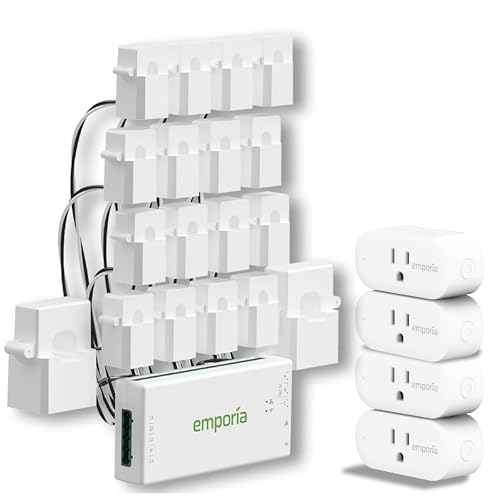
Emporia Energy Monitor with 16 Sensors + 4 Smart Plugs Super Bundle - Whole Home Electricity Usage Tracking & Real-Time Control - Supports Solar Net Metering - Works with iOS, Android, Alexa - Amazon.com
View on AmazonFor a statewide look at pricing, incentives, and reputable installers, visit our guide: Solar in Tennessee: Costs, Incentives & Top Installers (2026)
Where this is heading
- Costs: Component prices stabilized in 2024–2025 after supply chain whiplash. IEA and NREL expect incremental declines through 2026 as balance-of-system efficiencies improve.
- Batteries: Powerwall-class batteries keep gaining power density and integrated inverter features. In TVA territory, batteries directly improve economics by boosting self-consumption and resilience.
- Policy: With no statewide net metering on the horizon, Tennessee’s solar value stack will continue to reward right-sized systems, smart controls, and storage. If any LPC pilots time-of-use or demand rates, battery arbitrage opportunities could expand.
The bottom line: Tesla Solar in Tennessee is most compelling when you pair competitively priced panels with careful system sizing—and add a Powerwall if your utility undervalues exports or you prioritize backup. The 30% federal credit does a lot of heavy lifting; stacking it with thoughtful design is what delivers reliable savings in the Volunteer State.

Enphase IQ8M Microinverter for 260-460 Watt Solar Panels - Works with Grid Tied and Off Grid Solar PV Systems - Compatible with Batteries - IQ8M-72-2-US 240V - UL Listed for Safety : Patio, Lawn & Garden
View on AmazonRecommended Products
Solar Electricity Handbook - 2023 Edition: A simple, practical guide to solar energy – designing and installing solar photovoltaic systems: Boxwell, Michael
Solar Electricity Handbook - 2023 Edition: <strong>A simple, practical guide to solar energy – designing and installing solar photovoltaic systems</strong> [Boxwell, Michael] on Amazon.com. *FREE* shi
Enphase IQ8M Microinverter for 260-460 Watt Solar Panels - Works with Grid Tied and Off Grid Solar PV Systems - Compatible with Batteries - IQ8M-72-2-US 240V - UL Listed for Safety : Patio, Lawn & Garden
Amazon.com: Enphase IQ8M Microinverter for 260-460 Watt Solar Panels - Works with Grid Tied and Off Grid Solar PV Systems - Compatible with Batteries - IQ8M-72-2-US 240V - UL Listed for Safety : Patio
Emporia Energy Monitor with 16 Sensors + 4 Smart Plugs Super Bundle - Whole Home Electricity Usage Tracking & Real-Time Control - Supports Solar Net Metering - Works with iOS, Android, Alexa - Amazon.com
Comprehensive Whole-Home Monitoring: Includes the Emporia Vue Energy Monitor with 16 sensors to <strong>track usage from your main panel and up to 16 individual circuits</strong>.