
Construction Offsets for Sustainability: What to Measure, Buy, and Integrate
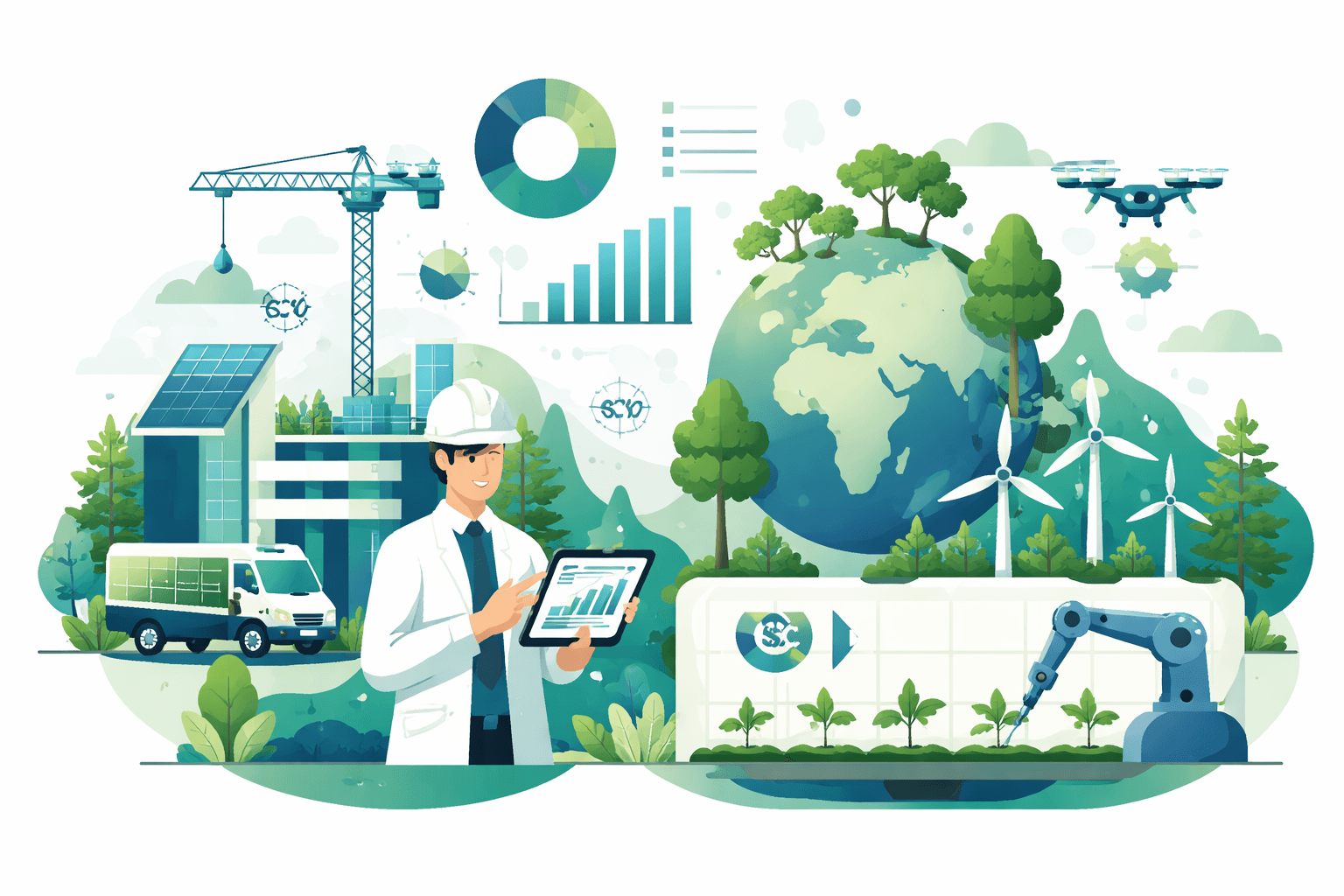
Construction added an estimated 10% of global energy-related CO2 emissions in 2022 from materials and building works alone, while building operations contributed another 28%—a combined 37% for the buildings sector (GlobalABC 2023). With many jurisdictions tightening embodied carbon policies and biodiversity protections, construction offsets for sustainability are moving from “nice-to-have” to compliance-critical. This guide explains what to measure, how much to offset, and how to procure high-quality credits and habitat/wetland units—without losing sight of the priority to avoid and reduce on-site first.
What are construction offsets?
Construction offsets are compensatory mechanisms used to counterbalance environmental impacts from building projects. They typically fall into three categories:
- Carbon offsets (climate): Measured in metric tons of CO2-equivalent (tCO2e) to compensate for greenhouse gas emissions from materials, construction, and operations.
- Biodiversity or habitat offsets (nature): Measured in habitat units or species credits to compensate for impacts on species or ecosystems.
- Wetland and water-quality offsets (hydrology): Measured in “credits” tied to aquatic resource functions (e.g., acres of wetlands restored or stream functional units) to compensate for Clean Water Act or similar permit-triggering impacts.
Offsets are not a substitute for mitigation. Standard practice—and increasingly, regulation—expects developers to follow a hierarchy: avoid impacts where possible, minimize what remains, then offset residuals that cannot be feasibly eliminated.
Carbon offset standards and verification
- Leading standards include Verified Carbon Standard (VCS, by Verra), Gold Standard, American Carbon Registry (ACR), and Climate Action Reserve (CAR). Co-benefits and safeguards can be documented under the Climate, Community & Biodiversity (CCB) Standards and Sustainable Development Goal (SDG) frameworks.
- Credits are issued on registries with unique serial numbers after third-party validation and verification by accredited verification/validation bodies (VVBs) under ISO 14064/14065.
- Market integrity initiatives launched in 2023–2024—such as the Integrity Council for the Voluntary Carbon Market’s Core Carbon Principles (ICVCM CCPs) and the Voluntary Carbon Markets Integrity Initiative (VCMI) Claims Code—aim to lift quality and clarify credible claims.
Typical project types include forest conservation and improved management, reforestation/afforestation, peatland and mangrove restoration, agricultural soil carbon and biochar, methane capture (e.g., landfill, coal mine, dairy digesters), renewable energy (increasingly restricted for additionality in many grids), and engineered removals (e.g., direct air capture, mineralization, BECCS).
Biodiversity and habitat offsets
- In the United States, endangered species impacts can trigger compensatory mitigation via conservation banks or habitat credit exchanges under the Endangered Species Act (ESA). Credits represent quantifiable habitat-value units within a service area.
- In England, Biodiversity Net Gain (BNG) under the Environment Act 2021 requires most new developments to deliver at least 10% net gain using a standardized metric and legally secured management (commenced 2024 for major developments).
- Australia’s Environment Protection and Biodiversity Conservation (EPBC) Act also uses offsetting guided by national policy.
Biodiversity offsets rely on ecological metrics (e.g., habitat condition/extent) and legally binding management plans with long-term stewardship, monitoring, and adaptive management.
Wetland and water-quality offsets
- In the U.S., Clean Water Act Section 404 permitting for discharges of dredged or fill material can require compensatory mitigation. The 2008 Mitigation Rule (U.S. Army Corps of Engineers/EPA) prioritizes mitigation bank credits within the same watershed and service area over permittee-responsible mitigation.
- Water quality trading programs (under Clean Water Act NPDES frameworks) allow nutrient offsets (e.g., nitrogen/phosphorus) where approved, using scientifically derived load-reduction credits and trading ratios.
Wetland and water-quality credits are strictly regulated, with credit ledgers, performance standards, ecological success criteria, and long-term site protection (e.g., conservation easements and non-wasting endowments).
Quantifying your offset need: carbon and nature
Before buying credits, quantify what you aim to neutralize. For construction, that typically involves two streams: embodied carbon (materials and construction) and operational emissions (energy and refrigerants). For nature, quantify residual ecological impacts after on-site avoidance/minimization.
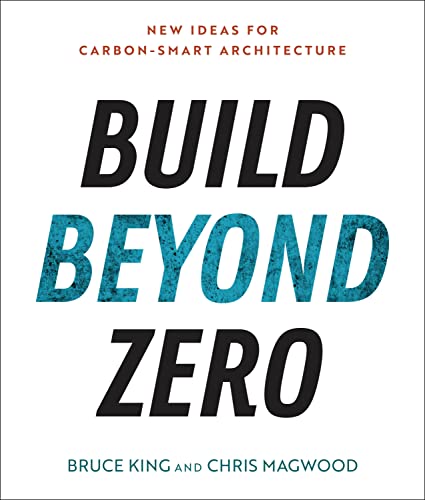
Build Beyond Zero: New Ideas for Carbon-Smart Architecture: King, Bruce, Magwood, Chris
In Build Beyond Zero, carbon pioneers Bruce King and Chris Magwood <strong>re-envision buildings as one of our most practical and affordable climate solutions instead of leading drivers of climate cha
Check Price on AmazonSet system boundaries: LCA scope matters
Use whole-building life cycle assessment (WBLCA) conventions, typically per EN 15978 and ISO 14040/44:
- A1–A3: Product stage (raw material supply, transport, manufacturing)
- A4–A5: Transport to site and construction processes (including site energy, temporary works, waste)
- B1–B7: Use stage (maintenance, repair, replacement, operational energy and water)
- C1–C4: End of life (deconstruction, transport, processing, disposal)
- D: Beyond the system boundary (e.g., recycling benefits)
Most embodied-carbon policies and credits focus on A1–A5; some include C. Document what you include, and ensure data sources align.
Tools and data sources
- Material/product data: Environmental Product Declarations (EPDs) compliant with ISO 14025/EN 15804 are the preferred source for A1–A3 and often A4–A5.
- WBLCA tools: EC3 (Building Transparency), One Click LCA, Tally, and Athena Impact Estimator streamline quantity takeoffs and EPD mapping.
- Operational modeling: EnergyPlus/OpenStudio, IESVE, eQUEST; reference standards like ASHRAE 90.1. Emissions factors: USEPA eGRID (U.S.), IEA country factors, or granular marginal factors (e.g., NREL Cambium) for market-based accounting. Refrigerant leakage can be material: include GWP values per IPCC AR6 where possible.
Typical embodied-carbon intensities
Benchmarks vary by building type, structure, and specification. Recent studies indicate indicative cradle-to-practical-completion intensities (A1–A5):
- Offices: ~500–900 kgCO2e/m² depending on structure and façade strategy (Carbon Leadership Forum benchmarking; LETI guidance 2020–2023)
- Multifamily mid-rise: ~300–600 kgCO2e/m² (CLF; regional datasets)
- Hospitals/labs: ~700–1,100 kgCO2e/m² due to MEP intensity and specialized materials (CLF; industry case studies)
- Timber-intensive designs can reduce structural emissions 20–50% vs. conventional concrete/steel baselines when optimized with EPD-backed sourcing (varies by region and end-of-life assumptions)
Cite project-specific WBLCA results; the above ranges are starting points, not compliance targets.
Typical operational emissions
Operational energy and emissions depend on climate, systems, and grid mix. As an order-of-magnitude example for an all-electric, code-minimum office on a moderately decarbonized grid (~0.35–0.45 kgCO2e/kWh):
- Annual electricity use: 80–120 kWh/m²
- Annual operational emissions: 28–54 kgCO2e/m²-year (excluding refrigerants)
On a 10,000 m² office, that’s ~280–540 tCO2e/year. Over a 60-year life (discounting grid decarbonization or efficiency upgrades), the cumulative could exceed embodied emissions. Grid decarbonization trajectories (IEA 2023) will lower future operational intensity; model both location-based and market-based scenarios per the GHG Protocol.
Estimating offset volumes: worked example
- New 10,000 m² concrete-frame office; WBLCA finds A1–A5 = 650 kgCO2e/m² → 6,500 tCO2e.
- Commissioning and procurement reduce A1–A5 by 20% to 520 kgCO2e/m² → 5,200 tCO2e residual.
- Modeled operations: 40 kgCO2e/m²-year on today’s grid → 400 tCO2e/year. Owner commits to RE procurement to halve market-based emissions to 200 tCO2e/year.
- Offset plan: retire 5,200 tCO2e at completion for residual embodied impacts; retire 200 tCO2e annually until performance upgrades and grid changes close the gap.
For biodiversity/wetland offsets, your ecological consultant quantifies residual impacts using the regulator-approved metric (e.g., BNG units in England; service-area-specific wetland functional assessments in U.S. Section 404). That calculation determines the number and type of credits required.
By the numbers
- 37%: Share of global energy-related CO2 emissions from buildings and construction (GlobalABC 2023)
- 10%: Approximate share from materials and construction (embodied carbon) (GlobalABC 2023)
- 20–50%: Potential structural embodied-carbon reduction via optimized materials and procurement strategies reported in case studies (CLF, LETI)
- $2–$30/tCO2e: Common 2023–2025 voluntary carbon price range for avoidance/reduction credits; $100–$600+/tCO2e for engineered removals (Ecosystem Marketplace; CDR.fyi)
- 10%: Statutory Biodiversity Net Gain required for most developments in England (Environment Act 2021)
Integration strategies: avoid, reduce, then offset
Offsets work best as the final step in a rigorous mitigation plan.
1) Avoid and reduce on-site
- Design out emissions: Right-size structures, prioritize low-carbon assemblies, reduce over-specification, and optimize spans.
- Specify low-carbon materials: Use EPDs to select lower A1–A3 intensity products; target high-impact categories first (concrete, steel, aluminum, insulation, glazing, MEP).
- Construction-phase practices: Electrify site equipment where feasible, use renewable diesel (HVO), optimize logistics, minimize waste, and track A5 fuel and generator use.
- Operational cuts: Commissioning, heat pumps, high-performance envelopes, demand control, and high-COP HVAC. Procure renewable electricity via PPAs/retail green tariffs with credible EACs.
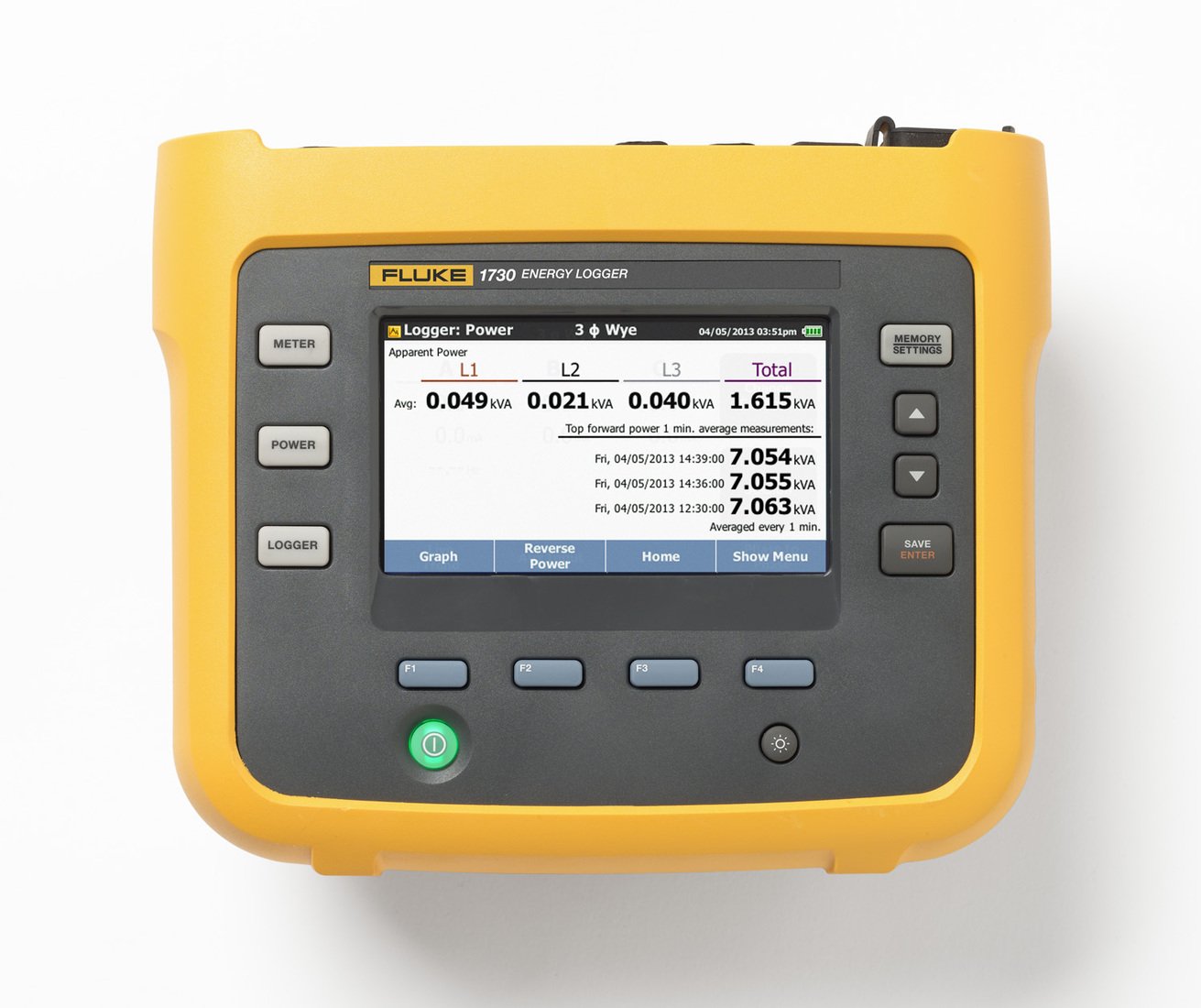
Fluke Portable Energy Logger, US Version: Precision Measurement Products: Amazon.com: Industrial & Scientific
View on Amazon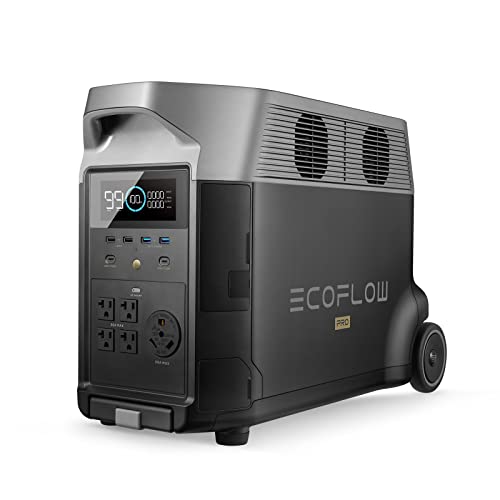
EF ECOFLOW Portable Power Station 3600Wh DELTA Pro, 120V AC Outlets x 5, 3600W, 2.7H Fast Charge, Lifepo4 Power Station, Solar Generator for Home Use, Power Outage, Camping, RV, Emergencies : Patio, Lawn & Garden
View on AmazonFor detailed material strategies, see our practical guides on Sustainable Materials for Construction: Practical Guide to Low‑Carbon, Durable, and Cost‑Effective Building Materials and the Eco-Friendly Building Materials Guide: Choosing Low-Impact, Healthy Materials for Construction.
2) Decide local vs. international offsets
- Local nature credits (habitat/wetland) may be mandated by permit within a defined service area.
- Carbon credits can be local or international. Local projects can improve stakeholder acceptance and ease site visits; international projects may offer larger climate or biodiversity gains per dollar if high quality. Some planning authorities prefer proximity; check requirements.
3) Pair offsets with on-site mitigation
- Combine operational decarbonization (e.g., onsite PV, heat pumps) with residual carbon credits.
- Combine on-site ecological enhancements (green roofs, native landscaping, riparian buffers) with offsite habitat credits to exceed minimum requirements and improve urban biodiversity. See examples in Buildings That Incorporate Sustainability: Key Features, Technologies, and Impact.
4) Assess quality: additionality, permanence, leakage
- Additionality: Would emissions reductions or habitat gains happen without credit revenue? Scrutinize financial and regulatory tests.
- Permanence: For carbon, assess reversal risk and buffer mechanisms (fire, disease). For biodiversity, look for conservation easements and endowments ensuring management for 30–100 years or in perpetuity.
- Leakage: For forest/nature projects, test whether protection displaces pressure elsewhere.
- Quantification and verification: Robust baselines, conservative methods, third-party verification, and transparent registries.
- Social safeguards and co-benefits: CCB co-certification, FPIC (Free, Prior, and Informed Consent), alignment with SDGs.
Consider “insetting” where possible—investing in decarbonization or restoration within your value chain (e.g., supplier concrete plant upgrades)—and treat credits as complements, not substitutes.
Procurement, costs, verification, and reporting
How to buy: carbon credits
- Sourcing channels: Buy directly from project developers, through reputable brokers/exchanges, or via funds. Request project design documents (PDDs), monitoring reports, verification statements, and registry IDs.
- Spot vs. forward: Spot delivers existing vintages; forward or ERPAs (Emission Reduction Purchase Agreements) secure future deliveries—useful for engineered removals and large nature projects.
- Portfolio approach: Blend durable removals (e.g., mineralization, DAC, biochar) with high-integrity nature-based credits to balance permanence, cost, and near-term climate benefit.
- Pricing: Voluntary carbon prices vary widely by type, vintage, and certification. Recent market trackers (Ecosystem Marketplace; CDR.fyi) report single-digit to low-teen $/tCO2e for many avoidance/reduction credits and $100–$600+/t for engineered removals.
For a step-by-step on evaluating project quality and market mechanics, see our guide to Carbon Offset Programs Available: How to Assess, Buy, and Use Credible Offsets.
How to buy: biodiversity, wetland, and water-quality credits
- Mitigation banks: Purchase credits within the service area from an approved bank. Banks provide ledgers and service-area maps; credits are released against performance milestones.
- In-lieu fee programs: Pay a fee to a public or nonprofit sponsor who completes restoration later. These often carry higher temporal risk and oversight but can fill supply gaps.
- Permittee-responsible mitigation: You implement and maintain the mitigation site. This transfers performance risk to you and requires significant ecological and legal capacity.
- Pricing and availability: Credit prices vary by market scarcity, ecological type, and performance stage. Public reports from U.S. Army Corps districts and state DOTs indicate prices ranging from tens of thousands to several hundred thousand dollars per credit in constrained watersheds; early-release credits typically cost more due to delivery risk.
Ensure legal instruments (conservation easements, long-term management plans, endowments) and performance standards are explicit in the purchase documents or permit conditions.
Verification, monitoring, and stewardship
- Carbon: Favor credits validated and verified under recognized standards (VCS, Gold Standard, ACR, CAR) and, where available, labeled under ICVCM’s Core Carbon Principles. Check for robust monitoring plans, conservative baselines, and public documentation. For nature-based credits, examine fire/drought risk modeling and buffer pool rules.
- Biodiversity/wetlands: Review the Mitigation Banking Instrument (MBI), credit ledgers, ecological monitoring protocols (vegetation, hydrology, species), success criteria, and long-term protection (easements, endowments). Require periodic monitoring reports and contingency actions.
Contractual approaches
- Carbon ERPAs: Define delivery schedule, price, make-good provisions for under-delivery, vintage flexibility, and remedies for invalidation. Consider insurance for reversal risk or invalidation coverage where available.
- Biodiversity/wetlands: Purchase agreements should specify credit type/class, service area, timing of release, performance milestones, transfer documentation, and recourse if credits aren’t delivered.
- Data and audit rights: Reserve rights to project documentation to support investor and certification audits.
Reporting and communicating offsets
- Accounting frameworks: Use the GHG Protocol for organizational inventories (Scopes 1–3) and ISO 14064-1/-2/-3 for quantification and verification. PAS 2060 supports product/organization carbon neutrality claims. PAS 2080 provides a carbon management framework for infrastructure.
- Corporate targets: Science Based Targets initiative (SBTi) requires near-term decarbonization within the value chain; credits may be used as Beyond Value Chain Mitigation. At net-zero, neutralization must rely on durable removals.
- Building certifications: LEED v4.1’s Green Power and Carbon Offsets credit recognizes qualified offsets (e.g., Green-e Climate or equivalent) for operational emissions. Whole-building LCA credits incentivize embodied-carbon reductions; offsets do not substitute for WBLCA. BREEAM emphasizes reduction through LCA and energy performance; offset use should be transparently reported but does not replace core credits.
- Financial disclosure: Align narrative and metrics with CDP, ISSB/IFRS S2, and, in the EU, CSRD guidance on carbon credits and environmental claims.
- Claims discipline: Specify scopes, boundaries (A1–A5 vs. B6, etc.), vintage, standards, and retirement IDs. Avoid blanket “carbon neutral building” claims unless all in-scope residuals are credibly neutralized and maintained over time.
Criteria for selecting high-quality offset projects
- Additionality is clear and evidenced (regulatory, financial, barrier, or performance tests).
- Permanence and durability are appropriate to claim: 100+ year storage for neutralizing long-lived emissions; strong buffer pools and monitoring for nature-based projects.
- Robust quantification with conservative baselines; independent verification; serialized credits on public registries.
- Minimal leakage risk; credible leakage accounting where applicable.
- Social and biodiversity safeguards; FPIC where Indigenous or local communities are involved; alignment with SDGs and, if relevant, CCB co-certification.
- For carbon: preference for ICVCM-CCP-aligned crediting programs/projects as labels roll out; for international use under Paris Article 6, understand whether “corresponding adjustments” are applied and how that affects claims.
Practical implications for project teams
- Developers and owners: Build a mitigation hierarchy into project pro formas. Use forward contracts to secure price and supply for high-quality removals paired with near-term, lower-cost reductions.
- Designers and contractors: Treat EPD-backed material selection as a core performance lever; track A5 construction emissions to avoid overbuying credits.
- Ecologists and planners: Engage early with permitting agencies to confirm service areas, credit availability, and performance standards; align on monitoring and stewardship funding.
- Investors and insurers: Require transparent LCA boundaries, offset quality criteria, and disclosure of retirement IDs; align covenants with SBTi and ISSB expectations.
Where construction offsets for sustainability are heading
- Policy tightening: More cities and countries are setting embodied-carbon performance limits and biodiversity net gain requirements, driving clearer demand signals for high-quality credits.
- Quality convergence: ICVCM/VCMI guardrails are pushing the market toward fewer, better credits and clearer claims. Expect stricter additionality screens for renewable energy in middle- and high-income grids and higher emphasis on durable carbon removals.
- Granular accounting: Hourly energy-matching and marginal emissions factors are moving from pilots to practice, sharpening operational offsetting baselines.
- Nature positive portfolios: Projects increasingly blend climate and biodiversity outcomes—e.g., peatland/mangrove restoration that delivers deep carbon and habitat value—validated by co-certifications like CCB.
- Digital MRV: Satellite, sensor, and AI-enabled monitoring are improving measurement, reporting, and verification for both carbon and biodiversity, reducing uncertainty and, over time, cost of assurance.
When designed into the project from concept stage, construction offsets for sustainability can credibly neutralize residual impacts while directing capital to real climate and ecological gains. The rigor comes from your boundaries, baselines, and buying discipline—and the tangible reductions you deliver on site before you offset the rest.
Recommended Products
Build Beyond Zero: New Ideas for Carbon-Smart Architecture: King, Bruce, Magwood, Chris
In Build Beyond Zero, carbon pioneers Bruce King and Chris Magwood <strong>re-envision buildings as one of our most practical and affordable climate solutions instead of leading drivers of climate cha
EF ECOFLOW Portable Power Station 3600Wh DELTA Pro, 120V AC Outlets x 5, 3600W, 2.7H Fast Charge, Lifepo4 Power Station, Solar Generator for Home Use, Power Outage, Camping, RV, Emergencies : Patio, Lawn & Garden
<strong>Fully recharge the lifepo4 battery in 1.8 hrs with 240V outlets(3000W), 2.7 hrs with 1800W wall outlets or solar charged in 2.8 hours with 4*400W solar panels</strong> thanks to the industry-l
Fluke Portable Energy Logger, US Version: Precision Measurement Products: Amazon.com: Industrial & Scientific
<strong>Simplify the discovery of electrical energy waste with the Fluke 1730 Three-Phase Electrical Energy Logger</strong>. Easily uncover sources of energy consumption in your facility, from the ser
More in Sustainability Policy
- Sustainable Materials for Construction: Practical Guide to Low‑Carbon, Durable, and Cost‑Effective Building Materials
- Buildings That Incorporate Sustainability: Key Features, Technologies, and Impact
- Eco-Friendly Building Materials Guide: Choosing Low-Impact, Healthy Materials for Construction
- Green Building Materials: Guide to Sustainable Choices & Suppliers