
Ecological Benefits of Sustainability: How Sustainable Choices Restore Ecosystems and Build Resilience
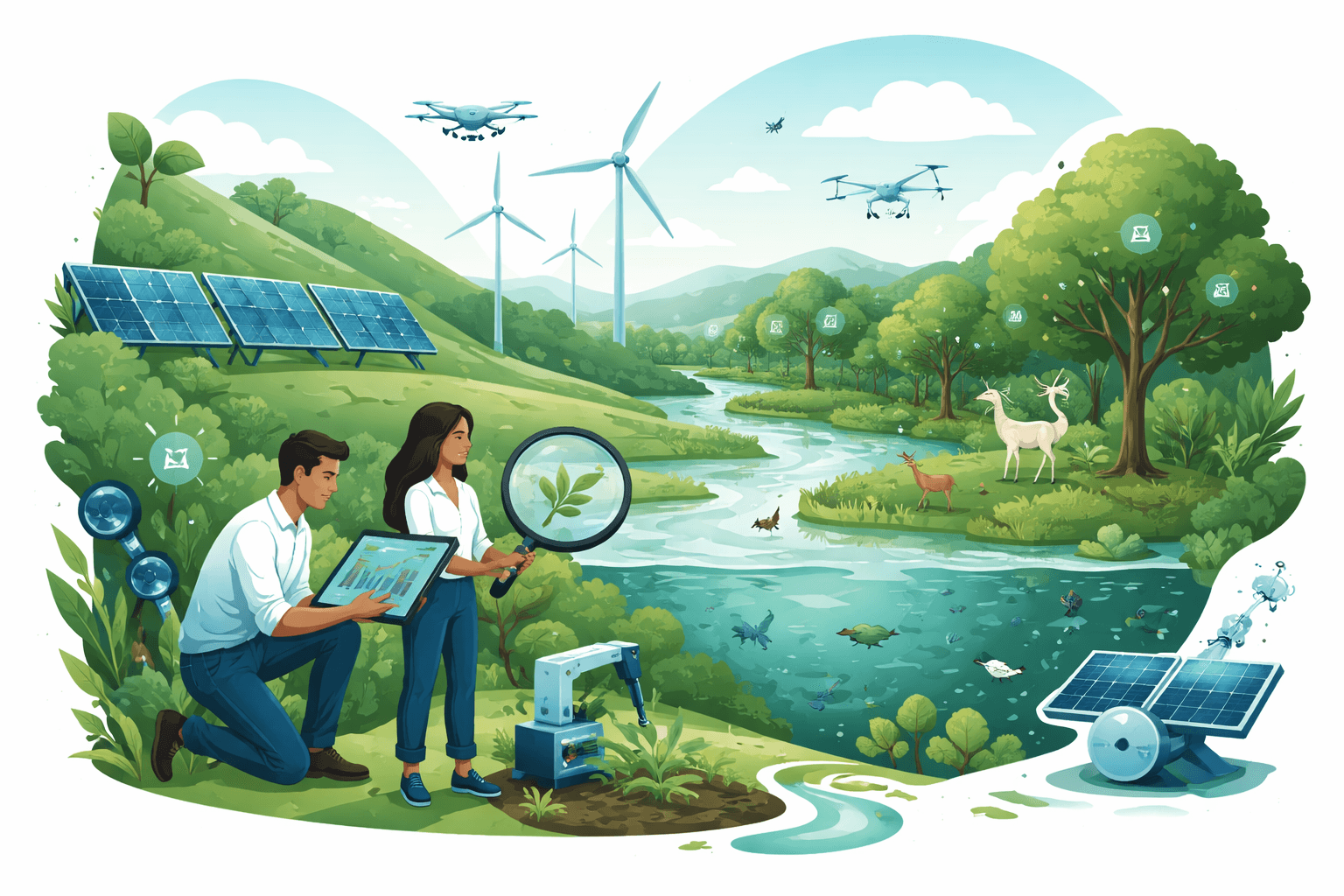
Sustainability is not just a moral stance or an emissions target—it is a measurable strategy for restoring nature. In 2023, the International Energy Agency (IEA) reported a record 507 GW of new renewable power capacity added globally, a nearly 50% year-over-year surge. At the same time, the Intergovernmental Science-Policy Platform on Biodiversity and Ecosystem Services (IPBES) warns that around 1 million species face extinction, many within decades, without transformative change. Understanding the ecological benefits of sustainability—how specific actions improve biodiversity, water and air quality, soil health, and climate resilience—makes the stakes and the solutions clear.
What “sustainability” means in ecological terms
Sustainability, ecologically, means meeting human needs while maintaining the structure and function of ecosystems—their biodiversity, nutrient cycles, and capacity to regenerate. It aims to keep ecosystems within their “safe operating space” so they continue delivering services like clean water, pollination, and flood control. Four pillars dominate practice, each delivering direct ecological outcomes.

Regeneration: Ending the Climate Crisis in One Generation: Hawken, Paul
<strong>A radically new understanding of and practical approach to climate change</strong> by noted environmentalist Paul Hawken, creator of the New York Times bestseller Drawdown Regeneration offers
Check Price on AmazonRenewable energy: Powering decarbonization while shrinking habitat impacts
- Outcome: Lower air pollution and greenhouse gas emissions; reduced acidification and eutrophication; strategic siting can minimize habitat fragmentation.
- Evidence: Replacing coal with wind or solar cuts SO₂ and NOₓ emissions that drive acid rain and ground-level ozone. In the U.S., sulfur dioxide emissions fell 92% between 1990 and 2022 under Clean Air Act programs (EPA), and sensitive lakes in the Northeast have shown chemical and biological recovery linked to reduced deposition.
- Practice: Prioritize rooftop and brownfield solar, repowering existing wind sites, and using wildlife-friendly turbine curtailment during peak migration to reduce direct mortality. Co-location on disturbed lands and agrivoltaics avoids converting high-value habitats.
Sustainable agriculture: Soil, water, and biodiversity gains from the ground up
- Outcome: Healthier soils, higher soil organic carbon, reduced nutrient runoff, and more diverse on-farm habitats.
- Evidence: Meta-analyses show cover crops and reduced tillage can increase soil organic carbon by 0.3–1.0 t C/ha/yr, improving structure and water retention (FAO, peer-reviewed syntheses). Riparian buffers can remove 40–100% of nitrate from shallow groundwater before it reaches streams (EPA and USGS case studies), reducing algal blooms and restoring aquatic life.
- Practice: Crop rotations, cover crops, integrated pest management, hedgerows, and wetland restorations support pollinators and natural enemies, reducing pesticide reliance and boosting biodiversity.
Conservation and restoration: Protect, connect, and rewild
- Outcome: Habitat protection and connectivity, species recovery, and restored ecosystem functions.
- Evidence: Protected areas and corridors increase population viability. Coastal wetland and mangrove restoration reduces storm surge and wave energy; syntheses report mangroves can reduce wave height by ~66% over 100 m of forest (The Nature Conservancy and academic reviews), protecting shorelines while nurturing fisheries.
- Practice: Target protection of intact ecosystems, restore degraded peatlands (which store ~30% of soil carbon on just ~3% of land; IUCN), and reconnect rivers with floodplains to revive fish nurseries and flood regulation.
Circular economy: Design out waste, design in ecological value
- Outcome: Less extraction and land disturbance; lower pollution; fewer landfill and incinerator impacts; reduced microplastic leakage.
- Evidence: Life-cycle assessments consistently show that material efficiency, reuse, and high-quality recycling reduce upstream habitat loss and downstream pollution. Extending product lifetimes and using recycled metals can cut mining pressure on biodiverse regions.
- Practice: Reuse, repair, high-value recycling, and producer responsibility policies. For an economic and policy lens on circular strategies, see Why the Circular Economy Pays Off: Economic, Environmental and Social Benefits (/sustainability-policy/benefits-of-circular-economy).
Ecological benefits of sustainability: lowering climate pressure and boosting resilience
Sustainability reduces the climate stressors driving ecological decline while bolstering ecosystems’ capacity to absorb shocks.
Lower greenhouse gas emissions
- Renewable electricity, efficiency, and electrification cut CO₂, methane, and nitrous oxide. The IEA estimates power-sector decarbonization is the single largest lever for near-term emissions cuts.
- Nature-based solutions add to the portfolio: protecting and restoring forests, peatlands, and wetlands could provide up to 11.3 Gt CO₂e/yr of cost-effective mitigation by 2030—about 37% of needed reductions (Griscom et al., PNAS 2017), while delivering biodiversity co-benefits.
Enhanced carbon sequestration by ecosystems
- Forests, soils, and blue carbon ecosystems (mangroves, seagrass, salt marshes) store vast stocks. Global soils hold roughly 2,500 Gt of carbon—about three times the amount in the atmosphere (FAO), making soil stewardship a climate and biodiversity strategy.
- Agricultural practices that build soil organic matter increase both carbon storage and drought resilience by improving water-holding capacity and aggregation.
Reduced thermal and physiological stress on species
- Cooler microclimates from tree cover and wetlands mitigate heat stress for wildlife. Urban greening and reflective materials reduce the urban heat island effect, aiding both people and biodiversity.
- Electrification reduces ozone precursors; lower ozone benefits plant growth and insect communities sensitive to oxidative stress.
Ecosystem resilience to extremes
- Restored floodplains reduce flood peaks; wetlands store and slowly release stormwater, buffering both communities and aquatic ecosystems. The U.S. EPA and multiple city case studies show green infrastructure can reduce stormwater runoff volumes 20–65%, improving water quality and habitat.
- Coastal wetlands avert tens of billions of dollars in annual flood damages while safeguarding nurseries for fish and crustaceans (global estimates for mangrove flood protection value ~US$65 billion/year; published by The Nature Conservancy and partners).
How sustainability improves ecosystem services—with measurable indicators
Ecosystem services are the benefits people receive from nature. Sustainability enhances four core categories with trackable metrics.
Clean air: less acidification and ozone damage
- Indicator: Sulfur and nitrogen deposition; foliar injury; lake alkalinity recovery.
- Data: U.S. sulfur dioxide emissions fell 92% since 1990, with parallel drops in acid deposition and documented biological recovery in once-acidified lakes (EPA, long-term monitoring). Wind and solar displace fossil generation, reducing SO₂ and NOₓ that harm lichens, mosses, and high-elevation forests.

PM 2.5 Air Quality Monitor Indoor Outdoor, Air Quality Sensor Detector, with 2.8 inch TFT Display, for PM1.0, PM10.0, PM2.5, AQI, Temperature and Humidity: Amazon.com: Industrial & Scientific
View on AmazonClean water: lower nutrient and contaminant loads
- Indicator: Nitrate and phosphorus concentrations; algal bloom frequency; macroinvertebrate diversity.
- Data: Riparian buffers and wetlands can remove 40–100% of nitrates via plant uptake and denitrification (EPA/USGS). Upgrades to wastewater treatment and stormwater green infrastructure reduce combined sewer overflows, improving aquatic habitat.

3354-01 - Lamotte 3354-01 Nitrate NITROGEN Tablet KIT, ...
View on AmazonSoil health: structure, organic matter, and biodiversity
- Indicator: Soil organic carbon (SOC), aggregate stability, infiltration, earthworm abundance, microbial diversity.
- Data: Conservation agriculture and organic amendments typically raise SOC by 0.3–1.0 t C/ha/yr, improve infiltration rates by 20–60%, and increase soil biota, enhancing nutrient cycling and drought resilience (FAO and peer-reviewed meta-analyses).
Pollination and biological control
- Indicator: Pollinator richness/abundance; crop fruit set; pest suppression indices.
- Data: IPBES estimates pollinators contribute US$235–577 billion in annual crop value. On-farm habitat (hedgerows, flower strips) increases wild pollinator visits and can improve fruit set, while reducing pesticide intensity maintains natural enemies that regulate pests (global syntheses, e.g., Garibaldi et al.).
Flood regulation and coastal protection
- Indicator: Peak discharge reduction; floodplain storage; wave attenuation; avoided damages.
- Data: Floodplain reconnection reduces downstream peaks; mangroves attenuate wave energy by ~66% over 100 m and can prevent billions in annual coastal flood damages (TNC/peer-reviewed studies).
By the numbers
- 507 GW: New renewable capacity added in 2023 (IEA), cutting power-sector pollutants that damage ecosystems.
- ~1 million: Species at risk of extinction without transformative action (IPBES 2019 assessment).
- 11.3 Gt CO₂e/yr: Cost-effective mitigation potential from nature-based solutions by 2030 (Griscom et al., PNAS).
- 92%: U.S. reduction in SO₂ emissions since 1990, enabling lake and forest recovery (EPA).
- 0.3–1.0 t C/ha/yr: Typical SOC gains from cover crops and reduced tillage (FAO and meta-analyses).
- US$235–577 billion/yr: Global crop value supported by pollinators (IPBES).
- ~66%: Average wave height reduction across 100 m of mangroves (synthesis studies, TNC).
Evidence-based examples and high-leverage actions
Land-use choices that avoid fragmentation and protect hotspots
- Rooftops, parking canopies, brownfields, and agrivoltaics for solar minimize conversion of intact habitats. Siting wind in already disturbed landscapes and applying seasonal curtailment during migration sharply reduces wildlife impacts while delivering decarbonization benefits.
- Restoring peatlands halts massive carbon losses and revives unique biodiversity. Drained peat emits CO₂ and nitrous oxide; rewetting flips the system back to a net sink over time (IUCN/UNEP).
- Urban tree canopies, green roofs, and bioswales restore habitat at city scale, reduce heat, and improve water quality. For practical strategies at property scale, see Designing Green Homes: Practical Strategies for Sustainable, Healthy, Cost‑Effective Living (/sustainability-policy/designing-green-homes-practical-strategies).
Policy incentives that scale ecological gains
- Payments for ecosystem services (PES): Costa Rica’s national PES program helped forest cover rebound from ~40% in the 1980s to over 50% today, while safeguarding watersheds (FAO/World Bank). When paired with strict deforestation controls, PES secures both carbon and biodiversity.
- Biodiversity net gain (BNG): New developments in some jurisdictions (e.g., England’s 10% BNG requirement) must deliver measurable habitat improvements, pushing mitigation hierarchy—avoid, minimize, restore, offset—into practice.
- Targeted agri-environment schemes: Paying farmers for riparian buffers, cover crops, and field margins measurably reduces nutrient loads and increases on-farm biodiversity.
- Renewable portfolio standards and clean electricity standards reduce air pollutants and greenhouse gases, accelerating ecosystem recovery by shifting the grid.
Market mechanisms that mobilize capital for nature
- High-integrity carbon markets can finance peatland rewetting, mangrove restoration, and avoided deforestation when aligned with rigorous baselines, permanence, and biodiversity safeguards.
- Corporate procurement: Zero-deforestation commitments, certified sustainable commodities, and supplier engagement shift land-use at scale. Independent certification and traceability are essential to ensure ecological outcomes.
Scaling proven solutions with co-benefits
- Nature-based coastal defenses: Mangrove and marsh restoration protect shorelines and fisheries while building blue carbon stocks. Hybrid systems (living shorelines plus strategic infrastructure) optimize resilience.
- Watershed restoration: China’s Loess Plateau rehabilitation restored vegetation cover from ~17% to over 34%, reduced sediment loads by tens of millions of tonnes annually, and improved rural incomes (World Bank). Sediment and vegetation metrics verified ecological recovery.
- Pollinator- and habitat-friendly energy: Native plantings under solar arrays restore prairie habitat and support pollinators and birds, while improving site hydrology. For property-scale biodiversity actions, see Wildlife-Friendly Gardening: Practical Tips to Attract Pollinators, Birds and Backyard Wildlife (/sustainability-policy/wildlife-friendly-gardening-tips) and How to Create Sustainable Gardens: Practical Strategies for Biodiverse, Low‑Impact Landscapes (/sustainability-policy/how-to-create-sustainable-gardens).
Practical implications: what governments, businesses, and households can do now
Governments
- Align land-use planning with biodiversity maps; prioritize development on disturbed lands.
- Tie agricultural subsidies to soil health, water quality, and habitat outcomes with monitored indicators.
- Invest in green infrastructure and coastal wetland restoration for cost-effective flood protection and water quality.
- Require biodiversity-sensitive siting for renewables and streamline permitting for rooftop and brownfield projects.
Businesses
- Set science-based nature and climate targets; map dependencies and impacts across supply chains.
- Procure deforestation-free commodities and recycled materials to reduce habitat loss and mining pressure.
- Electrify fleets and buildings to cut NOₓ and SO₂, improving local and regional ecosystems.
- Finance verified nature-based projects that deliver durable carbon and biodiversity outcomes.
Households and communities
- Prioritize energy efficiency and clean power; fewer fossil emissions mean less ozone and acid deposition harming local ecosystems. For project ideas with environmental returns, see Energy-Efficient Green Renovations: Practical Solutions to Cut Bills, Reduce Carbon, and Boost Home Value (/sustainability-policy/energy-efficient-green-renovations-practical-guide).
- Reduce nutrient runoff with rain gardens, native plantings, and minimized fertilizer use. Replace lawn with native habitat.
- Practice waste prevention and repair to reduce upstream extraction and downstream pollution. For daily actions that add up, see Everyday Sustainable Living: Practical Tips to Save Money, Reduce Waste, and Lower Your Carbon Footprint (/sustainability-policy/everyday-sustainable-living-tips-save-money-reduce-waste-lower-carbon-footprint).
Why the ecological benefits of sustainability are durable—and where we’re heading
The ecological benefits of sustainability compound because they reduce stressors and build regenerative capacity at the same time. Cutting air pollutants restores sensitive lakes and alpine forests; building soil carbon boosts water retention and biodiversity; reconnecting floodplains reduces peak flows and recharges groundwater; and protecting or restoring blue carbon ecosystems both stores carbon and buffers coasts. These gains are measurable with existing indicators—emissions inventories, SOC, nutrient loads, species richness—and can be tracked over time to verify progress.
Three frontiers will accelerate impact:
- Data and verification: Advances in remote sensing (high-resolution land cover, methane detection, mangrove extent) and eDNA monitoring make biodiversity and ecosystem services quantifiable, unlocking performance-based incentives.
- Integrated planning: Co-locating renewables with conservation—agrivoltaics, pollinator-friendly solar, wildlife-aware wind—delivers climate and biodiversity wins per hectare. Urban blue-green infrastructure plans align flood management with habitat creation.
- Policy coherence: Aligning climate, agriculture, water, and land-use policies avoids perverse incentives (e.g., bioenergy that displaces biodiverse habitats) and prioritizes protection of carbon- and species-rich ecosystems.
The science is unequivocal: the ecological benefits of sustainability are real, trackable, and scalable. By choosing strategies that cut pollution, restore habitats, and enhance natural resilience, societies can reverse ecological degradation while meeting human needs. With credible metrics and smart design, each new megawatt of clean power, each kilometer of riparian buffer, and each hectare of restored wetland becomes an asset on nature’s balance sheet—supporting biodiversity, stabilizing climate, and securing the ecosystem services that underpin economies and well-being.
Recommended Products
Regeneration: Ending the Climate Crisis in One Generation: Hawken, Paul
<strong>A radically new understanding of and practical approach to climate change</strong> by noted environmentalist Paul Hawken, creator of the New York Times bestseller Drawdown Regeneration offers
PM 2.5 Air Quality Monitor Indoor Outdoor, Air Quality Sensor Detector, with 2.8 inch TFT Display, for PM1.0, PM10.0, PM2.5, AQI, Temperature and Humidity: Amazon.com: Industrial & Scientific
<strong>PM 2.5 Air Quality Monitor Indoor Outdoor, Air Quality Sensor Detector, with 2.8 inch TFT Display, for PM1.0, PM10.0, PM2.5, AQI, Temperature and Humidity</strong>: Amazon.com: Industrial &
3354-01 - Lamotte 3354-01 Nitrate NITROGEN Tablet KIT, ...
Buy 3354-01 - Lamotte 3354-01 Nitrate NITROGEN Tablet KIT,: Water Test Kits - Amazon.com ✓ FREE DELIVERY possible on eligible purchases
More in Sustainability Policy
- How to Promote Sustainability: Practical Strategies for Individuals, Businesses & Communities
- Balancing the Scales: How Renewable Energy Impacts Conservation and How to Maximize Benefits
- The Real Benefits of Sustainable Living: Health, Savings, and Environmental Impact
- How to Promote Sustainability at Work: Practical Strategies, Metrics, and Engagement