
How to Promote Sustainability at Work: Practical Strategies, Metrics, and Engagement

The buildings where we work consume a lot of energy and resources. According to the International Energy Agency (IEA), the buildings sector accounts for about 30% of global final energy use and 26% of energy-related CO2 emissions. Add commuting, business travel, equipment, food, and waste, and the workplace becomes one of the most powerful—and practical—places to cut emissions and costs. This guide outlines concrete ways to promote sustainability at work with cost-tiered actions, organizational policies, measurement frameworks, and engagement tactics your team can implement now.
By the numbers: why workplace sustainability matters
- Buildings: 30% of global final energy use and 26% of energy-related CO2 (IEA)
- Lighting: LEDs use up to 75% less electricity than incandescent and 30–50% less than fluorescents (U.S. Department of Energy)
- Lighting controls: Occupancy sensors typically cut lighting energy 20–30% (Lawrence Berkeley National Laboratory meta-analysis)
- Water: WaterSense-labeled restroom fixtures reduce flow 20–30% (U.S. EPA WaterSense)
- Office waste: Recycling contamination averages ~17% in U.S. municipal programs, raising costs and lowering recovery (The Recycling Partnership)
- Plug and process loads: Office plug loads can approach 25–40% of electricity use in efficient buildings if unmanaged (NREL)
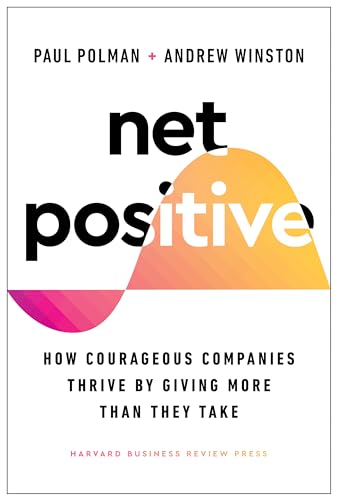
Net Positive: How Courageous Companies Thrive by Giving More Than They Take
Amazon.com: Net Positive: <strong>How Courageous Companies Thrive by Giving More Than They Take</strong>: 9781647821302: Polman, Paul, Winston, Andrew: Books
Check Price on AmazonWays to promote sustainability at work: quick wins by cost tier
Small changes add up fast when applied across an office or remote workforce. Use a cost-tiered approach so teams can start immediately while planning bigger moves.
No-cost actions (do these this week)
- Set HVAC setpoints smartly: Align with ASHRAE comfort ranges and avoid excessive heating/cooling. The IEA estimates that reducing heating setpoints by 1°C can cut heating energy around 7%.
- Enforce PC power management: IT can push sleep settings and auto-shutdown for idle devices. ENERGY STAR notes certified models use roughly 25–40% less energy than standard equipment when settings are optimized.
- Default to duplex and black‑and‑white printing: Cuts paper and toner use 30–50% without affecting readability for most documents.
- Centralize waste stations: Replace desk-side bins with labeled central stations (recycling, organics, landfill). This improves sorting, reduces contamination, and lowers janitorial time per desk.
- Smarter meetings and files: Use links instead of large attachments, purge redundant cloud folders quarterly, and turn off video when it’s not needed in large calls to reduce data loads and device power draw.
- Commute alternatives and schedules: Promote transit, carpool matching, secure bike parking, and flexible hours to avoid peak trips. Even one remote day a week reduces an employee’s commuting emissions roughly 20% on average.
- Food choices: Make plant-forward the default for meetings (with opt-in for meat). Peer‑reviewed research from Oxford University shows plant‑rich meals can carry 30–70% lower lifecycle emissions than meat-heavy options.
Low-cost actions ($)
- Advanced power strips and device policies: Smart strips and auto‑off settings for monitors, printers, and AV equipment can trim plug-load energy 10–30% (NREL field studies).
- Task lighting and daylighting: Provide LED task lamps so overhead lighting levels can be reduced where code allows. Open blinds for daylight; adjust shades to minimize glare instead of boosting lights.
- Water savings: Install WaterSense faucet aerators and fix leaks quickly; restroom retrofits typically pay back in months via lower water/sewer charges.
- Waste signage and training: Clear, photo‑based signage at bins and periodic 10‑minute refreshers can reduce contamination well below the ~17% U.S. average.
- Commuter benefits: Offer pre‑tax transit programs (where applicable), modest stipends for transit passes or e‑bike maintenance, and parking cash‑out to reward car‑free choices.

TrickleStar TS1006 12-Outlet Tier 1 Advanced PowerStrip, 4320 Joules, Coax + RJ11 Secondary Protection, 4 ft Cord : Electronics
View on AmazonMedium-cost actions ($$)
- LED retrofits and controls: Replace remaining fluorescent tubes and CFLs with LEDs; add occupancy/vacancy sensors and daylight dimming. Typical payback: 1–3 years, often faster with utility incentives.
- Submetering and smart plugs: Add meters for tenant spaces, server closets, and kitchens to see where energy flows and verify savings from changes.
- Shared equipment and repair: Pool low-use devices (e.g., one high‑efficiency MFP per department), add service agreements to extend life, and set default remanufactured toner use.
- Foodware shift: Move to durable dishware and dishwashers for daily service; for events, default to reusables from centralized kits.
Higher-investment actions ($$$)
- HVAC recommissioning and upgrades: Tune existing systems (schedules, economizers, setpoints). Commissioning often finds 10–20% savings with short paybacks; deeper retrofits (heat pumps, energy recovery ventilation) cut loads further.
- Building automation and analytics: Integrate smart thermostats/sensors and use software to find drift and faults.
- Onsite renewables or green tariffs: Evaluate rooftop solar or subscribe to verified renewable energy programs if feasible.
For more step-by-step guidance on prioritizing and scaling improvements, see our guide on How to Implement Sustainable Practices: A Practical Guide to Assessment, Action and Scaling (/sustainability-policy/how-to-implement-sustainable-practices-assessment-action-scaling).
Organizational levers: procurement, office operations, and policy that stick
Individual actions are essential, but policies and purchasing decisions institutionalize sustainability and unlock bigger savings.
Smarter procurement and supply chain standards
- Adopt sustainable IT purchasing: Specify ENERGY STAR, EPEAT, or TCO Certified equipment; require automatic power management and end-of-life takeback. ENERGY STAR computers/monitors typically save 25–40% energy.
- Circular contracts: Prefer remanufactured toner, refurbished devices where fit-for-purpose, and repair-friendly designs; require spare parts availability and right-to-repair clauses.
- Low‑carbon materials and services: For office fit‑outs, request Environmental Product Declarations (EPDs) and prioritize recycled content, low‑VOC paints, and low‑embodied‑carbon flooring and furniture.
- Supplier code of conduct: Embed climate, labor, and waste criteria; request supplier emissions disclosures (CDP or equivalent) for major spend categories. This supports Scope 3 visibility.
To explore how leading companies are eliminating waste through design and purchasing, see Circular Economy Leaders: How Companies Are Eliminating Waste (/green-business/circular-economy-leaders-companies-eliminating-waste).
Green office design and operations
- Lighting and controls: Complete LED conversion, add sensors and scheduling. Pair with lower overnight cleaning lighting levels.
- Commissioning and schedules: Recommission HVAC annually; match operating hours to occupancy, not historical defaults.
- Space planning: Use occupancy data to right‑size leased area; shared desks can cut energy use per employee and reduce materials.
- Indoor environmental quality: Monitor CO2 and particulate matter to optimize ventilation for health while avoiding over‑ventilation energy waste (target ranges per local standards).
- Water efficiency: Low‑flow fixtures, leak detection, and irrigation controls.

uHoo 9-in-1 Smart Air Quality Monitor Indoor, Smart Temperature Sensor, Smart Humidity Sensor, CO2 Monitor, and Mold Detector for Home with Free Mobile App : Industrial & Scientific
View on AmazonPolicy changes that institutionalize sustainability
- Travel policy: Virtual-first by default; rail preferred over short‑haul flights where practical; economy class as default; consolidate trips; encourage verified sustainable aviation fuel (SAF) credits for unavoidable air travel.
- Catering policy: Plant-forward defaults, reusables preferred, and food waste diversion to compost or donation.
- Equipment lifecycle: Standardize on durable models, extend device replacement cycles where performance allows, and ensure certified data destruction and responsible e‑waste recycling.
- Cleaning and facilities: Require third‑party eco‑labels for chemicals and janitorial supplies; minimize single-use plastics in restrooms and pantries.
For waste sorting standards, signage, and safety considerations, see How to Recycle Effectively: Practical Guidance to Reduce Waste and Avoid Contamination (/sustainability-policy/how-to-recycle-effectively-practical-guidance) and Safer Recycling Methods: Practical Steps to Protect People, Property, and the Planet (/sustainability-policy/safer-recycling-methods-practical-steps-protect-people-property-planet).
Measurement and the business case: audits, KPIs, Scope 1–3, and ROI
Leaders fund what gets measured. Build a light-touch measurement system that highlights both emissions and dollars saved.
Run a simple audit
- Walk-through: Identify lights on in daylit spaces, equipment running after hours, airflow issues, and leaky fixtures. The U.S. Department of Energy notes low‑/no‑cost measures from basic audits often capture 10–15% savings.
- Data scan: Pull 12–24 months of utility bills to baseline energy and water. Look for load creep, weekend use, and abnormal seasonal patterns.
- Submeter hotspots: If feasible, add temporary meters to kitchens, server rooms, or tenant panels to pinpoint plug loads.
- Waste assessment: One-day sort or vendor report to understand contamination and diversion rates.
Set targets and KPIs that matter
Pick a handful of metrics that match your operations and reporting needs.
- Energy
- kWh per employee and per square meter
- Peak kW demand and after‑hours load (percent of daily use outside occupancy)
- Percentage of LED fixtures and controlled spaces
- Emissions (GHG Protocol-aligned)
- Scope 1: Onsite fuel (e.g., natural gas) and company vehicles
- Scope 2: Purchased electricity and district energy (location-based and market-based)
- Scope 3 (selected): Business travel (air/rail/car), employee commuting, purchased goods and services, waste, capital goods
- Waste
- Diversion rate: (Recycling + compost) / total generated
- Contamination rate: Non‑recyclables found in recycling stream
- Paper intensity: Sheets per employee per month
- Water
- Liters per employee per day; leaks fixed within X days
- Engagement
- Participation in green team, completion of micro‑trainings, commuting modal split
Set absolute and intensity targets (e.g., -30% Scope 2 emissions by 2028 vs. 2022; -20% kWh/m²). Align interim milestones with budget cycles.
Quantify cost savings and ROI
Translate savings into finance-friendly terms.
- Simple payback: Project cost / annual savings (years)
- Example: LED retrofit costs $50,000; annual electricity savings 180,000 kWh at $0.15/kWh = $27,000; payback ≈ 1.85 years; IRR typically attractive.
- Plug-load controls: $10,000 on smart strips/policies; 12% reduction on 150,000 kWh plug load = 18,000 kWh saved; $2,700/year; payback depends on incentive stacking and labor savings.
- Water: $3,000 in aerators and repairs; 25% cut on 1.5 million liters/year; local water/sewer avoided costs often recover investment in <12 months.
- Travel substitution: Replacing one transcontinental flight with a virtual meeting avoids substantial CO2 and often thousands of dollars in fares and time.
Build credibility with recognized frameworks
Use the Greenhouse Gas Protocol for inventories; ENERGY STAR Portfolio Manager for building benchmarking; CDP or similar for supplier engagement. Document assumptions, emission factors, and boundaries so year-over-year trends are apples-to-apples.
For help making the financial and strategic case to executives, see Why Every Business Needs a Sustainability Strategy — Not Just the Big Ones (/green-business/why-every-business-needs-sustainability-strategy).
Culture and engagement: green teams, nudges, incentives, and communications
Behavioral science shows defaults, feedback, and peer norms shape daily choices. Build culture to lock in savings and resilience.
Launch or upgrade a green team
- Structure: Cross‑functional (facilities, IT, HR, procurement, finance, comms, and employee reps), with executive sponsor
- Charter: 2–3 annual goals tied to KPIs (e.g., -15% after-hours load; -25% waste contamination)
- Cadence and capacity: Monthly meetings; 2–4 hours/month of sanctioned time per member
- Budget and autonomy: Small discretionary budget for pilots and signage; clear process for proposing capital projects
Starter charter snippet
- Mission: Reduce the environmental impact of our workplaces while improving employee well‑being and lowering costs.
- Scope: Energy, water, waste, travel, procurement, food, and engagement.
- KPIs: kWh/m², Scope 2 emissions, diversion rate, training completion.
Use behavior-change nudges
- Defaults that work: Duplex printing, plant-forward catering, economy flights, transit reimbursement as the default option
- Social proof: Post monthly “kilowatt-hours saved” and “contamination down to X%” dashboards on intranet and in break rooms
- Feedback loops: Real-time displays or emails highlighting after-hours energy use by floor or department
- Commitment devices: Team pledges for “Lights-Off Fridays” or “No-Flight Months” for internal meetings
Incentives that reinforce action
- Recognition: Quarterly spotlight for teams that hit energy or waste targets
- Commuting incentives: Tiered transit or bike stipends; parking cash-out
- Learning rewards: Micro‑credentials for sustainability training tied to performance reviews
Internal communications that make it stick
- Onboarding: 15-minute sustainability primer for every new hire
- Micro-learning: Short modules on waste sorting, PC power settings, and travel choices
- Storytelling: Share quick wins with data (“Lighting retrofit cut plug loads 12% on Floor 7; $3,200 saved in Q2”)
Replicable example scenarios
- Professional services office (200 employees, leased space)
- Actions: LED + sensors on two floors; PC power management; centralized waste; plant-forward catering; one remote day/week policy
- Results (typical ranges): 15–25% electricity use reduction; waste contamination from ~20% to <10%; 10–20% cut in commuting emissions per employee adopting hybrid schedules
- Paybacks: LEDs and controls in 1–2 years; waste changes near‑zero cost
- Manufacturing HQ (1,000 employees, owned building)
- Actions: HVAC recommissioning; submetering for server rooms and kitchens; supplier code of conduct; travel policy (rail-first <500 km)
- Results: 10–20% HVAC savings; visibility into plug loads drives additional 8–15% reductions; reduced short‑haul flights
- Co‑working hub (multi‑tenant)
- Actions: Building-wide composting; durable dishware; EPEAT-only IT procurement; central dashboards for tenants
- Results: Diversion rates >60%; lower consumables spend; tenant engagement via transparent metrics
Templates and tools to get started
- 60‑minute audit checklist
- Lights off in daylit areas; sensors functioning
- Overnight loads: printers, monitors, AV, kitchen equipment
- Thermostats/schedules vs. occupancy hours
- Restroom leaks and fixture flow rates
- Waste station signage and contamination spots
- KPI menu (pick 6–10)
- Energy: kWh/m²; after-hours %; LED coverage %
- Emissions: Scope 1, 2, and key Scope 3 categories (travel, commuting)
- Waste: Diversion %; contamination %; sheets/employee/month
- Water: L/employee/day; leaks fixed in ≤7 days
- Engagement: Training completion %; participation in programs
- Green procurement checklist
- ENERGY STAR/EPEAT/TCO Certified where applicable
- Repairability and spare parts availability
- Takeback and certified recycling included
- Recycled content and low-VOC materials for fit‑outs
- Green team one‑pager
- Purpose, members, KPIs, meeting cadence, budget, approval path for pilots
For broader community‑building and scaling tactics beyond the office, see Community Initiatives for Sustainability: What Works, How to Start, and How to Scale (/sustainability-policy/community-initiatives-for-sustainability-guide).
What this means for employees, managers, and policymakers
- Employees: Your everyday choices—lights, printing, commuting, food—compound. Propose no‑cost and low‑cost ideas; join the green team; share data-backed wins.
- Managers: Bake sustainability into team routines and budgets. Use the cost‑tiered playbook to capture quick wins and fund deeper retrofits.
- Executives: Treat buildings, travel, and procurement as strategic levers. Set clear KPIs, align incentives, and report progress using recognized frameworks to reduce risk and cost.
- Policymakers and landlords: Enable submetering, green leases, performance standards, and incentives that reward verified savings.
With credible data, simple KPIs, and a culture that favors smart defaults, organizations can cut 20–30% of office energy use, shrink Scope 1–3 impacts, and improve employee experience—often within existing budgets. That’s what it looks like to promote sustainability at work: practical, measurable, and repeatable.
Recommended Products
Net Positive: How Courageous Companies Thrive by Giving More Than They Take
Amazon.com: Net Positive: <strong>How Courageous Companies Thrive by Giving More Than They Take</strong>: 9781647821302: Polman, Paul, Winston, Andrew: Books
TrickleStar TS1006 12-Outlet Tier 1 Advanced PowerStrip, 4320 Joules, Coax + RJ11 Secondary Protection, 4 ft Cord : Electronics
The master control outlet has <strong>detection circuitry with adjustable switching thresholds to sense when a TV/PC is on/off and then automatically switches On/Off seven other outlets, 2 outlet tran
uHoo 9-in-1 Smart Air Quality Monitor Indoor, Smart Temperature Sensor, Smart Humidity Sensor, CO2 Monitor, and Mold Detector for Home with Free Mobile App : Industrial & Scientific
Breathe pure air: Experience clean ... home mold test, and more, uHoo <strong>provides a fully comprehensive analysis of indoor air quality meters including temperature, dust, toxins, and NO2.</strong
More in Sustainability Policy
- Practical Ways to Live Sustainably: Everyday Actions, Priorities, and Measurable Impact
- How to Implement Sustainable Practices: A Practical Guide to Assessment, Action and Scaling
- How to Create a Green Building: Practical Strategies for Sustainable Design, Construction, and Operation
- Buildings That Incorporate Sustainability: Key Features, Technologies, and Impact