
Balancing the Scales: How Renewable Energy Impacts Conservation and How to Maximize Benefits

Global renewable power capacity surged roughly 50% in 2023, adding about 510 GW—three‑quarters of it solar—according to the International Energy Agency (IEA 2024). As deployment accelerates, the impact of renewable energy on conservation has become a central question: can we cut greenhouse gases fast enough to protect climate‑sensitive species while also minimizing direct habitat and wildlife impacts from new power plants, mining, and transmission?
This analysis weighs net conservation outcomes across technologies, quantifies biodiversity risks and recovery potential, and details siting, design, and policy strategies that align rapid renewable build‑out with long‑term conservation goals. For a primer on the technologies themselves, see our overview: Renewable Energy Sources: A Clear Guide to Solar, Wind & More.
Why the impact of renewable energy on conservation matters now
- Climate is a rising driver of biodiversity loss. The IPCC finds that life‑cycle greenhouse gas (GHG) intensities for wind and solar (≈10–50 gCO2e/kWh) are an order of magnitude lower than coal (≈820 gCO2e/kWh) and gas (≈490 gCO2e/kWh). Limiting warming from >2°C to 1.5–2°C materially reduces extinction risks (IPCC AR6).
- But deployment has local ecological footprints—habitat conversion, wildlife collision and displacement, water use, and materials extraction. These are manageable with good planning, yet significant where poorly sited.
- The conservation calculus is therefore a balance: global climate mitigation benefits versus local ecological costs, both of which can be quantified and managed.
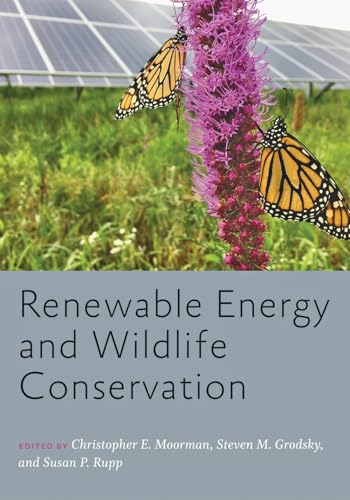
Renewable Energy and Wildlife Conservation (Wildlife Management and Conservation): Moorman, Christopher E., Grodsky, Steven M., Rupp, Susan
Renewable Energy and Wildlife Conservation (Wildlife Management and Conservation) [Moorman, Christopher E., Grodsky, Steven M., Rupp, Susan] on Amazon.com. *FREE* shipping on qualifying offers. Renewa
Check Price on AmazonNet conservation outcomes: climate mitigation versus direct ecological impacts
On a per‑kilowatt‑hour basis, the climate benefits of renewables are clear. Median life‑cycle GHG intensities reported by the IPCC AR6 are approximately:
- Onshore wind: ~11 gCO2e/kWh (median)
- Offshore wind: ~12 gCO2e/kWh
- Utility solar PV: ~48 gCO2e/kWh
- Hydropower: ~24 gCO2e/kWh (with large variability; tropical reservoirs can be substantially higher due to methane)
- Geothermal: ~27 gCO2e/kWh
Replacing fossil electricity with these resources reduces the climate stressor that is increasingly affecting species distributions, phenology, and ecosystem function. The IPCC estimates that the share of species at very high risk of extinction increases with warming; lowering emissions through renewables reduces this risk materially.
Direct ecological impacts vary by technology and site. For example, onshore wind can cause bird and bat collisions; utility‑scale solar can convert and fragment open habitats; hydropower alters river connectivity; bioenergy can compete with natural habitats for land. The magnitude of these impacts is highly sensitive to siting and mitigation choices. Crucially, many impacts are local and reversible or reducible over time (e.g., via repowering, decommissioning, habitat restoration, and adaptive operations), while avoided climate damages accrue globally and permanently.
Biodiversity effects by technology: what the data say
Onshore wind
- Mortality: Meta‑analyses in North America estimate average bird fatalities on the order of a few birds per turbine per year, with national totals in the low hundreds of thousands annually—orders of magnitude lower than building strikes (hundreds of millions) or predation by domestic cats (billions) (Loss et al.; USFWS/USGS syntheses). Bat fatalities at certain sites can be higher (hundreds of thousands to over a million annually in the U.S.), concentrated among migratory tree‑roosting species.
- Population‑level impacts: Most bird populations show minimal detectable effects at regional scales, but raptors (e.g., golden eagles) and some soaring birds can be locally affected near poorly sited projects or legacy facilities. Targeted curtailment, repowering with fewer, larger turbines, and micro‑siting away from high‑use flight corridors reduce risk substantially. For a deeper look at evidence and trade‑offs, see Wind Energy Facts vs. Myths: Evidence, Trade-offs, and What Really Matters.
- Recovery potential: Proven measures—raising turbine cut‑in speeds or “smart curtailment” based on bat activity—reduce bat mortality by 50–90% with energy losses often under a few percent in favorable wind regimes. Camera/AI‑aided systems (e.g., eagle detection with automated curtailment) have documented large reductions in raptor strikes at some sites. Experimental blade painting has cut collisions for certain species in Norway by ~70% in a small sample, warranting replication.

Echo Meter Touch Bat Detector: Listen to, record and identify bats using the Echo Meter Touch hardware module - App on Amazon Appstore
View on AmazonOffshore wind
- Seabirds and marine mammals: Risks include collision, displacement from foraging areas, and construction noise. Evidence to date from Europe suggests varied seabird responses by species; careful spatial planning to avoid key colonies and migration corridors is critical. Bubble curtains and vibro‑piling reduce underwater noise exposure by 50–90% during construction, while seasonal windows and vessel speed limits (>80% reduction in strike risk for large whales when speeds <10 knots) mitigate marine mammal risk.
- Benthic habitats: Foundations disturb the seabed locally but can also create artificial reef effects. Cumulative impacts depend on project clustering and cable corridors; strategic marine spatial planning is decisive.
Utility‑scale solar PV and CSP
- Habitat conversion and fragmentation drive most ecological risk—especially in deserts, grasslands, and shrublands with high endemism. Direct wildlife mortality at PV sites is generally low but includes collisions from “lake effect” misperception; CSP plants with high solar flux have documented bird fatalities from singeing.
- Population‑level impacts: When sited on previously disturbed lands, degraded agriculture, or built environments, population impacts are markedly lower. Vegetation management regimes matter: native, pollinator‑friendly plantings under and around arrays increase insect and bird abundance relative to mowed turf or gravel.
- Recovery potential: Decommissioning enables habitat restoration; panel removal reverses most physical disturbance, though soil compaction and altered hydrology may need active remediation. Agrivoltaics—co‑locating crops or pollinator habitat beneath arrays—can maintain or improve some ecosystem functions while producing power.

Outsidepride Perennial Northeast Native Grass Seed Mix - 1 lb. Cold & Drought-Tolerant Warm & Cool Season Prairie Grass Seeds for Xeriscaping, Erosion Control, Wildlife Support, & Pollinator Habitats : Patio, Lawn & Garden
View on AmazonFor environmental trade‑offs and performance considerations, see Disadvantages of Solar Energy: Costs, Limits, and Environmental Trade-offs.
Hydropower
- River connectivity and fish passage: Only ~37% of rivers longer than 1,000 km remain free‑flowing globally, with dams a major contributor (WWF). Migratory freshwater fish populations have declined steeply since 1970, with barriers a key driver alongside water withdrawal and pollution.
- Emissions variability: While median life‑cycle GHG intensity is low, tropical reservoirs can emit substantial methane, especially in the first decade after impoundment; run‑of‑river and high‑latitude dams tend to have lower footprints.
- Recovery potential: Modern fishways, nature‑like bypass channels, environmental flow releases, and “fish‑friendly” turbines improve outcomes but rarely restore pre‑dam conditions. Dam removal and re‑operation can yield rapid biodiversity gains; U.S. river restorations have produced multi‑fold increases in migratory fish within years.
Geothermal
- Small surface footprint and low life‑cycle GHGs. Risks include induced seismicity, local gas emissions (e.g., H2S) if not abated, and brine management. Closed‑loop and binary systems minimize issues; proper reinjection limits subsidence and contamination.
Bioenergy (including BECCS)
- Land competition is the core concern. Large‑scale dedicated energy crops can displace natural habitats and reduce biodiversity; residues and wastes have much lower impacts. Net climate benefits depend on feedstock, land‑use change, and time horizons. IPCC assessments flag high biodiversity risk with expansive bioenergy deployment without strong safeguards.
Lifecycle and land‑use trade‑offs—and co‑location to shrink the footprint
Materials and manufacturing
- Mineral intensity: Renewables are more mineral‑intensive per MW than fossil capacity but far less carbon‑intensive per kWh over their lifetimes. IEA’s critical minerals analysis reports typical copper intensities of ~2.5–5 t/MW for solar PV, ~3–6 t/MW for onshore wind, and higher for offshore wind (~8 t/MW). Permanent‑magnet wind turbines can use hundreds of kilograms of neodymium‑praseodymium per MW.
- Recycling and circularity: Wind turbines are 85–90% recyclable by mass (steel, copper, aluminum). Blade recycling is improving via cement co‑processing and new thermoplastic resins. For solar, IRENA projects cumulative PV module waste reaching millions of tons by 2030 and tens of millions by 2050, with recoverable value in glass, aluminum, and silver; robust take‑back and recycling standards shrink upstream extraction pressure.
Land‑use intensity and alternatives
- Direct land take: NREL surveys place utility‑scale PV direct land use at roughly 8–12 km² per TWh/year (site and capacity factor dependent). Onshore wind’s physical disturbance is low—often ~1–3 km² per TWh/year—though turbines are spaced across much larger landscapes that remain available for grazing, crops, and habitat when properly managed. Rooftop and parking‑lot PV, brownfields, and contaminated sites can meet substantial demand while avoiding greenfield conversion.
- Co‑location strategies:
- Agrivoltaics: Trials show equal or higher yields for shade‑tolerant crops and 15–30% lower irrigation needs in arid regions, while maintaining pollinator habitat (NREL and university field studies).
- Floating solar (FPV): Deploying FPV on reservoirs reduces evaporation by 30–60%, boosts PV efficiency via cooling, and spares land. Analytical work in the U.S. suggests technical potential in the multi‑GW range on existing water bodies.
- Wind + wildlife habitat: Optimized road layouts, reduced pad sizes, and native vegetation restoration minimize fragmentation; the large spacing area can be managed as high‑quality habitat.
Transmission and interconnection
- New lines can fragment habitats and pose collision risks to large birds. Markers and line‑diverter devices cut avian collisions by roughly 50–80% in meta‑analyses; route planning to avoid key biodiversity areas reduces residual risk. Undergrounding eliminates collision risk but is costlier and can have construction‑phase soil impacts; selective application near sensitive habitats is effective.
Siting, design, and mitigation that reliably reduce harm
- Strategic siting and spatial planning: Avoid high‑value habitats (e.g., intact grasslands, wetlands, old‑growth forests), migration bottlenecks, raptor concentration areas, and key biodiversity areas. Use sensitivity mapping and cumulative‑impact screening at regional scales.
- Turbine micro‑siting: Setbacks from ridgelines and wetlands, alignment with prevailing flight paths, and avoidance of bat roosting features lower collision risk.
- Operational curtailment and deterrents: Increase cut‑in speeds during high bat activity; apply dynamic curtailment informed by acoustic monitors and weather. Test ultrasonic bat deterrents and AI detection‑triggered shutdown to further reduce fatalities.
- Design tweaks: Blade painting or contrast patterns, taller hub heights with slower‑rotating rotors, and lighting regimes that minimize attraction without compromising aviation safety.
- Solar vegetation management: Use native seed mixes, prairie/pollinator plantings, and wildlife‑permeable fencing; elevate arrays to allow small wildlife passage and agricultural co‑use.
- Hydro measures: Environmental flows that mimic seasonal variability, fish passage tailored to target species, turbine designs that reduce strike and pressure changes, sediment management to sustain downstream habitats; prioritize dam re‑operation or removal where ecological benefit exceeds power value.
- Construction best practices: Seasonal timing windows, noise abatement (bubble curtains offshore), erosion and sediment control, and dark‑sky lighting to reduce attraction.
- Monitoring and adaptive management: Pre‑ and post‑construction surveys, carcass detection bias correction, telemetry on focal species, and transparent data sharing to iteratively improve siting and operations.
Policy, planning, and finance mechanisms that align deployment with conservation
- Environmental impact assessment (EIA) and strategic environmental assessment (SEA): Move from project‑by‑project EIAs to SEA that evaluates cumulative impacts and designs biodiversity‑sensitive development zones with early stakeholder input.
- No Net Loss/Net Gain frameworks: Apply rigorous metrics and like‑for‑like, local offsets when residual impacts remain. The UK’s Biodiversity Net Gain policy (10% mandatory net gain) is one model; IFC Performance Standard 6 guides lenders toward mitigation hierarchies and biodiversity management plans.
- Conservation offsetting and habitat banks: When used cautiously with strong additionality tests and long‑term funding, offsets can consolidate and restore larger, higher‑quality habitats than fragmented avoidance would allow. Poorly designed schemes risk greenwashing; robust independent oversight is essential. For evidence on what conservation programs actually achieve, see Beyond Intentions: A Data‑Driven Analysis of the Impact of Conservation Efforts.
- Community engagement and Indigenous rights: Free, prior, and informed consent (FPIC) and benefit‑sharing agreements reduce conflict and improve outcomes; local ecological knowledge meaningfully improves siting.
- Incentives and standards: Tie tax credits, feed‑in tariffs, or contracts‑for‑difference to biodiversity performance (e.g., pollinator‑friendly PV standards, wildlife‑safe turbine operations). Condition transmission funding on bird‑safe designs and route optimization.
- Finance and disclosure: Sustainability‑linked loans and green bonds can incorporate biodiversity KPIs; require transparent reporting of wildlife mortality, habitat restoration acreage, and offset performance.
- Case examples:
- Altamont Pass, California: Repowering—replacing many small, fast‑spinning turbines with fewer, larger units and improved siting—cut raptor mortality substantially while maintaining generation.
- U.S. river restorations: Dam removals on rivers such as the Penobscot have produced rapid rebounds of migratory fish, demonstrating the biodiversity value of targeted hydro portfolio optimization.
By the numbers: conservation trade‑offs and mitigation at a glance
- 50%: Year‑over‑year jump in global renewable capacity additions in 2023 (~510 GW; IEA 2024).
- 10–50 gCO2e/kWh: Typical life‑cycle GHG intensity for wind/solar versus ~490–820 gCO2e/kWh for gas/coal (IPCC AR6).
- ~8–12 km²/TWh/yr: Typical direct land use for utility‑scale PV; ~1–3 km²/TWh/yr for onshore wind’s physical footprint (NREL studies; site dependent). Most wind spacing area remains multi‑use.
- 0.2–0.5 million: Estimated annual bird fatalities from U.S. wind, versus hundreds of millions from building collisions and billions from domestic cats (meta‑analyses).
- 30–60%: Evaporation reduction measured at floating PV sites on reservoirs.
- 50–90%: Typical reduction in bat fatalities from operational curtailment; often with low energy loss.
- 37%: Share of >1,000‑km rivers still free‑flowing globally, underscoring the need to protect remaining connected systems.
Practical implications for planners, developers, and conservationists
- Aim for climate‑critical ambition and biodiversity‑sensitive deployment. The fastest path to protect biodiversity at scale is deep decarbonization; the surest way to preserve local ecosystems is to avoid high‑value habitats and apply proven mitigations where projects proceed.
- Prefer low‑conflict sites: rooftops, parking canopies, brownfields, disturbed agricultural lands, working landscapes for wind with high habitat value management, and existing reservoirs for FPV.
- Design for co‑benefits: agrivoltaics, pollinator‑friendly PV, wildlife‑permeable fencing, habitat restoration within wind leases, and multi‑use transmission corridors.
- Make mitigation measurable: set numeric thresholds (e.g., curtailment triggers, collision‑reduction targets), monitor with standardized protocols, and adjust operations adaptively.
- Budget for biodiversity: incorporate habitat restoration, long‑term monitoring, and offset endowments into pro formas; use performance‑based incentives and lender requirements to lock in practices.
- Engage early and often: collaborate with local communities and Indigenous nations at the outset to surface siting constraints and conservation opportunities.
Outlook: aligning gigawatts with biodiversity gains
The conservation ledger for renewables depends on choices we control. At the system level, replacing fossil power with wind, solar, geothermal, and carefully managed hydro sharply reduces climate risk to species and ecosystems. At the project level, the difference between net positive and net negative outcomes often hinges on siting and operations: avoid intact habitats, minimize fragmentation, deploy effective curtailment and deterrents, and restore or offset with rigor.
Looking ahead, three developments are especially promising:
- Data‑rich planning: High‑resolution habitat mapping, animal telemetry, and real‑time monitoring—paired with open data standards—will shrink uncertainty and enable faster, lower‑impact permitting.
- Technology innovations: Lower‑noise offshore installation, fish‑friendly turbines, recyclable blades and PV modules, AI‑assisted wildlife detection, and agrivoltaic designs tuned to local agro‑ecologies.
- Policy integration: Strategic environmental assessments, biodiversity performance‑linked incentives, and stronger offset governance can mainstream conservation into energy planning rather than treat it as an afterthought.
The world needs unprecedented volumes of clean electricity. Delivering it in ways that also strengthen ecosystems is not only possible—it’s already happening where evidence‑based siting, smart design, and accountable policy converge.
Recommended Products
Renewable Energy and Wildlife Conservation (Wildlife Management and Conservation): Moorman, Christopher E., Grodsky, Steven M., Rupp, Susan
Renewable Energy and Wildlife Conservation (Wildlife Management and Conservation) [Moorman, Christopher E., Grodsky, Steven M., Rupp, Susan] on Amazon.com. *FREE* shipping on qualifying offers. Renewa
Echo Meter Touch Bat Detector: Listen to, record and identify bats using the Echo Meter Touch hardware module - App on Amazon Appstore
There are two models: Echo Meter Touch 2 (EMT 2) is <strong>intended for nature enthusiasts and batting hobbyists</strong> and Echo Meter Touch 2 Pro is designed for bat professionals and features a h
Outsidepride Perennial Northeast Native Grass Seed Mix - 1 lb. Cold & Drought-Tolerant Warm & Cool Season Prairie Grass Seeds for Xeriscaping, Erosion Control, Wildlife Support, & Pollinator Habitats : Patio, Lawn & Garden
Amazon.com : Outsidepride Perennial Northeast Native Grass Seed Mix - 1 lb. Cold & Drought-Tolerant Warm & Cool Season Prairie Grass Seeds for Xeriscaping, Erosion Control, Wildlife Support, &
More in Conservation
- Renewable Energy Explained: Why Solar Leads the Transition
- Green Energy Explained: Types, Benefits, and How to Adopt It
- How to Promote Sustainability: Practical Strategies for Individuals, Businesses & Communities
- Renewable Energy Trends 2023: Deployment, Tech Breakthroughs, Policy Shifts and Market Risks