
Electric Vehicle Incentives by State: What’s Available, Who Qualifies, and How to Claim It
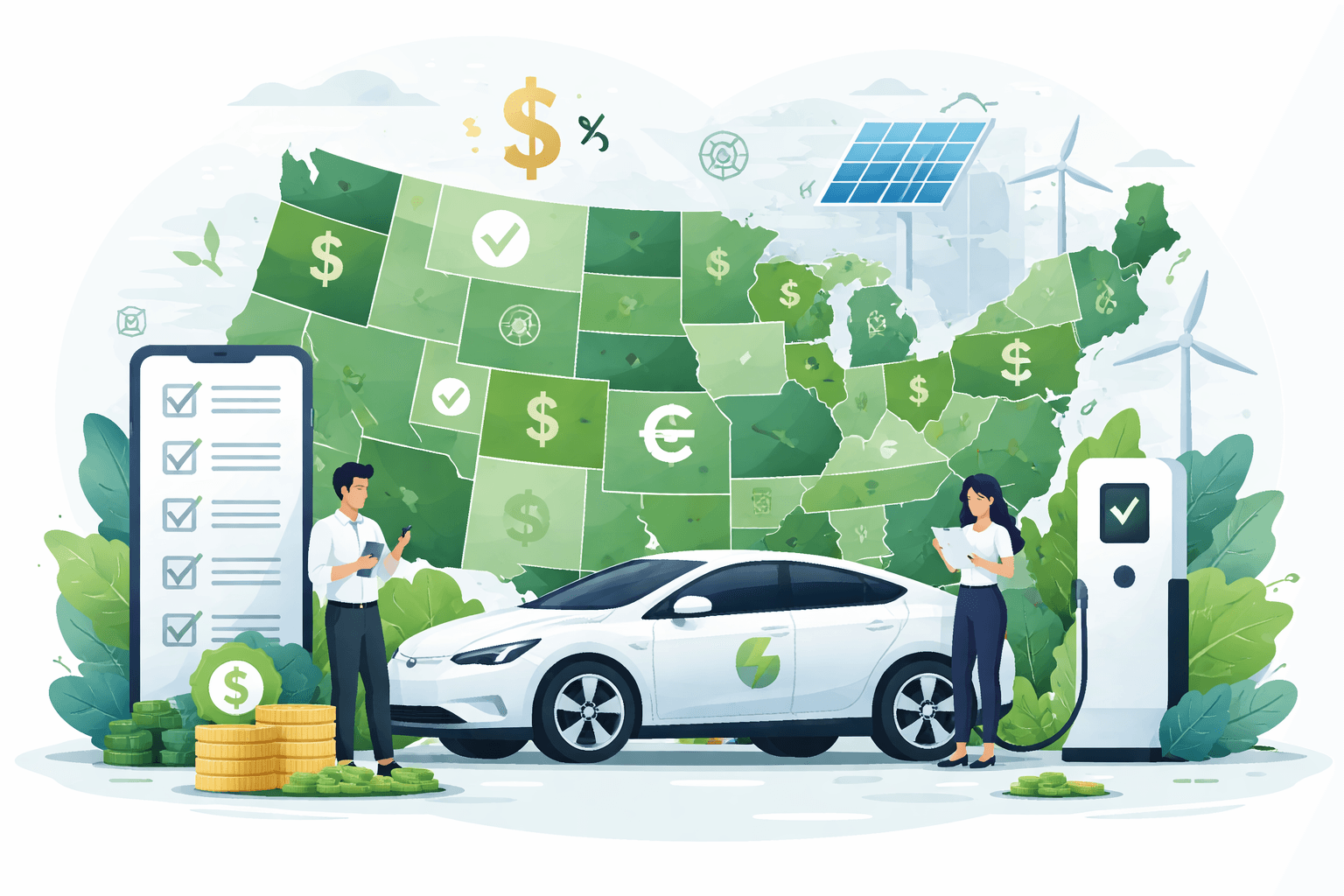
State and utility incentives can cut thousands off the cost of going electric. In 2024–2025, more than a dozen U.S. states plus D.C. offer direct purchase or tax incentives for EVs, and virtually every state has charger rebates or special electric rates, according to the U.S. Department of Energy’s Alternative Fuels Data Center (AFDC). This guide breaks down electric vehicle incentives by state, how they differ, how they stack with the federal tax credit, and exactly where to apply.
If you’re new to EVs and want a primer on models, costs, charging, and total cost of ownership before diving into incentives, see Electric Vehicles Explained: Types, Costs, Benefits & Impact (/green-business/electric-vehicles-explained-types-costs-benefits-impact).
What kinds of state EV incentives exist (and how they differ)
States use several policy tools to lower the up‑front or ongoing cost of EVs. Knowing the mechanics matters for eligibility and timing.
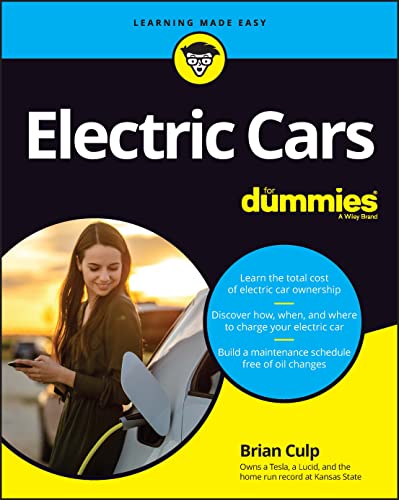
Electric Cars For Dummies: Culp, Brian
<strong>Written by an insider in the electric vehicle industry, dive in to learn more about the tech that powers electric cars, the various electric car options, and how to purchase and maintain the p
Check Price on Amazon- Purchase rebates: Cash back from the state. These can be point‑of‑sale (discount at the dealer) or post‑purchase (you apply and get a check). Examples: New Jersey Charge Up (point‑of‑sale), Massachusetts MOR‑EV (point‑of‑sale and post‑purchase).
- State income or excise tax credits/exemptions: Reduce state taxes owed or waive a vehicle excise tax. Examples: Colorado’s refundable tax credit; District of Columbia excise tax reductions for EVs.
- Sales‑tax relief: Full or partial state sales‑tax exemption for EVs. Examples: New Jersey’s sales‑tax exemption on zero‑emission vehicles; Washington State’s partial sales‑tax exemption within price caps.
- HOV/toll/registration perks: Access to HOV lanes, discounted tolls, or reduced registration fees. Example: California HOV decals for clean vehicles (HOV entry is a non‑cash perk but valuable for commuters).
- Used‑EV incentives and income‑based programs: Several states add rebates for used EVs and/or larger amounts for lower‑income households. Examples: Connecticut CHEAPR income‑qualified adders; Colorado and Pennsylvania support for used EVs.
- Charger and infrastructure incentives: Residential and commercial charger rebates, grants for workplaces and multi‑unit dwellings, and EV‑ready building codes. Nearly all states have utility rebates and time‑of‑use (TOU) rates for home EV charging.
By the numbers
- 30+ states offer at least one EV incentive category (vehicle purchase, charging, HOV, or tax relief), per DOE AFDC.
- High‑value state incentives today include: Colorado up to $5,000 state tax credit on new EVs (with an additional bonus for low‑MSRP models); New Jersey up to $4,000 point‑of‑sale rebate plus sales‑tax exemption; Massachusetts up to $3,500 via MOR‑EV with income‑qualified adders; New York up to $2,000 point‑of‑sale through Drive Clean; Oregon’s standard and income‑qualified rebates (subject to funding windows).
- Federal stack: Up to $7,500 federal Clean Vehicle Credit for eligible new EVs, and up to $4,000 for qualified used EVs, can be combined with most state and utility incentives when program rules allow.
Electric vehicle incentives by state (what’s available and where to apply)
Note: Dollar values, caps, and funding windows change frequently. Always verify current terms on the linked official program pages or your state’s AFDC page.
- Alabama — No statewide purchase rebate or credit; check utility charger rebates and TOU rates. AFDC Alabama: https://afdc.energy.gov/laws/state?state=AL
- Alaska — No statewide purchase incentive; local/utility charger programs may apply. AFDC Alaska: https://afdc.energy.gov/laws/state?state=AK
- Arizona — Primarily non‑cash perks (e.g., HOV lane eligibility with the proper plate) and utility programs; no statewide purchase rebate. AFDC Arizona: https://afdc.energy.gov/laws/state?state=AZ
- Arkansas — No statewide purchase incentive; utility charger rebates may be available. AFDC Arkansas: https://afdc.energy.gov/laws/state?state=AR
- California — Statewide purchase incentives have shifted to income‑based programs; Clean Cars 4 All can provide up to several thousand dollars when you replace an older vehicle, plus HOV decals for eligible EVs. Program: https://ww2.arb.ca.gov/our-work/programs/clean-cars-4-all and AFDC CA: https://afdc.energy.gov/laws/state?state=CA
- Colorado — State refundable tax credit up to $5,000 for new EVs in 2024–2025 (MSRP caps apply), with additional bonuses for low‑MSRP models and smaller credits for PHEVs and some used EVs; stackable with federal credit. Program: https://tax.colorado.gov/innovative-motor-vehicle-credit and AFDC CO: https://afdc.energy.gov/laws/state?state=CO
- Connecticut — CHEAPR rebates up to around $2,250 for new BEVs and PHEVs, with higher income‑qualified amounts and support for used EVs; point‑of‑sale and post‑purchase options. Program: https://portal.ct.gov/DEEP/Air/Mobile-Sources/CHEAPR/CHEAPR
- Delaware — Clean Vehicle Rebate up to $2,500 for new BEVs (less for PHEVs); used EV rebates available periodically. Program: https://de.gov/cleanvehiclerebates
- District of Columbia — Excise tax and registration fee reductions for EVs; charger incentives also available. Overview: https://dmv.dc.gov/ev and AFDC DC: https://afdc.energy.gov/laws/state?state=DC
- Florida — No statewide purchase incentive; some HOV and utility programs. AFDC FL: https://afdc.energy.gov/laws/state?state=FL
- Georgia — No statewide purchase rebate; utility programs and potential non‑cash perks. AFDC GA: https://afdc.energy.gov/laws/state?state=GA
- Hawaii — No statewide purchase rebate; strong utility/MUD charger rebates via Hawaii Energy. Chargers: https://hawaiienergy.com/rebates/electric-vehicle-charging-stations and AFDC HI: https://afdc.energy.gov/laws/state?state=HI
- Idaho — No statewide purchase incentive; utility charger rebates/TOU rates. AFDC ID: https://afdc.energy.gov/laws/state?state=ID
- Illinois — IEPA EV rebates (funding rounds) historically up to $4,000 for new and $1,500 for used BEVs; funding windows open/close—check dates. Program: https://epa.illinois.gov/topics/air-quality/driving-electric/rebates.html
- Indiana — No statewide purchase incentive; utility programs available. AFDC IN: https://afdc.energy.gov/laws/state?state=IN
- Iowa — No statewide purchase incentive; utility charger rebates. AFDC IA: https://afdc.energy.gov/laws/state?state=IA
- Kansas — No statewide purchase incentive; utility programs. AFDC KS: https://afdc.energy.gov/laws/state?state=KS
- Kentucky — No statewide purchase incentive; utility programs. AFDC KY: https://afdc.energy.gov/laws/state?state=KY
- Louisiana — No statewide EV purchase rebate; utility programs. AFDC LA: https://afdc.energy.gov/laws/state?state=LA
- Maine — Efficiency Maine rebates typically up to ~$3,500 for new BEVs (less for PHEVs), with higher income‑qualified amounts and used‑EV support. Program: https://www.efficiencymaine.com/electric-vehicles/ev-rebates/
- Maryland — Vehicle excise tax credit (subject to funding caps) historically up to ~$3,000 for qualifying EVs/PHEVs; HOV access and charger rebates via state/utility. AFDC MD: https://afdc.energy.gov/laws/state?state=MD
- Massachusetts — MOR‑EV rebates up to ~$3,500 for new BEVs/PHEVs, with income adders and used‑EV eligibility; mix of point‑of‑sale and mail‑in. Program: https://mor-ev.org/
- Michigan — No ongoing statewide purchase rebate as of the latest updates; utility programs available. AFDC MI: https://afdc.energy.gov/laws/state?state=MI
- Minnesota — State EV rebates launched offering up to ~$2,500 for new and ~$600 for used EVs within price caps; dealer or consumer application depending on phase. Program: https://mn.gov/commerce/consumers/your-vehicle/electric-vehicles/ev-rebates.jsp
- Mississippi — No statewide purchase incentive; utility programs. AFDC MS: https://afdc.energy.gov/laws/state?state=MS
- Missouri — No statewide EV purchase rebate; credits exist for charging equipment; check utility programs. AFDC MO: https://afdc.energy.gov/laws/state?state=MO
- Montana — No statewide purchase incentive; utility programs. AFDC MT: https://afdc.energy.gov/laws/state?state=MT
- Nebraska — No statewide purchase incentive; utility programs. AFDC NE: https://afdc.energy.gov/laws/state?state=NE
- Nevada — No statewide EV purchase rebate; strong utility charger rebates. AFDC NV: https://afdc.energy.gov/laws/state?state=NV
- New Hampshire — No statewide purchase incentive; utility programs. AFDC NH: https://afdc.energy.gov/laws/state?state=NH
- New Jersey — Charge Up New Jersey point‑of‑sale rebates up to ~$4,000 for new EVs within MSRP caps; zero‑emission vehicles are exempt from state sales tax. Program: https://chargeup.njcleanenergy.com/ and overview: https://www.njcleanenergy.com/ev
- New Mexico — No statewide purchase incentive as of recent updates; utility programs. AFDC NM: https://afdc.energy.gov/laws/state?state=NM
- New York — NYSERDA Drive Clean point‑of‑sale rebate up to $2,000 for eligible new EVs (MSRP and range tiers apply); strong state/utility charger programs. Program: https://nyserda.ny.gov/drive-clean-rebate
- North Carolina — No statewide purchase incentive; utility programs. AFDC NC: https://afdc.energy.gov/laws/state?state=NC
- North Dakota — No statewide purchase incentive; utility programs. AFDC ND: https://afdc.energy.gov/laws/state?state=ND
- Ohio — No statewide purchase rebate; utility programs. AFDC OH: https://afdc.energy.gov/laws/state?state=OH
- Oklahoma — No statewide EV purchase rebate; credits for charging equipment; utility programs. AFDC OK: https://afdc.energy.gov/laws/state?state=OK
- Oregon — Oregon Clean Vehicle Rebate Program offers Standard and income‑qualified Charge Ahead rebates (subject to funding windows) for new and used EVs. Program: https://www.oregon.gov/deq/ghgp/zev/pages/ocvrp.aspx
- Pennsylvania — Alternative Fuel Vehicle Rebate up to ~$2,000 for new BEVs (less for PHEVs), income‑qualified adders, and used‑EV eligibility; mail‑in process. Program: https://www.dep.pa.gov/Citizens/GrantsLoansRebates/Alternative-Fuels-Incentive-Grant/Alternative-Fuel-Vehicles/Pages/default.aspx
- Rhode Island — DRIVE EV rebates up to ~$2,500 new and ~$1,500 used, with income adders; funding windows apply. Program: https://energy.ri.gov/transportation/drive-ev
- South Carolina — No statewide purchase incentive; utility programs. AFDC SC: https://afdc.energy.gov/laws/state?state=SC
- South Dakota — No statewide purchase incentive; utility programs. AFDC SD: https://afdc.energy.gov/laws/state?state=SD
- Tennessee — No statewide purchase rebate; many utility charger rebates. AFDC TN: https://afdc.energy.gov/laws/state?state=TN
- Texas — TCEQ Light‑Duty Vehicle Rebates typically $2,500 for new EVs (higher for fuel‑cell vehicles) during open application periods. Program: https://www.tceq.texas.gov/airquality/terp/ld.html
- Utah — No statewide purchase rebate; HOV Clean Vehicle Pass available with eligibility; utility charger programs. HOV program: https://udot.utah.gov/connect/business/utah-hov-lanes/clean-vehicle-pass/ and AFDC UT: https://afdc.energy.gov/laws/state?state=UT
- Vermont — State rebates (often up to ~$4,000 for income‑qualified buyers) for new EVs; separate programs support used EVs and vehicle replacement. AFDC VT: https://afdc.energy.gov/laws/state?state=VT and program hub: https://www.driveelectricvt.com/incentives
- Virginia — No funded statewide purchase rebate as of recent updates; HOV access rules vary by corridor; utility programs. AFDC VA: https://afdc.energy.gov/laws/state?state=VA
- Washington — Partial state sales‑tax exemptions for qualifying new and used EVs within price caps; strong utility charger rebates. AFDC WA: https://afdc.energy.gov/laws/state?state=WA
- West Virginia — No statewide purchase incentive; utility programs. AFDC WV: https://afdc.energy.gov/laws/state?state=WV
- Wisconsin — No statewide purchase incentive; utility programs. AFDC WI: https://afdc.energy.gov/laws/state?state=WI
- Wyoming — No statewide purchase incentive; utility programs. AFDC WY: https://afdc.energy.gov/laws/state?state=WY
Highlighted programs above generally provide the greatest dollar value or have seen recent changes; always confirm funding status, MSRP caps, income rules, and whether the rebate is point‑of‑sale or post‑purchase before you buy.
How state incentives stack with the federal EV tax credit
- Federal new Clean Vehicle Credit (up to $7,500): Subject to income caps ($150,000 single; $225,000 head of household; $300,000 married filing jointly), MSRP caps ($55,000 for cars; $80,000 for SUVs, vans, and pickups), final assembly in North America, and battery component/minerals sourcing rules. Since January 1, 2024, you can transfer the credit to a registered dealer for an immediate point‑of‑sale price reduction if the vehicle qualifies.
- Federal used Clean Vehicle Credit (up to $4,000 or 30% of price, whichever is less): Vehicle must be at least two model years old, purchased from a dealer for $25,000 or less, and the buyer must meet lower income caps ($75,000 single; $112,500 head of household; $150,000 married filing jointly). You can claim this at point of sale through a participating dealer or on your tax return.
- Leasing: Leased vehicles typically use the separate Commercial Clean Vehicle Credit claimed by the lessor (the finance arm), which is not subject to the same battery sourcing or MSRP caps. Many lessors pass some or all of this value through as a capitalized cost reduction—ask to see it itemized.
- Stacking rules: Most states allow you to combine state/utility incentives with the federal credit and local perks. Some state programs are income‑qualified and may require you to choose between standard and income‑based tiers. Read each program’s “cannot be combined with” clauses carefully.
- Common pitfalls that disqualify vehicles: Exceeding MSRP caps (state or federal definitions vary and may exclude destination fees/add‑ons), buying a used EV from a private seller (federal used credit requires a dealer), models losing federal eligibility mid‑year due to battery‑sourcing changes, out‑of‑state purchases that don’t meet state residency or registration rules, and applying after a funding window closes.
For a deeper EV primer, including cost of ownership and charging, see Electric Vehicles Explained: Types, Costs, Benefits & Impact (/green-business/electric-vehicles-explained-types-costs-benefits-impact).
Charger and infrastructure incentives: state and utility programs
- Residential Level 2 chargers: Many utilities offer $200–$1,500 rebates for purchase and installation, often tied to enrolling in a managed charging program or TOU rate. Some states also provide tax credits for EVSE (Electric Vehicle Supply Equipment).
- Multi‑unit dwelling (MUD) and workplace: Grant programs can cover 50–100% of make‑ready costs and a portion of hardware for shared parking. Examples include New York’s Charge Ready NY, Massachusetts MassEVIP, and California utility make‑ready programs.
- Commercial/DC fast charging: State energy offices and air agencies offer grants, often stacking with federal funds (e.g., NEVI corridor build‑out via state DOTs). Eligibility typically requires public access, minimum uptime, and open payment standards.
- TOU and managed charging: Off‑peak electricity rates can cut home charging costs by 30–60%. Managed charging programs may add $50–$300 per year in bill credits for allowing smart charging windows.
- Permitting and installation resources: Many state energy offices publish EVSE permitting checklists, preferred contractor lists, and code guidance (e.g., EV‑ready conduit requirements for new construction).

Emporia Gen 2 Smart Home Energy Monitor with 16 50A Circuit Level Sensors | Real Time Electricity Monitor/Meter | Solar/Net Metering - Amazon.com
View on Amazon
ChargePoint HomeFlex Level 2 EV Charger J1772 - Fast Smart Battery Power Charging at Home for Electric Automobile Vehicles - NEMA 14-50 Plug for Electric Car : Automotive
View on AmazonIf you operate medium‑ or heavy‑duty vehicles, several states offer separate voucher programs for trucks and buses, and utilities provide depot charging make‑ready support. See Charging the Fleet Revolution: Price Parity, Swapping, Smart Charging and Policy Support Are Converging for Medium‑ & Heavy‑Duty EVs (/renewable-energy/charging-the-fleet-revolution-price-parity-swapping-smart-charging-and-policy-support-are-converging-for-medium-heavy-duty-evs).
How to verify and claim incentives (checklists and timelines)
Before purchase
- Confirm federal eligibility: Check the latest IRS‑listed eligible models and trims, MSRP caps, and whether your adjusted gross income qualifies. Use the dealer’s point‑of‑sale credit transfer only if the vehicle is confirmed eligible for your tax situation.
- Confirm state program status: Visit your state’s AFDC page and the official program site to verify current rebate amounts, price caps, income rules, and whether the rebate is point‑of‑sale or post‑purchase. Funding windows can open/close quickly.
- Get it in writing: Ask the dealer to itemize any point‑of‑sale state rebate and federal credit transfer on the buyer’s order/lease agreement.
Documents you’ll typically need
- Proof of residency (driver’s license, utility bill) for state rebates
- Purchase or lease agreement with VIN and MSRP/price breakdown
- Registration and title documents (some states require proof of registration within the state)
- IRS form or dealer attestation for point‑of‑sale federal credit transfers
- Income documentation for income‑qualified programs (e.g., attestation or tax return transcript)
- For “replace your ride” programs: proof of ownership and scrappage of the older vehicle
Claiming steps and timelines
- Point‑of‑sale (state or federal): The dealer submits the application through the state portal or IRS Energy Credits Online. You receive the discount on the spot, and the dealer is later reimbursed. Keep copies of the submission confirmation.
- Post‑purchase mail‑in/online: Submit within the specified window (often 90–180 days after purchase). Incomplete applications and missing signatures are top reasons for rejection or delays.
- Lessees: Confirm whether the lessor passes through federal/commercial credits and state rebates and how they appear (cap cost reduction versus monthly credit). Ask for written confirmation.
- Fleets: Many state programs have separate fleet or commercial tracks with earlier funding windows. Assign a grants lead, pre‑qualify your vehicles, and align purchases with application opening dates.
Where to track updates (official sources)
- DOE Alternative Fuels Data Center (AFDC) State Laws and Incentives: https://afdc.energy.gov/laws
- Your state energy office or air agency (linked in the state list above)
- IRS Clean Vehicle Credits: https://www.irs.gov/credits-deductions/individuals/clean-vehicle-credits
- State DOT pages for NEVI corridor charging solicitations (for site hosts)
Practical implications for buyers, businesses, and policymakers
- Households: In high‑incentive states, stacking a $2,000–$5,000 state benefit with the $7,500 federal credit and a $500–$1,000 utility charger rebate can reduce effective upfront costs by $10,000+.
- Used‑EV shoppers: Combine state used‑EV rebates (where available) with the federal used credit (up to $4,000) to reach very low entry prices—just ensure the purchase is from a dealer and under the federal $25,000 cap.
- Businesses and fleets: Leverage the federal Commercial Clean Vehicle Credit for leases and medium‑/heavy‑duty purchases, state fleet vouchers (where offered), utility make‑ready support, and demand‑charge mitigation pilots for depots.
- Policymakers: Stable, point‑of‑sale rebates with clear income and MSRP caps deliver the most uptake and equity; pairing EV purchase incentives with charger/TOU programs improves real‑world savings.
What’s next for state EV incentives
Expect more point‑of‑sale designs (to reach buyers without tax liability), income‑based adders, and alignment with made‑in‑America manufacturing and battery‑content rules. States will continue to expand utility managed‑charging programs to reduce grid impacts and lower customer costs. High‑value programs are likely to remain oversubscribed—funding windows and price caps will be the gating factor—so timing and documentation discipline matter.
For a broad view of how EVs fit into the clean energy ecosystem, see Green Energy Explained: Types, Benefits, and How to Adopt It (/sustainability-policy/green-energy-explained-types-benefits-how-to-adopt).
Recommended Products
Electric Cars For Dummies: Culp, Brian
<strong>Written by an insider in the electric vehicle industry, dive in to learn more about the tech that powers electric cars, the various electric car options, and how to purchase and maintain the p
ChargePoint HomeFlex Level 2 EV Charger J1772 - Fast Smart Battery Power Charging at Home for Electric Automobile Vehicles - NEMA 14-50 Plug for Electric Car : Automotive
Home Flex Hardwired offers the fastest charge at up to 50A. NEMA 6-50 and 14-50 versions <strong>provide up to 40A and work with existing 240V wall outlets</strong>. Yes! Choose from our list of prefe
Emporia Gen 2 Smart Home Energy Monitor with 16 50A Circuit Level Sensors | Real Time Electricity Monitor/Meter | Solar/Net Metering - Amazon.com
See how much electricity your home is using anywhere, anytime. ... <strong>Add individual 50A sensors to your Vue to monitor up to 16 individual circuits</strong> — providing accurate energy use for t
More in Sustainability Policy
- Electric Vehicles Explained: Types, Costs, Benefits & Impact
- Charging Stations for Electric Cars: Types, Costs, Networks, and How to Choose
- EV Charging Stations: What You Need to Know About Types, Costs, Installation, and Renewable Integration
- Electric Car Charging Options: How to Choose the Right Charger for Your Needs