
High-Impact Ways to Combat Climate Change: Practical Solutions for Policy, Nature, Technology, and Everyday Life
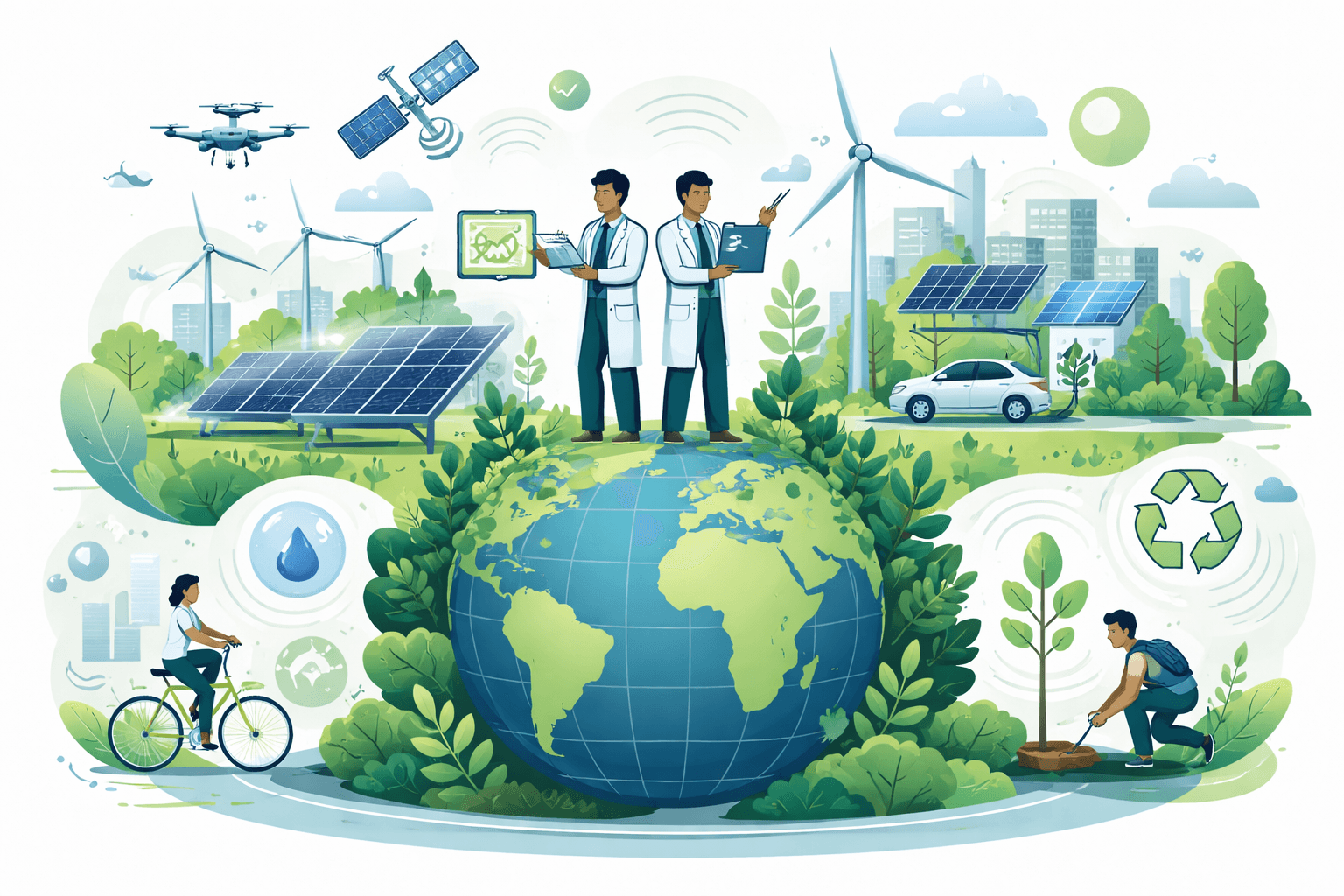
Climate change is accelerating, but the highest-impact ways to combat climate change are clearer than ever. Global energy-related CO₂ emissions hit a record 37.4 gigatons (Gt) in 2023, up 1.1% year-over-year, according to the International Energy Agency (IEA). The IPCC’s latest synthesis report says limiting warming to 1.5°C requires global CO₂ emissions to fall 43% below 2019 levels by 2030 and around 60% by 2035. The gap is stark—but the playbook exists: rapid decarbonization of energy, smart policy, nature-based solutions, everyday behavior shifts, and targeted innovation and finance, all delivered with equity.
By the numbers
- 37.4 Gt: Energy-related CO₂ emissions in 2023 (IEA, 2024)
- 43%: Required global CO₂ cut by 2030 vs. 2019 to stay near 1.5°C (IPCC AR6)
- 473 GW: New renewable power capacity added worldwide in 2023 (IRENA, 2024)
- 3,870 GW: Total installed renewable capacity at end-2023 (IRENA, 2024)
- 42 GW / 99 GWh: New battery storage added globally in 2023 (BloombergNEF, 2024)
- 18%: Share of new car sales that were electric in 2023 (IEA Global EV Outlook 2024)
- ≥1/3: Share of needed 2030 emissions cuts that can come from efficiency (IEA)
- 8–14 Gt CO₂e/yr: Mitigation potential from land use and nature at <$100/t CO₂e (IPCC AR6 WGIII)
- 24%: Global GHGs covered by carbon pricing; $104B revenue in 2023 (World Bank, 2024)
- $1.3T vs. $4.3T: Annual climate finance today vs. needed by 2030 (Climate Policy Initiative, 2023)

Regeneration: Ending the Climate Crisis in One Generation: Hawken, Paul
<strong>A radically new understanding of and practical approach to climate change</strong> by noted environmentalist Paul Hawken, creator of the New York Times bestseller Drawdown Regeneration offers
Check Price on AmazonRapid decarbonization: energy, efficiency, and electrification
Rapid decarbonization is the central pillar among ways to combat climate change. It means replacing fossil fuels with clean electricity, slashing energy waste, and electrifying end uses across buildings, transport, and industry.
Clean electricity at record pace
- Renewables are scaling fast: The International Renewable Energy Agency (IRENA) reports 473 GW of new renewables were added in 2023, bringing global capacity to 3,870 GW—three quarters of it solar and wind. Solar PV alone led additions.
- Battery storage is catching up: BloombergNEF estimates 42 GW/99 GWh of new energy storage came online in 2023, enabling more wind and solar to integrate reliably by shifting supply across hours.
- Grids need to double down: The IEA’s Grids and Secure Energy Transitions analysis finds the world must add or refurbish 80 million km of transmission and distribution lines by 2040—enough to circle the Earth 2,000 times—and roughly double annual grid investment to >$600 billion by 2030 to connect renewables and electrify end uses.
What this delivers: In the IEA’s Net Zero by 2050 pathway (updated 2023), clean electricity reaches nearly 60% of generation by 2030 and 90% by 2050. Coupled with electrification, this drives the largest single wedge of global emissions cuts this decade.
Energy efficiency: the quiet workhorse
Energy efficiency—using less energy for the same service—can deliver over one-third of the emissions reductions needed by 2030 (IEA). Yet global progress slowed to 1.3% in 2023, well below the ~4% annual intensity improvement needed.
- Buildings: Deep retrofits (insulation, air sealing, heat pumps, smart controls, efficient lighting and appliances) typically cut household energy use 20–50% while improving comfort. Heat pumps can deliver 2–4 units of heat per unit of electricity (a coefficient of performance, COP, of 2–4), dramatically lowering emissions as grids decarbonize.
- Industry: Process optimization, waste heat recovery, high-efficiency motors and variable speed drives, and electrification of low- and medium-temperature heat can cut industrial energy intensity 10–30% in many facilities. For high-temperature heat, options include electric furnaces, hydrogen, and carbon capture.
- Transport: Shifting trips to public transit, biking, and walking; improving logistics; and accelerating vehicle efficiency standards reduce fuel demand quickly and at low cost.
Practical impact: Efficiency investments often have payback periods of 3–8 years in buildings and 2–5 years in many industrial processes. Programs that pair low-interest finance with performance guarantees can unlock scale.
For home- and business-level steps, see our guide to practical Energy Conservation Techniques.
Electrify what we can, clean what we can’t
- Transport: Electric vehicles reached 18% of new car sales in 2023 (IEA). Over their lifetime, EVs cut greenhouse gases by ~50–70% versus gasoline cars on today’s grids, and more as grids get cleaner (ICCT, 2022). For trucks, battery-electric is advancing fastest in urban/short-haul; hydrogen and e-fuels will be crucial for long-haul, shipping, and aviation.
- Buildings: Electric heat pumps, induction cooking, and heat pump water heaters cut onsite combustion, reduce indoor air pollution, and pair well with rooftop solar.
- Industry: Direct electrification (e.g., electric arc furnaces), green hydrogen for steel (direct-reduced iron), and carbon capture for cement can abate most process emissions. Demonstrations show hydrogen-DRI can cut steel emissions by up to 95% when fed by renewable H₂, while cement plants can capture 90%+ of process CO₂ with CCS.

Duxtop 1800W Portable Induction Cooktop Countertop Burner, Gold 8100MC/BT-180G3: Electric Countertop Burners
View on AmazonTimelines and quantified impact
- Power sector: Phasing out unabated coal in advanced economies by 2030 and globally by 2040, with no new unabated coal plants, is embedded in IEA’s net-zero pathway.
- End-use electrification: By 2030, EVs reach 35–45% of new sales in major markets under announced policies (IEA), averting hundreds of millions of tons of CO₂ annually. Heat pump deployment replacing fossil boilers can deliver tens of megatons of yearly savings in Europe alone.
- Efficiency: Hitting 4% annual energy intensity improvements by 2030 can deliver over 7 Gt CO₂ reductions cumulatively this decade (IEA estimate across sectors).
Policy and systemic change: scaling individual actions economy-wide
Policies turn isolated upgrades into market-wide transitions—the highest-leverage ways to combat climate change at scale.
Carbon pricing and market signals
The World Bank reports 73 carbon pricing instruments now cover about 24% of global greenhouse gas emissions, generating $104 billion in revenue in 2023. Well-designed carbon pricing (with predictable floors and ceilings, revenue recycling to households, and border adjustments for trade-exposed industries) can tilt investment toward low-carbon choices while protecting competitiveness.
Standards, regulations, and phase-outs
- Clean electricity standards (CES) and renewable portfolio standards mandate rising shares of clean power, de-risking long-term investments.
- Vehicle emissions and zero-emission vehicle (ZEV) standards accelerate EV adoption and push suppliers to scale battery manufacturing.
- Building codes and appliance standards lock in efficient designs and equipment for decades.
- Methane rules: Cutting methane is one of the fastest ways to slow near-term warming. The IEA’s Methane Tracker finds the oil and gas sector can abate around 75% of its methane emissions by 2030 with existing technology; a large share has no net cost at typical gas prices.
- Coal phase-outs: Coal-to-clean transition policies, including closure schedules, securitization of coal debt, and worker transition programs, prevent lock-in and protect communities.
Cities and regional systems
Cities account for roughly 70% of energy-related CO₂ emissions (UN-Habitat/C40). Integrated actions—transit-oriented development, zero-emission zones, district energy, and building retrofit mandates—cut emissions while improving air quality and health. Metropolitan-scale planning for transmission corridors, EV charging, and building heat decarbonization aligns investments across agencies.
For a scan of policy progress and gaps, see Global Climate Change Initiatives: Progress, Gaps, and Scalable Solutions and our roundup of Climate Change Mitigation Techniques.
Nature-based solutions and land use
Nature-based climate solutions protect and enhance carbon stored in forests, soils, and wetlands—delivering mitigation alongside biodiversity, water, and resilience benefits. They are essential, but not a substitute for cutting fossil emissions.
Protect what stores the most carbon
- Tropical forests and intact ecosystems: Avoided deforestation delivers the single largest nature-based mitigation wedge this decade. Forests store ~861 Gt of carbon—more than a century of current energy-sector CO₂ emissions—and continued loss emits several Gt CO₂e each year (IPCC, FAO).
- Peatlands: Covering just 3% of land area, peatlands hold ~550 Gt of carbon. Degraded peatlands emit around 2 Gt CO₂e annually. Protection and rewetting rapidly curb emissions and restore long-term storage (UNEP/Global Peatlands Initiative).
Restore and manage landscapes
- Reforestation and afforestation: Native-species reforestation can remove 1–3 Gt CO₂ per year by 2030s with careful planning that avoids displacing agriculture or harming biodiversity (IPCC AR6).
- Blue carbon: Mangroves, salt marshes, and seagrasses can sequester carbon 3–5 times faster per hectare than terrestrial forests while buffering coasts against storms and sea-level rise (UNEP/IOC-UNESCO).
- Regenerative agriculture: Practices like cover cropping, reduced tillage, diversified rotations, and agroforestry increase soil organic carbon and reduce nitrous oxide. Field evidence shows typical soil carbon gains of 0.2–0.6 t C/ha/yr in many systems, though results vary with climate, soil, and management.
- Sustainable forestry: Improved forest management (longer rotations, reduced-impact logging) increases carbon stocks while maintaining yields; certification can safeguard biodiversity and community rights.
Co-benefits, risks, and limits
- Co-benefits: Cooler microclimates, flood mitigation, pollinator habitat, and improved water quality.
- Risks: Fire, pests, and drought can reverse carbon gains. Monoculture plantations and poorly designed offsets can harm biodiversity or local communities.
- Limits: IPCC estimates 8–14 Gt CO₂e/yr of technically and economically feasible mitigation from AFOLU (agriculture, forestry, and other land use) by 2030 at <$100/t CO₂e—significant, but not enough to replace deep energy decarbonization.
Behavioral and lifestyle shifts that add up
Individual and household choices are among the most immediate ways to combat climate change, especially when supported by better infrastructure and policy. The IPCC finds that demand-side actions can reduce emissions 40–70% across end-use sectors by 2050 when combined with systemic changes.
Diet and food waste
- Dietary shifts: Moving toward plant-rich diets reduces food-related emissions, land use, and water demand. Analyses suggest per-capita diet changes can cut individual food-related emissions by 30–50% in high-income countries without compromising nutrition (EAT-Lancet, IPCC).
- Food waste: Roughly 8–10% of global emissions stem from food loss and waste. Planning meals, improving cold chains, and standardized date labeling are high-impact, low-cost fixes (UNEP Food Waste Index).
Travel and mobility
- Fly smarter, less: One roundtrip transatlantic flight in economy can emit ~1–2 t CO₂ per passenger; cutting one long-haul flight per year is among the largest single personal actions (ICCT/UK BEIS factors). When flying, choose nonstop routes and higher-occupancy classes.
- Drive electric, drive less: Switching from an average gasoline car to an EV typically avoids 1.5–3 t CO₂ per year depending on local grid mix and mileage (ICCT). Combine with public transit, biking, and car-sharing.
Home energy and consumption
- Electrify and tighten the envelope: Heat pumps, induction cooktops, and efficient water heaters, paired with insulation and air sealing, slash home emissions and bills.
- Shift loads and save: Smart thermostats, time-of-use tariffs, and behavioral nudges (lowering heating setpoints by 1–2°C; cold-water laundry) deliver quick wins.

ecobee Smart Thermostat Premium with Smart Sensor and Air Quality Monitor - Programmable Wifi Thermostat - Works with Siri, Alexa, Google Assistant - Amazon.com
View on AmazonExplore actionable checklists in How to Reduce Your Carbon Footprint: Practical Steps for Every Household and at-home conservation tips in How to Practice Conservation at Home.
Innovation, finance, and equity
The final set of ways to combat climate change focus on scaling new technologies, mobilizing capital, and ensuring the transition is just.
Emerging clean technologies
- Long-duration energy storage: Beyond lithium-ion, options like iron-air, flow batteries, and thermal storage aim to shift energy from surplus renewable hours to multi-day gaps.
- Green hydrogen and e-fuels: Critical for steel, chemicals, shipping, and aviation. Costs are falling with cheap renewables, electrolyzer scaling, and policy support.
- Carbon capture, utilization, and storage (CCUS): The Global CCS Institute (2023) counts ~49 Mt CO₂/yr capture capacity in operation, with a growing project pipeline. CCUS is pivotal for process emissions in cement and chemicals and for firming power when combined with gas in some grids.
- Carbon dioxide removal (CDR): Nature-based removals lead near-term. Engineered CDR like direct air capture remains tiny today (<0.05 Mt/yr globally) but may need to scale to 1–3 Gt/yr by mid-century alongside deep cuts (IEA/IPCC), focused on hard-to-abate residuals.
Financing the transition
- Scale of need: Climate Policy Initiative estimates global climate finance at ~$1.3 trillion annually in 2021/22; to be on track for 1.5–2°C pathways, flows must exceed $4.3 trillion per year by 2030.
- Instruments: Green, social, and sustainability bonds channel low-cost capital into clean projects; labeled green bond issuance topped ~$500 billion in 2023 (Climate Bonds Initiative). Blended finance and guarantees can de-risk emerging markets. Public banks and industrial policy (tax credits, contracts for difference) accelerate first-of-a-kind projects.
- Carbon markets: Compliance markets (e.g., EU ETS) drive decarbonization in covered sectors. Voluntary markets can help finance nature and removals but must adhere to rigorous standards for additionality, permanence, and leakage.
Businesses seeking credible net-zero pathways can use our playbook on Carbon Neutral Strategies for Businesses.
Equity and a just transition
- Energy access: Around 675 million people still lack electricity and 2.3 billion lack clean cooking (IEA). Climate action must expand access, not restrict it. Distributed renewables, clean cooking solutions, and targeted subsidies cut emissions and poverty together.
- Jobs and communities: The ILO estimates a net gain of up to 24 million jobs globally by 2030 from the green transition, but regions dependent on fossil extraction need tailored support: wage insurance, retraining, reclamation work, and local economic diversification.
- Health and resilience: Cutting fossil fuel combustion lowers particulate pollution that causes millions of premature deaths annually (WHO). Nature-based solutions reduce disaster risk; efficient cooling and urban greening protect vulnerable populations during heatwaves.
High-impact ways to combat climate change: what to do next
- For policymakers: Pair clean power targets with grid buildout, streamline permitting, adopt robust methane rules, implement carbon pricing with social protections, and fund building and industrial decarbonization. Direct public investment toward first-of-a-kind projects and low-income energy upgrades.
- For cities and regions: Set building performance standards, expand public transit, electrify buses, deploy district heating/cooling, and enable rooftop solar and community energy.
- For businesses: Set science-based targets, electrify fleets and processes, procure 24/7 clean electricity where possible, invest in efficiency, pilot low-carbon materials, and use high-integrity credits only for residual emissions.
- For households: Choose clean electricity if available, electrify heating and vehicles, improve efficiency, adopt plant-rich diets, reduce air travel, and cut food and material waste.
Where this is heading: The energy system is turning. Renewables and EVs are compounding, battery costs continue to decline, and policy coverage is expanding. The decisive variable now is speed—especially grid buildout, efficiency progress back to 4% per year, and rapid reduction of coal and methane. If we scale these proven wedges while investing in next-generation solutions and keeping equity at the center, the world can bend the emissions curve this decade and build a safer, cleaner economy for the long run.
Recommended Products
Regeneration: Ending the Climate Crisis in One Generation: Hawken, Paul
<strong>A radically new understanding of and practical approach to climate change</strong> by noted environmentalist Paul Hawken, creator of the New York Times bestseller Drawdown Regeneration offers
ecobee Smart Thermostat Premium with Smart Sensor and Air Quality Monitor - Programmable Wifi Thermostat - Works with Siri, Alexa, Google Assistant - Amazon.com
ecobee Smart Thermostat Premium with Smart Sensor and Air Quality Monitor - Programmable Wifi Thermostat - <strong>Works with Siri, Alexa, Google Assistant</strong> - Amazon.com
Duxtop 1800W Portable Induction Cooktop Countertop Burner, Gold 8100MC/BT-180G3: Electric Countertop Burners
Duxtop Built-in Induction Cooktop, <strong>Portable Countertop Burner, Sensor Touch Induction Burner, 170-Minute Timer, Safety Lock, 1800W BT-200T1/8600BI</strong>
More in Sustainability Policy
- Climate Change Mitigation Techniques: Practical, Scalable Strategies for Energy, Nature, Policy & Technology
- Global Climate Change Initiatives: Progress, Gaps, and Scalable Solutions
- How to Reduce Your Carbon Footprint: Practical Steps for Every Household
- Strategies to Offset Your Carbon Footprint: Practical, Credible Approaches for Individuals and Businesses