
How to Practice Conservation at Home: Practical Steps to Save Energy, Water, Waste and Support Wildlife
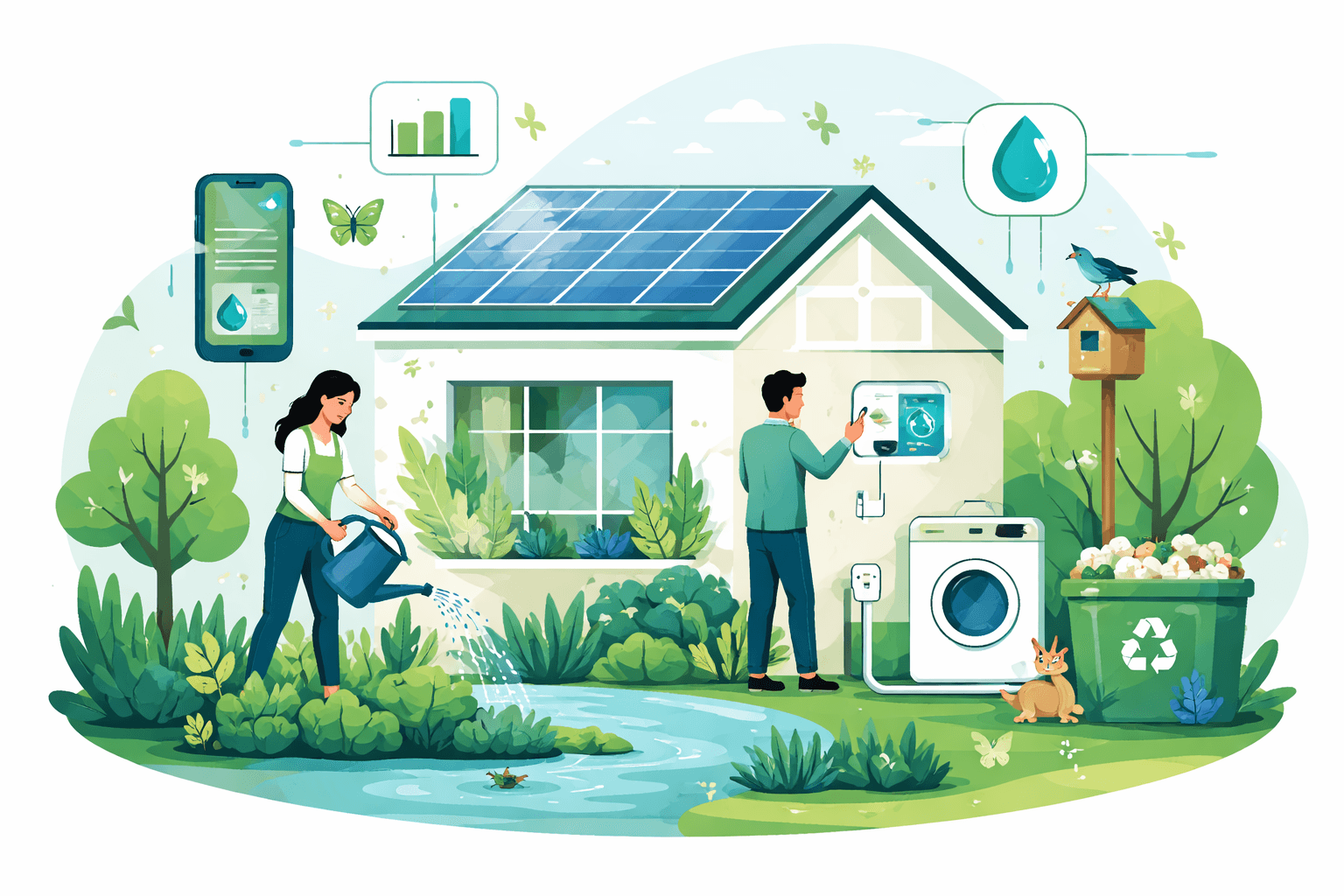
Conservation at home is one of the fastest, cheapest ways to cut emissions, lower bills, and boost local biodiversity. If you’re asking how to practice conservation at home, the evidence is clear: households can typically reduce energy use 20–30%, indoor water use 20–40%, divert 50% or more of waste from landfill with composting and better purchasing, and create meaningful habitat with low‑impact landscaping. Below is a practical, data‑driven roadmap with expected savings, costs, and where to find help.
How to practice conservation at home: By the numbers
- Energy: Air sealing and insulation save about 15% on heating/cooling and ~11% on total energy (U.S. EPA/ENERGY STAR). LEDs use at least 75% less energy than incandescents and last up to 25× longer (U.S. DOE). Smart thermostats deliver ~8–15% HVAC savings (EPA, Nest studies). Heat pump water heaters cut water‑heating energy up to 70% (ENERGY STAR). 5–10% of home electricity is standby power (Lawrence Berkeley National Laboratory).
- Solar: A typical 7 kW residential PV system can generate ~9,000–11,000 kWh/year depending on location (NREL PVWatts), avoiding roughly 3–5 metric tons CO2/year at today’s U.S. grid intensity.
- Water: The average American uses ~82 gallons/person/day indoors; 10% of homes have leaks wasting >90 gallons/day (EPA WaterSense). Replacing old toilets with WaterSense models saves up to 13,000 gallons/year per household; WaterSense showerheads save ~2,700 gallons/year (EPA). Outdoor irrigation can be 30% of household use, with up to 50% lost to inefficiency (WaterSense).
- Waste: Americans generate about 4.9 lb of municipal solid waste per person per day; U.S. recycling/composting rates hover near one‑third, leaving big room for diversion (EPA). Food waste is ~24% of landfill inputs by weight (EPA) and 30–40% of the U.S. food supply (USDA/ReFED).
- Wildlife: Cats kill an estimated 1.3–4.0 billion birds annually in the U.S., and window collisions add hundreds of millions more (Smithsonian/USFWS, peer‑reviewed studies). Lawns cover ~40–50 million U.S. acres—more than any irrigated crop (NASA estimates)—representing massive opportunity to restore habitat with native plants.
1) Home energy conservation and renewable options
Household energy is a major lever for climate and bills: the buildings sector accounts for roughly 30% of final energy use and ~27% of energy‑related CO2 globally (IEA). Practical steps range from no‑cost habits to deep retrofits and rooftop solar.
Everyday behavior changes with outsized impact
- Thermostat setpoints: Each degree (F) of setback can trim heating bills ~1–3% (DOE). Aim for 68°F (20°C) in winter when home, lower when away/asleep; 76–78°F (24–26°C) in summer with fans.
- Laundry: Wash cold—about 90% of washer energy heats water (DOE). Use high‑spin cycles to shorten dryer time; line‑dry when possible.
- Dishwasher: Run full loads, use eco/air‑dry modes. Modern dishwashers can be more water/energy efficient than handwashing (ENERGY STAR).
- Plug loads: Unplug or smart‑switch TVs, game consoles, printers, and chargers. Standby power is 5–10% of home electricity use (LBNL).
For a tactical checklist of low‑effort actions and typical savings, see our guide: Energy Conservation Techniques: Practical Steps to Save Energy, Money & Cut Emissions.
Low‑ to medium‑cost upgrades
- LEDs everywhere: Replace remaining incandescent/halogen lamps. LEDs use at least 75% less energy and last up to 25× longer (DOE). Swapping 20 bulbs can save ~1,000–1,500 kWh/year in a typical home.
- Smart thermostats: Real‑world studies report 8–15% HVAC savings, often paying back in 1–2 heating/cooling seasons (EPA, Nest).
- Aerators and weatherstripping: Faucet aerators (1.0–1.5 gpm) and door/window seals reduce both water and space‑conditioning loads at very low cost.
- Efficient appliances: ENERGY STAR refrigerators, dishwashers, clothes washers, and induction cooktops use 10–50% less energy than standard models; ENERGY STAR clothes washers also use ~33% less water (EPA/ENERGY STAR).
High‑impact building envelope and HVAC
- Air sealing and insulation: Sealing leaks and insulating attics, crawlspaces, and rim joists saves ~15% on heating/cooling and ~11% overall (EPA). Blower‑door‑guided air sealing targets the biggest leaks first.
- Windows: If replacement isn’t in budget, add storm windows or interior inserts; low‑e storms can deliver much of the benefit at lower cost (NREL).
- Heat pumps: Modern cold‑climate heat pumps provide 2–4× the heat per unit of electricity vs. resistance heaters and can cut heating energy 20–50% vs. older systems (DOE). Heat pump water heaters reduce water‑heating energy up to 70% and dehumidify the space (ENERGY STAR).
Monitoring and automation
An energy monitor plus a few smart plugs can reveal which circuits and devices drive bills, quantify phantom loads, and automate shutoffs. Start with the biggest end‑uses: HVAC, water heating, dryers, and pools. For upgrade pathways and device integration, see Smart Home Technology for Sustainability: High‑Impact Upgrades, Integration, and Real‑World Guidance.
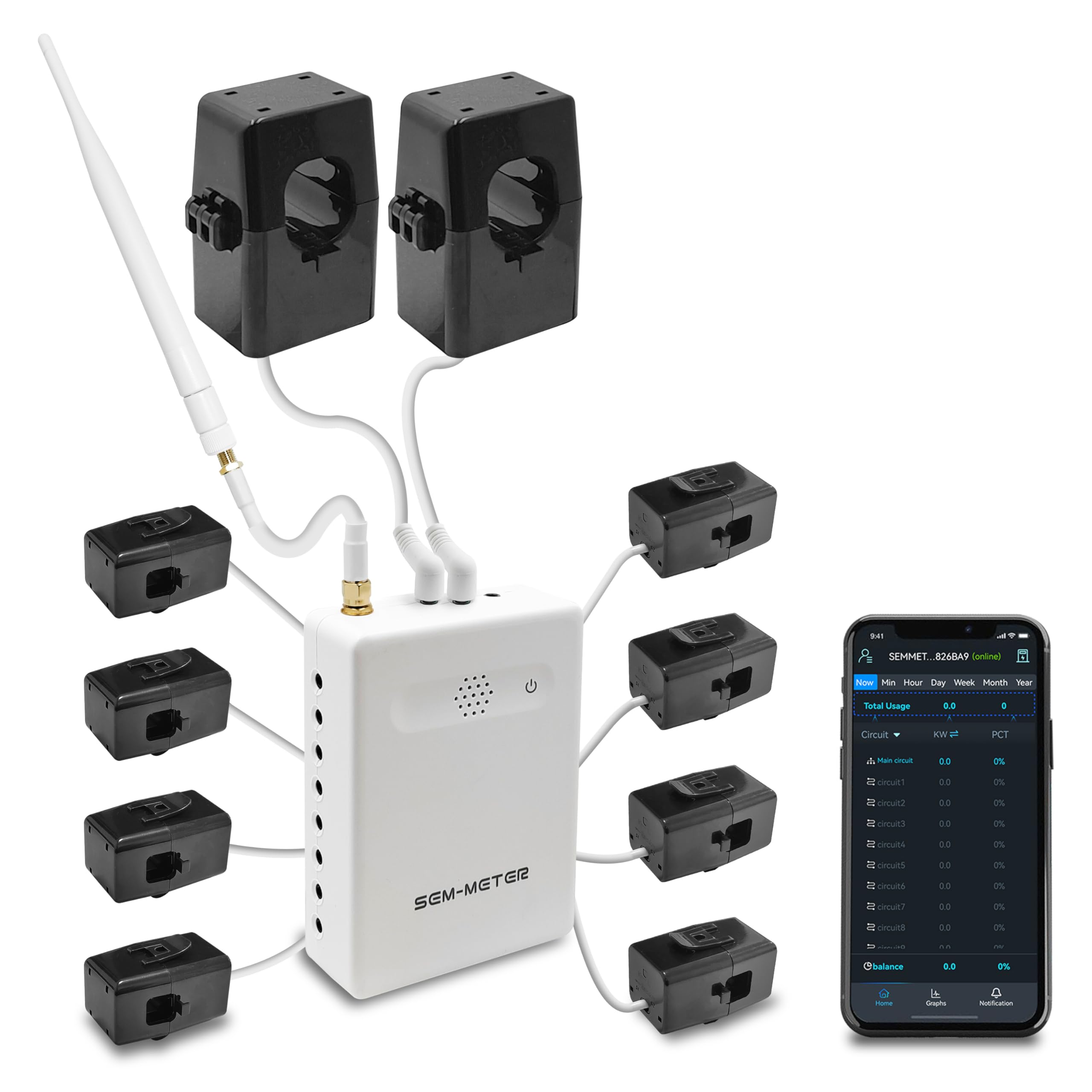
Smart Home Energy Monitor with 8 50A Circuit Level Sensors | Vue - Real Time Electricity Monitor/Meter | Solar/Net Metering - Amazon.com
View on AmazonAdding rooftop solar and home batteries
- Solar PV: A 5–8 kW system is common in the U.S., producing roughly 7,000–12,000 kWh/year depending on location and roof orientation (NREL). With the 30% federal Investment Tax Credit (U.S.), utility rebates/net metering where available, and rising retail electricity rates, simple payback often falls in the 6–10 year range. PV output is carbon‑free at the point of generation; a 7 kW array commonly avoids 3–5 metric tons CO2/year.
- Batteries: Home batteries provide backup power, can increase solar self‑consumption, and arbitrage time‑of‑use rates, but remain a higher‑cost upgrade. Value rises where outages are frequent, demand charges apply, or VPP (virtual power plant) programs pay for grid services.
Incentives and financing
- In the U.S., the Inflation Reduction Act (IRA) offers a 30% tax credit for solar and residential batteries, plus tax credits/rebates for heat pumps, heat pump water heaters, insulation, and electrical panel upgrades. Utilities often add rebates for smart thermostats and efficient appliances. The DSIRE database (USA) and local energy offices catalog current incentives.
- Many water utilities offer rebates for WaterSense fixtures and smart irrigation controllers; waste authorities may subsidize compost bins.
2) Water‑saving strategies that work in any climate
Water is increasingly scarce and energy‑intensive to deliver and heat. Cutting waste protects watersheds and lowers utility and energy bills.
Find and fix leaks first
- Test: Check your water meter over a 1–2 hour period with all fixtures off; movement indicates a leak. Food coloring in toilet tanks can expose silent flapper leaks.
- Targets: 10% of homes have leaks wasting >90 gallons/day; a typical household can save 10% on water bills by fixing leaks (EPA WaterSense). Common culprits: toilets, irrigation valves, and dripping faucets.
Efficient fixtures and appliances
- Toilets: Replace pre‑1994, 3.5+ gpf toilets with 1.28 gpf WaterSense models. Savings: up to 13,000 gallons/year per household (EPA).
- Showerheads: WaterSense 2.0 gpm showerheads save ~2,700 gallons/year for an average family while maintaining performance (EPA).
- Faucets: Install 1.0–1.5 gpm aerators; expect 30%+ savings at sinks.
- Clothes washers: ENERGY STAR washers use ~33% less water and 25% less energy than conventional models (ENERGY STAR). Pair with cold‑water detergent.
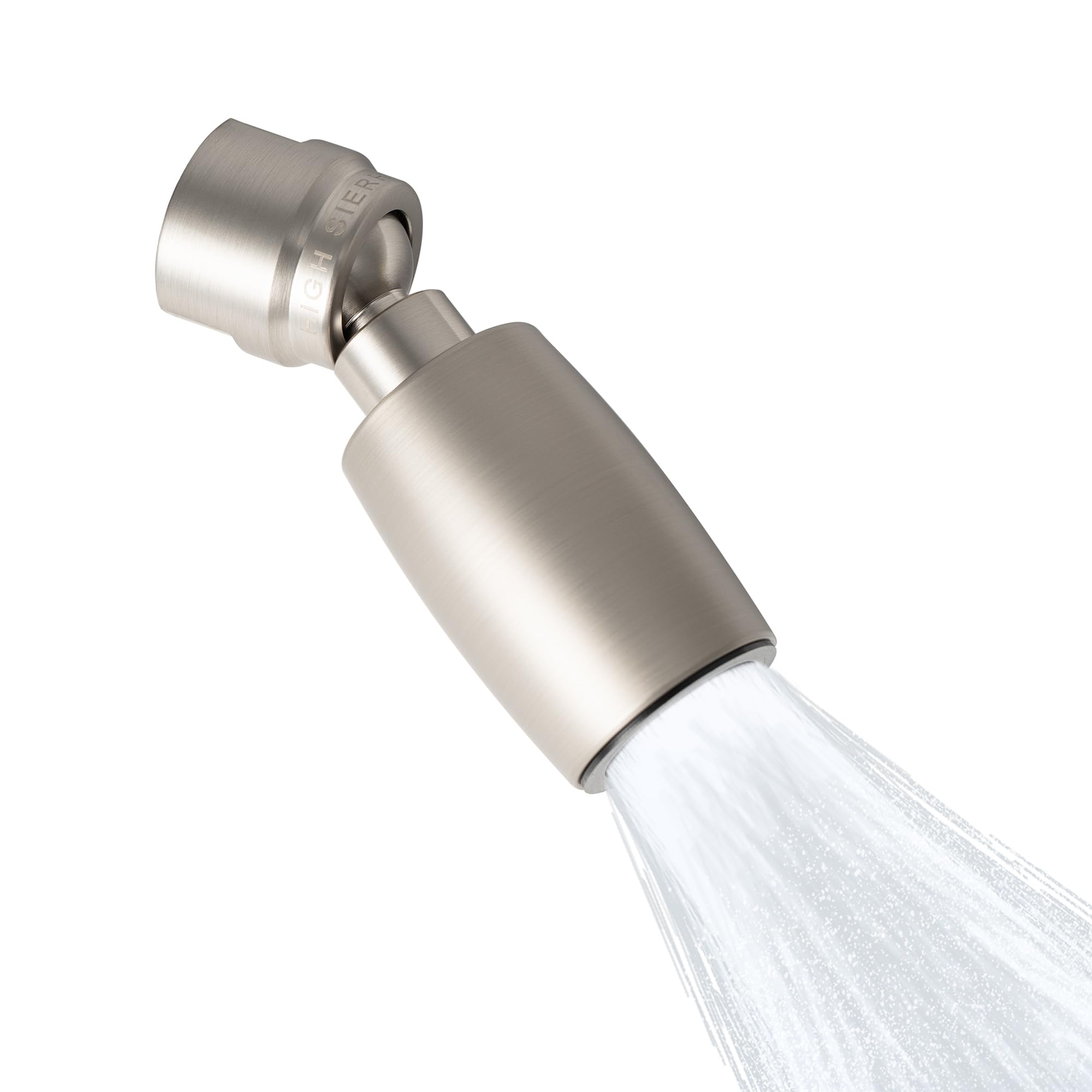
High Sierra® - CLASSIC™ Solid Lead-Free Metal 1.5 GPM Award Winning. Ultra Low Flow Shower Head. Patented Nozzle Never Clogs - Polished Chrome Finish - Fixed Showerheads - Amazon.com
View on AmazonSmarter irrigation and landscaping
- Water timing and delivery: Water pre‑dawn; avoid windy afternoons. Drip irrigation and soaker hoses cut evaporation and target roots, reducing outdoor water use 30–70% compared with sprinklers in many climates (WaterSense/extension services).
- Smart controllers: Weather‑based irrigation controllers save ~15% compared to standard timers and can save thousands of gallons per year (EPA WaterSense). Check for utility rebates.
- Right plant, right place: Group plants by water needs; replace lawn with native drought‑tolerant species and mulched beds. Lawns are America’s largest irrigated “crop,” so even partial conversion yields large savings (NASA).
Rainwater harvesting and greywater basics
- Rainwater: 1 inch of rain on 1,000 sq ft of roof yields ~623 gallons. Use sealed barrels or cisterns with first‑flush diverters and screens. Confirm local codes.
- Greywater: Laundry‑to‑landscape systems reuse washing machine discharge for subsurface irrigation. Keep soaps biodegradable/low‑sodium; use mulch basins; follow local plumbing codes. Typical systems can offset thousands of gallons of irrigation demand annually.
Typical savings
- Indoors: 20–40% with a combination of leak repair and WaterSense fixtures.
- Outdoors: 20–50% via irrigation tuning, drip conversion, smart controllers, and lawn‑to‑native swaps.
3) Waste, materials, and purchasing for a circular home
The most sustainable material is the one you don’t buy. Reducing material throughput cuts emissions from extraction, manufacturing, and transport.
Reduce, reuse, repair, then recycle
- Reduce: Buy less and buy better. Choose durable goods with warranties, repairable designs, and modular components.
- Reuse: Switch to reusables for water bottles, coffee cups, shopping and produce bags, and food storage. Avoid single‑use plastics where possible; plastics recycling rates in the U.S. remain in the single digits, so reuse is higher‑impact than hoping for recycling.
- Repair: Learn basic fixes (zippers, screens, small appliances) and use local repair cafes. “Right to repair” laws are expanding access to parts and manuals.
- Recycle: Focus on clean streams. Keep tanglers (hoses, cords), plastic bags/film, and batteries out of curbside bins. Contamination can send whole loads to landfill. For local do’s and don’ts, see How to Recycle Effectively: Practical Guidance to Reduce Waste and Avoid Contamination.
Composting at home
Food scraps and yard waste make up a large share of landfill inputs and generate methane, a potent greenhouse gas. A backyard bin or worm bin can handle most fruit/veg scraps, coffee grounds, and yard trimmings.
- Cold compost: Layer browns (dry leaves/cardboard) and greens (kitchen scraps/grass), keep moist as a wrung‑out sponge, and turn occasionally.
- Hot compost: Target a 25–30:1 carbon:nitrogen ratio and pile size ~3’×3’×3’ for faster breakdown.
- Curbside organics: Where offered, include meat/dairy and soiled paper per program rules; this diverts higher‑methane materials to controlled processing.
Buy low‑embodied‑carbon and long‑lasting products
- Materials: Prioritize wood and recycled content over virgin steel/concrete where practical; look for Environmental Product Declarations (EPDs).
- Appliances and electronics: ENERGY STAR labels lower operating emissions; select models designed for repair and firmware support.
- Secondhand first: Thrift, refurbished, and sharing libraries extend product life and reduce demand for new manufacturing.
Measure your diversion
- Track weekly: Weigh or estimate volumes of trash, recycling, and compost; set a diversion target (e.g., 60–70%).
- Audit: Quarterly 15‑minute bin audits reveal the biggest contamination or over‑purchasing culprits.
For safer handling of tricky items (batteries, chemicals), see local guidance and our overview: Safer Recycling Methods: Practical Steps to Protect People, Property, and the Planet.
4) Biodiversity at home and behavior change that sticks
Small patches of habitat across many yards can reconnect fragmented ecosystems. Simple changes also protect wildlife from common hazards.
Low‑impact landscaping that boosts biodiversity
- Plant native: Choose species native to your ecoregion; they co‑evolved with local insects and birds. Research shows keystone native trees and shrubs support hundreds of caterpillar species, the foundation of food webs.
- Diversify structure: Mix canopy trees, understory shrubs, flowering perennials, and groundcovers to provide nectar, seeds, and shelter year‑round.
- Pollinator support: Plant staggered bloom times (spring to fall), avoid pesticide‑coated nursery plants, and leave some bare, mulched soil for ground‑nesting bees.
- Reduce turf: Swap lawn for meadows, veggie beds, or mulched native plantings. Even a 10–20% lawn conversion can deliver habitat and water savings.

Bringing Nature Home: How You Can Sustain Wildlife with Native Plants, Updated and Expanded: Douglas W. Tallamy, Rick Darke
In his groundbreaking book Bringing Nature Home, Douglas W. Tallamy <strong>reveals the unbreakable link between native plant species and native wildlife</strong>—native insects cannot, or will not, e
Check Price on AmazonFor design ideas and plant lists, explore Wildlife‑Friendly Gardening: Practical Tips to Attract Pollinators, Birds and Backyard Wildlife.
Reduce common hazards
- Pesticides: Avoid neonicotinoids and broad‑spectrum insecticides; use integrated pest management (IPM): cultural controls, targeted treatments, and beneficial insects.
- Outdoor cats: Keep cats indoors or in catios; free‑roaming cats kill billions of birds and small mammals annually (peer‑reviewed studies).
- Bird‑safe windows: Apply visible decals/tape in 2×2 inch patterns on high‑risk panes; relocate feeders within 3 feet of glass to reduce lethal speeds.
- Night lighting: Use motion sensors, full‑cutoff fixtures, and warm LEDs (<3000K) to reduce disorientation and insect impacts (International Dark‑Sky Association).
- Water: Provide a shallow dish or small basin with stones for pollinators and birds; clean often to prevent disease.
Set goals, measure progress, and frame ROI
- Energy metrics: Track kWh and therms monthly. Aim for 20–30% reduction year one with LEDs, smart thermostat, and sealing/insulation; add heat pumps for deeper cuts. Simple paybacks: LEDs (months), smart thermostats (1–2 years), insulation/air sealing (3–6 years, faster with rebates), heat pump water heater (3–7 years with incentives).
- Water metrics: Read your water meter weekly; target 20–40% indoor reduction and 20–50% outdoor. Note irrigation‑season spikes.
- Waste metrics: Weigh weekly bins. A 60–70% diversion rate is realistic with composting plus better purchasing.
- Biodiversity metrics: Count native plant species, track pollinator/bird visits, and note lawn‑to‑habitat area converted.
Community programs, rebates, and getting involved
- Utilities and cities: Look for WaterSense and ENERGY STAR rebates (toilets, showerheads, smart controllers, heat pumps), free audits, and compost bin discounts. Many regions offer turf‑replacement incentives.
- Volunteer science: Join local bird counts or pollinator monitoring to measure your garden’s impact.
- Local projects: Community gardens, tree plantings, and creek cleanups amplify your home efforts. Find opportunities near you: Find and Join Conservation Projects Near You: What to Look For and How to Get Involved.
Putting it all together: a 12‑month roadmap
Month 1–2: Install LEDs, faucet aerators, and a smart thermostat; set cold‑wash laundry and full‑load dishwasher habits; fix obvious leaks; start tracking kWh, therms, and gallons.
Month 3–4: Weatherstrip doors/windows; schedule an energy audit; add a simple backyard compost setup; tune irrigation schedule and mulch beds.
Month 5–6: Replace old toilets and a showerhead with WaterSense models; convert one irrigation zone to drip; plant a native pollinator strip; add smart plugs to power strips for AV/office gear.
Month 7–9: Air‑seal and insulate attic/rim joists; consider a heat pump water heater during replacement; plan a lawn‑to‑native swap for fall.
Month 10–12: Evaluate a heat pump for space conditioning; get a solar quote if roof and budget align; implement bird‑safe window treatments on high‑collision panes; refine recycling and composting with a quick bin audit.
This staged approach balances quick wins, larger retrofits at natural replacement times, and ecological improvements across seasons. By the end of a year, most households can lock in double‑digit energy and water savings, halve landfill waste, and create functional habitat—while building a foundation for deeper decarbonization like heat pumps and rooftop solar.
If you’re ready to go further on controls and integration, see Smart Home Technology for Sustainability: High‑Impact Upgrades, Integration, and Real‑World Guidance. And for day‑to‑day habits and household engagement, our guide to Everyday Sustainable Living: Practical Tips to Save Money, Reduce Waste, and Lower Your Carbon Footprint offers simple checklists you can share with the whole family.
With clear goals, a few weekends of work, and the right incentives, how to practice conservation at home becomes straightforward—and the results show up quickly in your bills, your yard, and your local ecosystem.
Recommended Products
Bringing Nature Home: How You Can Sustain Wildlife with Native Plants, Updated and Expanded: Douglas W. Tallamy, Rick Darke
In his groundbreaking book Bringing Nature Home, Douglas W. Tallamy <strong>reveals the unbreakable link between native plant species and native wildlife</strong>—native insects cannot, or will not, e
Smart Home Energy Monitor with 8 50A Circuit Level Sensors | Vue - Real Time Electricity Monitor/Meter | Solar/Net Metering - Amazon.com
Lightweight commercial 3-phase option available as a separate bundle. APPLICATION MONITORING WITHOUT GUISEWORK <strong>Up to sixteen (16) 50A sensors to accurately monitor your air conditioner, oven,
High Sierra® - CLASSIC™ Solid Lead-Free Metal 1.5 GPM Award Winning. Ultra Low Flow Shower Head. Patented Nozzle Never Clogs - Polished Chrome Finish - Fixed Showerheads - Amazon.com
<strong>SAVES WATER AND THE ENERGY to heat it (up to 40%)</strong> — Independently tested and certified to WaterSense and WaterMark. California Compliant. GUARANTEED TO NEVER CLOG — Hard water, sand,
More in Conservation
- Sustainable Living for Families: Practical Tips to Save Money, Cut Waste, and Teach Kids to Care for the Planet
- Energy Conservation Techniques: Practical Steps to Save Energy, Money & Cut Emissions
- How to Recycle at Home: Practical Steps, What Belongs Where, and Easy Systems to Reduce Waste
- Everyday Sustainable Living: Practical Tips to Save Money, Reduce Waste, and Lower Your Carbon Footprint