
Energy Conservation Techniques: Practical Steps to Save Energy, Money & Cut Emissions
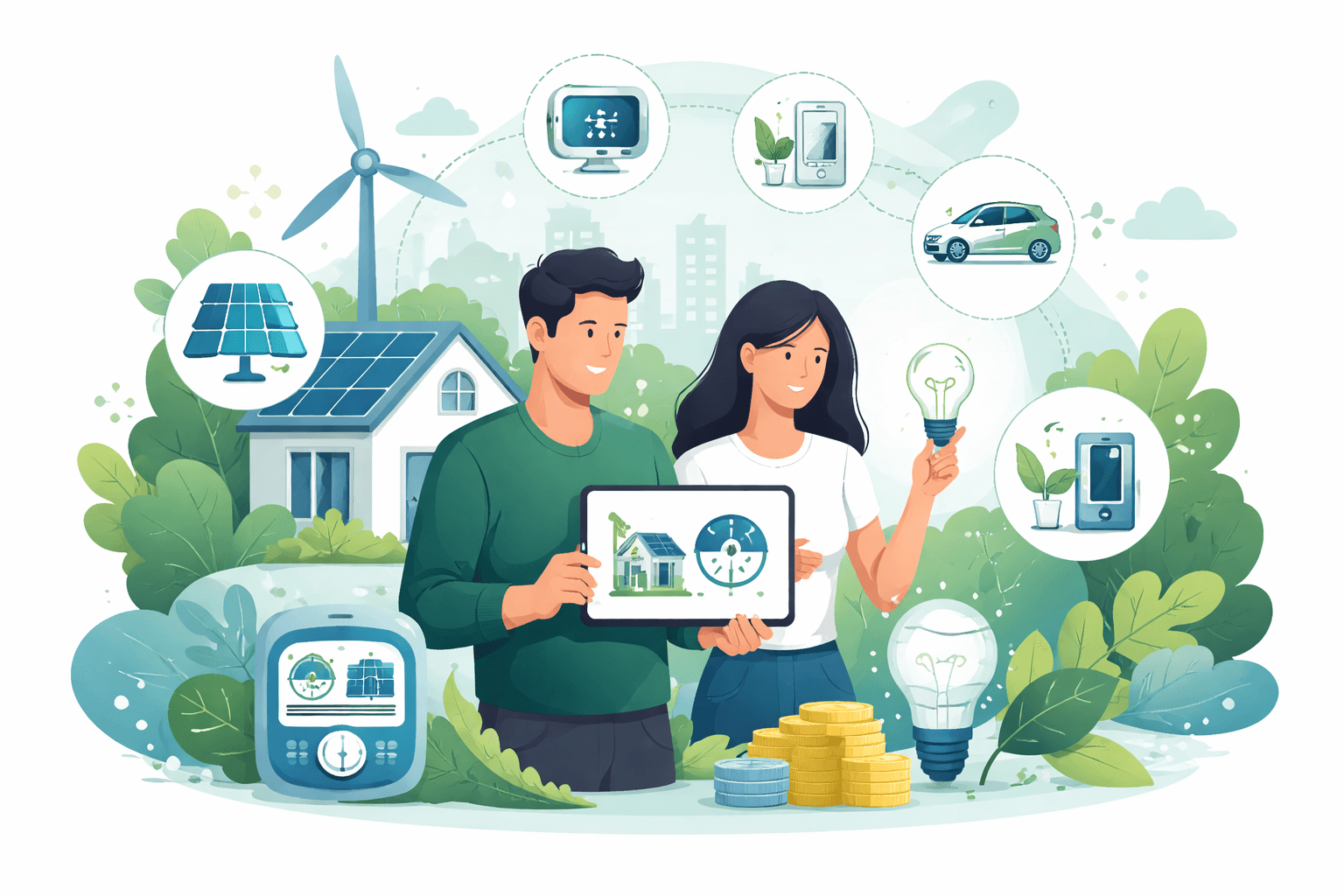
Buildings account for roughly 30% of final energy use and 28% of energy-related CO2 emissions globally, according to the International Energy Agency (IEA, 2023). Energy conservation techniques—practical, proven actions that reduce energy waste—can cut typical home and small-business energy use 10–30% with strong returns on investment. This guide details what to do, how much you can save, and how to measure results.
By the numbers
- 30% and 28%: Buildings’ share of global final energy use and energy-related CO2 (IEA, 2023)
- 74%: Share of U.S. electricity consumed by residential and commercial sectors (U.S. EIA)
- 7–10%: Annual HVAC energy savings from thermostat setbacks of 7–10°F for 8 hours/day (U.S. DOE)
- 75%+: Energy saved by LEDs vs. incandescent bulbs (U.S. DOE)
- 20–30%: Air lost to leaks in typical duct systems (ENERGY STAR)
- 5–10%: Portion of household electricity used by standby/“phantom” loads (LBNL)
- 10–20%: Savings potential from behavioral and operational changes alone in buildings (ACEEE field studies)

Residential Energy: Cost Savings and Comfort for Existing Buildings: Krigger, John T, Dorsi, Chris
Residential Energy: Cost Savings and Comfort for Existing Buildings [Krigger, John T, Dorsi, Chris] on Amazon.com. *FREE* shipping on qualifying offers. Residential Energy: Cost Savings and Comfort fo
Check Price on AmazonEnergy conservation techniques that work
Behavioral and low-cost changes (homes and small businesses)
- Thermostat settings and schedules
- Savings: 7–10% on heating/cooling by setting back 7–10°F for 8 hours/day (U.S. DOE). For example, set winter heating to 68°F when home and lower when away/asleep; summer cooling to 78°F when home and higher when away.
- Cost: $0 with a manual schedule; $100–$250 for a smart thermostat.
- Cold-water laundry and line-drying
- Savings: Up to ~90% of a washer’s energy is for heating water (U.S. DOE). Switching most loads to cold can save $50–$150/year depending on local rates and usage.
- Cost: $0–$20 for detergent optimized for cold.
- Water heating setpoint and low-flow fixtures
- Lower tank setpoint to 120°F and install low-flow showerheads (1.5–2.0 gpm) and aerators.
- Savings: 6–10% on water-heating from setpoint reduction; 20–40% less hot water use with efficient fixtures. Typical $50–$150/year.
- Cost: $5–$50 per fixture.
- Plug load control (phantom loads)
- Use advanced power strips; unplug rarely used devices.
- Savings: Standby loads are 5–10% of household electricity (LBNL). Targeted control can recover 1–5% overall.
- Cost: $15–$40 per smart/advanced strip.
- Lighting habits
- Turn off unneeded lights; daylight where possible.
- Savings: Simple practices can trim 2–5% of site electricity.
- Cost: $0.
Insulation and air sealing
- Air sealing (weatherstripping doors, sealing rim joists, caulking around penetrations)
- Savings: Combined air sealing plus insulation can cut heating/cooling costs up to 15% (about 11% total home energy) per ENERGY STAR program data.
- Cost: DIY materials $50–$300; professionally guided sealing often part of a $1,500–$5,000 package with insulation.
- Attic and wall insulation (prioritize the attic and top-floor ceilings; add to walls where feasible)
- Savings: 10–20% on space conditioning in many climates; higher in cold regions.
- Cost: $1,500–$5,000 for attics; wall retrofits vary widely. Many utilities and tax credits reduce cost.
- Duct sealing and insulation (for forced-air systems)
- Savings: Typical ducts lose 20–30% of air via leaks (ENERGY STAR). Sealing and insulating can save 10–20% on HVAC.
- Cost: $1,000–$3,000 depending on access and size.
For upgrade planning, see our renovation-focused guide: Energy-Efficient Green Renovations: Practical Solutions to Cut Bills, Reduce Carbon, and Boost Home Value (/sustainability-policy/energy-efficient-green-renovations-practical-guide).
HVAC optimization
- Tune-ups and filter maintenance
- Replace filters every 1–3 months (as needed) and schedule annual tune-ups.
- Savings: 5–15% vs. poorly maintained systems, plus comfort and equipment life benefits.
- Cost: $10–$30 per filter; $100–$250 for a tune-up.
- Smart/connected thermostats and zoning
- Savings: Field studies show 5–12% average reduction in heating/cooling energy usage, depending on climate and user behavior.
- Cost: $100–$250; payback often 1–3 years.
- Right-sizing and advanced equipment
- High-efficiency heat pumps (air-source, including cold-climate models) deliver 2–4 units of heat per unit of electricity (coefficient of performance, COP). They can cut heating energy 30–60% vs. electric resistance or fuel oil and improve cooling efficiency 20–40% vs. older AC units.
- Savings: Highly climate- and baseline-dependent; total site energy cuts of 15–40% are plausible when replacing outdated systems.
- Cost: $8,000–$18,000 installed for whole-home systems; incentives can substantially lower net cost.
Efficient lighting and appliances
- LEDs and controls
- Savings: LEDs use 75%+ less energy than incandescents and 30–50% less than many CFLs; lifetimes 10–25× longer (U.S. DOE). Occupancy and daylight sensors can trim lighting energy an additional 10–30% in offices and common areas (LBNL/PNNL studies).
- Cost: $2–$8 per bulb; $20–$100 per control.
- ENERGY STAR appliances (fridges, dishwashers, clothes washers)
- Savings: New high-efficiency models typically use 10–40% less energy than standard models; high-efficiency washers also cut water use by 25–35%.
- Cost: Incremental premiums vary ($50–$300+), often offset by rebates.
- Heat pump water heaters (HPWH)
- Savings: Roughly 50–70% less electricity than standard electric resistance tanks (U.S. DOE).
- Cost: $1,500–$3,000 installed before incentives; many rebates available.
Small-business specifics
- Lighting retrofits (LED + controls)
- Savings: 30–60% lighting energy reductions are common; improved quality boosts sales and safety in retail.
- Cost: $0.50–$3.00 per square foot for comprehensive upgrades; utility incentives often cover 20–70%.
- Scheduling and ventilation optimization
- Tune economizers, verify outside-air setpoints, and match schedules to occupancy.
- Savings: 10–20% HVAC energy reductions are typical in offices/retail.
- Refrigeration upgrades (food service/retail)
- Install doors on open cases, night curtains, EC motors, and floating head pressure controls.
- Savings: 10–30% refrigeration energy; significant peak reduction.
- Variable frequency drives (VFDs) on fans and pumps
- Savings: 20–50% in variable-load systems (U.S. DOE).
For quick household wins, see How to Make Your Home More Energy Efficient: Practical Steps & Savings (/sustainability-policy/how-to-make-your-home-more-energy-efficient-practical-steps-savings).
Low-cost/no-cost vs. capital investments: costs, paybacks, incentives
Low/no-cost measures typically deliver the fastest returns; capital projects can deliver deeper, longer-term savings and comfort gains.
No/low cost (payback: immediate to <1 year)
- Thermostat scheduling; hot-water setpoint to 120°F; cold-water laundry; plug-load control; light-off discipline.
- Typical savings: 5–15% of total energy.
- Cost: $0–$100.
Minor capital (payback: ~1–3 years)
- LEDs; advanced power strips; faucet aerators and efficient showerheads; basic weatherstripping/caulk; smart thermostats.
- Typical savings: 5–20% incremental depending on baseline.
- Cost: $20–$500.
Envelope and system tune-ups (payback: ~2–6 years)
- Professional air sealing, duct sealing/insulation, attic insulation upgrades; HVAC tune-ups.
- Typical savings: 10–25% heating/cooling.
- Cost: $1,000–$5,000.
Major equipment replacements (payback: ~3–12+ years)
- Heat pump space conditioning; heat pump water heater; high-efficiency windows (often long payback unless during a planned replacement); rooftop solar PV.
- Costs and typical paybacks:
- Heat pump (whole-home): $8,000–$18,000; payback 5–12 years depending on fuel prices and climate.
- Heat pump water heater: $1,500–$3,000; payback 3–6 years.
- High-efficiency windows: $600–$1,200 per window; payback 10–20+ years unless replacing failed units or addressing comfort/noise.
- Rooftop solar PV: $2.50–$3.50/W installed; a 6 kW system is ~$15,000–$21,000 before a 30% federal tax credit (U.S.). Payback 6–10 years depending on rates, sun, and net metering.
Incentives and financing
- Many utilities offer rebates for LEDs, smart thermostats, insulation, duct sealing, heat pumps, HPWH, and business lighting controls.
- In the U.S., the Inflation Reduction Act provides a 30% tax credit for qualifying heat pumps and HPWH (up to $2,000), plus 30% credits for envelope improvements (annual caps apply), and additional state-administered rebates for low- and moderate-income households.
- On-bill financing and performance-based incentives are increasingly available for small businesses.
Considering structural upgrades? See Sustainable Home Improvements: Tech-Forward Upgrades with ROI & Incentives (/ai-technology/sustainable-home-improvements-tech-forward-upgrades-roi-incentives).
Monitoring and smart technology: track, automate, verify
- Energy audits
- ASHRAE Level 1 (walkthrough) identifies no/low-cost measures; Level 2 adds end-use analysis; Level 3 supports capital decisions with detailed modeling.
- Residential: A blower-door test and infrared scan pinpoint air leaks and insulation gaps; many utilities subsidize audits.
- Smart meters and interval data
- Advanced metering infrastructure (AMI) provides 15–60-minute interval data. Load profiles reveal when savings happen and highlight peaks.
- Submetering and IoT sensors
- Circuit-level monitors, smart plugs, and wireless sensors isolate major loads (HVAC, refrigeration, servers) and quantify waste.
- Automation and controls
- Smart thermostats, occupancy/daylight sensors, and scheduling platforms enforce setpoints and eliminate after-hours drift.
- Demand response and time-of-use (TOU) readiness: Pre-cool or pre-heat spaces, then coast through peak hours; shift EV charging, dishwashing, and laundry off-peak.
- Verification methods
- Bill analysis normalized for weather (heating and cooling degree days) shows whether savings persist.
- For deeper projects, use recognized measurement and verification (M&V) approaches such as normalized metered energy consumption (NMEC) or IPMVP Option C (whole-building) with at least 12 months pre- and post-data.
For deeper integration of devices and automation, explore Smart Home Technology for Sustainability: High‑Impact Upgrades, Integration, and Real‑World Guidance (/sustainability-policy/smart-home-technology-for-sustainability-upgrades-integration-guide).
Seasonal and climate-specific strategies
- Heating-dominant climates (cold/winter)
- Prioritize air sealing, attic insulation, and duct sealing.
- Thermostat: 68°F when occupied; lower when sleeping/away.
- Reverse ceiling fans to push warm air down at low speed.
- Use insulating window coverings at night; open south-facing shades during sunny days.
- Cooling-dominant climates (hot/summer)
- Shade windows with exterior awnings/films; close blinds on sun-facing windows during peak sun.
- Thermostat: 78°F when occupied; higher when away. Ceiling fans increase perceived comfort, allowing 4°F higher setpoints with minimal energy.
- Maintain low-restriction filters and clean condenser coils.
- Humid regions
- Control indoor relative humidity to 40–60%. Ensure proper dehumidification and avoid oversizing AC to reduce short cycling.
- Dry regions
- Consider evaporative cooling where appropriate; seal ducts and shade glazing to limit solar gains.
- Renters
- Focus on reversible actions: LED bulbs, draft stoppers, rope caulk/weatherstripping, low-flow fixtures, smart plugs, portable shades/curtains, thermostat programming (with landlord approval). Keep receipts to take devices when you move.
- Landlords and property managers
- Standardize bulk LED retrofits, water fixture upgrades, and smart thermostats in common areas; pursue envelope and HVAC upgrades during turnovers or capital cycles. Consider green leases to align incentives and share savings.
Measuring outcomes and setting realistic targets
- Establish a baseline
- Collect 12+ months of utility bills for electricity (kWh), gas (therms), and delivered fuels. Note occupancy, operating hours, and major equipment changes.
- Normalize for weather and operations
- Use degree-day data (HDD/CDD) to adjust heating and cooling loads; flag anomalies like extreme weather or unusual occupancy.
- Set SMART goals
- Homes: 10–15% reduction in year one with no/low-cost measures is realistic; 20–30% with envelope/HVAC upgrades.
- Small businesses: 10–20% in year one through scheduling, lighting, and HVAC optimization; 25–40% with targeted retrofits.
- Track monthly and weekly
- Plot actual vs. weather-normalized targets. Use AMI data to monitor peaks and after-hours drift.
- Convert savings to emissions and dollars
- CO2 factors (U.S. typical): electricity ≈ 0.4 kg CO2/kWh (EPA eGRID varies by region); natural gas ≈ 5.3 kg CO2/therm; propane ≈ 5.7 kg CO2/gallon; heating oil ≈ 10.2 kg CO2/gallon. Multiply energy saved by these factors to estimate avoided emissions.
Linking conservation to broader sustainability and renewable integration
- Peak shaving and grid reliability
- Reducing peak demand lowers stress on local distribution networks and reduces the need for peaker plants—often the highest-emitting generators.
- Enabling higher shares of renewables
- Flexible loads (HVAC pre-cooling/heating, water heating, refrigeration, EV charging) can shift consumption to times of high solar/wind output. This improves renewable curtailment rates and reduces system costs.
- Preparing for electrification
- Conservation cuts the required capacity of future electric heat pumps, water heaters, and EV chargers, reducing upfront costs and grid impacts.
- Combining on-site generation
- After trimming loads, consider right-sized rooftop solar to offset remaining electricity and hedge against price volatility. See Green Energy Explained: Types, Benefits, and How to Adopt (/sustainability-policy/green-energy-explained-types-benefits-how-to-adopt).
Practical implementation roadmap
- Start with free and fast actions (weeks 1–4)
- Program thermostats; switch most laundry to cold; set water heater to 120°F; install LED bulbs in high-use fixtures; plug entertainment/office clusters into advanced power strips; install low-flow showerheads and aerators.
- Tackle envelope and HVAC basics (months 1–6)
- Schedule an energy audit with blower-door and duct testing; seal critical air leaks; add attic insulation; service HVAC; add occupancy/daylight sensors in common spaces.
- Plan capital upgrades (months 6–24)
- Evaluate heat pumps and heat pump water heaters; if replacing windows, choose high-performance units but prioritize air sealing/insulation first; assess rooftop solar once loads are reduced. Layer incentives and evaluate paybacks with utility or state programs.
- Monitor, verify, and iterate (ongoing)
- Use interval data and bills to confirm savings; adjust setpoints seasonally; re-commission controls annually; update targets.
Where building design or major upgrades are on the table, see Designing Green Homes: Practical Strategies for Sustainable, Healthy, Cost‑Effective Living (/sustainability-policy/designing-green-homes-practical-strategies).
What this means for households, businesses, and policymakers
- Households
- Expect 10–30% lower energy use with a staged approach, improved comfort (fewer drafts, better humidity control), and quieter equipment.
- Small businesses
- Lighting, scheduling, and ventilation controls offer rapid savings and better occupant experience; refrigeration and VFDs deliver deep cuts for food and light-industrial sectors.
- Policymakers and utilities
- Combining weatherization, connected devices, and dynamic pricing unlocks demand flexibility that supports grid decarbonization. Incentives that prioritize audits, air sealing, and heat pumps deliver high cost-effectiveness and emissions reductions per dollar invested.
The path is clear: start with no-regrets actions, use data to guide upgrades, and invest where the savings, comfort, and resilience benefits are greatest. With measured steps and verified results, energy conservation techniques pay for themselves—and then keep paying, in lower bills and lower emissions, year after year.
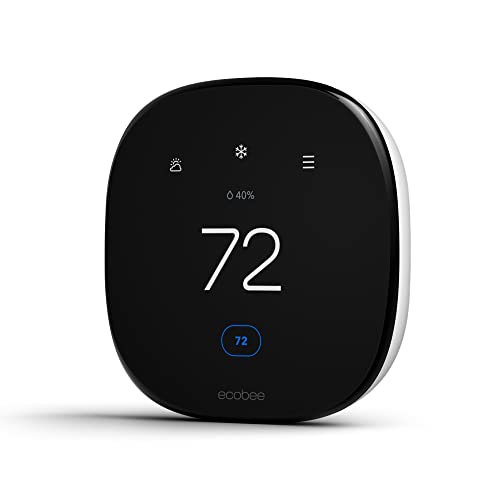
ecobee Smart Thermostat Enhanced - Programmable Wifi Thermostat - Works with Siri, Alexa, Google Assistant - Energy Star Certified - Smart Home - Amazon.com
View on Amazon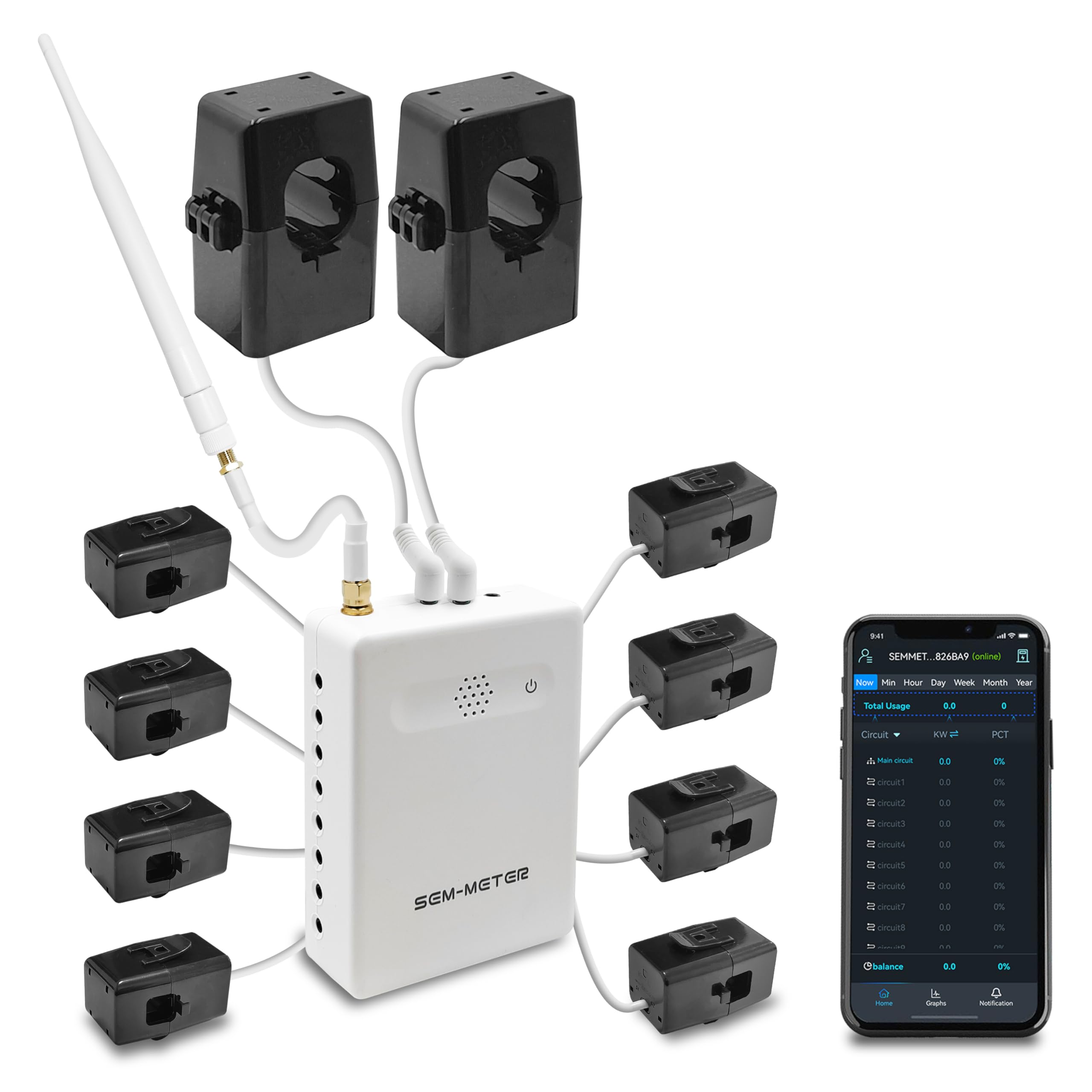
Smart Home Energy Monitor with 8 50A Circuit Level Sensors | Vue - Real Time Electricity Monitor/Meter | Solar/Net Metering - Amazon.com
View on AmazonRecommended Products
Residential Energy: Cost Savings and Comfort for Existing Buildings: Krigger, John T, Dorsi, Chris
Residential Energy: Cost Savings and Comfort for Existing Buildings [Krigger, John T, Dorsi, Chris] on Amazon.com. *FREE* shipping on qualifying offers. Residential Energy: Cost Savings and Comfort fo
ecobee Smart Thermostat Enhanced - Programmable Wifi Thermostat - Works with Siri, Alexa, Google Assistant - Energy Star Certified - Smart Home - Amazon.com
The ecobee Smart Thermostat Enhanced <strong>gives you automatic energy savings and adapts to your lifestyle by adjusting temperature based on occupancy, suggesting schedule changes, and optimizing yo
Smart Home Energy Monitor with 8 50A Circuit Level Sensors | Vue - Real Time Electricity Monitor/Meter | Solar/Net Metering - Amazon.com
Lightweight commercial 3-phase option available as a separate bundle. APPLICATION MONITORING WITHOUT GUISEWORK <strong>Up to sixteen (16) 50A sensors to accurately monitor your air conditioner, oven,
More in Conservation
- How to Make Your Home More Energy Efficient: Practical Steps & Savings
- Energy-Efficient Green Renovations: Practical Solutions to Cut Bills, Reduce Carbon, and Boost Home Value
- Sustainable Home Improvements: Tech-Forward Upgrades with ROI & Incentives
- How to Promote Sustainability at Work: Practical Strategies, Metrics, and Engagement