
How Climate Change Affects Agriculture: Impacts, Risks, and Responses
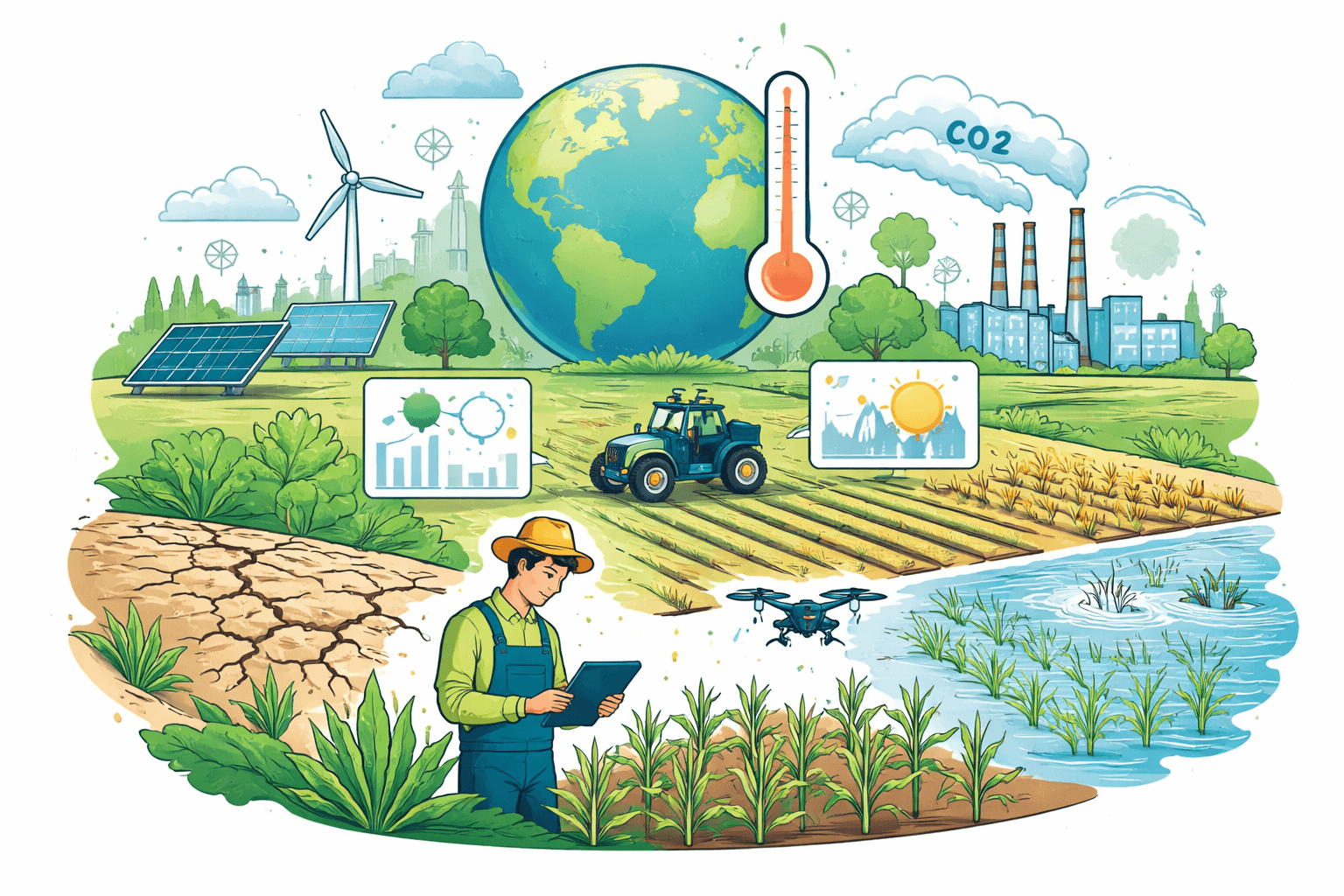
Climate change is no longer a distant risk for farmers—it is a measurable drag on productivity today. A 2021 Nature Climate Change analysis estimates global agricultural productivity growth has been depressed by about 21% since 1961 due to observed warming and shifting rainfall (Ortiz-Bobea et al.). Understanding how climate change affects agriculture—through heat, water stress, CO2, pests, and extremes—is essential to protect yields, incomes, and food security while cutting emissions.
How climate change affects agriculture: physical and biological pathways
Climate Smart Agriculture: Building Resilience to Climate Change: Lipper, Leslie, McCarthy, Nancy, Zilberman, David
Climate Smart Agriculture: Building Resilience to Climate Change [Lipper, Leslie, McCarthy, Nancy, Zilberman, David] on Amazon.com. *FREE* shipping on qualifying offers. Climate Smart Agriculture: Bui
Check Price on AmazonTemperature: heat stress and phenology
- Crop physiology is temperature-sensitive. Most staples have critical thresholds during flowering and grain filling: for example, short heat spikes above 30–35°C can cause pollen sterility in rice and wheat, sharply cutting yield.
- Meta-analysis across major cereals finds each additional 1°C of warming reduces average global yields by approximately: maize −7.4%, wheat −6.0%, rice −3.2%, soybean −3.1% (Zhao et al., PNAS 2017). Impacts are larger in the tropics and during heat waves.
- Warmer conditions accelerate development (shorter time to maturity). While this can allow earlier harvests, it often reduces the time for biomass and grain accumulation, lowering yields and quality.
- Longer frost-free seasons in temperate regions can benefit some crops in the near term, but also reduce winter chill hours needed for fruits and nuts, shift suitable varieties poleward/upslope, and advance phenology, misaligning crops with pollinators or water availability.
Water: drought, deluge, and irrigation pressure
- Agriculture accounts for about 70% of global freshwater withdrawals (FAO). Climate change intensifies the water cycle—more intense downpours and longer dry spells—raising both drought and flood risks.
- IPCC AR6 reports increased agricultural and ecological drought in regions such as the Mediterranean, Western North America, and Southern Africa, already constraining yields. Drought during flowering is particularly damaging for maize and sorghum.
- Heavier rainfall events increase erosion and nutrient runoff. FAO estimates 24 billion tons of fertile topsoil are lost annually due to erosion—losses likely to grow under more intense precipitation.
- Irrigation buffers some risk but is constrained by declining snowpack and glaciers in key basins (Hindu Kush–Himalaya, Andes) and groundwater depletion in hotspots such as northwest India and the U.S. High Plains.
Carbon dioxide: fertilization gains, nutritional losses
- Elevated CO2 can increase photosynthesis and water-use efficiency, especially in C3 crops (wheat, rice). Free-Air CO2 Enrichment (FACE) trials suggest yield boosts of ~10–15% at ~550 ppm in controlled conditions, but field gains are often smaller due to heat, water, and nutrient limitations.
- Elevated CO2 also dilutes grain protein and key micronutrients. A Nature study found 5–10% declines in zinc, iron, and protein in C3 staples at ~550 ppm CO2 (Myers et al., 2014), with implications for nutrition in low-income settings.
Extreme events and compounding shocks
- Heat waves, floods, tropical cyclones, and wildfires can trigger abrupt, outsized losses. The 2010 Russian heat wave reduced national wheat output by roughly a third, and 2022 heat in India forced wheat export restrictions after double-digit yield losses in some states (national statistics and government reports).
- Compound extremes—e.g., heat plus drought, or flood followed by pest outbreaks—are rising, stressing crops, livestock, and infrastructure simultaneously.
Pests, pathogens, and weeds
- Warmer conditions extend pest and disease ranges, life cycles, and overwintering survival. Modeling suggests insect-driven yield losses in wheat, rice, and maize could rise 10–25% per °C of warming in temperate regions (Deutsch et al., Science 2018).
- Invasive pests like fall armyworm have spread rapidly across Africa and Asia, while mycotoxin (aflatoxin) risks increase with heat and drought in maize and groundnuts. Weed pressure and herbicide resistance also intensify under CO2 enrichment and longer growing seasons.
Livestock health and productivity
- Heat stress reduces feed intake, fertility, and milk/meat yields. Dairy cows experience production declines when the Temperature–Humidity Index (THI) exceeds ~68; heat waves commonly cut milk by several kilograms per cow per day (St-Pierre et al., 2003; industry and extension data). Poultry and swine are also sensitive, with mortality surging in extreme heat without cooling.
- Forage quality can degrade with CO2 enrichment (lower protein) and drought, and livestock diseases and vectors (e.g., bluetongue) shift ranges in warmer climates.
By the numbers
- −21%: Estimated hit to global agricultural productivity growth since 1961 attributable to climate change (Ortiz-Bobea et al., 2021).
- −7.4% maize, −6.0% wheat, −3.2% rice per +1°C: Average global yield response from meta-analysis (Zhao et al., 2017).
- 70%: Share of freshwater withdrawals used by agriculture (FAO AQUASTAT).
- 24 billion tons/year: Estimated global topsoil loss to erosion (FAO).
- 30–50%: Methane reduction potential in irrigated rice with alternate wetting and drying (IRRI field studies).
Regional and crop-specific vulnerabilities
Tropics vs. temperate zones
- Tropics: Closer to thermal thresholds, so modest warming can push crops into damaging heat. Rainfed smallholder systems dominate in Sub-Saharan Africa and South Asia, exposing farmers to rainfall variability and drought. Maize and sorghum in the Sahel and East Africa show high sensitivity to late-onset rains and mid-season dry spells.
- Temperate zones: Some short-term benefits from longer seasons for cool-season crops; however, heat extremes, reduced chill hours, new pests, and water limits (Mediterranean, Western U.S., Australia) erode gains. Heat during flowering threatens wheat in South Asia and maize in the U.S. Corn Belt.
Drylands vs. irrigated systems
- Drylands: High interannual variability and limited water storage capacity create large yield swings. Soil moisture deficits and heat combine to reduce cereal yields and pasture growth.
- Irrigated systems: Buffer short dry spells but are vulnerable to water scarcity from declining snowpack (e.g., Colorado River Basin), reduced glacier meltwater (Indus), and groundwater depletion (northwest India, North China Plain). Salinization from sea-level rise threatens deltaic rice systems (Mekong, Ganges–Brahmaputra, Nile).
Crop examples
- Wheat: Highly sensitive to heat during anthesis; 2022 spring heat in India and Pakistan cut yields significantly. In Mediterranean climates, warming and drying shorten grain filling.
- Maize: Vulnerable to mid-season droughts and heat; U.S. 2012 drought slashed yields and spiked global prices. In Sub-Saharan Africa, late planting and dry spells severely reduce yields in rainfed systems.
- Rice: Benefits modestly from CO2 but is heat-sensitive at flowering; nighttime warming reduces grain quality. Salinity and sea-level rise threaten coastal paddies; AWD can cut methane but requires reliable water control.
- Coffee and cocoa: Narrow climatic niches; warming and erratic rainfall reduce suitable area in low-elevation tropics and increase disease pressure (coffee leaf rust). Suitability often shifts upslope, with biodiversity trade-offs.
- Horticulture and specialty crops: Many tree fruits and nuts need winter chill; studies project significant chill-hour declines in California’s Central Valley by mid-century, affecting almonds, pistachios, and stone fruits. Wine grape suitability migrates poleward/upslope, with quality risks in traditional regions.
Socioeconomic and food-system consequences
Yields, prices, and food security
- Climate shocks already influence global markets. The U.S. 2012 drought raised maize prices by roughly 20–30% at the peak (USDA and market analyses), with ripple effects across livestock feed and biofuels.
- FAO estimates 735 million people faced hunger in 2022; climate extremes were a major driver of acute food insecurity in multiple regions alongside conflict and economic downturns (FAO/WFP SOFI reports).
- Multi-model projections (IFPRI/AgMIP) indicate climate change could raise average staple prices and increase the number of undernourished people by tens of millions by 2050 without adaptation and inclusive growth.
Farm incomes and risk
- Variable yields, higher irrigation and cooling costs, and more frequent replanting or livestock losses compress farm margins. Insurance premiums rise, and credit becomes harder to access without risk management.
- Small-scale producers (≤2 ha) constitute ~84% of farms globally, manage a small share of land but supply around one-third of the world’s food (FAO 2023). They face disproportionate risk due to limited savings, inputs, and market access.
Supply chains and infrastructure
- Floods and cyclones disrupt storage, processing, and logistics. In 2022, catastrophic floods in Pakistan damaged or destroyed millions of acres of crops and significant livestock assets (Government of Pakistan/FAO situation reports), with long-lasting supply chain effects.
- Higher temperatures raise post-harvest losses for perishables; expanded cold chains will be essential but must avoid locking in high-emission refrigeration.
Adaptation and mitigation options for resilient, low-carbon agriculture
Well-designed measures can reduce risk today and cut emissions that drive future hazards. Many are proven, scalable, and cost-effective when supported by enabling policy and finance.
Climate-smart agronomy and genetics
- Stress-tolerant varieties: Drought-, heat-, and flood-tolerant rice (e.g., Sub1 “scuba rice”), heat-tolerant wheat, and drought-resilient maize from CGIAR breeding pipelines have delivered 10–30% yield advantages in stress years.
- Adjusted calendars and diversification: Shifting sowing dates, staggering plantings, intercropping, and incorporating short-duration or alternative crops reduce exposure to peak heat or rainfall variability.
- Conservation agriculture: Minimal till, residue retention, and crop rotations improve soil structure, water infiltration, and resilience. Over time, these practices can raise soil organic carbon and water-holding capacity, lowering input needs.
Water and soil management
- Efficient irrigation: Drip and sprinkler systems typically cut water use 30–60% compared to surface methods while maintaining or boosting yields (World Bank and extension meta-analyses). Scheduling based on soil moisture sensors reduces over-irrigation.
- Solar-powered irrigation: Coupling efficient pumps with photovoltaics can lower fuel costs and emissions versus diesel, especially off-grid. Guardrails (smart controllers, water rights enforcement) are needed to avoid over-extraction.
- Soil health: Organic amendments, cover crops, and mulching increase infiltration, reduce evaporation, and buffer heat. Terracing and contour bunds reduce erosion in sloping lands.
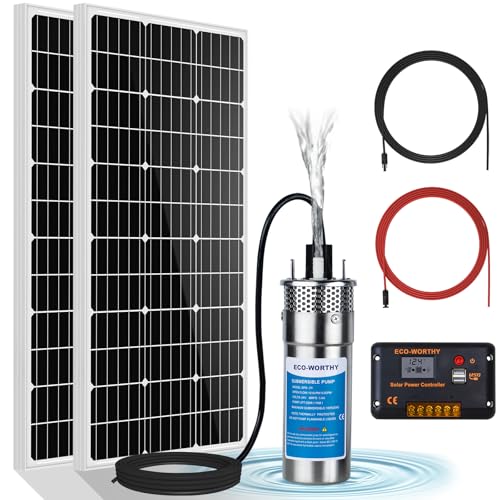
ECO-WORTHY 24V Solar Water Pump Kit, Large Flow 3.2GPM, 2pcs 100 Watts Solar Panel + Submersible Well Pump + 20A Controller + 16ft Cables for Off-grid Irrigation,Garden Camping
View on AmazonLivestock, feed, and shade
- Cooling and housing: Shade, ventilation, and evaporative cooling reduce heat stress in dairy and poultry. Silvopasture (trees with pasture) provides shade while storing carbon and enhancing biodiversity.
- Feed and genetics: Improved forages, balanced rations, and livestock genetics adapted to heat improve productivity per unit of methane emitted.
Digital tools, forecasting, and insurance
- Weather and climate services: Seasonal forecasts, early warning systems, and farm advisories delivered via mobile can inform planting, irrigation, and pest management. AI-enhanced models are accelerating prediction skill and downscaling for local relevance (see our explainer on how AI is advancing climate science research) [/ai-technology/artificial-intelligence-accelerating-climate-science].
- Precision agriculture: Satellite/drone imagery, variable-rate application, and in-field sensors can reduce nitrogen use 10–20% without yield penalties in many systems, lowering nitrous oxide emissions and input costs.
- Risk transfer: Index-based insurance and adaptive safety nets buffer income shocks from droughts and floods when paired with transparent indices and timely payouts.

Davis Instruments Wireless Vantage Pro2 Weather Station with WeatherLink Console - Metric : Patio, Lawn & Garden
View on AmazonCutting agricultural emissions (mitigation) with co-benefits
- Rice methane: Alternate wetting and drying (AWD) and mid-season drainage can cut CH4 emissions by 30–50% while often maintaining yields (IRRI). Water control and farmer training are key.
- Nitrogen efficiency: 4R nutrient stewardship (right source, rate, time, place), nitrification inhibitors, and legumes reduce N2O emissions and fertilizer costs.
- Manure and enteric methane: Anaerobic digesters capture biogas for heat/power from manure; feed additives (e.g., certain seaweeds, 3-NOP) and improved herd management reduce enteric CH4 in ruminants.
- Agroforestry and reforestation: Trees on farms store carbon, provide shade, diversify income, and stabilize soils. Landscape-level restoration enhances hydrology and biodiversity.
For a broader set of actionable approaches across sectors, see our guide to climate change mitigation techniques [/sustainability-policy/climate-change-mitigation-techniques-practical-scalable-strategies]. For community-scale planning and infrastructure, our adaptation strategies guide offers practical frameworks [/sustainability-policy/climate-change-adaptation-strategies-guide].
Energy, storage, and cold chains
- Renewable-powered cold storage and milk chillers reduce post-harvest losses and protect quality while avoiding diesel dependence. Efficient, low-GWP refrigerants help curb indirect emissions.
- On-farm renewables and microgrids can power irrigation, processing, and drying in remote areas, improving reliability and cutting operating costs.
Policy and finance to scale solutions
- Climate-informed extension: Invest in agronomic advisory services, input quality control, and participatory breeding to localize solutions.
- Water governance: Enforce groundwater caps, modernize allocation rules, and price water to incentivize efficiency while protecting basic needs.
- Markets and safety nets: Strengthen grain reserves, shock-responsive cash transfers, and trade openness to cushion price spikes.
- Climate finance: Despite high returns, small-scale agriculture receives a tiny fraction of climate finance—estimates suggest <2% reaches smallholders (Climate Policy Initiative). Redirecting concessional finance, guarantees, and outcome-based payments can crowd in private capital.
- Global coordination: Align agricultural NDCs, methane pledges, and food system transformation under international initiatives to mobilize technology and finance at scale. See our analysis of global climate initiatives for context [/sustainability-policy/global-climate-change-initiatives-progress-gaps].
Uncertainties, projections, and research gaps
What models agree on—and what they don’t
- Directionally robust: Without adaptation, warming reduces yields of major staples in low latitudes and raises yield variability almost everywhere (IPCC AR6 WGII). Benefits in high latitudes taper and reverse beyond ~2°C of warming as heat extremes and water stress intensify.
- CO2 fertilization uncertainty: Real-world yield gains under elevated CO2 are smaller than lab estimates, and nutrient dilution is robust. Interactions with heat, water, and pests remain active research frontiers.
- Extremes and compounding risks: Probabilities of concurrent heat and drought in key breadbaskets rise with warming, amplifying systemic risk. Representing compound hazards and cascading supply-chain failures in models is a priority.
Scenario-based risks
- Near term (2030s): At ~1.5°C, more frequent yield-reducing heat spikes emerge in South Asia, the Sahel, and Mediterranean-type climates. Irrigation demand rises where supplies are already constrained.
- Mid-century (2050s): Under higher-emission pathways, multi-model ensembles project 10–25% declines in average yields for rainfed maize in parts of Sub-Saharan Africa and South Asia without adaptation; rice and wheat face regional declines driven by heat and water stress (AgMIP/IFPRI/IPCC syntheses).
- Systemic tipping elements: Rapid glacier mass loss curtailing late-summer irrigation flows; salinization from sea-level rise in deltas; weakening of monsoon dynamics; pollinator declines (IPBES reports that ~75% of food crops benefit from animal pollination). These create non-linear risks to regional food systems.
Data and knowledge gaps
- High-resolution, farmer-relevant data on weather, soils, groundwater, and on-farm practices remain scarce in many regions, limiting tailored advisories and risk pricing.
- Pest and disease dynamics under climate change need better surveillance and modeling, including resistance management.
- Social dimensions—gender, land tenure, and access to finance—are underrepresented in impact models but critically shape outcomes and adoption.
Priority research and policy actions
- Invest in climate-resilient breeding (heat-, drought-, salinity-, and flood-tolerant traits), including underrepresented orphan crops and nutritious staples (millets, pulses).
- Expand interoperable climate and agronomic data platforms with privacy safeguards to power AI-enabled advisories and risk analytics. For advances in climate modeling and data assimilation, see our AI and climate science explainer [/ai-technology/artificial-intelligence-accelerating-climate-science].
- Scale proven water- and nitrogen-efficiency practices via performance-based incentives, carbon/methane crediting with strong MRV, and blended finance for smallholders.
- Modernize extension and risk management—universal soil testing, localized forecasts, parametric insurance—with public–private delivery models.
- Align trade, storage, and social protection to cushion shocks while avoiding export bans that amplify global price spikes.
What this means for decision-makers
- Farmers: Prioritize stress-tolerant varieties, water-saving irrigation, soil cover, and diversified rotations. Leverage weather advisories and consider index insurance where credible.
- Agribusiness and food companies: Invest in supplier resilience (irrigation efficiency, soil health, shade trees) and renewable-powered cold chains; support living incomes and risk-sharing mechanisms.
- Policymakers: Fund climate-informed extension, safeguard water, de-risk private investment in efficient irrigation and low-emission practices, and integrate agriculture into national adaptation and methane strategies. Our guide to adaptation strategies provides cross-sector tools for planning [/sustainability-policy/climate-change-adaptation-strategies-guide].
Agriculture sits at the nexus of climate risk and climate solution. Stabilizing yields under a more volatile climate is achievable with today’s agronomy, genetics, and digital tools—if paired with smarter water governance, targeted finance, and low-carbon energy. The faster we cut methane and nitrous oxide from food systems while scaling adaptive capacity for smallholders and commercial farms alike, the better our chances of feeding a growing population on a warming planet.
Recommended Products
Climate Smart Agriculture: Building Resilience to Climate Change: Lipper, Leslie, McCarthy, Nancy, Zilberman, David
Climate Smart Agriculture: Building Resilience to Climate Change [Lipper, Leslie, McCarthy, Nancy, Zilberman, David] on Amazon.com. *FREE* shipping on qualifying offers. Climate Smart Agriculture: Bui
Davis Instruments Wireless Vantage Pro2 Weather Station with WeatherLink Console - Metric : Patio, Lawn & Garden
Mount anemometer up to 12 m from the rest of sensor suite for flexible siting. Rugged, weather-proof housing gives you years of reliable data. Sensor suite is solar-powered with battery back-up; conso
ECO-WORTHY 24V Solar Water Pump Kit, Large Flow 3.2GPM, 2pcs 100 Watts Solar Panel + Submersible Well Pump + 20A Controller + 16ft Cables for Off-grid Irrigation,Garden Camping
Amazon.com : ECO-WORTHY 24V Solar Water Pump Kit, Large Flow 3.2GPM, <strong>2pcs 100 Watts Solar Panel + Submersible Well Pump + 20A Controller + 16ft Cables for Off-grid Irrigation,Garden Camping</s
More in Sustainability Policy
- Climate Change Explained: Causes, Impacts, and Practical Actions
- Climate Change Adaptation Strategies: Practical, Equitable Solutions for Communities, Infrastructure, and Nature
- How Climate Change Is Reshaping Wildlife: Impacts, Evidence, and Solutions
- Climate Change Mitigation Techniques: Practical, Scalable Strategies for Energy, Nature, Policy & Technology