
How to Care for Electric Cars: Essential Battery, Maintenance, Range and Safety Guidance
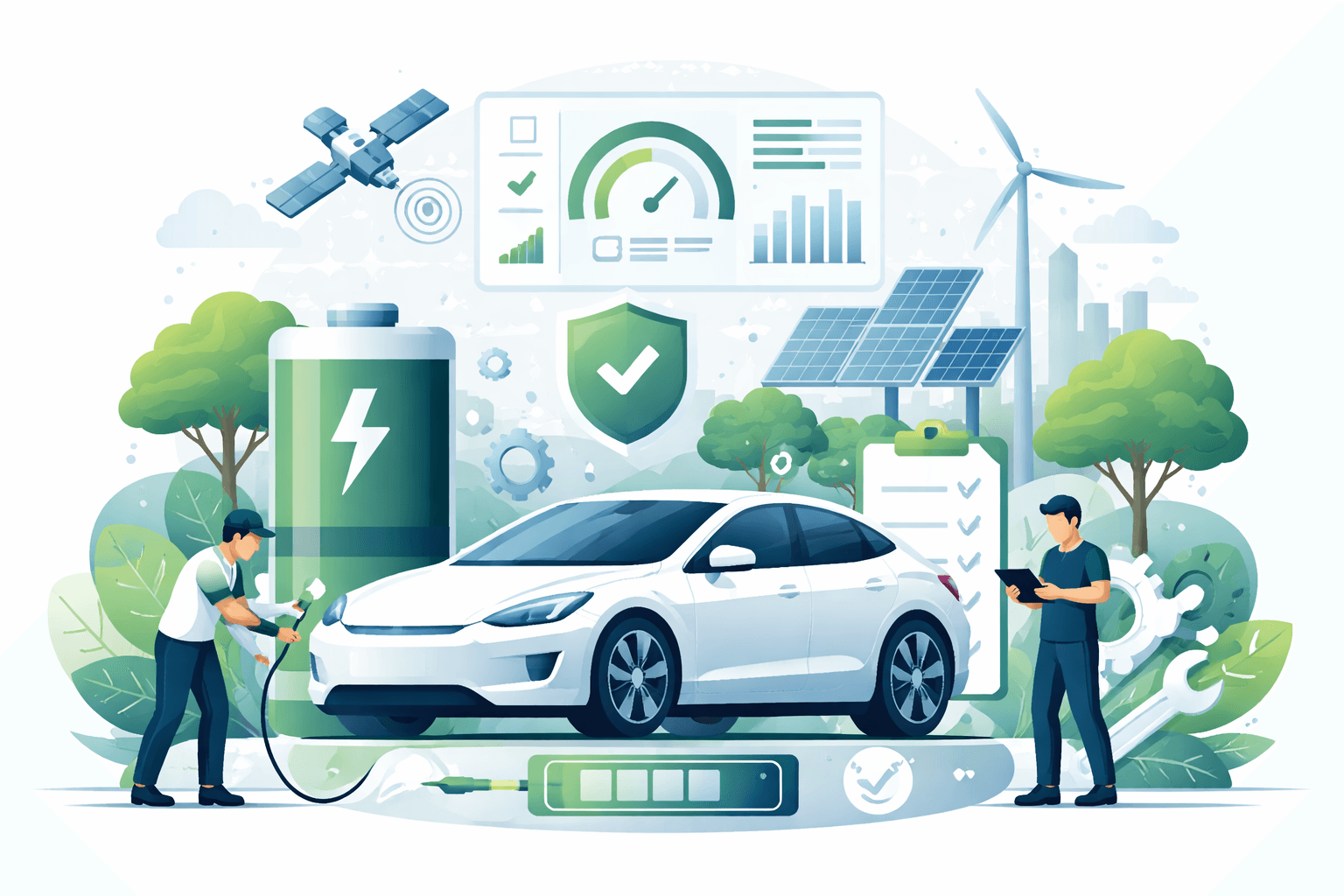
Electric vehicles crossed 14 million global sales in 2023, up 35% year over year, with more than 40 million EVs now on the road, according to the IEA. As ownership scales, a practical question rises for both first‑time and long‑time drivers: how to care for electric cars so the battery lasts, range stays strong, and maintenance costs remain low. This guide distills best practices from NREL, DOE, automaker manuals, and field studies into clear steps you can use today.
How to care for electric cars: battery care and charging best practices
EV batteries age through two main processes: calendar aging (time, especially at high state of charge and temperature) and cycle aging (charging and discharging, influenced by depth of discharge and charge rate). Thermal management systems mitigate some of this, but your habits matter.
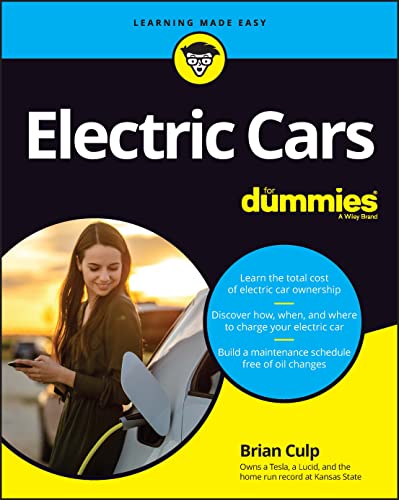
Electric Cars For Dummies: Culp, Brian
<strong>Written by an insider in the electric vehicle industry, dive in to learn more about the tech that powers electric cars, the various electric car options, and how to purchase and maintain the p
Check Price on AmazonKeep daily charging in the optimal state‑of‑charge window
- Daily target: 20–80% state of charge (SoC) for most use. Many manufacturers default to a daily limit around 80% because moderate SoC reduces calendar aging and heat stress.
- Road trips or rare needs: Charge to 90–100% just before departure, then drive soon after to avoid sitting at high SoC. High SoC combined with heat accelerates side reactions that reduce capacity.
- Storage: If the car will sit more than a week, park at 40–60% SoC, ideally plugged in so the battery management system (BMS) can top up as needed.
Why it works: NREL testing shows high temperatures and high SoC increase degradation rates, while moderate SoC and controlled temperature slow both calendar and cycle aging.
Choose Level 2 vs DC fast charging wisely
- Level 1 (120 V): ~1–2 kW; adds about 3–5 miles of range per hour. Useful for low‑mileage drivers and overnight top‑ups.
- Level 2 (240 V): 6–12 kW typical; adds roughly 20–40 miles per hour, depending on vehicle onboard charger rating. Use this for routine daily charging at home or work.
- DC fast charging (50–350 kW): Best for road trips or occasional quick top‑ups. Frequent high‑power fast charging produces more heat and can accelerate battery wear compared to Level 2.
Practical target: If possible, keep DC fast charging to less than 20–30% of your total charging sessions. Use routing apps and your vehicle’s navigation to arrive at fast chargers with the battery warm and SoC around 10–30% to minimize time at high currents.
For a deeper look at charging types, costs, and installation, see EV Charging Stations: What You Need to Know About Types, Costs, Installation, and Renewable Integration (/sustainability-policy/ev-charging-stations-types-costs-installation-renewable-integration). If you’re considering home charging upgrades, compare Level 2 options at Best EV Home Charger 2026: Top Level 2 Picks & Buying Guide (/green-business/best-ev-home-charger-2026-top-level-2-picks-buying-guide).
Manage battery temperature and charging schedules
- Precondition before DC fast charging in cold weather. Below freezing, lithium plating can occur if charging begins at high power on a cold battery. Many EVs preheat the pack en route to a charger to reduce this risk and speed charging.
- Avoid leaving the car baking at 100% SoC in heat. If you must park long in summer sun, use scheduled charging so it finishes near departure time, and enable cabin overheat protection if available.
- Use off‑peak, overnight charging. It’s often cooler and cheaper under time‑of‑use (TOU) rates. The BMS prefers stable conditions; your wallet will too. The U.S. EIA reports average residential rates around 15–20¢/kWh in many states, with lower off‑peak TOU windows where available.
Monitor charging and cell balancing
- Let the vehicle occasionally sit at the upper end of your daily limit (e.g., 70–80%) after finishing a Level 2 charge so the BMS can perform cell balancing. You don’t need to “calibrate” frequently; modern BMS manages this automatically, but a steady finish‑of‑charge rest helps.
- Use the vehicle app to track charging speed, final SoC, and any unusual behavior. If the car slows charging far below normal at moderate SoC and temperature, it may indicate a thermal, connector, or pack protection behavior worth checking.
By the numbers: care targets that extend EV life
- Daily SoC: 20–80%; road trip: up to 100% just before departure; storage: 40–60%.
- Typical charging speeds: Level 1 ~3–5 mi/h; Level 2 ~20–40 mi/h; DC fast: 150–900 mi/h equivalent depending on battery and charger.
- DC fast charging share: try to keep under 20–30% of sessions for long‑term health.
- Precondition: below about 10 °C (50 °F) before fast charging; use heat pump or battery heater automatically via navigation.
- Tire rotation: every 5,000–7,500 miles (follow manual); alignment annually or if uneven wear.
- Cabin air filter: 12–24 months; brake fluid: check every 2 years; coolant interval: typically 5–10 years/100,000–150,000 miles (model‑specific).
Routine maintenance and EV‑specific components
EVs have far fewer moving parts than internal combustion vehicles—no oil changes, timing belts, or exhaust systems. DOE and multiple fleet analyses show maintenance costs are typically 30–50% lower over the vehicle lifetime, driven by simpler drivetrains and regenerative braking.
Brakes: helped by regeneration, but not maintenance‑free
- Regenerative braking offloads most deceleration, cutting brake pad wear substantially. Field data from transit and fleet EVs commonly show 2–3× longer pad life compared with similar ICE vehicles.
- Still exercise the friction brakes. Many EVs periodically apply light friction braking to keep rotors clean; in wet or salty climates, occasionally perform a few moderate friction stops to remove surface corrosion.
- Brake fluid: moisture ingress still occurs. Test or replace roughly every 2 years per automaker guidance.
Tires: heavier curb weight and instant torque demand attention
- Expect 10–30% faster wear than comparable ICE sedans/SUVs, depending on driving style and tire type. EV‑rated tires often use higher load indices and specialized compounds for low rolling resistance.
- Rotate every 5,000–7,500 miles; more frequently if you see shoulder wear. Maintain pressure at the door‑placard level; underinflation increases rolling resistance and heat, reducing range and tire life.
- Alignment: check annually or after curb strikes. Misalignment can reduce range and rapidly degrade expensive EV‑rated tires.
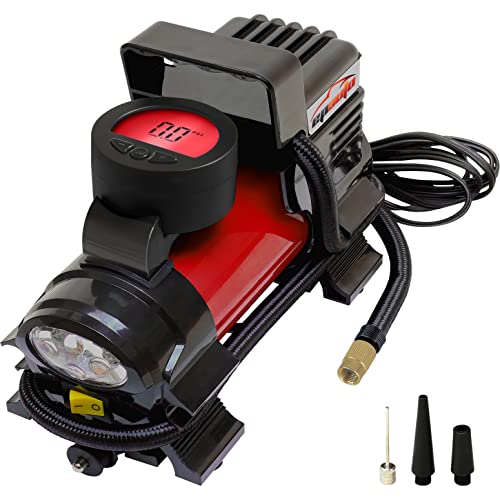
EPAuto 12V DC Portable Air Compressor Pump, Digital ...
View on AmazonThermal management loops and coolant
- EVs use dedicated coolant for batteries, power electronics, and drive units. Intervals vary widely—many specify 100,000–150,000 miles or 5–10 years. Always use the OEM‑specified coolant chemistry; mixing can reduce corrosion protection.
- Inspect for signs of leaks around battery plate fittings and inverter connections during annual service.
Cabin air filters and HVAC
- Replace cabin filters every 12–24 months. Restricted airflow makes heat pumps and AC systems work harder, raising energy use and noise.
- Heat pumps (if equipped) improve cold‑weather efficiency; keep grilles and condensers clear of debris and schedule service if you notice weak heating or excessive defrost times.
High‑voltage components: inspection over intervention
- No user‑serviceable parts inside the battery or inverter. Annual inspections focus on connector integrity, HV cabling chafe points, and inverter/drive‑unit seals. Any HV warning lights warrant immediate professional diagnosis.
Software and firmware updates
- Over‑the‑air updates can improve range, charging speed, battery thermal logic, and safety systems. Maintain reliable home Wi‑Fi and approve updates when the vehicle has sufficient SoC.
For an additional maintenance checklist and safety notes, see Essential Guide to Electric Vehicle Maintenance: Care, Safety, and Battery Longevity (/sustainability-policy/essential-guide-electric-vehicle-maintenance-care-safety-battery-longevity).
Maximizing range and efficiency
Real‑world range varies with speed, temperature, terrain, and HVAC use. AAA’s instrumented testing found range can drop about 40% at 20 °F with cabin heat on versus milder conditions, while hot weather and strong AC use can also reduce range, though typically less than extreme cold.
Driving habits
- Moderate speeds: Aerodynamic drag rises with the square of speed; driving 70 vs 60 mph can cut range by 10–15%.
- Smooth inputs: Use Eco drive modes to soften throttle response and increase regenerative blending.
- Anticipate stops: Maximize regen by lifting early; avoid hard braking that forces friction use.
HVAC and preconditioning
- Precondition while plugged in: Warm or cool the cabin and battery using grid power before departure so you preserve energy for driving.
- Use seat and steering‑wheel heaters: They draw far less power than heating the full cabin air volume.
- Smart defog/defrost: Use targeted defrost bursts instead of high heat continuously.
Route planning and charging strategy
- Plan routes with efficient speeds and minimal elevation gain where practical. Many in‑car nav systems factor temperature and wind; third‑party apps can help on older models.
- Arrive at fast chargers with lower SoC and a warm battery to minimize charging time and cost.
Load, aerodynamics, and tires
- Remove roof racks and cargo boxes when not in use; they can increase drag 10–25% at highway speeds.
- Travel light: Every extra 100 lbs marginally increases consumption; it matters more in city driving.
- Tire pressure: Check monthly and before road trips. A few psi below spec can raise consumption 2–3% and shorten tire life.
- Regen settings: On slippery surfaces, use snow/low‑regen mode to maintain traction; otherwise, choose the highest comfortable regen to recapture energy.
Seasonal and long‑term storage care
Cold‑weather care
- Expect range reductions of 20–40% in sub‑freezing temperatures with cabin heat. Plan shorter legs between charges in winter.
- Precondition battery and cabin on shore power. Many EVs automatically heat the pack when you set a DC fast‑charge destination.
- Keep ports and seals dry. Use a soft brush or de‑icer rated for automotive plastics; never pour hot water on frozen charge ports.
- Park indoors when possible. Even a modest temperature increase reduces viscosity in greases and improves initial regen availability.
Hot‑weather care
- Shade or garage parking reduces thermal load. Enable cabin overheat protection if available; it modestly uses energy to protect interior materials and electronics.
- Avoid extended parking at 100% SoC in heat. Schedule charging to finish near departure.
Long‑term storage
- Ideal SoC: 40–60% if parked more than a week. If you can, leave the vehicle plugged in and enable storage or long‑term mode if offered.
- Check in: If unplugged, check SoC every 2–4 weeks. Most modern EVs consume small amounts for telematics and thermal management; plan to top up before reaching 20–30%.
- 12‑V battery health: Many EVs still use a 12‑V battery for control systems. If storing for months, consider a maintenance charger designed for your model (observe manufacturer guidance).
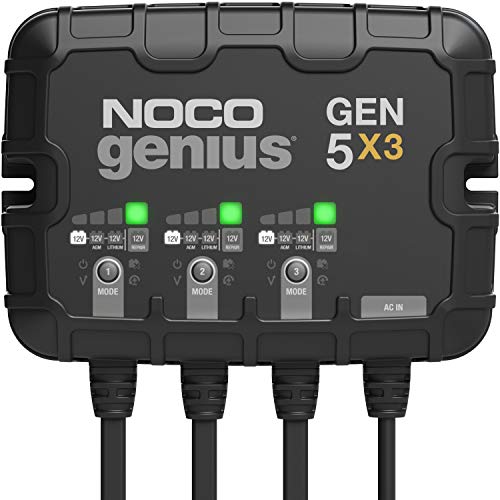
NOCO Genius GEN5X3: 3-Bank, 15A Onboard Battery Charger - 5A Per Bank, 12V Waterproof Marine Charger with Overcharge Protection & Temperature Compensation – for Lead-Acid & Lithium Batteries
View on AmazonWinter charging access tips
- Keep a pair of thin gloves, a soft plastic scraper, and a small bottle of electronics‑safe de‑icer in the trunk.
- In extreme cold, choose chargers with higher utilization—they’re more likely to be well‑maintained and snow‑cleared.
- If a DC fast charger is slow in deep cold, switch to Level 2 for 15–20 minutes to warm the pack, then retry DCFC. Many vehicles do this automatically via preconditioning.
Safety, emergency preparedness, and ownership costs
Towing and crash‑safety considerations
- Use a flatbed. Most EVs should not be towed with drive wheels on the ground. Activate transport/tow mode per your manual to release the parking pawl.
- Lift properly. Use the specified jack points—never lift under the battery enclosure or high‑voltage cables.
- After a collision with underbody impact or submersion, keep the vehicle isolated and contact emergency services and your dealer. Battery housings are robust, and EVs must meet the same crash standards (FMVSS) as other vehicles, but high‑voltage inspection is essential.
The National Fire Protection Association (NFPA) and automaker emergency guides provide responders with procedures for high‑voltage isolation and thermal events. While EV thermal incidents remain rare relative to fleet size, treat any impact or warning indicators seriously.
Emergency charging and roadside options
- Roadside assistance: Many insurers and automakers provide flatbed tows to the nearest charger or service center.
- Portable charging: Level 1 cords add only a few miles per hour; useful for an emergency overnight top‑up. Some services now offer mobile DC fast charging in select metros.
- Network planning: For trips, use multiple networks as backups and verify station status in apps before arrival. For choosing public networks and costs, see Charging Stations for Electric Cars: Types, Costs, Networks, and How to Choose (/sustainability-policy/charging-stations-for-electric-cars-types-costs-networks-and-how-to-choose).
Monitoring battery health and understanding warranties
- Battery state of health (SoH): Some EVs display SoH or maximum range when new vs now. Third‑party tools can estimate SoH via OBD in models that expose BMS data. Normal degradation patterns often show a quicker drop in the first 20,000–40,000 miles, then a slower decline.
- Typical retention: Fleet datasets from Recurrent and telematics providers show many modern packs retaining about 80–90% capacity at 100,000 miles, with climate and charging habits as major variables.
- Warranties: Many manufacturers warranty the traction battery for 8 years/100,000 miles (some longer), usually with coverage if capacity falls below a threshold (often 70%). Read the fine print on charging behavior, software updates, and thermal maintenance requirements.
- Recalls and updates: Check NHTSA recall databases and your automaker app quarterly. OTA firmware can remediate some issues without a service visit.
Cost‑saving maintenance practices
- Charge off‑peak on TOU plans when available; set schedules in the vehicle or charger app.
- Rotate tires on time; inflated correctly, they can improve range by a few percent and extend life thousands of miles.
- Keep software current for efficiency and charging improvements.
- Clean aero surfaces: Remove unnecessary racks and keep underbody panels intact after service.
What this means for drivers, fleets, and policymakers
- Drivers: Most EV care boils down to moderate SoC, temperature awareness, timely tire service, and smart charging. These habits protect range and reduce costs.
- Fleets: Standardize charging windows, train operators on regen‑friendly driving, and monitor SoH across vehicles to plan pack replacements. Fleet studies from NREL show structured charging can cut both demand charges and battery stress.
- Policymakers and utilities: TOU rates, public fast chargers with weather‑resilient uptime, and consumer education on preconditioning in cold climates directly improve user experience and pack longevity.
Where EV care is headed next
Battery chemistries are diversifying—lithium iron phosphate (LFP) packs tolerate higher SoC storage better than nickel‑rich chemistries, and solid‑state designs could further ease thermal constraints later this decade. Meanwhile, smarter BMS software already adapts charge rates to cell health, navigation preconditions packs automatically, and predictive maintenance flags tire and brake issues before drivers feel them. The fundamentals won’t change: moderate SoC, temperature control, efficient driving, and routine inspections. As the IEA projects continued EV adoption growth through 2030, these habits scale—saving owners money, preserving grid flexibility through managed charging, and keeping batteries in second‑life reuse longer.
If you’re setting up home charging to make these habits easy, explore Level 2 options at Best EV Home Charger 2026: Top Level 2 Picks & Buying Guide (/green-business/best-ev-home-charger-2026-top-level-2-picks-buying-guide), and learn about installation and renewable integration at EV Charging Stations: What You Need to Know About Types, Costs, Installation, and Renewable Integration (/sustainability-policy/ev-charging-stations-types-costs-installation-renewable-integration).
Recommended Products
Electric Cars For Dummies: Culp, Brian
<strong>Written by an insider in the electric vehicle industry, dive in to learn more about the tech that powers electric cars, the various electric car options, and how to purchase and maintain the p
EPAuto 12V DC Portable Air Compressor Pump, Digital ...
Online shopping from a great selection at Automotive Store.
NOCO Genius GEN5X3: 3-Bank, 15A Onboard Battery Charger - 5A Per Bank, 12V Waterproof Marine Charger with Overcharge Protection & Temperature Compensation – for Lead-Acid & Lithium Batteries
The NOCO GEN5X3 is a <strong>fully-sealed, waterproof onboard battery charger rated at 15 amps total—5 amps per bank</strong>—designed for 12-volt lead-acid and lithium-ion batteries, including floode