
Electric Car Comparison: Find the Best EV for Your Budget & Needs
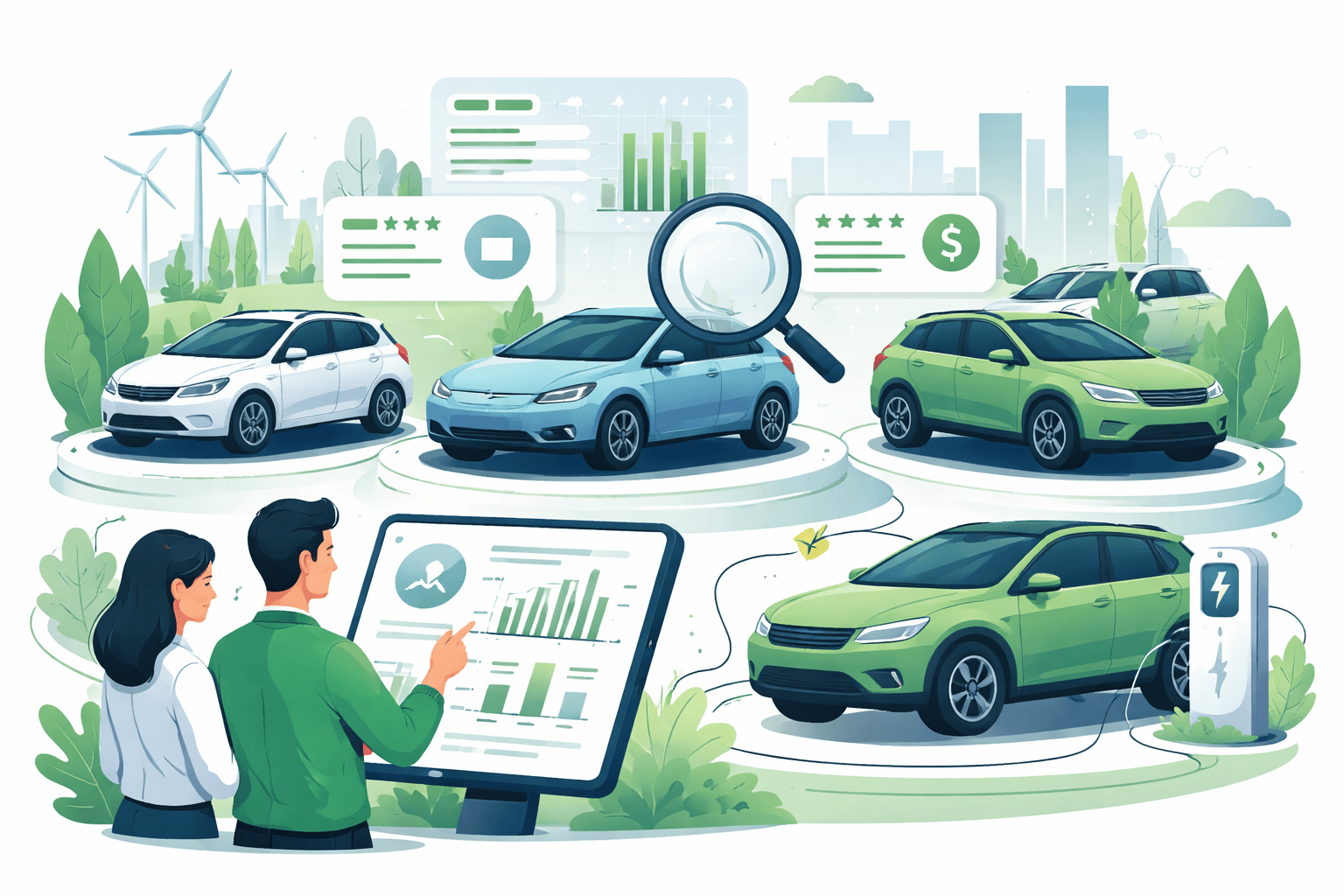
Electric Car Comparison: Find the Best EV for Your Budget & Needs
Global EV sales topped 14 million in 2023 and accounted for an estimated 18% of all new cars sold, according to the IEA’s Global EV Outlook 2024. In the U.S., plug‑in sales reached roughly 1.2 million (about 7.6% market share), per Argonne National Laboratory. With dozens of compelling models and fast‑evolving tech, a clear, data‑driven electric car comparison is essential if you’re buying in 2025–2026.
This guide ranks today’s best EVs by price, range, charging speed, efficiency, and total cost of ownership (TCO), using dependable sources like the U.S. EPA, WLTP where relevant, manufacturer data, and real‑world testing. You’ll also find a practical checklist to match an EV to your driving and charging patterns.
Quick summary: who this comparison is for
- Shoppers deciding between 3–5 EVs and needing a side‑by‑side on range, charging, and 5‑year costs.
- Drivers moving from hybrids or ICE and unsure what size battery or charging speed actually matters.
- Value hunters weighing new vs. certified pre‑owned (CPO) and how incentives change the math.
Highlights:
- Best budget buy under ~$40k: Tesla Model 3 RWD delivers strong efficiency, fast charging, and wide network access.
- Best long‑range: Lucid Air Grand Touring remains the EPA range leader (516 miles) if budget allows; the Hyundai Ioniq 6 SE offers standout range per dollar.
- Best family crossover: Tesla Model Y Long Range still balances space, software, efficiency, and resale value.
How we evaluate EVs: methodology, metrics, and data sources
We prioritize verifiable, comparable data and then layer real‑world notes.

The Ultimate Car Buying Guide 2025: Smart Strategies for Purchasing Your Next Vehicle: Expert Strategies to Avoid Common Pitfalls, Negotiate Like a Pro, and Secure Your Ideal Vehicle. eBook : Rodgers, Kristopher: Kindle Store
Whether you're a first-time buyer intimidated by dealerships, an experienced driver eyeing an upgrade, or an eco-conscious shopper exploring EVs, you'll learn to assess needs, research effec
Check Price on AmazonData sources
- EPA ratings for range, efficiency (kWh/100 miles), and MPGe for U.S. models.
- WLTP values for Europe when EPA data isn’t available; we indicate when WLTP is used.
- Manufacturer specifications (battery capacity, charging curve/peak kW, warranty terms).
- Independent testing and fleet data where available (charging times from instrumented tests; observed consumption).
- Cost inputs from AAA’s Your Driving Costs (maintenance/tires and insurance benchmarks) and utility average retail electricity prices for fuel cost modeling.
Key metrics defined
- Range (EPA combined): Lab‑standardized estimate of mixed driving on U.S. test cycle.
- Efficiency (kWh/100 miles): Electricity consumed per 100 miles; lower is better.
- Charging time (10–80% DC fast): Typical from public high‑power chargers at or near each vehicle’s peak; actual times vary with temperature, state of charge, and charger health.
- Capacity factor for charging hubs is not used here; we focus on user‑relevant wait times.
- 0–60 mph: Manufacturer or instrumented test averages for mainstream trims.
- Warranty: Basic/bumper‑to‑bumper and battery coverage.
- Estimated 5‑year TCO: 60,000 miles; electricity $0.15/kWh; maintenance $0.07/mi (AAA benchmark); insurance $1,700/year mainstream ($2,800/year luxury); depreciation 55% mainstream and 65% luxury; excludes taxes, fees, and incentives. These are directional, not quotes.
Why not just pick by range?
- Efficiency and charging speed matter as much as raw range. A 280‑mile EV that fast‑charges 10–80% in 18 minutes may beat a 320‑mile EV that needs 40 minutes.
Electric car comparison at a glance
At‑a‑glance specs for popular trims (EPA unless noted). Charging times and 0–60 are typical values for the listed trims.
| Model (trim) | EPA Range (mi) | Efficiency (kWh/100 mi) | 0–60 mph (s) | DC fast 10–80% (min) | Base MSRP (USD) | Warranty (basic/battery) | Est. 5‑yr TCO (60k mi) |
|---|---|---|---|---|---|---|---|
| Tesla Model 3 RWD | 272 | 24 | 5.8 | ~25 | $38,990 | 4yr/50k, 8yr/100k | ~$36.3k |
| Tesla Model Y Long Range AWD | ~310 | 28 | 4.8 | ~27 | $48,990 | 4yr/50k, 8yr/120k | ~$42.2k |
| Hyundai Ioniq 6 SE RWD (18”) | 361 | 24 | 7.4 | ~18 | ~$42,450 | 5yr/60k, 10yr/100k | ~$38.2k |
| Hyundai Ioniq 5 RWD LR | 303 | 28 | 7.4 | ~18 | ~$43,000 | 5yr/60k, 10yr/100k | ~$38.9k |
| Kia EV6 Wind RWD | 310 | 28 | 7.2 | ~18 | ~$48,700 | 5yr/60k, 10yr/100k | ~$42.0k |
| Ford Mustang Mach‑E ER eAWD | ~290 | 33 | ~4.8 | ~33 | ~$51,000 | 3yr/36k, 8yr/100k | ~$43.7k |
| VW ID.4 Pro RWD | 275 | 30 | 7.7 | ~28 | ~$39,735 | 4yr/50k, 8yr/100k | ~$37.3k |
| Nissan Leaf SV Plus (CHAdeMO) | 212 | 30 | ~7.4 | ~45 | ~$36,190 | 3yr/36k, 8yr/100k | ~$38.9k |
| Chevy Equinox EV FWD | ~319 | 28 | ~6.5 (est.) | ~31 | ~$43,295 | 3yr/36k, 8yr/100k | ~$39.0k |
| Lucid Air Grand Touring | 516 | 26 | ~3.0 | ~22 | $109,900+ | 4yr/50k, 8yr/100k | ~$93.2k |
| Mercedes‑Benz EQS 450+ | ~350 | 29 | ~5.9 | ~31 | $104,400+ | 4yr/50k, 10yr/155k batt. | ~$89.9k |
Notes: MSRP and specs change; always confirm current trims. Charging times assume warm battery and a healthy high‑power charger.
By the numbers
- Range leaders (EPA): Lucid Air Grand Touring (516 mi), Tesla Model S Long Range (~405 mi), Hyundai Ioniq 6 SE RWD (361 mi) among non‑luxury sedans.
- Fast‑charge standouts: 800‑V E‑GMP platform (Hyundai Ioniq 5/6, Kia EV6) routinely hit 10–80% in ~18 minutes. Lucid tops 300 kW peak. Many 400‑V EVs need 28–35 minutes.
- Efficiency leaders: Ioniq 6 SE and Model 3 RWD commonly near 24 kWh/100 mi (≈4.2 mi/kWh) on the EPA cycle.
- Warranty leader (mainstream): Hyundai/Kia 10‑year/100,000‑mile battery coverage in the U.S.
Best EVs by category
Budget (≈$40k and under):
- Winner: Tesla Model 3 RWD — high efficiency, excellent software and driver‑assist, fast Supercharging, strong resale. Downsides: trunk vs. hatch practicality, ride firmness for some.
- Runner‑up: VW ID.4 Standard/Pro — roomy cabin and cargo, competitive pricing; charging is improving but still spottier than Tesla’s network in some regions.
- Value used/CPO: Chevrolet Bolt EUV (if found CPO) or Nissan Leaf SV Plus for low entry price; note Leaf uses CHAdeMO, limiting DC fast‑charging options in North America.
Compact: Hyundai Kona Electric (redesigned) — around 260 mi EPA, efficient and easy to park; modest DC fast peaks but fine for occasional road trips.
Sedan: Tie — Hyundai Ioniq 6 SE RWD and Tesla Model 3 Long Range. Ioniq 6 wins on efficiency per dollar and 800‑V fast charging; Model 3 LR offers better performance, infotainment, and charging network integration.
SUV/Crossover: Tesla Model Y Long Range — space, efficiency, software, and over‑the‑air updates at scale. Alternatives: Hyundai Ioniq 5 for cabin design/charging speed; Kia EV6 for dynamics; VW ID.4 for value and rear cargo.
Luxury: Lucid Air Grand Touring — class‑leading range and charging; serene ride. Alternatives: BMW iX (comfort/quiet), Mercedes EQS (luxury/tech), Porsche Taycan (dynamics, but range trade‑off; WLTP often used).
Long‑range on a budget: Hyundai Ioniq 6 SE (361 mi) and Tesla Model 3 Long Range (~340 mi) deliver long‑distance capability without six‑figure pricing.
Side‑by‑side deep dives: top contenders
Tesla Model 3 vs. Hyundai Ioniq 6
- Spec highlights:
- Model 3 RWD: 272 mi EPA, ~24 kWh/100 mi, 5.8s 0–60, ~25 min 10–80% (V3 250 kW), excellent infotainment, broad Supercharger access.
- Ioniq 6 SE RWD: 361 mi EPA, ~24 kWh/100 mi, ~7.4s 0–60, ~18 min 10–80% on 800‑V charging (up to ~235 kW), strong safety/ADAS suite.
- Pros/cons:
- Model 3: Pros — software polish, energy efficiency, robust DC network integration. Cons — firmer ride, sedan trunk opening, some interior controls rely on screen.
- Ioniq 6: Pros — exceptional range for price, very fast charging, comfortable ride. Cons — rear headroom slopes, infotainment UX less cohesive than Tesla.
- Real‑world notes: On 70‑mph highway loops, owners often see 10–15% below EPA; the Ioniq 6’s aero helps narrow that gap. Both manage winter well with preconditioning, but fast‑charge times increase in cold.
Tesla Model Y vs. Hyundai Ioniq 5
- Spec highlights:
- Model Y Long Range AWD: ~310 mi EPA, ~28 kWh/100 mi, 4.8s 0–60, ~27‑min 10–80%.
- Ioniq 5 RWD LR: 303 mi EPA, ~28 kWh/100 mi, ~7.4s 0–60, ~18‑min 10–80%.
- Pros/cons:
- Model Y: Pros — spacious, efficient, software, resale. Cons — ride quality varies by wheel size; minimalistic interior not for everyone.
- Ioniq 5: Pros — lounge‑like interior, blazing DC charging, bidirectional features in some trims. Cons — AWD trims lose some range; dealer supply can vary by region.
- Real‑world notes: For frequent road‑trippers, Ioniq 5’s shorter but quicker charge stops can rival Model Y’s fewer but longer stops.
Kia EV6 vs. Ford Mustang Mach‑E
- Spec highlights:
- EV6 Wind RWD: ~310 mi EPA, ~28 kWh/100 mi, ~7.2s 0–60, ~18‑min 10–80%.
- Mach‑E ER eAWD: ~290 mi EPA, ~33 kWh/100 mi, ~4.8s 0–60, ~33‑min 10–80% (max ~150 kW).
- Pros/cons:
- EV6: Pros — fast charging, solid efficiency, sporty feel. Cons — rear visibility and ride firmness for some.
- Mach‑E: Pros — quick acceleration and familiar Ford ecosystem. Cons — less efficient, longer DC fast‑charge sessions.
VW ID.4 vs. Chevy Equinox EV
- Spec highlights:
- ID.4 Pro RWD: ~275 mi EPA, ~30 kWh/100 mi, ~28‑min 10–80% (up to ~170 kW).
- Equinox EV FWD: target ~319 mi EPA, ~28 kWh/100 mi, ~31‑min 10–80% (Ultium fast‑charge capability; trims vary).
- Pros/cons:
- ID.4: Pros — value, interior space, established service network. Cons — infotainment quirks largely improved in recent updates.
- Equinox EV: Pros — competitive range for price, familiar Chevy dealer footprint. Cons — early‑production availability and trim specifics vary; confirm DC peak rates by trim.
Ownership costs, charging patterns, incentives, and lifecycle emissions
Total cost of ownership (TCO)
- Fuel (electricity): Using EPA efficiency, electricity at $0.15/kWh, and 12,000 miles/year, a 28 kWh/100‑mi EV costs about $504/year to fuel. That’s $2,520 over 5 years.
- Maintenance: AAA’s 2023 Your Driving Costs pegs EV maintenance/tires near $0.07–$0.08/mi; we model $4,200 over 60,000 miles.
- Insurance: Varies widely by model and ZIP; we model $1,700/year mainstream, $2,800/year luxury.
- Depreciation: The largest swing factor. We model ~55% depreciation for mainstream, ~65% for luxury after 5 years; Tesla and Toyota historically retain value better than average, but EV residuals are shifting as supply grows and tax credits evolve.
Charging patterns and time value
- Home Level 2 (7–11 kW) covers 90%+ of charging for most owners in studies from utilities and DOE pilots. Overnight charging reduces time at public stations.
- DC fast charging is mainly for road trips; plan around your car’s charge curve. A vehicle that holds >150 kW from 10–60% can cut stop times materially.
- Network access: The North American Charging Standard (NACS) is being adopted by most automakers; access to Tesla Superchargers is expanding beyond Tesla. Check your adapter and software compatibility.
Incentives
- U.S. federal credits (up to $7,500 on eligible models) depend on final assembly and battery sourcing. Many states add rebates, HOV access, or reduced registration.
- See our state‑by‑state breakdown of programs and eligibility at Electric Vehicle Incentives by State: What’s Available, Who Qualifies, and How to Claim It (/sustainability-policy/electric-vehicle-incentives-by-state).
Lifecycle emissions
- Manufacturing EVs emits more upfront CO2e due to batteries, but over the vehicle’s life EVs almost always beat comparable ICE cars. Analyses using Argonne’s GREET model show U.S. grid‑average EVs cut lifetime GHGs by roughly 50–60% vs. gasoline sedans, with even larger benefits on cleaner grids.
- Fueling emissions scale with your grid: at ~0.4 kg CO2e/kWh U.S. average, a 28 kWh/100‑mi EV emits ~112 g CO2e/mi in use, far below a 30 mpg gasoline car (~294 g/mi using 8.89 kg CO2/gal).
- Home solar can drive use‑phase emissions effectively toward zero during daytime charging.
Helpful reads:
- Charging basics, connector types, and etiquette: Charging Stations for Electric Cars: Types, Costs, Networks, and How to Choose (/sustainability-policy/charging-stations-for-electric-cars-types-costs-networks-how-to-choose)
- Home charging best practices and costs: How to Charge an Electric Vehicle: Practical Guide to Home, Public, Costs, and Best Practices (/sustainability-policy/how-to-charge-an-electric-vehicle-guide-home-public-costs-best-practices)
How to pick the right EV for you
Start with your use case and constraints.
Checklist
- Daily miles and weekly peak days. Typical day <50 miles? Prioritize comfort and price over extreme range.
- Road‑trip cadence. More than 4 long trips/year? Favor faster 10–80% charging and robust networks.
- Home charging access. Dedicated 240‑V outlet or Level 2 station? If street‑parked, vet workplace/public charging density.
- Climate. Cold winters? Look for heat pumps, battery preconditioning, and reliable thermal management.
- Cargo and seating. Measure strollers, bikes, pets, and rear‑seat legroom.
- Driver‑assist preferences. Test Super Cruise/BlueCruise/Autopilot variants; features and subscription costs vary.
- Warranty and service. Hyundai/Kia’s 10‑year battery coverage is a plus; verify local dealer EV expertise.
Sample use‑cases
- Apartment commuter, 8k miles/year, public L2 nearby: Consider compact options (Kona Electric, Bolt EUV CPO, Model 3 RWD) with efficient heaters; budget for public charging rates ($0.20–$0.45/kWh).
- Suburban family, 12k miles/year, garage with 240 V: Crossovers like Model Y, Ioniq 5, or ID.4. Install a 40–48 A Level 2 to add 25–35 miles/hour at home.
- Sales traveler, 18k miles/year, frequent intercity trips: Prioritize charge speed and network quality (Ioniq 6/5/EV6, Teslas). Larger battery trims pay back in time saved.
DIY calculator inputs (plug into a spreadsheet)
- Annual miles (M)
- Electricity price ($/kWh) and home/public split
- Efficiency (kWh/100 mi)
- Insurance ($/year)
- Maintenance ($/mi)
- Depreciation (%)
Formulas
- Fuel cost (5 years): M × 5 × (kWh/100 mi) × $/kWh ÷ 100
- Non‑fuel ops (5 years): Maintenance ($/mi) × (M × 5) + Insurance ($/year) × 5
- Depreciation (5 years): MSRP × Depreciation%
- Estimated 5‑yr TCO: Sum of the above
Where to buy, current deals, and recommended next steps
Shopping tips
- Check automaker inventory tools for in‑stock trims; many brands now show real‑time dealer stock.
- Verify eligibility for federal and state credits at purchase; some credits can now be applied at point of sale, reducing upfront price.
- Consider CPO for lower entry price and extended coverage, especially for first‑EV buyers.
Home charging and energy products (affiliate recommendations)
- Level 2 home charger: Based on our charge‑rate analysis, a 48‑amp smart charger maximizes overnight refills for most EVs. The Emporia Level 2 Smart EV Charger offers load management and energy monitoring at a strong value. For premium build and flexible installation, the ChargePoint Home Flex remains a reliable pick. For model‑specific picks, see Best EV Home Charger 2026: Top Level 2 Picks & Buying Guide (/green-business/best-ev-home-charger-2026-top-level-2-picks-buying-guide).
- Portable solar + backup: For off‑grid charging of e‑bikes and emergency 120‑V top‑ups, a compact Portable Solar Generator Kit can be useful; match inverter output to your onboard charger’s minimum draw.
- Roof solar for EV fueling: If your EV averages ~3.3 mi/kWh and you drive 12,000 miles/year, you’ll use ~3,600 kWh/year. A 3–4 kW PV system can cover that in many U.S. regions; a high‑efficiency Home Solar Inverter paired with time‑of‑use rates can cut fueling costs further.
Next steps
- Shortlist 2–3 EVs that fit your budget and space needs from the table above.
- Map your weekly charging plan using our guide: How to Charge an Electric Vehicle: Practical Guide to Home, Public, Costs, and Best Practices (/sustainability-policy/how-to-charge-an-electric-vehicle-guide-home-public-costs-best-practices).
- Price incentives and out‑the‑door totals using Electric Vehicle Incentives by State: What’s Available, Who Qualifies, and How to Claim It (/sustainability-policy/electric-vehicle-incentives-by-state).
- If you’ll rely on public fast charging, read Charging Stations for Electric Cars: Types, Costs, Networks, and How to Choose (/sustainability-policy/charging-stations-for-electric-cars-types-costs-networks-how-to-choose) and verify connector access and station density along your routes.
What this means for buyers and policymakers
- Buyers: Efficiency and charge speed often beat headline range for real‑world convenience. Model‑specific depreciation and insurance drive TCO differences larger than small range gaps.
- Fleets and policymakers: Expanding reliable 150–350 kW corridors and depot Level 2 access yields outsized benefits; studies show most charging happens off‑peak at home or work, helping integrate variable renewables. Clear, durable incentives tied to efficiency (kWh/100 mi) can reward grid‑friendly vehicles.
Where EV tech is heading
- Faster, flatter charge curves: Wider adoption of 800‑V architectures and silicon‑carbide inverters will push more mainstream EVs toward <20‑minute 10–80% sessions on 250–350 kW hardware.
- Energy‑dense LFP and LMFP: More affordable long‑life chemistries with robust cycle life and less reliance on nickel/cobalt are scaling.
- Bidirectional readiness: Vehicle‑to‑home (V2H) will spread beyond a handful of models as standards (e.g., ISO 15118‑20) mature. That can turn your EV into a resiliency asset and slash peak bills when paired with smart chargers.
Sourcing and citations: Range/efficiency are primarily from EPA ratings; fast‑charge times are typical results observed across independent tests and manufacturer data. Market share and sales: IEA Global EV Outlook 2024; U.S. 2023 sales share via Argonne National Laboratory. Cost baselines informed by AAA Your Driving Costs 2023. Lifecycle emissions supported by analyses using Argonne GREET and U.S. grid averages (EPA eGRID).
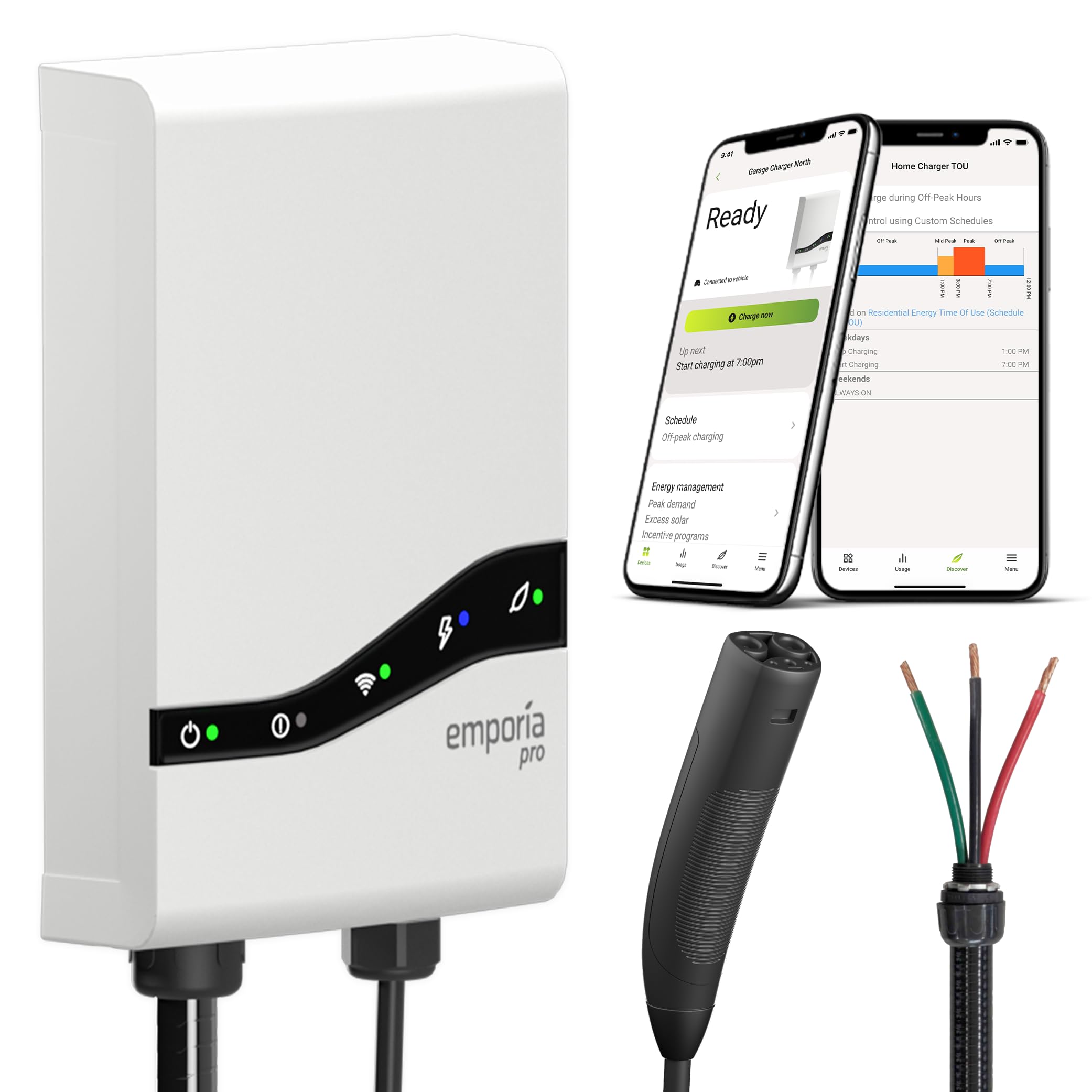
Emporia Pro Level 2 EV Charger with PowerSmart, ...
View on Amazon
ChargePoint HomeFlex Level 2 EV Charger J1772 - Fast Smart Battery Power Charging at Home for Electric Automobile Vehicles - NEMA 14-50 Plug for Electric Car : Automotive
View on AmazonRecommended Products
The Ultimate Car Buying Guide 2025: Smart Strategies for Purchasing Your Next Vehicle: Expert Strategies to Avoid Common Pitfalls, Negotiate Like a Pro, and Secure Your Ideal Vehicle. eBook : Rodgers, Kristopher: Kindle Store
Whether you're a first-time buyer intimidated by dealerships, an experienced driver eyeing an upgrade, or an eco-conscious shopper exploring EVs, you'll learn to assess needs, research effec
Emporia Pro Level 2 EV Charger with PowerSmart, ...
EMPORIA Level 2 EV Charger w/ J1772 Connector — 48 Amp, 240V WiFi Enabled Electric Vehicle Charging Station, 25ft Cable, NEMA 14-50, White
ChargePoint HomeFlex Level 2 EV Charger J1772 - Fast Smart Battery Power Charging at Home for Electric Automobile Vehicles - NEMA 14-50 Plug for Electric Car : Automotive
Home Flex Hardwired offers the fastest charge at up to 50A. NEMA 6-50 and 14-50 versions <strong>provide up to 40A and work with existing 240V wall outlets</strong>. Yes! Choose from our list of prefe