
Whole-House Electrification Guide: How to Electrify Your Home
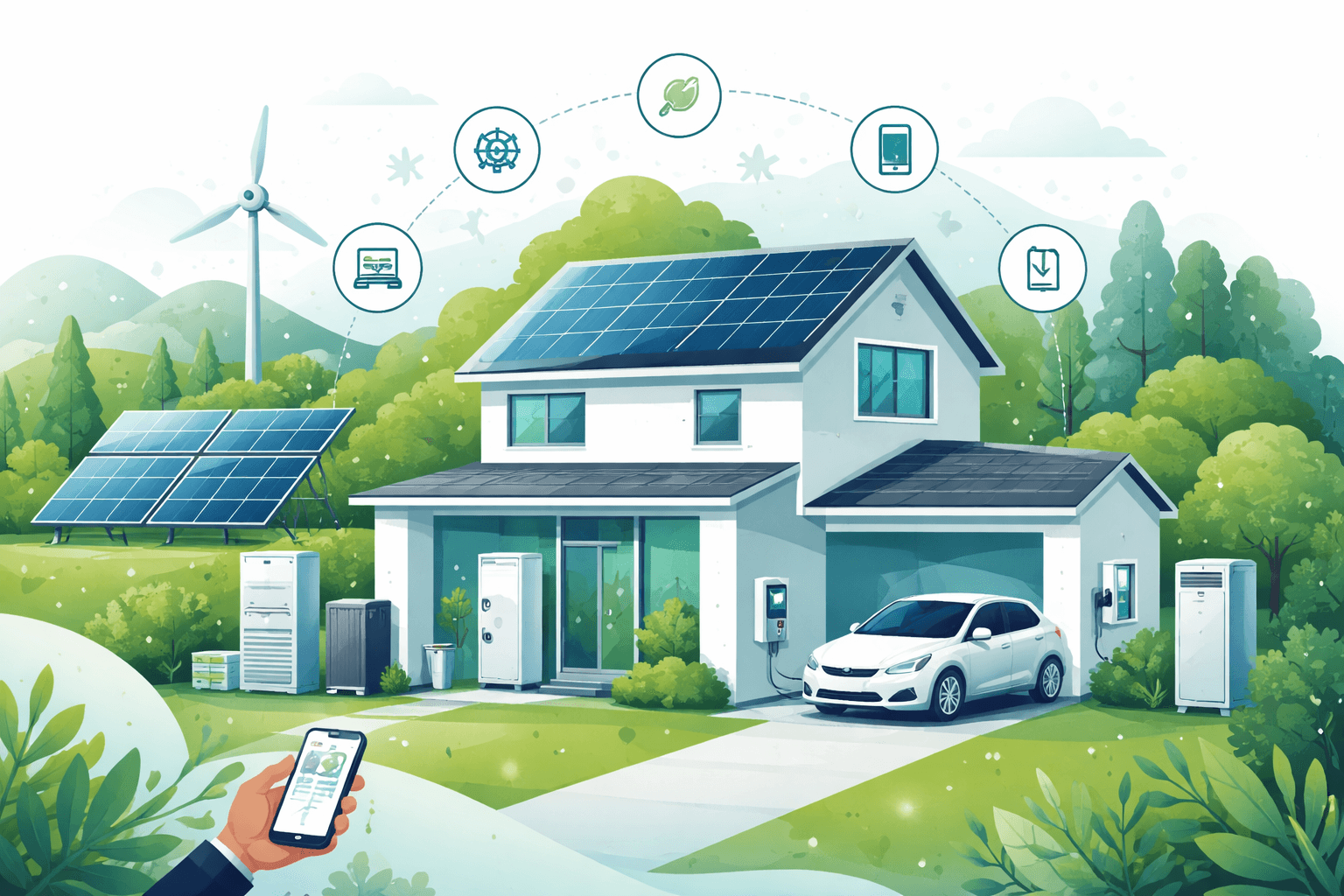
Electrifying your entire home is no longer niche—it’s becoming the default pathway to a cleaner, healthier, and often cheaper household energy system. This whole house electrification guide explains what full-home electrification means, which systems to target, expected costs and savings, how to plan a phased transition, and the decision factors that matter in different homes and budgets.
Global buildings operations account for roughly 30% of final energy use and about 26% of energy-related CO₂ emissions (IEA, 2023). As power grids decarbonize—U.S. power-sector CO₂ is down roughly 36–40% since 2005 (EIA/EPA)—electrification delivers increasing emissions benefits over time.
Whole House Electrification Guide: What It Means and Why Now
Whole-house electrification replaces fossil fuel appliances (gas or oil furnaces and boilers, gas water heaters, stoves, and dryers) with high-efficiency electric alternatives. At its core are heat pumps for space conditioning and water heating, induction for cooking, and efficient electric clothes dryers—often paired with a Level 2 EV charger, and, where feasible, rooftop solar and a home battery for resilience.

Electrify: An Optimist's Playbook for Our Clean Energy Future
In Electrify, <strong>Griffith lays out a detailed blueprint—optimistic but feasible—for fighting climate change while creating millions of new jobs and a healthier environment</strong>. Griffith’s pl
Check Price on AmazonWhy homeowners are moving this direction now:
- Efficiency: Modern heat pumps provide 2–4 units of heat per unit of electricity (coefficient of performance, COP 2–4), beating the best gas furnaces on delivered heat per energy input (DOE, NREL).
- Health: Gas stoves emit nitrogen dioxide (NO₂), carbon monoxide (CO), and formaldehyde; indoor NO₂ can exceed health guidelines during cooking (EPA, WHO). Induction cooking avoids combustion byproducts.
- Economics: With smart rate management and weatherization, many households cut annual energy bills—especially those replacing oil/propane or older, oversized equipment.
- Climate: Electrification slashes on-site combustion to zero and leverages a power grid that’s adding record renewable capacity each year (IEA, IRENA).
What to Electrify: The Main Systems
Space Heating and Cooling: Heat Pumps
- What they are: Refrigeration-cycle devices that move heat rather than create it. Air-source heat pumps (ASHPs) are most common; ground-source (geothermal) heat pumps offer top efficiency but higher upfront costs.
- Performance: Modern cold-climate ASHPs operate reliably below −15°F/−26°C with seasonal COPs of ~2–3 in many climates; ground-source units can achieve COP 3–5 (DOE, NEEP).
- Efficiency metrics: Heating efficiency is rated by HSPF2 (higher is better). Cooling uses SEER2. Ask contractors for a proper Manual J load calculation to size units correctly.
- Costs (typical ranges, before incentives): $8,000–$18,000 for ducted systems; $3,500–$10,000 for one or more ductless mini-splits. Ground-source: $20,000–$40,000+ depending on drilling.
- Special cases: Radiator or hydronic homes can use air-to-water heat pumps; multifamily and space-limited homes may favor ductless systems.
Water Heating: Heat Pump Water Heaters (HPWH)
- Efficiency: ENERGY STAR HPWHs typically deliver 2–4× the efficiency of standard electric resistance, cutting water-heating energy use by about 60% (ENERGY STAR/DOE).
- Practical notes: They gently cool and dehumidify the installation space—beneficial in warm climates or basements, but consider location in cold climates.
- Costs: $1,200–$3,500 installed for standard sizes (50–80 gallons). Emerging 120V “plug-in” HPWHs can avoid panel upgrades.
Cooking: Induction Ranges and Cooktops
- Efficiency and control: Induction transfers ~85–90% of energy to the pan vs. ~32% for gas and ~75% for standard electric resistance (DOE, manufacturers). It boils water 20–50% faster and offers fine-grained temperature control.
- Health: Eliminates combustion in the kitchen, reducing NO₂ spikes linked to respiratory irritation; studies associate gas cooking with elevated childhood asthma risk, while ventilation can mitigate but not eliminate exposure (EPA, peer-reviewed literature).
- Costs: $900–$2,500 for full ranges; $50–$150 for a single portable induction burner to “try before you buy.”

Duxtop Portable Induction Cooktop, Countertop Burner Induction Hot Plate with LCD Sensor Touch 1800 Watts, Silver 9600LS BT-200DZ
View on AmazonClothes Drying: Heat Pump Dryers
- Efficiency: Use 28–50% less energy than vented electric dryers (ENERGY STAR), often run on 120V, and don’t require venting—useful in multifamily or space-constrained homes.
- Costs: $800–$1,500.
Transportation: EV Charging as Part of Electrification
Electrifying transportation pairs naturally with an electric home. A Level 2 (240V) charger adds ~20–40 miles of range per hour. Typical installed costs are $1,000–$3,000 depending on panel proximity and wiring.
- Learn more: How to Charge an Electric Vehicle: Practical Guide to Home, Public, Costs, and Best Practices (/sustainability-policy/how-to-charge-an-electric-vehicle-guide-home-public-costs-best-practices)
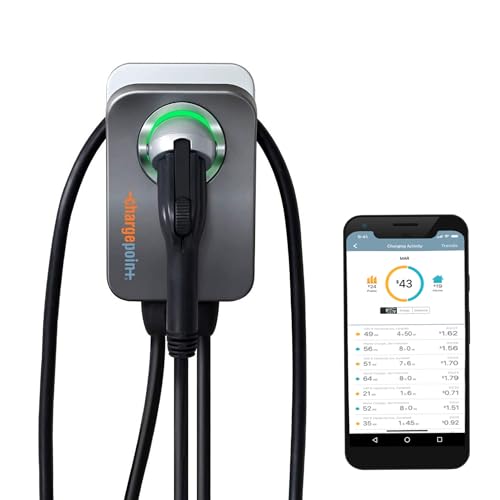
ChargePoint HomeFlex Level 2 EV Charger J1772
View on AmazonSolar-Plus-Storage for Resilience and Cost Control
- Rooftop solar can offset a large share of your household electricity; typical U.S. systems cost about $2.50–$3.50 per watt before incentives. Pairing with a home battery provides backup power and time-of-use arbitrage.
- Storage: 10–15 kWh batteries can back up essential loads for many hours and recharge daily with solar, improving outage resilience (NREL field data show multi-day “islanded” operation is feasible with adequate solar/battery sizing and load control).
- Go deeper: Solar Panels for Home: Complete Buying & ROI Guide (2026) (/renewable-energy/solar-panels-for-home-complete-buying-roi-guide-2026) and Solar Battery Buying Guide: Choose the Best Home Battery in 2026 (/renewable-energy/solar-battery-buying-guide-2026)
Benefits and Tradeoffs
Benefits
- Emissions: Immediate on-site CO₂ and NOₓ emissions drop to zero. Life-cycle emissions fall further as the grid adds renewables; analyses show meaningful net CO₂ reductions today in most U.S. regions (RMI, NREL).
- Indoor air quality (IAQ): Eliminating gas combustion indoors reduces NO₂, CO, and ultrafine particles; studies often observe NO₂ spikes during gas cooking that can exceed health-based guidelines without strong ventilation (EPA/WHO).
- Efficiency and comfort: Heat pumps deliver steady, zoned comfort and dehumidification. HPWHs and heat pump dryers cut energy use substantially.
- Resilience: Solar-plus-storage and EV bidirectional charging (where supported) can keep critical loads running through outages.
Tradeoffs and Challenges
- Upfront costs: Heat pumps and panel upgrades can be capital-intensive, though incentives can offset a significant share.
- Electrical capacity: Some homes need service or panel upgrades; others can leverage load management to stay on 100A service.
- Cold-climate design: Requires right-size equipment, attention to envelope, and defrost/backup strategies.
- Kitchen transitions: Induction may require ferromagnetic cookware; learning curve for some cooks.
- HPWH placement: Slight cooling/hum of the unit; consider location and ducting options.
By the Numbers
- 30%/26%: Global buildings’ share of final energy use/energy-related CO₂ from operations (IEA, 2023).
- 2–4×: Typical heat pump delivered heat per unit of electricity (COP) in heating mode (DOE/NREL).
- ~60%: Typical energy savings of HPWH vs. standard electric resistance (ENERGY STAR/DOE).
- 85–90% vs. ~32%: Induction vs. gas cooking energy transfer efficiency (DOE, manufacturer test data).
- 28–50%: Energy savings from heat pump clothes dryers vs. vented electric (ENERGY STAR).
- 2022: Year U.S. heat pump shipments surpassed gas furnaces for the first time (AHRI).
Planning Your Transition: Evaluate, Sequence, and Right-Size
A smart plan lowers costs and risk while maximizing comfort and savings.
1) Start with an Energy Audit and Load Reduction
- Home energy audit: A professional audit with blower door and duct leakage testing identifies air sealing, insulation, and ventilation needs. Tightening the envelope reduces heating/cooling loads, allowing a smaller, cheaper, and more efficient heat pump (LBNL, DOE).
- Weatherization priorities: Attic insulation to recommended R-values, air sealing top plates/penetrations, rim joists, and duct sealing/balancing.
- IAQ/ventilation: Plan for balanced ventilation (e.g., ERV/HRV) in tighter homes.
2) Map Your Appliances and Replacement Windows
- Avoid stranded assets: Replace equipment at end-of-life to capture maximum value. Typical lifespans: furnaces/boilers 15–25 years; AC 12–17; water heaters 8–12; ranges/dryers 10–15.
- Pre-wire and pre-permit: If your gas water heater is 10 years old, run a 240V circuit for a future HPWH now.
3) Assess Electrical Capacity and Upgrade Strategically
- Panel/service: Many homes with 100A service can electrify fully using load management; 200A service provides headroom but isn’t always required (utility/NEC guidance). Typical panel upgrades cost $2,000–$5,000.
- Load calculations: Have an electrician perform NEC load calculations and consider smart panels, circuit-sharing relays, and 120V appliances (HPWH, dryers) to defer upgrades.
- Circuits you’ll likely add: 240V for heat pump air handler or outdoor unit (varies), HPWH (120V or 240V), induction range (often 40–50A), dryer (typically 30A), Level 2 EVSE (40–60A, adjustable).
4) Design Your Heat Pump System Correctly
- Sizing: Demand Manual J (load), Manual S (equipment selection), and Manual D (duct design) to avoid oversizing/short cycling; seek Cold Climate Heat Pump spec models where appropriate (NEEP).
- Distribution: Evaluate duct condition and layout; ductless heads work best when strategically located. For hydronic homes, explore air-to-water heat pumps.
- Backup: In very cold climates, consider integrated electric resistance backup or dual-fuel as a temporary bridge; whole-home electrification ultimately targets all-electric operation once envelope upgrades are complete.
5) Leverage Incentives and Financing
- U.S. federal tax credits (IRA):
- Energy Efficient Home Improvement Credit (25C): 30% of costs up to annual caps, including up to $2,000 for heat pumps and HPWHs; certain electrical panel upgrades may qualify up to $600 when installed with eligible measures.
- Residential Clean Energy Credit: 30% for residential solar, batteries, and related costs through 2032.
- Rebates: The High-Efficiency Electric Home Rebate Program (HEEHR) will provide point-of-sale rebates up to $14,000 for eligible low- and moderate-income households (state rollout varies), including up to $8,000 for heat pumps, $1,750 for HPWHs, $840 for induction ranges/heat pump dryers, plus support for wiring and panels.
- Utility and state programs: Many offer heat pump/HPWH rebates and demand response incentives.
- For incentive-oriented project planning, see Smart Home Energy Saving: A Practical Guide to Cut Bills with Tech (/sustainability-policy/smart-home-energy-saving-practical-guide) and Solar Panels for Home: Complete Buying & ROI Guide (2026) (/renewable-energy/solar-panels-for-home-complete-buying-roi-guide-2026).
Phased Roadmaps for Different Budgets and Homes
Budget-Conscious, Quick Wins (Year 0–1)
- Weatherization: Air seal and add attic insulation first; low-cost, high-impact.
- Cooking trial: Buy a $50–$150 portable induction burner; use it for most meals to cut gas runtime and exposure.
- Water heating: When your current unit nears end-of-life, swap in a HPWH—often the fastest payback of major electrification moves.
- EV-ready: Add a 240V outlet near your parking spot even if you don’t own an EV yet.
- Smart controls: Add a smart thermostat, connected HPWH scheduling, and utility demand response enrollment. For more on managing loads and rates, see Smart Home Energy Saving: A Practical Guide to Cut Bills with Tech (/sustainability-policy/smart-home-energy-saving-practical-guide).
Mid-Budget, Major Loads (Year 1–3)
- Space conditioning: Replace aging AC with a heat pump rather than a new AC-only unit; you’ll gain efficient heating and cooling in one system.
- Induction range and heat pump dryer: Time replacements with end-of-life and available rebates.
- Panel strategy: Use load management to defer a service upgrade; prioritize 120V heat pump appliances where feasible.
Comprehensive, All-Electric Vision (Year 2–5)
- Whole-home heat pump with zoning or duct redesign; consider ERV/HRV for IAQ.
- Full kitchen electrification with a high-performance induction range and dedicated circuit.
- Solar-plus-storage to stabilize bills and add resilience. For storage and outage planning, see Solar Battery Buying Guide: Choose the Best Home Battery in 2026 (/renewable-energy/solar-battery-buying-guide-2026).
- EV integration: Right-size a Level 2 charger and enable off-peak charging. For charging best practices, see How to Charge an Electric Vehicle: Practical Guide (/sustainability-policy/how-to-charge-an-electric-vehicle-guide-home-public-costs-best-practices).
Practical Decision Factors That Move the Needle
Cost-Saving Opportunities
- Replace at failure: The cheapest time to electrify a water heater or furnace is when the old unit fails—plan and pre-wire now to avoid emergency premium pricing.
- Target expensive fuels: Households on oil or propane often see the fastest bill reductions when switching to heat pumps.
- Rate optimization: Shift loads to off-peak time-of-use windows; set HPWH and EV charging schedules; pre-heat/cool with your heat pump before peak.
- Envelope first: Every kWh you don’t need is the cheapest—load reduction makes smaller systems possible and reduces operating costs.
Technology Choices That Simplify the Journey
- 120V options: HPWHs and heat pump dryers that run on standard outlets can avoid panel upgrades.
- Smart panels/load management: Circuit-sharing relays and smart panels keep peak load manageable on 100A service.
- Right-size, don’t oversize: Oversized heat pumps cycle inefficiently and can be noisier; insist on Manual J/S/D from contractors.
Contractor Selection and Quality Assurance
- Ask for: Manual J/S/D documentation, refrigerant charge verification, airflow and static pressure measurements, and commissioning reports.
- Cold-climate expertise: Seek installers with experience in your climate and building type; ask about NEEP-listed models for cold regions.
- Ventilation and IAQ plan: Ensure kitchen ventilation remains robust post-electrification; consider make-up air in very tight homes.
Prioritization by Home Type
- Older leaky homes: Begin with air sealing and insulation; consider a staged mini-split approach during shoulder seasons, then complete the transition.
- Hydronic/radiator homes: Explore air-to-water heat pumps or panel radiators designed for lower water temperatures.
- Multifamily/condos: Favor ductless mini-splits, 120V HPWHs (where allowed), and ventless heat pump dryers. Electrical capacity and HOA rules are key.
- New construction: All-electric from day one is usually cheapest—smaller mechanical systems, no gas meter, optimized envelope.
What This Means for Households and Policymakers
- Households: Plan a two- to five-year roadmap. Start with an audit and weatherization, map end-of-life windows, pre-wire, and secure incentives. Expect indoor air quality and comfort gains alongside emissions cuts.
- Contractors: Invest in heat pump design and commissioning skills; offer load management solutions to minimize panel upgrades.
- Policymakers and utilities: Simplify and scale point-of-sale rebates, support contractor training, expand demand response, and standardize interconnection for solar and storage.
Where Whole-Home Electrification Is Heading
- Smarter, smaller, cleaner: Inverter-driven heat pumps keep improving in cold climates; compact 120V electrified appliances expand retrofit potential.
- Grid integration: Appliances and EVs will increasingly respond to real-time prices and carbon signals, lowering costs and peak demand.
- Resilience by design: Solar, batteries, and vehicle-to-home will turn homes into flexible micro-hubs that support both families and the grid.
For a deeper dive on home energy management, see Smart Home Energy Saving: A Practical Guide to Cut Bills with Tech (/sustainability-policy/smart-home-energy-saving-practical-guide), and for solar and storage economics, explore Solar Panels for Home: Complete Buying & ROI Guide (2026) (/renewable-energy/solar-panels-for-home-complete-buying-roi-guide-2026) and Solar Battery Buying Guide: Choose the Best Home Battery in 2026 (/renewable-energy/solar-battery-buying-guide-2026).
Recommended Products
Electrify: An Optimist's Playbook for Our Clean Energy Future
In Electrify, <strong>Griffith lays out a detailed blueprint—optimistic but feasible—for fighting climate change while creating millions of new jobs and a healthier environment</strong>. Griffith’s pl
Duxtop Portable Induction Cooktop, Countertop Burner Induction Hot Plate with LCD Sensor Touch 1800 Watts, Silver 9600LS BT-200DZ
PORTABLE INDUCTION BURNER: Duxtop induction cooktop <strong>uses 110/120 V 15 amp electrical outlet</strong>–standard in all North American homes. ETL listed and built to North American electrical sta
ChargePoint HomeFlex Level 2 EV Charger J1772
Discover the latest in EV charging technology. Explore a diverse selection of smart, efficient, and compatible charging solutions for your electric vehicle.
More in Sustainability Policy
- Smart Home Energy Saving: A Practical Guide to Cut Bills with Tech
- How to Charge an Electric Vehicle: Practical Guide to Home, Public, Costs, and Best Practices
- Tesla Powerwall: Complete Buyer's Guide — Cost, Installation & Alternatives
- Green Living: Practical, Data-Backed Guide to a Low-Carbon Home