
Green Living: Practical, Data-Backed Guide to a Low-Carbon Home
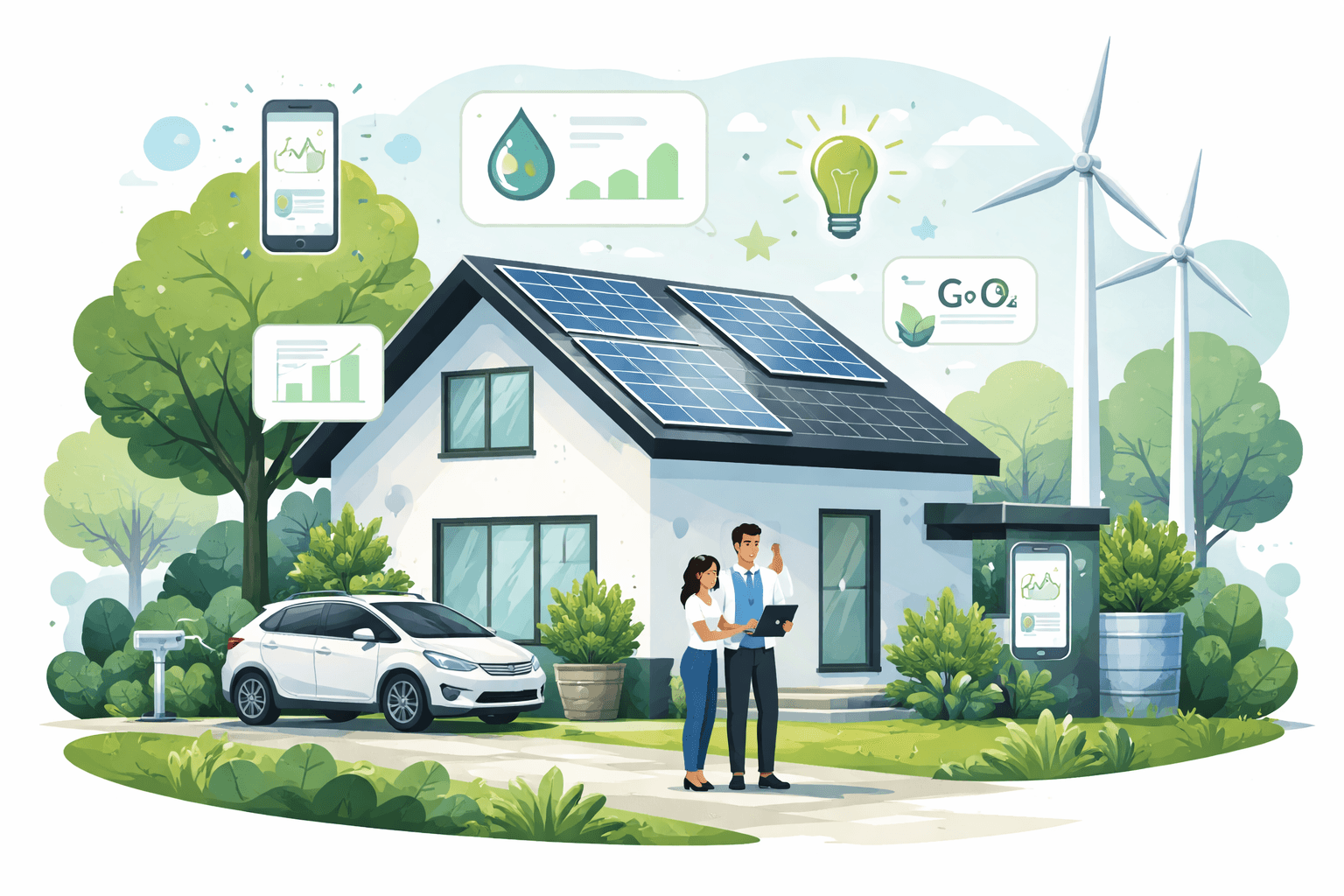
Green living isn’t a trend; it’s a measurable pathway to cut household costs and emissions with proven technologies. In 2023 alone, the world added a record 507 GW of renewable power capacity—about three-quarters of it solar (IEA, 2024). Electric vehicle (EV) sales topped 14 million, roughly 18% of all cars sold globally (IEA, 2024). At home, efficient lighting, insulation, heat pumps, and smart controls routinely deliver double‑digit energy savings. This green living guide assembles the data and turns it into an action plan—what to do first, how much it saves, and how to track your progress.
What is green living? Definitions, principles, and why it matters
Green living means making everyday choices that lower your environmental footprint across energy, transport, consumption, and waste—without sacrificing comfort or economic security. In practice, it’s about:
- Using less energy through efficiency (insulation, LED lighting, efficient appliances)
- Switching remaining energy to clean sources (solar, wind via your utility, heat pumps, EVs)
- Choosing low‑carbon mobility (walking, cycling, transit, EVs) and fewer unnecessary trips
- Buying fewer, better, longer‑lasting products (repairable and low‑impact materials)
- Cutting waste through reuse, recycling, and composting
- Aligning money with sustainability (incentives, budgets, credible ecolabels)
Why it matters now:
- The buildings sector drives about 30% of final energy use and roughly 26–28% of energy‑related CO2 emissions from operations worldwide (GlobalABC/IEA, 2023). Add construction materials, and buildings plus construction account for ~37–38% of energy-related CO2.
- Transportation is the largest emitting sector in the U.S. at ~28% of national greenhouse gas emissions (EPA, 2024), with private cars a major share.
- Efficiency is the fastest, cheapest emissions cut. Many home measures pay back in 2–7 years through lower utility bills.
Green living scales: one household’s choices ripple through supply chains, signal demand for cleaner products, and improve local air quality.
The climate and environmental case: key data, emissions by household activity, and benefits of change
Household emissions come from direct energy use (home heating, water heating, cooking, appliances), transportation fuel/electricity, and “indirect” consumption (food, goods, services). While breakdowns vary by country and income, credible snapshots include:
- U.S. household footprints: transportation often accounts for ~30–40% of household emissions, housing energy ~20–25%, food ~10–15%, and the rest from goods and services (CoolClimate Network; EPA methodological guidance).
- EU consumption: households are responsible for a majority of consumption‑based emissions; the European Environment Agency has estimated household consumption drives well over half of EU GHGs when indirect supply‑chain impacts are included.

Electrify: An Optimist's Playbook for Our Clean Energy Future
In Electrify, <strong>Griffith lays out a detailed blueprint—optimistic but feasible—for fighting climate change while creating millions of new jobs and a healthier environment</strong>. Griffith’s pl
Check Price on AmazonEnvironmental and health co‑benefits are immediate:
- Indoor air quality: Moving from gas stoves to electric or induction removes a combustion source of NOx indoors; multiple studies link gas cooking to elevated indoor NO2 and increased childhood asthma risk.
- Local air quality: Replacing an older gasoline car with an EV reduces tailpipe pollutants (NOx, PM) to zero, benefiting neighborhood health.
- Water and biodiversity: Less energy demand reduces upstream extraction and cooling water needs; consuming fewer materials lightens land, water, and habitat pressures.
By the numbers (trusted sources)
- 507 GW renewable capacity added in 2023; solar ≈ 75% of additions (IEA, 2024)
- Buildings operations ≈ 26–28% of energy‑related CO2 (GlobalABC/IEA, 2023)
- LEDs use up to 75% less electricity than incandescents and last 25x longer (U.S. DOE)
- Smart thermostats cut heating/cooling energy ~8% on average (ENERGY STAR)
- Heat pumps deliver 2–4+ units of heat per unit of electricity (seasonal COP 2–4), reducing heating energy vs. resistance or deliver lower emissions than modern gas in many grids (IEA, technical literature)
- EVs: 2023 sales >14 million (18% of market), life‑cycle CO2 typically 50–70% lower than gasoline cars on today’s grids (IEA; ICCT)
- Food is the largest single material in U.S. landfills (~24% by weight); landfills are a top human‑related methane source (EPA)
Energy at home: how to cut consumption and switch to renewables
Energy drives a large share of a household’s carbon footprint. Tackle it in this order: seal leaks, insulate, right‑size and electrify equipment, then add clean power.
1) Find and fix building leaks; add insulation
- Air sealing: Caulking, weather‑stripping, and sealing attic/basement penetrations can reduce uncontrolled air exchange, cutting heating/cooling loads by 10–20%.
- Insulation: Upgrading attic insulation to recommended R‑values and insulating rim joists and walls can reduce space‑conditioning energy 15–40% depending on starting point and climate (IEA; DOE field studies).
- Windows: Tight, well‑sealed frames and low‑emissivity (low‑e) glazing reduce heat loss/gain and drafts; consider storm windows as a lower‑cost upgrade before full replacement.
For a deep dive on layout, materials, and balanced strategies, see our guide to Energy‑Efficient Green Renovations: Practical Solutions to Cut Bills, Reduce Carbon, and Boost Home Value (/sustainability-policy/energy-efficient-green-renovations-practical-guide).
2) Upgrade to efficient appliances and lighting
- Lighting: Replace remaining halogen/incandescent bulbs with LEDs—up to 75% less energy, and most households recoup costs within months (DOE).
- Refrigeration and laundry: Choose ENERGY STAR–rated models. Heat pump dryers can cut electricity use by 28–50% versus standard electric vented units (manufacturer and lab data).
- Water heating: Heat pump water heaters typically use ~70% less electricity than resistance heaters (NREL/DOE). Insulate hot‑water pipes and set tank temperature ~120°F/49°C to save energy and reduce scald risk.
- Cooking: Induction cooktops transfer ~85–90% of energy to the pan vs. ~32% for gas, reducing waste heat and improving indoor air quality (DOE/ACEEE). If a full swap isn’t feasible yet, use induction portable hobs or electric kettles for high‑frequency tasks.

Duxtop 1800W Portable Induction Cooktop Countertop Burner, Gold 8100MC/BT-180G3: Electric Countertop Burners
View on Amazon3) Electrify heating and cooling with heat pumps
Modern cold‑climate air‑source heat pumps work efficiently well below freezing and can replace or supplement furnaces and boilers. Benefits include:
- Energy performance: Seasonal coefficients of performance (SCOP) 2–4+; each kWh of electricity can deliver 2–4 kWh of heat
- Emissions: Even on moderately carbon‑intensive grids, heat pumps typically emit less CO2 per delivered unit of heat than gas, and they improve each year as grids add renewables (IEA; national lab analyses)
- Comfort: Zonal control and dehumidification improve comfort; maintenance is similar to central AC
Pair with smart controls and ensure proper sizing and duct sealing for best results. If full electrification isn’t immediate, consider hybrid setups (heat pump + existing system) to cover 80–90% of annual heating hours efficiently.
4) Smart thermostats and controls
Smart thermostats and connected controls save ~8% of heating and cooling energy on average (ENERGY STAR), more with optimized schedules, occupancy sensing, and demand‑response participation from your utility. See our Smart Home Technology for Sustainability guide for integration best practices (/sustainability-policy/smart-home-technology-for-sustainability-upgrades-integration-guide).

ecobee Smart Thermostat Premium with Smart Sensor and Air Quality Monitor - Programmable Wifi Thermostat - Works with Siri, Alexa, Google Assistant - Amazon.com
View on Amazon5) Rooftop solar and community renewables
- Rooftop solar: The 30% U.S. federal Investment Tax Credit (ITC) is in place through at least 2032 for solar and battery storage. Typical residential systems can offset 60–100% of annual electricity use depending on roof, orientation, shading, and local policies. Many locales see simple paybacks in 6–10 years; some faster with strong incentives.
- Community solar: If you rent or have a shaded roof, community solar subscriptions or green tariffs can deliver renewable power without on‑site panels.
- Storage: Batteries increase self‑consumption and resilience; economics vary by rate structures (time‑of‑use, demand charges) and available rebates.
If you’re planning broader upgrades, our Green Building Materials guide can help you select low‑carbon, durable products (/sustainability-policy/green-building-materials-guide-suppliers).
Transport and mobility: low‑carbon choices and charging basics
Transportation choices often dominate household emissions. Reduce miles, shift modes, then electrify what remains.
Reduce and shift trips
- Replace short car trips with walking or cycling where safe; combine errands, carpool, and use transit. Employers increasingly support transit benefits, bike facilities, and hybrid work schedules that cut commute emissions.
- Trip planning: Batch deliveries, use route‑planning apps, and keep tires properly inflated (under‑inflation can raise fuel use ~3%).
Electrify your miles
EV technology and charging access have advanced quickly:
- Market status: >14 million EVs sold in 2023 (18% of global new car sales), with model variety expanding and average range exceeding 250 miles for many new models (IEA, 2024).
- Life‑cycle emissions: Battery‑electric vehicles produce 50–70% lower life‑cycle CO2 than comparable gasoline cars on today’s grids; the advantage grows as electricity cleans up (ICCT; IEA).
- Operating costs: Electricity is often cheaper per mile than gasoline, and EVs have fewer moving parts—lower maintenance over the vehicle’s life.
Charging 101
- Level 1 (120V): ~3–5 miles of range per hour; best for overnight charging with low daily mileage.
- Level 2 (240V): ~20–40 miles of range per hour; the home and workplace sweet spot.
- DC Fast Charging (50–350 kW): ~3–20 miles of range per minute; ideal for long trips and corridor travel.
Home charging covers the majority of sessions in most markets. If you rent or lack off‑street parking, look for workplace charging, curbside pilots, or nearby fast chargers. Utilities and cities increasingly offer rebates for Level 2 installations and on‑peak/off‑peak rate options to lower charging costs.
Sustainable consumption and waste: reduce, reuse, repair, compost
Household material choices matter. Globally, materials extraction and processing drive a large share of emissions and biodiversity loss.
- Buy fewer, better: Prioritize durable, repairable goods. Extending a product’s life by even one year can cut associated emissions 10–20% or more depending on the category (circular economy studies).
- Clothing: The fashion sector is linked to roughly 3–4% of global emissions; buying timeless pieces, repairing, and choosing secondhand reduces impact.
- Electronics: Opt for devices with EPEAT or ENERGY STAR labels and manufacturer repair programs; delay upgrades when possible.
- Food choices: Food is the largest share of U.S. landfill material (~24%), and landfill methane is a potent climate pollutant (EPA). Plan meals, store food to extend shelf life, and use your freezer.
- Composting: Diverting food scraps from landfills reduces methane. Backyard composting is simple for fruit/veg scraps; check local programs for curbside organics.
- Recycling: Follow local rules; focus on high‑value streams (aluminum, certain plastics, paper/cardboard). Contamination ruins batches—when in doubt, find guidance from your hauler.
Explore simple, high‑impact daily actions in our Everyday Sustainable Living guide (/sustainability-policy/everyday-sustainable-living-tips-save-money-reduce-waste-lower-carbon-footprint).
Money and policy: green budgeting, incentives, rebates, and reading ESG claims
Your budget and your ballot are powerful climate tools.
Build a “green budget”
- Audit your bills: Track kWh, therms, and gallons. Create a baseline year for comparison.
- Reinvest savings: Redirect utility bill savings into the next upgrade (e.g., weatherization → heat pump → rooftop solar).
- Time‑of‑use optimization: Shift laundry, EV charging, and dishwashing to off‑peak hours where rates are lower and grids are cleaner.
Incentives and rebates
- United States: The federal 30% ITC for residential solar and standalone storage runs through at least 2032. Many states and utilities add rebates for heat pumps, heat pump water heaters, weatherization, Level 2 EV chargers, and managed charging programs. The Inflation Reduction Act established home energy rebates (HOMES and HEAR) administered by states—rollouts and eligibility vary by state and income.
- Europe: Countries offer grants or VAT reductions for heat pumps, building retrofits, rooftop solar, and EV purchases. EU policy emphasizes heat pump deployment and building renovation via national programs.
- Elsewhere: Canada’s federal and provincial programs support heat pumps and home retrofits; Australia offers rooftop solar rebates and feed‑in tariffs; many Asian and Latin American cities provide transit and EV incentives.
Always check your state/country energy office and your local utility for current offers. Rebates change frequently and can stack.
How to read ESG claims and avoid greenwashing
- Look for third‑party certifications: ENERGY STAR (appliances, buildings), WaterSense (fixtures), FSC or PEFC (wood/paper), EPEAT (electronics), EU Energy Label, Blue Angel (Germany), BREEAM/LEED (buildings).
- Ask for Scope 1/2/3: Robust corporate climate disclosures cover direct (Scope 1), purchased energy (Scope 2), and full value‑chain emissions (Scope 3). Targets should be near‑term, science‑based, and independently verified (e.g., SBTi).
- Beware vague language: “Eco‑friendly” without data is a red flag. Seek specific metrics (e.g., kWh/year, gCO2e/km, recycled content percentage) and credible lifecycle assessments.
Build your household green-living plan: checklist, goals, and tracking
Turn insight into action with a phased plan you can measure.
Step‑by‑step checklist (start with the fast paybacks)
- Switch remaining bulbs to LEDs; add smart power strips for entertainment/office gear
- Seal drafts; add attic and basement insulation; weather‑strip doors and windows
- Install low‑flow showerheads and faucet aerators; fix leaks promptly (WaterSense‑rated fixtures can cut water use ~20% and reduce hot‑water energy)
- Program your thermostat; consider a smart model
- Replace the oldest, worst performers first: fridge, water heater, or HVAC
- Plan your electrification path: heat pump for space heating/cooling; heat pump water heater; induction or electric cooking; dryer upgrades when due
- Evaluate rooftop solar or community solar; consider adding a battery if outages are common or rates favor storage
- Improve mobility: replace short car trips with walking/cycling; try transit 1–2 days/week; explore EV incentives if replacing a vehicle
- Reduce waste: set up home recycling correctly; start composting; cut single‑use plastics; plan meals to reduce food waste
- Reinvest savings into the next upgrade; schedule annual progress reviews
Set measurable goals
- Energy: “Reduce electricity use 15% year‑over‑year,” “Cut space heating gas use 30% in two winters”
- Mobility: “Replace 3 car trips/week with biking/transit,” “Cut gasoline purchases 40% this year,” “Charge EV 90% off‑peak”
- Waste: “Reduce landfill trash by 50% by composting and better recycling,” “Cut food waste by 50%”
- Purchasing: “Buy 80% of new clothing secondhand or from verified low‑impact brands,” “Repair 3 household items instead of replacing”
Track your progress
- Utility bills: Log monthly kWh/therms; normalize for weather with degree‑days if possible.
- Smart meters and apps: Many utilities provide 15‑minute interval data; smart plugs reveal standby loads.
- Carbon calculators: EPA’s Household Carbon Footprint Calculator (U.S.), CoolClimate Calculator (U.S.), and national tools in the UK, EU, and elsewhere help quantify impacts.
- Grid intensity: Apps and dashboards (e.g., electricity grid carbon intensity services) show cleaner hours to time flexible loads.
Consider a yearly “home performance report” with before/after charts. Celebrate wins; recalibrate goals based on results and new incentives.
Resources and next steps: trustworthy tools and where to learn more
- Government energy agencies: IEA, U.S. DOE, EPA ENERGY STAR, European Commission energy portals—reliable data and guidance
- Utilities and state/provincial energy offices: Up‑to‑date rebates, free home energy audits, and demand‑response programs
- Local programs: City sustainability departments often offer weatherization help, composting, e‑bike rebates, and transit passes
- Nonprofits and research: National labs (NREL, LBNL), Global Buildings Performance Network, ICCT (transport), Project Drawdown (solutions rankings)
- Site guides: For project planning and material choices, see Designing Energy‑Efficient Homes (/sustainability-policy/designing-energy-efficient-homes-practical-strategies) and Designing Green Homes: Practical Strategies (/sustainability-policy/designing-green-homes-practical-strategies)
Where the trend is heading: Renewables set records in 2023; grids are decarbonizing; heat pumps and EVs continue to scale; and digital controls are slashing waste invisibly. Intermittency is real, as are supply‑chain constraints and the need for skilled labor—but storage, demand flexibility, and smarter markets are maturing fast. For households, the playbook is clear: start with efficiency, electrify, add clean power, and track your wins. That is green living at its most practical—and its most powerful.
Recommended Products
Electrify: An Optimist's Playbook for Our Clean Energy Future
In Electrify, <strong>Griffith lays out a detailed blueprint—optimistic but feasible—for fighting climate change while creating millions of new jobs and a healthier environment</strong>. Griffith’s pl
ecobee Smart Thermostat Premium with Smart Sensor and Air Quality Monitor - Programmable Wifi Thermostat - Works with Siri, Alexa, Google Assistant - Amazon.com
ecobee Smart Thermostat Premium with Smart Sensor and Air Quality Monitor - Programmable Wifi Thermostat - <strong>Works with Siri, Alexa, Google Assistant</strong> - Amazon.com
Duxtop 1800W Portable Induction Cooktop Countertop Burner, Gold 8100MC/BT-180G3: Electric Countertop Burners
Duxtop Built-in Induction Cooktop, <strong>Portable Countertop Burner, Sensor Touch Induction Burner, 170-Minute Timer, Safety Lock, 1800W BT-200T1/8600BI</strong>
More in Sustainability Policy
- Tech-Driven Sustainable Living: A Practical Guide to Lower Your Footprint
- Designing Green Homes: Practical Strategies for Sustainable, Healthy, Cost‑Effective Living
- Energy-Efficient Green Renovations: Practical Solutions to Cut Bills, Reduce Carbon, and Boost Home Value
- Smart Home Energy Saving: A Practical Guide to Cut Bills with Tech