
Sustainable Fashion: Tech, Materials, and How to Shop Smarter
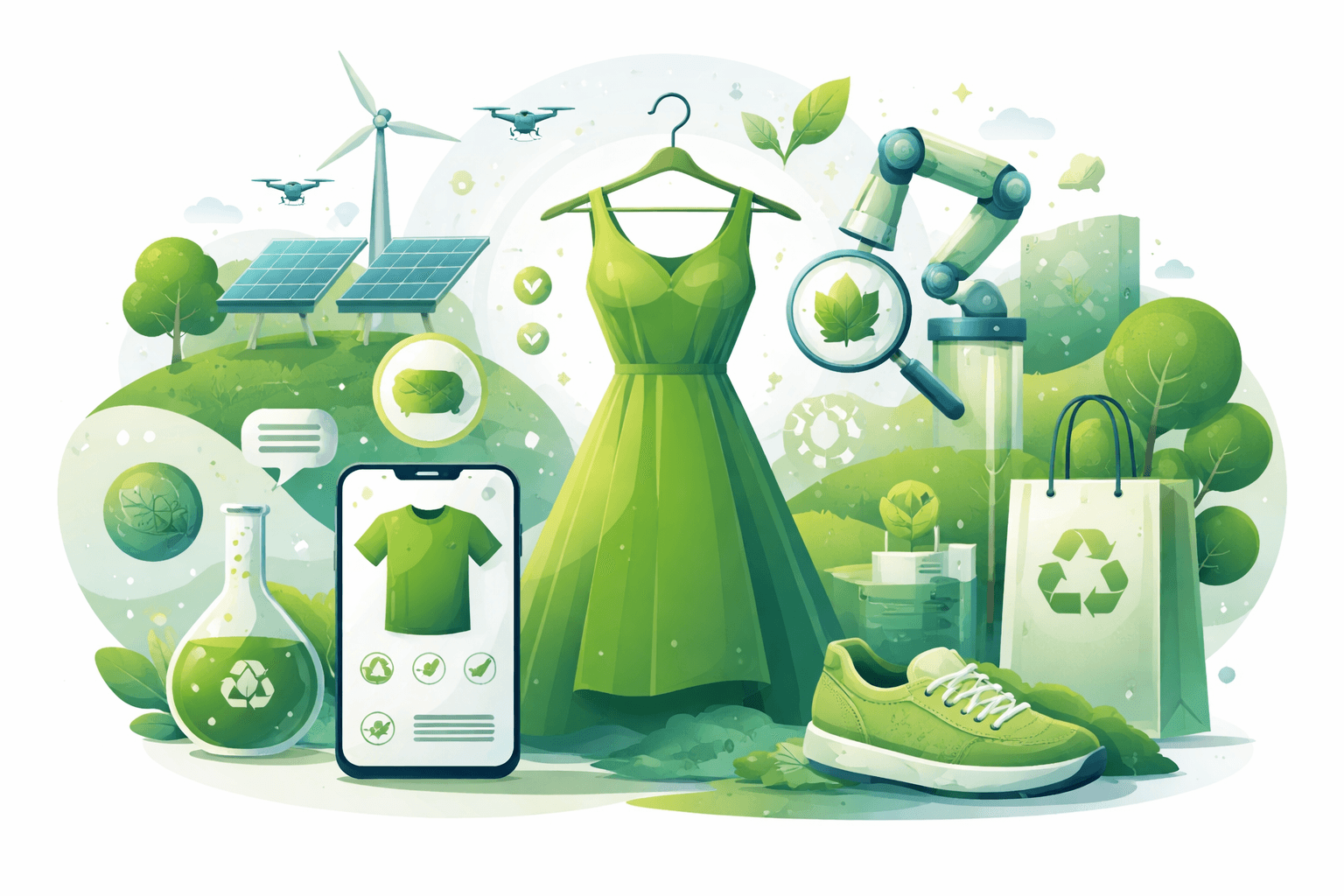
Fashion’s footprint is no longer a niche concern. Global apparel and footwear are responsible for an estimated 2–4% of annual greenhouse gas emissions (McKinsey & Global Fashion Agenda; UNEP), and less than 1% of clothing is recycled back into new clothing (Ellen MacArthur Foundation). Sustainable fashion isn’t just a label — it’s a set of measurable practices, technologies, and purchasing choices that can shrink emissions, water use, waste, and social harms across the industry. This guide unpacks the data, tools, and innovations driving progress — and how to shop smarter.
What is sustainable fashion? Definitions, key metrics, and how it differs from “eco” marketing
Sustainable fashion refers to the design, production, distribution, use, and end-of-life management of apparel and textiles in ways that minimize negative environmental and social impacts — and maximize durability, repairability, and resource efficiency.

The Conscious Closet: The Revolutionary Guide to Looking Good While Doing Good eBook : Cline, Elizabeth L.: Kindle Store
In her landmark investigation Overdressed: The Shockingly High Cost of Cheap Fashion, Elizabeth L. Cline first revealed fast fashion’s hidden toll on the environment, garment workers, and even our own
Check Price on AmazonKey attributes and metrics
- Carbon intensity: total greenhouse gas (GHG) emissions across the life cycle, often reported as kg CO2e per garment. Example: a typical pair of jeans has ~30–33 kg CO2e across its life cycle (brand LCAs; Levi’s).
- Water footprint: blue/green/grey water used in fiber cultivation and wet processing (dyeing/finishing). Cotton T-shirts can require roughly 1,000–3,000 liters depending on farm and climate (WWF; peer-reviewed LCAs), though “2,700 L” is a commonly cited global average.
- Chemical management: restricted substances and safer chemistry in dyes/finishes (e.g., avoiding azo dyes, PFAS; adopting bluesign- or ZDHC-aligned chemistries).
- Land and biodiversity: sourcing that avoids deforestation and habitat loss (e.g., FSC/PEFC-certified cellulosics) and protects soil health.
- Microfiber shedding: release of synthetic microfibers during washing and wear, a contributor to microplastic pollution (IUCN estimates ~35% of primary microplastics in the ocean come from synthetic textiles).
- Circularity: share of recycled content; design for disassembly; take-back, resale, repair; fiber-to-fiber recycling rates.
- Social and labor conditions: living wages, safe working environments, and worker rights verified through credible standards and audits.
How it differs from “eco” marketing
- Evidence over adjectives: Claims like “green,” “natural,” or “conscious” are not evidence. Look for life cycle assessments (LCAs) following ISO 14040/44, verified impact reporting, or credible third-party certifications.
- Whole-system perspective: Sustainable fashion considers the full life cycle (fiber to end-of-life), not just a single attribute like “organic” or “recycled.”
- Trade-offs disclosed: Better practice includes transparent discussion of trade-offs (e.g., recycled polyester reduces demand for virgin fossil feedstock but still sheds microfibers).
Why sustainable fashion matters: emissions, water use, waste, and social impacts
Emissions and energy
- Apparel and footwear generate an estimated 2–4% of global GHG emissions, or roughly 1.2–2.1 Gt CO2e annually (UNEP; McKinsey/GFA). Most emissions occur upstream in material production and dyeing/finishing, where electricity and heat (often coal) dominate. Shifting mills to renewable energy and electrified heat is a top lever for decarbonization.
Water and chemistry
- Cotton cultivation is water- and input-intensive; the exact footprint varies widely by geography and practice (rainfed vs. irrigated, regenerative methods). Dyeing and finishing can account for 20–30% of a garment’s total water footprint and are major sources of untreated effluent in regions without robust wastewater treatment (UNEP, World Bank).
Waste and end-of-life
- The world discards an estimated 92 million tonnes of textiles each year — roughly a garbage truck of clothing landfilled or incinerated every second (Ellen MacArthur Foundation). In the U.S., textiles are among the fastest-growing waste streams (EPA). Globally, less than 1% of textiles are recycled back into new textiles due to technical and economic barriers like fiber blends and contamination.
Microplastics
- Synthetic textiles are the largest identified source of primary microplastics in the ocean, at about 35% of the total (IUCN). Laundering releases microfibers that pass through wastewater systems; filters and design choices can cut shedding significantly.
Social impacts
- Many workers in global supply chains still earn below living wages, with persistent risks of excessive overtime and unsafe conditions (Clean Clothes Campaign; ILO). Forced labor concerns in certain regions have spurred import restrictions and due-diligence laws.
Sustainable fashion: by the numbers
- 2–4%: Global GHG emissions from apparel and footwear (UNEP; McKinsey/GFA)
- <1%: Textiles recycled back into textiles (Ellen MacArthur Foundation)
- ~30–33 kg CO2e: Life-cycle footprint of one pair of jeans (brand LCAs)
- 1,000–3,000 L: Typical water needed to produce one cotton T-shirt, varying by region and practices (WWF; LCAs)
- 35%: Share of primary microplastics in the ocean from synthetic textiles (IUCN)
- 14–15%: Global share of polyester that is recycled, mostly from PET bottles rather than textile waste (Textile Exchange, 2023)
Technology transforming fashion: bio-based materials, recycled fibers, textile-to-textile recycling, and low-impact dyes
Bio-based and next-gen materials
- Responsible cellulosics: Lyocell (e.g., TENCEL) uses a closed-loop solvent system (NMMO) with >99% solvent recovery under best practice, reducing chemical releases and water compared to conventional viscose. Prefer FSC/PEFC-certified wood pulp to avoid deforestation.
- Plant- and waste-derived fibers: Agricultural residues (e.g., pineapple leaf fibers), bacterial cellulose, and seaweed-derived cellulosics are scaling through pilots. Key watch item: durability and end-of-life; ensure compostability claims are backed by standards and infrastructure.
- Mycelium and bio-based “leathers”: Fungal mycelium and plant-based composites reduce reliance on conventional leather and fossil-derived PU/PVC. Verify durability, coating chemistry, and repairability — many products still use polyurethane surface layers.
Recycled fibers and fiber-to-fiber recycling
- Mechanical recycling: Cotton can be mechanically recycled but fiber length shortens, often requiring blending with virgin fibers. Pre-consumer (cutting waste) is easier than post-consumer (mixed, contaminated).
- Chemical recycling of polyesters: Depolymerization (glycolysis, methanolysis, enzymatic) can return PET to monomers with near-virgin quality, enabling true textile-to-textile loops. Companies report high yields (>85–90%) in pilots, but economics depend on energy prices and feedstock logistics.
- Cellulose regeneration: Emerging technologies (e.g., cellulose carbamate, ionic liquids) dissolve cotton-rich waste to spin new cellulosic fibers. Despite technical promise, supply-chain integration and financing remain hurdles. A major cellulose recycler filed for bankruptcy in 2024, underscoring scale-up risk, not technical impossibility.
Low-impact coloration and finishing
- Dope dyeing (solution dyeing) of synthetics incorporates pigment during fiber extrusion, cutting water use up to 90% and reducing chemicals and energy versus conventional dyeing. Color flexibility post-extrusion is limited, so it suits core colors.
- Digital printing: Compared to rotary screen printing, modern digital systems can reduce water use by 60–90% and cut energy by 30% while enabling on-demand production that lowers overstock.
- Waterless/low-liquor dyeing: Supercritical CO2 dyeing for polyester and foam dyeing for denim eliminate or slash water and salt use; wider fiber applicability and capex costs remain challenges.
- Safer chemistries: ZDHC-compliant chemical management and bluesign-approved inputs reduce hazardous substances; cationic dyeing of cotton can avoid large salt loads.
Design for circularity
- Monomaterial or compatible blends (e.g., 100% cotton or PET-to-PET) simplify recycling.
- Trims and threads selected for disassembly; digital product IDs store composition info for recyclers.
- Durability and reparability designed upfront (reinforced stress points, spare buttons, standardized zippers).
For more on emerging climate and materials technologies, see Green Tech Innovations: 10 Technologies Shaping a Sustainable Future (/ai-technology/green-tech-innovations-technologies-shaping-sustainable-future).
Supply-chain transparency and measurement: blockchain, digital product passports, LCAs, and certifications to trust
Traceability tech
- Blockchain/ledger systems: Platforms assign digital tokens to fiber lots and track custody from spinner to brand. Strength: tamper-evident chain-of-custody. Limitation: “garbage in, garbage out” — digital records must be verified by audits and physical testing.
- Digital Product Passports (DPPs): The EU’s Ecodesign for Sustainable Products Regulation (ESPR) is phasing in DPPs for high-impact categories, including textiles, from late-2020s onward. Expect QR/NFC-accessible data on fiber content, chemicals, repair instructions, and end-of-life routing. DPPs can enable accurate sorting and recycling, and help consumers repair and resell.
Measurement tools
- LCAs and product footprints: Prefer studies following ISO 14040/44 with transparent system boundaries, allocation rules, and primary data from mills.
- Software and databases: SimaPro, GaBi, openLCA with databases like ecoinvent are commonly used. Material scoring tools can be helpful but are averages; site-specific data is more accurate.
Certifications and standards you can trust
- Fiber and material chain-of-custody: GOTS (organic textiles; cotton, wool, etc.), FSC/PEFC (forest-based fibers), GRS/RCS (recycled content verification), OCS (organic content).
- Chemical safety and inputs: OEKO-TEX Standard 100 (finished product safety), bluesign (input stream management), ZDHC MRSL conformance (chemical use restrictions at facilities).
- Social and labor: Fair Trade Certified, SA8000, Fair Wear Foundation membership/performance disclosures.
- Corporate and product-level: B Corp (company level, broader ESG), but still assess product-level data.
Dig deeper on which labels mean what in our Essential Guide to Product Sustainability Certifications (/sustainability-policy/essential-guide-product-sustainability-certifications).
Practical consumer guide: how to evaluate brands, care, repair, resale, and build a low-impact wardrobe
A smart approach to sustainable fashion starts with buying less, buying better, and extending use. Here’s a checklist and playbook.
Brand and product evaluation checklist
- Material transparency: Does the product page disclose exact fiber percentages and source claims (e.g., “70% recycled cotton, GRS-certified”)? Vague terms like “eco” or “conscious” are red flags.
- Verified standards: Look for certifications matched to the claim (GOTS for organic textiles, GRS for recycled content, FSC/PEFC for viscose/lyocell pulp, OEKO-TEX/bluesign for chemistry).
- Manufacturing info: Countries of cut/sew and wet processing listed; facility audits and wages disclosed; membership in ZDHC or similar programs.
- Design for longevity: Reinforced seams, repairable hardware, spare parts, clear care instructions, and warranties or repair services.
- Circular services: Take-back, resale, rental, or repair programs with measurable results (items processed, resale rates).
- Footprint data: Product-level carbon or water footprints with methodology and boundaries explained.
Care and use: the biggest lever you control
- Wash less and colder: Most washing-machine energy goes to heating water; cold cycles can cut energy use by 60–80% compared to hot. Spot-clean and air garments between wears.
- Line-dry when possible: Dryers are among the most energy-intensive home appliances; air-drying can extend fabric life and save significant energy.
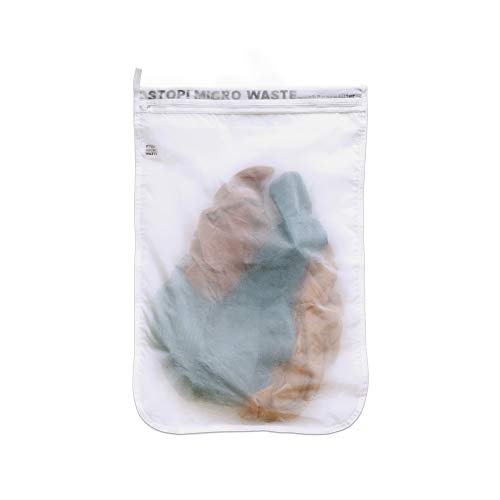
- Microfiber filters: Use a washing-machine filter or laundry bag designed to capture microfibers; peer-reviewed tests show 30–60% reductions in shed material depending on device and fabric.
- Fabric-aware care: Gentle cycles for delicates, inside-out washing for denim/prints, enzyme detergents for lower-temperature efficacy, and avoiding fabric softeners that can impede moisture-wicking.
Repair, tailor, and upcycle
- Mend early: A five-minute stitch can save a garment from the bin and extend life by years. Keep a basic kit (needles, thread, patches, buttons).
- Tailor for fit: Small adjustments can dramatically increase “cost per wear” value and keep items in rotation.
- Visible mending and patching: Normalize and celebrate repairs — it signals value and reduces disposal.
Resale, rental, and sharing
- Resale: Selling or buying secondhand increases garment utilization and avoids new production impacts. Check for quality, fiber composition, and repairability.
- Rental and formalwear libraries: Best for occasional-use items (e.g., events); impact depends on logistics and cleaning methods.
- Local swaps and community groups: Reduce shipping emissions and keep textiles in local circulation.
Wardrobe strategy
- Build a capsule: A coherent color palette and versatile silhouettes maximize mix-and-match, decreasing total items needed.
- Choose durable, repairable basics: Well-constructed staples outcompete trend-driven fast turnover on both cost and footprint.
- Track wears: Aim for 30+ wears per item; use a simple note or app.
For more everyday tactics that save money and reduce waste, see Everyday Sustainable Living: Practical Tips to Save Money, Reduce Waste, and Lower Your Carbon Footprint (/sustainability-policy/everyday-sustainable-living-tips-save-money-reduce-waste-lower-carbon-footprint).
Policy, industry initiatives, and future trends: circular business models, AI optimization, and digital fashion
Policy levers to watch
- Extended Producer Responsibility (EPR): France already levies fees on apparel with eco-modulation to reward recyclability and recycled content; more EU members and U.S. states are exploring EPR for textiles.
- EU Strategy for Sustainable and Circular Textiles: Targets durable, repairable, recyclable products; combats greenwashing with substantiated claims and DPPs; aims to curb overproduction and microplastic pollution.
- Due-diligence and labor laws: Germany’s Supply Chain Due Diligence Act and the EU’s evolving Corporate Sustainability Due Diligence Directive increase accountability for human rights and environmental harms. The U.S. Uyghur Forced Labor Prevention Act restricts imports linked to forced labor.
- Deforestation rules: The EU Deforestation Regulation (EUDR) will affect leather and certain cellulosics through stricter traceability of forest- and cattle-linked commodities.
Circular business models
- Take-back, repair, and resale can extend product life and recapture value. Brands report resale gross margins comparable to outlet channels when operations scale. Infrastructure — sorting, grading, and refurbishment — remains a constraint but is accelerating with automation and AI.
- On-demand and nearshoring: Digital design and just-in-time manufacturing reduce overproduction and lead times, cutting inventory write-downs and emissions from long-haul transport.
AI and digitalization
- Demand forecasting: Retailers using machine learning have reported 20–50% inventory reductions and 30–50% fewer stockouts compared to traditional methods, which directly reduces markdown waste and unsold destruction.
- 3D design and virtual sampling: Brands piloting 3D prototyping have cut physical samples by 30–70%, saving material, energy, and air freight.
- Fit and returns: Better size recommendations and virtual try-on can trim return rates; since returns often travel multiple legs and some are landfilled, even a few percentage points improvement is material to emissions.
Digital fashion and virtual goods
- Virtual apparel for gaming and social platforms has no material footprint and can displace some novelty purchases. While niche today, it illustrates a path where creativity decouples from physical throughput.
For real-world examples of companies rethinking waste and circular flows, explore Circular Economy Leaders: How Companies Are Eliminating Waste (/green-business/circular-economy-leaders-companies-eliminating-waste).
Practical implications for businesses and policymakers
- Mills: Prioritize renewable electricity procurement and electrified/efficient heat; upgrade wastewater treatment to ZDHC/Best Available Techniques; adopt low-liquor and digital dyeing where feasible.
- Brands: Set science-based targets (SBTi), commit to recycled and responsibly sourced cellulosics, invest in traceability to fiber, and pilot textile-to-textile feedstock in core styles. Embed repair, resale, and take-back with published metrics.
- Retailers: Deploy AI forecasting and 3D sampling to cut samples and overbuys; test on-demand capsules; standardize digital IDs and DPP-ready product data.
- Policymakers: Implement EPR with eco-modulation, fund modern sorting/recycling, require standardized product data (DPP), and align green claims with LCA standards to curb greenwashing.
What to watch next
- Scale-up of chemical recycling: Economics will hinge on energy prices, policy incentives, and reliable feedstock. Expect consolidation among technology providers and partnerships with sorters.
- Rapid growth of DPP and digital IDs: As standards converge, recyclers will access accurate composition data, improving recovery yields.
- Safer chemistry mainstreaming: PFAS restrictions and ZDHC adoption will drive reformulation; expect more bio-based finishes and enzyme processes.
- Regenerative agriculture in cotton and wool: Early trials show potential for soil carbon gains and input reductions; rigorous, transparent MRV (measurement, reporting, verification) is essential.
- Blended-fiber solutions: Enzymatic and solvent systems for poly-cotton separation will be pivotal for scaling textile-to-textile recycling.
Sustainable fashion is moving from marketing to measurement. The combination of better materials, cleaner color, verified data, circular business models, and AI-enabled demand planning can deliver real reductions in emissions, water use, and waste — while protecting workers and biodiversity. Consumers have leverage through use-phase habits and brand choices; businesses have the tools to design, make, and sell fewer, better products. Together, that’s how the industry closes the loop.
Related reading: Why the Circular Economy Pays Off: Economic, Environmental and Social Benefits (/sustainability-policy/benefits-of-circular-economy)
Washing Bag Guppyfriend
View on Amazon
Beginner-Friendly Visible Mending Kit with Sashiko Embroidery Booklet & Tools, Portable Handmade DIY Sashiko Sewing Set with Water Soluble Adhesive Transfers for Adult, Beginners (Starter Kit)
View on AmazonRecommended Products
The Conscious Closet: The Revolutionary Guide to Looking Good While Doing Good eBook : Cline, Elizabeth L.: Kindle Store
In her landmark investigation Overdressed: The Shockingly High Cost of Cheap Fashion, Elizabeth L. Cline first revealed fast fashion’s hidden toll on the environment, garment workers, and even our own
Washing Bag Guppyfriend
Shoe Washing Machine Bag: Laundry ... Guppyfriend washing bag is <strong>the pioneering solution to prevent microplastic fibers from polluting rivers and oceans during the washing of synthetic textile
Beginner-Friendly Visible Mending Kit with Sashiko Embroidery Booklet & Tools, Portable Handmade DIY Sashiko Sewing Set with Water Soluble Adhesive Transfers for Adult, Beginners (Starter Kit)
Complete Beginner Kit: This beginner-friendly visible mending kit includes everything you need to get started with the beautiful art of Sashiko embroidery.
More in AI & Technology
- Tech-Driven Sustainable Living: A Practical Guide to Lower Your Footprint
- How to Choose Truly Sustainable Products: Criteria, Trusted Picks, and Smart Buying Tips
- Everyday Sustainability: Practical, High-Impact Steps to Reduce Your Environmental Footprint
- Everyday Sustainable Living: Practical Tips to Save Money, Reduce Waste, and Lower Your Carbon Footprint