
Everyday Sustainability: Practical, High-Impact Steps to Reduce Your Environmental Footprint
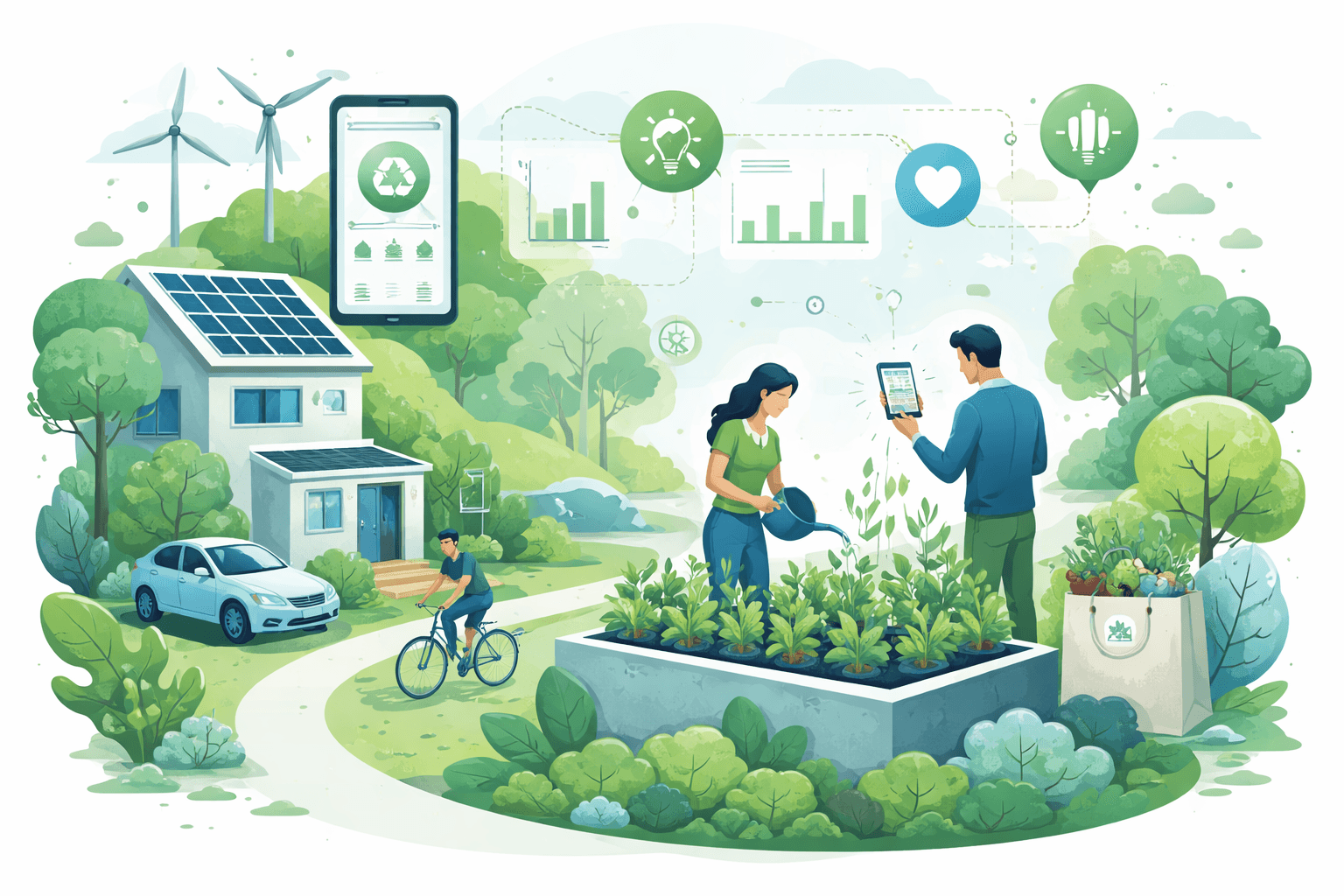
Households influence a large share of global emissions: studies attribute 60–70% of consumption-based greenhouse gases to household demand when supply chains are counted (Ivanova et al., 2016; Hertwich & Peters, 2009). That scale means sustainability in everyday life is not a niche pursuit—it’s one of the fastest paths to meaningful climate and conservation gains. The good news: small, repeatable choices across home energy, transport, food, waste, and shopping can add up to 1–3 tCO2e per person each year while saving money.
Why this matters now: buildings account for about 30% of global final energy use and 26% of energy-related CO2 (GlobalABC/IEA, 2023); transport contributes ~23% (IEA, 2023); and the food system adds about 31% (FAO, 2021). Targeting daily routines hits these major sources directly.
Sustainability in Everyday Life: High-Impact Daily Actions
This section prioritizes actions by ease and impact. Pick 2–3 per category to start; stack more as they become habits.
Home energy (fastest paybacks)
- Dial your thermostat strategically. The US Department of Energy (DOE) estimates you can save ~10% a year on heating and cooling by setting back 7–10°F (4–6°C) for 8 hours a day (DOE). For cooling, raise setpoints a few degrees; for heating, lower them and use zone heating where possible.
- Switch to LEDs. LEDs use at least 75% less electricity and last 25x longer than incandescents (US DOE). Replacing the five most-used bulbs can save tens of dollars per year, more in high-rate regions.
- Eliminate “vampire” loads. Idle electronics and chargers draw 5–10% of home electricity (Lawrence Berkeley National Laboratory). Use advanced power strips or unplug devices you rarely use.
- Laundry with cold water. Heating water accounts for ~90% of the energy used by a washing machine (ENERGY STAR). Modern detergents clean well in cold cycles.
- Shorter, efficient showers. Water heating is ~18% of home energy in the US (EIA RECS 2020). A 2-minute reduction and a WaterSense-labeled showerhead can cut water and energy by 20–30% without comfort loss.
- Cook efficiently. Use lids, match pot size to burner, and favor pressure cookers or microwaves for reheating. Induction cooktops transfer ~85–90% of energy to the pan vs ~32–40% for gas (US DOE), but simple techniques still help if you’re not upgrading.
- Smart controls as you’re ready. Programmable thermostats, occupancy sensors, and connected plugs automate savings. For deeper guidance, see our overview of high-impact upgrades and integration in Smart Home Technology for Sustainability: High‑Impact Upgrades, Integration, and Real‑World Guidance (/sustainability-policy/smart-home-technology-for-sustainability-upgrades-integration-guide).
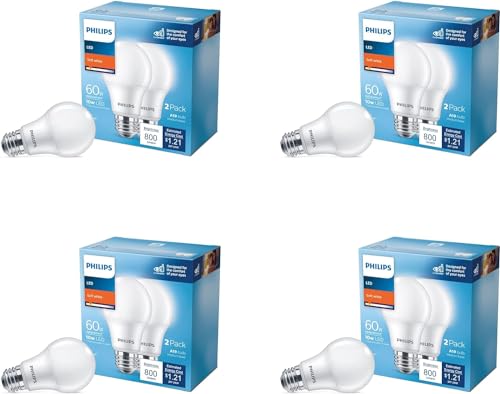
Philips LED Basic Frosted Non-Dimmable A19 Light Bulb - EyeComfort Technology - 800 Lumen - Soft White (2700K) - 10W=60W - E26 Base - Old Version - Indoor - 16-Pack - Amazon.com
View on AmazonTransportation (biggest personal CO2 lever)
- Replace one car trip per day. A study across seven countries found individuals who cycled had 84% lower daily mobility emissions, and switching just one trip/day from car to bike cut ~0.5 tCO2/year (Brand et al., 2021, Global Environmental Change). Walking and transit offer similar order-of-magnitude benefits.
- Drive efficiently when you must drive. Keep tires properly inflated (up to ~3% fuel economy improvement; US DOE), remove roof racks when not in use, avoid rapid acceleration, and combine trips to minimize cold starts.
- Choose rail or bus over short flights. Per passenger-kilometer, short-haul flights have high non-CO2 warming effects at altitude. Where viable, rail can be 3–10x lower in CO2e than flying, depending on grid mix (ICCT; IEA).
- Right-size your vehicle use. Car-sharing, occasional rentals, or carpooling can meet peak needs without daily ownership emissions and costs.
Food (emissions, water, and land)
- Make plants the default. A comprehensive meta-analysis found plant-rich diets can halve diet-related emissions compared to high-meat diets (Poore & Nemecek, 2018, Science). Even swapping beef for poultry, fish, or legumes a few times a week has an outsized effect: beef averages ~27 kg CO2e/kg vs beans ~1–2 kg CO2e/kg.
- Plan meals and store food smartly. Roughly 17% of food at the consumer level is wasted globally (UNEP Food Waste Index, 2021). Plan one “leftovers night,” freeze perishables, and use a first-in-first-out fridge bin.
- Favor seasonal and local when it reduces energy. Transport is usually a small share of food’s footprint compared with production, but refrigerated air freight for highly perishable items can be significant. Seasonal produce and minimally processed foods generally win on energy and packaging.
- Choose lower-impact proteins. Eggs, legumes, tofu, and many fish species (verified by sustainable seafood guides) generally have lower footprints than ruminant meats.
Waste reduction (materials and methane)
- Recycle right—and more. Recycling aluminum saves ~95% of the energy vs primary production; recycling paper saves ~60% (US EPA). Avoid contamination by keeping plastic bags, food residue, and tanglers out. See our step-by-step guide: How to Recycle Effectively: Practical Guidance to Reduce Waste and Avoid Contamination (/sustainability-policy/how-to-recycle-effectively-practical-guidance).
- Compost organics. Landfills are the third-largest source of methane in the US (EPA). Composting food scraps and yard waste diverts high-methane materials and returns nutrients to soil. If curbside service isn’t available, look for community drop-off.
- Refuse, reduce, and reuse before recycling. Carry a reusable bottle and bag, choose durable goods, and repair before replacing. Upstream prevention saves the most energy and emissions.

Full Circle Fresh Air Odor-Free Kitchen Compost Bin, Black and White
View on AmazonMindful shopping (demand signals matter)
- Buy less, buy better. Life-cycle assessments show that using items longer often beats frequent replacement—even for efficient electronics—especially if you can keep devices in service with repairs or battery swaps.
- Verify labels. Look for credible certifications: ENERGY STAR (efficient appliances), EPEAT (electronics), FSC (forest products), GOTS (textiles), Rainforest Alliance/Fairtrade (agricultural goods). See the section below for how to evaluate them.
- Choose low-carbon shipping and consolidated deliveries. Slower, consolidated shipping and click-and-collect reduce last-mile emissions.
Behavior-change strategies that stick
Adopting sustainability in everyday life is less about willpower than designing easy, automatic routines. Evidence from behavioral science offers practical tools:
- Set specific, measurable goals. “Cut my home electricity 10% in 3 months” beats “use less.” Break big goals into weekly actions: “Swap 10 bulbs to LEDs by Sunday.”
- Use implementation intentions. Writing “If it’s weeknight dinner, then one meatless meal” or “If leaving a room for more than 10 minutes, then lights off” increases follow-through (Gollwitzer, 1999).
- Reduce friction. Place a labeled compost bin on the counter, keep reusable bags by the door, and put a power strip where you can easily switch it off.
- Create cues and anchor habits. Tie new actions to existing routines: after your morning coffee (anchor), check the thermostat schedule.
- Leverage social norms. Home energy reports with neighbor comparisons reduced electricity use 1–3% on average across millions of households (Allcott, 2011; Allcott & Rogers, 2014). Share progress with friends or neighbors; friendly comparisons motivate.
- Make it visible and immediate. Dashboards, sticky notes on the thermostat, or a whiteboard tally of “car trips avoided this week” keep feedback front and center.
- Plan for barriers. Identify likely failure points—forgetting bags, late-night takeout packaging—and design backups: keep an extra tote in your backpack and set a standard “low-waste” takeout order.
- Celebrate wins and iterate. Habit strength grows with repetition and small rewards. Track streaks and reinvest savings into the next improvement.
Measure and track: simple ways to see your impact
Understanding your baseline and progress boosts motivation and helps target the next high-impact step.

How Bad Are Bananas?: The Carbon Footprint of Everything: Berners-Lee, Mike
Mike Berners-Lee is <strong>author of the timely best-sellers 'There Is No Planet B' and 'How Bad Are Bananas? The Carbon Footprint of Everything'</strong>. An expert in sustainabi
Check Price on AmazonCarbon-footprint basics
- Unit: tCO2e (metric tons of carbon dioxide equivalent) includes CO2 plus other greenhouse gases like methane, normalized by warming impact.
- Major household sources: home energy (electricity, heating), transport (car, air), food (especially ruminant meats and wasted food), and goods/services.
- Emission factors: Multiply your activity by a factor. Examples:
- Electricity: ~0.39 kg CO2/kWh US average in 2023, but ranges widely by region (US EPA eGRID). Clean-grids can be <0.1; coal-heavy grids >0.7.
- Gasoline: 8.887 kg CO2 per gallon (US EPA). A 10-mile commute in a 25 mpg car emits ~3.6 kg CO2 each way.
- Natural gas: ~5.3 kg CO2 per therm (US EPA).
Tools and methods
- Start with a reputable calculator. The EPA Household Carbon Footprint Calculator and UC Berkeley’s CoolClimate Calculator estimate home, transport, and food emissions using your bills and travel.
- Use utility data. Most electric and gas utilities provide monthly usage, cost, and sometimes hourly smart-meter data. Download CSV files to chart trends.
- Track grid carbon intensity. Regional intensity varies hourly with wind/solar availability. Checking real-time grid intensity can help you shift flexible loads (like EV charging or laundry) to lower-carbon hours.
- Log simple metrics. A one-page spreadsheet or notes app to record monthly kWh, therms, vehicle miles, and flights is often enough.
Quick estimation guide
- Lighting: Replacing a 60W incandescent used 3 hours/day with a 9W LED saves ~56 kWh/year. At $0.16/kWh, that’s ~$9 and ~22 kg CO2 on a 0.39 kg/kWh grid—per bulb.
- Thermostat setbacks: If heating is ~42% of household energy (EIA RECS 2020), a 10% improvement could save several hundred kWh (electric heat) or tens of therms (gas), depending on climate and home size.
- Car trips avoided: Skipping two 10-mile round trips/week in a 25 mpg car avoids ~374 kg CO2/year (2 trips × 20 miles × 52 weeks ÷ 25 mpg × 8.887 kg/gal).
- Food waste: Cutting household food waste by 25% can trim ~0.1–0.3 tCO2e/person-year depending on diet and disposal (UNEP; EPA WARM factors).
For deeper principles and a stepwise plan, see How to Reduce Your Carbon Footprint: Practical Steps for Every Household (/sustainability-policy/how-to-reduce-your-carbon-footprint-practical-steps).
Accessibility and scalability: options for everyone
Sustainability in everyday life should be doable regardless of your housing, budget, or location.
Renters
- Focus on portable, reversible changes: LEDs, smart plugs, thick curtains, weatherstripping, draft stoppers, window film, and faucet aerators.
- Plug-in solutions: portable induction burners, countertop toaster-ovens, and plug-in space heaters for targeted room heating can reduce whole-home loads when used judiciously.
- Negotiate with landlords: Offer to coordinate low-cost upgrades (LEDs, aerators, smart thermostats compatible with existing systems) that lower utility bills and maintenance calls.
Families and shared homes
- Build team routines: rotating “lights captain,” weekly leftovers night, and family bike days.
- Standardize shopping: bulk staples, reusable containers, and a running “eat-me-first” list on the fridge.
- Kid-friendly engagement: track waste-bin weights for a month as a science project; plant pollinator-friendly natives on balconies or yards to boost biodiversity. For more ideas, explore How to Practice Conservation at Home: Practical Steps to Save Energy, Water, Waste and Support Wildlife (/conservation/how-to-practice-conservation-at-home-practical-steps-save-energy-water-waste-wildlife).
Urban dwellers
- Leverage density: transit passes, biking with secure storage, car-share for occasional needs, and delivery consolidation.
- Join community programs: composting hubs, community gardens, tool libraries, fix-it clinics, and community solar subscriptions where available.
Evaluating “sustainable” products and labels
- Prefer independent, transparent certifications:
- ENERGY STAR (US EPA/DOE) for energy-efficient appliances and equipment.
- EPEAT for lower-impact electronics (energy, materials, end-of-life design).
- FSC for responsibly managed wood and paper.
- GOTS for organic textiles with social and environmental criteria.
- Rainforest Alliance and Fairtrade for agricultural goods with traceability and social safeguards.
- Verify scope and claims: Look for life-cycle coverage (production, use, end-of-life), third-party audits, and clear criteria. Be wary of vague terms like “eco-friendly” without evidence.
- Consider durability and repairability alongside efficiency—keeping a product in service longer often beats frequent replacement.
By the Numbers
- 26%: Share of energy-related CO2 from building operations globally (GlobalABC/IEA, 2023).
- 23%: Share of energy-related CO2 from transport (IEA, 2023).
- 31%: Food system share of global GHG emissions (FAO, 2021).
- 17%: Consumer-level food waste globally—74 kg per person per year (UNEP, 2021).
- 75%: Energy saved by LEDs vs incandescents; 25x longer life (US DOE).
- 5–10%: Household electricity lost to standby “vampire” loads (LBNL).
- ~10%: Heating/cooling savings from thermostat setbacks (US DOE).
- ~0.5 tCO2/year: Cut by replacing one daily car trip with cycling (Brand et al., 2021).
- 95%: Energy saved by recycling aluminum compared to primary production (US EPA).
Practical implications
- Households: Start with no- or low-cost measures that pay back in months—LEDs, thermostat schedules, cold-water laundry, and smarter driving—then reinvest savings in higher-impact upgrades when feasible.
- Businesses and building managers: Support tenant-friendly efficiency measures, provide secure bike storage, and make composting and recycling intuitive with clear signage and feedback.
- Policymakers and utilities: Expand access to low-cost weatherization, real-time energy data, and community composting; use default options and social comparisons that nudge durable savings.
What’s next: stacking solutions as systems get cleaner
Electrification and grid decarbonization are accelerating: renewables supplied a record share of global power in 2023 (IEA), and heat pump sales outpaced gas furnaces in several major markets (IEA, 2023). As grids add wind and solar, shifting flexible household loads to low-carbon hours will compound benefits. Expect:
- Smarter, cheaper efficiency. Connected thermostats, appliances, and EV charging that respond to time-varying prices and grid carbon intensity will automate savings.
- Cleaner transport. More cities are building protected bike networks and frequent transit; EV adoption will further reduce per-mile emissions as grids clean up.
- Food system transparency. Better labeling and data on product footprints—and growth of plant-forward options—will help shoppers choose low-impact defaults.
- Circular systems. Reuse, repair, and refill infrastructure will expand as extended producer responsibility policies spread, reducing upstream emissions and waste.
Sustainability in everyday life is cumulative progress: each habit layers onto the next. Start with one or two easy wins this week, measure what you can, and share what works. The atmosphere and your utility bill will register the change.
Further reading on DigitalWindmill:
- Smart Home Technology for Sustainability: High‑Impact Upgrades, Integration, and Real‑World Guidance (/sustainability-policy/smart-home-technology-for-sustainability-upgrades-integration-guide)
- How to Recycle Effectively: Practical Guidance to Reduce Waste and Avoid Contamination (/sustainability-policy/how-to-recycle-effectively-practical-guidance)
- How to Reduce Your Carbon Footprint: Practical Steps for Every Household (/sustainability-policy/how-to-reduce-your-carbon-footprint-practical-steps)
- How to Practice Conservation at Home: Practical Steps to Save Energy, Water, Waste and Support Wildlife (/conservation/how-to-practice-conservation-at-home-practical-steps-save-energy-water-waste-wildlife)
Recommended Products
How Bad Are Bananas?: The Carbon Footprint of Everything: Berners-Lee, Mike
Mike Berners-Lee is <strong>author of the timely best-sellers 'There Is No Planet B' and 'How Bad Are Bananas? The Carbon Footprint of Everything'</strong>. An expert in sustainabi
Philips LED Basic Frosted Non-Dimmable A19 Light Bulb - EyeComfort Technology - 800 Lumen - Soft White (2700K) - 10W=60W - E26 Base - Old Version - Indoor - 16-Pack - Amazon.com
<strong>Philips LED Basic Frosted Non-Dimmable A19 Light Bulb - EyeComfort Technology - 800 Lumen - Soft White (2700K) - 10W=60W - E26 Base - Old Version - Indoor - 16-Pack</strong> - Amazon.com
Full Circle Fresh Air Odor-Free Kitchen Compost Bin, Black and White
Full Circle Fresh Air Kitchen Compost Bin – <strong>Odor-Reducing Countertop Compost Container with Patented Airflow Design, Includes Compostable Bags, Easy to Clean, 1.5 Gallon, Gray</strong>
More in Sustainability Policy
- Everyday Sustainable Living: Practical Tips to Save Money, Reduce Waste, and Lower Your Carbon Footprint
- Practical Ways to Live Sustainably: Everyday Actions, Priorities, and Measurable Impact
- How to Live Sustainably: Practical, High‑Impact Actions for Everyday Life
- How to Reduce Your Carbon Footprint: Practical Steps for Every Household