
How to Choose Truly Sustainable Products: Criteria, Trusted Picks, and Smart Buying Tips
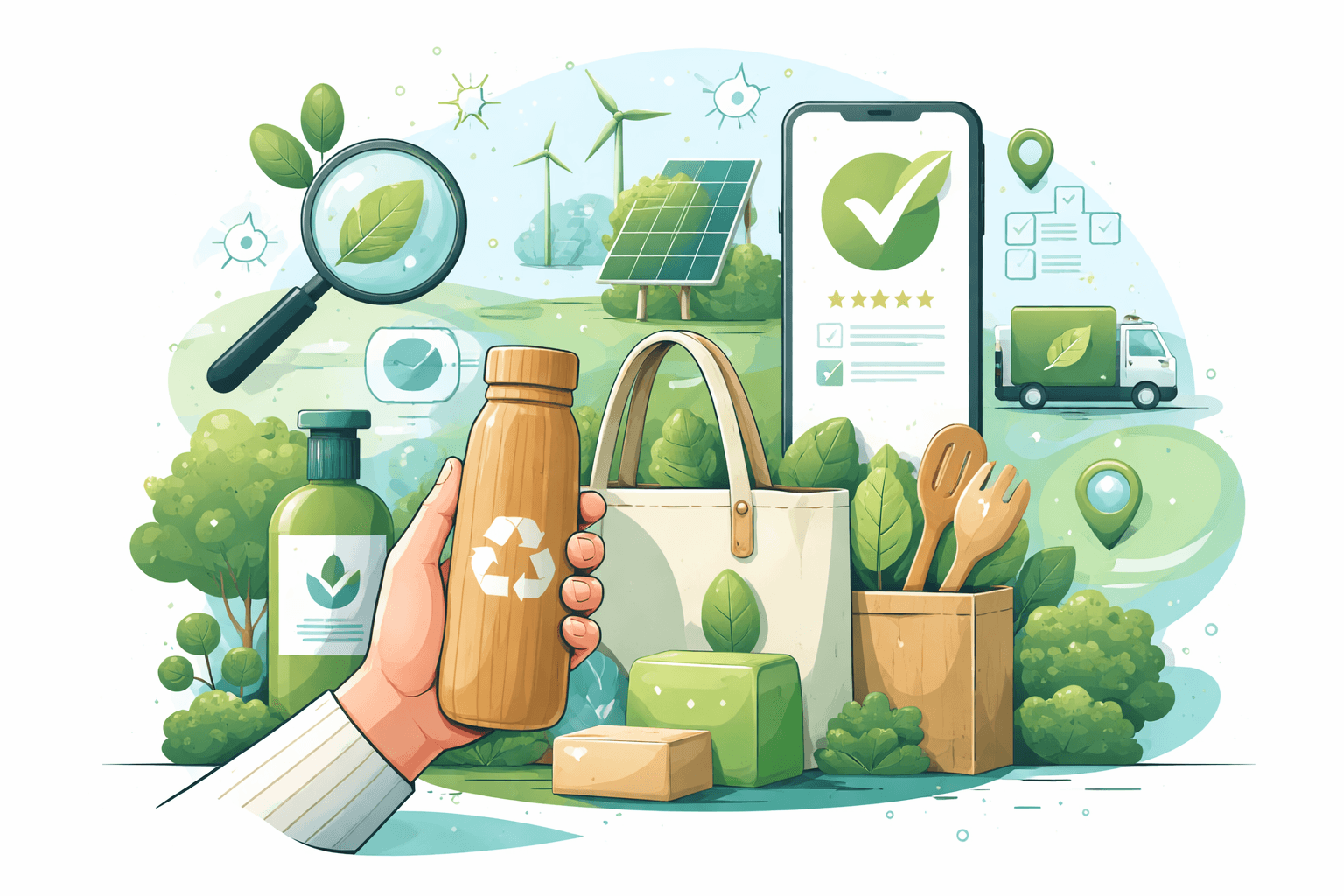
The extraction and processing of materials used to make everyday goods drives roughly 50% of global greenhouse gas emissions and more than 90% of biodiversity loss and water stress, according to the UN International Resource Panel. Sustainable product recommendations matter because better choices—buying less, choosing durable and repairable goods, and preferring verified low‑impact materials—cut demand for that resource use while saving money over a product’s life.
This guide translates science-based criteria into day-to-day shopping decisions. It explains how to judge sustainability, offers vetted category picks (including refurbished and secondhand options), shows how to spot greenwashing, and shares budget-smart tactics to maximize impact.
How to judge sustainability: measurable criteria
Think in systems: a product’s full lifecycle from materials to end-of-life, not just a single feature or marketing claim.

Cradle to Cradle: Remaking the Way We Make Things: McDonough, William, Braungart, Michael
<strong>Elaborating their principles from experience (re)designing everything from carpeting to corporate campuses</strong>, William McDonough and Michael Braungart make an exciting and viable case fo
Check Price on AmazonLifecycle impacts you can measure
- Embodied carbon: The greenhouse gases emitted to extract raw materials, manufacture, and transport a product before you use it. For electronics, up to ~80% of lifetime emissions occur during manufacturing (reported by multiple LCAs, including Apple’s product environmental reports and EU research).
- Use-phase energy/water: What the product consumes during use—critical for appliances and vehicles. ENERGY STAR models typically cut energy use 10–50% versus baseline models, depending on the category.
- Water footprint: Cotton is water-intensive; a single cotton T‑shirt can require around 2,700 liters of water (Water Footprint Network). Prefer fibers with lower water and chemical inputs or verified organic/regenerative practices.

P3 P4400 Kill A Watt Electricity Usage Monitor - Low Temperature Alarms - Amazon.com
View on AmazonMaterials and sourcing
- Prefer recycled content where performance allows: Recycling aluminum cuts energy use by ~95% compared to primary aluminum (International Aluminium Institute). Recycled steel often saves 60–74% of energy versus virgin production (worldsteel).
- Choose certified responsible sourcing for biobased materials: FSC or PEFC for wood and paper; GOTS for organic cotton; credible leather audits (Leather Working Group) when leather is necessary.
- Avoid hazardous chemistries: Look for products screened against restricted substances and PFAS-free water repellents in apparel. In cleaners and paints, recognize EPA Safer Choice, Green Seal, or Greenguard Gold (for low emissions) where applicable.
Durability, repairability, and modularity
- Durability is impact: longer-lived products amortize embodied emissions over more years. Check for robust warranties, replaceable batteries, and standardized parts.
- Repair scores and parts access: The EU’s Right to Repair directive and France’s Repairability Index push brands to provide spare parts and repair documentation. Seek products with tool-free access to common parts and readily available spares.
End‑of‑life options
- Design for disassembly and recyclability: Single-material or easily separable components recycle better than mixed materials.
- Take-back programs: Prefer brands offering mail-back or store drop-off, especially for electronics, textiles, and packaging. Verify e‑waste partners are certified to R2v3 or e‑Stewards.
- Compostables with caution: Compostable plastics should be certified (BPI in the U.S., EN 13432 in the EU) and only purchased if you have access to appropriate composting; otherwise they often end up in landfill.
Certifications and labels you can trust (and their limits)
- Energy and electronics: ENERGY STAR (efficiency), EPEAT (holistic electronics criteria including materials and end-of-life), TCO Certified (IT sustainability and social criteria).
- Textiles and apparel: GOTS (organic fiber and processing), OEKO‑TEX Standard 100 (tested for harmful substances), bluesign (managed chemicals and process stewardship), Fair Trade Certified (worker welfare).
- Wood and paper: FSC, PEFC (forestry chain-of-custody and sustainable management).
- Cleaning and indoor air: EPA Safer Choice (safer chemistry), Green Seal (performance and health), GREENGUARD Gold (low VOC emissions).
- Personal care: COSMOS (organic/natural cosmetics standard), NATRUE, USDA Organic (for agricultural content).
- Leather: Leather Working Group (tannery environmental audits).
Limits: A label isn’t a blank check. Many focus on one dimension (e.g., chemical safety, not durability). Use certifications as filters, then apply the other criteria above. For a deeper dive into which labels matter and how to verify them, see our Essential Guide to Product Sustainability Certifications: Choosing, Verifying, and Leveraging the Right Labels (/sustainability-policy/essential-guide-product-sustainability-certifications).
Sustainable Product Recommendations by Category
When possible, the most sustainable product is the one you don’t buy. Consider refurbished, secondhand, rental, or repair first. When you do need to buy, these are strong, certification-led directions—plus trade-offs to consider.
Home goods and cleaning
- Furniture and wood goods
- Choose FSC- or PEFC‑certified solid wood or verified reclaimed wood. Avoid MDF/particleboard where possible (binders can contain formaldehyde; if buying, look for CARB Phase 2/TSCA Title VI compliant).
- Prefer powder‑coated steel or aluminum with recycled content for frames and shelving.
- Trade-offs: Solid wood is heavier (shipping emissions) but long‑lived and repairable. Reclaimed wood may have variability; verify treatment for pests and finishes.
- Mattresses and textiles
- Look for GOTS-certified organic cotton or FSC latex and GREENGUARD Gold/CertiPUR‑US foam emissions standards for indoor air.
- Trade-offs: Foam with low VOCs can still be petrochemical‑based; natural latex can be higher cost but durable.
- Paints and sealants
- Prefer Green Seal‑certified or GREENGUARD Gold low‑VOC paints to reduce indoor emissions.
- Cleaning products
- Choose concentrates or tablets and refillable bottles; verify EPA Safer Choice or EU Ecolabel. Concentrates cut packaging and freight emissions.
- Appliances and fixtures
- ENERGY STAR refrigerators, dishwashers, heat pump dryers (often ~28% energy savings vs conventional vented electric; ENERGY STAR) and heat pump water heaters (large savings over time).
- WaterSense showerheads and faucets reduce water and energy for heating water.
- Induction cooktops move ~85–90% of energy to the pan vs ~32–40% for gas, improving efficiency and indoor air quality (U.S. DOE/EPRI findings).
- See Smart Home Technology for Sustainability: High‑Impact Upgrades, Integration, and Real‑World Guidance (/sustainability-policy/smart-home-technology-for-sustainability-upgrades-integration-guide) for practical home tech picks.
Greener alternatives: Refurbished appliances with new gaskets and seals; rental appliances for short-term housing; local furniture makers using reclaimed lumber; secondhand platforms for furniture and tools.
Personal care and household consumables
- Formats over fads: Solid bar soaps/shampoos (less water shipped, minimal packaging), refillable deodorant/toothpaste systems, and concentrated cleaners.
- Verified chemistries: COSMOS, NATRUE, or USDA Organic on personal care; EPA Safer Choice and Green Seal for cleaners; avoid undisclosed “fragrance” where possible.
- Packaging: Prefer glass, aluminum, or high‑recycled‑content plastics (post‑consumer resin). Check for take-back for difficult items (razor heads, oral care) via brand programs.
- Trade-offs: Natural isn’t always safer or lower impact; essential oils can carry allergen risks and agricultural footprints. Refill systems work best if refills are available locally or in bulk.
Greener alternatives: Refillable stores, bulk purchase co‑ops, and buying fewer, multi‑purpose products.
Clothing and footwear
- First, shop your closet: Repair (buttons, zippers), tailor for fit, and care better—cold wash, line dry—to extend life. The U.S. DOE notes heating water accounts for most laundry energy; cold cycles can cut energy use dramatically while protecting fabrics.
- Materials: GOTS organic cotton, linen, and hemp (lower input, durable); recycled polyester/nylon verified by GRS for performance gear. Avoid fiber blends that hinder recycling unless durability requires them.
- Chemicals: Prefer PFAS‑free durable water repellents. Look for OEKO‑TEX Standard 100 or bluesign for chemical management.
- Labor: Fair Trade Certified or credible brand transparency on wages and factory audits.
- Leather: If needed, choose LWG‑audited sources; consider durable alternatives (e.g., high‑quality, repairable microfiber) acknowledging microplastic concerns.
- Microfibers: Synthetic textiles shed; wash with filters or bags and choose tightly woven fabrics. The IUCN estimates textiles contribute ~35% of primary microplastics released to the ocean.
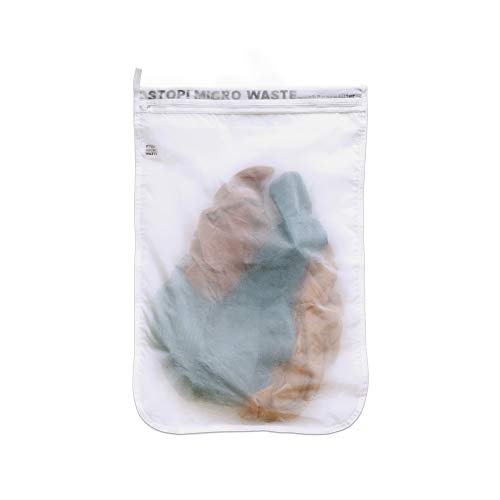
Washing Bag Guppyfriend
View on AmazonGreener alternatives: Secondhand and vintage first; rental for occasion wear; resoling and repair for shoes; clothing swaps.
Electronics and appliances
- Certifications: Prefer EPEAT Gold and/or TCO Certified for laptops, monitors, and peripherals. ENERGY STAR for displays, set‑top boxes, and appliances.
- Design: Modular, user‑repairable devices with replaceable batteries and long software support windows extend usable life and cut embodied emissions.
- Refurbished: Buy from refurbishers certified to R2v3 or e‑Stewards standards. For many devices, the carbon “payback” of refurbished over new is immediate because most lifetime emissions are in manufacturing.
- Peripherals: Choose wired or Bluetooth devices with user‑replaceable batteries or standard cells (AA/AAA) to extend life.
- Power management: Use smart power strips and enable sleep settings; an efficient laptop often uses a fraction of a desktop’s energy for similar tasks.
Greener alternatives: Trade‑in and repair programs; purchase used business‑grade hardware (often higher durability) from certified refurbishers.
Transport and small-scale energy
- E‑bikes and micromobility: E‑bikes use orders of magnitude less energy per mile than cars; analyses put lifecycle emissions around 15 g CO₂e/km compared with ~120 g for an average gasoline car. Surveys (Portland State University) find e‑bike owners replace a majority of short car trips. Look for UL 2849 (system) and UL 2271 (battery) certifications for safety.
- Public and shared options: Transit, car‑share, and bike‑share slash per‑trip footprints by increasing occupancy and reducing empty miles.
- Cars: If you must drive, a used hybrid or EV often offers the best lifecycle profile; prioritize models with strong reliability and battery warranties. Charge on greener electricity if possible.
- Home energy: LEDs use at least 75% less energy and last up to 25x longer than incandescents (DOE). Consider community solar subscriptions or portable power stations with LiFePO₄ chemistry for durability and safety; verify UL certifications.
By the Numbers
- 50%: Share of global greenhouse gas emissions tied to resource extraction and processing of materials (UN International Resource Panel).
- ~80%: Portion of a smartphone’s lifetime footprint typically emitted before first use—during manufacturing (multiple LCAs, including Apple and EU JRC analyses).
- 95%: Energy saved by recycling aluminum versus making it from ore (International Aluminium Institute).
- 75%+: Energy savings when switching to LED bulbs compared with incandescent, with ~25x longer life (U.S. DOE).
- 28%: Typical energy savings for ENERGY STAR certified heat pump dryers versus conventional models (ENERGY STAR).
- 35%: Share of primary microplastics entering oceans from synthetic textiles (IUCN).
How to spot greenwashing—and verify real claims
Red flags to watch
- Vague language: “Eco‑friendly,” “green,” “biodegradable” without a standard (e.g., ASTM D6400 for compostables) or quantitative data.
- Offsets without reduction: “Carbon neutral” claims based primarily on offsets, with no science‑based pathway to absolute emissions cuts (e.g., Science Based Targets initiative alignment).
- Cherry‑picking: Highlighting recycled packaging while ignoring energy‑intensive core materials or poor durability.
- Nature-washing: “Bamboo” textiles that are actually rayon/viscose without transparency on chemicals and wastewater treatment.
- Ocean plastic claims: “Ocean‑bound plastic” without traceable chain‑of‑custody or independent verification.
Practical verification checks (5–10 minutes)
- Certification lookup: Confirm labels in public databases—
- ENERGY STAR Product Finder, EPEAT Registry, TCO Certified Product Finder
- FSC and PEFC certificate searches for wood/paper
- GOTS, OEKO‑TEX, bluesign public listings
- EPA Safer Choice and Green Seal certified product lists
- BPI (ASTM D6400) or EN 13432 for compostables
- Company disclosures: Look for recent sustainability reports with Scope 1–3 emissions, reduction targets, supplier lists, and audit summaries.
- Product documentation: Search for Environmental Product Declarations (EPDs) or LCAs. Favor transparent bill of materials, repair manuals, and spare part catalogs.
- Independent reviews: Prioritize teardown/repairability scores and long‑term durability testing.
A quick workflow before buying
- Ask: Can I borrow, rent, or buy secondhand/refurbished? If yes, do that.
- If buying new, filter by credible certifications relevant to the category (two is better than one when they cover different aspects).
- Compare lifespan and repairability (warranty, spare parts, battery access) and total cost of ownership.
- Check materials: recycled content where performance allows; certified biobased inputs; avoid chemistries of concern.
- Verify claims via label databases and skim the brand’s latest climate targets and supply‑chain disclosures.
- Choose models with the lowest use‑phase energy/water consistent with your needs.
Budget‑smart strategies to maximize impact
Think total cost of ownership (TCO), not sticker price
- Efficient appliances, LEDs, and heat pump technologies typically pay back in 2–7 years via lower utility bills; check local incentives to shorten payback.
- Durable, repairable goods reduce replacement frequency. A $150 item that lasts 10 years beats a $60 item replaced every two years—both financially and environmentally.
Maintain and repair to extend life
- Clothing: Wash cold, use gentle detergents, air dry when possible; mend small tears early. These practices reduce energy and fiber shedding.
- Electronics: Keep batteries between ~20–80%, avoid high heat, replace batteries/parts before discarding; use protective cases and surge protection.
- Appliances: Clean filters (dryers, HVAC), defrost freezers, descale kettles; follow manufacturer maintenance schedules to preserve efficiency.
- Furniture and goods: Tighten fasteners, re‑oil wood, and reupholster cushions rather than replacing frames.
End‑of‑life: do more than “recycle”
- Electronics: Use R2v3 or e‑Stewards certified e‑waste recyclers; wipe data and remove batteries before drop‑off.
- Textiles: Repair first; donate only wearable items; use textile take‑back programs when available.
- Packaging: Flatten, clean, and sort per local rules; avoid compostable plastics unless you have access to industrial composting.
- Batteries and bulbs: Use designated drop‑off points; do not place in curbside recycling.
Simple behavior shifts that cut consumption
- Delay purchases with a 30‑day rule for non‑essentials; many impulses fade.
- Consolidate online orders and avoid free‑return shopping sprees—returns can double transport emissions. Studies from MIT’s Center for Transportation & Logistics show home delivery can reduce emissions versus individual car trips, but high return rates erase that advantage.
- Borrow/rent: Libraries of Things, tool libraries, and rental markets work well for rarely used items.
- Choose concentrated, refillable products to cut packaging and freight emissions.
- For more everyday actions with measurable impact, see Everyday Sustainable Living: Practical Tips to Save Money, Reduce Waste, and Lower Your Carbon Footprint (/sustainability-policy/everyday-sustainable-living-tips-save-money-reduce-waste-lower-carbon-footprint).
Tools to go deeper
- Footprint calculators: CoolClimate Network Household Calculator; U.S. EPA Carbon Footprint Calculator.
- Certified product finders: ENERGY STAR, EPEAT, TCO Certified, FSC, GOTS, OEKO‑TEX, EPA Safer Choice, Green Seal, BPI.
- Our deep dives: Essential Guide to Product Sustainability Certifications (/sustainability-policy/essential-guide-product-sustainability-certifications) and Smart Home Technology for Sustainability (/sustainability-policy/smart-home-technology-for-sustainability-upgrades-integration-guide). For near‑term breakthroughs shaping what you’ll buy next, explore Green Tech Innovations: 10 Technologies Shaping a Sustainable Future (/ai-technology/green-tech-innovations-technologies-shaping-sustainable-future).
Shopper checklist (save this)
- Need it? Can I borrow, rent, repair, or buy used/refurbished?
- Verified: Does it carry relevant, trustworthy certifications (checked in public databases)?
- Materials: Recycled content or credibly certified biobased input; hazardous chemicals avoided.
- Built to last: Strong warranty, repair manuals, spare parts, replaceable battery.
- Efficient use: ENERGY STAR/low water; low standby power.
- End-of-life: Take‑back program, recyclable/compostable where systems exist.
- Transparent: Brand publishes Scope 1–3 emissions and reduction targets; supplier list; audit summaries.
What’s next: better data and better design
Expect more product‑level transparency as digital product passports roll out in the EU, the U.S. updates its FTC Green Guides, and repairability scores expand across categories. Regulations and buyer demand are pushing durable, repairable, and lower‑carbon design—from modular electronics to PFAS‑free outdoor gear and mass‑market heat pump appliances. Use these sustainable product recommendations, anchored in lifecycle thinking and verified labels, to reward leaders, avoid empty claims, and stretch your budget and the planet’s resources further.
Recommended Products
Cradle to Cradle: Remaking the Way We Make Things: McDonough, William, Braungart, Michael
<strong>Elaborating their principles from experience (re)designing everything from carpeting to corporate campuses</strong>, William McDonough and Michael Braungart make an exciting and viable case fo
P3 P4400 Kill A Watt Electricity Usage Monitor - Low Temperature Alarms - Amazon.com
With the P4460 <strong>you can easily identify which appliance in your home is costing you the most money</strong>. The Power Monitor also allows you to enter your Utility providers cost of electricit
Washing Bag Guppyfriend
Shoe Washing Machine Bag: Laundry ... Guppyfriend washing bag is <strong>the pioneering solution to prevent microplastic fibers from polluting rivers and oceans during the washing of synthetic textile
More in Sustainability Policy
- Eco‑Friendly Products: Buyer’s Guide to the Best Sustainable Picks
- Green Building Materials: Guide to Sustainable Choices & Suppliers
- Essential Guide to Product Sustainability Certifications: Choosing, Verifying, and Leveraging the Right Labels
- Everyday Sustainability: Practical, High-Impact Steps to Reduce Your Environmental Footprint