
Conservation Funding Opportunities: Where to Find Support and How to Win It
Conservation funding opportunities are expanding—yet demand still far exceeds supply. The OECD estimates global biodiversity finance at roughly $78–91 billion per year from public sources, while multiple analyses of the “biodiversity finance gap” place the need at about $700 billion annually to 2030. At the same time, landmark policies like the U.S. Inflation Reduction Act (which added $19.5 billion to USDA conservation programs) and the EU’s €5.43 billion LIFE Programme for 2021–2027 are injecting unprecedented resources into restoration and resilience. Navigating this landscape—and writing proposals that stand out—is now a core skill for conservation leaders.
The Landscape of Conservation Funding Opportunities
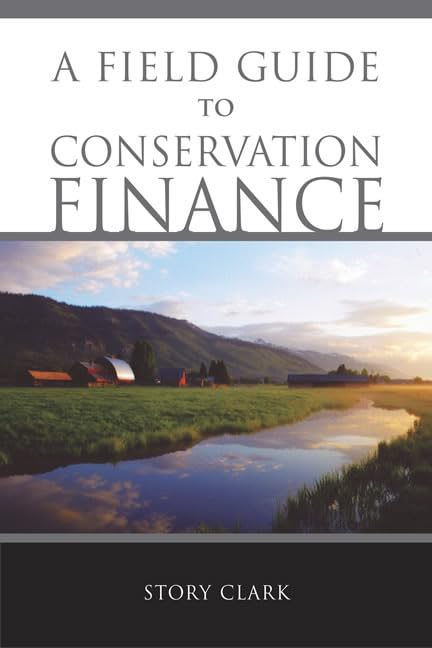
A Field Guide to Conservation Finance: Story Clark
She is a frequent speaker and instructor at land conservation conferences. She lives with her husband and two daughters on their family ranch in Jackson Hole, Wyoming. ... Copyright © 2007 Island Pres
Check Price on AmazonFederal and state grants (typical scale: $50,000 to $25+ million)
- What they fund: habitat restoration, invasive species control, watershed health, climate adaptation, species recovery, community resilience, working lands conservation, and more. In the U.S., major sources include USDA NRCS (e.g., EQIP, CSP, RCPP), NOAA coastal resilience and habitat restoration programs (boosted by ~$3 billion under the Bipartisan Infrastructure Law), EPA Section 319 nonpoint source grants, USFWS (e.g., State Wildlife Grants, National Coastal Wetlands), and NPS/LWCF for recreation and open space. Internationally, the EU LIFE Nature & Biodiversity stream commonly supports €2–7 million projects with 60–75% co-financing; the Global Environment Facility’s latest replenishment totals $5.33 billion (2022–2026) across focal areas including biodiversity.
- Pros: Large awards; technical assistance; strong credibility and policy alignment; often fund multi‑year work and monitoring.
- Cons: Competitive; detailed compliance (e.g., U.S. 2 CFR 200); match requirements (often 1:1 for restoration capital); longer decision timelines.
Relevant reads: Many projects that secure these funds are ecosystem-restoration efforts like reforestation and rewilding, or coastal habitat and fisheries work aligned with ocean conservation.
Philanthropic foundations (typical scale: $10,000 to $5+ million)
- What they fund: place‑based habitat projects, conservation science, indigenous stewardship, advocacy and policy, innovation pilots, and capacity building. Large environmental philanthropies (e.g., ocean, water, and land protection funders) can support multi‑year portfolios; community foundations and family foundations often fund local priorities.
- Pros: Flexible, faster decisions, appetite for innovation and capacity building, potential for general operating support.
- Cons: Relationship‑driven; shifting strategies; often require clear local outcomes and credible partners.
Corporate CSR and impact investors (typical scale: $25,000 to $10+ million)
- What they fund: watershed/source‑water protection, biodiversity in supply chains, regenerative agriculture pilots, urban greening, nature‑based climate solutions, and community resilience. Corporate social responsibility (CSR) budgets support grants and in‑kind services; impact investors deploy debt or equity where conservation outcomes can pair with cash flow (e.g., sustainable forestry, agroforestry, conservation real estate).
- Pros: Speed; co‑branding and visibility; potential for performance‑based funding; access to private-sector expertise.
- Cons: Reputation risk if goals aren’t aligned; ROI expectations for impact investors; short CSR cycles tied to business priorities.
Data point: The Global Impact Investing Network (GIIN) estimates the impact investing market at roughly $1.2 trillion (2023), with growing allocations to nature‑based solutions.
Green bonds and conservation loan funds (typical scale: $1 million to $100+ million)
- What they fund: land acquisition, floodplain reconnection, urban parks, living shorelines, and climate adaptation infrastructure. Municipalities and development banks issue green bonds; land trusts and NGOs use revolving loan funds and bridge loans to secure properties before permanent funding arrives.
- Pros: Large, long‑term capital; can match grant cycles; accelerates time‑sensitive acquisitions.
- Cons: Requires repayment; needs reliable revenue or future grant conversions; transaction costs and verification.
Data point: Global green bond issuance reached an estimated $575 billion in 2023 (Climate Bonds Initiative), with a growing share financing resilience and nature‑positive infrastructure.
Tax incentives (varies; can unlock millions in land value)
- What they support: In the U.S., qualified conservation easements (Internal Revenue Code §170(h)) can yield federal income tax deductions equal to the appraised value of the easement, subject to adjusted gross income limits and multi‑year carryforwards; some states offer transferable credits. Similar incentives or reduced-rate property taxes exist in various countries and provinces.
- Pros: Powerful tool for private land conservation; can catalyze large, permanent protection at relatively low public cost.
- Cons: Complex appraisals and compliance; incentives vary widely by jurisdiction; limited applicability for restoration without a real property component.
Crowdfunding and community finance (typical scale: $5,000 to $250,000)
- What they fund: local habitat projects, equipment, volunteer coordination, community science, small capital items, urgent match needs. Methods include online crowdfunding, community bonds, and membership drives by land trusts and local NGOs.
- Pros: Fast; builds local ownership; great for pilot phases and match.
- Cons: Labor‑intensive marketing; donor fatigue risk; difficult to fund long‑term O&M.
If you’re new to organizing locally, see our guide on finding and joining conservation projects for community‑level pathways that often connect to micro‑funding.
Payments for ecosystem services (PES) and environmental markets (typical scale: $50,000 to $20+ million)
- What they fund: outcomes like cleaner water, habitat for protected species, carbon sequestration, and flood mitigation. Models include water funds where downstream utilities pay upstream stewards; biodiversity/habitat credits; wetland/stream mitigation banks; and voluntary carbon projects.
- Pros: Ties funding to measurable ecological services; creates ongoing revenue; can de‑risk projects for lenders.
- Cons: Requires rigorous baselines, monitoring, and permanence; market and policy uncertainty; careful safeguards to avoid double counting and ensure additionality.
Data point: Forest Trends’ Ecosystem Marketplace reported $4.3 billion invested in watershed services in 2021 across hundreds of programs, protecting or restoring hundreds of millions of hectares globally.
How to Find the Right Conservation Funding Opportunities
Build your search stack
- Databases and portals: In the U.S., monitor Grants.gov and Assistance Listings on SAM.gov; states often run their own grant portals (environment, natural resources, coastal zones). Internationally, track EU Funding & Tenders for LIFE; GEF and Green Climate Fund pipelines; and bilateral development agencies. Philanthropy databases (e.g., funder directories) and philanthropy news bulletins surface open calls.
- Networks and partnerships: Join land trust alliances, watershed councils, fish and wildlife joint ventures, indigenous stewardship networks, and professional societies. Many funders announce solicitations and webinars through these channels.
- Timing: Many funds run annual or biannual cycles with concept notes due months ahead of full proposals; keep a 12–18‑month calendar of priority programs and pre‑application consultations.
Decode eligibility and align scope
- Read the fine print: Confirm geography, entity type (e.g., 501(c)(3), tribe, municipality, cooperative, for‑profit), match, allowable costs, and environmental compliance. U.S. federal grants often require Unique Entity ID registration and internal controls consistent with 2 CFR 200 (Uniform Guidance).
- Fit to strategy: Map your proposal to the funder’s strategic plan and evaluation criteria. If a program prioritizes climate resilience for underserved coastal communities, your project should center those communities, not append them.
- Right‑size your ask: Align budget and timeline to norms. If a program typically funds $300k pilots, don’t submit a $3 million capital request without a convincing, staged plan.
Make Your Proposal Competitive
Define measurable objectives and outcomes
- Use SMART framing (specific, measurable, achievable, relevant, time‑bound).
- Tie activities to outcomes using a clear theory of change or logic model.
- Cite indicators common in conservation: hectares restored; linear miles of stream reconnected; water quality metrics (e.g., turbidity, nutrient reduction); species population or occupancy indices; avoided GHG emissions or tons of CO₂e sequestered; community benefits (jobs created, flood risk reduction, access to greenspace).
Ground the design in evidence
- Reference peer‑reviewed studies, agency technical manuals, and established best practices (e.g., natural channel design, living shorelines, invasive species protocols). Use IUCN Red List or national conservation rankings to justify species priorities; include baseline data and monitoring methods (eDNA, photo‑points, acoustic monitoring) suited to your targets.
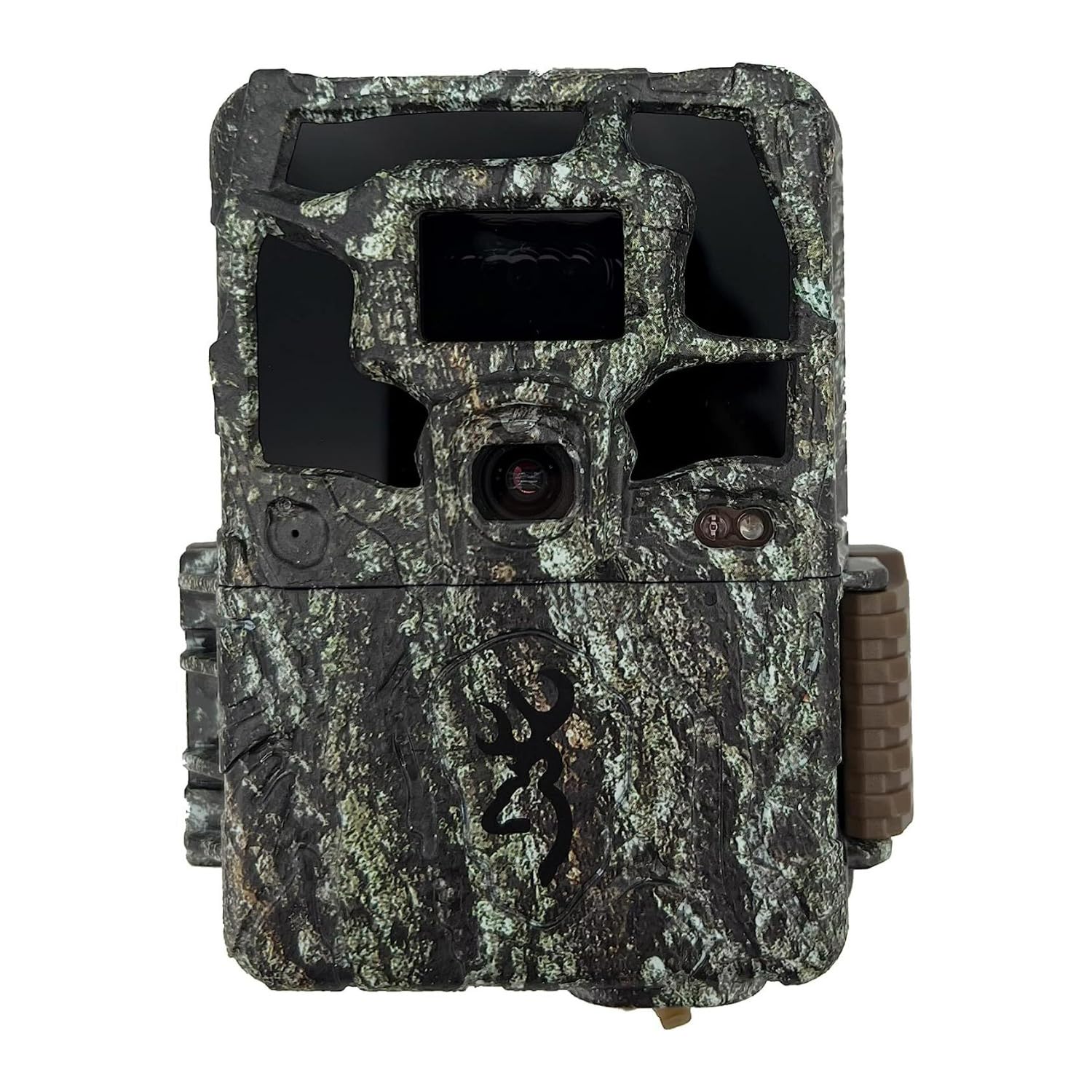
Browning Trail Cameras Dark Ops Pro X 1080 1.5-Inch Color Viewing Screen Wildlife Motion-Activated Camera with Dual Camera Lens Technology and 90-Feet Adjustable Flash
View on Amazon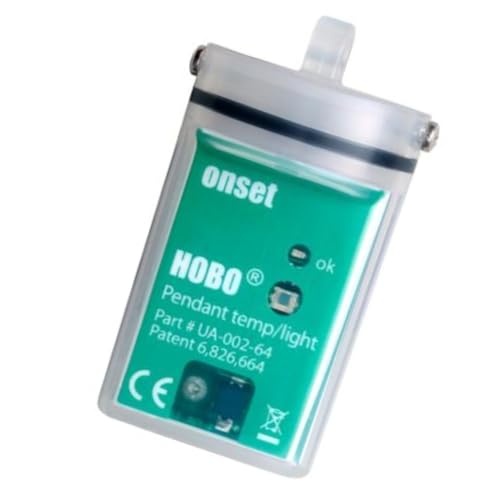
UA-002-64 Onset Hobo Temperature/Light 64K Data Logger. Waterproof. Record Light and Temp at User-Selectable Intervals.: Amazon.com: Industrial & Scientific
View on AmazonBuild a realistic budget, match, and schedule
- Cost estimates: Break out labor, materials, equipment, permits, monitoring, indirect costs, and contingency (typically 5–10% for construction). For U.S. federal grants, apply a federally negotiated indirect cost rate if you have one; otherwise follow de minimis guidance where allowed.
- Match and cost share: Many public programs expect 25–50% match. Combine cash, in‑kind (volunteer hours at a defensible rate; donated materials; land value for acquisition), and other secured funds. Document match commitments with letters.
- Phasing: If construction depends on permits or seasonal windows, build a Gantt chart with contingencies and decision gates.
Demonstrate equity, community engagement, and Indigenous leadership
- Center communities: Co‑design with local partners; budget for stipends, translation, childcare, and transportation for meetings. Explicitly address barriers to participation.
- Equity commitments: For U.S. programs referencing Justice40 or disadvantaged communities, show how benefits (e.g., flood risk reduction, heat relief, jobs) accrue locally and how you’ll measure them.
- Indigenous rights: Where applicable, follow Free, Prior, and Informed Consent (FPIC) and formalize roles with tribal nations in MOUs, co‑management agreements, or subawards.
Strengthen credibility
- Include resumes of key staff and a matrix mapping skills to tasks.
- Attach letters of support from landowners, agencies, tribes, and local governments that specify roles or match.
- Add a risk register with mitigation (e.g., permitting delays, contractor capacity, invasive species rebound).
- Provide a data management and monitoring plan with clear QA/QC and open data practices where required.
Partnership and Blended‑Finance Strategies
Choose the right collaboration model
- Lead + subs: One organization leads, others receive subawards for defined scopes.
- Consortium: Co‑PIs with a shared governance structure for multi‑disciplinary projects.
- Fiscal sponsorship: Smaller groups can apply under a qualified sponsor while building their own compliance capacity.
Leverage small awards into larger investments
- Use microgrants to complete designs, permits, and feasibility studies that de‑risk larger capital asks.
- Stack complementary funds over time (planning → pilot → implementation → monitoring), but maintain clean budgets and avoid double‑counting outcomes.
Blend capital to reduce risk
- Combine grants (to fund non‑revenue activities) with concessionary loans or program‑related investments (PRIs) for revenue‑generating components (e.g., sustainable timber thinning, conservation real estate). Add outcome‑based payments (PES) once monitoring verifies service delivery.
- Safeguards: Define additionality, durability, and credit‑stacking policies up front; align with regulator guidance to avoid conflicts between wetland mitigation, biodiversity credits, and carbon claims.
Grant Management, Reporting, and Long‑Term Sustainability
Set up for compliance
- Financial systems: Timekeeping, procurement, and cost allocation must meet funder rules (e.g., U.S. 2 CFR 200). Document internal controls and maintain an audit trail.
- Permitting and environmental compliance: Schedule NEPA/SEPA reviews, endangered species consultations, and cultural resource surveys early to avoid construction delays.
- Single Audit readiness: In the U.S., entities expending $750,000+ in federal awards in a fiscal year trigger Single Audit requirements—plan accordingly.
Monitor, evaluate, and report
- Baseline first; then report outputs and outcomes against your M&E plan. Many programs require semiannual progress and annual outcomes reporting, with geospatial data and photos.
- Quantify co‑benefits: jobs, local procurement, avoided disaster losses, recreational access, and health outcomes where appropriate.
Keep a funding‑ready file
- Standard package: organizational budget, audited financials, IRS letter (if U.S. nonprofit), SAM/UEI registrations, negotiated indirect cost agreement (if any), key staff CVs, DEI policies, safety and procurement policies, boilerplate project descriptions, and recent letters of support.
- Update quarterly to speed new applications and rapidly respond to short calls.
Plan for durability after the grant ends
- Stewardship: Budget for 3–5 years of post‑construction monitoring and adaptive management; establish stewardship endowments with prudent draw rates (typically ~3–4% annually).
- Revenue and O&M: Explore PES contracts, user fees, service agreements with municipalities, or community stewardship models to fund ongoing maintenance.
- Knowledge transfer: Publish methods and data where possible; train local partners to carry work forward.
By the Numbers
- $700 billion/year: Estimated global biodiversity finance gap through 2030 (CBD‑aligned analyses; widely cited by UNEP and OECD‑affiliated work).
- $78–91 billion/year: Public biodiversity finance worldwide (OECD). Private flows add more but remain underdeveloped relative to need.
- $19.5 billion: Additional U.S. funding for USDA conservation programs from the Inflation Reduction Act (USDA NRCS).
- €5.43 billion: Budget for the EU LIFE Programme (2021–2027), with significant allocations to Nature & Biodiversity and Climate Adaptation (European Commission).
- $575 billion: Global green bond issuance in 2023, supporting low‑carbon and resilience projects, with growing nature‑positive components (Climate Bonds Initiative).
- $4.3 billion: Annual investment in watershed services reported in 2021 across hundreds of PES programs (Forest Trends’ Ecosystem Marketplace).
Practical Implications: How Different Actors Can Move Now
- Community and regional NGOs: Build a pipeline—one planning grant, one pilot, one capital proposal in development. Formalize partnerships with tribes and municipalities to meet eligibility for larger federal programs.
- Tribes and Indigenous organizations: Prioritize programs recognizing sovereignty and FPIC; seek direct allocations where available; combine federal resources with foundation support for capacity and cultural stewardship.
- Municipalities and utilities: Pair green bonds or state revolving funds with grants for nature‑based resilience (floodplains, riparian buffers); structure PES with upstream landowners for source‑water protection.
- Private landowners and land trusts: Evaluate conservation easements and state tax credits; use bridge loans to secure properties while permanent funds close; consider stacking PES cautiously within regulatory guidance.
- Coastal and marine groups: Track NOAA and international blue‑economy funds; align with fisheries co‑management and blue carbon opportunities discussed in our ocean conservation guide.
Where Conservation Funding Is Heading
- Bigger, outcomes‑driven portfolios: Funders are tying dollars to measurable ecological services and community benefits, favoring robust monitoring and adaptive management.
- Nature‑related finance mainstreams: The Taskforce on Nature‑related Financial Disclosures (TNFD) and emerging biodiversity credit pilots are drawing private capital toward nature, though standards are still forming.
- Equity and co‑governance: Many public programs now score proposals on community engagement, justice, and Indigenous leadership—build this into design, not as an afterthought.
- Resilience first: Extreme weather and climate risks are pushing dollars toward multi‑benefit, nature‑based solutions—projects that reduce flood, heat, and wildfire risk while restoring habitat.
With a disciplined search strategy, evidence‑based design, and partnerships that blend grants with repayable and outcome‑based capital, conservation leaders can turn today’s funding landscape into durable ecological and community outcomes. For those looking to get involved at any level—from volunteers building local capacity to organizations preparing for major proposals—our guide to joining conservation projects near you offers practical entry points that often seed future funding success.
Recommended Products
A Field Guide to Conservation Finance: Story Clark
She is a frequent speaker and instructor at land conservation conferences. She lives with her husband and two daughters on their family ranch in Jackson Hole, Wyoming. ... Copyright © 2007 Island Pres
UA-002-64 Onset Hobo Temperature/Light 64K Data Logger. Waterproof. Record Light and Temp at User-Selectable Intervals.: Amazon.com: Industrial & Scientific
UA-002-64 Onset Hobo Temperature/Light 64K Data Logger. Waterproof. <strong>Record Light and Temp at User-Selectable Intervals</strong>.: Amazon.com: Industrial & Scientific
Browning Trail Cameras Dark Ops Pro X 1080 1.5-Inch Color Viewing Screen Wildlife Motion-Activated Camera with Dual Camera Lens Technology and 90-Feet Adjustable Flash
The Browning Trail Cameras Dark Ops Pro X 1080 Camera has been completely updated for 2023, featuring a 1.5-inch color view screen, less than a quarter-second triggers speed, and an all-steel adjustab