
Conservation Explained: Goals, Strategies, and How You Can Help
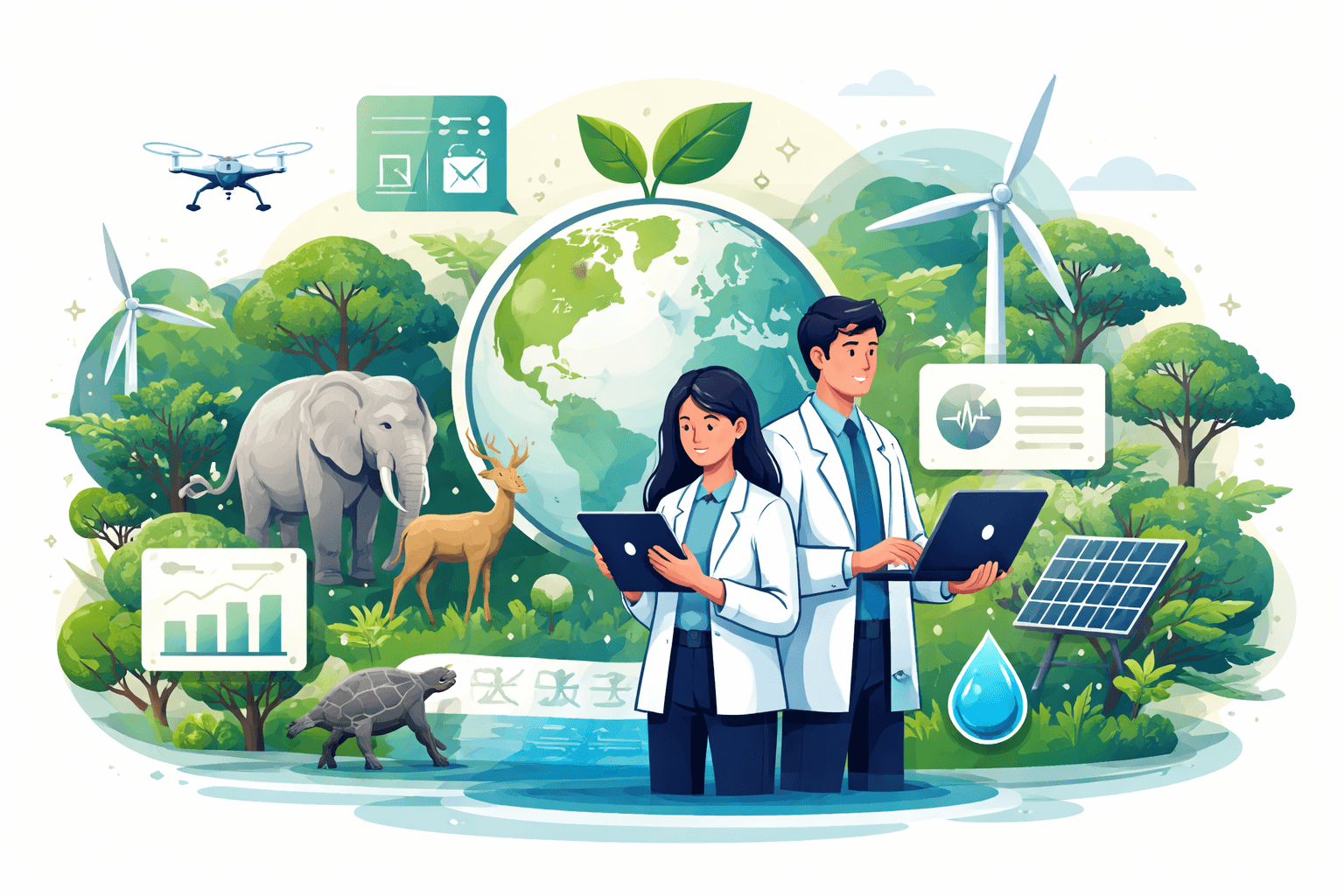
Conservation is having a defining decade. In 2022, 196 countries adopted the Kunming–Montreal Global Biodiversity Framework, committing to protect at least 30% of land and sea by 2030 (“30x30”) and mobilize $200 billion per year for nature. The urgency is clear: the WWF Living Planet Index reports an average 69% decline in monitored vertebrate populations since 1970 (WWF, 2022), and the Intergovernmental Science-Policy Platform on Biodiversity and Ecosystem Services (IPBES) estimates around 1 million species face extinction without transformative change (IPBES, 2019). At the same time, terrestrial and ocean ecosystems absorb roughly half of human-caused CO2 emissions each year (Global Carbon Project, 2023), making conservation central to climate stability and human well‑being.
This guide explains what conservation is, why it matters now, the major strategies and technologies in play, how success is measured, and practical actions for individuals, communities, and businesses.
What is conservation? Definitions, goals, and why it matters
Conservation is the science and practice of safeguarding biodiversity—the variety of life at genetic, species, and ecosystem levels—and the ecological processes that sustain it. Its goals typically include:
What Works in Conservation: 2017: Sutherland, William J., et al.
Chapters cover the practical global conservation of amphibians, bats, birds and forests, conservation of European farmland biodiversity and some aspects of enhancing natural pest control, enhancing so
Check Price on Amazon- Preventing extinctions and recovering threatened species
- Maintaining or restoring ecosystem function and connectivity
- Sustaining ecosystem services—the benefits nature provides people, such as clean water, pollination, flood control, and carbon storage
- Building climate resilience for both nature and communities
Why it matters now:
- Biodiversity: About 28% of the more than 150,000 species assessed on the IUCN Red List are threatened with extinction (IUCN, 2024). Intact and well‑managed habitats are the first line of defense.
- Ecosystem services: Wetlands purify water and buffer floods; forests regulate rainfall and store carbon; coral reefs and mangroves protect coasts. A global meta‑analysis finds mangroves can reduce wave height by up to 66% over the first 100 meters of forest (Narayan et al., 2016), often at lower lifetime costs than built sea walls.
- Climate: Natural sinks on land and in the ocean absorbed about 11.4 GtCO2 in 2022—roughly 54% of human emissions (Global Carbon Project, 2023). Conserving and restoring ecosystems slows climate change and buffers its impacts, especially extreme heat, drought, and flooding.
For an evidence‑focused dive into ecological mechanisms and policy trade‑offs, see our explainer: How Conservation Changes Ecosystems: Mechanisms, Evidence, Measurement, and Policy Trade‑offs.
A brief history and the science behind conservation
Conservation’s modern arc spans from protected areas to evidence‑based, community‑led approaches:
- 1872: Yellowstone becomes the first national park.
- 1948: IUCN founded, formalizing global species and protected‑area standards.
- 1960s–1970s: Ecology matures; the Endangered Species Act (1973) and CITES (1973) reshape species protection.
- 1992: Convention on Biological Diversity (CBD) adopts a global framework for conserving and sustainably using biodiversity.
- 2012: IPBES created to assess biodiversity science and policy.
- 2022: Kunming–Montreal Global Biodiversity Framework elevates 30x30 and finance targets.
Core scientific concepts:
- Island biogeography (MacArthur & Wilson, 1967): Species richness increases with area and connectivity; small, isolated patches lose species faster. This underpins habitat connectivity and corridor design.
- Metapopulation dynamics: Species persist through a network of habitat patches; colonization and extinction rates determine long‑term viability.
- Minimum viable population and extinction vortex: Small populations risk inbreeding, demographic fluctuations, and environmental shocks.
- Trophic cascades: Changes at the top of the food web (e.g., predators) propagate through lower levels, altering vegetation, nutrient flows, and species composition.
- Source–sink dynamics: Some habitats produce excess individuals (sources) that disperse to lower‑quality sinks; protecting sources and movement pathways is pivotal.
Major types of conservation efforts
Habitat protection and connectivity
- Protected and conserved areas: As of 2024, roughly 16–17% of land and inland waters and about 8–9% of the ocean are within protected areas or other effective area‑based conservation measures (OECMs) (UNEP-WCMC/WDPA, 2024). Effectiveness depends on legal status, enforcement, and ecological representativeness, not just coverage.
- Indigenous and community conserved areas: Indigenous lands overlap substantially with the world’s remaining intact ecosystems; globally, Indigenous and local community stewardship is associated with equal or better conservation outcomes compared to state‑run protected areas (Garnett et al., 2018; IPBES, 2019).
- Ecological corridors and landscape planning: Maintaining permeability—hedgerows, riparian buffers, overpasses—reduces wildlife–vehicle collisions and gene‑flow isolation.
Species recovery
- Legal protection, habitat management, reintroductions, and targeted threat reduction underpin recoveries. In the U.S., the Endangered Species Act has prevented 99% of listed species from going extinct and many are improving in status (U.S. FWS, 2023). Global examples include the Arabian oryx, California condor, and Europe’s large carnivores.
- Ex situ measures (zoos, seed banks, frozen zoos) complement in situ conservation; seed banks like the Millennium Seed Bank safeguard over 2.4 billion seeds from ~40,000 species (RBG Kew, 2023).
Marine and freshwater conservation
- Marine protected areas (MPAs): Well‑enforced MPAs can increase fish biomass by >400% inside boundaries and enhance nearby fisheries via spillover (Lester et al., 2009). Yet only a fraction of MPAs are strongly protected and effectively enforced.
- Fisheries management: Rights‑based approaches, harvest control rules, and bycatch reduction devices rebuild stocks. Still, 37.7% of assessed marine fish stocks were overfished in 2021 (FAO SOFIA, 2024).
- Freshwater systems: Rivers and wetlands face dams, extraction, and pollution. Restoring environmental flows and riparian habitats yields rapid biodiversity gains and water quality improvements.
Urban and agroecology
- Urban greening: Street trees can cool neighborhoods by 1–2°C and cut energy demand during heat waves; green roofs support pollinators and slow stormwater.
- Agroecological practices: Agroforestry, cover crops, and integrated pest management maintain yields while enhancing soil carbon, biodiversity, and drought resilience (FAO, multiple assessments). Pollinator‑friendly field margins can boost yields for pollination‑dependent crops.
Practical strategies and tools used by conservationists
Protected areas, OECMs, and stewardship
- Design for representation and resilience: Protect full gradients of ecosystems, elevational ranges, and climate refugia. Include climate‑smart corridors for species’ range shifts.
- Management effectiveness: Tools like METT (Management Effectiveness Tracking Tool) and SMART patrols link staffing, budgets, and enforcement effort to outcomes (poaching rates, fire incidence).
Restoration and rewilding
- Ecological restoration: From planting native trees to reconnecting floodplains, restoration improves habitat structure and function. Large‑scale tree‑planting must prioritize the right species in the right places to avoid perverse outcomes (e.g., plantations displacing grassland biodiversity).
- Rewilding: Reintroducing missing species and processes (e.g., natural grazing, beaver damming) to restore self‑sustaining ecosystems. For a deeper dive, see: What Is Rewilding? How Ecosystem Restoration Is Changing Conservation.
Community‑based conservation and incentives
- Community‑led governance often improves outcomes when rights and benefits are clear. Tools include co‑management agreements, community conservancies, and payments for ecosystem services (PES) that reward stewardship (e.g., water funds, forest carbon payments with robust safeguards).
Invasive species control and biosecurity
- Prevention is cheapest: Strong quarantine and surveillance avert high downstream costs. The IPBES Invasive Alien Species Assessment (2023) estimates economic damages at >$423 billion annually.
- Eradication on islands: Over 800 successful eradications of invasive vertebrates have enabled hundreds of seabird and endemic species recoveries (Database of Island Invasive Species Eradications; IUCN SSC, multiple reviews).
Fire, predators, and adaptive management
- Prescribed burns and cultural fire practices reduce megafire risk and maintain fire‑adapted ecosystems.
- Predator‑livestock conflict mitigation (guarding dogs, corrals, range riders) often outperforms lethal control while sustaining predator populations and rancher livelihoods.
Tech, data, and innovation in conservation
Conservation tech has leapt forward, slashing monitoring costs and enabling real‑time management:
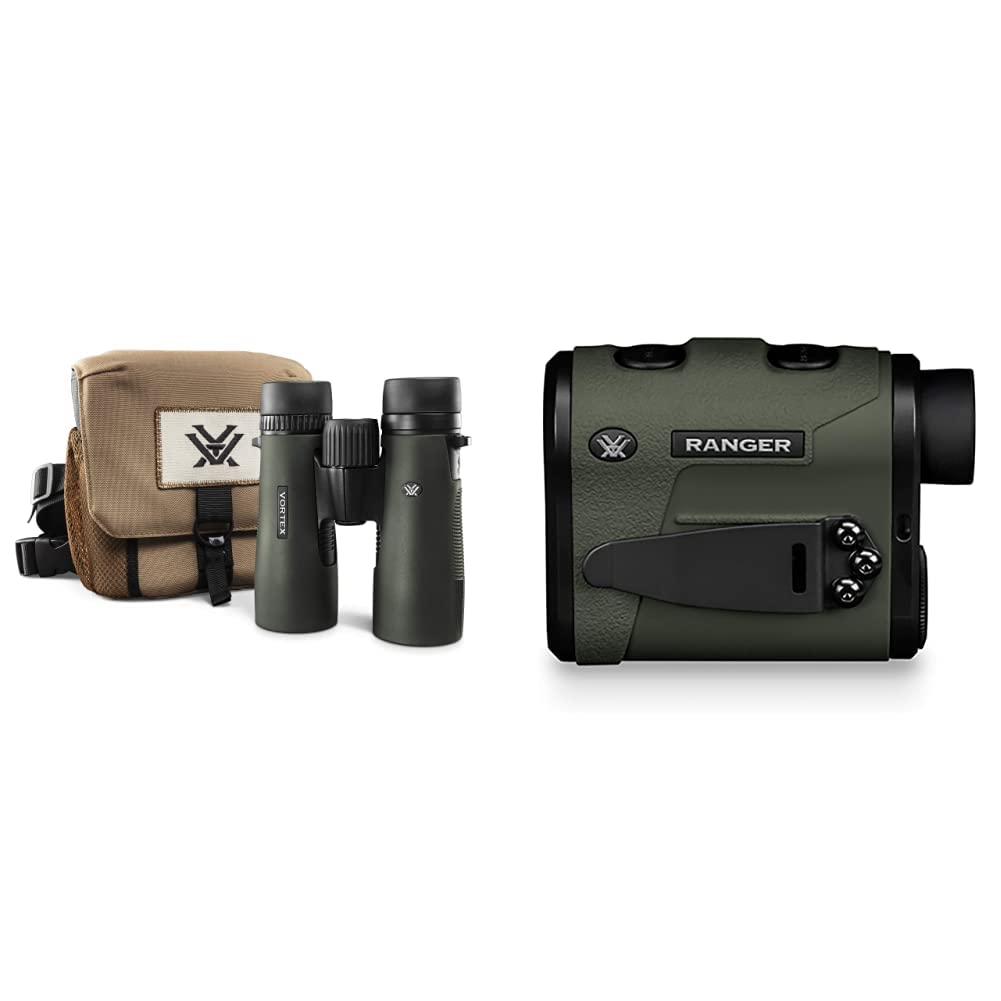
Vortex Optics Diamondback HD 8x42 Binoculars & Optics Ranger 1800 Laser Rangefinder Black
View on Amazon- Remote sensing: Landsat and Sentinel imagery track deforestation and habitat change; LiDAR maps forest structure and biomass; Global Forest Watch provides near‑real time alerts (GFW, 2023).
- Environmental DNA (eDNA): Detects species from trace genetic material in water, soil, or air, revolutionizing freshwater and marine biodiversity surveys.
- Camera traps and bioacoustics: Networks collect millions of records; AI models classify species and flag illegal activity. Automated detectors now identify gunshots, chainsaws, or fishing vessels for rapid response.
- Citizen science: eBird hosts over a billion bird observations powering migration and population models (Cornell Lab of Ornithology, 2024). Platforms like iNaturalist map species distributions at unprecedented scales, with statistical methods correcting for sampling bias.
- Edge devices, solar power, and connectivity: Solar‑powered sensors, LoRa networks, and satellite messengers bring monitoring to remote protected areas with minimal emissions.
- Conservation–renewable energy synergies: Clean energy deployment reduces pressures from fossil extraction and air pollution, and can directly power conservation operations. But siting matters: smart curtailment at wind farms can reduce bat fatalities by 40–60% with modest energy losses (NREL, 2023), and wildlife‑friendly solar with native vegetation (agrivoltaics, pollinator habitat) can enhance local biodiversity while generating power.
For a broader survey of frontier tools and responsible deployment, see: How Technology Is Transforming Conservation: Tools, Impacts, and Responsible Deployment.
Measuring success: metrics, monitoring, and common pitfalls
You can’t manage what you don’t measure. Effective programs define clear objectives, pick indicators linked to those objectives, and monitor with rigorous designs.
Common metrics and frameworks:
- Species: Abundance, occupancy, survival, reproduction. The IUCN Red List categories and criteria standardize extinction risk. Population Viability Analysis (PVA) projects future risk under different scenarios.
- Communities and ecosystems: Species richness, functional diversity, vegetation structure, soil health, and flow regimes. Key Biodiversity Areas (KBAs) mark sites of global importance.
- Indices: Living Planet Index (population trends), Red List Index (extinction risk), Biodiversity Intactness Index (community composition relative to baseline).
- Habitat quality and extent: NDVI and other spectral indices; LiDAR for structure; river connectivity metrics; coastal habitat area for mangroves, seagrass, and saltmarsh.
- Management and threat indicators: Patrol effort, snaring rates, illegal logging alerts, fire frequency, grazing intensity.
Study design essentials:
- Counterfactuals and additionality: Compare outcomes to what would have happened without the intervention (e.g., matched controls or synthetic controls). This is crucial for evaluating protected areas, PES, and carbon projects.
- Detection probability: Use methods (distance sampling, occupancy modeling) that correct for imperfect detection to avoid biased trends.
- Leakage and spillovers: Reductions in one place can shift pressure elsewhere; designs must detect and minimize this.
- Adaptive management: Iterate—plan, do, monitor, learn, adjust—with documented learning cycles and transparent data.
For a deep dive into impact evaluation, see: Beyond Intentions: A Data‑Driven Analysis of the Impact of Conservation Efforts.
By the numbers
- 69%: Average decline in monitored vertebrate populations since 1970 (WWF, 2022).
- ~1 million: Species at risk of extinction (IPBES, 2019).
- ~16–17% and ~8–9%: Global coverage of protected terrestrial and marine areas, respectively (UNEP‑WCMC/WDPA, 2024).
- 37.7%: Share of assessed fish stocks fished at biologically unsustainable levels (FAO SOFIA, 2024).
$423 billion: Annual estimated costs of invasive alien species (IPBES, 2023).
- ~54%: Share of CO2 emissions absorbed by land and ocean sinks in 2022 (Global Carbon Project, 2023).
800: Successful eradications of invasive vertebrates on islands (IUCN SSC/Island Conservation databases).
How individuals, communities, and businesses can take action
Individual actions
- Reduce ecological footprint: Eat more plant‑forward meals, cut food waste, and choose certified sustainable products (forestry, fisheries).
- Support habitat at home: Native plant gardens, bird‑safe windows, and avoiding pesticides can meaningfully boost local biodiversity. See: How to Practice Conservation at Home: Practical Steps to Save Energy, Water, Waste and Support Wildlife.
- Conserve energy and water: Lowering demand reduces pressure on habitats and cuts emissions; efficient appliances and home weatherization pay back. Explore: Energy Conservation Techniques: Practical Steps to Save Energy, Money & Cut Emissions.
- Volunteer and engage: Join local restoration days, invasive pulls, or community science projects (eBird, iNaturalist). Effective advocacy matters; see Ways to Advocate for Conservation: Practical Actions from Local to Policy Level.
Community and municipal actions
- Plan for nature‑positive cities: Tree canopy targets, wildlife‑friendly lighting, permeable surfaces, and green stormwater infrastructure.
- Protect and restore blue‑green networks: Riparian buffers, wetland restoration, and urban biodiversity corridors.
- Partner with Indigenous and local communities: Support stewardship agreements and co‑management with clear rights and equitable benefit‑sharing.
Business actions
- Set nature targets: Align with the Kunming–Montreal framework and Taskforce on Nature‑related Financial Disclosures (TNFD) recommendations—assess impacts/dependencies, set time‑bound targets, and disclose progress.
- Procure responsibly: Eliminate deforestation and conversion from supply chains (palm oil, soy, beef, timber, rubber), require traceability and independent verification.
- Invest in place: Fund watershed restoration where facilities draw water; support pollinator habitat at solar sites; co‑finance regional corridor projects.
- High‑integrity credits only: If using biodiversity or forest carbon credits, prioritize projects with robust additionality, transparent baselines, long‑term monitoring, and community governance.
Funding and philanthropy
- Diversify support: Mix core operating grants with project funds, support long‑term monitoring, and back local organizations. For opportunities and how to win them, see: Conservation Funding Opportunities: Where to Find Support and How to Win It.
Policy, finance, and the future of conservation
Finance
- The biodiversity finance gap: Current global biodiversity spending is estimated at roughly $124–$143 billion per year, while needs are $722–$967 billion—an annual gap of $598–$824 billion (Paulson Institute, 2020; OECD updates). The Kunming–Montreal framework targets $200 billion/year for biodiversity by 2030 and calls for reforming or eliminating $500 billion/year of harmful subsidies.
- Instruments: Blended finance, green bonds, debt‑for‑nature swaps, results‑based payments (e.g., REDD+ with strong safeguards), and watershed funds are scaling. Integrity and additionality are paramount.
- Carbon credits context: Nature‑based solutions may deliver up to ~30% of the cost‑effective climate mitigation needed by 2030 (Griscom et al., 2017), but crediting must ensure permanence, avoid leakage, and use conservative baselines. Independent initiatives (e.g., ICVCM Core Carbon Principles, 2023) seek to raise market quality.
Policy levers
- 30x30 with quality: Expand protected and conserved areas while prioritizing ecological representation, Indigenous rights, and management effectiveness.
- Secure tenure and rights: Recognizing Indigenous and community land rights is consistently associated with reduced deforestation and better biodiversity outcomes (IPBES, 2019).
- Pollution and invasive species controls: Strengthen biosecurity, regulate high‑risk pathways, and reduce nutrient and plastic pollution.
- Fisheries reform: Science‑based catch limits, habitat protection (including bottom‑trawling restrictions in sensitive areas), and bycatch mitigation.
- Nature‑smart infrastructure: Embed ecological safeguards in renewable energy, transport, and water projects—avoid critical habitats, design wildlife passages, and restore equivalently or better if impacts are unavoidable.
Where conservation is heading
- Precision conservation: High‑resolution data and AI will target interventions to the places and species with the highest return on ecological outcomes per dollar.
- Climate‑ready design: Corridors that anticipate range shifts; restoration that embraces future climates; coastal projects that combine mangroves, reefs, and smart engineering.
- Mainstreamed into business and finance: Nature risk will be managed like credit risk; disclosures will push capital toward nature‑positive projects.
- Powered by clean tech: Low‑cost solar, storage, and connectivity will enable continuous, low‑carbon monitoring and enforcement, even in remote areas.
- Centering equity: Co‑design with Indigenous Peoples and local communities will define legitimacy, effectiveness, and long‑term stewardship.
Conservation is ultimately about choices—where we build and farm, how we power homes and factories, and how we value the living systems that underwrite our economies and cultures. The data show that when we protect and restore habitats, manage harvests sustainably, and invest in people and technology, nature rebounds—often faster than expected. The next few years will determine whether 30x30 and similar commitments translate into durable, well‑funded, community‑anchored conservation on the ground and in the water. That is a future well within reach.

Feather Friendly® Bird Collision Deterrent Markers (Small-scale DIY, 3 Black Rolls) : Patio, Lawn & Garden
View on AmazonRecommended Products
What Works in Conservation: 2017: Sutherland, William J., et al.
Chapters cover the practical global conservation of amphibians, bats, birds and forests, conservation of European farmland biodiversity and some aspects of enhancing natural pest control, enhancing so
Feather Friendly® Bird Collision Deterrent Markers (Small-scale DIY, 3 Black Rolls) : Patio, Lawn & Garden
Feather Friendly is a simple solution ... conservation efforts. <strong>DIY roll(s) in colour of choice (Light Grey or Black) come with 2 paper measuring tapes, an application squeegee and installatio
Vortex Optics Diamondback HD 8x42 Binoculars & Optics Ranger 1800 Laser Rangefinder Black
Amazon.com : Vortex Optics Diamondback HD 8x42 Binoculars & Optics Ranger 1800 Laser Rangefinder Black : Sports & Outdoors
More in Conservation
- Beyond Intentions: A Data‑Driven Analysis of the Impact of Conservation Efforts
- Wildlife Conservation: Key Strategies, Threats, and How You Can Help
- Ways to Advocate for Conservation: Practical Actions from Local to Policy Level
- How Conservation Changes Ecosystems: Mechanisms, Evidence, Measurement, and Policy Trade‑offs