
Find and Join Conservation Projects Near You: What to Look For and How to Get Involved
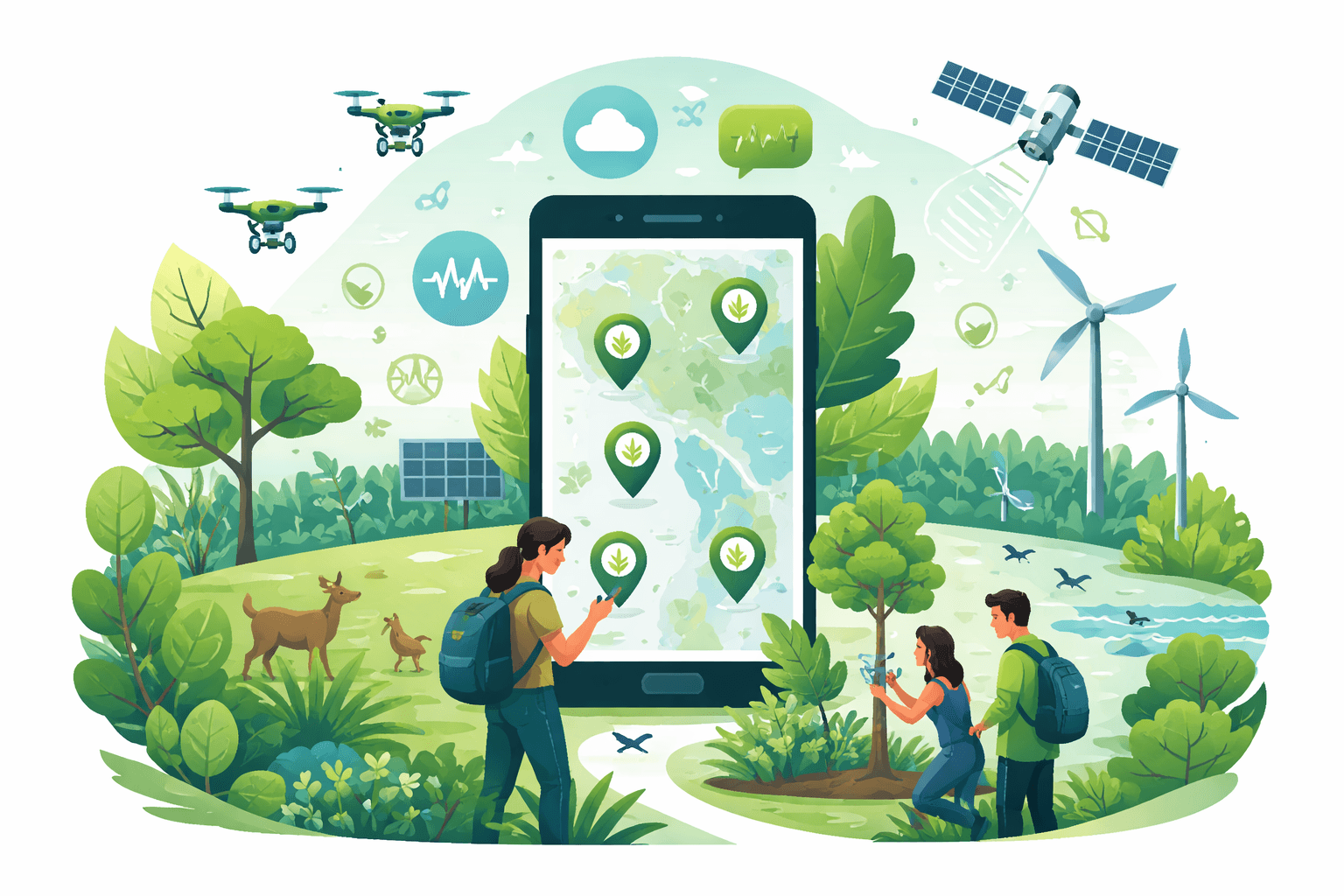
Conservation projects near me is one of the most common searches from people ready to help where they live—but finding credible, well-run opportunities can be confusing. This guide translates that intent into action: how to discover local projects, match them to your skills and schedule, assess impact and safety, and even start a community effort of your own.
By the numbers: local conservation’s measurable impact
- Ocean cleanups: Ocean Conservancy’s International Coastal Cleanup has mobilized millions of volunteers since 1986, removing hundreds of millions of pounds of trash globally—data that informs local waste policies and product bans.
- Urban heat relief: Increasing tree canopy can reduce summertime air temperatures by 2–9°F in cities, according to the U.S. Environmental Protection Agency (EPA), lowering heat stress and energy demand.
- Blue carbon: Coastal wetlands store carbon up to five times faster than terrestrial forests, per the Intergovernmental Panel on Climate Change (IPCC), making marsh and mangrove restoration high-impact for climate and biodiversity.
- Citizen science: eBird, run by the Cornell Lab of Ornithology, hosts over a billion bird observations that underpin species distribution models used by agencies and researchers. iNaturalist observations flow into the Global Biodiversity Information Facility (GBIF), supporting thousands of ecological studies.

The Field Guide to Citizen Science: How You Can Contribute to Scientific Research and Make a Difference: Cavalier, Darlene, Hoffman, Catherine, Cooper, Caren
The Field Guide to Citizen Science: <strong>How You Can Contribute to Scientific Research and Make a Difference</strong> [Cavalier, Darlene, Hoffman, Catherine, Cooper, Caren] on Amazon.com. *FREE* sh
Check Price on AmazonThese data points show that well-structured local actions scale into regional and national outcomes—if projects are credible and well documented.
How to discover local conservation projects near you
Finding well-run conservation projects near you starts with using the right sources—government listings, trusted NGOs, and science-driven platforms.
Use official government portals and agencies
- City and county parks departments: Look for “volunteer” or “stewardship” pages with calendars for trail work, invasive species pulls, tree planting, and habitat days.
- State or regional natural resource agencies: Search your state’s Department of Natural Resources (DNR), Environment, or Fish & Wildlife. Many host volunteer monitoring, hatchery support, wildlife surveys, and habitat restoration events.
- National/provincial park systems: Programs like Volunteers-In-Parks (U.S. National Park Service), national wildlife refuges, and forest services publish seasonal opportunities and training.
- Watershed councils and conservation districts: Local watershed groups often coordinate stream cleanups, riparian plantings, and community science (water quality, macroinvertebrate surveys). Conservation districts (U.S.) or catchment partnerships (U.K., EU, AU) post event calendars and technical trainings.
Tip: Search with combinations like “[city] parks volunteer,” “[county] conservation district events,” or “[state] fish and wildlife volunteer.”
Tap credible NGO networks and land trusts
- Land trusts: Regional land trusts host stewardship days, monitoring walks, and restoration projects. Find them via your state or national land trust alliance.
- Species-focused groups: Audubon chapters, native plant societies, herpetological societies, pollinator partnerships, and riverkeeper organizations maintain active local calendars.
- Coastal groups: Surfrider, local beach alliances, and estuary programs coordinate recurring cleanups and dune/marsh plantings.
When you see opportunities from large NGOs, check for local “chapters,” “sections,” or “volunteer leaders”—these are often the most active community nodes.
Science-forward platforms and mapping tools
- Citizen science hubs: SciStarter (project directory), Zooniverse (online data classification), iNaturalist (biodiversity observations), and eBird (bird monitoring) connect beginners to expert-led projects with clear protocols.
- Biodiversity and habitat maps: GBIF species maps, state natural heritage program portals, and local open-data hubs (Esri/ArcGIS Hub) reveal priority habitats, rare species records, and restoration zones.
- Water tools: EPA’s “How’s My Waterway” (U.S.), local water boards, or river basin authorities publish impaired waters lists and sampling needs.
Community calendars and academic institutions
- Universities and community colleges often run ecological monitoring, pollinator gardens, or restoration practicums open to the public.
- Libraries and community centers host seed exchanges, climate clubs, and environmental talks that regularly spin off hands-on projects.
Contextual reads: If your interests lean toward habitat revival, see rewilding and restoration principles: What Is Rewilding? How Ecosystem Restoration Is Changing Conservation.
Match opportunities to your skills, availability, and interests
Local conservation isn’t one-size-fits-all. Aligning the work with your strengths and schedule increases retention and impact.
Common types of local conservation work
- Habitat restoration: Planting natives, removing invasives, stabilizing streambanks, dune fencing, prescribed burn assistance (specialized training required), and trail maintenance. Good for weekend warriors, teams, and those who like physical work.
- Citizen science: Bird counts (eBird, Christmas Bird Count), plant/animal observations (iNaturalist), pollinator and phenology tracking, water sampling, and stream bug surveys. Great for learners and families; generates data used by researchers and agencies.
- Cleanups and circularity: Street, park, river, and beach cleanups; litter audits feeding into municipal waste policies. Pairs well with home and community waste reduction strategies covered in circularity: Circular Economy Leaders: How Companies Are Eliminating Waste.
- Wildlife support: Rescue/rehab centers, sea turtle nest monitoring, amphibian tunnel patrols, or nest box building. Note: Handling wildlife typically requires permits and training; most roles focus on monitoring, data entry, and husbandry support.
- Education and outreach: Leading nature walks, tabling at events, native plant workshops, or schoolyard habitat programs.
- Advocacy and policy support: Commenting on local land-use plans, tree ordinances, or watershed management; supporting community science data submissions to planning boards.

Nikon Monarch 5 8x42 Binoculars : Electronics
View on AmazonMatch by time and skill level
- 1–3 hours/month: Litter pick-ups, periodic bird counts, park mulching days, online Zooniverse classifications.
- Weekly: Stream monitoring teams, community gardens, nursery propagation, wildlife center shifts.
- Seasonal bursts: Tree plantings (spring/fall), amphibian migrations (late winter/early spring), beach/dune work (late winter/spring), meadow management (late summer), trail work (spring–fall).
- Professional skills: GIS mapping, data analysis, communications, grant writing, carpentry for habitat structures, bilingual outreach—these are often high-leverage contributions.
Practical steps to join or start a project
When joining an existing project
- Check the event listing details: location, terrain, age minimums, gear, accessibility, weather policy, and whether training is provided.
- Email or message the organizer with specifics: your availability, any relevant skills (first aid, GIS, language), and accommodations you might need.
- Complete required forms: waivers, emergency contacts, and, if relevant, background checks for youth programs.
- Confirm what to bring: water, closed-toe footwear, sun/bug protection, gloves, and any tools the organizer doesn’t supply.
- Learn the protocol: For data projects, ask for a standard operating procedure (SOP), data sheets, and where to submit observations (e.g., iNaturalist project page, eBird checklist, agency portal).
Sample outreach note you can adapt:
- Subject: Volunteer interest for [Project Name] on [Date]
- Message: “Hello [Organizer], I’d like to join the [activity] at [location]. I can attend from [timeframe]. I have [relevant skills/experience] and can bring [tools/gear]. Please share the safety briefing and data submission steps. Thank you!”
If you want to start a project
- Define the problem and metric: “Reduce litter on [street/park] by 50% over 6 months” or “Plant 300 native shrubs along 200 meters of streambank.” Clear targets drive design.
- Secure permissions: Always get written approval from landowners/managers (city parks, private owners, schools). For waterways, consult your watershed authority. Habitat work may require permits (e.g., wetland rules, tree ordinances, protected species buffers).
- Choose an evidence-based approach: Consult resources like Conservation Evidence (database of tested actions) and local extension offices to select effective methods and species lists.
- Build partnerships: Invite a land trust, parks department, watershed council, school clubs, or neighborhood association. Partners help with tools, insurance, and volunteers.
- Plan safety and insurance: Draft a risk assessment (terrain, weather, tools, wildlife, allergens), designate a first aider, set a sign-in/out process, and identify nearest clinic. Ask partners about volunteer insurance and incident reporting.
- Budget and supplies: List plants, mulch, tools, signage, printing, and refreshments. Seek in-kind donations, local grants (community foundations, city mini-grants), or a fiscal sponsor if you need to accept funds.
- Data and impact: Pick simple, repeatable metrics—person-hours, area treated, plants installed and survival rate, kg of litter removed and categorized, water quality indicators (e.g., turbidity, nitrates). Set up a shared sheet or app for standardized reporting.
- Communicate: Create a one-page brief with the why, what, when, where, partners, safety notes, and contact. Use community boards, school newsletters, and local media.
For shoreline work and coastal habitats, see practical context in our guide Ocean Conservation: A Guide to Protecting Marine Biodiversity.
How to evaluate credibility, safety, and impact
Quality varies. Here’s how to vet organizations and events before you commit your time.
Organizational credibility and legal status
- Registration and governance: In the U.S., look up 501(c)(3) status in the IRS Tax Exempt Organization Search and browse Form 990s via charity evaluators. In the U.K., check the Charity Commission; in Canada, the CRA charities list; in Australia, the ACNC. You’re looking for active status, clear mission, and basic financial transparency.
- Track record: Ask for past-year reports—acres restored, survival rates of plantings after one season, number of monitoring sites, or policy outcomes informed by their data.
- Data transparency: Credible projects share their protocols, publish aggregate results (even when outcomes are mixed), and deposit biodiversity records in public repositories like GBIF, iNaturalist, or eBird.
Safety and training
- Safety briefing: Expect a pre-event briefing covering hazards (tools, ticks, heat, terrain), emergency plan, and weather policy. For water work, ask about life jackets; for power tools or herbicides, confirm certification and supervision.
- Age and supervision: Events should specify age minimums and guardian requirements for minors.
- Wildlife handling: Legitimate wildlife rehab or banding requires permits and training. Beware of any group encouraging unpermitted handling of birds, turtles, or mammals.
Measuring project outcomes
- Choose projects with SMART metrics: specific, measurable, achievable, relevant, time-bound.
- Evidence-minded methods: Actions aligned with published best practices (e.g., using local genotype native plants, timed invasive removal, follow-up maintenance) are more likely to last.
- Maintenance plans: Restoration without aftercare often fails. Look for commitments to watering, mulching, second-season weeding, and survival monitoring.
Red flags
- No permits or permissions for habitat work on public or private land.
- No data plan or unwillingness to share methods and results.
- Overpromising “one-day transformation” without maintenance.
- Encouraging wildlife handling or relocation without licenses.
Handy resources and practical tips
Seasonal timing guide (temperate climates; adjust locally)
- Winter: Data entry backlogs, Zooniverse projects, planning and permitting, invasive species removal for woody plants when sap is down, amphibian tunnel prep.
- Early spring: Amphibian crossings (night, rain), tree/shrub planting, dune fencing, streambank stabilization, nest box installs.
- Late spring–summer: Pollinator gardens, meadow work, water-quality sampling, beach cleanups, trail work, bird point counts (mornings).
- Late summer–fall: Prairie/meadow seeding, second wave of plantings, acorn collections for nurseries, seed cleaning.
What to bring and wear
- Essentials: Closed-toe shoes/boots, long pants, layers, hat, full water bottle, snacks.
- Protection: Sunscreen, insect repellent, work gloves; consider tick prevention (permethrin-treated clothing) in tick-prone areas.
- Tools: Many organizers provide tools; bring labeled hand tools only if requested.
- Data kit: Charged phone with required apps (iNaturalist, eBird), power bank, pencil, and a zip bag for paper data sheets if used.

Anker USB C Power Bank, PowerCore Essential 20000 PD (18W) Power Bank, High Cell Capacity 20000mAh Portable Charger Battery Pack for iPhone 12/Mini/Pro/Max Pro/11/X, Samsung (PD Charger Not Included) : Cell Phones & Accessories
View on AmazonAccessibility and inclusive participation
- Ask about terrain, restrooms, shade, and task options (e.g., nursery potting, seed sorting, table-based data work) to match abilities.
- Remote options: Data classification on Zooniverse, biodiversity photo uploads from your yard/balcony, and transcribing field notes for museums enable meaningful contributions from home.
Platforms and directories to find projects
- SciStarter: Aggregates vetted citizen science projects by location and topic with clear protocols and time commitments.
- iNaturalist and project hubs: Join local projects to contribute species records and bio-blitzes.
- eBird: Find local birding hotspots and count events; your lists power conservation assessments.
- Government portals: City/county parks, state natural resources agencies, watershed councils.
- NGOs and land trusts: Local chapters and stewardship calendars often post the most frequent, nearby opportunities.
Track your impact for resumes and recognition
- Log hours and outcomes: Keep a simple spreadsheet with date, hours, role, metrics (e.g., 20 trees planted; 2 km of shoreline cleaned; 50 water samples processed), and a link to any public dataset or report.
- Ask for verification: Many organizers can confirm hours for school, workplace volunteer programs, or national awards (e.g., the President’s Volunteer Service Award in the U.S.).
- Portfolio evidence: Before/after photos, maps, and links to your iNaturalist/eBird profiles or project dashboards demonstrate impact.
Advanced: leverage data and tools like a pro
- Prioritize sites: Use GBIF to map local records of rare or declining species, then align your contributions where data gaps or habitat needs are greatest.
- Standardize data collection: Follow project SOPs and use consistent effort (time/distance) and metadata (weather, observers) to increase scientific value.
- Share results: Post summaries to community boards, city councils, and school newsletters; link to your data in public repositories. Evidence-based storytelling can unlock maintenance budgets and policy changes.
What this means for you, your community, and policymakers
- For individuals and families: Start with one recurring activity (monthly cleanup, weekly biodiversity logging walk). Consistency beats intensity.
- For businesses: Offer paid volunteer time, adopt a site with a local partner, and align metrics with CSR reporting (area restored, volunteer hours, waste diverted). Avoid one-off events without maintenance plans.
- For local governments: Support mini-grants, tool libraries, and staff liaisons; integrate community science into planning (e.g., species of concern flags in development review). Publish open data so residents can target high-need sites.
Where conservation projects near me are heading
Three trends are shaping local conservation:
- Data integration: Community observations feed into agency models faster than ever (e.g., GBIF pipelines), tightening the loop between local action and policy.
- Climate resilience focus: Projects increasingly target heat islands, floodplains, and coastal buffers, pairing habitat gains with risk reduction. Expect more funding for urban canopy, wetland restoration, and living shorelines.
- Equity and access: Agencies and NGOs are prioritizing projects in underserved neighborhoods and offering stipends, childcare, and transit support to broaden participation.
When you search for conservation projects near me, the most impactful opportunities share three traits: clear permissions and safety, evidence-based methods, and transparent metrics. Start small, measure what matters, and keep showing up—your local patch is where global conservation begins.
Recommended Products
The Field Guide to Citizen Science: How You Can Contribute to Scientific Research and Make a Difference: Cavalier, Darlene, Hoffman, Catherine, Cooper, Caren
The Field Guide to Citizen Science: <strong>How You Can Contribute to Scientific Research and Make a Difference</strong> [Cavalier, Darlene, Hoffman, Catherine, Cooper, Caren] on Amazon.com. *FREE* sh
Nikon Monarch 5 8x42 Binoculars : Electronics
Nikon Monarch M5 8x42 (16767) Black Binoculars Bundle with Lens Pen and Lens Cloth, <strong>Compact Binoculars for Adults for Hunting, Bird Watching, and Hiking Essentials, Zoom Lightweight Travel</st
Anker USB C Power Bank, PowerCore Essential 20000 PD (18W) Power Bank, High Cell Capacity 20000mAh Portable Charger Battery Pack for iPhone 12/Mini/Pro/Max Pro/11/X, Samsung (PD Charger Not Included) : Cell Phones & Accessories
Model Number: A1281 PowerCore Essential ... happy users and counting Power for Days <strong>With a 20,000mAh cell capacity, you can easily keep all of your mobile devices charged up for days on end</s
More in Conservation
- How to Practice Conservation at Home: Practical Steps to Save Energy, Water, Waste and Support Wildlife
- Conservation Funding Opportunities: Where to Find Support and How to Win It
- Community Conservation 2023: Impact, Innovation, and Lessons for Scale
- Conservation Explained: Goals, Strategies, and How You Can Help