
Ways to Advocate for Conservation: Practical Actions from Local to Policy Level
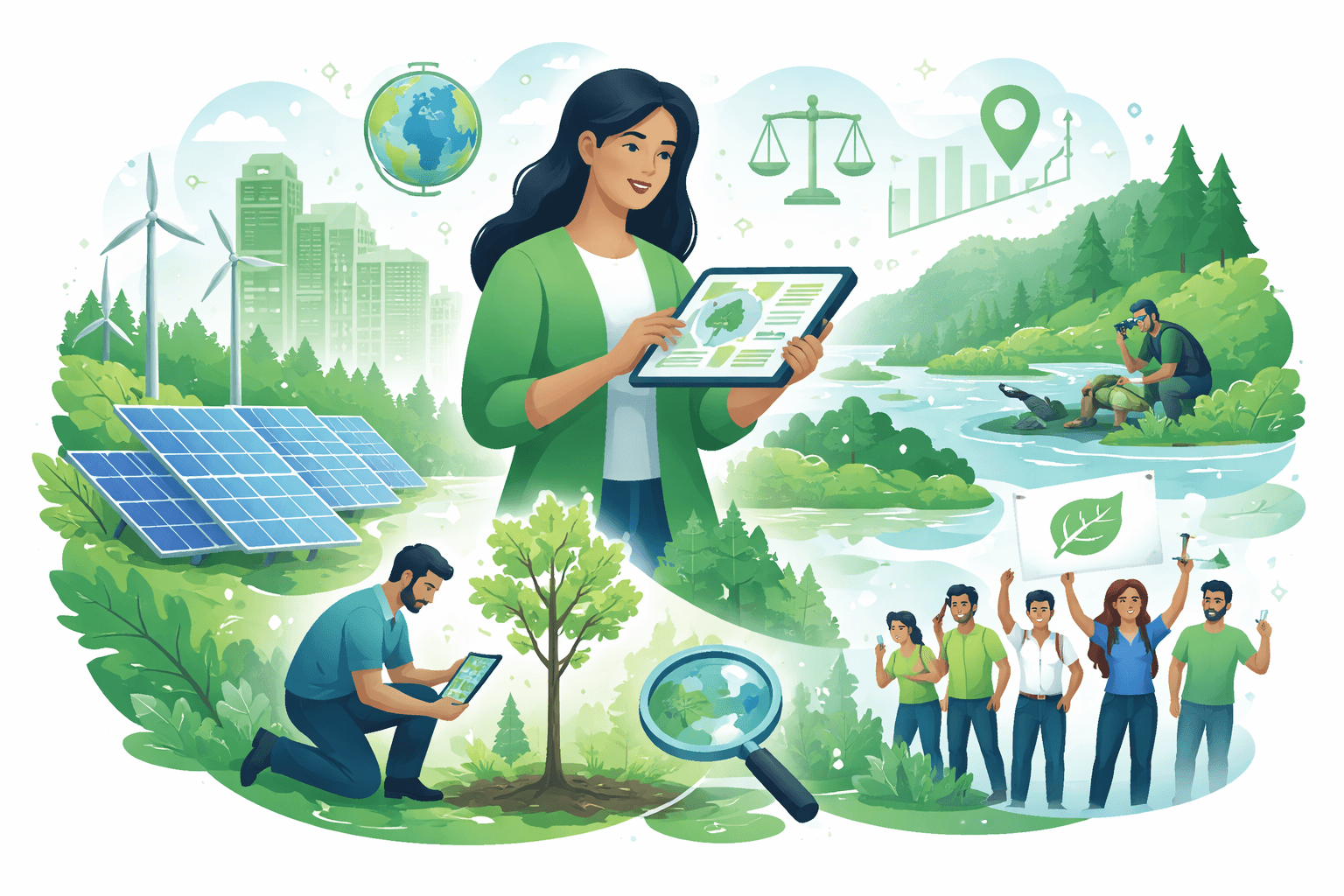
Conservation advocacy is no longer optional. IPBES estimates 1 million species face extinction, many within decades without major change. Meanwhile, protected and conserved areas cover roughly 17% of land and 8–9% of the ocean (UNEP‑WCMC and IUCN, 2023), still short of the Kunming‑Montreal Global Biodiversity Framework’s 30x30 target for 2030. The good news: there are proven, scalable ways to advocate for conservation that work—from your neighborhood to boardrooms and ballot boxes.
This guide breaks down ways to advocate for conservation into practical playbooks you can use today, backed by data and trusted organizations.
By the numbers: why your advocacy matters
- 1 million species at risk: IPBES (2019) estimates extinction risk for up to 1 million species due to land/sea use change, overexploitation, climate change, pollution, and invasive species.
- 30x30 gap: About 17% of land and 8–9% of the ocean are protected (UNEP‑WCMC/IUCN, 2023), short of the 30% target by 2030.
- Citizen science scale: eBird contributors have logged over 1.3 billion bird observations (Cornell Lab of Ornithology, 2024). iNaturalist users have contributed 150+ million biodiversity records used by researchers and land managers.
- Policy influence: 94% of U.S. congressional staff say in‑person constituent meetings have “some” or “a lot” of influence on undecided lawmakers; personalized emails and calls also move the needle (Congressional Management Foundation).
- Funding gap: The global biodiversity finance gap is estimated at $700 billion per year (Paulson Institute/CBD, 2020), indicating the scale of advocacy needed to mobilize resources.
Ways to Advocate for Conservation: individual and community actions
Start with everyday behaviors that add up
Small, repeatable actions reduce pressure on habitats and signal demand for conservation‑positive goods and services.
- Cut waste and water use: Residential water conservation can reduce household use by 20–30% with efficient fixtures and behavior changes (U.S. EPA). Less water withdrawn means more instream flows for ecosystems.
- Reduce pesticide and fertilizer use: Pollinator‑friendly yards and integrated pest management reduce chemical loads linked to insect declines and runoff.
- Buy deforestation‑free: Prefer products with strong forest and seafood certifications (e.g., FSC, MSC) and look for traceability. Consumer demand helps shift supply chains.
- Choose low‑impact transport and diets: Mode shifts and more plant‑rich meals cut emissions and habitat pressure from roads and feed production.
- Create micro‑habitat: Native plantings, bird‑safe windows, and wildlife corridors in yards and balconies measurably increase urban biodiversity.
For a deeper checklist of energy, water, waste, and backyard habitat steps, see How to Practice Conservation at Home: Practical Steps to Save Energy, Water, Waste and Support Wildlife (/conservation/how-to-practice-conservation-at-home-practical-steps-save-energy-water-waste-wildlife).
Volunteer locally where hands make a difference
- Habitat stewardship days: Join invasive‑species pulls, dune restoration, riparian plantings, or trail maintenance. Local land trusts and parks departments regularly host these and track restored acres.
- Community science: Contribute biodiversity data with tools like bird counts, bio‑blitzes, and phenology tracking. Agencies increasingly integrate these datasets into management plans because they fill monitoring gaps at low cost.
- Urban tree planting: Cities with robust canopy cover can see urban heat island reductions of 1–3°C, improved stormwater retention, and higher bird richness. Volunteering with municipal or NGO tree programs is a high‑impact local action.
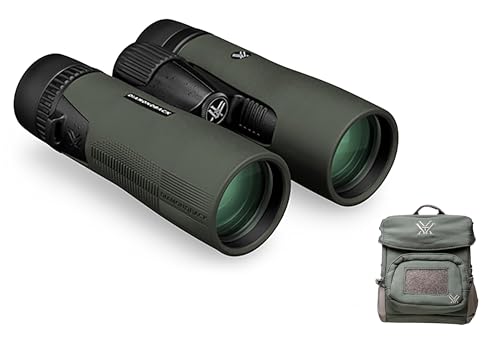
Vortex Optics Diamondback 10x42 Roof Prism Binocular ...
View on AmazonFind a group near you and evaluate their track record using Find and Join Conservation Projects Near You: What to Look For and How to Get Involved (/conservation/conservation-projects-near-me-guide).
Run neighborhood campaigns and school programs
- Start a local petition with purpose: Aim for a concrete, measurable win—e.g., “Protect 20 acres of creek buffer as Open Space in the next zoning update.” Build a coalition of homeowners’ associations, small businesses, and youth groups.
- Launch a school biodiversity project: Native gardens, bird monitoring, and waste‑free lunches integrate STEM learning with conservation outcomes. Students can present findings to the school board.
- Get on the agenda: Request time at city council, planning commission, or school board meetings to present data‑driven proposals. Bring before‑after photos, maps, and 1‑page briefs.
Playbook for local advocacy
- Define a specific, time‑bound goal. 2) Map decision‑makers and allies. 3) Gather baseline data (species counts, tree canopy, water quality). 4) Mobilize with clear calls to action and meeting schedules. 5) Track outcomes (ordinance passed, acres restored, trees planted) monthly.
Policy and political engagement that wins systemic change
Public policy determines land use, funding, and species protections at scale. Understanding the process lowers the barrier to entry.
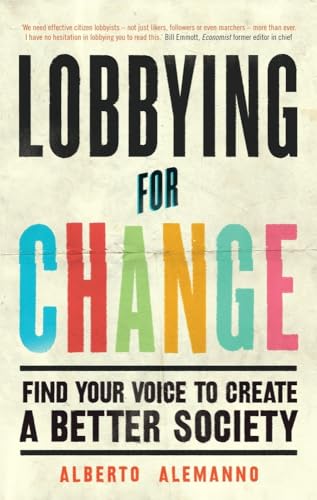
Lobbying for Change: Find Your Voice to Create a Better Society: Alemanno, Alberto
Citizens are making clear their ... and get our voices heard? The answer, argues Alberto Alemanno, is <strong>to become change-makers - citizen lobbyists</strong>....
Check Price on AmazonContact officials with targeted, timely messages
- Be specific and local: Tie your ask to a bill number, budget line, or permit decision. Include how it affects people and places in the district.
- Share personal expertise: Congressional staff report that constituent stories and local data strongly influence undecided lawmakers (CMF). Attach a 1‑page fact sheet and a map.
- Stack tactics: Follow an email with a phone call, then request a short meeting. Bring two constituents and a clear “ask” (e.g., “Co‑sponsor H.R. ####,” “Include $500,000 for invasive removal in the FY budget”).
Support and monitor legislation
- Track bills: Most legislatures have bill trackers showing status, sponsors, and hearing dates. Subscribe to alerts for key committee actions.
- Build a whip count: Log each office’s position. Focus outreach on undecided members and committee chairs.
- Submit testimony: Provide concise, evidence‑backed comments during hearings. Use data sources like IUCN Red List assessments, state wildlife action plans, and peer‑reviewed studies.
Use public commenting and hearings effectively
Under administrative law, agencies must consider substantive comments that bring new data or analysis. Quality beats quantity.
- Cite data: Submit maps, species occurrence records, hydrologic models, or economic analyses. Explain methods simply.
- Coordinate with partners: Share draft comments to avoid duplication and cover more issues.
- Attend site visits and scoping meetings: Early engagement shapes the range of alternatives considered.
Engage in ballot initiatives and local referenda
- Conservation funding measures (parks bonds, sales‑tax set‑asides) often pass when framed around local benefits: clean water, access, wildfire resilience, and jobs. Use cost‑per‑household breakdowns to show affordability.
- Recruit validators: Hunters/anglers, firefighters, farmers, and small businesses broaden appeal beyond typical environmental audiences.
Practical outcomes to track
- Policy outputs: bill co‑sponsors added, amendments adopted, line items funded.
- Policy outcomes: acres protected, stream miles restored, species downlisted, enforcement actions increased.
Organizational and corporate influence to scale impact
Institutions control land, capital, and supply chains—leveraging them multiplies individual action.
Work with NGOs and build coalitions
- Choose organizations with transparent metrics: Look for conservation plans, monitoring protocols, and published results. Independent evaluations and open data are green flags.
- Form coalitions across sectors: Pair conservation NGOs with housing advocates, labor unions, outdoor recreation groups, and tribes/Indigenous peoples to design solutions that balance ecological goals with social needs.
- Share tools and methods: Monitoring frameworks from established groups can strengthen grassroots projects. For practical methodologies, see Wildlife Conservation Methods: Practical Approaches, Tech Tools, and How to Measure Success (/sustainability-policy/wildlife-conservation-methods-practical-approaches-tech-tools-measure-success).
Apply shareholder and consumer pressure
- Engage as an investor: File or back shareholder resolutions on deforestation, plastics, or biodiversity risk disclosure. Even non‑binding votes that clear 20–30% often drive policy changes.
- Ask for science‑based targets: Encourage companies to set and disclose nature targets aligned with the Science Based Targets Network and to report through CDP. Many firms’ Scope 3 (supply‑chain) impacts account for 70%+ of total footprint (McKinsey; CDP analyses), making supplier engagement critical.
- Reward leaders, pressure laggards: Use letters to procurement, purchasing shifts, and public scorecards. Consumer campaigns can quickly alter sourcing if they highlight clear alternatives.
Advocate for resilient supply chains and credible certification
- Push for traceability: Support laws and company policies that require deforestation‑free and conversion‑free commodities (beef, soy, palm, cocoa, timber) with geospatial monitoring.
- Insist on independent audits and grievance mechanisms: Certification only works with strong standards, third‑party verification, and consequences for non‑compliance.
Digital advocacy and storytelling that travels further
Design social media campaigns that convert
- Define the conversion: petition signatures, comment submissions, hearing turnout, donations, or biodiversity observations.
- Use the rule of one: one message, one audience, one action per post. Pair a striking image or 10–30 second clip with a direct CTA and deadline.
- Leverage moments: Tie messages to hearings, migration seasons, wildfire smoke events, or UN biodiversity days. Timeliness lifts engagement.
- Make it easy to act: Short links, QR codes at events, and plain‑language landing pages can double conversion rates.
Use petitions and pledge drives as on‑ramps
- Treat petitions as a list‑building tool: Follow with targeted emails and SMS inviting higher‑bar actions (volunteering, testimony, donations).
- Bundle signatures with substantive comments: When submitting to agencies or lawmakers, include a policy brief so your numbers are backed by analysis.
Tell stories with data visualization and field voices
- Map the stakes: Before‑and‑after habitat maps, wildlife corridors, and flood‑risk layers make abstract issues local and urgent. Use open biodiversity data (e.g., GBIF records) and plain‑language captions.
- Center affected communities and practitioners: Short videos with land stewards, fishers, or park rangers build trust and make solutions tangible.
- Offer receipts: Show how many acres restored, how many comments filed, and what changed. Transparency increases supporter retention.
Track outreach performance like a scientist
- Measure reach and conversion: impressions, click‑through rate (CTR), conversion rate (e.g., signatures per visit), and cost per action (if you’re running ads).
- A/B test: Try two headlines or images, keep the winner. Iterate weekly.
- Attribute actions: Use UTM tags and unique links for each channel to learn what drives real‑world wins (e.g., hearing turnout).
Measuring impact and sustaining efforts
Pick simple, meaningful metrics
- Inputs: volunteer hours, dollars raised, equipment purchased.
- Outputs: trees planted, invasive acres treated, policy meetings held, comments submitted.
- Outcomes: survival rate of plantings after 12 months, water clarity (NTU) improvements, species presence/abundance changes, policy enacted.
- Impacts: long‑term indicators such as reduced flood losses, increased pollinator diversity, or species downlisting.
For a framework to go from good intentions to evidence, see Beyond Intentions: A Data‑Driven Analysis of the Impact of Conservation Efforts (/conservation/beyond-intentions-impact-of-conservation-efforts).
Evaluate with methods proportionate to your project
- Baseline and follow‑up: Always capture a “before.” Photo points, GPS tracks, and simple transects are powerful and cheap.
- Counterfactuals matter: If feasible, compare to a similar untreated site or use phased rollouts to estimate what would have happened without the intervention.
- Community science + pro audits: Blend volunteer monitoring with periodic professional surveys for rigor and cost‑effectiveness.
- Share data openly: Open methods and results speed learning and build credibility with funders and policymakers.
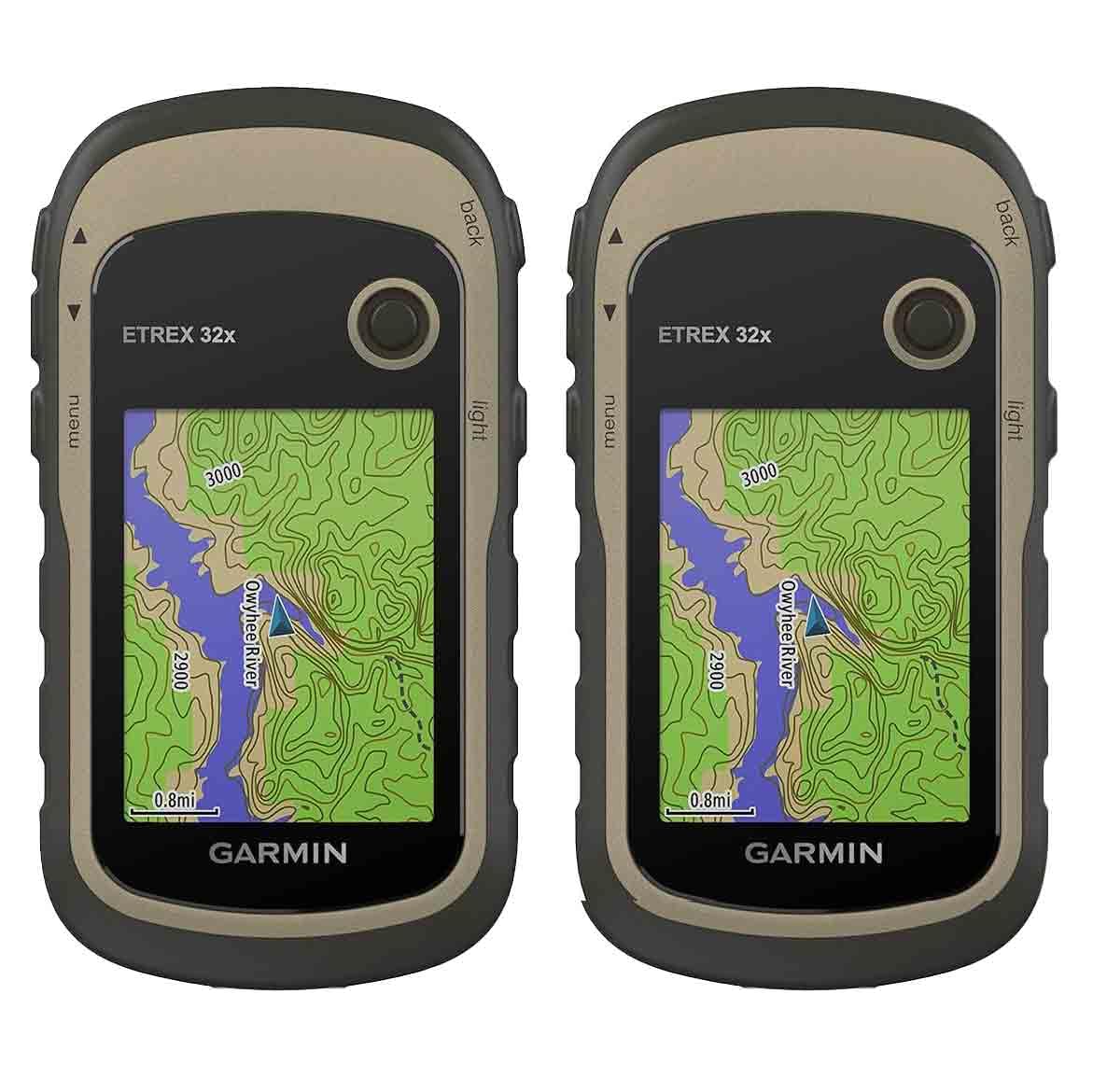
Garmin eTrex 32x, Rugged Handheld GPS Navigator : Electronics
View on AmazonFund and budget for the long term
- Diversify revenue: Mix small donors, major gifts, grants, public funds, and corporate matches. Multi‑year pledges stabilize staffing and stewardship.
- Connect to co‑benefits: Projects that deliver water security, wildfire risk reduction, or recreation often qualify for broader funding streams.
- Build a maintenance line: Set aside 10–20% of capital costs for stewardship and monitoring over 5–10 years; many projects fail without it.
Explore where and how to secure resources in Conservation Funding Opportunities: Where to Find Support and How to Win It (/conservation/conservation-funding-opportunities-guide).
Create a durable plan and cadence
- 12‑month advocacy calendar: Plot key hearings, budget cycles, migration seasons, and volunteer days. Backward‑plan communications and field logistics.
- Leadership and roles: Define campaign leads for policy, field work, communications, and data. Cross‑train to prevent burnout.
- Feedback loops: Hold monthly retrospectives. Ask: What moved the metric? What didn’t? What’s our next hypothesis to test?
Practical quick‑start checklists
Local action (week 1–4)
- Join one stewardship event; log one biodiversity observation per week.
- Meet two neighbors; start a block native‑plant swap.
- Email your councilmember with a 200‑word brief and one ask.
Policy engagement (month 1–3)
- Identify one priority bill; track it; recruit five supporters; submit a joint letter.
- Prepare a 1‑page testimony template with three local data points and one story.
Organizational leverage (quarter 1–2)
- Join one coalition; share monitoring methods and data standards. Review relevant best practices at Wildlife Conservation Methods: Practical Approaches, Tech Tools, and How to Measure Success (/sustainability-policy/wildlife-conservation-methods-practical-approaches-tech-tools-measure-success).
- Ask one supplier or brand for deforestation‑free commitments and traceability.
Digital amplification (ongoing)
- Post one story/week with a single CTA; A/B test headlines; track CTR and conversion.
- Convert petition signers to hearing attendees via SMS reminders with calendar holds.
Measurement and funding (ongoing)
- Set 3–5 SMART metrics; report monthly in a public dashboard.
- Apply for one grant/quarter; include maintenance and monitoring budgets.
Where advocacy is heading
- From 30x30 to “effective 30”: Expect greater scrutiny of protected area quality, equity, and connectivity—not just acreage. Monitoring and Indigenous co‑management are central.
- Nature in finance: Mandatory nature‑related disclosures are advancing in several markets, pushing companies to assess and reduce biodiversity risks across supply chains.
- Citizen science to decision science: Agencies are integrating community datasets with remote sensing and AI to prioritize corridors and restoration sites faster and cheaper.
- Climate‑nature alignment: Wildfire mitigation, blue carbon, and regenerative agriculture policies will grow as co‑benefit strategies that unite climate and biodiversity goals.
Advocacy works when it’s specific, sustained, and measured. Choose one arena—local action, policy, institutions, or digital—and start. Then expand your circle of influence, track what changes, and keep going. The window to bend the biodiversity curve is this decade—and the tools to do it are in your hands.
Recommended Products
Lobbying for Change: Find Your Voice to Create a Better Society: Alemanno, Alberto
Citizens are making clear their ... and get our voices heard? The answer, argues Alberto Alemanno, is <strong>to become change-makers - citizen lobbyists</strong>....
Vortex Optics Diamondback 10x42 Roof Prism Binocular ...
Vortex Optics Diamondback HD 8x42 Binoculars - HD Optical System, Non-slip Grip, Waterproof, Fogproof, Shockproof, Included GlassPak - Unlimited, Unconditional Warranty
Garmin eTrex 32x, Rugged Handheld GPS Navigator : Electronics
Explore confidently with the reliable handheld GPS · 2.2” sunlight-readable color display with 240 x 320 display pixels for improved readability · Preloaded with TopoActive maps with routable roads an
More in Conservation
- Effective Wildlife Conservation Practices: Practical Strategies, Monitoring, and Community-Led Solutions
- Conservation Explained: Goals, Strategies, and How You Can Help
- Why Wildlife Conservation Matters: Ecosystems, People, and Practical Solutions
- How Conservation Changes Ecosystems: Mechanisms, Evidence, Measurement, and Policy Trade‑offs