
Endangered Species Explained: Causes, Trends, and How to Help
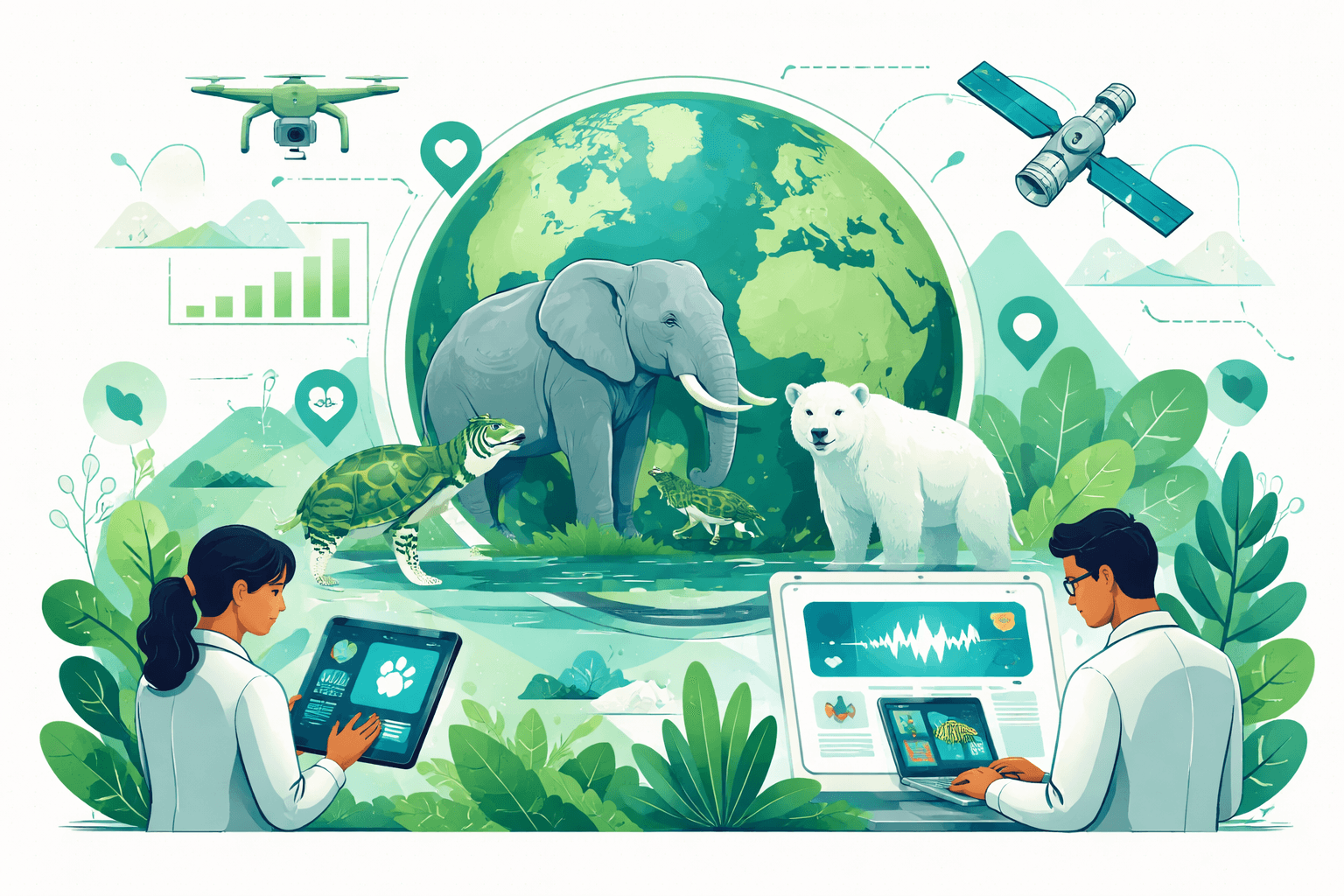
As of 2024, the IUCN Red List has assessed more than 160,000 species and classifies over 44,000 of them as threatened with extinction (Vulnerable, Endangered, or Critically Endangered). The broader picture is starker: the IPBES Global Assessment estimates that around 1 million species face extinction in coming decades without transformative change. Endangered species are not just a moral concern—they stabilize food webs, pollinate crops, store carbon, support fisheries and tourism, and sustain cultures and livelihoods.
What is an endangered species?
An endangered species is a plant, animal, or fungus at risk of extinction in the near future. The most widely used global assessment is the IUCN Red List, which classifies species based on extinction risk using criteria such as population size and decline rate, geographic range, and fragmentation.

The Sixth Extinction: An Unnatural History: Kolbert, Elizabeth
The Sixth Extinction (10th Anniversary Edition): An Unnatural History · Elizabeth Kolbert · Paperback · #1 Best Seller · The 6th Extinction: An Unnatural History · Elizabeth Kolbert · Library Binding
Check Price on AmazonKey IUCN Red List categories (from lower to higher risk):
- Least Concern (LC)
- Near Threatened (NT)
- Vulnerable (VU)
- Endangered (EN)
- Critically Endangered (CR)
- Extinct in the Wild (EW)
- Extinct (EX)
Two additional labels are administrative: Data Deficient (DD) and Not Evaluated (NE). “Threatened” species include VU, EN, and CR. The Red List is dynamic: species move between categories as new data and conservation actions change their status.
Why definitions matter: consistent categories guide conservation priorities, shape legal protections, and trigger funding. Many national laws (for example, the U.S. Endangered Species Act) use similar criteria to list and protect species and their habitats.
For a broader perspective on why protecting threatened wildlife supports people and economies, see Why Wildlife Conservation Matters: Ecosystems, People, and Practical Solutions (/conservation/why-wildlife-conservation-matters-ecosystems-people-solutions).
The major drivers pushing species toward extinction
Multiple, interacting stressors drive extinction risk. Globally, habitat loss and degradation remain the dominant pressures, compounded by climate change, overexploitation (hunting, fishing, logging), invasive species, and pollution. Key data points from authoritative sources:
- Habitat loss and degradation: Agriculture, forestry, and infrastructure have transformed most of Earth’s land surface. IPBES reports that three-quarters of terrestrial environments and two-thirds of marine environments have been significantly altered by humans. FAO estimates about 420 million hectares of forest were lost to deforestation between 1990 and 2020.
- Climate change: Rapid warming shifts species’ suitable ranges, disrupts timing of life events, and increases mortality during extreme events. Mass coral bleaching—triggered by marine heatwaves—has increased in frequency and severity; the Great Barrier Reef has experienced multiple mass bleaching events since 2016, including another widespread event in 2024 (Australian authorities).
- Overexploitation: The FAO’s State of World Fisheries and Aquaculture reports roughly 35% of assessed fish stocks are fished at biologically unsustainable levels. Illegal wildlife trade affects tens of thousands of species, from pangolins to tropical timber.
- Invasive alien species: According to the 2023 IPBES assessment, over 37,000 alien species have been recorded worldwide; at least 3,500 are harmful invasives causing biodiversity loss and economic damages exceeding $400 billion annually.
- Pollution: Nutrient runoff creates hypoxic “dead zones”; chemical and pesticide pollution threatens freshwater and insect biodiversity; an estimated 11 million metric tons of plastic enter the ocean each year (Pew/“Breaking the Plastic Wave”), entangling and poisoning marine life.
These pressures rarely act alone. For example, habitat fragmentation isolates small populations, making them more vulnerable to a single heatwave, disease outbreak, or invasive predator.
By the Numbers: endangered species at a glance
- 1,000,000: Estimated number of species threatened with extinction, many within decades (IPBES, 2019)
160,000: Species assessed on the IUCN Red List (2024)
44,000: Red-Listed species classified as threatened (VU, EN, CR) (IUCN, 2024)
- 41%: Proportion of amphibian species threatened (IUCN Global Amphibian Assessment)
- ~27%: Mammal species threatened (IUCN)
- ~13%: Bird species threatened (IUCN)
- ~33%: Reef-building corals threatened (IUCN Coral assessments)
- ~37%: Sharks and rays threatened (IUCN updates)
- 83%: Decline in monitored freshwater vertebrate populations since 1970 (WWF Living Planet Report; population index, not number of species)
- ~17% and ~8%: Approximate share of the planet’s land and ocean, respectively, in protected areas and other effective area-based conservation measures (UNEP-WCMC/Protected Planet)
Global trends and hotspots
Extinction risk is not uniform. Several patterns stand out:
- Taxonomic risk: Amphibians face the highest risk among vertebrates, driven by habitat loss, the chytrid fungus (Bd), and climate impacts. Corals, sharks and rays, and cycads/conifers also show high threat levels.
- Freshwater crisis: Rivers, lakes, and wetlands are ground zero for biodiversity loss. Flow alteration by dams, water withdrawals, pollution, invasive species, and overfishing have driven steep population declines and extinctions (WWF, IUCN). The Yangtze River’s Chinese paddlefish was declared extinct after decades of overexploitation and fragmentation.
- Regional hotspots: The Tropical Andes, Mesoamerica, Madagascar, Southeast Asia, and the Western Ghats/Sri Lanka are megadiverse and highly threatened. Island ecosystems (Hawaii, New Zealand, the Caribbean) are extinction hotspots due to endemic species and vulnerability to invasive predators. In the oceans, the Coral Triangle (Indonesia, Philippines, Papua New Guinea, and neighbors) holds the richest marine biodiversity and faces intense fishing pressure and rapid warming.
Importantly, threatened-status tallies reflect assessment effort; some groups (plants, invertebrates, fungi) are under-assessed, so risks there are likely undercounted.
Case studies: turning points on land, in freshwater, and at sea
- Terrestrial recovery: The Iberian lynx—once the world’s most endangered cat—rebounded from fewer than 100 individuals in the early 2000s to more than 2,000 today through habitat restoration, rabbit prey recovery, road mitigations, and reintroductions (Spanish authorities, IUCN). The U.S. bald eagle recovered after the DDT ban and protections: from 487 nesting pairs in 1963 to tens of thousands of individuals today (U.S. Fish and Wildlife Service).
- Near-miss and cautionary tale: California condors dropped to 27 individuals by 1987; a controversial captive-breeding program now supports a population exceeding 500, with hundreds flying free in the U.S. Southwest and Baja California. Lead poisoning from spent ammunition remains a persistent threat.
- Freshwater loss: The Yangtze River’s baiji (river dolphin) and Chinese paddlefish are gone—victims of overexploitation, river traffic, and habitat fragmentation. The Mekong’s giant catfish and stingray remain endangered as hydropower, sand mining, and overfishing stress the basin.
- Marine recovery and risk: Some whale populations—such as North Atlantic humpbacks—have rebounded under moratoria and ship-speed rules. In stark contrast, Mexico’s vaquita porpoise teeters at the brink with fewer than a dozen individuals believed to remain, largely due to illegal gillnets set for totoaba. Sharks and rays remain heavily threatened where bycatch and targeted fishing persist.
- Coral reefs: Global bleaching events have intensified, with the Great Barrier Reef experiencing five mass bleaching episodes since 2016. Local management—improving water quality and curbing crown-of-thorns starfish—helps reefs resist and recover, but limiting warming is decisive for long-term survival.
Together, these stories show what works—habitat protection, targeted threat reduction, and sustained funding—and what fails when enforcement or political will is weak.
Conservation strategies that work
Protected areas and the 30x30 goal
Protected and conserved areas, when well-managed and equitably governed, reduce extinction risk by safeguarding habitats and limiting damaging activities. Globally, about 17% of land and 8% of the ocean are in protected areas and other effective area-based conservation measures (OECMs). The Kunming–Montreal Global Biodiversity Framework commits countries to conserve at least 30% of lands, inland waters, and oceans by 2030 (“30x30”). Success hinges on quality—intactness, connectivity, representation—and on Indigenous rights, since Indigenous-managed lands often match or outperform state PAs in biodiversity outcomes.
Rewilding and ecological connectivity
Rewilding restores natural processes and species interactions—often by reintroducing missing keystone species (like beavers or apex predators) and reconnecting fragmented habitats through wildlife corridors and fish passages. Europe’s rewilding programs have supported the return of large herbivores and carnivores; in North America, dam removals are reopening salmon habitat at scale. For practical approaches to habitat protection and restoration, see Protecting Wildlife Habitats: A Practical Guide to Conservation, Technology, and Action (/sustainability-policy/protecting-wildlife-habitats-guide-conservation-technology-action).
Captive breeding, assurance colonies, and gene flow
For critically endangered species, captive breeding can avert extinction while threats are reduced in the wild. Examples include the kākāpō in New Zealand, black-footed ferrets in North America, and many amphibians held in disease-free “assurance colonies.” Modern programs incorporate genetic management (to minimize inbreeding) and use techniques like cryopreservation and, cautiously, genetic rescue by introducing individuals from related populations to boost genetic diversity.
Species translocation and assisted colonization
Translocation—moving species to new or former habitats—can rebuild populations where threats have been mitigated (e.g., New Zealand’s predator-free island sanctuaries). As climate envelopes shift, conservationists are debating assisted colonization, relocating species beyond their historical ranges to track suitable climates. This approach requires rigorous risk assessment to avoid creating new invasives or disrupting recipient ecosystems.
Tech-driven monitoring and adaptive management
Remote sensing, bioacoustics, environmental DNA (eDNA), and AI-enabled image recognition are reshaping conservation, enabling faster, cheaper, and more comprehensive monitoring. Satellites map deforestation and illegal mining in near real-time; acoustic sensors detect chainsaws and gunshots; eDNA reveals rare or cryptic species from water samples; and machine learning classifies millions of camera-trap images to accelerate decision-making. Explore specific tools and casework in How AI Is Used in Conservation: Technologies, Real-World Uses, and Key Challenges (/sustainability-policy/how-ai-is-used-in-conservation-technologies-applications-challenges).

Browning Trail Cameras Strike Force Full HD Extreme Wildlife Motion-Activated Camera with Radiant 4 Flash Technology
View on AmazonCommunity-led stewardship and co-management
Conservation outcomes are strongest when local communities and Indigenous Peoples have secure rights, share in benefits, and co-design management. Community conservancies in Kenya, forest concessions in Guatemala’s Maya Biosphere Reserve, and customary marine closures (ra’ui/tabu) in the Pacific illustrate durable models that align livelihoods with biodiversity protection.
How individuals and communities can help
You don’t need to be a biologist to move the needle for endangered species. Evidence-backed actions include:

Nikon Monarch 5 8x42 Binoculars : Electronics
View on Amazon- Support trusted organizations: Donate to groups with transparent reporting and strong track records in species and habitat protection.
- Vote and advocate: Engage with biodiversity policy—30x30, endangered species protections, invasive species control, and pollution limits. Speak up for science-based management at local planning meetings.
- Make nature-positive consumption choices: Choose certified sustainable seafood (e.g., MSC), avoid products linked to illegal wildlife trade or deforestation, reduce pesticide use, and favor diverse native plants in yards and public spaces.
- Create and connect habitat locally: Plant native, reduce outdoor lights during migration seasons, remove invasive plants, and add pollinator strips or wildlife-friendly fencing. For step-by-step approaches, see Create Wildlife Habitat: Practical Topics to Cover in a Step-by-Step Guide (/sustainability-policy/create-wildlife-habitat-step-by-step-guide).
- Participate in citizen science: Log observations on iNaturalist or eBird, help amphibian surveys, or adopt a local stream for water-quality monitoring—data that scientists and agencies actually use.
- Reduce plastic and nutrient pollution: Cut single-use plastics, properly dispose of fishing line, and manage yard nutrients to prevent runoff into waterways.
Community groups can amplify impact through invasive-species removal days, tree planting, and co-management agreements with local governments.
Policy, funding, and the role of business
- International agreements: CITES regulates cross-border trade in listed species; it has curbed trafficking of elephants, rhinos, some reptiles, and numerous timber species, though enforcement gaps remain. The Convention on Biological Diversity (CBD) sets the global framework (including 30x30, restoration targets, and reducing invasive species impacts), with national biodiversity strategies to implement it.
- National laws: Strong endangered species acts and habitat-protection statutes, backed by enforcement and funding, drive recoveries. Tools include critical habitat designations, recovery planning, incidental-take permitting, and mitigation hierarchies that first avoid, then minimize, and only lastly offset impacts.
- Conservation finance: Blended finance, green bonds, and results-based funding can scale effective programs. High-integrity carbon markets—especially jurisdictional REDD+—can channel capital to protect and restore forests that store carbon and shelter endangered species, when safeguards ensure biodiversity co-benefits and community rights.
- Corporate action and disclosure: Companies increasingly set nature-positive targets, screen supply chains for deforestation and overexploitation risks, and disclose dependencies/impacts using frameworks like the Taskforce on Nature-related Financial Disclosures (TNFD). Procurement standards (e.g., certified timber, seafood) and no-deforestation policies measurably reduce pressure on habitats.
- Data and transparency: Open biodiversity data—Red List assessments, Key Biodiversity Areas, species occurrence records—underpin better siting for infrastructure and renewable energy, reducing project delays and biodiversity conflicts.
Practical implications for decision-makers
- Governments: Prioritize intact habitat protection, fund Indigenous-led conservation, and focus on connectivity. Invest in rapid response to invasives and in freshwater restoration, where biodiversity returns can be fastest.
- Businesses: Integrate biodiversity screening at project origination, set time-bound targets tied to operational decisions, and finance high-integrity conservation outcomes in landscapes from which you source.
- Funders and philanthropies: Back proven interventions (invasives control, protected-area management, fisheries bycatch reduction) and evidence systems (long-term monitoring, independent evaluations) to track outcomes.
Where endangered species protection is heading
Three trends will shape the next decade:
Scaling quality, not just quantity, of protection. The 30x30 push will succeed if protected areas are ecologically representative, connected, and effectively managed, with Indigenous and local leadership. Expect growth in OECMs, community conservancies, and transboundary corridors.
Monitoring everywhere. Low-cost sensors, satellites, and AI will make biodiversity monitoring routine, enabling real-time adaptive management, better law enforcement, and performance-based finance tied to measured outcomes.
Climate-biodiversity alignment. Nature-based solutions that genuinely protect and restore ecosystems will be prioritized, while projects with weak additionality or social safeguards will face tighter scrutiny. Species conservation will increasingly include climate adaptation—identifying climate refugia, enabling range shifts, and buffering ecosystems against extremes.
Additional resources and how this ties to our coverage
- Ocean Conservation: A Guide to Protecting Marine Biodiversity (/conservation/ocean-conservation-protecting-marine-biodiversity)
- How Technology Is Transforming Conservation: Tools, Impacts, and Responsible Deployment (/sustainability-policy/role-of-technology-in-conservation)
- Beyond Intentions: A Data‑Driven Analysis of the Impact of Conservation Efforts (/conservation/beyond-intentions-impact-of-conservation-efforts)
- Effective Wildlife Conservation Practices: Practical Strategies, Monitoring, and Community-Led Solutions (/sustainability-policy/effective-wildlife-conservation-practices-guide)
Protecting endangered species is ultimately about safeguarding the systems that safeguard us—our water, food, climate stability, and cultural heritage. The science is clear on the drivers and on what works. What remains is to scale the solutions with urgency and integrity, pairing grounded local stewardship with global commitments that deliver measurable outcomes for nature and people.
Recommended Products
The Sixth Extinction: An Unnatural History: Kolbert, Elizabeth
The Sixth Extinction (10th Anniversary Edition): An Unnatural History · Elizabeth Kolbert · Paperback · #1 Best Seller · The 6th Extinction: An Unnatural History · Elizabeth Kolbert · Library Binding
Browning Trail Cameras Strike Force Full HD Extreme Wildlife Motion-Activated Camera with Radiant 4 Flash Technology
GardePro A3S Trail Camera (Non-Cellular, Non-WiFi), 64MP Photo & 1296P HD Video, 0.1s Trigger, <strong>100ft No-Glow Night Vision</strong>, Motion Activated Wildlife Camera ... Browning Trail Came
Nikon Monarch 5 8x42 Binoculars : Electronics
Nikon Monarch M5 8x42 (16767) Black Binoculars Bundle with Lens Pen and Lens Cloth, <strong>Compact Binoculars for Adults for Hunting, Bird Watching, and Hiking Essentials, Zoom Lightweight Travel</st