
How to Protect Endangered Species: Practical Actions, Policy & Technology
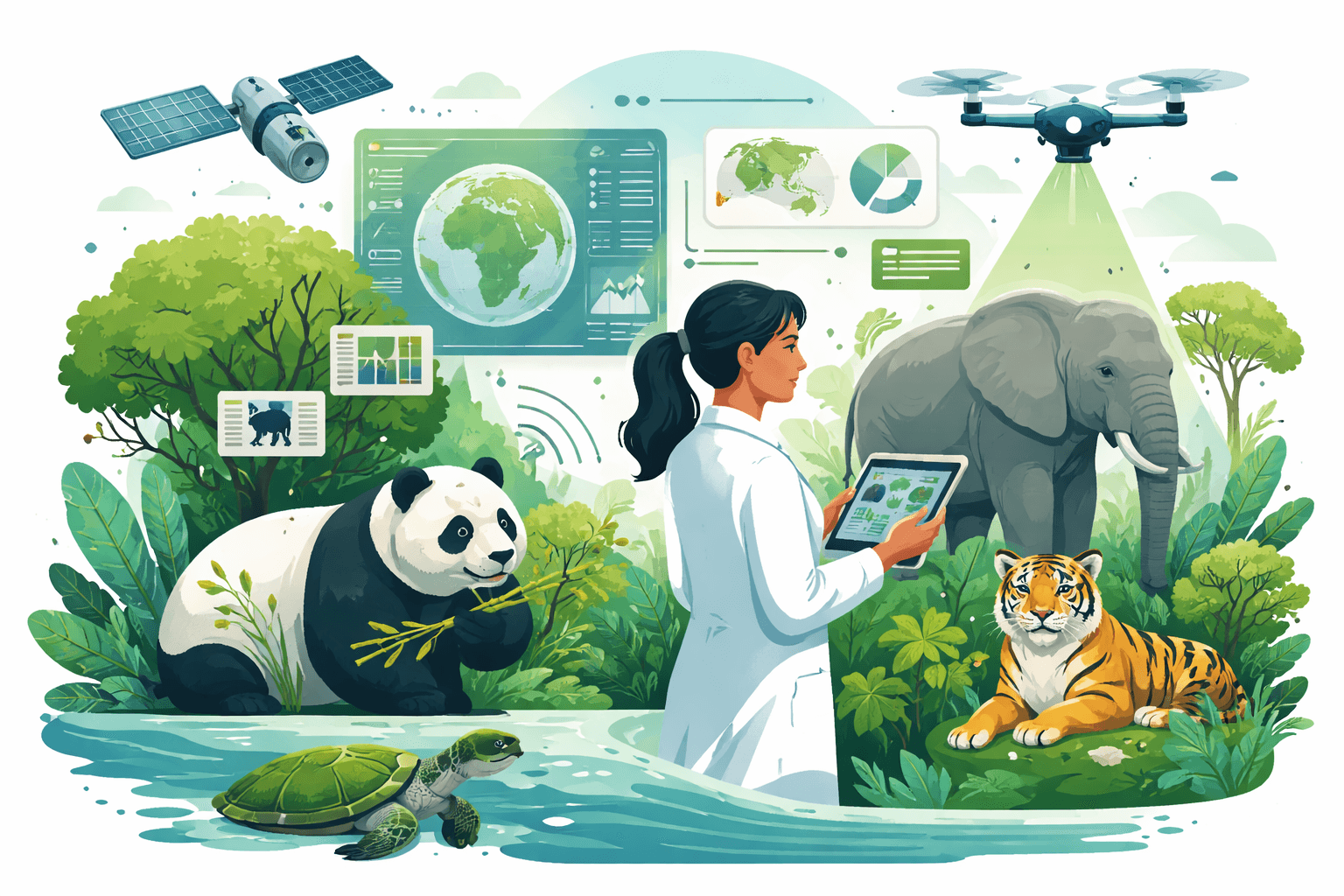
Protecting biodiversity is no longer abstract: according to IPBES, up to one million species face elevated extinction risk, driven primarily by habitat loss, overexploitation, pollution, invasive species, and climate change. If you’re searching for how to protect endangered species, effective action spans from backyard choices to ballot boxes and new technology — and the results are measurable.
Why this matters now
- The IUCN Red List (2024) classifies more than 44,000 species as threatened with extinction.
- The WWF Living Planet Report finds an average 69% decline in monitored vertebrate populations since 1970.
- Humans have significantly altered over 75% of terrestrial environments and 66% of the ocean (IPBES 2019).

What Works in Conservation: 2017: Sutherland, William J., et al.
Chapters cover the practical global conservation of amphibians, bats, birds and forests, conservation of European farmland biodiversity and some aspects of enhancing natural pest control, enhancing so
Check Price on AmazonThis guide distills science-backed strategies you can act on immediately — and explains how to evaluate whether those actions work.
The main threats — and how to reduce them
Habitat loss and fragmentation
- What’s happening: Land-use change for agriculture, logging, mining, and urban expansion is the top driver of biodiversity loss worldwide (IPBES). Fragmentation isolates populations, lowering genetic diversity and raising extinction risk.
- Personal actions:
- Prioritize deforestation-free and certified products (FSC wood/paper, Rainforest Alliance/Organic coffee/cocoa, RSPO-certified palm oil).
- Landscape your yard or building grounds with native plants, remove invasive ornamentals, and reduce lawn area to create pollinator- and bird-friendly habitat.
- Keep cats indoors; outdoor cats kill an estimated 1.3–4.0 billion birds and 6.3–22.3 billion mammals annually in the U.S. (Loss et al., 2013).
- Community actions:
- Support local habitat restoration days, tree-planting, and riparian buffer projects. Where feasible, create wildlife corridors linking green spaces and protected areas.
- Advocate for bird-safe building design, window decals or patterned glass in collision hotspots, and lights-out programs during migration.
- Back land trusts and conservation easements to secure high-value habitats.
- Policy levers:
- Integrate biodiversity into land-use planning and strategic environmental assessment; prioritize protection of Key Biodiversity Areas and intact ecosystems.
- Incentivize restoration to meet global “30x30” targets (protecting 30% of land and sea by 2030) in ways that respect Indigenous and local community rights.
- Fund stewardship, invasive plant control, and prescribed fire where ecologically appropriate.

Feather Friendly® Bird Collision Deterrent Markers (Small-scale DIY, 3 Black Rolls) : Patio, Lawn & Garden
View on AmazonFor deeper, habitat-specific tactics, see our guide on Protecting Wildlife Habitats: A Practical Guide to Conservation, Technology, and Action.
Poaching and illegal wildlife trade
- What’s happening: The illegal wildlife trade is valued at roughly $7–23 billion annually (UNEP/INTERPOL), targeting species from pangolins and rhinos to orchids and rare reptiles.
- Personal actions:
- Never buy wildlife products (ivory, shells, traditional medicines, exotic pets) without verified legality under CITES; when in doubt, don’t buy.
- Report suspected wildlife crime to local authorities or national hotlines.
- Community actions:
- Support community-based ranger programs and livelihood alternatives that reduce reliance on poaching.
- Encourage local businesses and markets to adopt zero-tolerance policies for illegal wildlife products.
- Policy levers:
- Strengthen enforcement capacity (training, equipment, forensics) and penalties that deter trafficking.
- Enhance transparency in online marketplaces; require traceability for high-risk species.
Invasive species
- What’s happening: Introduced species drive native biodiversity loss and cost the world an estimated $423 billion annually (IPBES 2023).
- Personal actions:
- Clean, drain, and dry boats and gear to prevent aquatic hitchhikers; never release pets or bait into the wild.
- Replace invasive ornamentals with native plants; dispose of green waste responsibly.
- Community actions:
- Coordinate rapid detection and response teams; host weed pulls and citizen mapping efforts.
- Support biosecurity at ports and nurseries; encourage local retailers to phase out invasive stock.
- Policy levers:
- Fund early detection/rapid response (EDRR) frameworks and horizon scanning; regulate high-risk pathways (ballast water, live trade).
Pollution (chemicals, plastics, noise, and light)
- What’s happening: Millions of tons of plastic enter oceans each year; pesticides, heavy metals, and nutrient runoff degrade terrestrial and aquatic food webs. Noise and light pollution alter animal behavior and increase mortality.
- Personal actions:
- Reduce single-use plastics; support refill and deposit systems.
- Use integrated pest management (IPM) to minimize pesticide use.
- Install downward-shielded, warm-spectrum outdoor LEDs and limit nighttime lighting.
- Community actions:
- Improve stormwater infrastructure and riparian buffers; organize fishing-gear and litter cleanups.
- Promote quiet zones and seasonal restrictions on disruptive activities near nesting or breeding sites.
- Policy levers:
- Set plastic reduction targets, extended producer responsibility (EPR), and chemical disclosure rules.
- Establish vessel speed limits and noise standards in sensitive marine habitats; adopt lights-out policies in migration corridors.
Climate change
- What’s happening: Warming shifts species ranges and phenology, intensifies heat and drought, and increases wildfire frequency. The IPCC projects 70–90% declines in coral reefs at 1.5°C warming and >99% loss at 2°C.
- Personal actions:
- Cut emissions via energy efficiency, clean electricity, and low-carbon transport; support climate policies.
- Make homes nature-friendly: drought-resilient native landscaping, water conservation, and shade trees that cool and provide habitat.
- Community actions:
- Develop climate-resilient habitat networks by protecting elevational and latitudinal corridors.
- Plan wildfire fuel treatments and prescribed burns where ecologically appropriate.
- Policy levers:
- Integrate climate adaptation into species recovery plans and protected-area design.
- Fund blue carbon and peatland restoration that stores carbon and supports biodiversity.
Explore more on species-climate interactions in How Climate Change Is Reshaping Wildlife.
Scalable actions you can take
Restore and protect habitat
- Join or organize projects that remove invasive plants, replant natives, and reconnect habitats (hedgerows, pollinator strips, stream buffers). Well-planned restoration can boost local species richness and improve water quality within a few seasons.
- Partner with land trusts to place conservation easements on priority parcels; even modest contributions can close funding gaps for high-impact tracts.
- If you manage land, set aside refuge zones free from disturbance during breeding seasons, and manage grazing or recreation intensity.
Practical restoration techniques and success metrics are covered in Wildlife Habitat Restoration Projects: Goals, Techniques, and Measuring Long-Term Success.
Make sustainable consumption the default
- Food and fiber: Choose deforestation-free commodities; buy certified sustainable seafood (MSC/ASC) or local small-scale options; reduce food waste.
- Paper/wood: Look for FSC or equivalent certification.
- Coffee/cocoa: Prefer shade-grown and Rainforest Alliance/Organic labels that protect canopy habitat.
- Pets and plants: Avoid wild-caught pets and non-native ornamentals; request nursery natives.
Practice responsible wildlife tourism
- Choose operators certified for sustainability and wildlife welfare; ask about group size, approach distances, and disturbance minimization.
- Never feed or bait wildlife; maintain recommended distances (e.g., 25 m for most wildlife, 100 m for large carnivores; follow local rules).
- Avoid attractions that use handling or close-contact photo ops with wild animals.
Join citizen science and monitoring
- Contribute wildlife observations to platforms like eBird or iNaturalist; consistent data improves species distribution models that inform conservation.
- Join acoustic or camera-trap projects, or community eDNA sampling efforts that detect elusive species from water or soil.
- Participate in coastal cleanups and report entanglements or strandings via local hotlines.
Volunteer skills and fund strategically
- Offer skills in GIS, data science, communications, or legal research to conservation groups.
- When donating, fund specific, time-bound interventions (e.g., ranger patrols, predator-proof fencing, wildlife crossings). Small, targeted grants can have outsized effects on survival rates.
For a broader menu of field-proven tactics, see Effective Wildlife Conservation Practices: Practical Strategies, Monitoring, and Community-Led Solutions.
Law and policy: how protections work — and how to help
International frameworks
- Convention on Biological Diversity (CBD): The Kunming–Montreal Global Biodiversity Framework commits countries to halt biodiversity loss, including 30x30 area-based conservation.
- CITES: Regulates trade in more than 40,000 species via permits and appendices; reduces exploitation by controlling international markets.
- CMS (Convention on Migratory Species): Coordinates conservation of migratory animals across borders.
What you can do: Back domestic implementation budgets; support traceability and sanctions for non-compliance; engage your representatives on 30x30-aligned, rights-based conservation.
National protections
- United States: The Endangered Species Act (ESA) has prevented extinction for over 99% of listed species and has driven recoveries like the bald eagle and American alligator. Listing triggers critical habitat designation and recovery plans.
- European Union: The Habitats and Birds Directives established Natura 2000, a network of protected sites covering over 18% of EU land and 8% of its sea.
- Other countries: National wildlife laws and red lists set hunting/trade limits, protected areas, and enforcement regimes.
What you can do: Support agencies during public comment periods; vote for funding measures that maintain protected areas and recovery work; back science-based listing decisions.
Local land-use decisions
- Zoning, permits, and infrastructure siting directly affect habitats and species movement.
- Community-level actions: Attend planning meetings; advocate for open-space set-asides, riparian buffers, wildlife crossings, and bird-safe building codes.
- Enforcement: Promote capacity for ranger patrols, customs inspections, and judicial follow-through; support community watchdog programs.
Science and technology solutions
Monitoring and data tools
- Camera traps and acoustic sensors: Low-cost, continuous monitoring that quantifies presence, breeding activity, and threats like gunshots or chainsaws.
- Environmental DNA (eDNA): Detects species from genetic material shed into water/soil, enabling early detection of rare or invasive species with fewer field hours.
- Satellite/remote sensing: Real-time deforestation alerts and habitat-change mapping guide rapid response and inform land-use planning.
- AI and analytics: Models classify images/sounds, predict poaching risk, and optimize patrol routes.
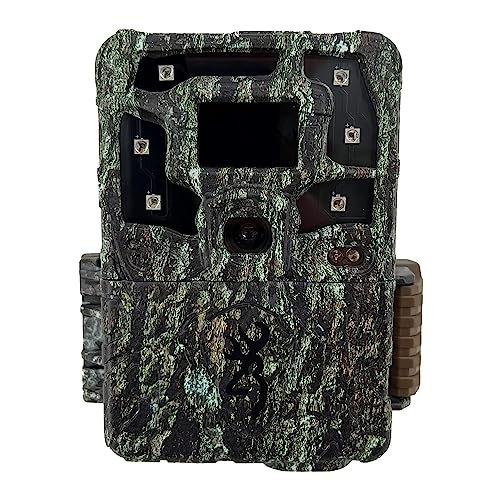
Browning Trail Cameras Strike Force Pro X 1080 Full HD, Night Vision Wildlife Motion-Activated Camera with Radiant 6 Flash Technology and Illuma-Smart Technology (Camo)
View on AmazonExplore practical tools and case studies in How AI Is Used in Conservation: Technologies, Real-World Uses, and Key Challenges.
Breeding, reintroduction, and genetic management
- Captive breeding with studbooks maintains genetic diversity; reintroductions follow IUCN guidelines with disease screening and post-release monitoring.
- Success stories:
- California condor: From 27 birds in 1987 to 500+ today, aided by lead ammunition phaseouts and intensive management (USFWS).
- Mauritius kestrel: From 4 individuals in the 1970s to hundreds, via captive breeding and habitat work.
- Humpback whales: Several populations have rebounded following international whaling bans.
- Key metrics: Survival and reproduction post-release, genetic diversity, territory establishment, and long-term population trajectories.
Renewable energy and wildlife-sensitive land-use planning
- Siting: Prioritize already-disturbed lands (brownfields, rooftops, road corridors) and avoid key habitats and migration bottlenecks.
- Wind operations: Increasing turbine cut-in speeds during low-wind nights can reduce bat fatalities by 50% or more; “smart curtailment” based on weather/migration forecasts has shown reductions up to ~80% in some studies. Experimental black-painting of one blade has reduced bird collisions by roughly 70% at a Norwegian site.
- Solar design: Use low-impact mounting (e.g., pollinator-friendly groundcover under arrays), wildlife-permeable fencing, and avoid fencing in natural washes.
- Transmission and roads: Wildlife crossings, fencing, and avian-safe lines can reduce collisions and electrocution by 80–90% in well-designed projects.
- Co-benefits: Careful siting reduces legal risk, accelerates permitting, and lowers mitigation costs while delivering clean power that mitigates climate threats to species.
By the Numbers: Endangered species protection
- 1,000,000: Species at heightened extinction risk (IPBES).
- 44,000+: Species listed as threatened on the IUCN Red List (2024).
- 69%: Average decline in monitored vertebrate populations since 1970 (WWF LPR).
- $7–23B: Estimated value of illegal wildlife trade annually (UNEP/INTERPOL).
- $423B: Annual global cost of invasive species impacts (IPBES 2023).
- 70–90%: Coral reef loss projected at 1.5°C warming (IPCC).
- 50–80%+: Typical reduction in wildlife–vehicle collisions where crossings and fencing are installed.
How to evaluate impact and credibility
Use clear, science-based metrics
- Population trends: Abundance, occupancy (probability a species uses a site), and extent of occurrence.
- Vital rates: Survival, reproduction, and juvenile recruitment.
- Threat reduction: Poaching incidents, bycatch rates, collision or entanglement frequency, invasive-species cover.
- Habitat indicators: Native species richness, structural diversity, water quality, and connectivity indices.
- Study design: Prefer Before–After–Control–Impact (BACI), randomized patrols/surveys, or matched counterfactuals that separate intervention effects from background trends.
Choose credible organizations
- Transparency: Publish goals, budgets, methods, raw or summarized data, and independent evaluations.
- Evidence: Cite peer-reviewed studies or rigorous internal M&E with clear baselines and targets.
- Accountability: Third-party audits and governance that includes local/Indigenous stakeholders.
- Additionality: Projects demonstrate outcomes that wouldn’t have occurred without the intervention.
Avoid greenwashing
- Red flags: Vague claims (“helping wildlife”) with no metrics; outputs without outcomes (e.g., “trees planted” without survival or biodiversity data); lack of monitoring; exaggerated offset claims.
- What to ask: What species and threats? What indicators and timelines? What independent verification? How are local rights ensured?
Examples of effective, scalable projects
- Bycatch reduction: Switching to circle hooks and alternative bait in longline fisheries has cut sea turtle bycatch by large margins (up to ~90% for some species/fisheries, NOAA), while maintaining target catches.
- Wildlife crossings: Overpasses/underpasses with fencing reduce wildlife–vehicle collisions by 80–90% and reconnect habitat for carnivores and ungulates (transport agencies and peer-reviewed syntheses).
- Lead-free hunting: Phasing out lead ammunition has improved survival of scavengers like condors and eagles.
- Community patrols + alerts: Ranger patrols guided by risk models and satellite alerts increase detection and deter illegal logging/poaching with cost-effective coverage.
Practical implications
- For consumers: Deforestation-free purchasing and reduced waste cut demand for destructive land use; pet and yard choices directly affect local species.
- For businesses: Biodiversity risk is a material issue; proactive siting, supply-chain due diligence, and credible mitigation reduce legal exposure and costs.
- For policymakers: Funding enforcement and restoration, adopting wildlife-smart infrastructure standards, and integrating biodiversity into climate and land-use plans deliver measurable conservation and community benefits.
Where species protection is heading
- Data convergence: eDNA, camera traps, satellites, and AI will merge into real-time biodiversity observatories that guide daily enforcement and long-term planning.
- Rights-based conservation: Achieving 30x30 depends on partnering with Indigenous Peoples and local communities who steward much of the planet’s remaining biodiversity-rich lands.
- Nature-positive finance: More capital is shifting to outcomes-based contracts that pay for verified threat reduction and species recovery.
- Climate-smart connectivity: Protecting elevational gradients and movement corridors will define protected-area expansion and restoration priorities.
Protecting endangered species is not a single intervention but a stack of actions — personal choices, community projects, policies, and technologies — aligned to reduce the specific threats that push species toward extinction. When these efforts are monitored and adapted based on evidence, recovery becomes not just possible but probable.
Recommended Products
What Works in Conservation: 2017: Sutherland, William J., et al.
Chapters cover the practical global conservation of amphibians, bats, birds and forests, conservation of European farmland biodiversity and some aspects of enhancing natural pest control, enhancing so
Feather Friendly® Bird Collision Deterrent Markers (Small-scale DIY, 3 Black Rolls) : Patio, Lawn & Garden
Feather Friendly is a simple solution ... conservation efforts. <strong>DIY roll(s) in colour of choice (Light Grey or Black) come with 2 paper measuring tapes, an application squeegee and installatio
Browning Trail Cameras Strike Force Pro X 1080 Full HD, Night Vision Wildlife Motion-Activated Camera with Radiant 6 Flash Technology and Illuma-Smart Technology (Camo)
The Browning Trail Cameras Strike ... for 2023, featuring a <strong>1.5-inch color view screen, less than a quarter-second trigger speed, and an all-steel adjustable mounting bracket for easy set-up i
More in Sustainability Policy
- Protecting Wildlife Habitats: A Practical Guide to Conservation, Technology, and Action
- Ways to Advocate for Conservation: Practical Actions from Local to Policy Level
- Endangered Species Explained: Causes, Trends, and How to Help
- Effective Wildlife Conservation Practices: Practical Strategies, Monitoring, and Community-Led Solutions