
Effective Wildlife Conservation Practices: Practical Strategies, Monitoring, and Community-Led Solutions
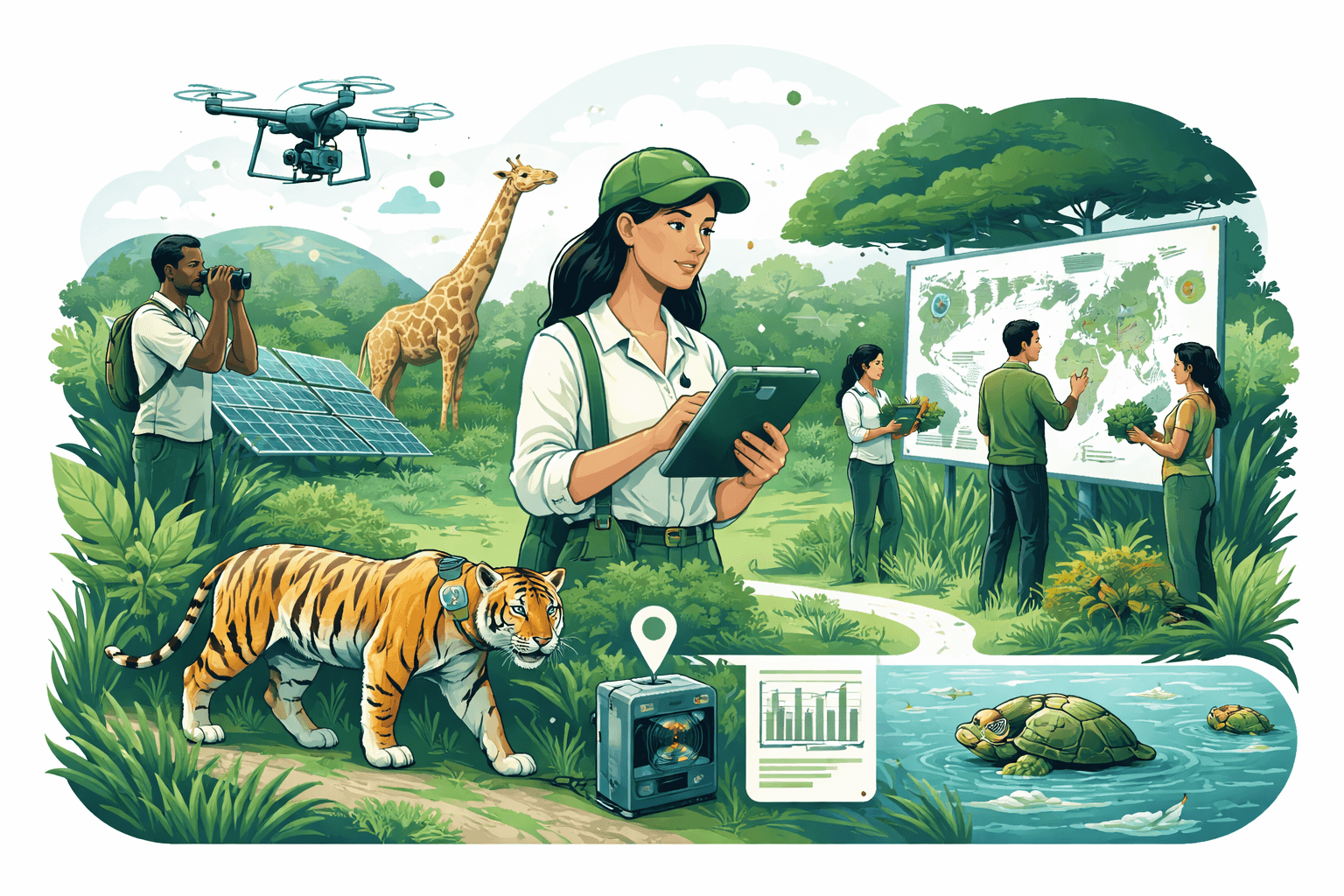
Global biodiversity is contracting at historic speed: the Intergovernmental Science-Policy Platform on Biodiversity and Ecosystem Services (IPBES) estimates that up to 1 million species face extinction in coming decades without transformative change. The WWF Living Planet Index reports an average 69% decline in monitored vertebrate populations since 1970. Against this backdrop, effective wildlife conservation practices are not abstract ideals—they are measurable, tested approaches that protect habitats, reduce threats, and secure long-term recovery while supporting people.
This guide distills what works across four pillars—on-the-ground actions, data-driven monitoring, community and Indigenous leadership, and enabling policies and finance—so practitioners, funders, and policymakers can deploy strategies with the highest return for biodiversity and communities.
Effective wildlife conservation practices: core on-the-ground actions

What Works in Conservation: 2017: Sutherland, William J., et al.
Chapters cover the practical global conservation of amphibians, bats, birds and forests, conservation of European farmland biodiversity and some aspects of enhancing natural pest control, enhancing so
Check Price on AmazonHabitat protection and restoration
- What it is: Protect remaining high-value habitats (via protected areas and Other Effective area-based Conservation Measures, or OECMs) and restore degraded ecosystems to recover ecological function.
- Why it works: A global meta-analysis found protected areas reduce deforestation relative to similar unprotected areas by about 41% on average (Gray et al., Biological Conservation, 2016). Restoration improves biodiversity and ecosystem services; a frequently cited synthesis reported biodiversity gains of roughly 44% in restored versus degraded systems (Rey Benayas et al., Science, 2009), though outcomes vary with context and management.
- How to implement: Prioritize Key Biodiversity Areas and climate refugia; fund durable management (rangers, community governance, fire and invasive control); and restore at landscape scale using native species, hydrologic repair, and soil recovery. Restoration that mimics natural processes—rewilding—can accelerate self-sustaining recovery in suitable contexts (see our explainer on what rewilding is and how it works).
Corridors and connectivity
- What it is: Maintain or create wildlife corridors that link habitat patches so animals and plants can move, disperse, find mates, and track shifting climates.
- Why it works: A meta-analysis of 78 experiments found corridors increased animal movement between patches by about 50% (Gilbert‑Norton et al., PNAS, 2010). Long-term experimental landscapes show corridors boost plant diversity and pollination over decades (Damschen et al., Science, 2019). Wildlife crossing structures can reduce vehicle collisions with large mammals by 80–90% when combined with fencing (multiple studies from North America and Europe).
- How to implement: Identify pinch points using GPS telemetry and least-cost path modeling, protect riparian pathways, retrofit roads with over/underpasses and fencing, and remove or redesign barriers (e.g., wildlife‑friendly fencing, fish passage at culverts and dams). Manage edges (light, noise) to keep corridors functional.
Invasive species prevention and control
- What it is: Stop new introductions, rapidly detect and eradicate incipient populations, and suppress established invaders that outcompete, prey on, or carry diseases to native wildlife.
- Why it works: IPBES (2023) estimates invasive species impose at least $423 billion in annual global costs, rising sharply each decade. On islands—hotspots of endemism—eradications of invasive mammals succeed in the large majority of attempts and have catalyzed striking seabird and reptile recoveries (global reviews report success rates around 85–90%). Prevention and early detection/rapid response (EDRR) are far cheaper than long-term control.
- How to implement: Strengthen biosecurity (inspections, ballast water treatment), deploy eDNA and camera traps for EDRR, and prosecute pathways (pet trade, horticulture). For established populations, combine mechanical, chemical, and biological controls, with careful non-target risk management.
Sustainable land and water use
- What it is: Integrate biodiversity into agriculture, forestry, grazing, freshwater, and marine management.
- Why it works: Community forestry in Nepal helped increase national forest cover by more than 20 percentage points since the 1990s while improving livelihoods (FAO and national analyses). Fully protected marine reserves typically show fish biomass 2–5 times higher than adjacent fished areas and can spill over to benefit fisheries (Lester et al., PNAS, 2009). Environmental flow policies maintain downstream ecosystems and fisheries while supporting human water needs.
- How to implement: Apply agroforestry, hedgerows, and riparian buffers; retain old-growth patches in managed forests; rotate grazing and restore native grasslands; set environmental flows; and expand no‑take zones where feasible. For home landscapes, wildlife‑friendly plantings and pesticide reduction create micro‑habitats that add up across communities (see our practical guide to wildlife‑friendly gardening).
Targeted threat interventions: poaching, conflict, and disease
- Anti‑poaching: Intelligence‑led patrols using the SMART system, drones, and predictive analytics have helped many parks increase detections of illegal activity while reducing poaching incidents; SMART is now used at 1,000+ sites across 70+ countries. Partnerships with prosecutors increase conviction rates and deterrence.
- Human–wildlife conflict: Predator‑proof corrals (“bomas”) often cut nighttime livestock losses to lions and hyenas by more than 80% in East Africa, while beehive fences have reduced elephant crop‑raiding by roughly the same order of magnitude in Kenyan trials (King et al., 2017). Compensation, insurance, and rapid response teams maintain local support.
- Disease management: Oral rabies vaccination halted spillovers from domestic dogs to Ethiopian wolves; targeted fungal surveillance and cave access management slow white‑nose syndrome in bats. Integrating wildlife, livestock, and human health (“One Health”) reduces cross‑species risks.

DJI Mavic 3 Fly More Combo, Drone with 4/3 CMOS Hasselblad Camera, 5.1K Video, Omnidirectional Obstacle Sensing, 46 Mins Flight, Advanced Auto Return, 2 Extra Batteries, FAA Remote ID Compliant, Gray : Toys & Games
Buy DJI Mavic 3 Fly More Combo, <strong>Drone with 4/3 CMOS Hasselblad Camera, 5.1K Video, Omnidirectional Obstacle Sensing, 46 Mins Flight, Advanced Auto Return, 2 Extra Batteries, FAA Remote ID Comp
Check Price on AmazonData-driven monitoring and adaptive management
Effective programs set explicit objectives, track the right indicators at the right scale, and adapt as evidence accumulates. See our companion overview of wildlife conservation methods and measurement for step‑by‑step frameworks.
Define measurable indicators
- State indicators: occupancy (the probability a species uses a site), abundance indices (e.g., catch per unit effort, camera‑trap rate), breeding success, survival, genetic diversity, and extent/condition of suitable habitat.
- Pressure indicators: snares or illegal activities per 100 patrol‑km; invasive species presence; grazing intensity; road density.
- Response indicators: area under effective protection, restored hectares, households benefiting from conservation agreements, conflict incidents resolved.
- SMART objectives: Specific, Measurable, Achievable, Relevant, Time‑bound (e.g., “Increase snow leopard occupancy by 15% across priority watersheds by 2028”). Conduct power analysis to ensure monitoring can detect the expected change.
Use fit-for-purpose technologies
- Camera traps: Generate detection histories for occupancy models, relative abundance, and behavior. Paired with computer vision, they can auto‑classify species at scale; conservation AI tools now process millions of images with high accuracy (see how AI is used in conservation).
- Environmental DNA (eDNA): Detects species via genetic traces in water, soil, or air. Particularly effective for elusive or rare taxa (e.g., amphibians, fish, carnivores) and for early detection of invasives, often faster and cheaper than traditional surveys for presence/absence.
- Remote sensing: Satellite data (e.g., Landsat, Sentinel, Planet) measures forest cover change, fire, flooding, vegetation productivity, and even forest structure via LiDAR. Near‑real‑time alerts (e.g., GLAD) enable rapid response to encroachment.
- GPS and biologging: Collars and tags reveal home ranges, migration corridors, and mortality hotspots. State‑space models separate movement from measurement error to improve inference.
- Bioacoustics and drones: Passive acoustic monitoring tracks birds, bats, frogs, and whales; small UAVs map nests, seal colonies, and canopy gaps with minimal disturbance.
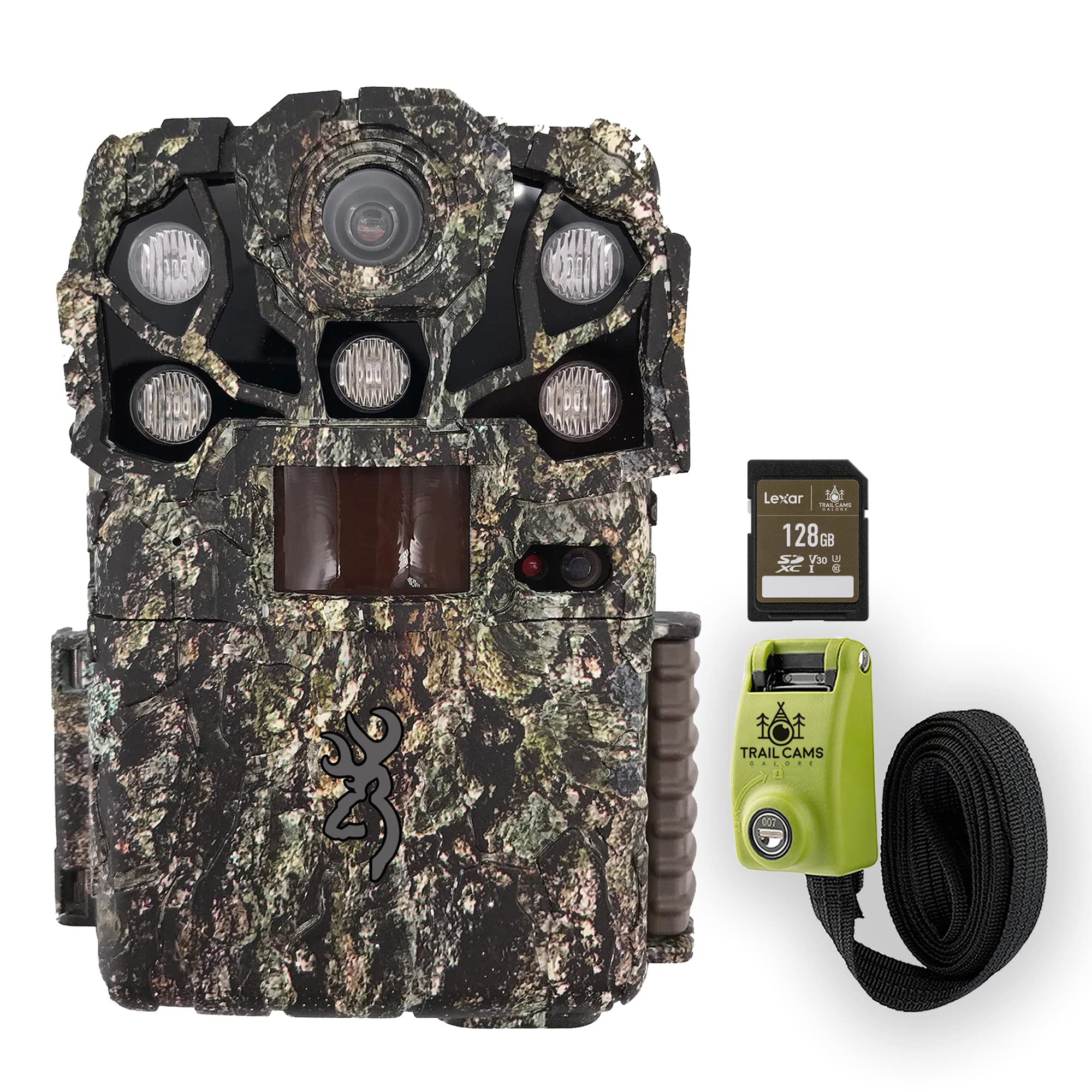
Browning Trail Cameras Recon Force Elite HP5 - BTC-7E- ...
View on AmazonIntegrate citizen science
- Scale: eBird contributors have logged over a billion bird observations globally; iNaturalist hosts hundreds of millions of biodiversity records. These datasets extend monitoring coverage and temporal breadth beyond what agencies can afford alone.
- Quality: Structured protocols, expert review, occupancy/detection modeling, and bias correction (e.g., effort, accessibility) make citizen data scientifically useful for distribution mapping, phenology shifts, and trend estimation.
- Practice: Train volunteers, standardize data sheets, and provide feedback loops that show how contributions inform management. If you’re seeking hands‑on roles with local monitoring groups or restoration crews, explore our guide to finding and joining conservation projects near you.
Iterate with adaptive management
- The cycle: Plan → Implement → Monitor → Evaluate → Adjust. Use pre‑registered analysis plans, counterfactuals (control sites), and, where ethical, randomized or phased rollouts to test interventions rigorously.
- Tools: Bayesian hierarchical and state‑space models integrate multiple data sources; decision analysis weighs cost‑effectiveness under uncertainty. Pair routine reporting with learning reviews so budgets shift toward the highest‑impact actions. For deeper dives on measuring real‑world impact, see our data‑first analysis of conservation outcomes.
Community and Indigenous engagement
Biodiversity outcomes are strongest and most durable when local people lead and benefit. Indigenous Peoples’ lands cover roughly a quarter of the world’s land area and overlap disproportionately with intact ecosystems (Garnett et al., Nature Sustainability, 2018). A 2019 cross‑country study found vertebrate species richness on Indigenous‑managed lands was comparable to or higher than in state protected areas across Australia, Brazil, and Canada.
Co‑management and governance
- Models: Indigenous Protected Areas in Australia, community conservancies in Namibia and Kenya, and Guardian/Ranger programs in Canada and the Amazon couple legal recognition with on‑the‑ground stewardship. Where authority and funding align, wildlife rebounds while cultural values flourish.
- Practices: Support free, prior, and informed consent; formalize roles through co‑management boards; and embed traditional ecological knowledge alongside scientific methods.
Benefit‑sharing and livelihood incentives
- Community‑based natural resource management (CBNRM): Namibia’s communal conservancies—covering about a fifth of the country—are associated with recoveries of elephants, lions, and plains game while generating household income through tourism, sustainable use, and conservation jobs (government and NGO evaluations).
- Payments and agreements: Performance‑based conservation agreements, PES for watershed or carbon benefits, and revenue‑sharing from parks align incentives for stewardship. Crop insurance, prompt compensation, and predator‑friendly certification reduce conflict costs for herders and farmers.
Local capacity and education
- Invest in ranger training, equipment, and fair pay—ranger well‑being correlates with patrol coverage and enforcement effectiveness.
- Strengthen community institutions (e.g., grazing committees, water user groups) and deliver environmental education co‑designed with schools and elders. Digital tools for data collection create feedback loops that keep communities central to decision‑making.
Policy, financing, and partnerships
Legal tools that work
- Area‑based targets: The Kunming‑Montreal Global Biodiversity Framework commits countries to protect 30% of land and sea by 2030 (“30x30”) with quality, equity, and connectivity criteria. OECMs recognize effective conservation outside formal parks.
- Species protection: In the United States, analyses by the Fish & Wildlife Service indicate the Endangered Species Act has prevented extinction for over 99% of listed species to date, though many remain below recovery targets. CITES regulates international trade for thousands of species, reducing exploitation risks when implemented robustly.
- Spatial planning: Identify Key Biodiversity Areas, climate‑resilient corridors, and conflict‑sensitive zones in national land‑use plans; require environmental flows and fish passage in water policies.
Sustainable financing
- The gap: The biodiversity finance shortfall is estimated at roughly $700 billion per year (Paulson Institute et al., 2020).
- Solutions toolbox:
- Conservation trust funds: Endowments in more than 50 countries provide stable, long‑term financing for protected areas and community grants.
- Payments for ecosystem services (PES): Costa Rica’s national PES helped catalyze a rise in forest cover from near 21% in the 1980s to over 50% today, alongside governance reforms and agricultural shifts (World Bank/FAO analyses).
- Ecotourism and revenue sharing: When transparent and locally governed, tourism can fund rangers, schools, and clinics while creating political support for wildlife.
- Debt‑for‑nature and blue bonds: Recent deals in Belize, Ecuador, and others have restructured billions in debt in exchange for durable marine conservation finance and expanded protection.
- Biodiversity credits and blended finance: Emerging markets and public‑private partnerships can mobilize capital if measurement, reporting, and verification (MRV) standards are credible and community benefits are embedded.
Cross‑sector collaboration
- Transportation: Integrate wildlife crossings and avoidance algorithms in road and rail design.
- Energy and mining: Apply the mitigation hierarchy—avoid, minimize, restore, offset—with transparent, science‑based offsets prioritized in‑kind and in‑place.
- Agriculture and fisheries: Scale regenerative practices and science‑based catch limits with strong monitoring and enforceable rules.
Embed climate resilience
- Plan for range shifts using species distribution models under multiple climate scenarios; protect elevational and latitudinal gradients and climate refugia.
- Manage fire and water: Restore natural fire regimes, wetlands, and floodplains to buffer extremes.
- Prioritize nature‑based solutions: Mangrove, seagrass, peatland, and saltmarsh restoration store carbon, protect coasts, and provide critical nursery habitat for fisheries.
By the numbers
- 1 million: Species at risk of extinction without transformative change (IPBES, 2019).
- 69%: Average decline in monitored vertebrate populations since 1970 (WWF, 2022 Living Planet Report).
- ~17% and ~8%: Global land and ocean currently under protection, respectively (UNEP‑WCMC/Protected Planet, 2023), with a 30% by 2030 global target.
- $423 billion: Annual global costs of invasive alien species (IPBES, 2023).
- ~50%: Increase in animal movement through habitat corridors versus isolated patches (PNAS meta‑analysis, 2010).
- 80–90%: Typical reduction in wildlife‑vehicle collisions with crossings plus fencing (multiple road ecology studies).
- 2–5x: Higher fish biomass in fully protected marine reserves (Lester et al., 2009).
- ~$700 billion/year: Estimated biodiversity finance gap (Paulson Institute, 2020).
99%: Listed species kept from extinction under the U.S. Endangered Species Act (USFWS analyses).
Practical implications for practitioners, businesses, and policymakers
- Prioritize irreplaceable places: Fund protection and management in Key Biodiversity Areas and climate refugia before they’re lost.
- Design for connectivity: Map and secure a few high‑leverage corridors first—especially across roads and rivers—then expand.
- Pair prevention with rapid response: Invest in invasive biosecurity and EDRR capacity; it’s cheaper than decades of control.
- Choose indicators you can actually measure: Align objectives with budgeted, statistically powered monitoring. Combine camera traps, eDNA, and satellites for cost‑effective coverage.
- Make communities co‑owners: Share governance, benefits, and data. Budget for ranger livelihoods and local institutions; they are core conservation infrastructure.
- Blend finance: Use trust funds for durability, PES for incentives, and debt swaps or bonds for scale—tied to robust MRV and equitable benefit‑sharing.
- Climate‑proof portfolios: Protect gradients and refugia, restore wetlands and mangroves, and stress‑test plans under hot/dry and wet/stormy futures.
Where this field is heading
- Faster, cheaper evidence: AI‑assisted image, audio, and satellite analytics will compress monitoring cycles from years to weeks, enabling truly adaptive management and pay‑for‑results finance.
- Genomics at landscape scale: Environmental DNA and population genomics will detect cryptic declines, track gene flow through corridors, and flag disease before outbreaks spread.
- Connected networks over isolated parks: The 30x30 push is shifting from paper parks to ecologically representative, well‑managed, and connected systems that enable species to move in a warming world.
- Community sovereignty and durable finance: Expect more Indigenous‑led conservation and long‑horizon funding compacts that tie biodiversity outcomes to livelihoods.
Effective wildlife conservation practices are, at their core, about matching the right interventions to the right places—then measuring, learning, and improving. With better data, stronger local partnerships, and fit‑for‑purpose finance, bending the biodiversity curve from decline to recovery is within reach.
Recommended Products
What Works in Conservation: 2017: Sutherland, William J., et al.
Chapters cover the practical global conservation of amphibians, bats, birds and forests, conservation of European farmland biodiversity and some aspects of enhancing natural pest control, enhancing so
Browning Trail Cameras Recon Force Elite HP5 - BTC-7E- ...
Experience the latest in trail camera technology with options offering 4K video, cellular connectivity, and remote access for comprehensive outdoor monitoring.
DJI Mavic 3 Fly More Combo, Drone with 4/3 CMOS Hasselblad Camera, 5.1K Video, Omnidirectional Obstacle Sensing, 46 Mins Flight, Advanced Auto Return, 2 Extra Batteries, FAA Remote ID Compliant, Gray : Toys & Games
Buy DJI Mavic 3 Fly More Combo, <strong>Drone with 4/3 CMOS Hasselblad Camera, 5.1K Video, Omnidirectional Obstacle Sensing, 46 Mins Flight, Advanced Auto Return, 2 Extra Batteries, FAA Remote ID Comp
More in Sustainability Policy
- Why Wildlife Conservation Matters: Ecosystems, People, and Practical Solutions
- Wildlife Conservation Methods: Practical Approaches, Tech Tools, and How to Measure Success
- Wildlife Conservation: Key Strategies, Threats, and How You Can Help
- Protecting Wildlife Habitats: A Practical Guide to Conservation, Technology, and Action