
Endangered Species Recovery Programs: How Conservation Brings Species Back
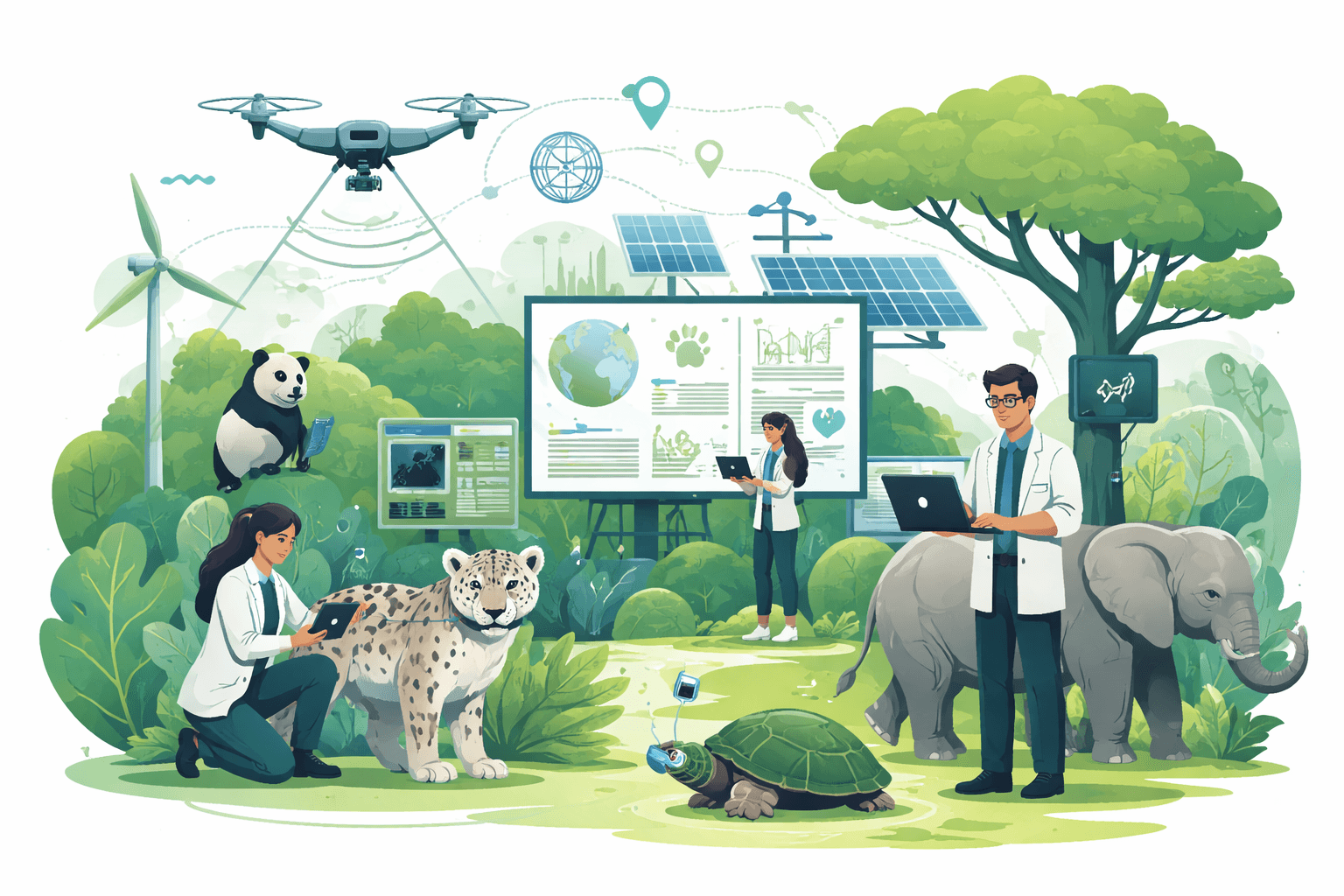
Global wildlife populations have fallen an average 69% since 1970, according to WWF’s 2022 Living Planet Index, even as more than 44,000 species assessed by the IUCN Red List are classified as threatened with extinction. Against this backdrop, endangered species recovery programs are the action plans that move species off the brink—coordinating habitat restoration, legal protection, threat reduction, captive breeding, reintroduction, and long-term monitoring to drive measurable rebounds.
These programs translate policy into practice: under the U.S. Endangered Species Act (ESA), more than 50 species—from the bald eagle to the American alligator—have been delisted due to recovery, and analyses of U.S. Fish and Wildlife Service (USFWS) data show that extinction after listing is rare. Globally, structured recovery efforts have returned the European bison to over 9,000 free-ranging animals after extinction in the wild a century ago (IUCN), rebuilt some humpback whale populations (NOAA), and lifted New Zealand’s kākāpō from 51 birds in 1995 to roughly 247 by 2023 (New Zealand Department of Conservation).
What are endangered species recovery programs?
Endangered species recovery programs are coordinated, science-based plans to reduce extinction risk and restore self-sustaining populations of threatened taxa. They integrate biology, law, and community action to address the precise factors causing decline—whether habitat loss, overexploitation, invasive species, disease, pollution, or climate change. Most national frameworks (e.g., the U.S. ESA, Canada’s Species at Risk Act, the EU Habitats Directive) require a formal recovery plan that identifies threats, sets population and habitat targets, prescribes actions, and defines metrics for success.
Key objectives typically include:
- Stabilize and increase population size and demographic viability (births exceed deaths; stable age structure)
- Maintain or enhance genetic diversity to avoid inbreeding depression
- Secure and restore enough suitable habitat—both quantity and quality—to support long-term persistence
- Eliminate or mitigate the main drivers of decline
- Build social license and local stewardship to make gains durable
The building blocks of success
1) Habitat protection and restoration
For most species, habitat loss or degradation is the primary driver of decline. Recovery programs protect remaining high-quality habitat through reserves, easements, or zoning, and then restore degraded areas—replanting native vegetation, reconnecting fragmented patches with wildlife corridors, re-wetting drained wetlands, removing barriers to fish passage, or returning natural fire and flood regimes.
- Tools: spatial prioritization, ecological restoration, and connectivity modeling identify which parcels deliver the biggest biodiversity returns per dollar.
- Example: Bald eagles rebounded dramatically after DDT bans reduced eggshell thinning and nesting habitats were protected; a 2021 USFWS estimate counted roughly 71,400 nesting pairs (about 316,700 individuals) in the lower 48 states, up from 487 pairs in 1963.
If you’re working on land stewardship or corridor design, see our guide on Protecting Wildlife Habitats: A Practical Guide to Conservation, Technology, and Action for field-tested approaches and tech tools. (/sustainability-policy/protecting-wildlife-habitats-guide-conservation-technology-action)
2) Legal protection and enforcement
Laws and treaties provide the backbone: the ESA, CITES, marine protected areas, hunting/fishing regulations, and bycatch limits reduce direct mortality and incentivize recovery actions. Effective programs pair rules with enforcement and community engagement to curb poaching, illegal trade, or destructive practices.
- Distinct Population Segments (DPS) or Evolutionarily Significant Units (ESU) allow protection to be tailored to genetically or geographically unique populations, a critical nuance for wide-ranging taxa like whales or salmon.
For a broader policy toolkit and how to act locally, explore How to Protect Endangered Species: Practical Actions, Policy & Technology. (/sustainability-policy/how-to-protect-endangered-species-practical-actions-policy-technology)
3) Captive breeding, head-starting, and reintroduction
When wild populations crash below viable thresholds, ex situ (off-site) conservation buys time. Programs breed or rear animals in controlled settings, then release them into secured habitat. Genetic management maximizes diversity—tracking pedigrees or using genomics to minimize inbreeding.
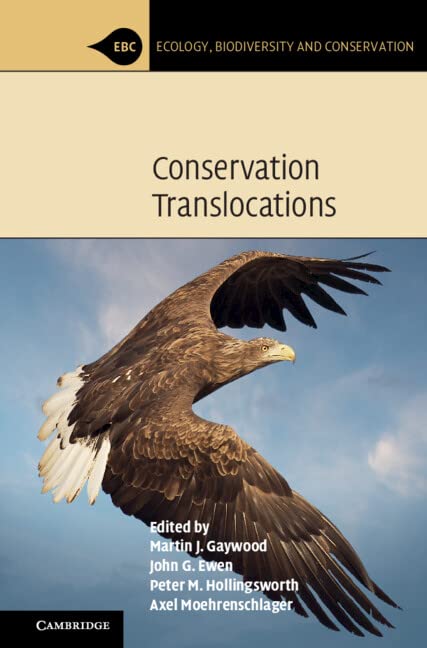
Conservation Translocations (Ecology, Biodiversity and Conservation): Gaywood, Martin J., Ewen, John G., Hollingsworth, Peter M., Moehrenschlager, Axel, Mubarak, Razan Al
He has provided the secretariat ... G. Ewen is a <strong>Senior Research Fellow at the Institute of Zoology, Zoological Society of London, and a member of the IUCN SSC Conservation Translocation Speci
Check Price on Amazon- California condor: The wild population fell to 27 birds in 1987. A captive-breeding program led by USFWS, the Peregrine Fund, and partners has rebuilt the species to over 500 individuals total, with more than 300 flying free across the U.S. Southwest and Baja California.
- Black-footed ferret: Thought extinct until 1981, the species was rebuilt from a handful of founders. Today, several hundred ferrets live in the wild across reintroduction sites, supported by vaccination against plague and ongoing genetic stewardship.
- European bison: Extinct in the wild by 1927, the species was rebuilt from captive stock; free-ranging herds now exceed 9,000 animals across multiple European countries (IUCN).
4) Threat abatement and conflict mitigation
Addressing the root causes of decline is non-negotiable. Recovery programs target specific pressures:
- Invasives: Island restoration to remove invasive predators (rats, cats, mongoose) unlocks dramatic seabird and reptile recoveries. The 2023 IPBES assessment warns invasive species cause over $423 billion in annual global costs and are a leading extinction driver, particularly on islands.
- Disease: Chytridiomycosis has driven declines in at least 501 amphibian species and is implicated in dozens of extinctions (Science, 2019). White-nose syndrome has killed millions of bats in North America. Solutions include biosecurity, vaccination trials, probiotics, and habitat management to reduce pathogen transmission.
- Pollution and toxins: DDT bans, lead ammunition phaseouts (reducing condor lead poisoning), and water quality upgrades remove chronic mortality sources.
- Human–wildlife conflict: Programs deploy compensation, livestock-guardian dogs, range riders, predator-proof corrals, and non-lethal deterrents (e.g., beehive fences for elephants) to align community livelihoods with species persistence.
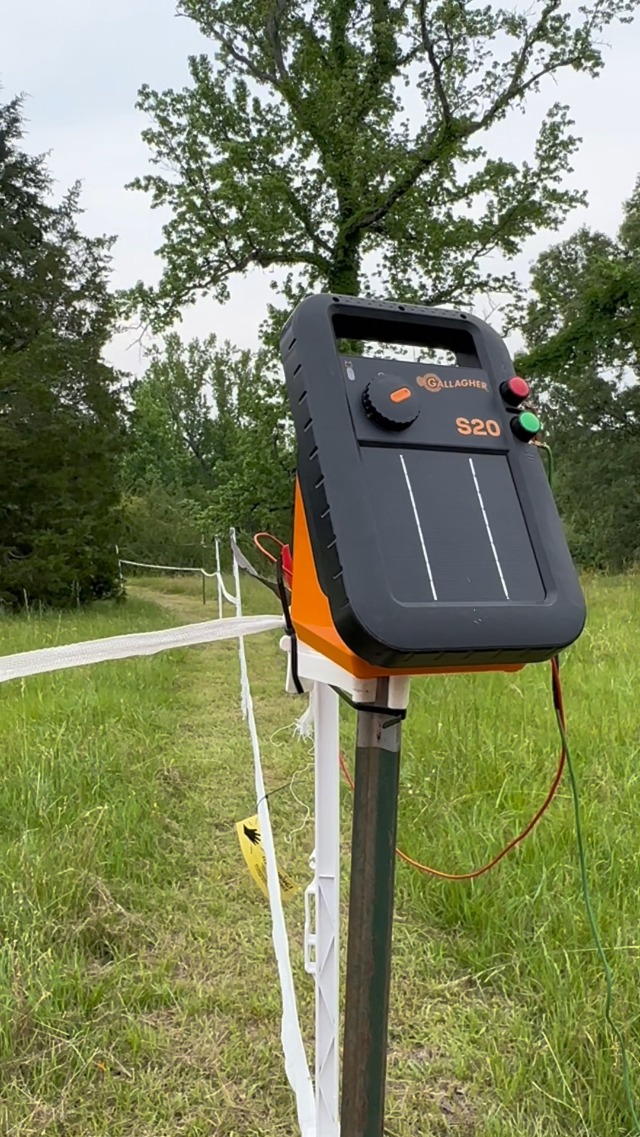
Gallagher S20 Solar Electric Fence Charger | Powers Up to 2 Miles of Typical Fence | Lithium Battery Technology | 0.2 Joule Solar Energizer for Poultry, Livestock, Gardens, and Pets : Patio, Lawn & Garden
View on Amazon5) Long-term monitoring and adaptive management
Recovery takes decades. Programs measure abundance, survival, reproduction, and distribution with standardized protocols, then adapt based on evidence.
- Techniques: camera traps, acoustic arrays, satellite/GPS tags, environmental DNA (eDNA), drone surveys, and integrated population models (combining mark–recapture, telemetry, and count data) to estimate population trajectories and test management actions.
- Decision science: Population Viability Analysis (PVA) projects extinction risk under alternative strategies; structured decision-making prioritizes actions under budget constraints.
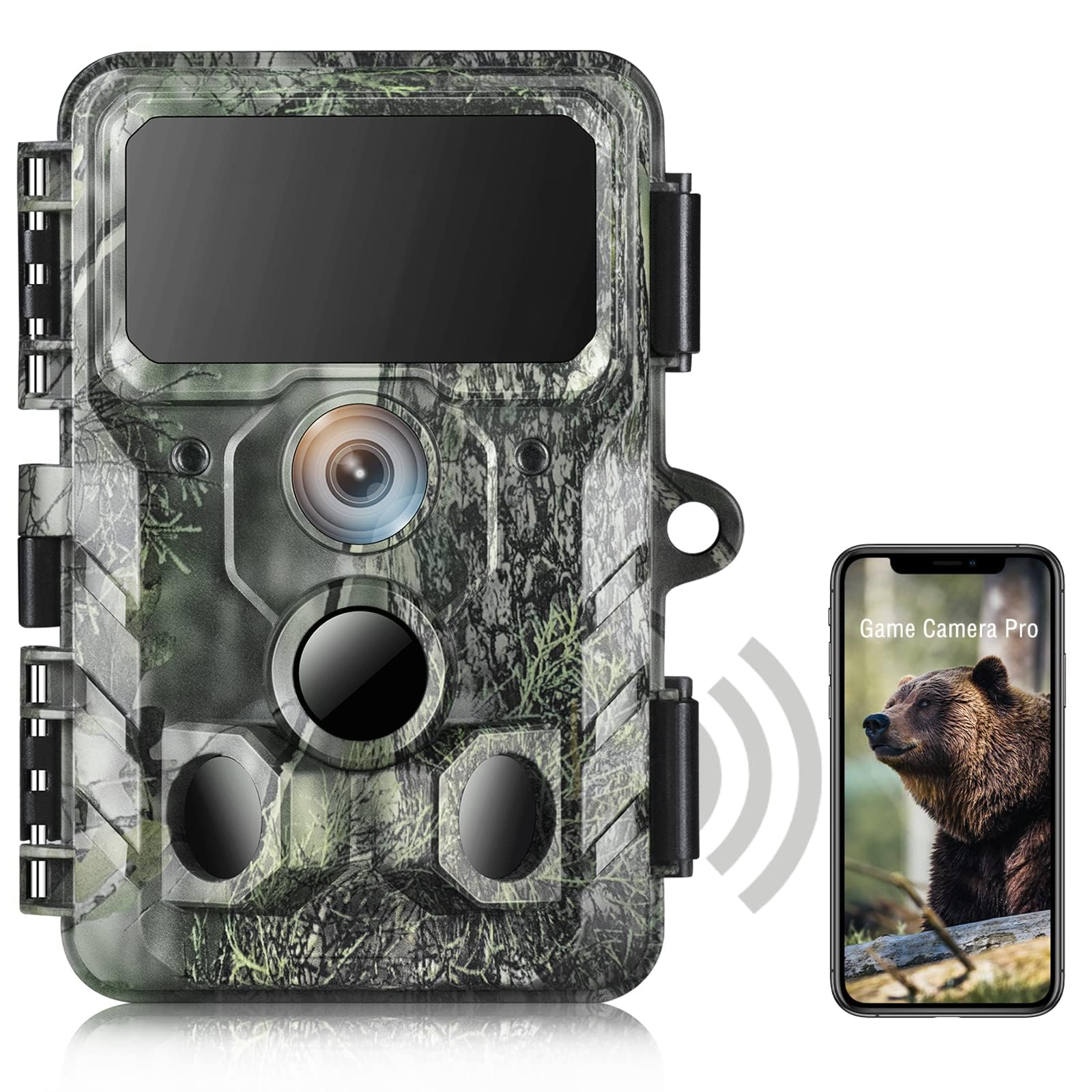
Bushnell Core DS-4K No Glow Trail Camera. Hunting ...
View on AmazonFor methods, metrics, and field tools, see Wildlife Conservation Methods: Practical Approaches, Tech Tools, and How to Measure Success. (/sustainability-policy/wildlife-conservation-methods-practical-approaches-tech-tools-measure-success)
Collaboration: who does what—and why it works
Endangered species recovery programs are inherently collaborative. Durable success comes when agencies, scientists, Indigenous communities, NGOs, landowners, and local businesses co-design and co-manage efforts.
- Government agencies: Develop and implement recovery plans, regulate take and trade, designate critical habitat, and fund monitoring. In the U.S., USFWS and NOAA Fisheries share responsibilities for terrestrial/freshwater and marine species, respectively.
- Scientists and technical experts: Diagnose threats, design studies, run PVAs, manage genetics, and evaluate outcomes with rigorous statistics.
- Indigenous communities: Hold place-based knowledge and steward large landscapes. Co-management agreements and Indigenous Guardian programs improve outcomes and legitimacy when aligned with Free, Prior and Informed Consent (FPIC) and benefit-sharing.
- Conservation NGOs: Fill funding and capacity gaps, run captive-breeding and reintroduction programs, manage community partnerships, and train rangers.
- Local stakeholders: Ranchers, farmers, fishers, and tourism operators contribute habitat, reduce conflict, and maintain long-term stewardship when programs support livelihoods and provide clear incentives.
Education and community engagement are cross-cutting. Well-designed programs improve compliance, reduce conflict, and build champions. For strategies that work at community scale, explore Effective Wildlife Conservation Practices: Practical Strategies, Monitoring, and Community-Led Solutions. (/sustainability-policy/effective-wildlife-conservation-practices-guide)
Real-world constraints and how programs navigate them
- Funding and capacity limits: Conservation budgets rarely match the scale of need. Studies of ESA spending show allocations skew toward charismatic birds and mammals (Gerber, PNAS 2016), leaving many plants, invertebrates, and freshwater fishes underfunded. Solutions include multi-year, performance-based funding; pooled public–philanthropic funds; and integrating recovery into infrastructure and agriculture budgets.
- Climate change: Range shifts, altered phenology, and extreme events can erase gains. Recovery plans increasingly adopt climate-smart design—protecting elevational gradients, securing climate refugia, improving habitat connectivity, and planning for assisted migration where appropriate.
- Invasive species pressure: Prevention is far cheaper than eradication. Priorities include strict biosecurity, rapid response to new incursions, and sustained funding for proven island eradications and mainland suppression.
- Disease risk: Programs must integrate health surveillance and biosecurity from the outset; for some species (e.g., amphibians facing chytrid), recovery hinges on novel tools like selective breeding for resistance, habitat manipulations that reduce pathogen growth, or vaccines where feasible.
- Human–wildlife conflict: Without local buy-in, carnivore and megafauna programs tend to stall. Co-designed conflict mitigation, fair compensation, and benefit-sharing (e.g., tourism revenue, jobs) are essential.
- Data gaps: Many species are data-poor. Scalable tools like eDNA, AI-enabled bioacoustics, and open data platforms can lower costs and accelerate learning.
By the numbers: what recovery looks like
- 69%: Average decline in monitored vertebrate populations since 1970 (WWF Living Planet Index 2022). This underscores the need for targeted recovery.
44,000: Threatened species on the IUCN Red List as of 2023, out of roughly 160,000 assessed.
50: Species delisted from the U.S. ESA due to recovery, including peregrine falcon, brown pelican, and American alligator (USFWS).
- 71,400: Estimated nesting pairs of bald eagles in the contiguous U.S. in 2021 (USFWS), up from 487 pairs in 1963.
500: California condors alive worldwide, with more than 300 free-flying (USFWS program reports, 2023).
- 501: Amphibian species with documented declines linked to chytrid fungus (Science, 2019), highlighting the scale of disease threats.
- $423 billion: Estimated annual global costs from invasive alien species (IPBES, 2023), reinforcing prevention and rapid response as high-return investments.
Measuring success: from headcounts to resilience
Endangered species recovery programs succeed when threats are controlled and populations can persist without intensive human intervention. Measuring that requires multiple lenses:
- Population size and trend: Abundance, occupancy, and growth rate (lambda). Targets often include a minimum number of breeding females or effective population size (Ne) thresholds to maintain genetic health.
- Demographic performance: Survival and fecundity rates across life stages. Stable or increasing trends across cohorts indicate resilience.
- Genetic diversity: Heterozygosity, inbreeding coefficients (F), and relatedness inform whether gene flow is adequate. The Florida panther, augmented with Texas cougars in 1995, saw increased genetic diversity and improved health indicators, with the population rising from a few dozen to well over 100 individuals in subsequent decades (Florida Fish and Wildlife Conservation Commission/USFWS).
- Habitat quality and extent: Area of occupancy, habitat condition indices, and connectivity metrics. Remote sensing tracks vegetation cover, fire regimes, and restoration progress.
- Threat reduction: Verified decreases in poaching, bycatch, disease prevalence, or toxin exposure (e.g., blood lead levels in condors).
- Status changes: Downlisting from Endangered to Threatened or full delisting under national laws, and movement to lower-risk categories on the IUCN Red List.
- Socio-ecological durability: Community acceptance, reduced conflict incidents, and stable funding—because biological gains rarely persist without social support.
For deeper context on how recovery fits within broader conservation, see Wildlife Conservation: Key Strategies, Threats, and How You Can Help. (/conservation/wildlife-conservation-key-strategies-threats-how-to-help)
Designing a high-impact recovery plan
While each species is unique, effective endangered species recovery programs tend to share a common blueprint:
Diagnose precisely: Use threat assessments and PVAs to identify the minimum viable population and which threats matter most. Avoid generic prescriptions; instead, quantify elasticities—whether improving adult survival or juvenile recruitment moves the needle more.
Set clear, measurable objectives: SMART targets (specific, measurable, achievable, relevant, time-bound) for population size, growth rate, habitat area/quality, and threat reduction. Include triggers for adaptive action.
Secure habitat first: Protect remaining strongholds and corridors. Restoration timelines are long; early starts pay off later.
Pair protection with abatement: Legal rules without on-the-ground threat reduction rarely deliver recovery.
Build social license: Co-design with Indigenous and local communities. Embed benefits (jobs, co-management roles, revenue sharing) and credible, fair conflict mitigation.
Use staged reintroduction: Pilot releases, monitor intensively, iterate. Favor soft releases (acclimation) where evidence supports better survival.
Manage genetics intentionally: Track pedigrees; use genomic tools to avoid inbreeding; consider genetic rescue or managed translocations when isolation is the main risk.
Monitor to learn: Invest in robust, cost-effective monitoring and publish results. Integrated population models can quantify the contribution of each action, informing funding priorities.
Plan for climate: Buffer elevational and latitudinal gradients, protect refugia, restore hydrology, and incorporate assisted gene flow or assisted migration where evidence supports.
Budget for the long game: Recovery often spans decades. Build diversified, multi-year funding aligned to milestones, not one-off grants.
Practical implications
- Policymakers: Codify climate-smart recovery standards, require measurable objectives and adaptive management, and fund multi-year implementation matched to plan timelines. Mainstream recovery into fisheries, forestry, agriculture, and infrastructure planning to avoid conflict and unlock co-benefits.
- Funders and philanthropies: Prioritize threat abatement and habitat protection with strong evidence of impact; fund monitoring as core infrastructure; support capacity in under-resourced taxa (plants, invertebrates, freshwater fishes) where marginal gains are highest.
- Landowners and producers: Participate in voluntary conservation agreements, riparian buffers, and wildlife-friendly practices that can protect species while sustaining production; seek technical support to reduce conflict and operational risk.
- Conservation practitioners: Use decision-analytic tools to rank actions; publish negative results to accelerate learning; invest in community partnerships as seriously as in biology.
For habitat-focused projects and how to evaluate long-term outcomes, see Wildlife Habitat Restoration Projects: Goals, Techniques, and Measuring Long-Term Success. (/sustainability-policy/wildlife-habitat-restoration-projects-goals-techniques-success)
Where recovery is heading
- Genomics at scale: Affordable sequencing enables fine-grained management of inbreeding, adaptive variation, and gene flow. Genetic rescue will move from exception to standard practice where isolation is the principal risk.
- Non-invasive monitoring: eDNA, AI-enabled acoustics, and low-cost satellite analytics will shrink monitoring costs, enabling more species to get the attention they need.
- Climate-readiness: Corridors and protected-area networks will be designed explicitly for shifting ranges and extreme events, with more transboundary coordination.
- One Health integration: Wildlife, livestock, and human health interventions will be planned together to manage spillover risks and reduce disease-driven declines.
- Financing innovation: Debt-for-nature swaps, biodiversity credits, and outcome-based contracts will bring longer-term, performance-linked capital to recovery portfolios.
- Community-led stewardship: Evidence increasingly shows programs co-led by Indigenous and local communities are more durable, equitable, and effective—expect more co-management and rights-based approaches.
The bottom line: endangered species recovery programs work when they match precise threats with targeted, well-funded actions, measure relentlessly, and earn local trust. With smarter tools, deeper partnerships, and climate-ready designs, the next decade can shift more species from triage to thriving.
Recommended Products
Conservation Translocations (Ecology, Biodiversity and Conservation): Gaywood, Martin J., Ewen, John G., Hollingsworth, Peter M., Moehrenschlager, Axel, Mubarak, Razan Al
He has provided the secretariat ... G. Ewen is a <strong>Senior Research Fellow at the Institute of Zoology, Zoological Society of London, and a member of the IUCN SSC Conservation Translocation Speci
Bushnell Core DS-4K No Glow Trail Camera. Hunting ...
Browse Bushnell trail cameras with crystal-clear image quality and weather-resistant design. Perfect for scouting and property monitoring.
Gallagher S20 Solar Electric Fence Charger | Powers Up to 2 Miles of Typical Fence | Lithium Battery Technology | 0.2 Joule Solar Energizer for Poultry, Livestock, Gardens, and Pets : Patio, Lawn & Garden
This item: Gallagher S20 Solar Electric Fence Charger | Powers Up to 2 Miles of Typical Fence | Lithium Battery Technology | <strong>0.2 Joule Solar Energizer for Poultry, Livestock, Gardens, and Pets
More in Conservation
- Wildlife Conservation: Key Strategies, Threats, and How You Can Help
- Endangered Species Explained: Causes, Trends, and How to Help
- Effective Wildlife Conservation Practices: Practical Strategies, Monitoring, and Community-Led Solutions
- Why Wildlife Conservation Matters: Ecosystems, People, and Practical Solutions