
Energy-Efficient Green Renovations: Practical Solutions to Cut Bills, Reduce Carbon, and Boost Home Value
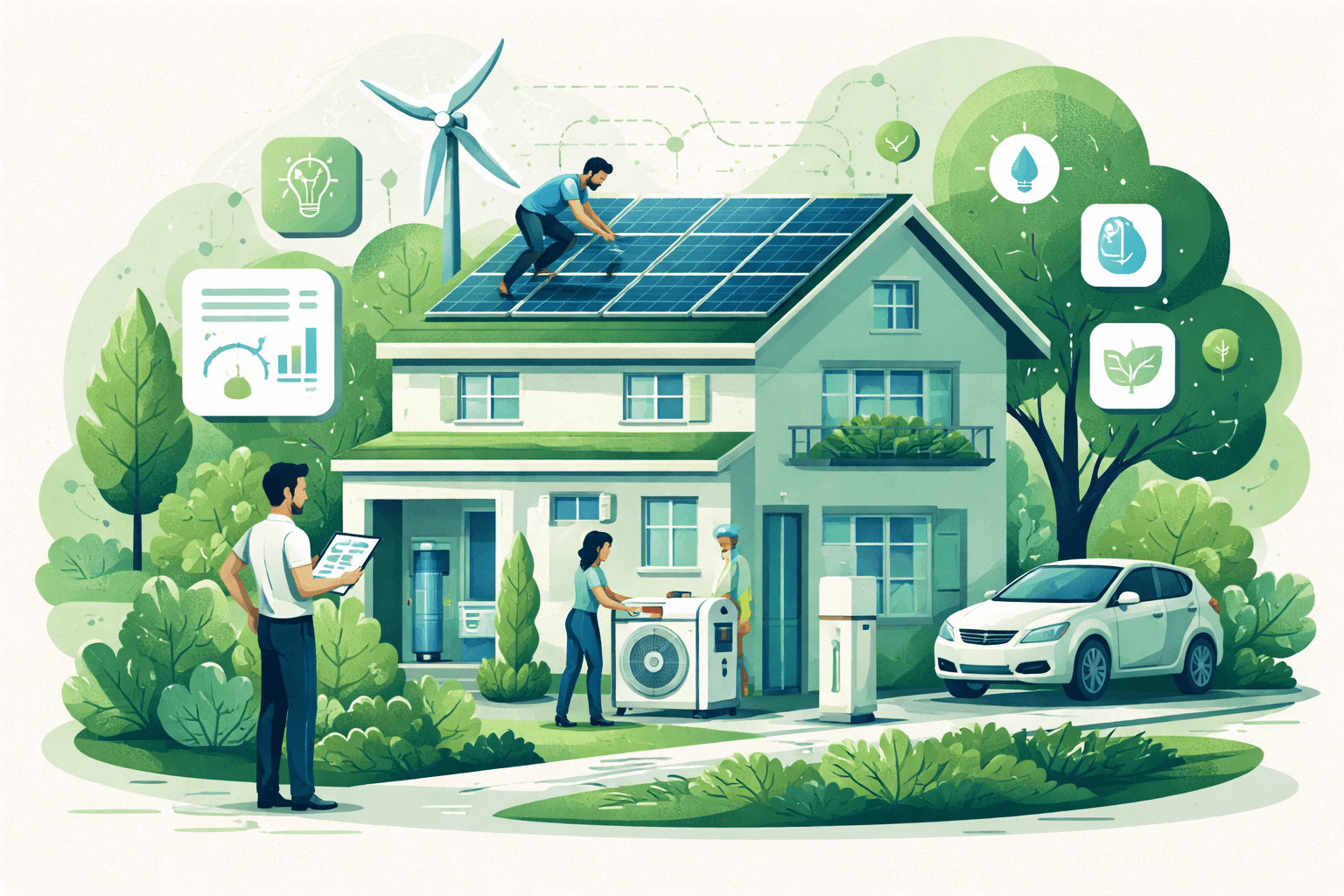
Energy-efficient green renovations are moving from niche to normal. Buildings account for an estimated 34% of global final energy use and 37% of energy-related CO₂ emissions (GlobalABC/IEA, 2023). For households, ENERGY STAR estimates the average U.S. home spends roughly $2,000 per year on energy. Well-planned energy-efficient green renovations can cut those bills 20–50%, improve comfort and air quality, and increase property value—while slashing carbon.
This guide maps a data-driven path: how to assess your home, which upgrades deliver the biggest returns, what they cost, how to finance them, and how to verify that your savings are real.
By the numbers
- 34% and 37%: Buildings’ share of global final energy use and energy-related CO₂ (GlobalABC/IEA 2023)
- 15%: Average heating/cooling energy savings from air sealing plus insulation (ENERGY STAR)
- 60–90%: Heat recovery possible with ERV/HRV ventilation systems (ASHRAE/industry data)
- 3x+: Typical heating efficiency of modern air-source heat pumps (coefficient of performance ≈ 3) compared with 95% furnaces
- 75–90%: Lighting energy savings from LEDs vs. incandescents (DOE)
- 6–10 years: Typical simple payback for residential rooftop solar in many markets (Berkeley Lab market data)
- 2–8%: Home sale price premium linked to energy-efficient labels or solar in multiple studies (Appraisal Institute, LBNL, Zillow analyses)
What are energy-efficient green renovations and why do they matter?
Energy-efficient green renovations are upgrades that reduce a building’s energy use and carbon footprint while improving comfort, health, and resilience. They focus on the building envelope (insulation, air sealing, windows), high-efficiency HVAC and water heating (especially heat pumps), ventilation with heat recovery, efficient lighting and appliances, and on-site renewables like solar PV—paired with low-carbon materials to minimize embodied emissions.

Residential Energy: Cost Savings and Comfort for Existing Buildings: Krigger, John T, Dorsi, Chris
Residential Energy: Cost Savings and Comfort for Existing Buildings [Krigger, John T, Dorsi, Chris] on Amazon.com. *FREE* shipping on qualifying offers. Residential Energy: Cost Savings and Comfort fo
Check Price on AmazonBenefits to homeowners and the environment include:
- Lower bills: Whole-home retrofits often deliver 20–40% energy savings; deep retrofits can exceed 50% depending on starting condition and climate (IEA/NREL case studies).
- Carbon reductions: Efficiency is the “first fuel”—IEA modeling shows efficiency and demand-side measures deliver over one-third of the emissions reductions needed by 2030 on net-zero pathways.
- Comfort and health: Tight, well-insulated homes maintain even temperatures, lower noise, and control humidity; balanced ventilation improves indoor air quality (IAQ).
- Resilience: Better envelopes hold safe temperatures during outages; solar + batteries keep critical loads running.
- Property value: Multiple studies find energy-efficient homes command 2–8% premiums, controlling for location and size.
How to assess your building and set priorities
Upgrades work best when they’re sequenced logically. Start with data.
Get an energy audit
- Basic audit: Visual inspection, utility bill review, and prioritized recommendations. Expect to identify 5–15% savings potential from low-cost measures.
- Diagnostic audit: Adds blower-door testing (measures air leakage in ACH50), duct leakage tests, and infrared (IR) thermography. These audits commonly reveal 15–30% savings opportunities from air sealing, insulation, and right-sizing HVAC.
- For larger buildings: ASHRAE Level 1–3 audits escalate from benchmarking and walk-throughs to detailed energy modeling and investment-grade analysis.
What to bring: 12 months of utility bills, recent comfort or moisture issues, and renovation plans. Ask for a written report with savings, costs, and estimated paybacks for each measure.
Use thermal imaging and blower-door tests
- Blower door quantifies the tightness of the envelope. A typical older home may test at 7–15 ACH50; high-performance targets are 3 ACH50 or below. Lower is tighter (less leakage).
- IR thermal scans highlight missing insulation, thermal bridges, and air leaks around penetrations, rim joists, and window/door frames.
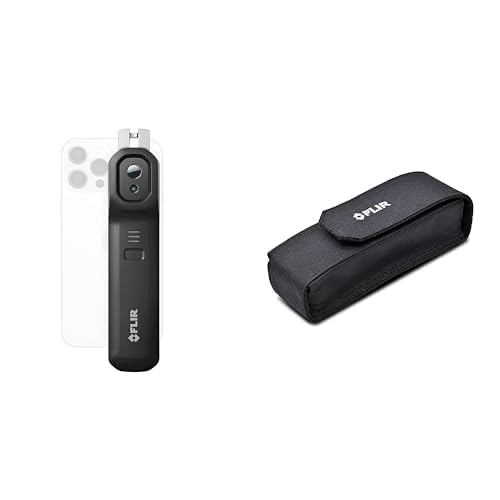
FLIR ONE EDGE Pro - Wireless Thermal Imaging Camera ...
View on AmazonDiagnose the envelope and HVAC
- Envelope weaknesses: Attics with low R-values, uninsulated rim joists, leaky can lights, and uninsulated or poorly insulated walls are common. Basements/crawlspaces often need air sealing and continuous insulation to curb moisture and heat loss.
- HVAC efficiency: Note the age and type. Old furnaces/boilers and single-speed air conditioners waste energy. Ducted systems often suffer 10–30% losses from leaks or poor balancing (DOE field studies).
- Ventilation: Modern tight homes need balanced ventilation to maintain IAQ while controlling energy losses. Look for bath/kitchen exhausts that actually vent outside and consider energy recovery.
Prioritize quick wins vs. long-term projects
Quick wins (low cost, fast payback):
- LED lighting upgrades
- Smart thermostats and optimized schedules
- Weatherstripping and air sealing around doors, attic hatches, and penetrations
- Attic insulation top-ups where access is easy
- Pipe insulation and water-saving fixtures

ecobee Smart Thermostat Premium with Smart Sensor and Air Quality Monitor - Programmable Wifi Thermostat - Works with Siri, Alexa, Google Assistant - Amazon.com
View on AmazonHigh-impact projects (bigger budget, larger savings):
- Comprehensive air sealing and insulation (attic, walls, rim joists, crawl/basement)
- High-performance windows or storm windows
- Heat pump space conditioning and heat pump water heaters
- ERV/HRV ventilation
- Rooftop solar and optional battery storage
Sequence to maximize ROI: 1) Fix the envelope; 2) Right-size HVAC (often smaller after insulation/sealing); 3) Add ventilation with recovery; 4) Layer in renewables.
High-impact retrofit options and technology choices
Insulation and air sealing (the foundation)
- Attics: Aim for R-49 to R-60 in colder climates; R-30+ in milder ones. Blown cellulose or fiberglass batts/blown-in are common. Closed-cell spray foam can add air and vapor control where needed but has higher embodied carbon; consider lower-GWP foams.
- Walls: Dense-pack cellulose or fiberglass fill reduces convection and drafts. Exterior continuous insulation tackles thermal bridges when recladding.
- Basements/crawlspaces: Seal rim joists; add rigid or spray foam on foundation walls; manage moisture and radon as required by local codes.
- Air sealing: Target top plates, attic hatches, duct chases, plumbing/electrical penetrations, and recessed lights. ENERGY STAR reports an average 15% heating/cooling savings from air sealing plus insulation across U.S. homes.
Key specs defined:
- R-value: Thermal resistance; higher is better.
- ACH50: Air changes per hour at 50 pascals during blower-door test; lower is tighter.
Typical costs:
- Air sealing: $1,000–$3,000 (or $1–$2.50/sq ft of treated area)
- Attic insulation: $1.50–$3.00/sq ft
- Wall dense-pack: $2–$4/sq ft
- Spray foam: $4–$7/sq ft (varies by thickness/type)
Efficient windows and doors
- Performance metrics: U-factor (insulation; lower is better) and Solar Heat Gain Coefficient (SHGC; lower means less solar gain).
- Impact: Low-e double-pane windows can halve heat loss vs. single-pane; triple-pane can cut losses a further 20–30%. Tight air sealing and proper flashing matter as much as glass choice.
- Alternatives: Interior or exterior storm windows can deliver much of the efficiency at lower cost.
Costs: $600–$1,200 per standard replacement window; $1,000–$2,000 for high-performance triple-pane (installed). Paybacks vary widely; best when replacing failing units or in extreme climates.
Heat pumps for space conditioning
Modern electric air-source heat pumps deliver 2–4 units of heat for every unit of electricity (seasonal COP ≈ 2–3+), far exceeding the best gas furnaces’ 95% efficiency. Cold-climate models maintain output below −10°C/14°F.
Options:
- Ducted variable-speed heat pumps: Good for whole-home replacement when ducts are in good shape (after sealing/insulating).
- Ductless mini-splits: Flexible for additions, multifamily, or partial electrification; zone-by-zone control improves comfort and can cut consumption.
- Ground-source (geothermal): Highest efficiency but higher upfront cost; best in cold climates or where drilling is feasible.
Right-sizing matters: After envelope improvements, perform an ACCA Manual J load calculation to avoid oversizing, which reduces efficiency and comfort.
Costs (installed):
- Air-source heat pump: $8,000–$15,000 (cold-climate systems: $12,000–$20,000)
- Ductless single-zone: $3,000–$6,000 per head (less in multi-zone packages)
Heat pump water heaters (HPWH)
HPWHs are 2–4x more efficient than resistance electric units and significantly cleaner than gas as grids decarbonize. They dehumidify basements and garages as a side benefit.
Costs: $1,500–$3,500 for equipment plus installation; many utilities offer rebates.
ERVs/HRVs: Fresh air without energy waste
- HRV (Heat Recovery Ventilator): Transfers heat between outgoing and incoming air.
- ERV (Energy Recovery Ventilator): Transfers both heat and moisture—better in humid or very dry climates.
Heat/energy recovery efficiencies of 60–90% are common. Balanced systems reduce odors, CO₂, and PM2.5 while controlling humidity.
Costs: $2,500–$6,000 installed, depending on ducting complexity.
LED lighting and controls
LEDs cut lighting energy 75–90% vs. incandescents and last 15–25 times longer (DOE). Pair with dimmers, occupancy sensors, and daylighting controls for additional 10–30% savings.
Costs: $2–$10 per bulb; controls from $20–$200 per room/zone.
Efficient appliances and plug loads
- Look for ENERGY STAR-certified refrigerators, dishwashers, washers/dryers, and induction cooktops. Savings are 10–50% vs. standard models depending on the category.
- Smart power strips curb standby losses; set-top boxes, game consoles, and chargers add up.
Solar PV and optional batteries
Rooftop solar can cover 50–100% of household electricity use depending on roof size and sun. In many markets, 1 kW of PV produces 1,200–1,700 kWh/year. With federal tax credits and utility incentives, simple payback often lands between 6–10 years (Lawrence Berkeley Lab market analyses).
- Pairing with batteries adds outage resilience and time-of-use bill arbitrage. Installed battery costs vary widely; size systems to critical loads and local tariffs.
Water-saving fixtures
- EPA WaterSense showerheads (≤1.8 gpm) and faucets (≤1.2 gpm) save 20–40% water—and the energy to heat it.
- Heat pump or drain-water heat recovery can shave water-heating loads in multi-shower households.
Choose low-carbon, low-toxicity materials
Embodied carbon—the “front-loaded” emissions from materials and construction—can represent a large share of life-cycle emissions, especially as operational energy shrinks.
- Prefer cellulose, wood fiber, or mineral wool insulation over high-GWP foam where feasible; if using foam, look for low-GWP blowing agents.
- Use Environmental Product Declarations (EPDs) to compare products.
- Favor mass timber, recycled steel, SCM-blended or low-clinker cements, and recycled content finishes.
- Minimize high-impact finishes and design for durability and repairability.
Costs, financing, incentives, and phasing for ROI
Budgeting and lifecycle economics
- Look beyond first cost: Evaluate net present value (NPV), simple payback, and internal rate of return (IRR). Consider rising energy prices and maintenance avoided by newer systems.
- Bundle measures: Envelope first, then right-size HVAC, which can reduce system cost and operating expenses.
Typical simple paybacks (heavily climate- and utility-dependent):
- LEDs and controls: 0.5–2 years
- Smart thermostats: 1–3 years
- Air sealing + attic insulation: 2–5 years
- Heat pump water heater: 3–7 years
- Duct sealing/insulation: 3–6 years
- ERV/HRV: 8–15 years (often justified for IAQ/comfort as well as savings)
- Air-source heat pump (vs. replace AC + furnace): 7–15 years; shorter with incentives or high fuel prices
- Solar PV: 6–10 years (net metering availability and tariffs are key)
- Window replacements: 15–30 years (or time with necessary window renewal)
Incentives and financing
Availability and amounts vary by country, state, and utility. Examples:
- Tax credits: Many jurisdictions offer 20–30% credits for residential solar; the U.S. also provides credits for heat pumps, insulation, and windows under current federal policy caps.
- Rebates: Utilities and state programs frequently offer $500–$5,000+ for heat pumps, HPWHs, insulation, and air sealing. Whole-home performance rebates may scale with verified percent energy savings.
- Income-qualified programs: Weatherization and electrification rebates can cover most or all costs for eligible households.
- Low-cost financing: On-bill financing, green mortgages, PACE loans, and zero-interest public loans (in some regions) reduce upfront burden.
Strategy tips:
- Time upgrades with equipment end-of-life (replace failing AC with a heat pump rather than installing a new furnace + AC separately).
- Stack incentives: Some programs allow tax credits plus utility rebates; confirm rules and sequencing.
- Verify that contractors are approved by the incentive program and that projects meet required specs and commissioning.
Implementation and verification
Contractor selection and permitting
- Qualifications: Look for BPI or RESNET (HERS) professionals for audits; licensed HVAC contractors with ACCA credentials or NATE certification; experienced weatherization contractors for air sealing and insulation; and installers familiar with local codes and permit processes.
- Bids: Request scope, modeled savings, equipment specs (SEER2/HSPF2 for heat pumps; U-factor/SHGC for windows; R-values for insulation), warranty terms, and commissioning plan.
- Permits and code: Energy codes (IECC or local equivalents) govern insulation levels, duct leakage, ventilation rates (ASHRAE 62.2), and electrification-ready provisions. Ensure electrical capacity for heat pumps and EV-ready circuits.
Proper installation and commissioning
Even the best equipment underperforms if installed poorly. Include these steps in contracts:
- Blower-door test before and after air sealing/insulation; target a meaningful ACH50 reduction.
- Duct leakage test (CFM25 or percentage of system airflow); seal to code or better.
- Heat pump commissioning: Verify refrigerant charge, airflow (cfm/ton), static pressure, controls, and defrost operation. Document measured COP/seasonal efficiency where feasible.
- Ventilation balancing: Confirm supply/exhaust flows and heat/energy recovery efficiencies; set fan speeds to meet ASHRAE 62.2.
- HPWH setup: Configure modes, condensate drainage, and make-up air clearances.
- Solar + battery: Confirm inverter settings, rapid shutdown, interconnection approvals, and any backup loads panel configuration.
Post-project monitoring and maintaining savings
- Establish a baseline: At least 12 months of pre-retrofit utility data, weather-normalized using heating/cooling degree days.
- Track key metrics: Monthly kWh and therms; Energy Use Intensity (EUI) in kBtu/sq ft/yr; peak demand (if billed); indoor temperature/humidity (30–60% RH target); and IAQ (CO₂ < 1,000 ppm in occupied rooms).
- Smart tools: Use smart thermostats, submeters, or utility portals to visualize savings and detect drift.
- Maintenance plan: Replace/clean filters quarterly; inspect exterior seals/flashing annually; service heat pumps per manufacturer guidance; retune ventilation.
- Measurement & Verification: For larger projects, consider IPMVP-style M&V to confirm savings for performance-based incentives.
Energy-efficient green renovations: practical roadmaps by project type
- Envelope-first refresh (budget-friendly): Diagnostic audit; targeted air sealing; attic insulation top-up; LED/controls; smart thermostat; basic duct sealing. Typical savings: 15–25%.
- Electrify-and-ventilate (mid-tier): Above plus right-sized heat pump space conditioning and HPWH; ERV/HRV; induction range if gas stove is retired. Typical savings: 30–50% and significant IAQ gains.
- Deep energy retrofit with solar (comprehensive): Continuous exterior insulation and window upgrades; advanced air sealing to ≤3 ACH50; high-performance heat pump; ERV; solar PV sized to annual load; optional battery. Typical savings: 50%+ and major carbon cuts.
What this means for homeowners, builders, and policymakers
- Homeowners: Start with an audit, fix the envelope, then electrify and ventilate. Stack incentives and insist on commissioning. Track your data.
- Builders and remodelers: Train crews on air sealing details, heat pump commissioning, and ventilation balancing. Offer package pricing that sequences measures efficiently.
- Policymakers and utilities: Expand whole-home performance rebates tied to measured savings; support contractor training; and harmonize permitting to accelerate adoption.
What’s next: smarter, cleaner, easier
Heat pumps are getting more cold-climate capable and affordable; variable-speed compressors and refrigerants with lower global warming potential are improving performance. Solar and batteries are integrating with smart panels for automated load management. Cities and states are adopting building performance standards that reward—or require—measured improvements. As grids decarbonize, the carbon benefits of electrified, efficient homes grow every year.
Energy-efficient green renovations are no-regrets investments: they pay you back in lower bills, quieter rooms, healthier air, and a smaller climate footprint—while making your home more resilient and desirable for decades to come.
Recommended Products
Residential Energy: Cost Savings and Comfort for Existing Buildings: Krigger, John T, Dorsi, Chris
Residential Energy: Cost Savings and Comfort for Existing Buildings [Krigger, John T, Dorsi, Chris] on Amazon.com. *FREE* shipping on qualifying offers. Residential Energy: Cost Savings and Comfort fo
FLIR ONE EDGE Pro - Wireless Thermal Imaging Camera ...
Detect invisible problems with FLIR One Pro's advanced thermal sensors. Superior sensitivity captures subtle temperature variations instantly.
ecobee Smart Thermostat Premium with Smart Sensor and Air Quality Monitor - Programmable Wifi Thermostat - Works with Siri, Alexa, Google Assistant - Amazon.com
ecobee Smart Thermostat Premium with Smart Sensor and Air Quality Monitor - Programmable Wifi Thermostat - <strong>Works with Siri, Alexa, Google Assistant</strong> - Amazon.com
More in Sustainability Policy
- Sustainable Home Improvements: Tech-Forward Upgrades with ROI & Incentives
- Designing Energy‑Efficient Homes: Practical Strategies for Low‑Carbon, High‑Comfort Living
- How to Make Your Home More Energy Efficient: Practical Steps & Savings
- Designing Green Homes: Practical Strategies for Sustainable, Healthy, Cost‑Effective Living