
How to Make Your Home More Energy Efficient: Practical Steps & Savings
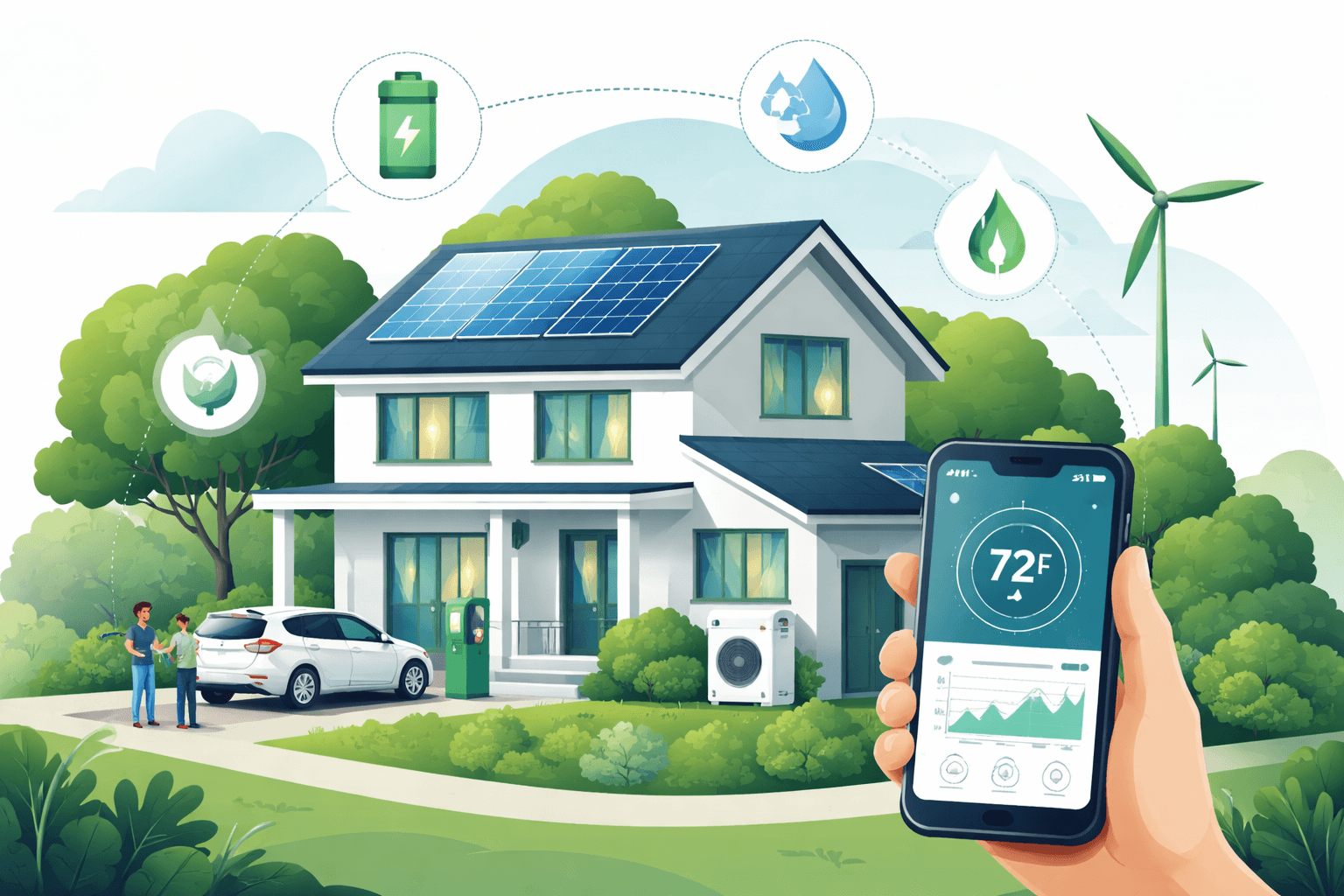
Energy is getting smarter—and more expensive when wasted. The International Energy Agency (IEA) estimates buildings account for about 34% of global final energy demand and 37% of energy-related CO₂ emissions when construction is included. In U.S. homes, the Energy Information Administration (EIA) reports space heating, cooling, and water heating typically make up 55–65% of energy use. The good news: proven efficiency measures can cut a typical household’s energy use by 20–30%, often improving comfort immediately. This how-to guide on how to make your home more energy efficient walks you through quick wins, deeper upgrades, monitoring tools, and incentives—with data-backed savings and simple ROI math.
Why energy efficiency matters: savings, emissions, and comfort
- Cost: Residential electricity prices in the U.S. averaged roughly 16 cents/kWh in 2023 (EIA). Trimming 20% from a 10,800 kWh/year home saves about $345/year; cutting gas or heating oil bills can add hundreds more.
- Emissions: Efficiency is often the lowest-cost way to reduce carbon. IEA finds efficiency measures delivered more than one-third of avoided global energy demand growth over the past decade.
- Comfort and health: Air sealing and insulation reduce drafts and hot/cold spots; proper ventilation (with filtration) improves indoor air quality and helps manage humidity, reducing mold risks.

Residential Energy: Cost Savings and Comfort for Existing Buildings: Krigger, John T, Dorsi, Chris
Residential Energy: Cost Savings and Comfort for Existing Buildings [Krigger, John T, Dorsi, Chris] on Amazon.com. *FREE* shipping on qualifying offers. Residential Energy: Cost Savings and Comfort fo
Check Price on AmazonBy the numbers
- 11% total energy savings and 15% heating/cooling savings from air sealing plus insulation in attics, crawlspaces, and rim joists (EPA ENERGY STAR).
- LEDs use at least 75% less energy and last up to 25x longer than incandescent bulbs (U.S. DOE).
- Smart thermostats cut heating and cooling costs by about 8% on average (EPA ENERGY STAR).
- Heat pumps move 2–3x more heat per unit of electricity than resistance heaters (Coefficient of Performance, COP ≈ 2–3), and modern cold-climate units work efficiently below freezing (U.S. DOE, NREL).
- Heat pump water heaters use roughly 70% less electricity than standard electric tanks (U.S. DOE).
- Windows account for 25–30% of household heating and cooling energy use through heat loss and gain (U.S. DOE). ENERGY STAR–certified windows can reduce that loss substantially.
How to make your home more energy efficient: quick wins you can do today
Small changes add up. Start here while you plan deeper upgrades.
- Thermostat setpoints and schedules
- Winter: Lower setpoint by 1–2°F (0.5–1°C) to save 2–3% on heating per degree; Summer: Raise cooling setpoint by 1–2°F for similar savings (U.S. DOE).
- Use setbacks: 7–10°F setback for 8 hours/day can save ~10% on heating/cooling (DOE). Program sleep and away schedules.
- LED lighting
- Replace the most-used bulbs first (kitchen, living, exterior). Swapping ten 60W incandescents for 9W LEDs can save ~470 kWh/year, about $75/year at $0.16/kWh.
- Use warm color (2700–3000K) for living spaces, brighter (4000K) for task areas.
- Hot water habits
- Set water heater to 120°F (49°C). Each 10°F reduction can save 3–5% on water heating.
- Install low-flow showerheads (≤1.8 gpm) and aerators to cut hot water use by 20–40%.
- Plug load and phantom power
- Use advanced power strips for TVs, gaming consoles, office gear. Phantom loads can be 5–10% of total electricity.
- Unplug infrequently used chargers and devices.
- Air filters and maintenance
- Replace HVAC filters every 1–3 months to improve airflow and efficiency. Dirty filters can increase energy use by 5–15%.
- Shade and solar gain control
- In summer, close blinds/curtains on east and west windows during peak sun; in winter, open south-facing shades during the day to capture heat.
These quick wins can deliver 5–15% savings with no contractors and minimal cost.
Improve your building envelope: insulation, air sealing, windows & doors
The building envelope—roof, walls, floor, windows, and doors—controls heat flow and air leakage. Tight, well-insulated homes are comfortable and cheap to operate.
Air sealing (first priority)
Air leaks around attics, rim joists, plumbing/electrical penetrations, and window/door frames let conditioned air escape and outdoor air (and moisture) enter.
- Diagnostics: A blower door test depressurizes the house to pinpoint leaks; many utility energy audits include this test.
- Targets: Older homes often measure 7–15 ACH50 (air changes per hour at 50 Pa). New efficient construction targets ≤3 ACH50. Every reduction improves comfort and cuts load.
- DIY sealing: Use caulk for small cracks (<1/4"), foam for larger gaps, and gaskets behind switch plates on exterior walls. Weatherstrip doors and access hatches.
- Attic and basement: Seal top and bottom first—attic penetrations (recessed lights, chases) and rim joists are high-impact.
- Savings: EPA ENERGY STAR estimates air sealing combined with insulation saves ~15% on heating/cooling and 11% on total energy.
Pro tip: Always pair air sealing with appropriate ventilation to maintain healthy indoor air quality.
Insulation
Insulation slows heat transfer. Prioritize attics, then walls and floors over crawlspaces or unconditioned basements.
- Attic: Aim for R-38 to R-60 in most U.S. climates (DOE guidance). Top up blown cellulose or fiberglass if you see joists exposed.
- Walls: Dense-pack cellulose or injected foam can boost R-values in existing walls; exterior rigid foam during re-siding adds thermal breaks.
- Floors/basements: Insulate rim joists and basement walls (rigid foam or spray foam with proper moisture detailing). In cold climates, R-10 to R-15 continuous insulation on basement walls reduces heat loss and condensation risk.
- Moisture matters: Use air barriers and vapor control appropriate for your climate to avoid trapping moisture. If in doubt, consult a qualified contractor.
Windows and doors
You don’t always need new windows to save energy—but you do need to manage heat loss and drafts.
- Low-cost measures: Weatherstrip, caulk frames, install interior storm panels, and use insulating cellular shades.
- Replacement criteria: Look for low-U-factor (≤0.25 in cold climates) and low solar heat gain coefficient (SHGC) in hot climates. ENERGY STAR–certified windows can meaningfully reduce energy use and improve comfort.
- Doors: Replace warped or poorly sealed doors; add sweeps and weatherstripping.
Explore whole-home envelope strategies and sequencing in our guide: Energy-Efficient Green Renovations: Practical Solutions to Cut Bills, Reduce Carbon, and Boost Home Value.
Optimize heating, cooling, and ventilation (HVAC upgrades, heat pumps, smart controls)
Heating and cooling dominate most home energy bills. Right-sizing, smart controls, and modern equipment drive big savings.
Tune-up and right-size before you replace
- Maintenance: Annual service (coil cleaning, refrigerant check, duct sealing) can recapture 5–15% efficiency.
- Ducts: Seal with mastic and insulate in unconditioned spaces. Duct leakage can waste 20–30% of airflow.
- Load calculation: Insist on a Manual J (room-by-room heat loss/gain) for replacements. Oversized systems short-cycle, reduce comfort, and waste energy.
Heat pumps: efficient heating and cooling in one
Air-source heat pumps transfer heat rather than create it. Modern variable-speed units deliver COPs of 2–3+ and maintain output in cold climates.
- Types: Ducted central systems, ductless mini-splits (great for additions and zoned retrofits), and packaged units.
- Cold-climate performance: Look for extended capacity at 5°F (or lower) and high Heating Seasonal Performance Factor (HSPF2). NEEP cold-climate listings are a good benchmark.
- Savings: Compared to electric resistance heat, heat pumps can cut heating electricity use by ~50%. Versus fuel oil or propane, operating costs often drop 20–50% depending on rates and system efficiency (DOE/NREL analyses).
- Water heating: Heat pump water heaters (HPWH) save about 70% vs. standard electric tanks and dehumidify the space they’re in—a two-for-one in basements.
Smart thermostats and zoning
- Smart thermostats: EPA ENERGY STAR cites ~8% average savings on heating/cooling from automation and smarter scheduling.
- Zoning: Multi-zone ductless systems or motorized dampers reduce overheating/overcooling and target comfort where you need it.

ecobee Smart Thermostat Premium with Smart Sensor and Air Quality Monitor - Programmable Wifi Thermostat - Works with Siri, Alexa, Google Assistant - Amazon.com
View on AmazonVentilation: healthy air with minimal energy penalty
- HRV/ERV: Heat or energy recovery ventilators exchange stale indoor air with fresh outdoor air while capturing 60–90% of heat (and moisture for ERVs). They’re essential in tighter homes to maintain air quality without big energy losses.
- Kitchen and bath: Quiet, efficient fans (with timers or humidity sensors) remove pollutants and moisture at the source.
Appliances, lighting, and water heating: efficient choices and usage tips
Even efficient HVAC won’t hit full potential if other loads waste energy.
Appliances
- Refrigerators: Choose ENERGY STAR–certified models. Place away from ovens and direct sun; set 37–40°F (3–4°C) fridge, 0–5°F (−18 to −15°C) freezer.
- Clothes washers and dryers: Front-load or high-efficiency top-load washers use ~25% less energy and 33% less water (ENERGY STAR). Heat pump dryers use ~28% less energy than conventional electric vented models.
- Dishwashers: ENERGY STAR models use ~12% less energy and 30% less water; use air-dry mode.
- Cooking: Induction cooktops transfer 85–90% of energy to the pan (vs. ~30–35% for gas), cut indoor air pollutants from combustion, and pair well with rooftop solar.
Lighting
- Convert all remaining incandescents and most halogens to LEDs; pick high-CRI (>90) lamps for color quality.
- Exterior: Use motion sensors and dusk-to-dawn controls.
Water heating
- Temperature: Set to 120°F. Insulate first 6–10 feet of hot water pipes and consider an insulating blanket for older electric tanks.
- Heat pump water heaters: Deliver the largest savings for electric homes. Ensure adequate space and airflow.
- Demand recirculation: On-demand pump controls reduce standby losses in long pipe runs without continuous recirculation.
Monitoring and smart home tech: energy audits, meters, smart thermostats, and apps
Information is power—for your bill and the grid.
Home energy audits
- What you get: Blower door test, infrared scan, duct testing, combustion safety checks, and a prioritized upgrade plan with estimated savings.
- Who to call: Utility programs often subsidize audits. Look for BPI- or RESNET-certified professionals. For deeper dives, ASHRAE Level 2 assessments analyze measures and economics.
Whole-home and circuit-level monitoring
- Smart meters and utility portals: Track hourly usage, enroll in time-of-use (TOU) or demand response programs.
- Home energy monitors: Panel- or circuit-level sensors reveal where energy goes (HVAC, water heater, EV, always-on). Use data to target the biggest loads first.
- Smart plugs and switches: Verify real savings and automate off-hours for office gear, AV systems, and niche appliances.
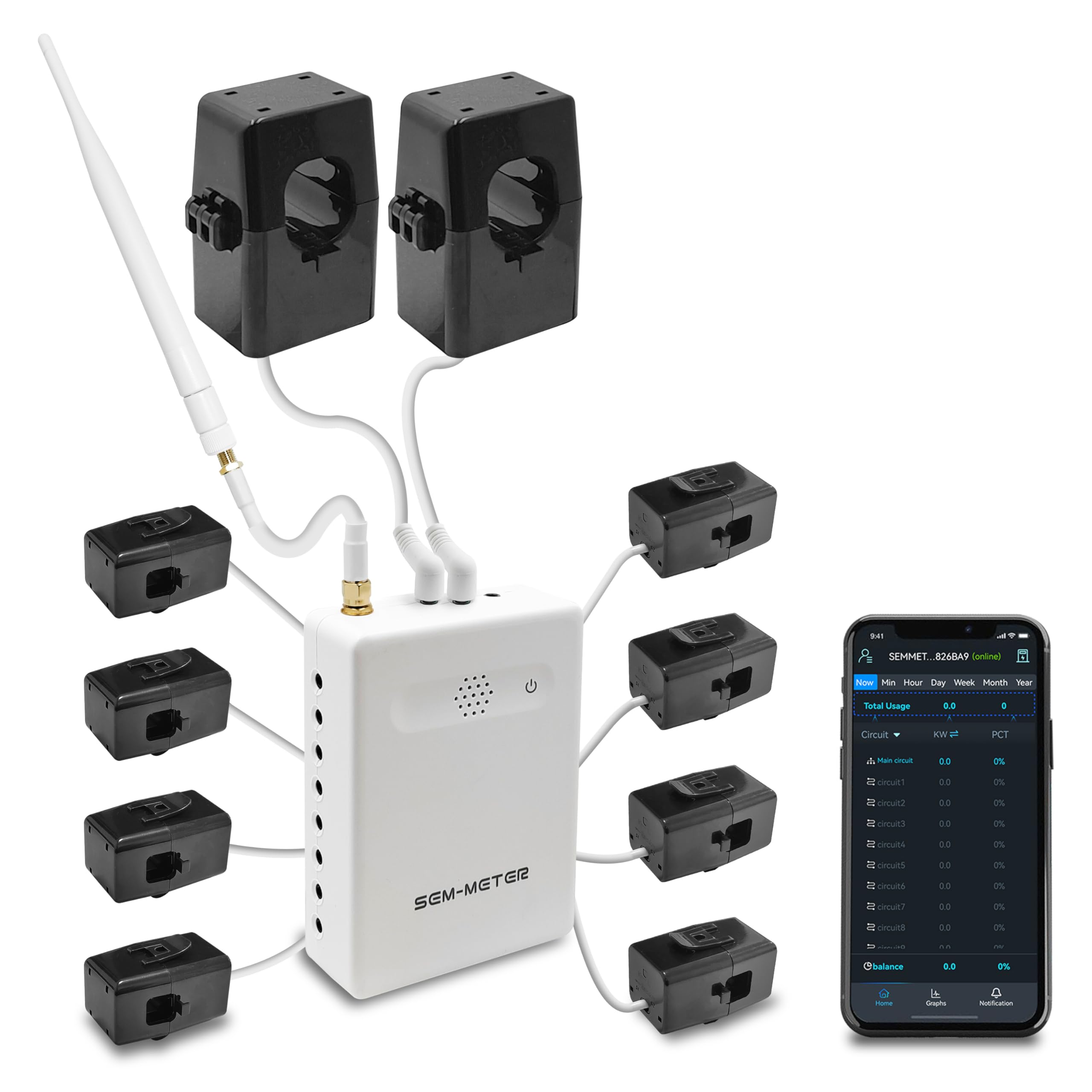
Smart Home Energy Monitor with 8 50A Circuit Level Sensors | Vue - Real Time Electricity Monitor/Meter | Solar/Net Metering - Amazon.com
View on AmazonFor device integration, automation best practices, and interoperability tips, see: Smart Home Technology for Sustainability: High‑Impact Upgrades, Integration, and Real‑World Guidance.
Renewables and integration: when to add solar, EV charging considerations, battery basics
Efficiency first, then generation. Reducing loads shrinks the size (and cost) of solar and batteries you need.
Rooftop solar (PV)
- Economics: Typical U.S. residential systems are 5–10 kW. After incentives, payback is often 6–10 years depending on rates and policies. Solar pairs especially well with high daytime usage and TOU rates.
- Sizing: Complete envelope and HVAC upgrades first; aim to offset your post-efficiency annual kWh.
- Roof and shading: Evaluate roof age (ideally ≤10 years old), orientation (south/southwest), tilt, and tree shading. Consider a pre-roofing solar plan if your shingles are due.
- Policy: The federal residential clean energy credit (Section 25D) currently provides a 30% tax credit for eligible solar installations.
Want a primer on types and adoption pathways? Start with Green Energy Explained: Types, Benefits, and How to Adopt It.
EV charging and managed loads
- Level 2 charging (240V) adds 7–11 kW of load. Coordinate with your electrician to confirm panel capacity and consider load management devices.
- Smart charging: Program charging for off-peak hours; some utilities offer discounted EV rates. This can cut fueling costs to ~$0.03–0.06/mile (varies by rate and vehicle efficiency).
Home batteries
- Use cases: Backup power, TOU arbitrage, solar self-consumption, and limited whole-home backup with critical loads panel.
- Tech basics: Lithium-ion batteries typically have 85–92% round-trip efficiency and 6,000+ cycle lifetimes for modern chemistries. Capacity is measured in kWh; 10–20 kWh is common for homes.
- Economics: Batteries save most under TOU or when paired with solar and limited export policies; they’re rarely the first dollar of savings vs. insulation or heat pumps.
For deeper battery planning, chemistry tradeoffs, and installation steps, see: Home Solar Battery Storage: Complete Buyer’s Guide & Cost Calculator.
Financing, incentives, and a simple ROI calculator
A strong project is a financed project. Stack incentives with low-cost capital and realistic payback expectations.
Incentives snapshot (U.S.)
- Federal tax credits (through at least 2032):
- Section 25C: 30% credit up to $1,200/year for qualifying envelope and electrical upgrades (windows, doors, insulation, panel upgrades) and up to $2,000/year for heat pumps and heat pump water heaters.
- Section 25D: 30% for residential solar, battery storage that meets eligibility, and other renewables.
- State and utility rebates: Many programs offer $300–$2,000 for heat pumps, $50–$200 for smart thermostats, $200–$1,000 for HPWHs, and incentives for weatherization.
- Forthcoming/active state rebates under federal HOMES and HEEHR programs (rolling out state by state) target whole-home savings with higher support for low- and moderate-income households.
Dive into requirements, caps, and stacking rules: Green Building Tax Incentives: How to Maximize Savings for Homes and Commercial Projects.
Financing options
- Utility on-bill financing or tariffs: Repay upgrades via the utility bill; savings may exceed payments from day one.
- HELOC or green loans: Competitive interest rates with terms aligned to equipment life (10–15 years for HVAC; 20–25 for solar).
- PACE (where available): Property-assessed clean energy ties repayment to the property tax bill; ensure resale and disclosure fit your plans.
Simple ROI calculator
Use these steps to screen projects:
- Estimate baseline energy and costs
- Electricity: annual kWh × rate ($/kWh)
- Gas/propane: annual therms/gal × rate ($/therm or $/gal)
- Apply expected savings percent
- Example assumptions from reputable sources:
- Air sealing + insulation: 15% of heating/cooling energy (EPA ENERGY STAR)
- Smart thermostat: 8% of heating/cooling (EPA ENERGY STAR)
- HPWH: 70% of electric water heating (DOE)
- LEDs: 75% of lighting energy (DOE)
- Annual savings ($)
- Annual savings = Baseline energy cost for targeted end-use × Savings percent
- Net upfront cost
- Net cost = Installed cost − Rebates − Tax credits
- Payback and SIR
- Simple payback (years) = Net cost / Annual savings
- Savings-to-Investment Ratio (SIR) = Lifetime savings / Net cost (SIR > 1 is good; >2 is strong)
Example A: Air sealing + attic insulation
- Baseline: Heating/cooling costs $1,200/year
- Savings: 15% = $180/year
- Net cost: $2,000 after incentives
- Payback: 11.1 years; 20-year lifetime savings ≈ $3,600 (ignoring rate escalation). SIR ≈ 1.8
Example B: Heat pump water heater (HPWH)
- Baseline: 2,800 kWh/year for electric water heating at $0.16/kWh = $448/year
- Savings: 70% = 1,960 kWh = $314/year
- Net cost: $1,800 after rebates/tax credit
- Payback: 5.7 years; 10-year lifetime savings ≈ $3,140; SIR ≈ 1.7
Example C: Whole-home LED conversion (25 bulbs)
- Baseline: 25 × 60W × 2 hrs/day × 365 = 1,095 kWh = $175/year
- LEDs: 25 × 9W → new use 164 kWh
- Savings: 931 kWh = $149/year
- Net cost: $150
- Payback: ~1 year; 10-year lifetime savings ≈ $1,490; SIR ≈ 9.9
Note: Your numbers will vary by climate, utility rates, and home size. Use your bills and local prices for precision.
DIY checklist and next steps
Work from fastest payback to longer-lead projects, and from envelope to equipment for best results.
- Zero- or low-cost today
- Set thermostat schedules and adjust setpoints seasonally
- Replace HVAC filters; clean fridge coils
- Replace highest-use bulbs with LEDs
- Reduce water heater to 120°F; install low-flow showerheads
- Use smart plugs or power strips for AV/office gear
- Weekend DIY projects
- Weatherstrip doors and attic hatches; caulk window/door trim
- Insulate hot water pipes; install insulating shades or interior storms
- Add attic insulation if accessible and safe (air seal first)
- Contractor-driven upgrades
- Comprehensive air sealing with blower door verification
- Duct sealing/insulation in attics/crawlspaces
- Heat pump HVAC upgrade (right-sized, variable-speed)
- Heat pump water heater installation
- HRV/ERV for continuous healthy ventilation
- High-performance window replacements when needed or timed with re-siding/roofing
- Monitor and iterate
- Get an energy audit to prioritize measures and quantify savings
- Track usage via utility portal or home energy monitor
- Enroll in time-of-use or demand response programs where available
- Plan for renewables
- Size solar after efficiency upgrades; assess roof condition and shading
- Consider a battery only if it provides clear value (backup, TOU arbitrage)
- Coordinate EV charging with load management to avoid panel upgrades
For a room-by-room planning framework and sequencing tips, visit Energy-Efficient Green Renovations: Practical Solutions to Cut Bills, Reduce Carbon, and Boost Home Value. For a broad overview of clean power options, see Green Energy Explained: Types, Benefits, and How to Adopt It.
Practical implications: what it means for you
- Homeowners and renters: Quick wins and low-cost measures can cut bills 5–15% immediately; use smart plugs, LEDs, setpoints, and weatherstripping even if you don’t control major systems.
- Buyers and sellers: Efficiency upgrades enhance comfort and can boost resale value. Transparent utility bills and recent improvements are strong selling points.
- Policymakers and utilities: Incentives that target air sealing, heat pumps, and load flexibility deliver measurable, persistent savings and grid benefits, especially when paired with time-varying rates and demand response.
Where it’s heading
- Smarter heat pumps: Next-gen refrigerants with lower global warming potential, higher cold-weather performance, and integrated controls are arriving.
- Grid-interactive homes: Appliances and thermostats that shift use to low-emission, low-cost hours will earn bill credits while supporting renewables.
- Data-driven retrofits: AI-powered audits and high-resolution load data will sharpen savings estimates and speed project delivery.
Efficiency is the foundation for affordable, resilient, low-carbon homes. Start with the simple steps you can take this week, schedule an energy audit to target the biggest wins, and stack incentives to accelerate the payback on deeper improvements.
Recommended Products
Residential Energy: Cost Savings and Comfort for Existing Buildings: Krigger, John T, Dorsi, Chris
Residential Energy: Cost Savings and Comfort for Existing Buildings [Krigger, John T, Dorsi, Chris] on Amazon.com. *FREE* shipping on qualifying offers. Residential Energy: Cost Savings and Comfort fo
ecobee Smart Thermostat Premium with Smart Sensor and Air Quality Monitor - Programmable Wifi Thermostat - Works with Siri, Alexa, Google Assistant - Amazon.com
ecobee Smart Thermostat Premium with Smart Sensor and Air Quality Monitor - Programmable Wifi Thermostat - <strong>Works with Siri, Alexa, Google Assistant</strong> - Amazon.com
Smart Home Energy Monitor with 8 50A Circuit Level Sensors | Vue - Real Time Electricity Monitor/Meter | Solar/Net Metering - Amazon.com
Lightweight commercial 3-phase option available as a separate bundle. APPLICATION MONITORING WITHOUT GUISEWORK <strong>Up to sixteen (16) 50A sensors to accurately monitor your air conditioner, oven,
More in Sustainability Policy
- Energy Conservation Techniques: Practical Steps to Save Energy, Money & Cut Emissions
- Sustainable Home Improvements: Tech-Forward Upgrades with ROI & Incentives
- Energy-Efficient Green Renovations: Practical Solutions to Cut Bills, Reduce Carbon, and Boost Home Value
- Designing Energy‑Efficient Homes: Practical Strategies for Low‑Carbon, High‑Comfort Living