
Invasive Species Management Strategies: A Practical Guide to Prevention, Control, and Recovery
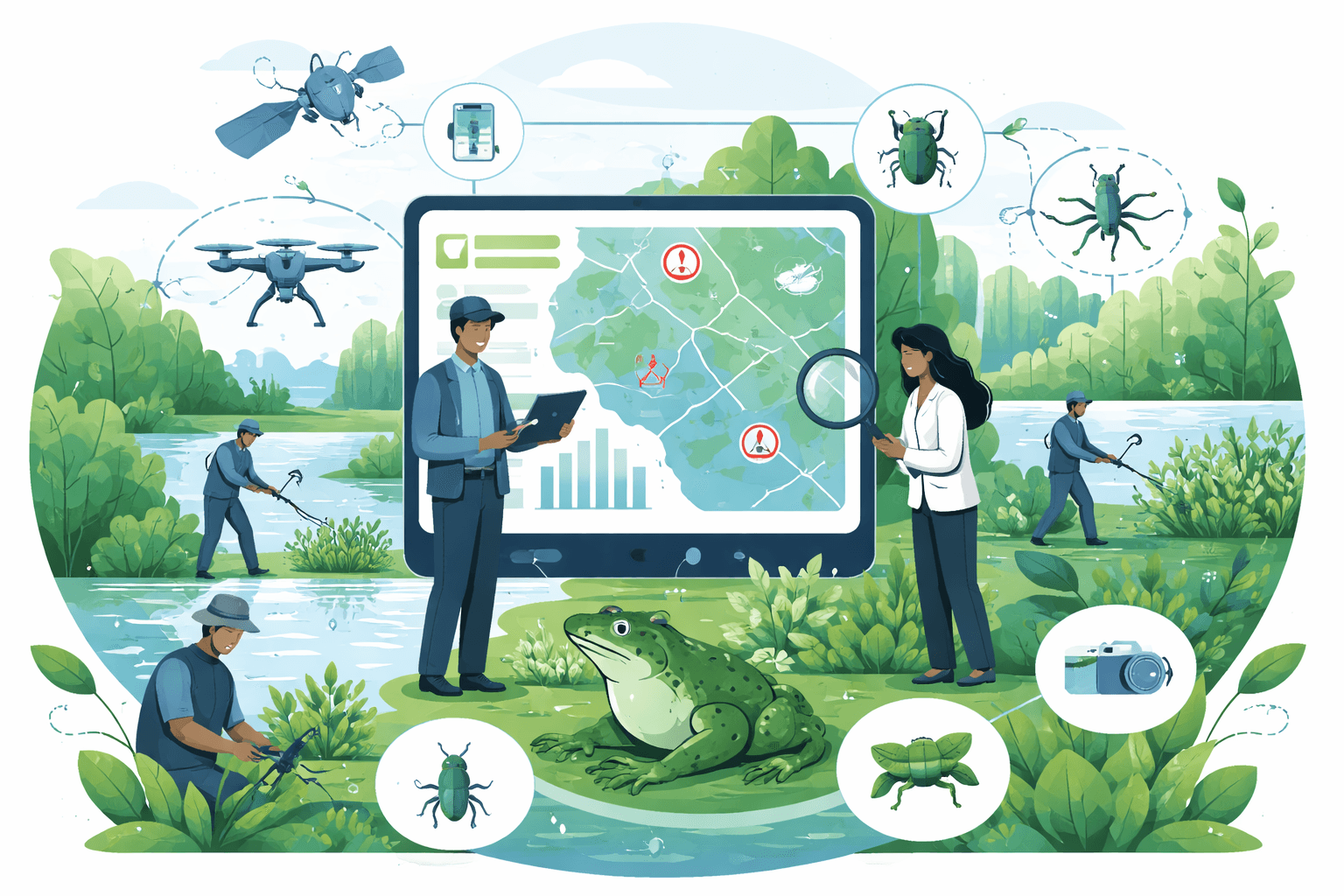
In 2023, the Intergovernmental Science-Policy Platform on Biodiversity and Ecosystem Services (IPBES) reported that invasive alien species cost the global economy more than $423 billion every year and are implicated in 60% of recorded global plant and animal extinctions. With trade, travel, and climate shifts accelerating introductions and spread, effective invasive species management strategies have become essential to protect biodiversity, agriculture, and infrastructure.
This guide explains what makes a species invasive, the full management ladder from prevention to eradication, how to choose among control methods, and how to prioritize actions for impact and cost-effectiveness. It integrates evidence from IPBES, IUCN, government biosecurity agencies, and peer-reviewed research to offer a practical, data-rich roadmap.
What are invasive species and why they matter
- Definition: The Convention on Biological Diversity defines invasive alien species as non-native organisms whose introduction or spread threatens biodiversity and ecosystem services, and often imposes economic or health costs. Not all non-native species become invasive; invasiveness hinges on harm and spread potential.
- Why they spread: High propagule pressure (the number of individuals or viable seeds introduced), absence of natural enemies, disturbed habitats, and climate suitability increase establishment odds. Major pathways include horticulture and the pet trade, ballast water and hull fouling in shipping, contaminated agricultural products, and accidental hitchhikers in cargo and vehicles.
- What they impact:
- Ecosystems: Invasive plants can alter fire regimes (e.g., cheatgrass in the western United States), water cycles (tamarisk along arid rivers), and nutrient cycling. Predatory mammals on islands have been a leading cause of seabird declines.
- Agriculture: Pests and weeds reduce yields and increase input costs. The FAO estimates plant pests and diseases cost the global economy around 20–40% of crop production annually.
- Infrastructure and human health: Zebra and quagga mussels clog water intakes, increasing utility maintenance costs; invasive mosquitoes expand disease risk ranges.
- Biodiversity: IPBES (2023) documents over 37,000 alien species globally, with more than 3,500 considered harmful; they contribute to extinctions, hybridization, and food web disruptions.
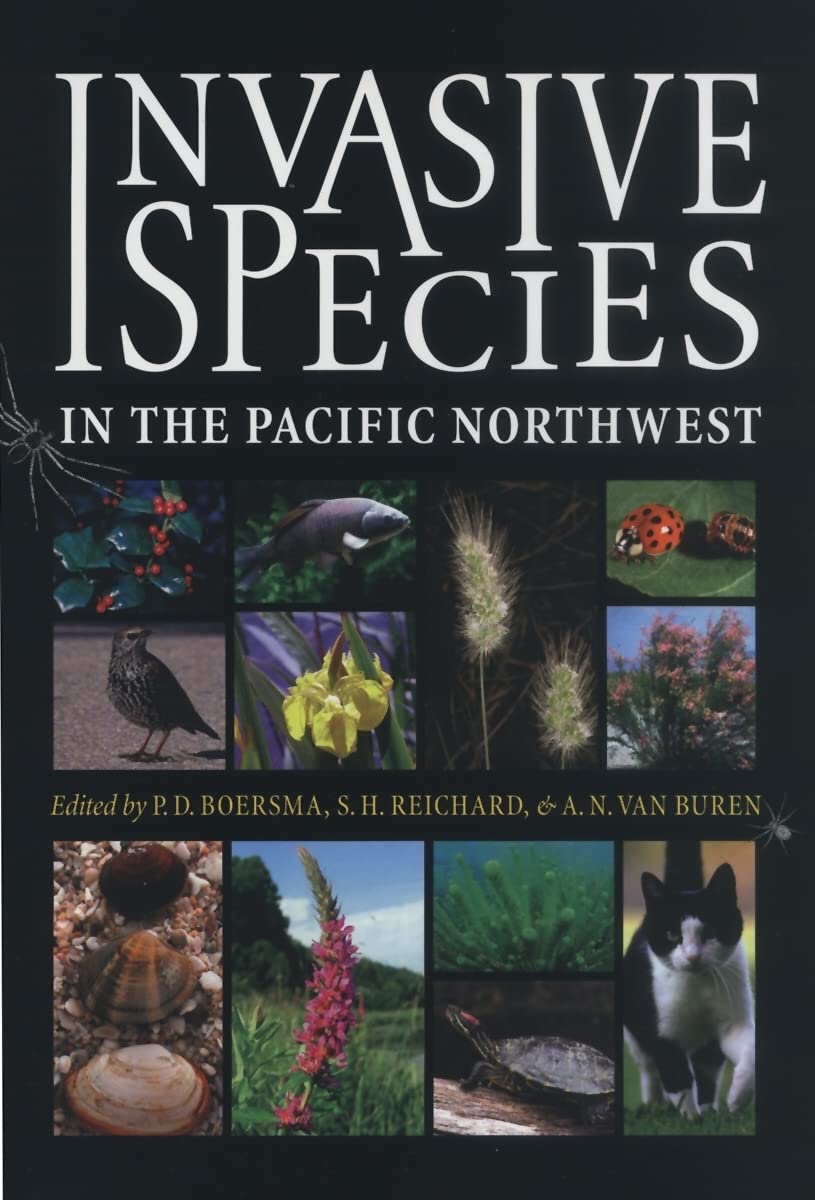
Invasive Species: What Everyone Needs to Know®
An introduction to various topics ... years. Daniel Simberloff is <strong>Professor of Environmental Studies and Director of the Institute for Biological Invasions at the University of Tennessee, Knox
Check Price on AmazonThe management ladder: invasive species management strategies from prevention to eradication
The most cost-effective programs follow a prevention-first hierarchy known as the invasion curve. Costs rise and success rates fall as species move from pre-introduction to widespread establishment.
- Prevention
- Pathway management: Clean stock certification for nurseries, weed-seed–free hay, cargo inspections, and pathway risk assessments reduce entry probability. The International Maritime Organization’s Ballast Water Management Convention (in force since 2017) requires ballast treatment to curb marine introductions.
- Border biosecurity: Risk-based inspections, quarantine, and import bans for high-risk taxa. Countries like New Zealand report high benefit-cost ratios for biosecurity investments because avoided damages dwarf program costs.
- Behavior change: “Clean, Drain, Dry” protocols for watercraft; responsible pet ownership and surrender programs; avoiding planting known invaders.
- Early detection and rapid response (EDRR)
- Detection: Targeted surveys, environmental DNA (eDNA) sampling of water and soil to pick up low-density populations, and citizen reports through platforms like EDDMapS and iNaturalist.
- Rapid response: Incident Command System (ICS) plans, pre-authorized funding, and predefined treatment playbooks allow action within days or weeks—often the difference between eradication and decades of control.
- Containment
- When eradication is not yet feasible, focus on preventing spread and reducing propagule pressure.
- Create buffer zones around core infestations; remove satellite populations first (“outside-in” strategy). Clean equipment and vehicles before moving between sites.
- Control (long-term suppression)
- Integrated Pest Management (IPM): Combine mechanical, chemical, biological, and cultural methods to keep populations below impact thresholds while minimizing non-target harm.
- Eradication (when feasible)
- Most feasible on islands, small lakes, or isolated catchments with strong biosecurity. The Database of Island Invasive Species Eradications reports hundreds of successful invasive mammal eradications with success rates commonly above 80% when best practices are followed, enabling major seabird and reptile recoveries (Jones et al., PNAS 2016).
Comparing control methods: when to use mechanical, chemical, biological, and habitat restoration
Choosing a method depends on species biology, infestation size, site sensitivity, seasonality, and budget. Using a combination is often most effective.
Mechanical and physical control
- Techniques: Hand-pulling, digging, cutting, mowing, mulching, girdling; trapping for vertebrates; barriers, screens, and netting; water level manipulation; benthic barriers for aquatic plants.
- Best for: Small or accessible infestations, sites where chemicals are restricted (e.g., near drinking water), or as a precursor to herbicide to reduce biomass.
- Pros: Immediate biomass removal; minimal chemical inputs; useful for protecting high-value micro-sites.
- Cons: Labor-intensive; can disturb soil and stimulate seedbanks; risks of bycatch with traps; repeated effort often required.
Chemical control (herbicides, pesticides, piscicides)
- Techniques: Foliar sprays, cut-stump treatments, basal bark applications, wicking, soil-applied pre-emergents; targeted toxicants like lampricides (TFM/nikethamide) for sea lamprey control in the Great Lakes, which contributed to >90% reductions in lamprey populations under the Great Lakes Fishery Commission program.
- Best for: Medium to large infestations; species with persistent seedbanks; sites where precision methods (e.g., cut-stump) reduce non-target exposure.
- Pros: Scalable and often cost-effective; can target specific physiological pathways.
- Cons: Regulatory compliance required; potential non-target and water-quality risks; herbicide resistance if overused. Always follow label directions and integrated resistance management.
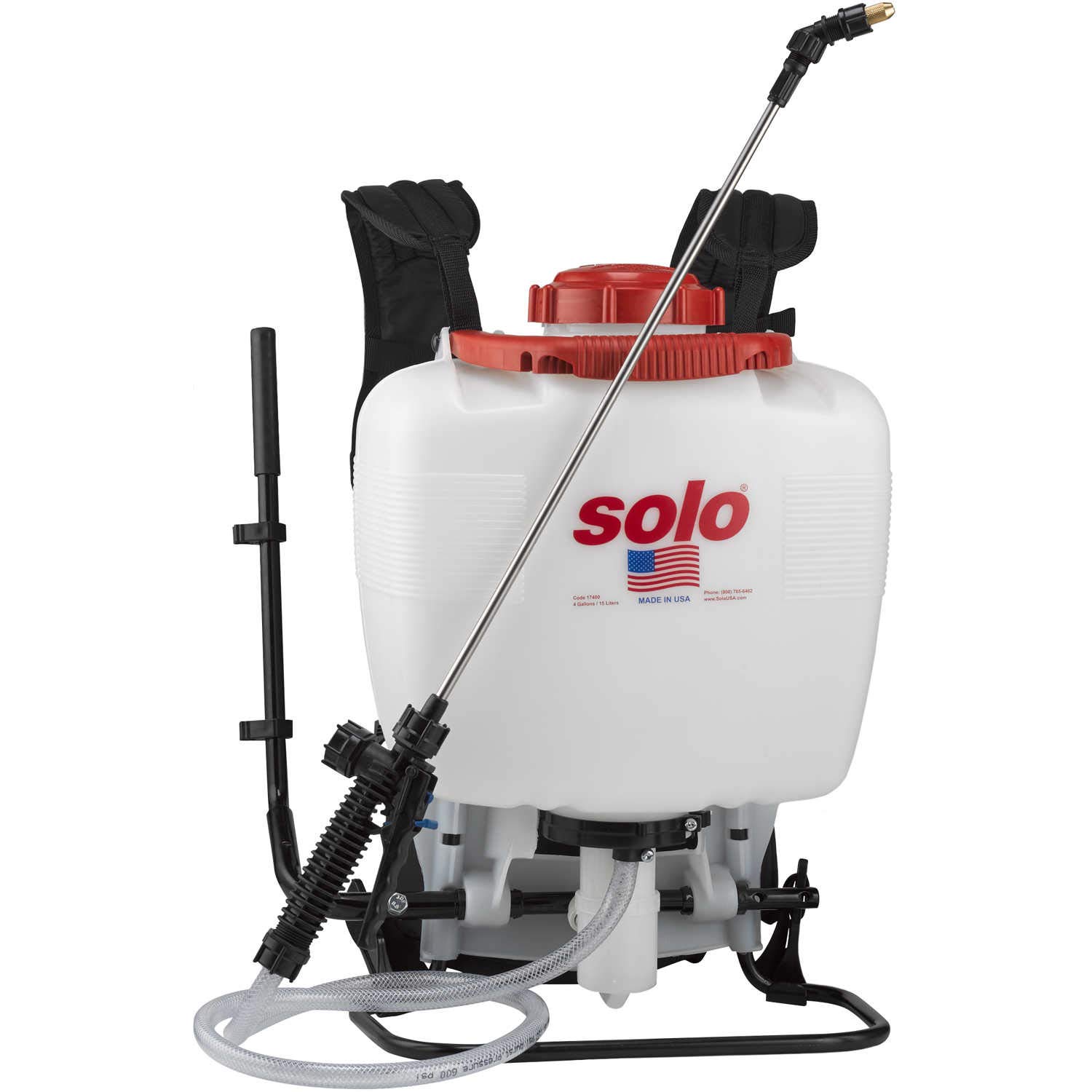
SOLO Model 425 Professional Backpack Sprayer, 4 Gallon Piston Pump : Patio, Lawn & Garden
View on AmazonBiological control (biocontrol)
- Techniques: Introduction of host-specific natural enemies (insects, pathogens) after rigorous host-range testing; augmentation of existing enemies; sterile insect technique.
- Best for: Widespread, intractable invaders where mechanical/chemical control is impractical long-term.
- Pros: Self-sustaining control with landscape-scale benefits; cost-effective over decades. Classic examples include the vedalia beetle controlling cottony cushion scale and parasitoids controlling cassava mealybug in Africa, averting severe yield losses (documented by IITA and FAO).
- Cons: Irreversible introductions; historical cases of non-target impacts drive stringent modern risk assessment (IUCN and national agencies now require comprehensive testing and monitoring).
Cultural and ecological control (habitat manipulation, restoration)
- Techniques: Revegetation with competitive native plants; restoring hydrology; shading; prescribed grazing and fire under expert plans; reducing nutrients that favor invaders; altering disturbance regimes.
- Best for: Post-removal recovery to close ecological niches that invaders exploit; sites with recurring disturbance.
- Pros: Reduces reinvasion pressure by rebuilding resilient native communities; co-benefits for soil, water, and wildlife.
- Cons: Requires planning, native plant materials, and multi-year stewardship. Restoration success hinges on follow-up maintenance and monitoring.
For practical restoration planning and success metrics after invasive removal, see our guide on Wildlife Habitat Restoration Projects: Goals, Techniques, and Measuring Long-Term Success (/sustainability-policy/wildlife-habitat-restoration-projects-goals-techniques-success).
Prioritizing action: risk assessment, monitoring, recovery goals, and cost-effectiveness
Limited budgets require triage. The goal is to allocate effort where it prevents the most damage per dollar and aligns with biodiversity objectives.
Risk assessment frameworks
- Weed Risk Assessment (WRA): Tools such as the Australian WRA score introduction proposals on climate matching, invasiveness history elsewhere, and reproductive traits. High scorers are rejected or restricted.
- EICAT and SEICAT (IUCN): Standardized categories for ecological and socioeconomic impacts. These allow transparent comparison across taxa and regions.
- Pathway and vector analysis: Identify high-risk pathways (e.g., ornamental aquarium trade, live seafood, firewood movement) to target surveillance and regulation.
- Spatial suitability modeling: Species distribution models anticipate where climate and habitat permit establishment, informing surveillance grids.
Monitoring and data
- Baselines: Map current extent, density, and satellite populations; document treatment history and seedbank longevity.
- Surveillance tools: eDNA to detect low-abundance aquatic species; remote sensing to map invasive plants (e.g., hyperspectral imagery for tamarisk); automated acoustic or camera traps for vertebrates; baited smart traps that notify managers.
- Performance indicators: Area treated (hectares), occupancy (proportion of sites invaded), density trends, propagule pressure (e.g., number of contaminated vessels intercepted), and recovery of target native species.
- Adaptive management: Use before-after-control-impact (BACI) designs where feasible. Update plans after each treatment season based on monitoring outcomes. For more on setting goals, indicators, and evaluation in conservation, see Wildlife Conservation Methods: Practical Approaches, Tech Tools, and How to Measure Success (/sustainability-policy/wildlife-conservation-methods-practical-approaches-tech-tools-measure-success).

Browning Trail Cameras Strike Force Full HD Extreme Wildlife Motion-Activated Camera with Radiant 4 Flash Technology
View on AmazonNative species recovery goals
- Define success in ecological terms, not only in acres treated. Pair removal with habitat actions needed for native species to rebound—nesting substrates, hydrologic flows, or grazing regimes.
- Island examples show that after invasive mammal eradication, seabird populations often increase dramatically within a few breeding seasons (Jones et al., 2016). Similar logic applies to riparian birds after tamarisk removal if native willows and cottonwoods are reestablished.
Cost-effectiveness and feasibility
- Prevention and EDRR deliver the highest return on investment. Multiple economic analyses show preventive biosecurity is often at least an order of magnitude cheaper than post-establishment control because damage is avoided rather than mitigated.
- Prioritize:
- New incursions with high spread potential but small current extent (highest tractability).
- Satellite populations that fuel reinvasion of treated cores.
- High-value biodiversity sites (e.g., critical habitat, freshwater intakes, culturally significant areas) where impacts are disproportionate.
- Analyze total cost of ownership: initial knockdown, multi-year follow-up, disposal, revegetation, and monitoring. Budget explicitly for 3–5 years of follow-up to address seedbanks and resprouts.
Community, policy, and surveillance: preventing reinvasion and sustaining success
Community participation and enabling policy are as important as field techniques.
- Citizen science and reporting: Training community monitors expands detection networks. Platforms such as iNaturalist and regional early-detection networks funnel credible records to managers.
- Behavior change campaigns: Boat decontamination stations; boot-brush stations at trailheads; “Don’t Move Firewood” messaging to prevent forest pest spread.
- Horticulture and pet trade: Promote “plant this, not that” guides; nursery clean-stock programs; pet amnesty events to prevent releases.
- Policy and regulation: The European Union’s Regulation 1143/2014 lists species of Union concern with controls on trade and management obligations. In the United States, coordination across USDA APHIS, USFWS (Lacey Act injurious species), and state agencies under the National Invasive Species Council supports harmonized response. Globally, the Kunming–Montreal Global Biodiversity Framework (2022) sets Target 6: reduce the introduction and establishment rates of invasive alien species by at least 50% by 2030 and manage priority invasions in high-value sites.
- Stable funding: Rapid-response funds that can be deployed within days, not fiscal years, determine whether eradication remains feasible.
- Long-term stewardship: Integrate invasive control into land management plans and conservation easements. For site stewardship fundamentals that pair well with invasive control, see Land Conservation Best Practices: Planning, Protection, Stewardship, and Long-Term Management (/conservation/land-conservation-best-practices-planning-protection-stewardship-long-term-management).
- Technology and data governance: Drones, AI species recognition, and eDNA can transform surveillance, but require data standards, QA/QC, and ethical deployment. Explore tools and guardrails in How Technology Is Transforming Conservation: Tools, Impacts, and Responsible Deployment (/sustainability-policy/role-of-technology-in-conservation).
By the numbers
- $423 billion: Estimated annual global economic costs of invasive alien species (IPBES, 2023), with costs at least quadrupling each decade since 1970.
- 37,000+: Alien species recorded globally; >3,500 considered harmful (IPBES, 2023).
- 60%: Fraction of documented global extinctions where invasive species were a contributing factor; sole driver in about 16% (IPBES, 2023).
80%: Typical success rates for well-planned invasive mammal eradications on islands, enabling hundreds of native species recoveries (DIISE; Jones et al., PNAS 2016).
90%: Reduction in sea lamprey in the Great Lakes following integrated control using barriers and lampricides (Great Lakes Fishery Commission).
Practical guidance for choosing methods and planning operations
- Match method to biology and seasonality: Time herbicide to phenology (e.g., fall treatments for woody invaders when translocation to roots is highest); deploy traps at peak activity; use eDNA during periods of maximal shedding.
- Sequence for success: Knock down biomass first (mechanical), then apply targeted herbicide to resprouts, then restore natives to close niches, with at least 2–3 years of follow-up.
- Protect high-value sites: Use cordon sanitaire approaches to shield intact habitats; eradicate satellites first to prevent jump dispersal.
- Standardize sanitation: Clean tools, boots, and vehicles between sites; require contractors to follow biosecurity protocols.
- Document and share: Maintain geospatial treatment records, costs, and outcomes to refine cost-per-hectare estimates and inform adaptive management across programs. For designing restoration and monitoring programs that track long-term ecological outcomes, see Wildlife Habitat Restoration Projects: Goals, Techniques, and Measuring Long-Term Success (/sustainability-policy/wildlife-habitat-restoration-projects-goals-techniques-success).
Case notes: what success looks like
- Islands: On Anacapa Island (California Channel Islands), the removal of invasive rats led to dramatic rebounds in Scripps’s murrelet nesting—a pattern mirrored globally when invasive predators are removed from seabird colonies.
- Freshwater: Coordinated zebra and quagga mussel containment in the U.S. West relies on mandatory watercraft inspection and decontamination, early detection with eDNA, and rapid closures when positives are found—illustrating prevention and EDRR in action.
- Rangelands: Cheatgrass control coupled with reseeding native perennials and targeted grazing reduces fine fuels and fire frequency, benefitting sagebrush-dependent wildlife like the greater sage-grouse.
Common pitfalls to avoid
- Underfunding follow-up: Many failures stem from stopping after initial knockdown. Plan multi-year treatments equal to seedbank longevity.
- Ignoring vectors: Treating the site without closing the pathway (e.g., infested fill dirt, unwashed equipment) invites reinvasion.
- Single-tool dependence: Overreliance on one herbicide increases resistance risks; integrated approaches are more durable.
- Skipping monitoring: Without standardized metrics, you can’t prove impact or adapt methods.
Where invasive species management is heading
- Smarter surveillance: Cheaper, more sensitive eDNA assays; AI-assisted image recognition; and networked sensors will shorten detection lags.
- Precision control: Species-specific toxins, improved lure chemistries, and automated smart traps reduce non-target impacts and labor.
- Genetic biocontrol research: Tools like gene drives are under investigation for pests such as rodents and mosquitoes. Governance, reversibility, and ecological risk assessment are active areas of research and policy debate.
- Climate-informed planning: Range shifts will alter risk maps; dynamic surveillance and flexible regulatory lists will be needed.
- Mainstreamed biosecurity: Embedding invasive species risk into trade, infrastructure planning, and climate adaptation ensures prevention is not an afterthought.
Protecting native biodiversity and livelihoods requires moving fast and early, making prevention the default, and pairing control with restoration and community engagement. With clear goals, robust monitoring, and adaptive programs anchored in evidence, managers can curb the rising costs and ecological toll of biological invasions. For broader context on aligning invasive control with wildlife recovery and community action, see Wildlife Conservation: Key Strategies, Threats, and How You Can Help (/conservation/wildlife-conservation-key-strategies-threats-how-to-help).
Recommended Products
Invasive Species: What Everyone Needs to Know®
An introduction to various topics ... years. Daniel Simberloff is <strong>Professor of Environmental Studies and Director of the Institute for Biological Invasions at the University of Tennessee, Knox
Browning Trail Cameras Strike Force Full HD Extreme Wildlife Motion-Activated Camera with Radiant 4 Flash Technology
GardePro A3S Trail Camera (Non-Cellular, Non-WiFi), 64MP Photo & 1296P HD Video, 0.1s Trigger, <strong>100ft No-Glow Night Vision</strong>, Motion Activated Wildlife Camera ... Browning Trail Came
SOLO Model 425 Professional Backpack Sprayer, 4 Gallon Piston Pump : Patio, Lawn & Garden
Amazon.com : SOLO Model 425 Professional Backpack Sprayer, 4 Gallon Piston Pump : Patio, Lawn & Garden
More in Conservation
- Effective Wildlife Conservation Practices: Practical Strategies, Monitoring, and Community-Led Solutions
- Wildlife Conservation Methods: Practical Approaches, Tech Tools, and How to Measure Success
- Protecting Wildlife Habitats: A Practical Guide to Conservation, Technology, and Action
- Create Wildlife Habitat: Practical Topics to Cover in a Step-by-Step Guide