
Wildlife Conservation Methods: Practical Approaches, Tech Tools, and How to Measure Success
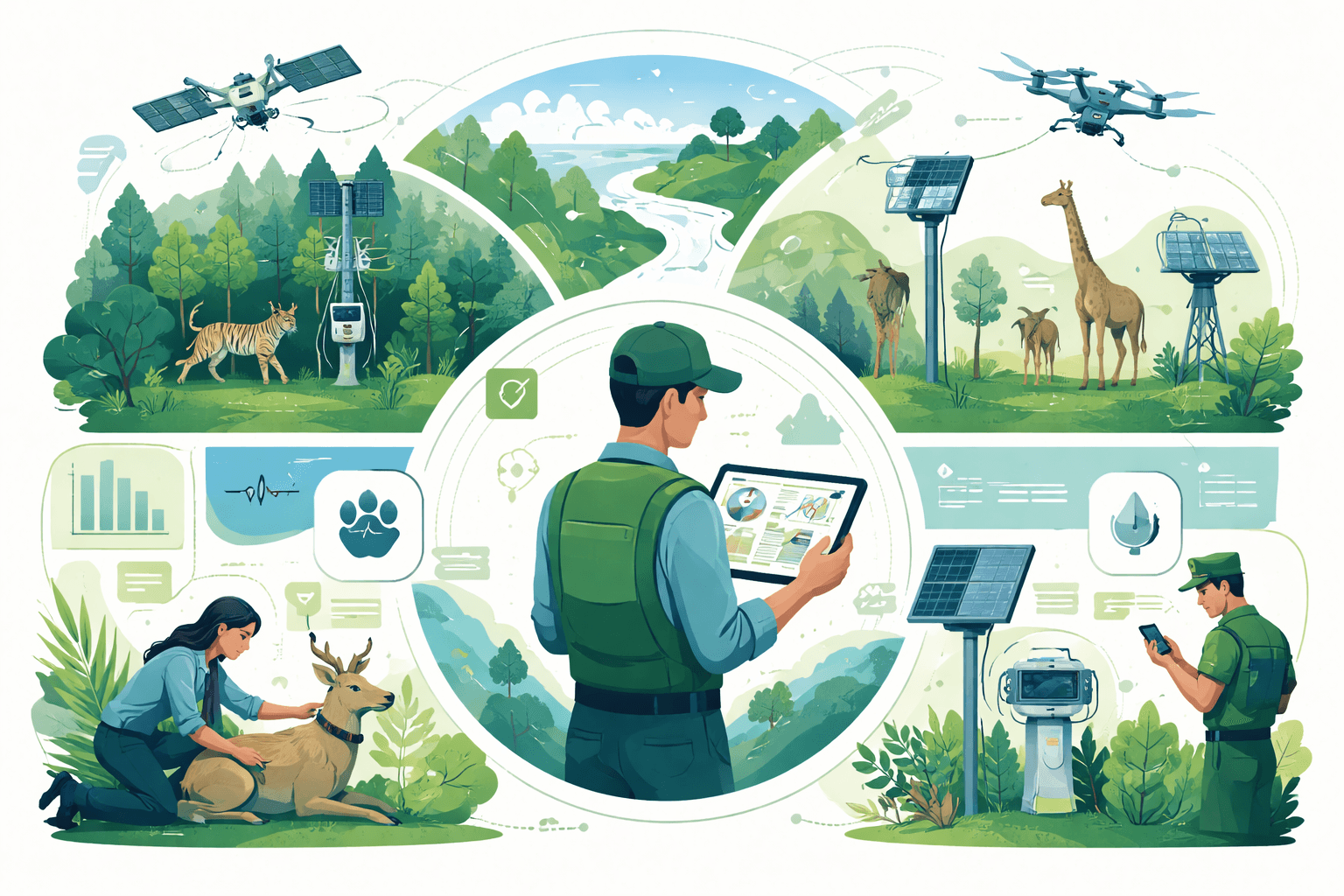
Wildlife conservation methods are evolving fast as biodiversity loss accelerates. The Intergovernmental Science-Policy Platform on Biodiversity and Ecosystem Services (IPBES) estimates up to one million species face elevated extinction risk, many within decades, largely due to habitat loss, overexploitation, invasive species, pollution, and climate change. At the same time, the world has scaled protection to roughly 17% of land and 8% of ocean (UNEP-WCMC/Protected Planet, 2022) and adopted the 30x30 target under the Kunming–Montreal Global Biodiversity Framework. This guide distills core methods, community and policy tools, proven and emerging technologies, and how to measure success so practitioners and decision-makers can match interventions to threats and context.
Core wildlife conservation methods: in-situ vs ex-situ, protected areas, restoration, and species interventions
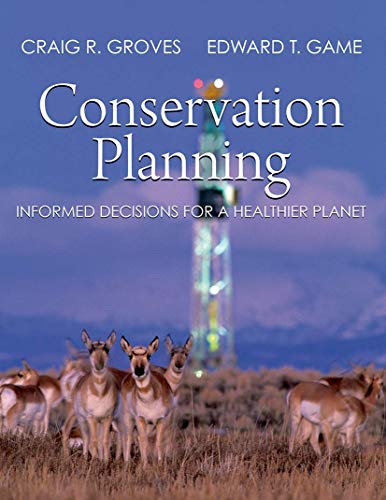
Conservation Planning: Informed Decisions for a Healthier Planet
“In Conservation Planning: Informed Decisions for a Healthier Planet, Craig Groves and Ed Game have produced <strong>a well organized, easy to read account of pragmatic approaches to safeguarding crea
Check Price on AmazonIn-situ vs ex-situ conservation
- In-situ conservation keeps species in their natural habitats by protecting ecosystems, managing threats, and maintaining ecological processes. It is the foundation of wildlife recovery because it preserves evolutionary and ecological dynamics.
- Ex-situ conservation safeguards species outside their natural habitats—zoos, aquaria, seed and gamete banks, cryopreservation, and conservation breeding facilities. It is essential when wild populations face imminent collapse, but it carries genetic, behavioral, and cost risks and must be paired with plans for eventual return to the wild where feasible.
Criteria to choose:
- Threat immediacy and reversibility: If extinction risk in the wild is acute (e.g., disease outbreaks, catastrophic habitat loss) and cannot be mitigated in time, ex-situ is warranted as a stopgap per IUCN SSC guidelines.
- Habitat viability: Prioritize in-situ if key threats (poaching, invasives, habitat conversion) can be reduced to biologically meaningful levels.
- Demographics and genetics: Very small or aging populations may require ex-situ breeding to prevent inbreeding depression while threats are managed in situ.
- Feasibility and cost-effectiveness: Use structured decision-making and tools like cost–benefit or value-of-information analyses to compare options.
Protected areas and other effective area-based conservation measures (OECMs)
- Types: National parks, wildlife reserves, Indigenous and community conserved areas (ICCAs), private reserves, and OECMs (areas delivering sustained conservation outcomes outside formal protected status).
- Coverage: As of 2022, approximately 17% of land and 8% of the ocean are protected (UNEP-WCMC/Protected Planet). The 30x30 goal seeks at least 30% by 2030, with emphasis on ecological representation and connectivity.
- Effectiveness drivers: Legal permanence, adequate budgets and staffing, participatory governance, enforcement, and connection to landscape-scale corridors. Studies show protected areas with strong management reduce deforestation and poaching more than unenforced “paper parks.”
- Governance diversity: Co-managed and Indigenous-led areas can match or outperform state-run sites on ecological outcomes while delivering social benefits. Indigenous peoples steward roughly 37% of Earth’s terrestrial surface (Garnett et al., PNAS 2018), and IPBES reports nature generally declines less rapidly on Indigenous lands.
Habitat restoration, rewilding, and connectivity (corridors)
- Restoration raises carrying capacity by repairing degraded habitats—controlling invasives, replanting native vegetation, re-wetting drained wetlands, removing barriers, and reinstating natural disturbance (e.g., fire regimes).
- Rewilding strategically reintroduces missing species and processes to rebuild self-sustaining ecosystems. For a primer on concepts and case studies, see our explainer on rewilding (/conservation/what-is-rewilding-ecosystem-restoration-conservation).
- Corridors and ecological networks reduce fragmentation, enabling gene flow and seasonal movements. Examples include North America’s Yellowstone-to-Yukon vision, India’s tiger corridors, and wildlife overpasses that have cut vehicle–wildlife collisions by 80–90% in multiple sites (peer-reviewed transportation ecology studies).
Prioritization tools: Systematic conservation planning platforms (e.g., Marxan, Zonation) optimize networks to capture Key Biodiversity Areas, climate refugia, and climate-driven shifts in species ranges.
Species-specific interventions: captive breeding, reintroduction, supplementation, and translocation
- Captive breeding and head-starting (rearing early life stages in captivity) build numbers and retain genetic diversity.
- Reintroduction returns a species to areas of former range; reinforcement augments an existing small population; conservation translocation moves individuals to safer or climatically suitable sites.
- Criteria: Follow IUCN SSC Guidelines for Reintroductions and Other Conservation Translocations—secure or improve habitat first, remove primary threats (e.g., hunting pressure), ensure genetic and disease screening, and plan multi-year post-release support.
Examples:
- California condor: From 27 individuals in 1987 to over 500 birds by 2022 through captive breeding, intensive management, and lead ammunition restrictions (U.S. Fish and Wildlife Service).
- Black-footed ferret: Recovered from a remnant 18 founders in the 1980s to several hundred in the wild today via breeding and reintroduction, paired with prairie dog conservation and disease control.
- Island eradications: Removing invasive mammals has led to rapid rebounds of seabirds and reptiles on hundreds of islands (multiple meta-analyses in PNAS and Conservation Biology).
Common pitfalls: Releasing animals before threats are addressed, insufficient genetic management, short funding cycles that end before populations become self-sustaining, and lack of social license with local communities.
Community-based and socio-economic methods
Partner with Indigenous peoples and local communities (IPLCs)
- Co-management and recognition of tenure rights improve outcomes. IPBES (2019) found biodiversity declines are generally slower where Indigenous governance and local knowledge are respected.
- Secure Free, Prior and Informed Consent (FPIC) for all interventions affecting IPLC lands. Embed benefit-sharing and grievance redress mechanisms.
Community conservancies and co-management
- Namibia’s communal conservancies—covering roughly 20% of the country—have been linked to increases in elephants, lions, and black rhinos, while generating thousands of jobs and household income through tourism and wildlife-based enterprises (NACSO, Government of Namibia reporting).
- Kenya’s community conservancies now span a significant share of rangelands, providing grazing governance and wildlife habitat outside state parks, with demonstrable reductions in poaching when paired with ranger programs and enterprise development.
Incentives and livelihood diversification
- Payment for ecosystem services (PES): Costa Rica’s national PES program, launched in 1997, contributed to forest recovery from ~24% cover in the 1980s to over 50% today, while paying land stewards for carbon, water, and biodiversity services (World Bank, FAO assessments).
- Wildlife-friendly value chains: Beekeeping, sustainable fisheries/aquaculture, shade-grown coffee/cacao, and certified products reduce pressure on wildlife.
- Human–wildlife coexistence: Predator-proof corrals, rapid compensation/insurance for verified losses, lion guardian programs that reduce retaliatory killing, and beehive fences that have cut elephant crop raids substantially in multi-year trials by Save the Elephants.
Conflict mitigation playbook
- Diagnose conflict drivers using participatory mapping.
- Combine preventive tools (fencing, herding support, crop selection), early-warning systems (collar-based geofences, community hotlines), and fair, fast compensation.
- Monitor outcomes with agreed indicators (e.g., livestock losses per household per season) and adapt.
Technology and scientific tools for wildlife conservation
Remote sensing and drones
- Satellites now deliver 3–10 m resolution at high revisit rates, enabling near-real-time detection of deforestation, fires, and wetland loss. Platforms like Global Forest Watch (using Landsat, Sentinel, Planet) alert managers within days, improving enforcement response.
- Uncrewed aircraft systems (UAS) map habitats, count wildlife, and support anti-poaching. Thermal-equipped drones have shown high detection rates in night-time trials for simulating intruders and locating large mammals, while reducing ranger risk (peer-reviewed UAS studies in Biological Conservation and related journals).
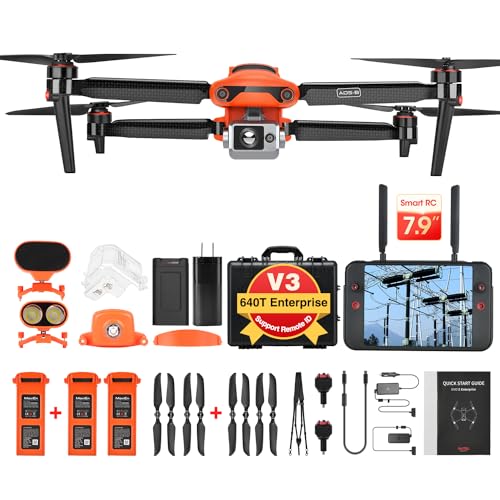
Autel Robotics EVO II Dual 640T Enterprise V3, 640*512 30Hz T~hermal&8" RYYB CMOS Sensor,10 Color Schemes, 4X lossless Zoom, 42 Min,15KM Transmission, Support Remote ID,w/Strobe/Spotlight/ Loudspeaker : Industrial & Scientific
Autel Robotics EVO II Dual 640T V3, 640x512 Thermal Imaging Drone, Remote ID Supported, 0.8'' CMOS&50MP 8K RYYB Sensor,10+ Temp Measurement, D-RI Ranges, Thermal Analysis Tool, for Searc
Check Price on AmazonCamera traps and AI
- Networked camera traps quantify occupancy, abundance indices, and activity patterns. The SMART data model and Wildlife Insights platform (a collaboration among NGOs and Google) use machine learning to classify species and filter false triggers, cutting image processing time by roughly 80–90% while improving data quality across millions of images.
- Design tips: Use stratified sampling across habitat types, standardize placement height and orientation, and store metadata (time, GPS, effort) to enable robust modeling.

RECONYX HyperFire 2 HL2XODG Gen3 3.1MP 720p Outdoor Covert IR Camera, No Glow IR, OD Green
View on AmazonEnvironmental DNA (eDNA)
- Organisms shed DNA into water, soil, and air; eDNA sampling can detect elusive or rare species at low densities and across large areas with less disturbance. Meta-analyses report higher detection probabilities than conventional surveys for many fish, amphibians, and invertebrates, with rapidly improving reference libraries and lab protocols.
- Use cases: Monitoring invasive species arrivals, mapping amphibian diversity, tracking endangered fish runs, and validating species presence before translocations.
Bioacoustics and passive monitoring
- Acoustic recorders capture vocal wildlife (birds, bats, whales) and threats (chainsaws, gunshots). Projects like Rainforest Connection stream real-time audio to AI classifiers that trigger alerts for illegal activity, enabling faster ranger response.
- Analysis: Indices like acoustic entropy and species-specific classifiers reveal trends in community composition and seasonal use of habitats.
Satellite and radio telemetry
- GPS/Argos collars and tags illuminate migration routes, calving grounds, and mortality hot spots. Data have guided wildlife overpasses for pronghorn in the U.S., elephant corridor protection in East Africa, and seabird bycatch mitigation through dynamic fisheries closures.
- Ethics and safety: Follow animal welfare protocols, use drop-off mechanisms, and ensure data governance to prevent misuse by poachers.
AI-enhanced enforcement and analytics
- Spatial Monitoring and Reporting Tool (SMART) is now used in 1,000+ protected areas across 80+ countries, helping rangers plan patrols, record incidents, and visualize threat patterns; sites adopting SMART have reported significant reductions in illegal activity when paired with leadership and resourcing.
- Predictive models integrate terrain, access, and past incidents to focus patrols where poaching risk is highest, increasing efficiency per patrol-hour.
Policy, legal frameworks, and financing mechanisms
National and subnational laws
- Endangered species acts, hunting regulations, land-use planning, and environmental impact assessment (EIA) frameworks provide the legal backbone. Analyses indicate strong endangered species laws have prevented many extinctions and enabled recoveries when paired with funding and habitat protection.
- Governance quality matters: Clear mandates, stable budgets, judicial independence, and transparency correlate with better conservation outcomes.
International agreements
- Convention on Biological Diversity (CBD): Sets global targets (e.g., 30x30, reducing invasive species, restoring degraded ecosystems) and a monitoring framework adopted in 2022.
- Convention on International Trade in Endangered Species (CITES): Regulates international trade in ~38,000 species; compliance and enforcement capacity are key to impact.
- Convention on Migratory Species (CMS): Facilitates multinational action on flyways and transboundary corridors.
Financing wildlife conservation
- Public budgets remain primary, but closing the biodiversity finance gap requires diverse tools:
- Payment for ecosystem services (PES) and watershed funds.
- Carbon finance (REDD+, ARR) with high-integrity standards and co-benefits for biodiversity and communities.
- Emerging biodiversity credits and outcome-based contracts that pay for measured species or habitat gains.
- Trust funds and endowments for long-term site management.
- Debt-for-nature swaps, such as recent large-scale restructurings that channel savings to marine and terrestrial conservation.
- NGOs and private sector roles: NGOs de-risk projects, build capacity, and co-manage sites; companies reduce supply-chain impacts (zero-deforestation commitments, regenerative sourcing) and fund landscape initiatives through blended finance.
For practical pathways to resources, see our guide to conservation funding (/conservation/conservation-funding-opportunities-guide).
Monitoring, evaluation, and adaptive management
Establish baselines and a theory of change
- Define focal targets (species, habitats), key threats, and hypothesized causal pathways linking actions to outcomes. Use the Conservation Measures Partnership’s Conservation Standards to structure planning.
- Collect baselines before interventions: population abundance or occupancy, habitat extent/quality, threat intensity, and socio-economic indicators (household income, attitudes, conflict incidents).
Metrics that matter
- Biological: Population growth rate (lambda), recruitment/survival, occupancy and detection probabilities, genetic diversity (heterozygosity, inbreeding coefficients), functional diversity.
- Habitat: Forest cover, fragmentation metrics, water quality, prey base indices, invasive species prevalence.
- Threats and pressures: Poaching incidents per patrol-km, illegal logging alerts, human–wildlife conflict events, roadkill counts.
- Social: FPIC achieved, benefit distribution equity, perceived fairness, livelihoods created, gender participation.
- Cost-effectiveness: Cost per unit biodiversity gain (e.g., cost per increase in occupancy), leveraging ratios.
Tools and standards
- SMART for patrol and threat data; camera trap and acoustic data managers; eDNA protocols; telemetry data pipelines with automated quality control.
- Protected area management effectiveness tools: METT (Management Effectiveness Tracking Tool) and IMET for institutional performance.
- Reporting: IUCN Red List and Green Status of Species (recovery trajectories), Key Biodiversity Areas, CBD’s monitoring framework indicators. Use Darwin Core and FAIR data principles for interoperability.
Adaptive management in practice
- Plan–do–check–adjust cycles on 6–12 month cadences.
- Use BACI (Before–After–Control–Impact) or quasi-experimental designs to attribute change to actions.
- Pre-commit to decision rules: e.g., “If occupancy does not increase by ≥10% within three years, shift budget from reintroductions to corridor restoration.”
- Independent audits and data transparency build credibility and unlock financing. For a deeper dive on measuring real impact, see our analysis of data-driven conservation (/conservation/beyond-intentions-impact-of-conservation-efforts).
By the Numbers
- 1 million: Number of species at elevated extinction risk, many within decades (IPBES, 2019).
- 69%: Average decline in monitored vertebrate population abundance since 1970 (WWF Living Planet Report, 2022; trends vary by region and taxa).
- ~17% and ~8%: Global terrestrial and marine area protected, respectively (UNEP-WCMC/Protected Planet, 2022); Target is 30% by 2030 under the CBD.
- ~37%: Share of global terrestrial area under Indigenous stewardship (Garnett et al., PNAS 2018), where biodiversity often fares better (IPBES, 2019).
- 80–90%: Typical reduction in camera trap image processing time using AI platforms like Wildlife Insights, enabling faster, larger-scale monitoring.
Practical implications: choosing the right wildlife conservation methods
- Policymakers: Fund management effectiveness as much as expansion—rangers, prosecution, and community partnerships. Map and legally secure ecological corridors. Align agricultural and infrastructure policy with biodiversity goals, and embed FPIC.
- Practitioners/NGOs: Pair in-situ threat reduction with any ex-situ efforts. Design projects with rigorous baselines, BACI evaluation, and pre-agreed adaptation triggers. Use SMART, camera traps, eDNA, and remote sensing for an integrated monitoring stack.
- IPLCs and local governments: Pursue co-management and community conservancy models that match local governance traditions. Invest in conflict mitigation and enterprises that diversify income while reducing pressure on wildlife.
- Donors and investors: Back long-term, outcome-based financing with clear metrics and transparency. Blend grants with repayable capital for enterprises that deliver verified biodiversity and livelihood co-benefits.
- Businesses: Commit to deforestation- and conversion-free supply chains; finance landscape-scale restoration near critical habitats; support corridor easements where logistics networks intersect with wildlife.
If you’re looking to collaborate locally, explore our guide to finding conservation projects near you (/conservation/conservation-projects-near-me-guide). For marine species and habitats, see our ocean conservation guide (/conservation/ocean-conservation-protecting-marine-biodiversity).
Where this is heading
Three forces are reshaping what works. First, the 30x30 push is shifting focus from counting hectares to managing them well—governance quality, connectivity, and equity are now front and center. Second, sensing and AI are delivering near-real-time visibility across vast areas, enabling proactive rather than reactive management—especially when paired with shared data standards and privacy safeguards. Third, finance is moving from inputs to outcomes, with PES, high-integrity carbon and emerging biodiversity credits, and debt swaps funding measurable gains. The most durable wildlife conservation methods will be those that integrate these strands: locally led and rights-based, ecologically networked and climate-smart, technologically enabled, and relentlessly evaluated and adapted.
Recommended Products
Conservation Planning: Informed Decisions for a Healthier Planet
“In Conservation Planning: Informed Decisions for a Healthier Planet, Craig Groves and Ed Game have produced <strong>a well organized, easy to read account of pragmatic approaches to safeguarding crea
RECONYX HyperFire 2 HL2XODG Gen3 3.1MP 720p Outdoor Covert IR Camera, No Glow IR, OD Green
Buy RECONYX HyperFire 2 HL2XODG Gen3 3.1MP 720p Outdoor Covert IR Camera, No Glow IR, OD Green: Game & Trail Cameras - Amazon.com ✓ FREE DELIVERY possible on eligible purchases
Autel Robotics EVO II Dual 640T Enterprise V3, 640*512 30Hz T~hermal&8" RYYB CMOS Sensor,10 Color Schemes, 4X lossless Zoom, 42 Min,15KM Transmission, Support Remote ID,w/Strobe/Spotlight/ Loudspeaker : Industrial & Scientific
Autel Robotics EVO II Dual 640T V3, 640x512 Thermal Imaging Drone, Remote ID Supported, 0.8'' CMOS&50MP 8K RYYB Sensor,10+ Temp Measurement, D-RI Ranges, Thermal Analysis Tool, for Searc
More in Sustainability Policy
- Effective Wildlife Conservation Practices: Practical Strategies, Monitoring, and Community-Led Solutions
- Protecting Wildlife Habitats: A Practical Guide to Conservation, Technology, and Action
- How Technology Is Transforming Conservation: Tools, Impacts, and Responsible Deployment
- Why Wildlife Conservation Matters: Ecosystems, People, and Practical Solutions