
Create Wildlife Habitat: Practical Topics to Cover in a Step-by-Step Guide
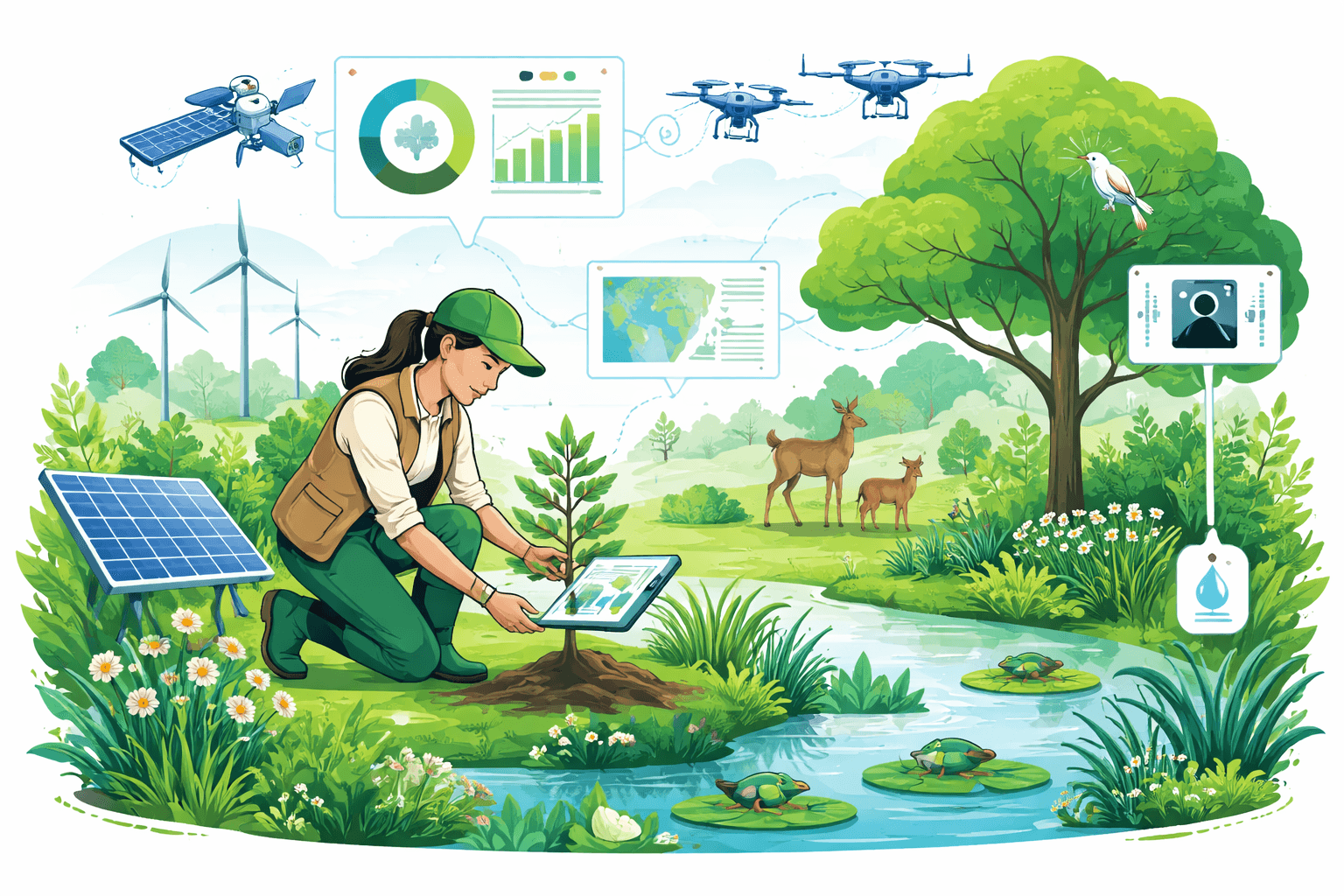
North America has lost nearly 3 billion birds since 1970 (Science, 2019), and the Intergovernmental Science-Policy Platform on Biodiversity and Ecosystem Services (IPBES) estimates one million species face elevated extinction risk. Because about 60% of U.S. land is privately owned (USGS), the steps to create wildlife habitat on home lots, campuses, and working lands matter. This data-backed, step-by-step guide shows how to plan, build, and maintain habitat that provides food, water, shelter, and connectivity—at any scale.
By the numbers: why small habitats add up
- 1 million species at risk: IPBES (2019) identifies habitat loss and degradation as the top driver of biodiversity decline.
- 3 billion birds lost: North American bird abundance has declined ~29% since 1970 (Rosenberg et al., Science, 2019).
- Private lands matter: Roughly 60% of U.S. land is privately owned (USGS), and many at-risk species rely on these landscapes for at least part of their range (USFWS).
- Food systems rely on wildlife: About 75% of the world’s leading food crops benefit from animal pollination (FAO; Klein et al., 2007).
- Monarch emergency: Western monarchs have declined by ~99% since the 1980s (Xerces Society); restoring milkweed and nectar plants is one of the most effective local actions.
- Yards can help: Studies show residential and urban greenspaces can support substantial pollinator diversity when planted with native, pesticide-free flora and allowed to bloom through the season (Xerces Society guidance; multiple urban ecology studies).
Attracting Native Pollinators: The Xerces Society Guide, Protecting North America's Bees and Butterflies: The Xerces Society, Spivak, Dr. Marla
- Gary Paul Nabhan, The Forgotten ... pollinator communities. Attracting Native Pollinators <strong>belongs on the bookshelf to everyone who values the future of the natural world</strong>."...
Check Price on AmazonSteps to create wildlife habitat
The following five steps structure a practical, science-informed process that works for courtyards, school grounds, farms, and multi-acre parcels.
Step 1: Goals, site assessment, and planning
Clarify objectives before you dig. Do you want to increase pollinator abundance, offer migratory bird stopover habitat, reduce erosion into a creek, or bring back amphibians? Your goals shape design, plant selection, and monitoring.
Assessment checklist
- Soils and hydrology: Identify soil texture (sand/loam/clay), drainage, compaction, and existing organic matter. Note wet spots, ephemeral pools, and stormwater flow paths. Simple percolation tests (fill a 12-inch-deep hole with water and time the drop) reveal infiltration rates.
- Sun, shade, and wind: Map full sun (6+ hrs/day), partial sun, and deep shade. Track prevailing winds and frost pockets to place sensitive species.
- Existing vegetation and microhabitats: Inventory natives worth saving, structural features (snags, logs, rock piles), and invasive plants that require removal. Look for microhabitats—edges, hedgerows, fence lines, and depressions—that wildlife already uses.
- Wildlife presence and pressures: Note frequent visitors and signs (tracks, scat, burrows). Identify hazards (windows, outdoor cats, roads) and address them in design.
- Constraints and opportunities: Mark utilities, easements, septic fields, and flood zones. Consider wildfire risk (maintain defensible space), water rights, and local ordinances.
Prioritize by property size
- Balcony/patio: Deep planters with native species, a shallow water dish with stones for insects, and night-friendly lighting (warm, fully shielded) can create meaningful microhabitat.
- Small yards (<0.1 acre): Replace lawn patches with native plant beds; add a birdbath with a dripper, a brush pile, and at least one small tree or large shrub thicket.
- Suburban lots (0.1–1 acre): Create layered plantings (groundcover–shrub–understory tree–canopy), install a rain garden to capture roof runoff, and add nesting boxes suited to local species.
- Acreage (1–10 acres): Establish meadow blocks or hedgerows, restore riparian buffers, add a small pond with gently sloped margins, and convert fencelines to wildlife-friendly designs.
- Larger properties: Plan habitat mosaics across management zones, connect internal patches with corridors, and coordinate with neighbors or land trusts for landscape-scale continuity.
For a deeper planning framework—setting objectives, baselining conditions, and measuring long-term outcomes—see Wildlife Habitat Restoration Projects: Goals, Techniques, and Measuring Long-Term Success (/sustainability-policy/wildlife-habitat-restoration-projects-goals-techniques-success).
Step 2: Design habitat elements—food, water, shelter, and space
Great habitat combines diverse native plants with structural features, clean water, and room to move.
Food resources
- Prioritize native plants: Many insects and birds evolved with regional flora. Native oaks, willows, cherries, and maples support hundreds of caterpillar species that fuel nesting birds, while native asters and goldenrods power late-season pollinators. Research suggests aiming for 70% or more native plant cover to sustain specialist insects (work popularized by entomologists studying plant–insect networks).
- Sequence nectar/pollen across seasons: Ensure at least three species blooming in spring, summer, and fall (Xerces Society guidance). Include early-blooming willows, serviceberries, and spring ephemerals; mid-summer bee magnets like monarda and coneflowers; and late-season goldenrods and asters.
- Provide diverse fruit and seed: Mix soft-mast shrubs (serviceberry, elderberry), nut producers (oak, hazelnut), and seed-rich grasses (little bluestem, prairie dropseed). Leave seedheads standing through winter for finches and sparrows.
- Minimize pesticides: Avoid neonicotinoids and broad-spectrum insecticides that harm non-target pollinators and beneficial insects.
Water features
- Scale matters: A birdbath refreshed daily, a shallow basin with stones for bees and butterflies, or a lined pond with a pump to keep water moving all count.
- Design for safety: For ponds, use gently sloped edges (3:1 or flatter), varied depths with a shallow shelf, and escape ramps for small mammals and amphibians. Add native aquatic plants for oxygen and cover; avoid invasive water garden species.
- Keep it clean: Empty and scrub small basins weekly with a brush (no detergents). In hot months, increase frequency to prevent mosquito breeding.
Shelter, cover, and nesting/den sites
- Structural diversity: Layered vegetation, evergreen cover, snags (standing dead trees if safe), downed logs, rock piles, and brush piles create thermal refuge and predator protection.
- Nesting and roosting: Install species-appropriate nest boxes with ventilation and drainage, correct entrance sizes, and predator guards. Place bat boxes in sun-exposed locations, 12–20 feet high with unobstructed flyways.
- Overwintering habitat: Leave some leaf litter and stems standing until spring; many butterflies, bees, and beetles overwinter in these microhabitats.
Space and connectivity
- Habitat patches function best when connected. Link resources within your site and across property lines using hedgerows, fenceline plantings, and riparian buffers.
- Reduce barriers: Make fencing wildlife-friendly (see Step 4), add curb cuts in raised beds for amphibian passage, and use low, dense plantings near windows to reduce bird strikes.
For yard-scale tactics—plant layering, water features, and wildlife-safe maintenance—see Wildlife-Friendly Gardening: Practical Tips to Attract Pollinators, Birds and Backyard Wildlife (/sustainability-policy/wildlife-friendly-gardening-tips). To design movement pathways across properties and neighborhoods, see Understanding Wildlife Corridors: Why Connectivity Matters and How It Works (/sustainability-policy/understanding-wildlife-corridors-why-connectivity-matters-how-it-works).
Step 3: Native plant selection and invasive species management
Build plant communities, not just plant lists.
Choose regionally appropriate plant communities
- Start with ecoregions: Use your regional flora guides, native plant societies, or botanic garden resources to identify community types—oak savanna, prairie, longleaf pine–wiregrass, coastal sage scrub, riparian forest, fynbos, etc.—and mimic their species mixes and structure.
- Match species to site: Crosswalk moisture needs, light tolerance, and soil pH with your site assessment. Group plants by water requirement (hydrozoning) for efficient irrigation.
- Diversity targets: Aim for 10–20+ flowering species with staggered bloom times, at least 3 per season; mix grasses/sedges (for structure and nesting material) with forbs and shrubs.
- Local provenance matters: When possible, source seed and plants from local or regional ecotypes to maintain genetic adaptation to local conditions.
Sourcing plants and seed
- Reputable native nurseries: Ask about chemical treatments and neonicotinoid-free stock. For meadows, high-quality seed mixes tailored to your ecoregion improve establishment.
- Community seed networks: Seed swaps and local conservation groups can reduce costs and increase diversity.
Preventing and remediating invasive species
- Early detection, rapid response (EDRR): Survey regularly; young infestations are far cheaper to remove.
- Control hierarchy: Start with manual/mechanical removal (pulling, digging, cutting), then targeted, least-toxic herbicide only if necessary, following label law and timing treatments to minimize non-target impacts.
- Replace and cover: Immediately replant cleared areas with natives and mulch to suppress re-sprouting.
- Dispose safely: Bag and landfill seed-bearing or vegetatively reproducing invasives; don’t compost them.
Step 4: Implementation techniques and low-cost, climate-resilient options
Translating plans into habitat requires attention to soil preparation, efficient water strategies, and durable, wildlife-safe infrastructure.
Site preparation and planting
- Smother turf the low-impact way: Sheet mulch (cardboard + 3–4 inches of mulch) over lawn for 3–6 months to kill grass without tillage. Slice planting holes through the sheet layers.
- Right plant, right place: Plant in fall in Mediterranean/temperate climates (cool, wet season establishment) and at the start of rainy periods in monsoonal climates. Water deeply but infrequently to promote deep roots.
- Meadow establishment: For seeded meadows, prepare a clean, firm seedbed with minimal thatch. Use a diverse mix of native grasses and forbs; roll or press seed for soil contact and cover lightly if needed. Expect two years for full expression.
Soil and water management
- Build living soil: Incorporate compost where appropriate, avoid broad tillage after initial prep, and keep soils covered with plants or mulch to reduce erosion and evaporation.
- Manage stormwater: Use swales, infiltration basins, and rain gardens sized to capture the “first flush” (often the first ~1 inch/25 mm of rain), which carries most pollutants. Plant with deep-rooted natives tolerant of periodic inundation and drought.
- Irrigation efficiency: Drip irrigation or micro-sprays targeted at plant bases minimize waste during establishment. Transition to rain-only where feasible once plants are mature.
Renewable-energy-friendly and wildlife-safe features
- Solar water movement: Small solar-powered pumps keep ponds oxygenated and reduce mosquitoes without trenching for power.
- Lighting for wildlife: Choose fully shielded, warm (≤3000 K) fixtures on motion sensors; limit light spill to protect nocturnal insects and migrating birds.
- Wildlife-friendly fencing: Many state wildlife agencies recommend top wire ≤42 inches (107 cm), bottom wire ≥16 inches (41 cm) above ground, and a smooth (not barbed) bottom wire so pronghorn, deer, and fawns can pass. Add fence markers or flags in areas of bird flight to increase visibility.
- Materials reuse: Use on-site logs, rocks, and prunings for brush and rock piles. Repurpose broken concrete (“urbanite”) for retaining habitat terraces; ensure stable placement and safe edges.
Erosion control and riparian buffers
- Stabilize bare soil quickly with weed-free straw, coir (coconut fiber) logs, and native grass/forb seeding.
- Along streams, prioritize multi-layered native buffers 35–100+ feet wide where space allows; these reduce sediment and nutrient runoff, cool water for fish, and create movement corridors.
Wildlife conflict prevention
- Cats indoors: Free-ranging domestic cats kill an estimated 1–4 billion birds annually in the U.S. (Loss et al., 2013). Keep cats indoors or use enclosed “catios.”
- Bird-safe glass: Reduce window strikes with external screens or patterns spaced no more than 2 inches apart horizontally or 4 inches vertically (“2x4 rule”).
- Feeders optional: Natural food from native plants is best. If you use feeders, clean them every 1–2 weeks (more in warm weather) and pause feeding during disease outbreaks per local wildlife agency guidance.
For broader strategies that blend conservation design with policy and technology, see Protecting Wildlife Habitats: A Practical Guide to Conservation, Technology, and Action (/sustainability-policy/protecting-wildlife-habitats-guide-conservation-technology-action).
Step 5: Monitoring, maintenance, and community benefits
Healthy habitat evolves. Simple monitoring and adaptive management help you learn and improve.
What to track (keep it simple)
- Plant establishment: Survival rates by species after first and second growing seasons; note which species thrive or fail.
- Bloom and resource calendar: Log first/peak/last bloom dates; ensure continuous nectar/pollen.
- Wildlife use: Quarterly 5–10 minute pollinator counts at fixed points; monthly bird point counts or yard lists (submit to eBird); camera traps for mammals; amphibian egg mass or call surveys in spring.
- Structural features: Annual inspection of nest boxes (clean out after breeding), brush piles (rebuild as needed), and ponds (check pumps, clean inlets).
- Water quality basics: For ponds/streams, note clarity and presence of algae; add plants or adjust shading if algal blooms persist.
Adaptive management
- Use your notes to tweak plant palettes (add more late-season bloomers if fall resources lag), adjust irrigation, or redesign features that wildlife isn’t using.
- Replace underperformers with functionally similar natives better matched to your microclimate.
Routine maintenance calendar
- Year 0–2: Focus on watering new plantings, monthly weeding, and mulch top-ups (2–4 inches around but not touching stems). Expect higher maintenance at first; it drops as natives mature and shade soil.
- Meadows: Mow or cut once annually in late winter after most insects have completed overwintering; leave 10–20% uncut each year in rotating patches to preserve refugia.
- Shrubs/trees: Prune for structure during dormancy; retain some deadwood for cavity-nesters.
- Leaf litter: Leave in beds; it’s habitat and free mulch. Rake only where paths or structures require clearance.
Measuring biodiversity outcomes
- Species richness and abundance: Tally the number of species observed and relative counts across seasons.
- Indicator species: Track focal species tied to goals (e.g., monarch eggs/larvae on milkweed, mason bees using nesting tubes, particular warblers during migration).
- Photopoints: Quarterly photos from fixed locations document growth and seasonal change.
Community benefits and programs
- Neighbors and schools: Habitat spreads when people see it work. Share plant lists, host yard walks, and coordinate corridor plantings across fences.
- Citizen science: Contribute observations to iNaturalist, eBird, Bumble Bee Watch, and Monarch Watch to turn your yard into useful data.
- Grants and support: Look for municipal stormwater rebates for rain gardens, state wildlife agency habitat grants, and agricultural cost-share programs (e.g., hedgerows, riparian buffers). Always check permitting requirements for pond construction, stream work, tree removal, or activities near protected species.
Property-size action plans at a glance
- Patio/balcony
- Deep planters with at least six native species across spring–fall bloom.
- Shallow water dish with pebbles; refresh daily.
- Shielded, low-temp lighting; window collision decals if birds frequent the area.
- Small yard
- Convert 25–50% of lawn to native beds; layer groundcovers, bunchgrasses, and shrubs.
- Add a birdbath with a recirculating dripper, one brush pile, and one small tree.
- Keep a log of pollinators and birds monthly.
- Suburban lot
- Establish a 100–400 sq ft rain garden; route downspouts.
- Plant a hedgerow (native shrubs + small trees) as a corridor along a fenceline.
- Install two nest boxes tailored to your ecoregion; add a bat box if suitable.
- Acreage
- Convert 0.25–1 acre to a native meadow block; mow annually in late winter.
- Restore a 35–100 ft riparian buffer if water is present.
- Retrofit perimeter fencing to wildlife-friendly standards; add fence markers in flyways.
Where habitat creation is heading
- Climate-resilient plant mixes: Expect more emphasis on locally native species with proven tolerance to heat waves, drought, and intense rain. Blending local genotypes with regional climate-ready selections may improve long-term survival.
- Corridors-first planning: Cities, campuses, and HOAs are mapping pollinator pathways and bird-friendly greenways; homeowners can plug into these networks with hedgerows and curbside plantings.
- Nature-based stormwater systems: Rain gardens, bioswales, and constructed wetlands will do double-duty—cutting flood risk while building habitat.
- Low-energy infrastructure: Solar-powered water movement, dark-sky lighting, and gravity-fed irrigation reduce operating costs and wildlife impacts.
Creating high-function habitat is iterative. Start with clear goals, build structure and plant diversity, watch what wildlife uses, and adapt. Even small patches add up—especially when connected. For more practical conservation techniques and how to measure results, see Wildlife Conservation Methods: Practical Approaches, Tech Tools, and How to Measure Success (/sustainability-policy/wildlife-conservation-methods-practical-approaches-tech-tools-measure-success).

Solariver - Solar Water Pump Kit, Sun-Powered Submersible Water Fountain Outdoor Feature, 360+ GPH with 20-Watt Solar Panel (12V) Small Fountain Pump, Water Feature, Hydroponics & Gardening Projects : Patio, Lawn & Garden
View on Amazon
Feather Friendly® Bird Collision Deterrent Markers (Small-scale DIY, 3 Black Rolls) : Patio, Lawn & Garden
View on AmazonRecommended Products
Attracting Native Pollinators: The Xerces Society Guide, Protecting North America's Bees and Butterflies: The Xerces Society, Spivak, Dr. Marla
- Gary Paul Nabhan, The Forgotten ... pollinator communities. Attracting Native Pollinators <strong>belongs on the bookshelf to everyone who values the future of the natural world</strong>."...
Solariver - Solar Water Pump Kit, Sun-Powered Submersible Water Fountain Outdoor Feature, 360+ GPH with 20-Watt Solar Panel (12V) Small Fountain Pump, Water Feature, Hydroponics & Gardening Projects : Patio, Lawn & Garden
Amazon.com : Solariver - Solar Water Pump Kit, <strong>Sun-Powered Submersible Water Fountain Outdoor Feature, 360+ GPH with 20-Watt Solar Panel (12V) Small Fountain Pump</strong>, Water Feature, Hydr
Feather Friendly® Bird Collision Deterrent Markers (Small-scale DIY, 3 Black Rolls) : Patio, Lawn & Garden
Feather Friendly is a simple solution ... conservation efforts. <strong>DIY roll(s) in colour of choice (Light Grey or Black) come with 2 paper measuring tapes, an application squeegee and installatio
More in Sustainability Policy
- Protecting Wildlife Habitats: A Practical Guide to Conservation, Technology, and Action
- Wildlife Conservation Methods: Practical Approaches, Tech Tools, and How to Measure Success
- Wildlife Habitat Restoration Projects: Goals, Techniques, and Measuring Long-Term Success
- Effective Wildlife Conservation Practices: Practical Strategies, Monitoring, and Community-Led Solutions