
Land Conservation Best Practices: Planning, Protection, Stewardship, and Long-Term Management
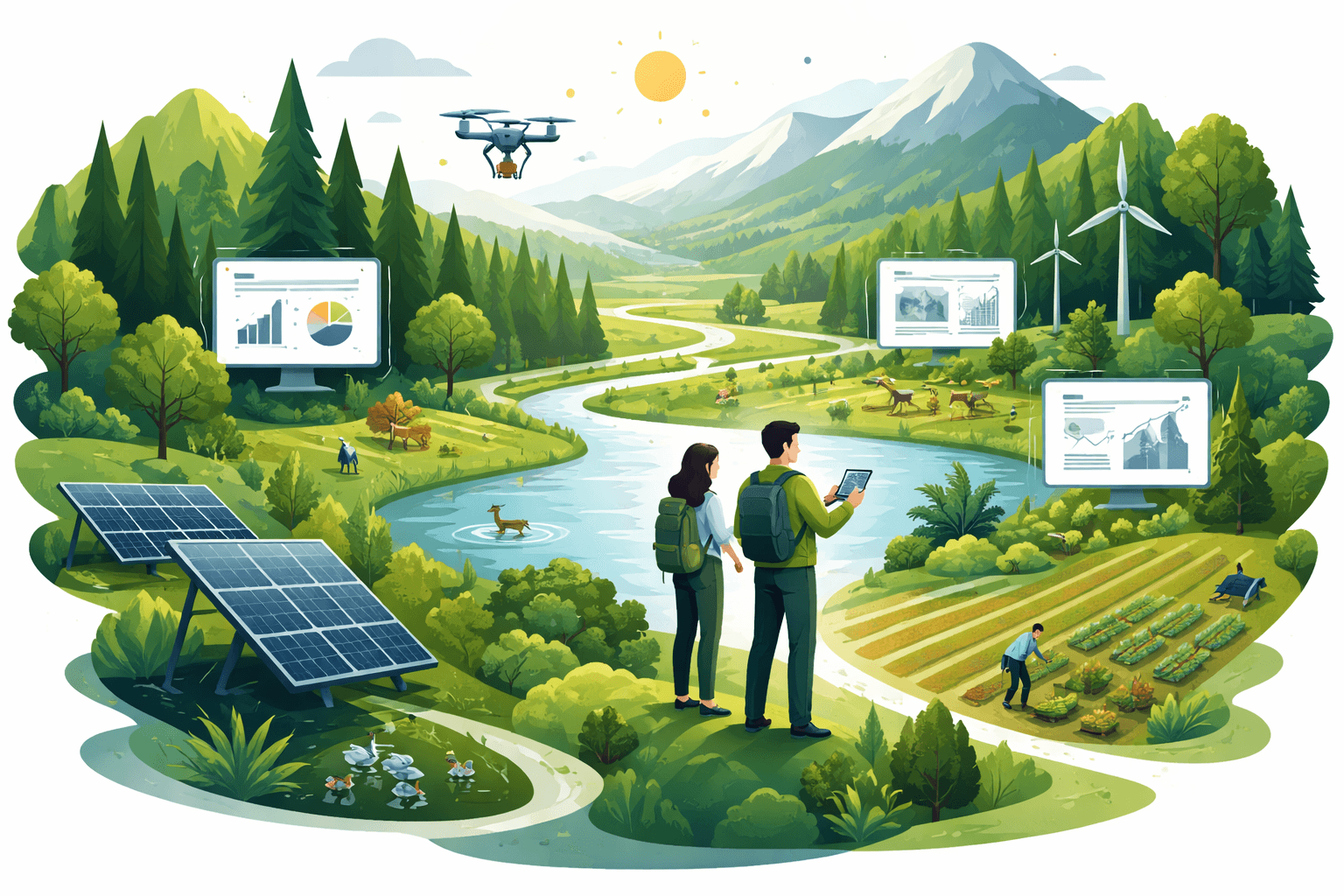
Land conversion and degradation are driving biodiversity loss and climate risk: IPBES estimates that 75% of terrestrial environments are significantly altered by human activities and around 1 million species face extinction risk, many within decades without action (IPBES 2019). Against this backdrop, best practices for land conservation are shifting from ad‑hoc protection toward data‑driven planning, durable legal tools, active stewardship, community partnership, and long‑term financing. This guide distills proven approaches landowners, land trusts, public agencies, and community groups can use to conserve land effectively and measurably.
Site assessment and conservation planning
The strongest conservation outcomes start with a rigorous site assessment and a clear, prioritized plan.
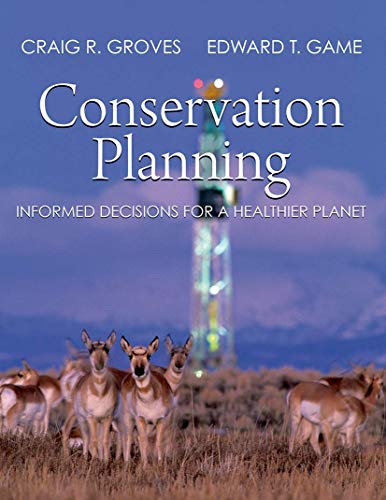
Conservation Planning: Informed Decisions for a Healthier Planet
“In Conservation Planning: Informed Decisions for a Healthier Planet, Craig Groves and Ed Game have produced <strong>a well organized, easy to read account of pragmatic approaches to safeguarding crea
Check Price on AmazonConduct ecological inventories
- Species and habitats: Compile species occurrence records (from field surveys, camera traps, acoustic monitors, and eDNA) and map habitat types using standardized classifications (e.g., EUNIS in Europe, National Vegetation Classification in the U.S.). Prioritize occurrences of threatened or endemic taxa using the IUCN Red List and national red lists.
- Landscape processes: Document hydrology (springs, streams, wetlands, floodplains), fire regimes, soil types, and disturbance history. These processes underpin ecosystem function and resilience.
- Threats: Identify current and emerging pressures: habitat fragmentation, invasive species, altered fire regimes, overgrazing, pollution, groundwater extraction, and climate hazards (heat, drought, sea‑level rise).
- Tools: Use open remote‑sensing data (Landsat, Sentinel‑2), LiDAR where available, and biodiversity repositories (GBIF, NatureServe) to complement fieldwork. For larger landscapes, decision‑support tools like Marxan or Zonation help balance biodiversity representation, cost, and connectivity (Margules & Pressey 2000).

Browning Trail Cameras Recon Force 4K Edge Trail Camera
View on AmazonFor field methods, see practical techniques in Wildlife Conservation Methods: Practical Approaches, Tech Tools, and How to Measure Success (/sustainability-policy/wildlife-conservation-methods-practical-approaches-tech-tools-measure-success).
Map habitats, connectivity, and threats
- Habitat and condition maps: Classify land cover and habitat condition (intact, degraded, converted). Edge effects from fragmentation can reduce interior habitat quality; a global analysis found about 70% of remaining forests lie within 1 km of an edge, with strong biodiversity impacts (Haddad et al., Science 2015).
- Connectivity: Model wildlife corridors using circuit theory or least‑cost paths to maintain gene flow and seasonal movements. Identify pinch points (narrow corridors with high movement probability) for targeted protection.
- Climate resilience: Incorporate topographic diversity, soil types, and microclimate refugia to select parcels likely to sustain biodiversity under climate change. The Nature Conservancy’s climate‑resilient and connected networks approach is one example applied across North America.
For broader habitat protection context, see Protecting Wildlife Habitats: A Practical Guide to Conservation, Technology, and Action (/sustainability-policy/protecting-wildlife-habitats-guide-conservation-technology-action).
Set measurable conservation objectives
Translate values and threats into SMART objectives:
- Example outcomes: “Increase breeding habitat for focal grassland birds by 500 hectares within 5 years, achieving a minimum 30% native forb cover,” or “Reduce summer peak stream temperatures below 18°C in 10 km of headwaters within 3 years via riparian shading.”
- Indicators: Species occupancy or abundance, native plant cover, water quality (nitrate and phosphorus concentrations), soil organic carbon (SOC), landscape connectivity metrics, and social outcomes (e.g., number of landowners enrolled).
Prioritize parcels: biodiversity, connectivity, and climate resilience
Build a transparent scoring system that weights:
- Biodiversity significance: Presence of Key Biodiversity Areas (IUCN/BirdLife), threatened species, or unique ecosystems.
- Connectivity: Contribution to core areas and corridors; potential to reduce isolation of protected patches.
- Climate resilience: Geophysical diversity and refugia; lower exposure to high‑risk hazards (e.g., sea‑level rise) unless restoration can offset risks.
- Feasibility and cost: Willing sellers or partners; stewardship requirements; acquisition or easement costs.
- Equity and co‑benefits: Benefits to local communities, Indigenous stewardship, water security, and climate mitigation.
Legal and policy protection tools
Lasting conservation typically pairs strategic planning with legal mechanisms that outlive project cycles.
Conservation easements and servitudes
- What they are: Voluntary, legally binding agreements that restrict development or specific land uses while keeping land in private ownership. In the U.S., they are often held by accredited land trusts or government agencies; similar instruments exist elsewhere (e.g., conservation covenants in the UK and Australia).
- What they accomplish: Perpetual or term‑limited protection of ecological values, working lands, and open space; tailored restrictions (e.g., no subdivision, limits on grazing intensity, mandatory riparian buffers).
- Trade‑offs: Require baseline documentation, monitoring, and enforcement capacity; flexibility can be a strength but also creates complexity; perpetual restrictions must adapt through amendment policies to climate and social change.
- Incentives: In the U.S., qualified easement donations can yield federal income tax deductions and sometimes state tax credits; some jurisdictions offer property tax reductions or cost‑share for stewardship.
According to the Land Trust Alliance’s 2020 Census, local and state land trusts in the U.S. have conserved over 61 million acres, with easements as a major tool (Land Trust Alliance 2020).
Land trusts and acquisition
- Fee title acquisition: Purchasing land outright (often for the highest‑value core habitats, public access, or restoration). Strongest control but highest cost and stewardship responsibility.
- Land trusts’ role: Due diligence, transaction structuring, community engagement, and long‑term stewardship. Many maintain endowments to fund perpetual monitoring and management.
Zoning, policy overlays, and development tools
- Zoning and overlays: Conservation overlays, stream buffer ordinances, and steep‑slope protections can reduce fragmentation and protect ecosystem services across jurisdictions.
- Transfer of development rights (TDR): Shifts development from “sending areas” (priority conservation lands) to “receiving areas” better suited for growth—protecting farmland and habitat while allowing economic development.
- OECMs and ICCAs: Beyond formal protected areas, “Other Effective area‑based Conservation Measures” and Indigenous and Community Conserved Areas are recognized under the Convention on Biological Diversity as durable, equitable protection pathways.
- Protected areas policy: As of 2024, about 17% of the world’s land area is in protected areas; the Kunming‑Montreal Global Biodiversity Framework sets a target of conserving 30% of land and sea by 2030 (UNEP‑WCMC/UNEP 2024; CBD 2022). Achieving “30x30” will require legal diversity: public protected areas, private easements, community stewardship, and OECMs.
Tax incentives and agri‑environment schemes
- Payments and tax instruments: Agri‑environment schemes in the EU, U.S. Farm Bill programs (e.g., Conservation Reserve Program, Agricultural Conservation Easement Program), and Latin American PES programs compensate landholders for habitat, water quality, and carbon benefits. A 2020 review estimated that smartly designed incentives can increase conservation uptake and ecological outcomes when paired with strong monitoring (OECD 2020).
On‑the‑ground stewardship and restoration practices
Protection without stewardship often underperforms, especially in fragmented or degraded landscapes. The following practices have strong evidence bases.
Native habitat restoration
- Reference‑based design: Use nearby reference ecosystems to set target species composition, structure, and function. Seed diverse native mixes; include structural elements (snags, coarse wood, rock piles) for wildlife microhabitats.
- Outcomes: Diverse native plantings support higher pollinator richness and stabilize ecosystem functions like productivity and nutrient cycling (ecological restoration meta‑analyses across biomes).
For large‑scale recovery approaches, see What Is Rewilding? How Ecosystem Restoration Is Changing Conservation (/conservation/what-is-rewilding-ecosystem-restoration-conservation).
Invasive species prevention and control
- Prevention and early detection: The highest ROI. Establish wash‑down stations, clean equipment protocols, and EDRR (Early Detection, Rapid Response) monitoring.
- Integrated control: Combine mechanical removal, targeted herbicides, prescribed grazing, and biocontrol where science supports it. Plan for multi‑year follow‑up and native re‑vegetation.
- Why it matters: The IPBES 2023 assessment estimates invasive alien species cause at least $423 billion per year in economic damages and are a major driver of extinctions (IPBES 2023).
Sustainable grazing and regenerative agriculture
- Rotational/managed grazing: Adjust stocking rates and rest periods to maintain >70% ground cover, protect soil structure, and support plant diversity. Studies show rotational systems often increase plant species richness and improve infiltration compared to continuous grazing (Teague et al., Agriculture, Ecosystems & Environment 2013).
- Soil health: No‑till and cover crops reduce erosion 20–40% and increase SOC; a global meta‑analysis found cover crops increase soil organic carbon by about 0.32 Mg C/ha/yr on average (Poeplau & Don 2015).
- Riparian fencing and off‑stream water: Protect banks, reduce sediment and nutrient inputs, and lower stream temperatures for cold‑water species.
Prescribed fire
- Ecological role: Many ecosystems (longleaf pine, tallgrass prairie, Mediterranean shrublands) depend on periodic low‑intensity fire to maintain structure and biodiversity.
- Outcomes: Properly planned burns reduce hazardous fuels by roughly 50–80%, recycle nutrients, and stimulate native herbaceous diversity (U.S. Forest Service syntheses). Work within legal frameworks, with trained crews, weather windows, and smoke management plans.
Riparian buffers and wetland restoration
- Buffers: Forested riparian buffers of sufficient width can substantially reduce nutrient and sediment loads. A meta‑analysis found mean nitrate removal around 68% across studies, with wider, forested buffers performing best (Mayer et al., Journal of Environmental Quality 2007).
- Wetlands: Re‑wetting and restoring wetlands attenuate peak flows, improve water quality, and sequester carbon; peatland rewetting is especially climate‑beneficial by curbing CO₂ emissions from oxidation (IPCC Wetlands Supplement 2013).
Community engagement and partnerships
Durable conservation is a social contract. Trust, shared benefits, and local leadership are as important as maps and laws.
- Work with landowners: Offer technical assistance, stewardship plans, and recognition programs. Peer‑to‑peer field days and demonstration sites increase adoption.
- Indigenous partnerships: Respect Free, Prior, and Informed Consent (UNDRIP), recognize land rights, and co‑design management integrating Indigenous knowledge with science. Research estimates that Indigenous peoples manage or have tenure rights across at least one‑third of Earth’s land, much of it of high ecological value (Garnett et al., PNAS 2018).
- Local governments and NGOs: Align conservation with comprehensive plans, agricultural viability, and recreation. Formalize roles and maintenance responsibilities in MOUs or co‑management agreements.
- Volunteers and citizen science: Structured programs for invasive removal, monitoring (camera trap checks, water sampling), and trail maintenance build ownership and reduce costs.
For approaches that scale with communities, see Community Initiatives for Sustainability: What Works, How to Start, and How to Scale (/sustainability-policy/community-initiatives-for-sustainability-guide).
Monitoring, adaptive management, and financing
Conservation is only as strong as its feedback loops and its balance sheet.
Define metrics and monitoring methods
- Biodiversity: Species occupancy/abundance for focal taxa; pollinator richness; bird point counts; herpetofauna cover boards; eDNA for cryptic species.
- Vegetation and soils: Native cover, structural diversity, invasive cover, soil organic carbon, bulk density, infiltration rates.
- Water: Nitrate, phosphorus, turbidity, temperature, dissolved oxygen; groundwater levels.
- Landscape: Connectivity indices, forest loss/gain (Global Forest Watch), NDVI/NDWI from satellites or drones.
- Methods: Permanent plots, photo‑points, BACI (Before–After–Control–Impact) designs to attribute change; sensor networks and automated bioacoustics. Open‑source tools (e.g., R, QGIS) and standardized data dictionaries aid transparency and replication.

HOBO by Onset MX1101 - Temperature/Relative Humidity Data Logger : Industrial & Scientific
View on AmazonTechnology can supercharge monitoring. See How AI Is Used in Conservation: Technologies, Real‑World Uses, and Key Challenges (/sustainability-policy/how-ai-is-used-in-conservation-technologies-applications-challenges).
Adaptive management with decision triggers
- Set thresholds that trigger actions: e.g., if invasive plant cover exceeds 10% in management unit A, schedule follow‑up control within 3 months; if stream temps exceed 18°C for >10 days, accelerate riparian shading and flow restoration.
- Annual reviews: Compare monitoring results to objectives; update management and budgets; document learnings for the next cycle.
- Governance: Establish a stewardship committee with landowner, Indigenous, scientific, and agency representation to review data and approve changes.
Financing models for long‑term stewardship
- Grants and public programs: National conservation grants, biodiversity funds, climate adaptation programs, and agricultural stewardship cost‑share.
- Payments for ecosystem services (PES): Downstream water users fund upstream riparian buffers; carbon projects (e.g., agroforestry, avoided deforestation) generate credits when high‑quality standards and robust MRV are in place; biodiversity credit pilots are emerging but require strong safeguards.
- Endowments and stewardship funds: Invested capital whose earnings cover perpetual monitoring, insurance, invasive control, and infrastructure maintenance.
- Water funds and source water protection: New York City avoided a $6–10 billion filtration plant by investing roughly $1–2 billion over time in Catskills watershed protection—an oft‑cited example of natural infrastructure ROI (U.S. EPA case study series).
- Mitigation and offset mechanisms: Where legally required, mitigation banking or offset funds can finance restoration at scale; ensure additionality, durability, and proximity principles are met.
The Paulson Institute estimates a global biodiversity finance gap of around $700 billion per year; blending public, private, and philanthropic capital is essential to close it (Paulson Institute 2020). For practical options, see Conservation Funding Opportunities: Where to Find Support and How to Win It (/conservation/conservation-funding-opportunities-guide).
By the Numbers: Land conservation at a glance
- 75% of terrestrial environments are significantly altered by people; about 1 million species face extinction risk without transformative change (IPBES 2019).
- ~17% of global land is in protected areas; the global target is 30% by 2030 (UNEP‑WCMC/UNEP 2024; CBD 2022).
- U.S. land trusts have conserved over 61 million acres through easements and acquisitions (Land Trust Alliance 2020).
- Forest fragmentation: ~70% of forests lie within 1 km of an edge, reducing interior habitat quality (Haddad et al., Science 2015).
- Riparian buffers remove a mean 68% of nitrate in reviewed studies; wider, forested buffers perform best (Mayer et al. 2007).
- Cover crops add ~0.32 Mg C/ha/yr to soils on average, improving soil health and water retention (Poeplau & Don 2015).
- Prescribed fire commonly reduces hazardous fuels by 50–80% in fire‑adapted ecosystems (U.S. Forest Service syntheses).
- Invasive alien species cost at least $423 billion annually and are rising (IPBES 2023).
- Natural climate solutions could deliver up to 11 GtCO₂e/year of cost‑effective mitigation by 2030 with strong safeguards (Griscom et al., PNAS 2017).
Practical checklist
Use this step‑by‑step sequence to design and deliver a high‑impact project.
- Define scope and team
- Identify partners (landowners, Indigenous organizations, agencies, NGOs) and appoint a coordinator.
- Clarify governance and decision‑making, including FPIC where relevant.
- Baseline and planning
- Compile ecological inventories and social context; map habitats, ownership, threats, and opportunities.
- Set 3–5 SMART objectives with indicators and timelines.
- Prioritize parcels using a transparent scoring system balancing biodiversity, connectivity, climate resilience, cost, and equity.
- Secure protection
- Select appropriate instruments: fee acquisition for cores, easements for working lands and buffers, policy overlays for landscape‑scale safeguards.
- Complete appraisals, baseline documentation, and stewardship agreements; budget for perpetual monitoring.
- Implement stewardship
- Develop site‑specific prescriptions: invasive control, native re‑vegetation, grazing plans, prescribed fire, riparian buffers, erosion control.
- Sequence actions to prevent re‑invasion and protect soil/water; integrate biosecurity protocols.
- Monitor and adapt
- Establish permanent plots, photopoints, and sensor networks; collect BACI data where feasible.
- Pre‑define triggers for management responses; review annually and update plans.
- Finance the long term
- Blend grants, PES, and endowment income; set aside a stewardship reserve.
- Track costs and outcomes for funders and stakeholders; publish open data where possible.
Case snapshots
Watershed protection that pays back: New York City’s watershed partnership in the Catskills combined conservation easements, farm best management practices, and riparian buffers to protect source water. EPA case studies indicate the city avoided a $6–10 billion filtration plant by investing roughly $1–2 billion in watershed protection and ongoing stewardship—an example of natural infrastructure delivering reliable public benefits.
National PES at scale: Costa Rica’s Pago por Servicios Ambientales (PSA) program has enrolled hundreds of thousands of hectares in forest protection, reforestation, and agroforestry since the late 1990s, funded by a fuel tax and water tariffs. National forest cover rebounded from around 40% in the 1980s to over 50% by the mid‑2010s (FAO Global Forest Resources Assessment; World Bank analyses), while maintaining working landscapes.
Climate‑smart connectivity: Regional planning efforts using climate‑resilient and connected network maps (e.g., The Nature Conservancy’s datasets) have helped agencies and land trusts select parcels that maintain wildlife corridors today and under future climates—linking valley bottoms, riparian zones, and elevational gradients into functional networks.
What this means for practitioners and policymakers
- Practitioners: Invest early in high‑quality baselines, participatory planning, and stewardship endowments. Design monitoring to attribute outcomes, not just track activity.
- Landowners and producers: Conservation can complement working lands. Easements and agri‑environment incentives can monetize stewardship while retaining ownership.
- Policymakers: Pair “30x30” ambitions with durable funding for long‑term management, recognition of Indigenous and community governance, and regulatory tools that promote connectivity, not just acreage.
Where land conservation is heading
Expect more data‑rich, climate‑savvy conservation: integrating AI‑enabled monitoring, climate refugia mapping, and social equity metrics; financial innovation that pays for outcomes; and co‑management models that elevate local and Indigenous leadership. The core of best practices for land conservation remains the same: protect the right places, manage them well, measure what matters, and secure the resources and relationships that last beyond any single grant cycle.
Recommended Products
Conservation Planning: Informed Decisions for a Healthier Planet
“In Conservation Planning: Informed Decisions for a Healthier Planet, Craig Groves and Ed Game have produced <strong>a well organized, easy to read account of pragmatic approaches to safeguarding crea
Browning Trail Cameras Recon Force 4K Edge Trail Camera
Browning Trail Cameras Recon Force Elite HP5 - BTC-7E-HP5 - Game Camera, Wildlife Motion-Activated Camera · Bushnell Core DS-4K No Glow Trail Camera.
HOBO by Onset MX1101 - Temperature/Relative Humidity Data Logger : Industrial & Scientific
Full content visible, double tap to read brief content. ... Onset’s HOBO MX1101 data logger <strong>measures and transmits temperature and relative humidity data wirelessly to mobile devices via Bluet
More in Conservation
- How Technology Is Transforming Conservation: Tools, Impacts, and Responsible Deployment
- Effective Wildlife Conservation Practices: Practical Strategies, Monitoring, and Community-Led Solutions
- Protecting Wildlife Habitats: A Practical Guide to Conservation, Technology, and Action
- Ways to Advocate for Conservation: Practical Actions from Local to Policy Level