
EV Range in Cold Weather: What to Expect and How to Reduce Winter Loss
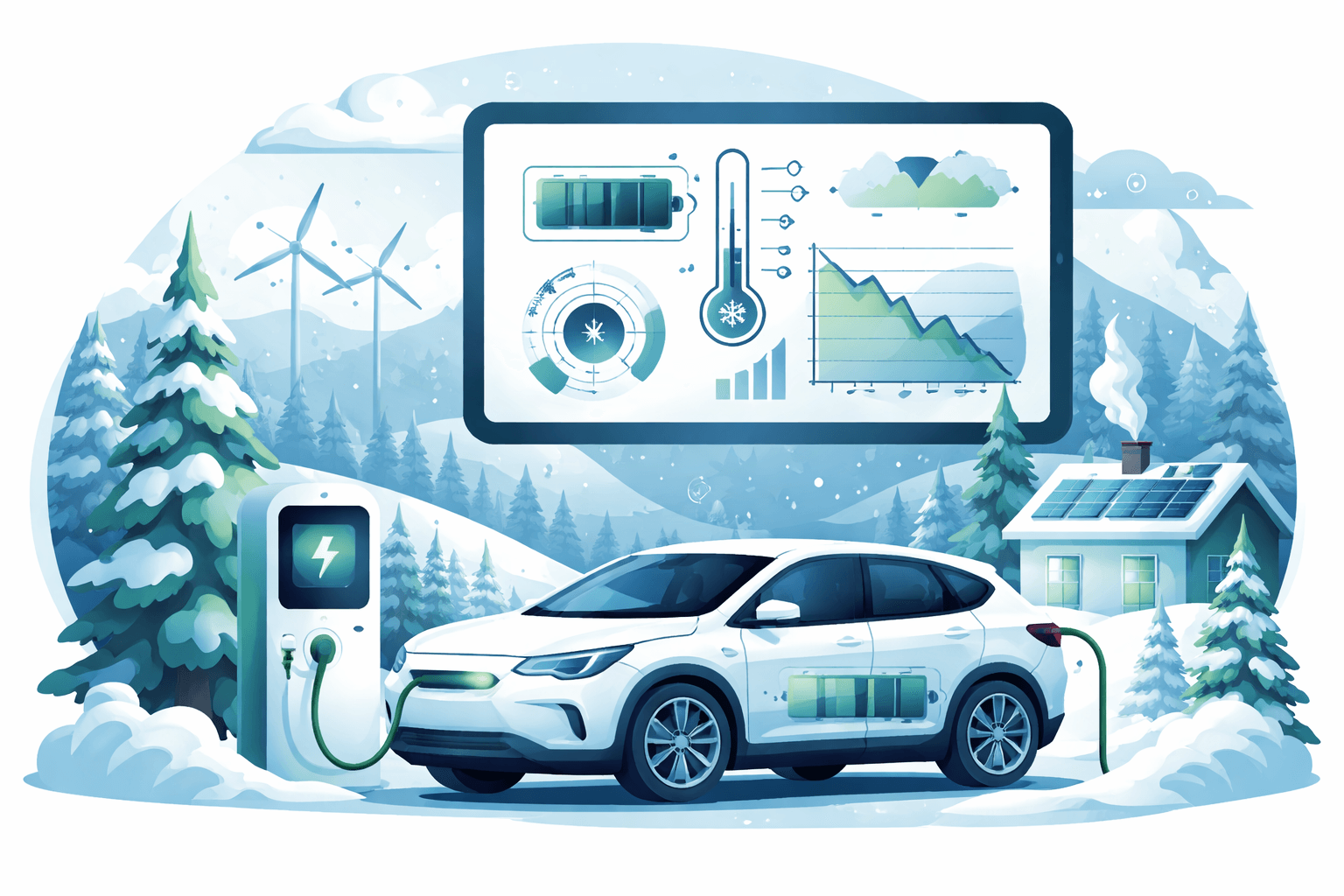
Cold snaps don’t just chill fingers—they chill batteries. EV range in cold weather can drop noticeably, and not because “electric cars hate winter,” but due to well-understood physics and energy tradeoffs. Large datasets from fleet analytics and independent testing confirm the pattern: at around 32°F (0°C), many EVs deliver roughly 80% of their typical range; at 5°F (-15°C), usable range can fall to about half if you’re running cabin heat heavily. The good news: careful prep and smarter driving can cut winter losses dramatically.
Why EV range drops in cold weather
Several mechanisms stack up to reduce range when temperatures fall.

Electric Vehicle Technology Explained: Larminie, James, Lowry, John
Electric Vehicle Technology Explained [Larminie, James, Lowry, John] on Amazon.com. *FREE* shipping on qualifying offers. Electric Vehicle Technology Explained
Check Price on AmazonBattery chemistry slows down
Lithium-ion batteries rely on ion movement through the electrolyte and across electrodes. Cold temperatures increase internal resistance and slow diffusion, which reduces available power and usable capacity. Battery management systems (BMS) protect the pack by restricting charge acceptance and power output when the cells are cold. That’s why regenerative braking is limited until the pack warms and why DC fast charging is slower in winter. Research institutions like NREL and national labs have documented this temperature sensitivity for years in controlled tests.
Cabin heat is energy-intensive
Unlike internal combustion engines, which generate abundant waste heat, EVs must actively power cabin heating. Two technologies are common:
- Resistive heaters: Simple electric heaters that convert electricity directly into heat (100% efficient at converting power to heat). In practice, they add a significant, constant load—often 2–6 kW while warming up, with peaks higher during defrost.
- Heat pumps: Thermal systems that move heat rather than create it, typically using far less power than resistive heaters around freezing. Real-world results vary by model and temperature, but heat pumps generally reduce HVAC energy consumption in cool-to-cold conditions.
In a landmark 2019 test, AAA found that at 20°F (-7°C), average EV range dropped 41% with cabin heat on and 12% with climate control off compared to 75°F (24°C) baselines (AAA, 2019). The gap underscores how much HVAC load matters.
Air is denser, and roads are slower
- Aerodynamics: Air density increases roughly 6% between 68°F (20°C) and 32°F (0°C). At highway speeds where aerodynamic drag dominates, that bump in density directly raises the power required to maintain the same speed.
- Rolling resistance: Cold rubber is stiffer, lubricants thicken, and snow, slush, or rain increase tire drag. Winter tires improve grip but typically have higher rolling resistance than low-rolling-resistance all-season tires in dry conditions.
- Tire pressure: Pressure drops about 1 psi for every 10°F (5.5°C) temperature decrease (U.S. DOE). Underinflated tires can add several percent to energy use.
The battery warms itself
Many EVs use battery heaters to bring packs into an optimal temperature window. That thermal management consumes power, especially right after startup. The energy is well spent for performance and longevity—but it still comes from the same battery that propels the car.
How much range loss to expect at different temperatures
Evidence from fleet-scale telemetry, independent labs, and consumer tests paints a consistent picture:
- Fleet telematics from Geotab across thousands of vehicles show relative range near 82% at 32°F (0°C) and roughly 54% at 5°F (-15°C), with maximum range around 70°F (21°C). The curve varies by model and driving profile, but the trend is robust.
- AAA’s controlled testing reported a 41% drop at 20°F with cabin heat on, shrinking to 12% if climate control was off (AAA, 2019).
- Consumer Reports highway testing at 70 mph observed roughly 25% lower range at 16°F (-9°C) compared with 65°F (18°C) across multiple EVs when heating the cabin (Consumer Reports, 2023).
- Norwegian Automobile Federation winter range trials, conducted around 23–30°F (-5 to -1°C) over real roads, routinely find average losses in the 18–30% range across dozens of models.
Putting those findings into practical planning bands, assuming typical use of heating and defrost:
- Around 40–50°F (4–10°C): Expect 5–15% lower range, especially at highway speeds due to denser air and moderate HVAC use.
- Around 32°F (0°C): Plan for 15–25% lower range. City driving can be closer to the low end if you preheat while plugged in and use seat heaters; highway can be closer to the high end.
- Around 10–20°F (-12 to -6°C): Plan for 25–40% lower range, depending on heater type, speed, and precipitation. Heat pump-equipped vehicles often perform toward the better end of that spread, particularly at urban speeds.
- 0 to -10°F (-18 to -23°C) and below: 35–50% reductions aren’t unusual, especially at sustained highway speeds with resistive heat and headwinds. Charging and regen limitations are more pronounced.
Illustrative examples using a 300-mile EPA-rated EV on mixed roads, with reasonable heat use:
- ~32°F (0°C): 225–255 miles
- ~15°F (-9°C): 180–225 miles
- ~-5°F (-21°C): 150–195 miles
Your actual results will vary by model, heat pump availability, tire choice, speed, wind, elevation gain, and whether preconditioning was done on grid power.
By the numbers: Winter EV performance
- 41%: Average range loss at 20°F with cabin heat on (AAA, 2019)
- 12%: Average loss at 20°F with climate control off (AAA, 2019)
- ~82%: Relative range at 32°F across thousands of EVs (Geotab)
- ~54%: Relative range at 5°F (Geotab)
- ~25%: Highway range loss at 16°F vs. 65°F in tests with cabin heat (Consumer Reports, 2023)
- ~6%: Increase in air density from 68°F to 32°F, raising aero drag
- ~1 psi: Tire pressure drop for every 10°F fall (U.S. DOE)
Proven ways to reduce winter range loss
Precondition the cabin and the battery (while plugged in)
- Schedule departure: Most EVs let you set a departure time. The car will warm the cabin—and, in many cases, the battery—using grid power. This preserves driving range and restores regen sooner.
- Navigate to a fast charger: Many vehicles trigger automatic battery preheating when you set a DC fast charger as your destination. You’ll arrive with a warmer pack and charge faster.
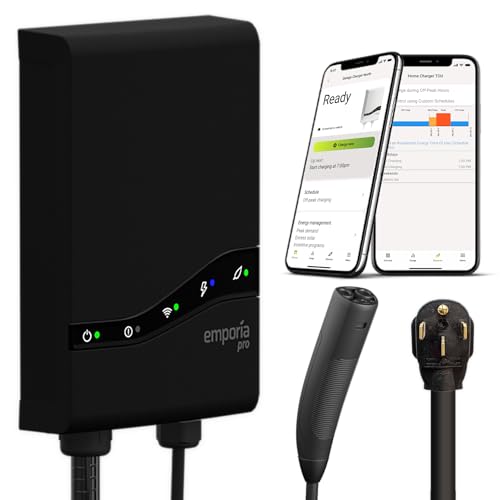
Emporia Pro Level 2 EV Charger with PowerSmart, Compatible with Tesla/NACS Vehicles - 48 amp Fast EV Charger for Home - 240v Electric Vehicle Charging Station - 25' Charging Cable : Automotive
EMPORIA Level 2 EV Charger w/NACS, Compatible with Tesla - 48 amp Electric Car Charger, Preconfigured for Hardwired Install with Whip, UL/Energy Star WiFi-Enabled EVSE, 24ft Cable, White
Check Price on AmazonHeat people, not just air
- Use seat and steering wheel heaters first: Warming your body directly is far more energy-efficient. Seat heaters typically draw tens to hundreds of watts, compared with kilowatts for air heating.
- Moderate cabin setpoint and use recirculation: Keeping cabin temps in the mid-60s °F (high-teens °C) with seat heaters on often feels comfortable while cutting HVAC load. Recirculation reduces the amount of frigid outside air that must be heated.
Drive efficiently and manage speed
- Slow down 5–10 mph on highways: Aero power rises with the cube of speed. Even small reductions in speed can save meaningful energy in denser winter air.
- Use Eco mode and smooth inputs: Softer acceleration and gentler braking reduce energy spikes when the battery is cold and regen is limited.
- Clear snow and remove racks: Snow buildup and roof accessories increase drag.
- Maintain tire pressure: Inflate to recommended cold pressure. Low pressure increases rolling resistance.

AstroAI Tire Inflator Portable Air Compressor Air Pump for ...
View on AmazonAdjust charging habits for winter
- Charge when the battery is warm: Plug in soon after arriving to make use of residual pack warmth; charging is faster and more efficient.
- Keep a larger buffer: In deep cold, consider arriving at chargers with 10–20% state of charge (SOC) margin and departing with more than you might in summer, since weather, wind, and road conditions can change quickly.
- Preheat before you unplug: Start cabin preconditioning while still connected to AC power.
- Expect slower DC fast charging: Cold packs accept less current. Preconditioning helps, but charge sessions may still take longer in subfreezing weather.
Hardware choices that help
- Heat pump HVAC: If you’re shopping, a heat pump can materially reduce winter HVAC load around freezing, especially for mixed or urban driving.
- Battery thermal management: Active liquid thermal management systems generally keep packs in healthier, more efficient temperature windows across seasons.
- Efficient tires: In regions with frequent snow, dedicated winter tires are safety-critical. Where winters are milder, consider low-rolling-resistance all-seasons and monitor pressures closely.
If you’re weighing models and winter-specific features, our buying guide can help you compare real-world range, thermal management, and efficiency across classes: Best Electric Vehicles of 2023 — Top Picks, Real‑World Range & Buying Guide.
Planning winter trips with an EV
Add a bigger buffer
- Plan for at least 20–30% more energy use than your summer baseline at freezing temps, and 40–50% in deep cold, aligning with Geotab, AAA, and Consumer Reports data. For long stretches without charging, increase your margin further.
Use route tools that account for temperature and elevation
- Many in-car planners and third-party tools allow you to set ambient temperature, wind, precipitation, cargo weight, and elevation gain. These inputs materially affect energy use and charging times. Elevation gain is especially important; climbing consumes much more energy than you’ll regenerate on the way down when the pack is cold and regen is limited.
Time your charging and stops
- Navigate to chargers so the car can preheat the battery en route. Aim to arrive with a warm pack and low-to-moderate SOC for the fastest charge.
- Prefer faster stations earlier in the day if a deep cold snap is expected later; charging rates often slow further overnight.
- Choose sites with amenities: Heated rest areas or cafes let you comfortably precondition before departure and monitor charging without idling the cabin heat for long periods while parked.
Watch weather, wind, and road conditions
- Headwinds can add double-digit percentage penalties to consumption at highway speeds. If forecasts call for strong winds or heavy snow, expand your charging margin and consider shorter driving legs.
- Clear snow from the nose, grille area, and wheels before departure. Accumulated slush increases drag and can impede brake operation.
Have a Plan B
- Identify backup chargers along your route in case a station is congested or partially offline. In extreme cold, station hardware can be stressed and power-sharing may reduce output.
When winter range loss signals a maintenance issue
Cold-weather efficiency drops are normal—but certain symptoms warrant a closer look:
- Unusual, sudden losses vs. last winter: If your car is consuming significantly more energy than it did in similar conditions a year ago, it may be time for a check.
- Persistent brake drag or alignment issues: A sticking caliper, misalignment, or worn bearings can quietly sap range. Listen for noises and feel for pull; inspect after hitting curbs or deep potholes hidden by snow.
- Tire pressure that won’t hold: Repeatedly low pressures raise consumption and can be unsafe. Check for punctures or rim leaks after temperature swings.
- Weak 12V battery behavior: Modern EVs rely on the low-voltage system to power control electronics and run pumps and valves. A failing 12V battery can reduce thermal management performance, especially at startup.
- HVAC faults: If cabin heat is poor, cycling, or triggering warnings, have the heat pump or resistive elements inspected. Some models have issued software updates to improve cold-weather HVAC performance.
- Battery health review: If you suspect unusual degradation, request a state-of-health (SOH) report from your service center or use manufacturer-approved diagnostics. Most modern EVs see modest calendar/cycle-related capacity loss in the early years, but steep or sudden losses should be documented and addressed under warranty if applicable.
For broader care routines that help preserve performance through winter and beyond, see: How to Care for Electric Cars: Essential Battery, Maintenance, Range and Safety Guidance.
Practical takeaways for everyday driving
- Precondition while plugged in. It’s the single most effective habit to protect range in cold weather.
- Prioritize seat and wheel heaters; keep cabin temps moderate and use recirculation.
- Slow down a bit on highways; clear snow and remove racks.
- Maintain proper tire pressures and check tread. Consider winter tires for grip where conditions warrant.
- Charge when the pack is warm and budget extra time at DC fast chargers in deep cold.
- Add 20–50% energy buffer depending on temperature, wind, elevation, and precipitation.
What’s next: Technology that’s improving winter EV range
EVs are getting better in cold climates. Automakers are rapidly rolling out higher-efficiency heat pumps with better low-temperature performance, smarter cabin zoning, and waste-heat recovery. Battery thermal systems now preheat more proactively based on navigation and weather data. Software increasingly accounts for wind, precipitation, and elevation in consumption forecasts—yielding route plans that better match reality.
On the cell side, chemistries and electrolytes optimized for low temperatures are in development, and silicon-rich anodes plus advanced separators may reduce impedance growth in the cold. Solid-state cells promise faster charge acceptance at low temperatures, though commercial timelines are still evolving. In parallel, charging networks are winterizing hardware—upgrading cables, enclosures, and site operations to maintain higher power in deep cold.
EV range in cold weather will never be identical to summer performance, but the gap is narrowing. With the right prep and a few new habits, winter driving can be both confident and efficient.
Recommended Products
Electric Vehicle Technology Explained: Larminie, James, Lowry, John
Electric Vehicle Technology Explained [Larminie, James, Lowry, John] on Amazon.com. *FREE* shipping on qualifying offers. Electric Vehicle Technology Explained
Emporia Pro Level 2 EV Charger with PowerSmart, Compatible with Tesla/NACS Vehicles - 48 amp Fast EV Charger for Home - 240v Electric Vehicle Charging Station - 25' Charging Cable : Automotive
EMPORIA Level 2 EV Charger w/NACS, Compatible with Tesla - 48 amp Electric Car Charger, Preconfigured for Hardwired Install with Whip, UL/Energy Star WiFi-Enabled EVSE, 24ft Cable, White
AstroAI Tire Inflator Portable Air Compressor Air Pump for ...
Explore a wide range of portable air pumps suitable for vehicles, sports equipment, and inflatables. Convenient and reliable inflation solutions.
More in Green Business
- How to Care for Electric Cars: Essential Battery, Maintenance, Range and Safety Guidance
- Essential Guide to Electric Vehicle Maintenance: Care, Safety, and Battery Longevity
- Used Electric Car Buying Guide: What to Check Before You Buy
- Best Electric Vehicles of 2023 — Top Picks, Real‑World Range & Buying Guide