
Do Solar Panels Work in Winter? How Cold, Snow & Short Days Affect Output
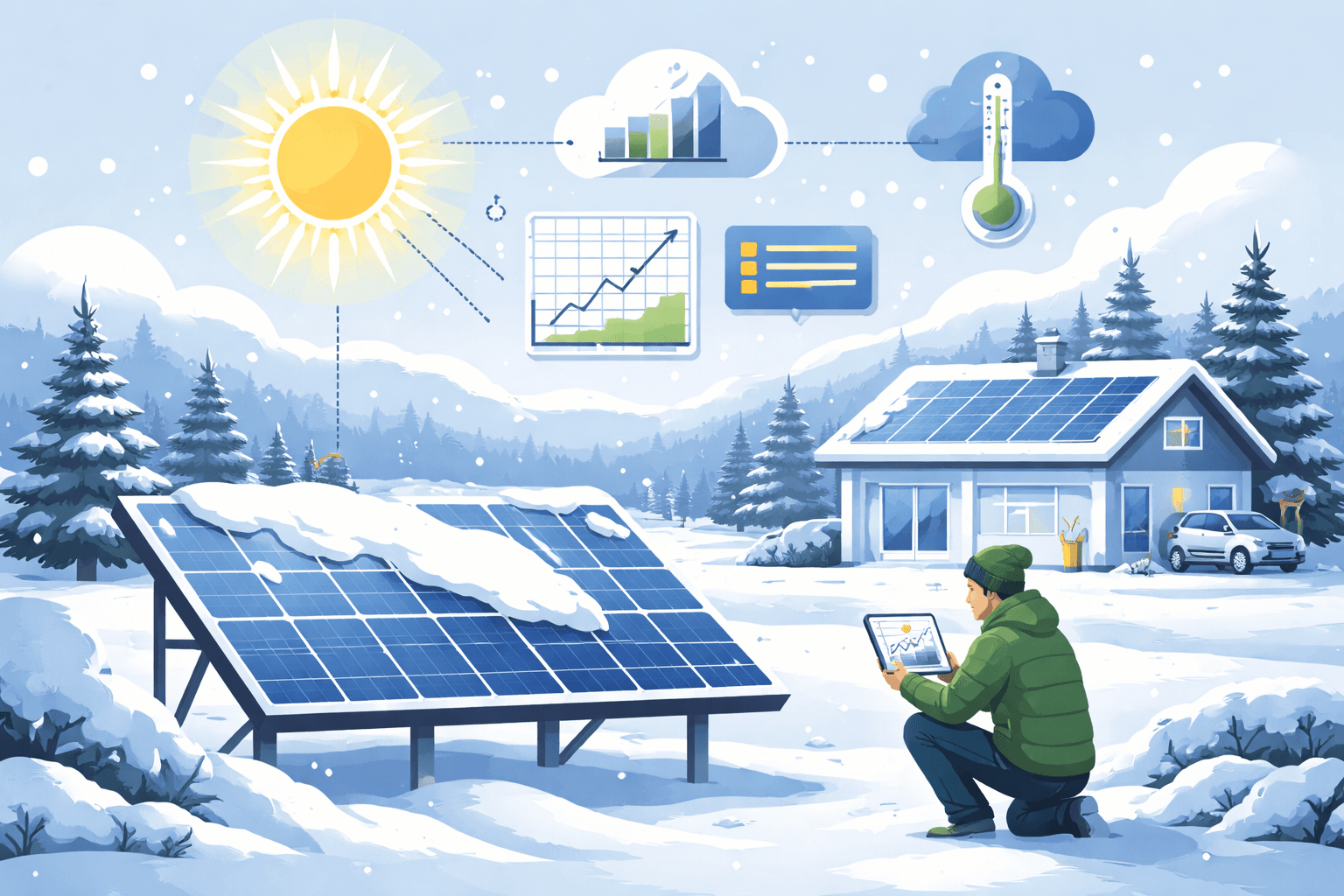
Solar panels absolutely work in winter. In fact, crystalline silicon modules often perform more efficiently in cold temperatures. The bigger winter headwinds are less sunlight (lower irradiance), shorter days, and occasional snow cover. If you’ve ever wondered “do solar panels work in winter?” the short answer is yes—with typical seasonal production dips of 10–40% depending on latitude and weather, according to modeling from the U.S. National Renewable Energy Laboratory (NREL) and utility datasets.
Below, we unpack the physics, quantify losses, and share practical ways to optimize for winter.
Do solar panels work in winter? Quick answer and common myths
- The quick answer: Yes. PV modules generate electricity whenever photons hit them, regardless of air temperature. On clear, cold days, panels can operate more efficiently than on hot summer days.
- The common myths:
- “Cold stops panels from working.” False. Cold improves efficiency because semiconductor resistance drops and voltage rises. Manufacturers publish a temperature coefficient (often around −0.3% to −0.4% power per °C relative to 25°C). That means a panel at 5°C (20°C cooler than the 25°C test condition) can deliver roughly 6–8% more power at the same sunlight level.
- “Snow makes solar useless.” Misleading. Heavy snow can pause production while panels are covered, but annual snow-related losses in most U.S. installations are typically in the 0–10% range, with some snow-belt sites experiencing 10–15% in unusually snowy years, per analyses from NREL and the PV Performance Modeling Collaborative (PVPMC). Tilted, dark panels often shed snow quickly once the sun returns, and reflective snow can actually boost output on clear days after a storm.
- “Short winter days mean solar is a bad investment.” Not necessarily. Economics are determined by annual kWh, not winter-only performance. Northern countries like Germany (around 50°N) still generated roughly 12% of their electricity from solar PV in 2023 (Fraunhofer ISE), demonstrating that modern systems deliver meaningful annual energy even with dark winters.
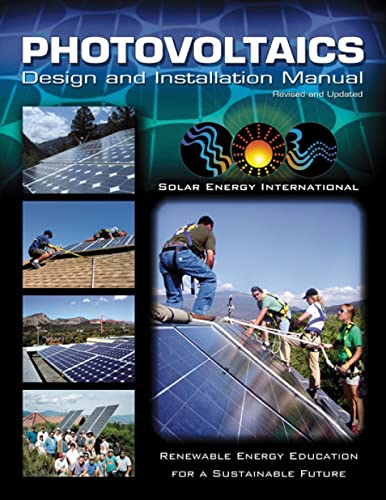
Photovoltaics: Design and Installation Manual: Solar Energy International
It also includes chapters on sizing photovoltaic systems, analyzing sites and installing PV systems, as well as detailed appendices on PV system maintenance, troubleshooting and solar insolation data
Check Price on AmazonFor a refresher on PV fundamentals, see How Do Solar Panels Work? A Clear, Data-Driven Guide.
- Link: /renewable-energy/how-do-solar-panels-work-guide
By the numbers: winter solar at a glance
- Temperature coefficient of power (typical mono PERC/TOPCon modules): about −0.29% to −0.40% per °C relative to 25°C STC (manufacturer datasheets; NREL).
- U.S. annual snow losses: commonly 0–10%, up to ~12–15% in persistent snow regions (NREL, PVPMC field studies).
- December “peak sun hours” (kWh/m²/day) from NREL NSRDB climatology:
- Phoenix, AZ (~33.5°N): ~4.6–5.2
- Denver, CO (~39.7°N): ~3.4–3.8
- Boston, MA (~42.4°N): ~2.4–2.8
- Minneapolis, MN (~45.0°N): ~2.1–2.6
- Seattle, WA (~47.6°N): ~1.2–1.8 (cloudier winters)
- Anchorage, AK (~61.2°N): ~0.6–1.2
- Monthly winter output relative to July: commonly 25–50% in mid-latitudes; 15–35% in higher latitudes (PVWatts modeling and utility data).
How temperature and sunlight influence solar panel performance (cold vs irradiance)
Two variables dominate winter performance:
- Cell temperature
- What it is: The temperature of the PV cells (often higher than ambient air due to absorbed sunlight). PV power drops as cell temperature rises. Manufacturers list a temperature coefficient (e.g., −0.34%/°C).
- Why winter helps: On a sunny 0°C day, cell temperatures might be ~20°C lower than on a sunny 25°C day—other conditions equal. That can recoup 6–8% power relative to the 25°C rating and even more relative to hot summer rooftop conditions where cell temperatures can exceed 50–60°C, cutting power 8–15%.
- Irradiance (sunlight intensity)
- What it is: The power of sunlight per square meter (W/m²). Winter irradiance is lower because the sun is lower in the sky (larger air mass, more scattering) and days are shorter. Clouds and storms also concentrate in winter in many regions.
- Why it matters more than temperature: Even though cold boosts efficiency by single-digit percentages, winter irradiance and day length can reduce daily energy by 30–70% relative to summer, especially at higher latitudes. Net effect: winter generation is lower, but far from zero.
Put simply, cold temperatures nudge efficiency up, but winter’s lower sunlight hours dominate the seasonal swing.
Snow, ice and shading: impacts on generation and safe removal methods
Snow effects are nuanced:
- Complete coverage: While snow fully blankets panels, output drops near zero.
- Partial coverage: Even a small snowbank covering the lower edge can shade cells in a series string, disproportionately reducing power. Microinverters or DC optimizers can limit these losses by isolating shaded modules.
- Shedding and “self-clearing”: Dark, low-emissivity glass warms in sun; panels at 25–40° tilt commonly shed snow within hours to a day after a storm under sunny conditions. NREL field observations show many arrays resume near-normal production quickly when storms pass.
- Albedo boost: Fresh snow has high reflectivity (albedo 0.5–0.9). On clear days after a snowfall, reflected light can increase irradiance at the panel plane, giving brief production bumps, particularly for bifacial modules and higher tilt angles.

EVERSPROUT Never-Scratch SnowBuster and Ice Scraper 7-to-24 Foot (Up to 30 Ft Standing Reach) | Pre Assembled Extendable Roof Rake for Snow Removal | Heavy-Duty Aluminum, Soft Foam Pad : Patio, Lawn & Garden
View on AmazonSafe removal methods
- Prioritize safety. Falls are the leading risk; most professionals recommend waiting for sun-driven shedding unless production is critical.
- If manual removal is necessary:
- Use a non-abrasive, soft-edge roof rake or foam squeegee with a telescoping pole.
- Stay on the ground whenever possible; avoid climbing onto icy roofs.
- Do not use metal shovels, ice picks, or hot water—these can damage glass, frames, seals, and void warranties.
- Avoid rock salt or chemicals; they can corrode racking and frames.
- Consider snow guards or racking designed for snow country to manage sliding snow safely.
For routine care year-round, see Solar Panel Maintenance Tips: Maximize Output & Lifespan.
- Link: /renewable-energy/solar-panel-maintenance-tips
Daylight hours, sun angle and winter insolation: what to expect by latitude
Latitude drives winter sun angle and day length—two powerful levers on irradiance:
- 30–35°N (e.g., southern U.S.): Winter remains sunny; December peak sun hours around 4.5–5.5 kWh/m²/day in clear-sky regions. Seasonal dips are modest (often 20–35%).
- 40–45°N (e.g., Denver, Boston, Minneapolis): Peak sun hours typically 2–4 in December, with frequent cloud cover in some locales. Expect winter months to produce ~25–45% of July.
- 50–55°N (e.g., southern Canada, northern Europe): December peak sun hours often 0.8–2.5, with pronounced seasonal swings. Systems may deliver 15–35% of July output in mid-winter.
- 60°N and above (e.g., Anchorage, Nordic regions): Very short days and low sun angles drive deep winter lulls, often <25% of summer monthly output—but long summer days partly compensate across the year.
Tilt angle matters. A steeper winter tilt (closer to latitude angle or latitude +10–15°) better aligns panels with the low sun, increasing winter irradiance at the module plane and aiding snow shedding. Fixed residential roofs often have 15–35° pitch; ground mounts can be set steeper or even seasonally adjusted.
Real-world winter performance: expected production losses and case examples
Field data and standard modeling (NREL PVWatts) show consistent patterns across climates:
- Minneapolis, MN (~45°N), fixed roof array at ~30–35° tilt: December production is often 25–35% of July on average, with snowstorms occasionally dropping a few days to near zero and clear snaps boosting output afterward.
- Boston, MA (~42°N): December output commonly ~35–45% of July, depending on cloudiness. Snow-related annual losses typically <10% with modern racking and roof pitches.
- Seattle, WA (~48°N): Winter is cloudier and wetter; December output can be 20–35% of July despite relatively mild temperatures. Irradiance, not temperature, is the primary limiter.
- Denver, CO (~40°N), high elevation and sunny winters: December output often ~45–55% of July. Cold, clear days plus high elevation (higher irradiance) can yield strong winter performance.
- Anchorage, AK (~61°N): December output may be <20% of July due to very short days, but spring and summer’s long days substantially raise annual totals; designs often favor steeper tilts and bifacial modules to leverage snow albedo.
Annual framing: Even in snowy climates, multiple studies (NREL, Sandia, PVPMC) find that snow reduces annual energy by single-digit percentages for many pitched-roof systems, while flat or low-tilt arrays in extreme snow zones can experience higher losses unless mitigated.
Practical ways to maximize winter output (tilt, mounting, microinverters, monitoring, batteries)
Design and operations can narrow the winter gap:
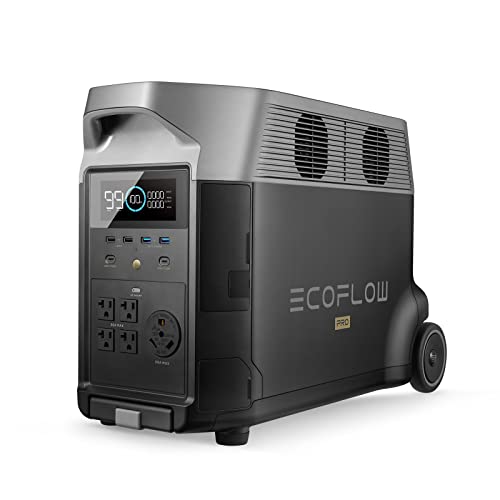
EF ECOFLOW Portable Power Station 3600Wh DELTA Pro, 120V AC Outlets x 5, 3600W, 2.7H Fast Charge, Lifepo4 Power Station, Solar Generator for Home Use, Power Outage, Camping, RV, Emergencies : Patio, Lawn & Garden
<strong>Fully recharge the lifepo4 battery in 1.8 hrs with 240V outlets(3000W), 2.7 hrs with 1800W wall outlets or solar charged in 2.8 hours with 4*400W solar panels</strong> thanks to the industry-l
Check Price on AmazonOptimize tilt and orientation
- For fixed arrays at mid to high latitudes, a tilt near local latitude improves winter capture relative to shallow tilts. If annual energy is the goal, a compromise tilt (roof-pitch driven) is fine; if winter energy is critical (off-grid), consider latitude +10–15° or adjustable tilt.
- Where roofs force east/west arrays, winter afternoons benefit from west-facing panels if evening usage is high.
Use module-level power electronics (MLPE)
- Microinverters and DC optimizers isolate modules so that snow or shading on one panel doesn’t drag down the whole string. This is particularly valuable when partial snow cover or low-angle winter shading from trees and dormers is expected.
Reduce shading and enable snow shedding
- Trim or manage deciduous trees that cast long winter shadows (per local arborist guidance).
- Ensure panels are mounted with a clear lower edge so shedding snow has a path to slide.
Monitor and respond
- Enable production alerts in your monitoring app; winter storms that trip breakers or create ground faults should be detected quickly.
- Use real-time data to verify when shedding occurs; avoid risky roof climbs unless output remains suppressed under clear skies for multiple days.
Consider bifacial modules and bright ground surfaces
- On ground mounts, bifacial panels at higher tilt can harvest reflected light from snow, increasing winter yield. Gains vary (often 5–20% under optimal conditions) and depend on site albedo and array geometry.
Pair with storage for winter loads
- Batteries don’t create more solar energy, but they shift midday production to evenings when heating, cooking, and lighting loads peak. In outage-prone winter regions, storage can keep critical loads running. Keep in mind lithium-ion performance dips at low temperatures; enclosures or conditioned spaces help.
Keep inverters warm enough to operate
- Most inverters have a cold operating limit. Outdoor wall mounts usually work fine in winter, but verify the product’s operating temperature range and avoid locations with snowdrift burial or ice runoff.
Cost-benefit and ROI in cold-climate installations (incentives, seasonal modeling)
Economics are driven by annual kWh, retail rates, incentives, and system cost—not just winter output.
- Incentives: In the United States, the federal residential clean energy credit offers a 30% tax credit for solar and battery systems placed in service through 2032 (Inflation Reduction Act). Many states and utilities layer on rebates or performance-based incentives.
- System cost: Snow-country roofs may require sturdier racking, higher standoff heights, or snow management features, but overall installed costs don’t differ dramatically by climate; labor and permitting regimes are larger drivers of price.
- Annual yield vs. winter profile: A site with lower winter output but strong spring/summer irradiance can still deliver attractive payback periods. What matters is the total annual production relative to consumption and the rate structure (e.g., net metering, time-of-use).
- Modeling: Use bankable tools like NREL’s PVWatts or utility-approved calculators to estimate monthly production. Compare modeled winter production against your winter bills to plan complimentary measures (efficiency upgrades, heat pump settings, or a modest battery).
For a deeper dive into payback math and rate assumptions, see Are Solar Panels Worth It in 2026? Cost, Payback & Decision Guide.
- Link: /renewable-energy/are-solar-panels-worth-it-2026
Short FAQ: EV charging, off-grid winter use, warranties and maintenance
Can solar panels still charge my EV in winter?
- Yes. Your array will generate less on dark, cloudy days, but it will still produce. Note that EV energy consumption rises in cold weather—laboratory and fleet data show winter range drops of roughly 10–30% depending on temperature and driving patterns—so plan charging accordingly. If you aim for a certain annual solar share of EV miles, size the system to annual kWh needs rather than winter-only. See How Many Solar Panels Do I Need? A Practical Guide & Estimate.
- Link: /renewable-energy/how-many-solar-panels-do-i-need-guide
Is off-grid solar viable through winter?
- Yes, but it requires careful design. High-latitude off-grid systems typically use steeper tilts, oversize the array for short days, and include larger battery banks (or hybridize with a generator) to cover multi-day storms. Cold improves panel efficiency but doesn’t replace lost sunlight. Regional winter insolation data from NREL’s NSRDB should anchor designs.
Do cold temperatures void warranties or damage panels?
- No. Quality modules are rated for operation down to −40°C (−40°F) and up to +85°C under IEC/UL standards, and inverters specify their own operating ranges. What can void warranties is mechanical damage from improper snow removal or mounting.
Should I climb up and clear snow to improve production?
- Usually no. The production gained rarely justifies the safety risk. Wait for sun-driven shedding unless you have critical loads and safe, ground-based tools. If persistent cover is a recurring problem, discuss tilt, racking, or MLPE options with a professional.
Does winter reduce panel lifespan?
- Not inherently. Thermal cycling is part of qualification testing. Moisture ingress, ice dams, and mechanical snow loads are the bigger risks—mitigated by code-compliant racking, proper flashing, and good construction detailing.
Practical implications for homeowners and businesses
- Expect seasonal swings. Budget for winter bills that are higher than summer, unless you have ample surplus credits or storage.
- Design for partial shading. MLPE can materially improve winter production in shaded or snow-prone sites.
- Consider energy efficiency upgrades that matter most in winter (air sealing, heat pump tuning), which lower the kWh you must supply on the darkest days.
- Use monitoring data to learn your site’s pattern. One winter of real data often outperforms any rule of thumb when planning storage or future expansion.
For a broader primer that connects hardware, costs, and climate benefits, see Solar Power Explained: How It Works, Costs, and Climate Benefits.
- Link: /renewable-energy/solar-power-explained-how-it-works-costs-and-climate-benefits
Where winter solar is heading
Technology and design improvements are steadily shrinking the winter gap:
- Module efficiency keeps rising. Commercial TOPCon and heterojunction modules are pushing 22–24% cell efficiencies; tandem perovskite–silicon cells have surpassed 30% in the lab (2023–2025), pointing to higher yields under low light in future products.
- Bifacial adoption is growing beyond utility-scale. When paired with higher tilts and bright ground, bifacial modules harvest more winter light.
- Smarter forecasting and controls. Better irradiance forecasting, inverter curtailment controls, and battery dispatch can align winter production with building loads and rate structures.
- Snow-aware mounting. Racking optimized for snow shedding and structural loads reduces downtime and risk in snowy climates.
Winter is no longer a showstopper for solar. With realistic expectations, good design, and a few targeted choices—tilt, MLPE, safe snow management—systems in cold and cloudy regions deliver solid annual energy and strong economics.
Recommended Products
Photovoltaics: Design and Installation Manual: Solar Energy International
It also includes chapters on sizing photovoltaic systems, analyzing sites and installing PV systems, as well as detailed appendices on PV system maintenance, troubleshooting and solar insolation data
EVERSPROUT Never-Scratch SnowBuster and Ice Scraper 7-to-24 Foot (Up to 30 Ft Standing Reach) | Pre Assembled Extendable Roof Rake for Snow Removal | Heavy-Duty Aluminum, Soft Foam Pad : Patio, Lawn & Garden
... DAMAGE-FREE PREMIUM FOAM MATERIAL, SAFE FOR SOLAR PANELS, VEHICLES, & ROOFS – <strong>The SnowBuster</strong> acts as a Snow Roof Rake and a Snow Broom, and is made out of soft yet super sturd
EF ECOFLOW Portable Power Station 3600Wh DELTA Pro, 120V AC Outlets x 5, 3600W, 2.7H Fast Charge, Lifepo4 Power Station, Solar Generator for Home Use, Power Outage, Camping, RV, Emergencies : Patio, Lawn & Garden
<strong>Fully recharge the lifepo4 battery in 1.8 hrs with 240V outlets(3000W), 2.7 hrs with 1800W wall outlets or solar charged in 2.8 hours with 4*400W solar panels</strong> thanks to the industry-l