
Solar Panel Maintenance Tips: Maximize Output & Lifespan

Solar energy systems are remarkably low-maintenance, but not maintenance-free. The data shows why attention pays: NREL’s meta‑analysis of more than 11,000 modules reports a median module degradation rate around 0.36% per year for modern panels, yet soiling and avoidable faults can add several percentage points of extra loss if ignored (NREL, 2020–2023). In many climates, simple solar panel maintenance tips can recover 2–10% annual production and extend component life while protecting warranties.
If you’re new to PV basics, see our primers on how panels work and today’s module tech before diving into care routines:
- How solar panels turn sunlight into electricity: How Do Solar Panels Work? A Clear, Data-Driven Guide
- What’s inside a modern panel and how durability is tested: Solar Panel Technology in 2026: A Complete Guide to Modern Photovoltaics
- Big-picture pros, cons, and expected value: Solar Panels Pros and Cons: A Data-Driven Guide to Decide If They’re Right for You
By the numbers: maintenance and performance
- 0.36%: Median annual module degradation rate for modern silicon PV (NREL meta-analysis).
- 2–6%: Typical annual soiling loss in temperate climates; 10–30% in arid/dusty seasons without cleaning (IEA PVPS Task 13; NREL soiling studies).
- 7–12%: Energy recovered after a single cleaning event in several U.S. campus/utility case studies under moderate soiling (NREL field data; academic reports).
- 10–15 years: Typical residential string inverter service life; product warranties often 10–12 years (manufacturer data; kWh Analytics Solar Risk Assessment).
- $5–$15 per panel: Typical professional cleaning cost; $100–$300 per visit for a standard home array (industry surveys).
Solar Electricity Handbook - 2023 Edition: A simple, practical guide to solar energy – designing and installing solar photovoltaic systems: Boxwell, Michael
Solar Electricity Handbook - 2023 Edition: <strong>A simple, practical guide to solar energy – designing and installing solar photovoltaic systems</strong> [Boxwell, Michael] on Amazon.com. *FREE* shi
Check Price on AmazonWhy solar panel maintenance matters
Performance loss you can control
- Soiling (dust, pollen, ash, bird droppings) scatters and blocks light. IEA PVPS Task 13 reports median global losses near 3%, but location matters: coastal salt spray, agricultural dust, or wildfire ash can push losses above 10% if not addressed. Rain helps, but not with sticky residues like sap and droppings.
- Shading from growing trees, seasonal sun angles, or debris triggers bypass diodes and can create localized “hot spots.” Beyond lower output, hot spots elevate cell temperatures, accelerating material fatigue.
- Small mechanical issues—loose lugs, UV‑aged cable insulation, or cracked connectors—raise resistance and heat, compounding losses.
Warranty and documentation
- Most module performance warranties assume proper care and exclude damage from improper cleaning, abrasive chemicals, pressure washing, or unauthorized electrical work. Keeping a simple maintenance log with dated photos can help validate warranty claims.
- Inverter warranties often require prompt attention to error codes and using qualified service for internal repairs.
Safety and system longevity
- PV DC circuits remain energized in sunlight even when you switch off AC. Routine visual inspections can catch mounting issues, animal nests, chafed conductors, or water ingress before they cause arc faults. The National Electrical Code (NEC 690) addresses rapid shutdown and arc‑fault protection, but prevention starts with good housekeeping.
How often to inspect your system — a seasonal checklist
Maintenance frequency depends on your climate, tilt, and local soiling sources. Start with this rhythm, then adjust based on production data.
Spring
- Pollen and tree debris: Inspect and, if needed, plan a gentle cleaning.
- Roof & racking: Check for any post‑winter sealant cracks at roof penetrations and confirm rail/mid‑clamp tightness (visually—don’t overtighten unless you know the torque spec).
- Vegetation: Trim branches that could shade or drop debris during summer.
Summer
- Heat stress: Glance at cabling for UV chalking or brittleness; confirm wire clips and conduit supports are intact.
- Pest activity: Look for bird nesting under array edges; consider mesh critter guards if this recurs.
- Production check: Compare kWh to last summer and to irradiance on your monitoring app. Unexplained 5–10% drops can flag soiling or shade.
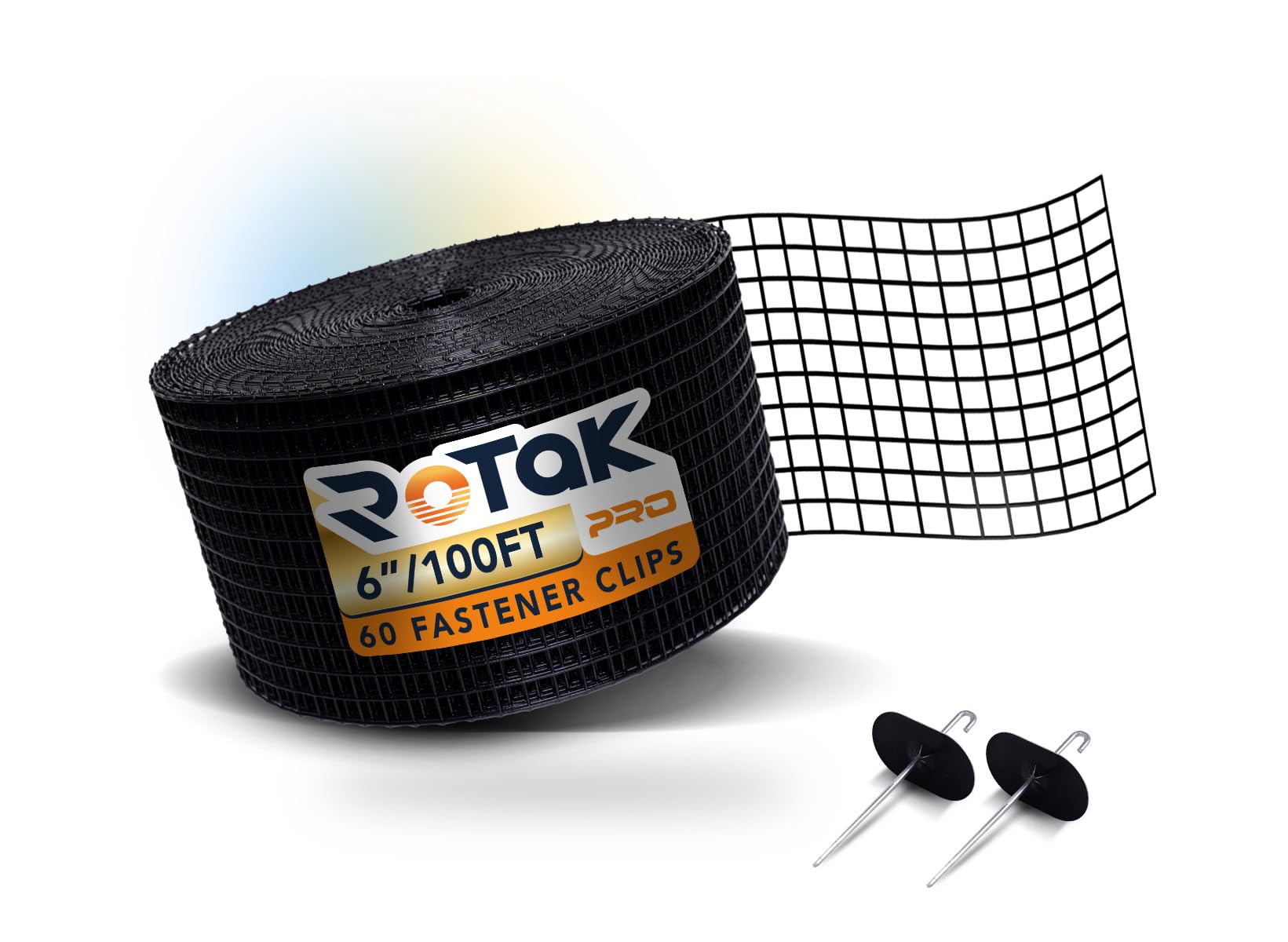
Rotak Critter Guard PRO - 6in x 100ft Solar Panel Bird Prevention Roll Kit with 60 Fastener Clips - Heavy Duty Galvanized Black PVC Coated ½ inch Wire Roll Mesh (6" PRO + 60 Clips) : Patio, Lawn & Garden
View on AmazonFall
- Leaves and needles: Clear gutters and remove debris that may slide under modules.
- Storm readiness: Verify modules and skirt/edge trim are secure before wind events.
- Schedule a cleaning if you had wildfire smoke, harvest dust, or salty air accumulation.
Winter
- Snow and ice: Don’t scrape panels—risk of scratches and falls is high. If safe from the ground, use a soft, foam snow rake. Often the safest strategy is to wait for melt; panels warm when sun returns.
- Hail/wind events: After severe storms, visually inspect from the ground for broken glass, frame dents, or displaced wiring; call a pro if you see damage.
Solar panel maintenance tips: cleaning best practices
Cleaning restores light to the cells. Do it safely, gently, and only when beneficial.
What to use
- Soft tools: Non‑abrasive sponge, microfiber cloth, or soft‑bristle brush on an extension pole; rubber squeegee.
- Water: Clean tap water is fine in most places. For hard water (high minerals), use deionized (DI) or distilled water to avoid spots.
- Mild soap: A drop of pH‑neutral dish soap in a bucket (no additives). Commercial PV cleaners are acceptable if manufacturer‑approved.

DOCAZOO 10" Ultra Soft Bristle Brush and Scrub ...
View on AmazonWhat to avoid
- Pressure washers or jet nozzles. High pressure can force water into laminate edges and junction boxes.
- Abrasives: Scouring pads, gritty cleaners, or metal scrapers scratch glass and anti‑reflective coatings.
- Harsh chemicals: Bleach, ammonia, solvents, or strong alkaline cleaners can etch glass and degrade seals.
- Cold shock: Don’t spray cold water on hot panels at midday; sudden thermal stress can crack glass. Clean early morning, evening, or on an overcast, cool day.
Step-by-step method
- Plan and power down safely: Turn off the AC disconnect and follow your inverter’s shutdown procedure. Remember DC is live in sunlight—don’t open connectors.
- Work from the ground when possible: Use a long, soft brush and hose. If roof access is required, use fall protection and non‑slip footwear.
- Rinse gently: Wet the panel surface to loosen dirt. Let it soak a minute.
- Wash lightly: Wipe with a soft pad or brush using clean water and a small amount of mild soap if needed.
- Rinse and squeegee: Final rinse with DI water if available; pull a squeegee lightly to reduce spotting.
- Final check: Ensure no puddling near junction boxes; keep wireways dry.
Pro tip: If you frequently deal with hard‑to‑remove residues, consider an annually applied, manufacturer‑approved hydrophobic coating. Independent testing shows mixed results; it may reduce re‑soiling but won’t eliminate routine care.
DIY inspection checklist: panels, mounts, wiring, inverters, and monitoring
Set aside 20–30 minutes quarterly to walk this checklist. Photograph any changes for your log.
Modules and array
- Glass: Look for cracks, chips, or impact marks; check for “snail trails” or browning (cosmetic vs performance issues can differ).
- Laminate edges: Watch for delamination or bubbling near the frame.
- Hot spots: If available, use a handheld IR thermometer/thermal camera at dusk for quick scans; unusual hot areas suggest bypass diode activation, soiling, or cell damage.
- Debris: Clear leaves, nests, or trapped trash that could block airflow.
Mounting and roof
- Fasteners: From a safe vantage, confirm clamps are seated and even; note any missing hardware.
- Roof penetrations: Look for lifted flashing, cracked sealant, or stains suggesting water ingress.
- Corrosion: Check rails and frames for rust or white aluminum oxidation in coastal zones.
Wiring and junctions
- Conduits and cable management: Ensure UV‑resistant clips secure home‑runs; no sagging loops or sharp edges.
- Connectors: Look for mismatched or partially engaged MC4‑type connectors; never separate under load.
- Grounding/bonding: Note any missing lay‑in lugs or green bonding jumpers; corrosion here is a red flag.
Inverter(s) and MLPE
- Status lights and codes: Green is good; record and investigate any error codes.
- Ventilation: Clear dust from inverter heat sinks with a dry cloth; maintain manufacturer clearances.
- Audible clues: Buzzing or rattling can indicate fan wear or loose covers.
- Module‑level power electronics (optimizers/microinverters): Check monitoring for any offline units.
Monitoring and performance
- Daily/weekly glance: Confirm production tracks sun/season. Sudden step changes often flag faults.
- Monthly check: Compare kWh to last year’s same month, adjusted for weather. A persistent 5–10% dip without a weather explanation warrants cleaning or a deeper look.
- Data quality: If irradiance sensors are installed (per IEC 61724), check they are clean and functional.
For a fuller refresher on how systems produce energy and where losses occur, see Solar Panels Explained: How They Work, Costs, and Installation Guide.
Troubleshooting common problems
Hot spots
- Symptoms: Localized very hot areas on a panel, often visible in thermal images; rapid power drop in the affected string/module.
- Causes: Partial shading, bird droppings, leaf debris, cracked cells, or failed interconnects activating bypass diodes.
- Actions: Clean first; remove shade sources; if the issue persists, call a pro to test the module and bypass diodes. Prolonged hot spots can accelerate degradation.
Microcracks and broken glass
- Symptoms: Power loss on one module; visual hairline patterns; in severe cases, shattered tempered glass (still held by encapsulant).
- Causes: Hail impact, thermal shock, or bending stress from snow/wind loads and roof walk‑on.
- Actions: Do not touch broken glass. Isolate the string if safe and contact a professional and your insurer. Many modules are tested to withstand 25‑mm hail at standard velocities (IEC 61215), but larger hail can exceed design.
Shading and vegetation growth
- Symptoms: Lower mid‑day output or string underperformance vs others.
- Actions: Trim vegetation; consider module‑level power electronics if shading is unavoidable; update your shade analysis seasonally.
Inverter faults
- Symptoms: Error codes such as “ground fault,” “arc fault,” “insulation resistance,” or “RSD open.”
- Causes: Wiring faults, moisture ingress, connector issues, or failing internal components.
- Actions: Note the code, timestamp it in your log, and consult the manual. Many inverter faults require licensed service. Persistent ground/arc faults are a do‑not‑operate condition until resolved.
Soiling and PID/LID
- Soiling: If cleaning recovers output, log the gain to set future cleaning intervals.
- Light‑induced degradation (LID) occurs early in a panel’s life; it’s normal and stabilizes. Potential‑induced degradation (PID) is rare in modern systems with improved materials and grounding but can cause unusual, system‑level losses—seek professional testing if suspected.
Safety, permit & warranty considerations — when to call a professional
- Roof safety: Steep slopes, multi‑story roofs, wet/icy surfaces, or work near edges demand fall protection and trained crews.
- Electrical hazards: Never open DC connectors in sunlight; don’t bypass fuses or rapid‑shutdown equipment. If you smell burning, hear arcing, or see melted plastic, leave the system off and call a licensed electrician/solar technician.
- Post‑storm inspections: After severe hail (≥25 mm/1 inch), hurricane‑force winds, or lightning strikes, schedule a professional inspection and IR scan even if output looks normal.
- Warranty protection: Follow manufacturer cleaning guidance; avoid unapproved chemicals or coatings; keep receipts and photos. Unauthorized repairs can void product and workmanship warranties.
- Permits: Routine cleaning/inspection typically doesn’t require a permit. Electrical modifications, re‑roofing with array removal/reinstall, or adding critter guards and raceways may require permits or inspections—check local code.
Cost, ROI & a simple maintenance schedule
What cleaning is worth in dollars
Use your system’s annual energy and local rates to assess cleaning ROI.
- Example: 7 kW home system generating 9,500 kWh/year at $0.22/kWh = $2,090 value. If soiling cuts 5%, you’re losing ~475 kWh ($105/year). A $180 professional cleaning that restores those kWh can pay back in under two years if performed when needed. In rain‑cleaned climates with only ~2% soiling, a $180 cleaning would recapture ~$42—often not worth a pro visit unless bundled with a safety inspection.
- Data‑driven trigger: If cleaning historically recovers ≥5% and your electricity is ≥$0.18/kWh, annual or semiannual cleaning often pencils out. Track before/after kWh to refine.
A practical schedule for most homes
- Annually: One professional inspection/cleaning visit timed to your dust/pollen season. Include a torque check (by a pro), IR scan if available, and roof‑penetration review.
- Quarterly: 15–30 minute DIY visual inspection and monitoring check.
- After major events: Inspect after hail, high winds, wildfires/ashfall, or construction nearby.
Adjust based on your data: High‑tilt, rainy climates may do fine with annual checks only; flat/low‑tilt arrays in dusty regions may need 2–4 cleanings per year.
Quick reference: tools, cleaners, and templates
Handy tools for homeowners
- Soft‑bristle brush on extension pole; microfiber pads; rubber squeegee
- Garden hose with shower head nozzle (no jets)
- Bucket; pH‑neutral soap; optional DI water or spot‑free rinse
- Binoculars for roofline inspection; smartphone for photos
- PPE: Non‑slip shoes, gloves, eye protection; fall‑arrest gear if on roof
Cleaners to consider/avoid
- Suitable: Clean water, pH‑neutral soap, manufacturer‑approved PV cleaners
- Avoid: Ammonia, bleach, solvents, abrasive powders, high‑pressure washing
Printable maintenance log template
Copy/paste and print. Keep with your system documents.
System info
- Address/Array ID:
- Installer/Phone:
- Module model/Qty:
- Inverter model/Qty:
- Commissioning date:
Routine check (quarterly)
- Date/Time:
- Weather:
- Visible damage (Y/N, notes):
- Debris/soiling level (low/med/high):
- Shading changes (describe):
- Inverter status lights/codes:
- Monitoring kWh this month vs last year same month:
- Actions taken:
- Photos captured? (Y/N)
Cleaning record
- Date:
- Method (DIY/pro; water/soap/other):
- Notes on residues (pollen/birds/sap/ash):
- Energy before (last 7 days):
- Energy after (next 7 days):
- % Gain:
Service/repairs
- Date:
- Contractor:
- Work performed:
- Parts replaced (model/SN):
- Warranty claim? (Y/N)
FAQ
- Does rain clean panels? Often yes for loose dust, but not for sticky residues like sap, droppings, or oily films. Field data shows rainfall can eliminate much soiling in many climates, but don’t rely on it after wildfire smoke or heavy pollen.
- How often should I clean? When monitoring shows a persistent 5–10% underperformance not explained by weather, or when a visual check shows moderate/heavy soiling. Many homes need 0–2 cleanings per year.
- Can I use a pressure washer? No. High pressure risks water ingress and seal damage and may void warranties.
- Should I remove snow? Only if safe from the ground with a soft, foam‑edged rake. Scraping can scratch glass and is rarely worth the safety risk.
- Will cleaning void my warranty? Cleaning per manufacturer guidance with gentle methods will not. Using abrasives, harsh chemicals, or unauthorized electrical work can.
- How do I keep birds out? Install a non‑penetrating critter guard around array edges; avoid netting that traps debris.
- Do anti‑soiling coatings work? Results vary by climate and residue type. They can reduce re‑deposition but don’t replace cleaning; confirm warranty compatibility.
- What about batteries? If your system includes storage, follow the battery manufacturer’s ventilation and maintenance guidance separately; keep inverters and batteries dust‑free and within temperature specs.
What this means for homeowners and businesses
- Higher, more predictable yields: Data‑informed cleaning and quarterly checks typically recover several percent of lost energy and reduce downtime.
- Lower lifetime costs: Catching small issues early—loose conduit fittings, chafed insulation—prevents expensive repairs.
- Warranty peace of mind: A simple log and photo record strengthen any future claims.
Where maintenance is heading
Expect smarter, safer upkeep. Module‑level monitoring is now standard in most U.S. residential systems due to rapid‑shutdown rules, turning each panel into a data point. IEA PVPS Task 13 highlights advances in soiling sensors and automated analytics that flag cleaning windows based on net present value—clean when the recovered kWh exceed the cleaning cost. Robotics are proliferating for ground‑mounts, particularly in arid regions, with water‑smart designs to cut use. On the component side, newer cell architectures (TOPCon, heterojunction) are attaining lower degradation rates and tougher encapsulants, while inverters gain better self‑diagnostics to preempt failures.
The bottom line: Pair good design with a light but consistent maintenance routine. With a few hours a year—and careful attention to safety—you can keep your system operating near its theoretical best for decades.
Recommended Products
Solar Electricity Handbook - 2023 Edition: A simple, practical guide to solar energy – designing and installing solar photovoltaic systems: Boxwell, Michael
Solar Electricity Handbook - 2023 Edition: <strong>A simple, practical guide to solar energy – designing and installing solar photovoltaic systems</strong> [Boxwell, Michael] on Amazon.com. *FREE* shi
DOCAZOO 10" Ultra Soft Bristle Brush and Scrub ...
5-SIDED ANGLED BRISTLE DESIGN – enables efficient and effective cleaning, allowing the brush to access corners and reach into the deeper contours of uneven surfaces and joints – the 5-sided design als
Rotak Critter Guard PRO - 6in x 100ft Solar Panel Bird Prevention Roll Kit with 60 Fastener Clips - Heavy Duty Galvanized Black PVC Coated ½ inch Wire Roll Mesh (6" PRO + 60 Clips) : Patio, Lawn & Garden
Solar Panel Bird Guard,6in x 100ft ... 70 Fastener Clips for Bird,Animal Control · <strong>PROLEE 6 Inch X 100FT Solar Panel Bird Guard, Anti-Rust Critter Guard with 100 Fastener Clips</strong> Roofto