
Is Wind Energy Better Than Solar? A Data-Driven Comparison

Global renewables smashed records in 2023, adding nearly 510 GW of new capacity, with solar PV accounting for about three-quarters of that growth, according to the International Energy Agency (IEA). With both technologies scaling fast, many households, businesses, and policymakers still ask the same question: is wind energy better than solar? The short answer is that it depends—on location, scale, grid needs, and project goals. Below, we compare costs, performance, environmental impact, and use cases, backed by data from IEA, NREL, EIA, Lazard, and peer-reviewed research.
Quick answer: Which is “better” and why it depends
- Cost: Unsubsidized levelized cost of energy (LCOE) for utility-scale onshore wind and solar often overlap. Lazard’s 2024 analysis places onshore wind roughly in the mid-$20s to $70s per MWh and utility-scale solar PV roughly in the mid-$20s to $90s per MWh, depending on resource quality, capital costs, and financing. In high-insolation regions, solar is hard to beat; in strong-wind corridors, wind wins.
- Performance: Onshore wind typically achieves higher capacity factors (30–45%) than utility-scale solar (18–28%) in many markets. Offshore wind can exceed 45–55% but at higher cost.
- Carbon and land: Both are ultra-low-carbon. IPCC AR6 reports lifecycle emissions of ~11–12 gCO2e/kWh for wind and ~27–48 gCO2e/kWh for solar PV—orders of magnitude below fossil fuels. Land-use patterns differ: wind spreads out but leaves most land usable; utility-scale solar has a higher contiguous footprint per MW but can be co-located with agriculture (agrivoltaics).
- Grid value: Solar is daytime-peaking and highly seasonal; wind often peaks at night or in winter in many regions. Together, they complement each other and reduce storage needs compared with either alone.
- For homes: Rooftop solar usually outperforms small wind financially unless you have excellent average wind speeds (typically ≥6–7 m/s at hub height) and a tall tower. For utilities, the optimal mix is region-specific and often “both-and.”
Sustainable Energy - without the hot air: MacKay, David JC
Written by David MacKay, who was an esteemed Professor of Engineering at the University of Cambridge and Chief Scientific Advisor to the UK Department of Climate Change, this is <strong>an uplifting,
Check Price on AmazonHow wind and solar generate electricity (basics & capacity factors)
How they work
- Solar PV uses semiconductors (usually crystalline silicon) to convert sunlight directly to electricity via the photovoltaic effect. Output scales with irradiance and temperature, peaking at midday.
- Wind turbines convert kinetic energy in moving air into electricity. Rotor blades spin a generator; power output increases with the cube of wind speed up to the turbine’s rated limit, then is curtailed for safety.
What “capacity factor” means—and typical values
Capacity factor (CF) is the percentage of time a plant generates at its rated output averaged over a year. It reflects both resource quality and system availability.
- Utility-scale solar PV: roughly 18–28% in the United States (U.S. EIA), higher in the U.S. Southwest and Middle East; lower in higher-latitude sites with cloudier conditions.
- Onshore wind: commonly 30–45% depending on turbine design and wind regime (EIA/NREL). Newer turbines with taller towers and longer blades lift CF into the high 30s to 40s on good sites.
- Offshore wind: frequently 40–55% in top European sites, with some projects reporting higher during windy seasons (IEA/WindEurope), but at significantly higher capex.
The takeaway: wind often delivers a higher CF, but solar yields highly predictable diurnal output and sharply falling costs. Neither metric alone decides “better”—CF must be weighed against cost, timing, and grid value.
Cost comparison: capital, levelized cost of energy (LCOE), and lifecycle costs
Utility-scale capex and LCOE
- Capital costs: Recent U.S. estimates suggest installed costs around $1,000–$1,300 per kW (AC-equivalent) for utility-scale solar and roughly $1,300–$1,700 per kW for onshore wind, depending on equipment, interconnection, and soft costs (NREL Annual Technology Baseline; EIA capital cost assumptions). Offshore wind typically runs several thousand dollars per kW higher due to foundations, marine construction, and grid connections.
- LCOE: Lazard’s 2024 LCOE ranges still show substantial overlap between utility-scale solar and onshore wind, both generally cheaper than new coal and often competitive with new gas on an unsubsidized basis. Interest rates and commodity prices in 2023–2024 nudged costs up from historical lows, but learning curves and improved performance continue to offset some of that pressure.
- Operations and maintenance (O&M): Wind O&M can be higher (e.g., $10–$15/MWh) due to gearboxes, blades, and tall structures requiring specialized maintenance; solar O&M is typically lower (e.g., $7–$12/MWh) with module cleaning, vegetation management, and inverter servicing (NREL O&M benchmarks). These costs vary by region and labor markets.
Rooftop/residential economics
- Rooftop solar: In the U.S., installed costs have trended in the $2.50–$4.00 per watt (DC) range before incentives in recent years (Lawrence Berkeley National Lab “Tracking the Sun”), with paybacks widely ranging from 6–12+ years depending on utility rates, net metering, and incentives.
- Small wind: Economics are highly site-dependent. Viability often requires average wind speeds of at least 6–7 m/s at hub height and a tall, unobstructed tower—conditions many suburban and urban sites lack. Even then, installed costs per kW and O&M can be relatively high, and real-world output often underperforms expectations due to turbulence and siting constraints.
For a deeper look at rooftop tradeoffs, see Solar Panels Pros and Cons: A Data-Driven Guide to Decide If They’re Right for You. (/renewable-energy/solar-panels-pros-and-cons-data-driven-guide) If you’re evaluating a backyard turbine, start with our Small Wind Turbine Guide for Homes: Cost, Size & Best Models. (/renewable-energy/small-wind-turbine-guide-homes) For a more technical buyer’s deep-dive, see Wind Turbine for Home Use: Complete Buyer’s Guide & Cost Analysis. (/renewable-energy/wind-turbine-for-home-use-buyers-guide-cost-analysis)
Lifecycle costs and degradation
- Solar modules typically degrade by about 0.3–0.5% per year (NREL meta-analyses), with reputable manufacturers offering 25–30-year performance warranties. Inverters may require replacement once or twice over a system life.
- Modern wind turbines target availability above 95–98% with predictive maintenance strategies. Major component overhauls are less frequent but costly when they occur.
Performance & reliability: capacity factors, intermittency, and seasonal patterns
- Diurnal complementarity: Solar peaks midday and drops to zero at night; wind resources in many regions strengthen in the late afternoon, evening, or overnight. This natural complementarity can reduce the net ramping burden on grids compared with solar-only or wind-only portfolios (NREL grid integration studies).
- Seasonal patterns: In temperate climates, solar output is highest in summer; wind output often peaks in winter. That seasonal offset helps meet winter heating loads or summer cooling loads depending on region. In very high-latitude regions, winter solar production is limited, magnifying wind’s value.
- Curtailment and “cannibalization”: High-solar grids can see midday overproduction, depressing prices and increasing curtailment during spring shoulder months when demand is low (California ISO has reported rising solar curtailment volumes in recent years). High-wind regions can experience low overnight prices. Blending wind and solar smooths these effects.
Environmental and social impacts: land use, wildlife, materials, and lifecycle emissions
Lifecycle emissions
The IPCC AR6 Working Group III reports median lifecycle greenhouse gas (GHG) intensities around:
- Onshore wind: ~11–12 gCO2e/kWh
- Offshore wind: ~12–14 gCO2e/kWh
- Solar PV: ~27–48 gCO2e/kWh (technology and supply-chain dependent)
All are dramatically lower than coal (~800–1,000 gCO2e/kWh) and gas (~400–500 gCO2e/kWh without carbon capture). As supply chains decarbonize and materials are recycled at larger scale, these footprints continue to fall.
Land use
- Solar PV: Utility-scale projects typically require 3.5–10 acres per MWac of capacity, with a commonly cited midpoint near 7–8 acres/MWac (NREL). Dual-use designs—agrivoltaics—co-locate crops or pollinator habitat under and between rows, improving land productivity and biodiversity outcomes.
- Wind: Project areas span 30–80 acres per MW due to turbine spacing, but the direct physical footprint (roads, pads) is often just 1–2% of the site. The remaining land can continue agricultural or grazing use (DOE/NREL land-use assessments).
Wildlife
- Birds: Relative to other human-caused sources, wind’s share of bird mortality is small; building collisions and domestic cats cause orders of magnitude more fatalities (U.S. Fish & Wildlife Service and peer-reviewed meta-analyses). Site-specific risks matter—migration corridors and raptor habitat require careful siting and monitoring.
- Bats: Some wind projects have documented significant bat impacts. Mitigation—such as increasing turbine cut-in speeds during high-risk periods or using acoustic deterrents—has reduced bat fatalities by 50–80% in studies (e.g., Arnett et al.).
- Solar ecology: Ground-mounted PV can fragment habitat if poorly sited. Mitigation includes wildlife-friendly fencing, vegetation management with native species, and habitat corridors. Reflectivity and “lake effect” concerns are generally low with modern anti-reflective coatings.
Materials, supply chains, and recycling
- Solar: Dominated by silicon wafers, glass, aluminum, and small amounts of silver and copper. Silver intensity per watt has fallen steadily, though it remains a watchpoint for very high global PV deployment (IEA PV roadmaps). Module recycling is growing, with policies in the EU and emerging U.S. programs supporting recovery of glass, aluminum, and silicon.
- Wind: Steel towers and rebar-intensive foundations drive mass; blades are composite materials (fiberglass/epoxy). Some generator designs use rare earth magnets (neodymium, dysprosium), though many turbines use induction generators without rare earths. Blade recycling pathways now include cement co-processing and chemical recycling pilots (WindEurope/DOE).
Grid integration & storage: balancing, curtailment, and hybrid solutions
- Storage synergies: Lithium-ion battery pack prices averaged about $140/kWh in 2023 (BloombergNEF). Four-hour grid batteries paired with solar shave midday peaks, reduce curtailment, and shift energy to evening. Co-locating wind with storage captures windy-night energy for morning ramps.
- Transmission: Moving wind from resource-rich interiors (e.g., U.S. Great Plains) to load centers needs new high-voltage lines. Similarly, tapping the best solar deserts requires transmission or local load growth (e.g., data centers, industrial loads) near plants.
- Hybrid plants: Wind-plus-solar-plus-storage projects can share interconnection capacity and deliver flatter, more “firm” output profiles. NREL studies show diversified portfolios lower overall system costs for high-renewables grids compared with single-technology buildouts.
By the Numbers: wind vs solar at a glance
- Capacity factor (typical):
- Utility solar PV: 18–28% (higher in top sun belts)
- Onshore wind: 30–45% (site- and turbine-dependent)
- Offshore wind: 40–55% (premium resource, higher cost)
- LCOE (unsubsidized, utility-scale; Lazard 2024 indicative ranges):
- Solar PV: mid-$20s to ~$90/MWh
- Onshore wind: mid-$20s to ~$70/MWh
- Offshore wind: higher, project-specific and market-volatile
- Land intensity:
- Solar: ~7–8 acres/MWac typical (NREL)
- Wind: 30–80 acres/MW spaced, with ~1–2% physical disturbance
- Lifecycle emissions (IPCC AR6 medians):
- Wind: ~11–12 gCO2e/kWh
- Solar PV: ~27–48 gCO2e/kWh
- Storage context: Li-ion pack prices ~ $140/kWh in 2023 (BNEF); battery LCOE varies widely by duration, cycle life, and market.
Wind vs solar: best use cases by scale and region
Residential
- Rooftop solar typically offers the clearest path to savings and emissions cuts for households with unshaded roof space, thanks to predictable production profiles and mature incentives/financing.
- Small wind is niche. It can work on rural properties with strong, consistent winds and the ability to install a tall tower far from obstacles. Urban/suburban turbulence and zoning often limit performance. See our Small Wind Turbine Guide for Homes and our in-depth Wind Turbine for Home Use buyer’s guide for siting and cost realities. (/renewable-energy/small-wind-turbine-guide-homes) (/renewable-energy/wind-turbine-for-home-use-buyers-guide-cost-analysis)
- If your priority is a fast, dependable payback, rooftop solar generally outperforms small wind. For more on household solar tradeoffs and bill savings, read Solar Panels Pros and Cons: A Data-Driven Guide. (/renewable-energy/solar-panels-pros-and-cons-data-driven-guide)
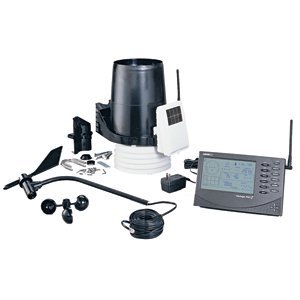
Davis Instruments 6152 Vantage Pro2 Wireless Weather ...
View on AmazonCommunity and commercial-scale
- Solar carports and rooftops turn underutilized surfaces into generation without acquiring land. Community solar broadens access to renters and shaded-roof customers.
- Mid-sized wind can serve campuses or industrial parks with suitable wind resources and setback allowances, but permitting and community acceptance are critical.
- Hybrid community projects—solar + storage—often pencil out better than community wind in average wind regimes due to lower soft costs and easier siting.
Utility-scale onshore
- In sun-rich regions (U.S. Southwest, Middle East, Australia, northern Africa), utility-scale solar often delivers the lowest-cost new generation.
- In wind belts (U.S. Great Plains, Patagonia, parts of Mongolia and Inner Mongolia, northern Europe’s coasts), onshore wind competes strongly and can exceed solar’s value by generating when solar does not, especially in winter.
- Transmission and interconnection queues are decisive: whichever resource can connect sooner at a good node may be “better” in practice.
Offshore wind
- Offshore wind offers high capacity factors and proximity to coastal load centers with limited land for onshore projects. It is capital-intensive and sensitive to supply-chain and interest-rate swings. Where resource quality and policy support align (North Sea, parts of the U.S. Northeast and Mid-Atlantic, Taiwan), offshore wind can anchor decarbonized coastal grids. For a deeper dive on market maturation and economics, see Wind Energy Growth: Analyzing the Global Shift to Offshore Wind Farms. (/renewable-energy/wind-energy-growth-global-offshore-wind-farms)
Decision framework: how to choose for specific goals (cost, carbon, resilience)
- Lowest cost per MWh (utility-scale):
- Choose the resource with the better local LCOE and faster grid access. In many regions, that’s solar; in strong-wind regions, it’s wind. Use updated bids or ATB benchmarks, not national averages.
- Maximum annual energy on constrained land:
- Rooftops and carports favor solar. For open land, wind’s sparse physical footprint preserves co-uses (farming, grazing) while delivering high CF. Agrivoltaics can make solar land more productive.
- Carbon reduction fastest:
- Build both where feasible. Their complementary profiles reduce curtailment and storage needs, accelerating fossil displacement. Add storage strategically for evening peaks and reliability.
- Local air quality and health benefits:
- Either resource replacing fossil peakers yields immediate benefits. Solar paired with storage can directly target afternoon/evening peaks that drive ozone formation.
- Resilience and outage protection (behind the meter):
- Solar + battery storage provides reliable daytime generation and night backup for critical loads. Small wind can supplement in windy regions but is rarely the primary resilience tool for homes.
- Rural economic development:
- Wind leases provide steady farmer income while preserving land use. Solar provides construction jobs and can fund pollinator-friendly plantings or agro-solar pilots.
- Permitting and social acceptance:
- Visual impacts, sound, and wildlife concerns shape wind siting; land conversion and glare anxieties shape solar siting. Early community engagement and data-transparent studies lower conflict for both.

EF ECOFLOW Solar Generator DELTA 2 Max 2048Wh With 400W Solar Panel, LFP Battery Portable Power Station Up to 3400W AC Output Fast Charging 0-80% in 43 Min solar powered generator For Camping, RV : Patio, Lawn & Garden
View on AmazonWhere the technology is heading
- Technology learning: Solar module efficiencies continue to rise (TOPCon, HJT, and tandem/perovskite R&D), shrinking BOS costs per watt. Wind turbines are taller with larger rotors and advanced controls, lifting CF and reducing cost per MWh even in moderate winds.
- Supply chains: Polysilicon capacity expansions eased PV input constraints; silver thrifting and copper-aluminum substitution continue. Wind is scaling domestic manufacturing in multiple regions to cut logistics costs and meet local-content rules.
- Integration: Grid-forming inverters, advanced forecasting, and digital twins for predictive maintenance make higher-renewables operation cheaper and more stable. Hybrid wind-solar-storage plants will proliferate as interconnection queues lengthen.
So, is wind energy better than solar?
Neither “wins” in all contexts. Onshore wind typically delivers higher capacity factors and better winter and nighttime coverage; solar often provides the lowest capital cost and highly predictable daytime output. Most cost-effective, low-carbon grids blend both—plus storage and transmission—to capture complementarities and minimize total system costs. For homes, rooftop solar is usually the better first move; for utilities, the “best” choice is the one that cuts system costs and emissions fastest in your region.
Practical next steps:
- If you’re a homeowner: evaluate roof solar potential, rates, incentives, and consider a battery for resilience. Small wind only makes sense with excellent wind and permissive siting—use measured wind data, not just a breeze at ground level.
- If you’re a policymaker or planner: prioritize balanced procurement, invest in transmission, unlock interconnection, and support hybrid projects. Pair procurement with wildlife-smart siting and recycling standards.
- If you’re a business/utility: optimize portfolios with co-located wind, solar, and storage to reduce curtailment risk and capture time-of-day value.
Recommended Products
Sustainable Energy - without the hot air: MacKay, David JC
Written by David MacKay, who was an esteemed Professor of Engineering at the University of Cambridge and Chief Scientific Advisor to the UK Department of Climate Change, this is <strong>an uplifting,
Davis Instruments 6152 Vantage Pro2 Wireless Weather ...
Explore professional-grade Davis weather stations. Monitor temperature, wind, rainfall, and more with wireless precision.
EF ECOFLOW Solar Generator DELTA 2 Max 2048Wh With 400W Solar Panel, LFP Battery Portable Power Station Up to 3400W AC Output Fast Charging 0-80% in 43 Min solar powered generator For Camping, RV : Patio, Lawn & Garden
[Fast Green Charging] Charge DELTA 2 Max wherever there's sun with portable solar panels. <strong>With a single 400W panel that has a high conversion efficiency of up to 23%, top-up in 5.1 hours<