
Solar in Nevada: Costs, Incentives & Top Installers (2026)
Nevada ranks among America’s solar leaders: in 2024, roughly a quarter of the state’s electricity came from solar, one of the highest shares in the U.S. (SEIA). With some of the nation’s best sun exposure and falling equipment prices, solar in Nevada is a compelling way to cut bills, lock in long-term energy costs, and reduce emissions. This guide walks Nevada homeowners through solar potential, costs, incentives, net metering, installer options, permitting, and expected payback in 2026.
By the numbers: solar in Nevada
- Solar resource: 5.5–6.8 kWh/m²/day global horizontal irradiance (NREL NSRDB), among the highest in the U.S.
- Energy yield: 1,550–1,850 kWh per kWdc per year depending on location/tilt (NREL PVWatts)
- Residential electricity price: ~14–16¢/kWh (EIA Electric Power Monthly, 2024 statewide average), with time-of-use options in NV Energy territory
- Installed solar in state: multi-gigawatt scale and growing; solar provided ~23–25% of Nevada’s generation in recent years (SEIA state data)
- Federal support: 30% Investment Tax Credit (ITC) applies through 2032 for residential solar and batteries (IRA)
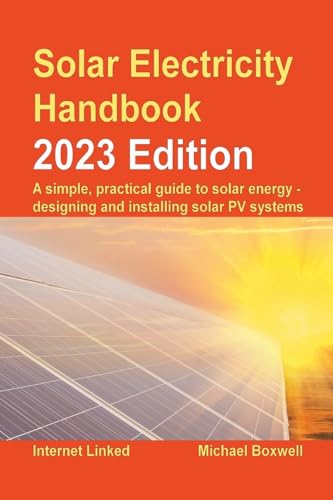
Solar Electricity Handbook - 2023 Edition: A simple, practical guide to solar energy – designing and installing solar photovoltaic systems: Boxwell, Michael
Solar Electricity Handbook - 2023 Edition: <strong>A simple, practical guide to solar energy – designing and installing solar photovoltaic systems</strong> [Boxwell, Michael] on Amazon.com. *FREE* shi
Check Price on AmazonSolar energy potential in Nevada: sun hours, irradiance, and climate factors
Nevada’s desert latitude, clear skies, and high elevations translate to excellent solar resource. NREL’s National Solar Radiation Database shows average global horizontal irradiance (GHI) roughly:
- Las Vegas/Henderson: ~6.3–6.8 kWh/m²/day
- Reno/Sparks: ~5.5–6.0 kWh/m²/day
- Elko/Winnemucca: ~5.7–6.2 kWh/m²/day

DOCAZOO 10" Ultra Soft Bristle Brush and Scrub ...
View on AmazonRun through NREL’s PVWatts, that resource typically yields 1,550–1,850 kWh/kWdc/year for fixed-tilt, roof-mounted systems. For a 7 kWdc home system, that’s roughly 10,900–12,900 kWh per year—well aligned with the average Nevada household’s annual consumption.
Climate details matter:
- Heat and efficiency: Panel output declines as temperatures rise. Standard p-type PERC modules often have temperature coefficients around −0.35 to −0.40%/°C; premium heterojunction (HJT) or n-type TOPCon panels can be lower (around −0.25 to −0.30%/°C). If you’re in the Las Vegas Valley, a low temp coefficient panel such as the REC Alpha Pure-R can preserve summer performance.
- Dust and soiling: Arid climates accumulate dust; annual energy losses of 2–5% are common if rainfall is sparse (NREL). Occasional rinsing or rain events typically keep losses manageable.
- Snow load up north: Reno/Tahoe sees periodic snow. Proper racking, tilt, and load ratings are important; snow typically slides sooner on smoother glass modules at steeper tilts.
Comparing to neighbors, Arizona has slightly higher average irradiance in the Sonoran Desert, while coastal California sees lower sun but much higher retail rates—both factors that shape economics. For state-by-state context, see our guides on Solar in Arizona: Costs, Incentives & Top Installers (2026) and Solar in California: Costs, Incentives & Top Installers (2026).
Average cost of solar panels in Nevada and price-per-watt breakdown
Residential solar prices fell over the last decade and softened again in 2023–2025 as module oversupply pushed hardware costs down. Two widely cited trackers provide context:
- SEIA/Wood Mackenzie reported average national residential pricing around $3.00–$3.30/Wdc in 2023–2024.
- Lawrence Berkeley National Lab’s Tracking the Sun (2024 edition) found wide state-level spreads around that median due to equipment choices, labor, and soft costs.
In 2026, typical turnkey quotes for solar in Nevada tend to land around $2.60–$3.20 per watt DC for standard residential systems, with premium modules, integrated aesthetics, or complex roofs trending higher. A few examples:
- 5 kWdc system: $13,000–$16,000 gross
- 7 kWdc system: $18,200–$22,400 gross
- 10 kWdc system: $26,000–$32,000 gross
Price drivers you control:
- Equipment selection: High-efficiency n-type modules (e.g., Qcells Q.TRON series or REC Alpha Pure-R) and microinverters (e.g., Enphase IQ8M) typically add $0.15–$0.40/W over baseline gear but can improve energy harvest and monitoring.
- Roof complexity: Steep pitches, multiple roof faces, service upgrades, or reroofing add cost.
- Installer business model: Local installers often compete aggressively; national brands may charge more but bundle longer workmanship guarantees.
Battery adders in NV typically range $9,000–$15,000 per 10–13.5 kWh unit installed before incentives; multi-battery systems scale linearly with modest per-unit savings.
Nevada solar incentives: state tax credits, rebates, net metering, and SRECs
Nevada’s incentive landscape centers on net metering and utility programs rather than state income tax credits.
- State personal income tax credits: Nevada does not offer a statewide residential solar income tax credit.
- Sales/property tax: Nevada does not have a blanket statewide sales tax exemption or residential property tax exclusion specifically for solar. Some county assessors may exclude solar from assessed value in practice; always verify with your county assessor.
- Utility battery/storage incentives: NV Energy has offered residential energy storage incentives through its PowerShift programs, historically providing upfront rebates per installed kWh and additional bill credits for certain demand response enrollments. Funding levels and eligibility vary by program year and location; consult NV Energy’s current residential storage program details before you buy.
- Net metering (NEM): Nevada restored net metering under AB 405 (2017) with a tiered export credit. For new residential customers in NV Energy territory, the program has reached the step that credits exported energy at 75% of the prevailing retail rate. Key features:
- Export credit rate: 75% of retail for 20 years from interconnection date for the system at the premises (per NV Energy’s Schedule NMR-405).
- Billing: Energy you use instantly offsets at the full retail rate; only excess exports earn the 75% credit. Unused credits roll forward on your bill; utility tariff rules govern annual true-up and any credit expiration—check your service tariff.
- System size: Residential systems are typically capped to offset on-site load; verify limits in the interconnection/NMR tariff.
SRECs: Nevada operates an RPS (50% by 2030; 100% carbon-free by 2050), but it does not have a consumer-facing, cash SREC market like some Eastern states. In most residential cases, you will not receive separate SREC income.
Policy sources: Public Utilities Commission of Nevada (PUCN), NV Energy Schedule NMR-405, and DSIRE (the Database of State Incentives for Renewables & Efficiency) maintain current program details.
Federal ITC and how it applies to Nevada homeowners
The federal Investment Tax Credit (ITC) remains the single most valuable incentive for solar in Nevada.
- Credit amount: 30% of total installed cost for residential solar through 2032 under the Inflation Reduction Act (phasing down afterward unless extended).
- Eligible costs: Panels, inverters, racking, wiring, labor, permitting, sales tax, and related electrical work like main panel upgrades if integral to the installation.
- Batteries: Standalone batteries ≥3 kWh capacity qualify for the 30% credit starting with 2023 tax year; solar-plus-storage also qualifies.
- How to claim: File IRS Form 5695 for the tax year your system is placed in service. The credit is nonrefundable but can carry forward to future tax years if you don’t have enough liability this year. Talk to a tax professional for specifics.
Note: Bonus credits for low-income or energy communities under the IRA chiefly target commercial, utility-scale, or community solar—not typical single-family residential projects.
Best solar installers and companies serving Nevada
Nevada’s market includes strong local firms and national providers. Always get multiple bids and compare equipment, warranties, and price per watt.
What to look for:
- Certifications and licenses: Nevada C-2 (electrical) and/or C-37 (solar contracting) as applicable; NABCEP PV Installation Professional certification is a plus.
- Equipment lineup: Reputable panels (Qcells, REC, Canadian Solar, JA, Maxeon), bankable inverters (Enphase, SolarEdge), and clear battery options (e.g., Tesla Powerwall 3, Enphase IQ Battery 5P).
- Warranties: 10–25 years on product and performance for panels; 10–25 years on inverters; 10+ years workmanship from the installer.
- Monitoring and service: App-based production monitoring, clearly defined service response times, and roof/penetration warranties aligned with your roofing material.
Examples of established installers operating in Nevada:
- Sol-Up (Las Vegas-based)
- Bombard Renewable Energy (Las Vegas-based)
- Sunrun (national provider working with local crews)
- Ion Solar (regional)
- Blue Raven Solar (national)
- Freedom Forever (national)
- SunPower authorized dealers active in NV (varies by county)
Note: Inclusion is not an endorsement. Verify current licensing, insurance, and recent customer reviews, and request module/inverter spec sheets and a detailed production estimate (NREL PVWatts or manufacturer-backed modeling) for your roof.
Nevadans near state borders may find overlapping service territories and pricing dynamics similar to nearby markets. For a sense of how equipment and pricing compare next door, see our guides to Solar in Arizona and Solar in California.
ROI and payback period for solar in Nevada
Thanks to high solar output and moderate electricity prices, many Nevada homeowners see simple paybacks in the 7–10 year range for solar-only systems and 9–13 years with batteries, depending on load shape and rate plan.
Illustrative example (Las Vegas–area, 2026):
- System: 7 kWdc, $2.90/Wdc installed → $20,300 gross cost
- Federal ITC (30%): −$6,090 → $14,210 net cost after tax credit
- Annual production: ~12,250 kWh (PVWatts, south-facing, ~20–25° tilt)
- Retail electricity rate: $0.145/kWh (EIA statewide average, recent year)
- Self-consumption vs export: 60% used on-site, 40% exported
- Export credit rate: 75% of retail under NMR-405 → ~$0.109/kWh credit
Annual bill impact:
- On-site consumption value: 12,250 × 60% × $0.145 ≈ $1,065
- Export credit value: 12,250 × 40% × $0.109 ≈ $533
- Total annual savings/credits: ≈ $1,600
- Simple payback: $14,210 ÷ $1,600 ≈ 8.9 years
How batteries change the math:
- Nevada’s export credit (75% of retail) and evening usage patterns mean a battery can increase self-consumption and arbitrage time-of-use peaks. A single 10–13.5 kWh battery can lift the on-site consumption share from ~60% to 80–90% for many homes, shortening payback for solar-plus-storage when paired with TOU rates. If you can layer a NV Energy storage incentive on top and enroll in demand response, ROI improves further. Always model under your actual TOU tariff and usage profile.
Financing considerations:
- Cash: Highest lifetime savings; typical IRR in high single digits to low teens for good sites.
- Solar loans (7–20 years): Turn savings into a bill-neutral or bill-positive scenario; check APRs, fees, and dealer adders.
- PPAs/leases: Lower or no upfront cost; savings depend on escalators and production guarantees. Review early buyout and roof/transfer terms carefully.
Nevada-specific permitting, HOA rules, and interconnection process
Permitting and interconnection are straightforward when your installer knows local rules.
- Permitting: Most Nevada jurisdictions (Clark County, City of Las Vegas, City of Henderson, Washoe County, City of Reno, etc.) require an electrical/structural permit and plan set stamped to local codes (NEC 2017/2020 as adopted). Several jurisdictions use streamlined online portals and some participate in NREL’s SolarAPP+ for standard, code-compliant systems to accelerate approval; check your Authority Having Jurisdiction (AHJ) for current practices.
- HOA rules: Nevada’s solar rights law (NRS 111.239) generally prevents homeowners’ associations from prohibiting solar energy systems on single-family homes. HOAs can propose reasonable placement/aesthetic guidelines that do not effectively prevent installation; if a requested change would significantly reduce output or raise cost, ask your installer to document the impact.
- Interconnection: NV Energy’s process for net-metered systems typically includes: pre-application (optional), online application with one-line diagram and spec sheets, approval and meter work order, installation, inspection by AHJ, and Permission to Operate (PTO). Residential systems must use certified equipment (UL 1741 SB/SA, IEEE 1547-2018 compliant as applicable) and meet rapid shutdown requirements. Timelines depend on queue and AHJ; complete, accurate applications move fastest.
Pro tip: Nameplate sizing that aligns with your 12-month usage and your rate plan often maximizes ROI under the 75% export credit. Your installer should right-size using your interval usage data if available.
FAQ: common questions about going solar in Nevada
Is solar worth it in Nevada in 2026? Yes for most detached homes with decent sun and roof space. High solar output, stable 30% federal ITC, and NV Energy’s net metering export credit (75% of retail) generally deliver 7–10 year paybacks for solar-only systems.
What are typical system sizes for Nevada homes? 5–10 kWdc is common. Use your last 12 months of kWh to size appropriately; aim to offset most of your annual usage without grossly overproducing.
Which roof directions are best? South is ideal; southwest/west can improve evening self-consumption on TOU rates. East-facing can also pencil if priced well. Avoid heavy shading.
Do I need a battery in Nevada? Not required, but batteries improve resilience and can boost economics by shifting solar to evening peaks, especially under TOU. NV Energy’s storage programs (when available) can meaningfully reduce net cost.
Can HOAs block solar? Generally no. Nevada’s solar rights law restricts HOAs from prohibiting solar on single-family homes. They may ask for reasonable adjustments; work with your installer to document performance impacts.
How does Nevada’s net metering work? You self-consume first at the full retail rate; excess exports earn a bill credit at 75% of retail for 20 years from interconnection. Credits roll forward; consult your tariff for annual true-up details.
Are there state solar tax credits in Nevada? No statewide residential income tax credit. The main incentive is federal (30% ITC). Utility storage rebates may be available.
How long do permits and PTO take? Simple projects in jurisdictions using streamlined review can see permits in days; others may take a few weeks. Interconnection/PTO timing varies with utility workload; your installer should provide current estimates.
Will solar increase my property value? Multiple studies (e.g., Lawrence Berkeley Lab) find homes with owned solar sell for a premium relative to comparable non-solar homes. Market effects vary by neighborhood.
What maintenance is required? Solar is low-maintenance. In southern Nevada, light rinsing during extended dry spells can reduce soiling losses. Inverters and batteries are monitored via apps; most issues are detected remotely.
Practical takeaways for Nevada homeowners
- Target a net price per watt around $2.60–$3.20 in 2026 for standard equipment; premium packages will be higher. Get at least three bids.
- Under the 75% export credit, design for higher self-consumption: west-facing strings, load shifting (EV charging, heat pump water heaters), and batteries can help.
- Choose hardware for heat: low temperature coefficient modules and high-reliability inverters. Products like the REC Alpha Pure-R, Qcells Q.TRON, and Enphase IQ8 microinverters offer strong summer performance and robust warranties.
- Verify current NV Energy storage incentives and TOU offerings—these can materially change ROI.
- Keep documentation: stamped plans, spec sheets, installer warranties, and your interconnection letter (PTO). You’ll need invoices for IRS Form 5695.

Emporia Gen 2 Smart Home Energy Monitor with 16 50A Circuit Level Sensors | Real Time Electricity Monitor/Meter | Solar/Net Metering - Amazon.com
View on AmazonAs module oversupply keeps hardware affordable and Nevada’s solar resource remains exceptional, the 2026 window is attractive for homeowners ready to capture long-term savings and resilience with a well-specified system.
Recommended Products
Solar Electricity Handbook - 2023 Edition: A simple, practical guide to solar energy – designing and installing solar photovoltaic systems: Boxwell, Michael
Solar Electricity Handbook - 2023 Edition: <strong>A simple, practical guide to solar energy – designing and installing solar photovoltaic systems</strong> [Boxwell, Michael] on Amazon.com. *FREE* shi
DOCAZOO 10" Ultra Soft Bristle Brush and Scrub ...
5-SIDED ANGLED BRISTLE DESIGN – enables efficient and effective cleaning, allowing the brush to access corners and reach into the deeper contours of uneven surfaces and joints – the 5-sided design als
Emporia Gen 2 Smart Home Energy Monitor with 16 50A Circuit Level Sensors | Real Time Electricity Monitor/Meter | Solar/Net Metering - Amazon.com
See how much electricity your home is using anywhere, anytime. ... <strong>Add individual 50A sensors to your Vue to monitor up to 16 individual circuits</strong> — providing accurate energy use for t