
Tesla Powerwall in Nevada: Cost, Availability & Is It Worth It?
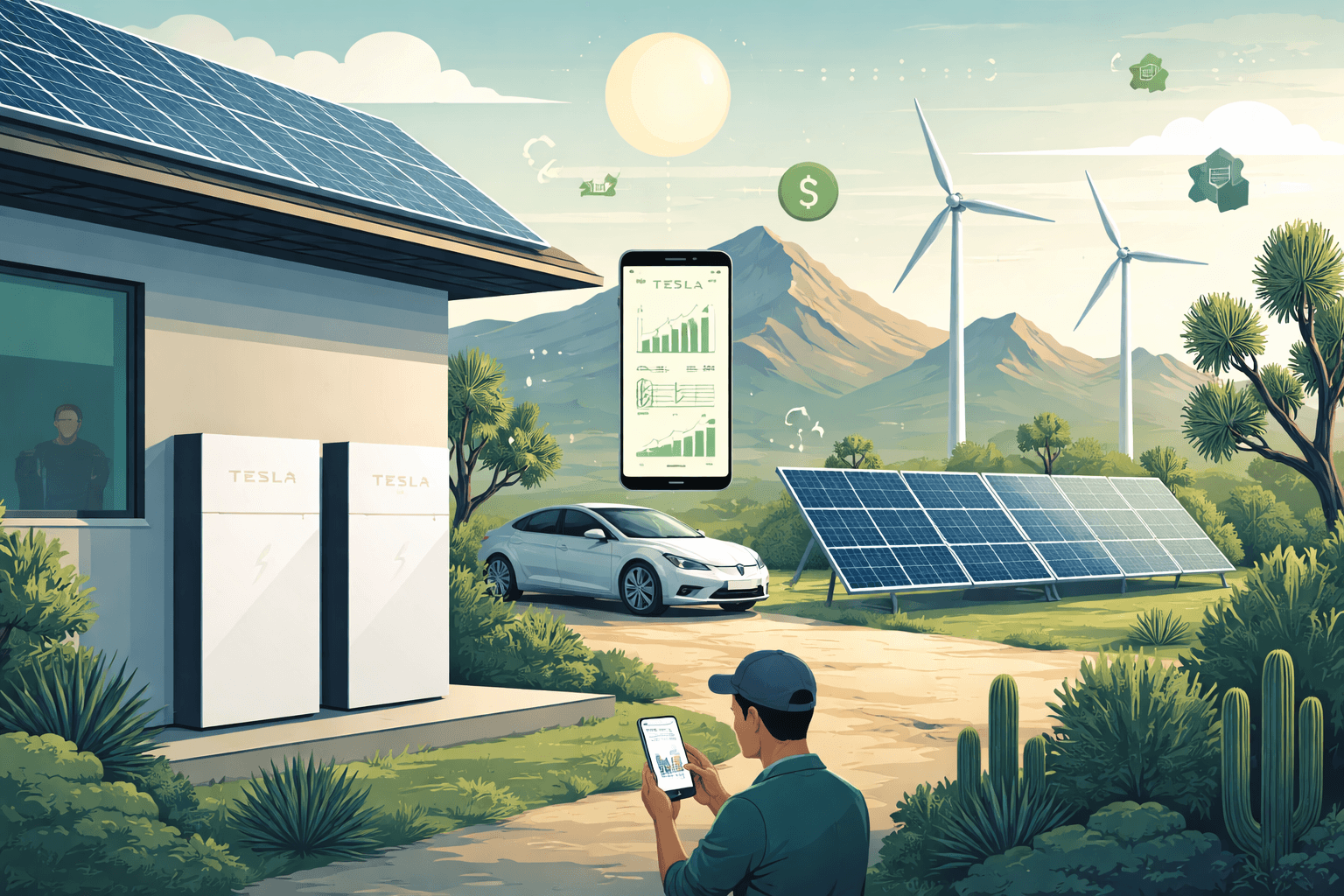
Nevada’s long, sunny summers and expanding solar capacity make home batteries a compelling add-on for resilience and bill savings. If you’re weighing a Tesla Powerwall in Nevada, here’s a data-forward guide to specs, pricing, incentives, utility rates, and whether the economics pencil out under current net metering rules.
Tesla Powerwall overview: specs, capacity, and how it works
Tesla’s Powerwall is a lithium-ion home battery that stores excess solar generation or off-peak grid energy for use during peak-rate periods and outages.

Photovoltaics: Design and Installation Manual: Solar Energy International
It also includes chapters on sizing photovoltaic systems, analyzing sites and installing PV systems, as well as detailed appendices on PV system maintenance, troubleshooting and solar insolation data
Check Price on Amazon- Usable energy: 13.5 kWh per unit (Tesla-listed)
- Power output: Powerwall 2/Powerwall+ provide up to 5–7 kW continuous depending on configuration; Powerwall 3 increases continuous output to about 11.5 kW with an integrated hybrid inverter (Tesla datasheets, 2023–2024)
- Round-trip efficiency: ~90% for AC-coupled systems (manufacturer spec)
- Operating modes: Backup-only, Self-consumption, and Time-based Control (load shifting)
- Stacking: Up to 10 units for larger homes or small commercial loads
- Warranty: 10 years; capacity retention typically to 70% at year 10 for residential use cases (Tesla Energy Warranty)
How it works
- AC-coupled (Powerwall 2): Installs alongside an existing solar inverter or without solar. The Tesla Backup Gateway manages charging, discharging, and grid isolation during outages.
- Hybrid/integrated (Powerwall 3): Combines a solar inverter and battery in one enclosure, simplifying balance-of-system components and potentially lowering installation costs when paired with new PV.
In plain terms, a single 13.5 kWh Powerwall can power a typical refrigerator (~1–2 kWh/day), lighting, Wi-Fi, and selective air conditioning for hours. Two or more units are common for homes with electric ranges, pool pumps, or whole-home backup.
Powerwall pricing in Nevada including installation costs
Installed pricing varies by installer, roof/electrical complexity, and whether you add the battery with new solar.
Typical all-in prices we see quoted in Nevada (equipment + gateway + labor + permitting, before incentives):
- One Powerwall 2/3 added to existing solar: $12,000–$16,000
- Each additional Powerwall on same job: +$8,000–$10,000
- New solar + Powerwall package: can reduce per-unit battery cost by $1,000–$2,000 due to shared labor and an integrated design
Cost drivers
- Electrical upgrades: Main panel upsizing and service work can add $1,000–$4,000
- Permit/inspection fees: Typically a few hundred dollars depending on jurisdiction (Clark/Washoe counties)
- Standalone vs. solar-paired: Powerwall 3’s integrated inverter can cut costs for new PV arrays relative to AC-coupled retrofits
Federal incentive
- 30% Residential Clean Energy Credit (Internal Revenue Code §25D) applies to battery storage ≥3 kWh, whether you add a Powerwall with solar or as a standalone. A $14,000 install yields a potential $4,200 tax credit, lowering the net outlay to ~$9,800. Consult a tax professional for eligibility.
Regional context
- Nevada pricing generally tracks Arizona and Colorado markets; California labor and permit costs often run higher. If you’re comparing across the Southwest, see our state deep-dives for context like Tesla Powerwall in Arizona: Cost, Availability & Is It Worth It? and Tesla Powerwall in Colorado: Cost, Availability & Is It Worth It?.
Nevada battery storage incentives: state rebates, SGIP, utility programs
- Statewide rebates: As of late 2024, Nevada does not offer a permanent, statewide residential battery rebate (source: DSIRE, Nevada Governor’s Office of Energy). Programs can change; always verify current offerings.
- SGIP: California’s Self-Generation Incentive Program (SGIP) is not available in Nevada.
- Utility programs: NV Energy has periodically run demand response and battery pilots (e.g., under PowerShift branding). Availability, eligibility, and incentive levels vary by year and budget. Check NV Energy program pages or call customer service to confirm if a bring-your-own-battery incentive is active in your service territory.
- Property and sales tax: Large-scale renewable projects in Nevada may receive abatements, but there is no standard statewide residential sales-tax exemption specifically for batteries. Local tax treatment can vary.
What’s reliable right now? The 30% federal tax credit is the cornerstone incentive. Any utility pilot or one-time rebate is a bonus rather than a guarantee.
How the Powerwall pairs with solar in Nevada: backup vs. self-consumption
Nevada’s high solar resource means rooftop PV often over-produces midday, especially in spring and fall. Where you land on backup versus bill optimization depends on your goals and rate plan.
- Backup priority: Configure the Powerwall to reserve a percentage of capacity for outages (e.g., 20–100%). Nevada’s grid reliability is generally strong, but extreme heat and storms can drive localized outages. U.S. customers experienced about 5.5 hours of outage on average in 2022 including major events (EIA). If resilience is paramount—medical equipment, remote work—consider reserving more capacity or installing two units.
- Self-consumption: The battery captures surplus PV that would otherwise be exported at a net metering credit below retail. With Nevada’s net metering step-down (AB 405), new customers typically receive credits below full retail—often around 75% of the retail rate depending on the enrollment tier and tariff (Public Utilities Commission of Nevada/NV Energy). Storing that surplus and using it later at near-retail value can improve solar payback.
- Time-based control: If you take a time-of-use (TOU) rate, the Powerwall can charge off solar or off-peak grid power and discharge during peak windows to arbitrage the differential.
Practical sizing
- One Powerwall is a solid start for 5–8 kW PV systems focused on TOU arbitrage and essential-load backup. Homes seeking whole-home backup—especially with heat pumps, 4+ ton AC, or electric ranges—often size to two or three units.
Nevada utility rate structures and how Powerwall saves with time-of-use
NV Energy offers tiered and time-of-use options that differ between Northern (Sierra Pacific Power) and Southern (Nevada Power) service territories. Peak periods are generally weekday afternoons/evenings in summer, with lower off-peak rates overnight and on weekends. Specific hours, seasons, and prices are set by tariff and change over time. Always confirm the latest schedules on NV Energy’s rate pages.
Why TOU matters
- If your peak rate is, for example, 24–30¢/kWh and off-peak is 9–14¢/kWh, the theoretical gross spread is ~10–16¢/kWh. After round-trip losses (~10%), shifting 10 kWh/day could yield roughly $1.00–$1.40 per day, or $365–$510/year, plus resilience value. Actual savings depend on your exact tariff, usage profile, and solar production.
- Net metering credits: If exports earn ~75% of retail while imports are billed at 100%, a Powerwall that increases self-consumption improves the effective value of each kWh generated. Example: Retail 18¢, NEM credit 13.5¢ (75%). Consuming onsite rather than exporting captures the 4.5¢ delta, and under TOU the delta can be higher during peak windows.
Demand charges
- Most NV Energy residential tariffs do not include demand charges, but some rural co-ops and optional rates can. If you’re on a demand-based plan, a battery can shave short, high-load spikes (e.g., AC + oven + EV charging simultaneously) that set your monthly demand bill component.
Billing example (illustrative only)
- Summer TOU spread: 26¢ peak vs. 12¢ off-peak (not an actual tariff—check NV Energy).
- Battery shifts 9 kWh/day from 12¢ to 26¢: gross benefit 14¢ × 9 = $1.26/day.
- Account for 10% losses: net ~8.1 kWh shifted = $1.13/day → ~$340 over a 300-peak-day year.
- Add NEM differential and outage value, and total benefits can rise meaningfully.
Powerwall availability and certified installers in Nevada
- Coverage: Tesla Energy and Tesla Certified Installers operate in greater Las Vegas, Henderson, North Las Vegas, Reno, Sparks, and many rural areas.
- Lead times: Typical timelines are 4–10 weeks from contract to commissioning, driven by permit queues, utility interconnection, supply availability, and any panel upgrades.
- Interconnection: NV Energy requires an updated interconnection agreement for adding storage to an existing net-metered PV system; your installer handles the paperwork.
- Inspections: Jurisdictional inspections plus utility meter work can add 1–3 weeks after installation.
Due diligence checklist
- Request itemized bids (equipment, gateway, labor, electrical upgrades, permit fees)
- Verify the installer’s Tesla certification and Nevada contractor license
- Ask for modeled savings with your exact tariff and usage
- Confirm outage behavior (what circuits are backed up, AC starting currents, EV charging limits on backup)
Alternatives to Powerwall available in Nevada: Enphase, LG, Generac
Powerwall is popular for its software, ecosystem, and strong power output—especially in Powerwall 3—but it’s not the only capable option.
Enphase IQ Battery 10/10T
- Usable energy ~10.1–12 kWh depending on model; continuous power ~3.8–5 kW (manufacturer specs)
- AC-coupled and tightly integrated with Enphase microinverters; excellent modularity
- Strengths: Deep PV integration, granular monitoring, strong installer network in NV
- Consider if: You have or prefer Enphase IQ8 microinverters and want seamless whole-system controls. Based on reliability data and native PV integration, the Enphase IQ Battery 10 represents strong value for residential installations.
LG Energy Solution RESU/ESS Home 8–10
- Usable energy ~8–10 kWh; paired with compatible inverters (e.g., SMA, SolarEdge models)
- Strengths: Compact footprint; long track record in residential storage
- Consider if: You need a lower-capacity unit to fit a modest backup profile; the LG ESS Home 10 is a good fit for space-constrained installs.
Generac PWRcell
- Modular cabinet design (typically 9–18 kWh per cabinet); up to ~9 kW power with full module stack (manufacturer specs)
- Strengths: High-power whole-home backup configurations; integrated load management
- Consider if: You prioritize whole-home backup with high surge loads. The Generac PWRcell M6 offers flexible scaling for larger homes.
What to compare
- Power (kW) vs. energy (kWh): Air conditioning and well pumps benefit from higher power output
- Round-trip efficiency: 88–96% typical across systems; higher is better for TOU arbitrage
- Warranty and throughput limits: Check capacity-retention guarantees and any kWh-throughput caps
- Ecosystem fit: Microinverters vs. string inverters; EV chargers; home load control
If you’re comparing policies across nearby states, our guides for Tesla Powerwall in California: Cost, Availability & Is It Worth It? and Arizona can help frame differences in net metering and TOU.
By the Numbers: Tesla Powerwall in Nevada
- 13.5 kWh usable storage per unit (Tesla)
- ~90% round-trip efficiency (Tesla)
- 10-year warranty to 70% capacity (Tesla Warranty)
- Federal tax credit: 30% for standalone batteries ≥3 kWh (U.S. Treasury/IRS)
- Nevada solar resource: Among the nation’s highest; >5 GW installed statewide by mid-2020s (SEIA)
- Typical installed cost in NV: ~$12,000–$16,000 for first unit before incentives (regional market quotes)
- Net metering credit: Tiered under AB 405, commonly below retail for new customers; often around 75% of retail in later tiers (PUCN/NV Energy)
Is a Powerwall worth it in Nevada?
Good candidates
- Homes on TOU rates with a sizable peak/off-peak spread
- New solar installations where Powerwall 3’s integrated inverter can simplify design
- Customers facing frequent summer peak outages or who need resilience for health/work
- Households on net metering tiers crediting exports below retail value
Borderline cases
- Flat-rate customers with minimal export and limited outage concern
- Small PV systems with low midday surplus
- Homes with ample roof PV and older, low-rate net metering (95% credit or grandfathered full-retail) may see less arbitrage value
Rule of thumb on payback
- Storage rarely beats solar PV on raw payback alone; it adds resilience and comfort. In Nevada, blended savings from TOU arbitrage + improved self-consumption often land in the range of $200–$600/year per battery under common rate spreads, with wide variance. Outage avoidance (preventing food spoilage, keeping HVAC running) is qualitative but meaningful in extreme heat.
FAQ: common questions about Tesla Powerwall in Nevada
- How many Powerwalls do I need to run AC in Las Vegas?
- Central AC units can draw 2–5+ kW continuous and higher at start-up. One Powerwall can run a small, efficient unit on essential loads. For whole-home cooling, two or more units are typical; a soft-start or variable-speed HVAC helps.
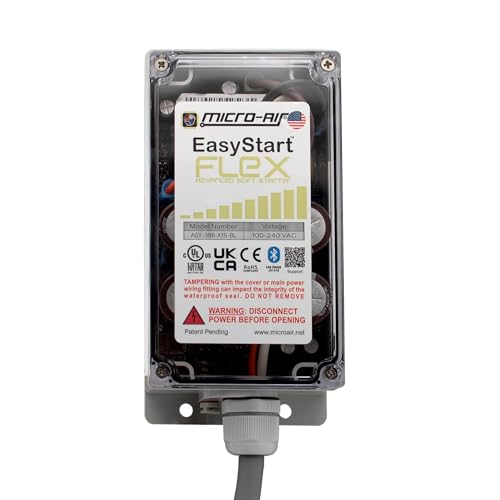
MICRO-AIR EasyStart 368 Bluetooth Soft Start Kit for Home Air Conditioner, RV & Commercial Use, Works with Generators, Reduces Power Surge, Efficient Start-Up - Up to 2-3.5 Tons(ASY-368-X48 BlueTooth) : Automotive
View on AmazonCan I add a Powerwall to my existing solar?
- Yes. Powerwall 2 is AC-coupled and integrates well with most existing systems. Powerwall 3 is ideal for new PV because it integrates the solar inverter.
Do I qualify for the 30% tax credit if I add a standalone battery in Nevada?
- Yes, the federal Residential Clean Energy Credit covers standalone storage ≥3 kWh beginning in 2023. Always confirm tax details with a professional.
Does Nevada have a battery rebate like California’s SGIP?
- No statewide program like SGIP. NV Energy sometimes offers limited pilots; availability varies by year.
How does net metering work with a battery in Nevada?
- You can still export to the grid and receive credits per your tariff. A battery primarily helps you use more of your own solar when credits are below retail and shift usage away from peak pricing.
What maintenance does a Powerwall require in desert heat?
- It’s a sealed, low-maintenance system with active thermal management. Shade and a ventilated location help; your installer will follow clearance and environmental guidelines.
What about permits and inspections in Clark or Washoe Counties?
- Expect plan review, an electrical inspection, and utility approval. Timelines are typically 2–8 weeks but vary with workload.
Can I charge the Powerwall from the grid at night?
- Yes, in Time-based Control mode. Check your interconnection agreement and rate plan; some tariffs or program enrollments can govern grid charging.
Practical steps for Nevada homeowners
- Pull a recent NV Energy bill and note your tariff, summer/winter rates, and any TOU windows.
- Ask two or three Tesla Certified Installers for itemized bids and modeled savings using your exact load profile.
- Decide on priorities: whole-home vs. essential-load backup; TOU arbitrage vs. export minimization.
- Confirm interconnection steps with NV Energy and whether any utility pilots are open.
- Consider complementary upgrades: smart thermostats, variable-speed HVAC, and a load controller amplify battery benefits. If you’re adding new PV, high-efficiency modules like the REC Alpha Pure-R and high-reliability microinverters such as Enphase IQ8 can help right-size array output to your battery capacity.

Emporia Vue 3 Home Energy Monitor - Smart Home Automation Module and Real Time Electricity Usage Monitor, Power Consumption Meter, Solar and Net Metering for UL Certified Safe Energy Monitoring - Amazon.com
View on AmazonWhere the market is heading
- Higher-power batteries: Systems like Powerwall 3 push continuous output upward, improving whole-home backup feasibility in hot climates.
- Smarter rate design: As TOU spreads widen in summer peaks, the value of flexible demand and storage generally increases (IEA, utility filings).
- Virtual power plants (VPPs): Aggregated home batteries are increasingly paid to support the grid during peaks. If NV Energy expands VPP participation, enrolled Powerwall owners could earn bill credits or payments for dispatch events, enhancing ROI.
Nevada’s high solar potential plus maturing storage tech make a strong case for pairing PV with a battery, especially for homes on TOU plans or later-tier net metering. If the economics meet your targets and resilience matters, a Powerwall is one of the simplest, most proven paths to a cooler, quieter, and more reliable home during Nevada’s hottest hours.
Recommended Products
Photovoltaics: Design and Installation Manual: Solar Energy International
It also includes chapters on sizing photovoltaic systems, analyzing sites and installing PV systems, as well as detailed appendices on PV system maintenance, troubleshooting and solar insolation data
MICRO-AIR EasyStart 368 Bluetooth Soft Start Kit for Home Air Conditioner, RV & Commercial Use, Works with Generators, Reduces Power Surge, Efficient Start-Up - Up to 2-3.5 Tons(ASY-368-X48 BlueTooth) : Automotive
COMPATIBILITY WITH GENERATORS: ... power-limited locations. This Easy Start flex home ac soft starter is <strong>compatible with 2-stage compressors and heat pump units</strong>, making it a versatile
Emporia Vue 3 Home Energy Monitor - Smart Home Automation Module and Real Time Electricity Usage Monitor, Power Consumption Meter, Solar and Net Metering for UL Certified Safe Energy Monitoring - Amazon.com
<strong>Add individual 50A sensors to your Vue to monitor up to 16 individual circuits</strong> — providing accurate energy use for the appliances and equipment that is important to you. No guesswork.