
Tesla Solar in Alaska: Panels, Roof & Pricing Guide (2026)
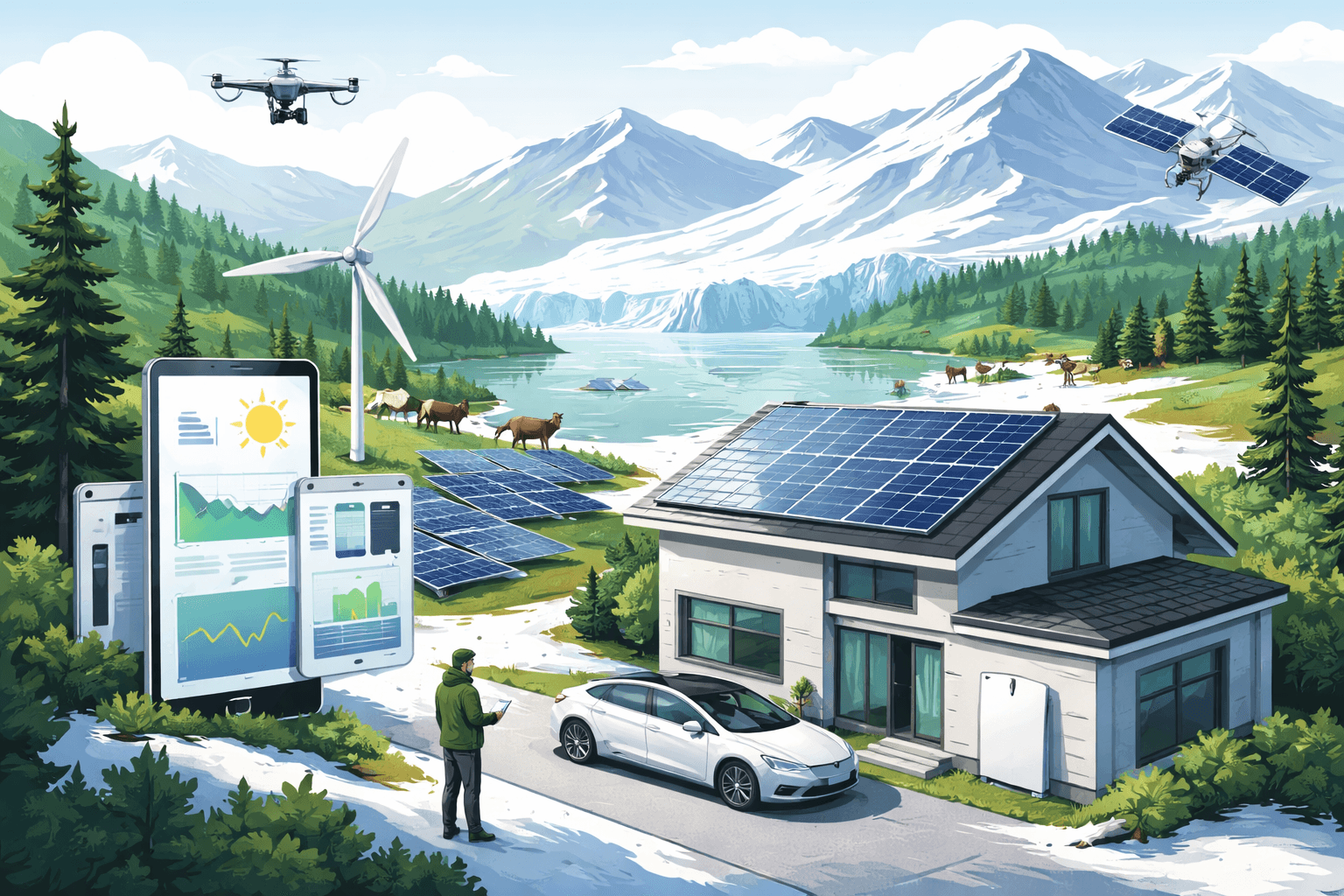
Alaska’s long summer days and falling solar hardware prices are changing the math on rooftop PV. Module prices fell 50–60% from 2023 to 2024 according to the IEA’s PV market update, and NREL’s 2024 residential benchmark put national installed costs around $3.28/W (DC). Against that backdrop, interest in Tesla Solar in Alaska is rising—especially for homes pairing PV with batteries to ride through winter outages and shoulder-season storms.
This guide covers Tesla’s panels, Solar Roof, and Powerwall bundles in Alaska; what they cost; how to order; which incentives apply; owner feedback; and how Tesla stacks up against local installers.
Tesla Solar in Alaska: availability and products
Tesla sells two primary PV options and one standard battery option in the U.S., with Alaska availability concentrated around population centers and subject to installer capacity and shipping windows.

Photovoltaics: Design and Installation Manual: Solar Energy International
It also includes chapters on sizing photovoltaic systems, analyzing sites and installing PV systems, as well as detailed appendices on PV system maintenance, troubleshooting and solar insolation data
Check Price on Amazon- Tesla Solar Panels (all-black, monocrystalline): Typically 420–440 W modules with module efficiencies around 20–21%. Racks and flashings are adapted for steep-pitch, high-snow-load roofs. Systems may use Tesla’s own string inverter or integrate via Powerwall 3’s hybrid inverter.
- Tesla Solar Roof (glass PV tiles): A full-roof replacement that mixes active PV tiles with non-generating tiles. It’s best suited when you already need a new roof. Availability in Alaska has been limited and may be restricted to specific ZIP codes and installers; expect longer lead times for materials.
- Tesla Powerwall 3: 13.5 kWh usable energy per unit, up to 11.5 kW continuous output with an integrated hybrid inverter, stackable, with an operating temperature range of about -4°F to 122°F and an internal heater for cold starts. In Alaska, Powerwall is often the linchpin for resilience.
Given Alaska’s logistics and weather, Tesla often relies on certified local partners for site assessments, permitting, and installation. Before planning around a specific product, use Tesla’s app to confirm current service coverage for your address and timelines.
Tesla Solar pricing in Alaska: panels vs. Solar Roof
Two forces dominate Alaska pricing: freight/logistics and snow/wind load engineering. While NREL’s 2024 U.S. residential benchmark is about $3.28/W (DC) before incentives, Alaska quotes generally run higher due to shipping, labor scarcity, and heavier-duty racking. Based on recent installer quotes we’ve reviewed and market benchmarks, homeowners in Anchorage, Mat-Su, and Fairbanks commonly see:
- Tesla Solar Panels: roughly $3.60–$4.80 per watt (before the 30% federal tax credit). A 6 kW system might fall between $21,600 and $28,800 before incentives, $15,120–$20,160 after the federal credit, with final price driven by roof complexity, distance from ports, and required snow-load upgrades.
- Tesla Solar Roof: highly variable, but commonly $60,000–$100,000+ before incentives for a 2,000–2,500 sq. ft. roof, depending on pitch, snow guards, underlayment, and how much of the roof area is active PV. If you already budgeted for a roof replacement, the Solar Roof may pencil out better; if your existing roof is sound, standard panels are usually the lower-cost option per kWh produced.
- Powerwall 3: often $12,000–$16,000 fully installed for the first unit in Alaska (additional units are typically less per unit when installed together). Batteries also qualify for the 30% federal credit when paired with solar, and standalone residential storage qualifies under the Inflation Reduction Act as of 2023.
For a broader view of Alaska market pricing and top local installers, see our state snapshot: Solar in Alaska: Costs, Incentives & Top Installers (2026).
What drives the Alaska premium?
- Freight and staging: Panels, inverters, and mounting often ship by barge or via long-haul trucking from West Coast ports with limited sailing schedules and seasonal constraints.
- Structural requirements: Many Alaska jurisdictions use ground snow loads in the 50–100+ psf range. Racking, attachment counts, and engineering can add 10–25% to balance-of-system costs compared with lower-snow regions.
- Labor windows: Short construction seasons compress demand; installers price in weather risks and mobilization costs.
By the numbers: Alaska + Tesla Solar
- 30%: Federal Residential Clean Energy Credit for solar, storage, and Solar Roof (IRS Form 5695), available through 2032.
- 420–440 W: Typical Tesla panel rating; 20–21% module efficiency class.
- 13.5 kWh: Powerwall 3 usable energy; stack multiple units for longer outages.
- 850–1,200 kWh per kW-year: Typical modeled annual production for fixed-tilt arrays in much of south-central Alaska using NREL PVWatts, depending on tilt, shading, and snow cover assumptions.
- 19+ hours: Anchorage daylight around the June solstice; near-zero in December. Most production comes March–October.
- 5400 Pa: Common front-load rating for premium modules (~113 psf), relevant for heavy snow events; verify for the specific Tesla module SKU on your proposal.
How to order Tesla Solar in Alaska: timeline, site assessment, installation
- Pre-qualification and design
- Enter your address and utility bill in Tesla’s online portal or app. You’ll receive a preliminary system size and cost estimate using satellite imagery.
- Alaska tip: If you have a steep roof, dormers, or heavy tree cover, expect adjustments after a detailed shade and structural review.
- Virtual consult and site assessment
- A Tesla team or certified installer will confirm roof condition, rafter spacing, and attachment strategy for snow loads; they may recommend snow guards and a higher tilt angle for improved winter self-shedding.
- If you plan to add a Powerwall, the team will verify main panel capacity, cold-weather placement (preferably indoors or in a conditioned space), and generator interlock plans if you have an existing genset.
- Final proposal and financing
- You’ll receive a fixed-price proposal with equipment, layout, production estimate (often using PVWatts), and financing options. Many Alaskans opt for cash or HELOCs; third-party loans are also available.
- Permitting and utility interconnection
- Your installer handles building/electrical permits and the interconnection application with your utility. Review your utility’s metering policy for credit rates and annual true-up.
- Materials, shipping, and scheduling
- Shipping to Alaska can add 3–10 weeks depending on inventory and season. Installation is typically 1–3 days for standard panel systems, longer for Solar Roofs or multi-battery setups. Winter installs are possible but may require snow/ice removal and special safety measures.
- Installation, inspection, and PTO
- After installation, your local authority inspects; your utility swaps or programs your meter; then you receive Permission to Operate (PTO). Tesla’s app activates live monitoring for solar and storage.
Alaska solar incentives that apply to Tesla installations
- 30% Federal Residential Clean Energy Credit (IRS): Applies to Tesla panels, Solar Roof, and Powerwall. Includes associated labor, balance-of-system, and sales tax (where applicable). Carryforward allowed if your tax liability is lower than the credit.
- Net metering (RCA regulations): The Regulatory Commission of Alaska (RCA) has net metering rules that many utilities follow for small renewables. Capacity limits and credit rates vary by utility and system size. Contact your provider (e.g., Chugach Electric, Matanuska Electric Association, Golden Valley Electric Association) for current details on crediting and annual true-ups.
- Local sales tax: Alaska has no state sales tax, but some municipalities levy local sales tax (e.g., Juneau). Solar equipment may or may not be exempt; check your city/borough.
- USDA REAP (businesses and farms): Rural small businesses and agricultural producers across much of Alaska may qualify for grants up to 50% of project costs for solar and storage under the expanded Rural Energy for America Program.
- Utility or borough rebates: Limited and frequently changing; ask your installer about any active programs in your service area.
If you’re specifically evaluating batteries, we break down costs and value here: Tesla Powerwall in Alaska: Cost, Availability & Is It Worth It?
Tesla Solar reviews from Alaska customers: what owners report
While experiences vary by region and installer, Alaska owners often highlight:
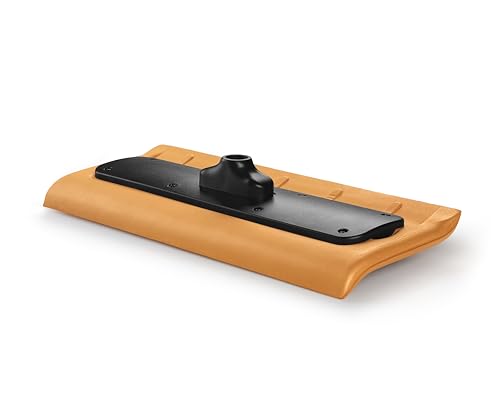
Snow Roof Rake Attachment // Solar Panel Snow Removal Tool for Roofs, RVs & Cars // Heavy Duty Snow Rake for House Roof // 13.6" Scratch-Free Soft Foam Blade // Push Pull Design (Pole Sold Separately) : Patio, Lawn & Garden
View on Amazon- Strong summer output, very low winter output: Production surges March–October and drops sharply in mid-winter. Systems sized for annual needs still contribute little in December–January; batteries mainly serve backup during that period.
- Snow management matters: Panels with steeper tilt and unobstructed lower edges shed snow more readily. Snow retention (guards) is often required for safety near walkways.
- Battery = resilience: Powerwall adds meaningful value against outages from windstorms or wet heavy snow. Owners note the internal heater mitigates cold-weather performance dips when installed in a garage or utility room.
- Logistics and scheduling: Shipping and short construction seasons stretch timelines. Expect clear communication about material ETAs and weather delays.
- App visibility: Real-time monitoring and outage alerts through Tesla’s app score well. Some off-grid-curious owners ultimately keep grid-tied systems plus a generator for extended winter events.
Tesla vs. local Alaska installers: pros, cons, and price comparison
Pros of Tesla/partner-installed systems
- Integrated ecosystem: Panels, inverter logic, Powerwall, and app are tightly integrated; the Powerwall 3’s hybrid inverter simplifies backup wiring.
- Competitive module specs: Tesla-branded panels are in the top efficiency tier (circa 20–21%).
- Scalable storage: Powerwall stacks easily and supports whole-home backup when service size and loads allow.
Potential drawbacks
- Service area limits: Not all Alaska ZIP codes are covered; remote properties face higher mobilization fees.
- Lead times: Longer shipping windows and seasonal install crunches can push projects into spring/summer.
- Roof specialization: For complex, high-snow roofs, some homeowners prefer local firms with decades of snow-country mounting experience.
Price comparison
- Tesla panels vs. local EPCs: In the Lower 48, Tesla is often among the price leaders. In Alaska, gaps narrow. Many local installers quote $3.80–$5.00/W for snow-rated rooftop systems; Tesla/partners often land in the $3.60–$4.80/W band depending on location and season. Get at least two quotes.
- Solar Roof vs. premium metal/architectural shingles + panels: A high-end metal roof plus a standard PV array often beats Solar Roof on dollars per kWh. Solar Roof becomes more compelling if you already need a full replacement and value the integrated look.
For context on statewide installer options and how bids compare, see: Solar in Alaska: Costs, Incentives & Top Installers (2026)
Tesla Solar warranty and what it covers in Alaska
Always confirm your specific agreement, but Tesla’s U.S. warranties typically include:
- Solar panels: 25-year performance warranty (power output guaranteed to a specified percentage at year 25) and product warranty covering defects; workmanship/installation warranty is generally 10–12 years via Tesla/installer.
- Solar Roof: 25-year weatherization and power output warranties on the PV tiles; roof glass tile coverage differs from conventional shingles and includes wind/hail ratings subject to terms.
- Inverters: Typically 10–12 years on the Tesla Solar Inverter; the Powerwall 3 includes a 10-year warranty with cycle/energy throughput terms.
- Powerwall 3: 10-year warranty, with capacity retention and operating condition limits; designed for cold climates with an integrated heater, but placement in conditioned space is recommended to reduce winter energy overhead.
Because Alaska homes may have higher snow loads and unique mounting hardware, keep your stamped structural letter, racking specs, and layout photos with your warranty records.
Practical recommendations and equipment picks
- Microinverters for complex shading: If you’re not selecting Powerwall 3’s hybrid inverter, consider module-level power electronics. Based on shade tolerance and rapid-shutdown compliance, the Enphase IQ8 series represents strong value for Alaskan roofs with dormers and partial shading.
- Snow-rated racking: For high ground snow loads, heavier-rail systems reduce deflection and ice-dam risks. Given its high load ratings, IronRidge XR1000 is a solid choice for steep, snow-prone roofs.
- Backup generator pairing: For extended winter outages, a cold-weather-rated standby generator can complement a single Powerwall. In the 12–14 kW class, the Generac Guardian 14 kW is a common right-size for essential circuits alongside battery storage.

Generac Guardian 14kW Home Standby Generator with 200 Amp Transfer Switch - Automatic Whole House Backup Power for Storms, Emergencies, and Outages, WiFi Enabled, Runs on Natural Gas or Liquid Propane : Patio, Lawn & Garden
Amazon.com : Generac Guardian 14kW Home Standby Generator with 200 Amp Transfer Switch - <strong>Automatic Whole House Backup Power for Storms, Emergencies, and Outages, WiFi Enabled, Runs on Natural
Check Price on AmazonFAQ: common questions about Tesla Solar in Alaska
Does solar work in Alaska winters?
- Yes, but production in December–January is minimal at higher latitudes. Most annual generation comes between March and October. Cold temperatures actually improve panel efficiency, but snow cover and low sun angles limit winter output. Systems are typically sized for annual, not winter, needs.
Is the Tesla Solar Roof a good fit for Alaska?
- Only if you already need a roof replacement and value the integrated look. The Solar Roof’s installed cost is higher per kWh than panels, and cold-climate installation requires experienced crews. Panels on a sound existing roof are the budget leader.
How many Powerwalls do I need?
- One Powerwall 3 (13.5 kWh) can back up essential loads for many hours; two to three units cover longer outages or whole-home backup, depending on your service size and winter heating loads. Heat pumps and well pumps may require more instantaneous power; your installer will run a load calc.
Can I go off-grid with Tesla in Alaska?
- Technically feasible with sufficient PV, storage, and a generator, but expensive. Most homeowners stay grid-tied for winter reliability and to use net metering credits in shoulder seasons.
What tilt is best for Alaska solar?
- A steeper tilt (35–60°) boosts winter and shoulder-season production and sheds snow better than low-slope arrays. Your installer will optimize tilt and row spacing for your latitude and roof geometry.
Will snow void my warranty?
- No—panels are rated for heavy snow loads, but you must follow installation specs for attachment counts and rail spans. Avoid aggressive mechanical snow removal that could damage glass. Ask about snow guards to protect walkways.
What about net metering rates in Alaska?
- Policies vary by utility under RCA regulations. Some utilities credit at retail rates up to a monthly net, others use avoided-cost rates with annual true-up. Confirm current terms with your provider before finalizing system size.
How long will installation take?
- After design and permitting, on-site work for a standard rooftop array is typically 1–3 days in good weather. Shipping to Alaska can add weeks; winter work windows are narrower, so many projects stage materials for spring/summer installs.
What this means for Alaska homeowners
- If you have a good south-facing roof and summer electric loads (freezers, shop, EV charging), Tesla panels paired with a Powerwall can pay back faster than expected—especially with the 30% federal credit and reasonable net metering.
- If resilience is the priority, budget for at least one Powerwall and consider a generator interlock. Alaska’s grid interruptions are infrequent but consequential; stacked solutions perform best.
- Get two quotes: one from Tesla/partners and one from a seasoned local snow-country installer. Compare dollars per kWh delivered, not just dollars per watt. Ask both to model PVWatts with realistic snow losses for your site.
Where this is heading: Module costs have fallen sharply, and balance-of-system hardware keeps improving for snow and wind. NREL projects continued soft-cost declines with streamlined permitting and standardization. For Alaska, the biggest gains will come from better winter-optimized designs (steeper tilts, slicker glass, smarter snow management) and increasingly capable home batteries that make summer surplus more valuable year-round.
Recommended Products
Photovoltaics: Design and Installation Manual: Solar Energy International
It also includes chapters on sizing photovoltaic systems, analyzing sites and installing PV systems, as well as detailed appendices on PV system maintenance, troubleshooting and solar insolation data
Generac Guardian 14kW Home Standby Generator with 200 Amp Transfer Switch - Automatic Whole House Backup Power for Storms, Emergencies, and Outages, WiFi Enabled, Runs on Natural Gas or Liquid Propane : Patio, Lawn & Garden
Amazon.com : Generac Guardian 14kW Home Standby Generator with 200 Amp Transfer Switch - <strong>Automatic Whole House Backup Power for Storms, Emergencies, and Outages, WiFi Enabled, Runs on Natural
Snow Roof Rake Attachment // Solar Panel Snow Removal Tool for Roofs, RVs & Cars // Heavy Duty Snow Rake for House Roof // 13.6" Scratch-Free Soft Foam Blade // Push Pull Design (Pole Sold Separately) : Patio, Lawn & Garden
Twist the snow attachment onto any standard US extendable pole. <strong>The unique 'S' shape design allows you to easily push or pull snow, creating extra efficiency and effectiveness for sn